
December 6 – Our journey begins with a late afternoon flight from Chicago O’hare Airport to Amsterdam Airport Schiphol in Denmark. This flight will take 7 hours and 45 minutes. After a 2-hour lay over, we board for an 8 hour 40 minute flight to Kilimanjaro Airport in Tanzania. We will arrive at 8:40 p.m. on December 7 after 19 hours of travel time and that doesn’t include the two and a half hour drive to O’hare!
Terminal 5 at O’Hare International Airport is a little quiet today. It is very nice to not have a huge crowd to navigate through when finding our gate. We almost missed out flight from Chicago to Amsterdam because I wasn’t paying attention when they were calling for boarding at our gate. Not sure how I missed boarding calls. A true first for me.
December 7: We arrived in Amsterdam in the early morning after an uncomfortable overnight flight. I sure wish I could afford “business class”. It looks so comfortable. We easily found our gate for our flight to Kilimanjaro Airport and ready for another 8 hour flight. (Not really. Who is really ready for an 8 hour flight.).
The flight was uneventful, long, and boring. When arriving at an international airport, it is always a little daunting because procedures will sometimes be different compared to what you have experienced at other airports. Kilimanjaro did not disappoint. We arrived after dark, unloaded on the tarmac, and had passports checked before we could even enter the building. The immigration area was very small. It was confusing to determine which line was for obtaining a Visa versus the immigration entry line if you already had a Visa. What is a Visa? Some countries require you to obtain a document called a Visa for entry, besides having your passport. The Visa application asks specific questions about why you are visiting, where you are staying, and for how long. Many countries have developed an online application so you can apply in advance. This makes it much quicker to enter a country. When you go through immigration you show the Visa documents that you printed in advance and your passport. This saves on the number of lines to stand in and government officials you must talk to.
We already had our Visa. We had completed the process online at the end of October. So we headed directly to the immigration line. It was a very slow moving line, taking an hour before we got to the person to review our passport and Visa. The questions by the passport agent are usually the same no matter what country you are entering. Where are you from, where are you going, how long will you be here? I always figure the questions are to make time for the computer to process the passport information. I also had already answered these questions when applying for my Visa. So the questioning also served a cross check to make sure I providing accurate answers. From my years of traveling, I have learned it is very helpful to carry a copy of your itinerary and have it handy when going through immigration.
After passing through immigration, it is off to collecting luggage, scanning it through security, and then to exit the airport to locate the representatives from the travel company. Be cautious when leaving secure areas of the airport. Scammers will offer to carry your bags and then expect a tip. Also when you leave the secure area, there are many people offering rides. Be very careful to make sure you connect with a representative from the travel company you are working with. It is very easy to fall prey to scammers and thieves.
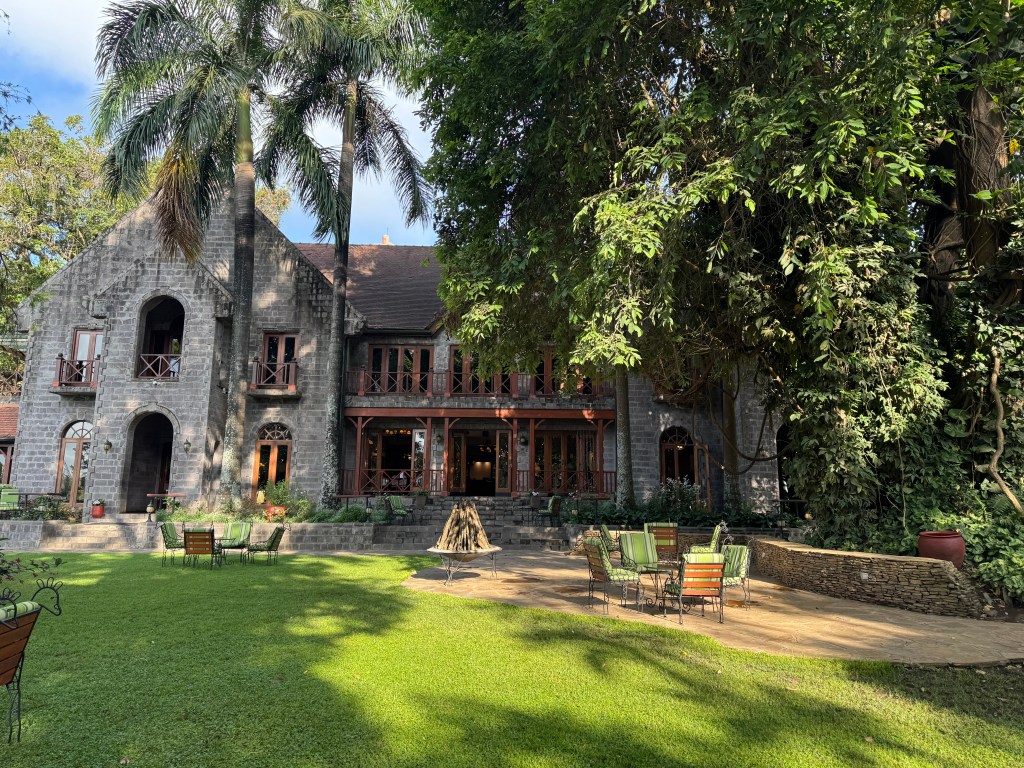
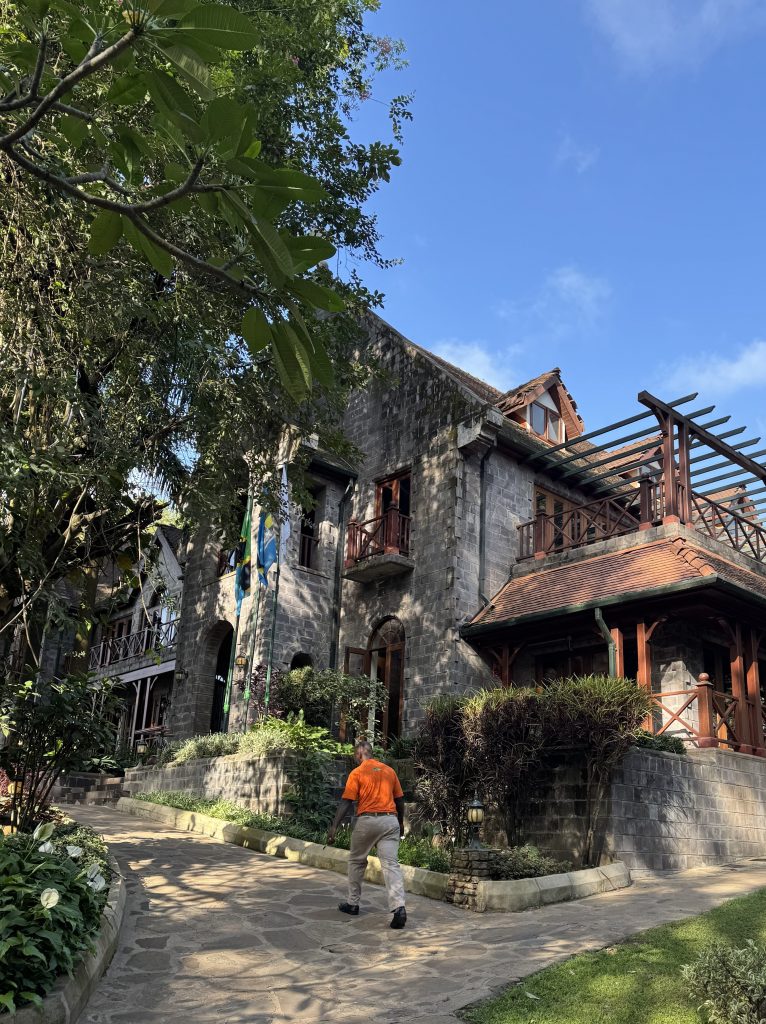
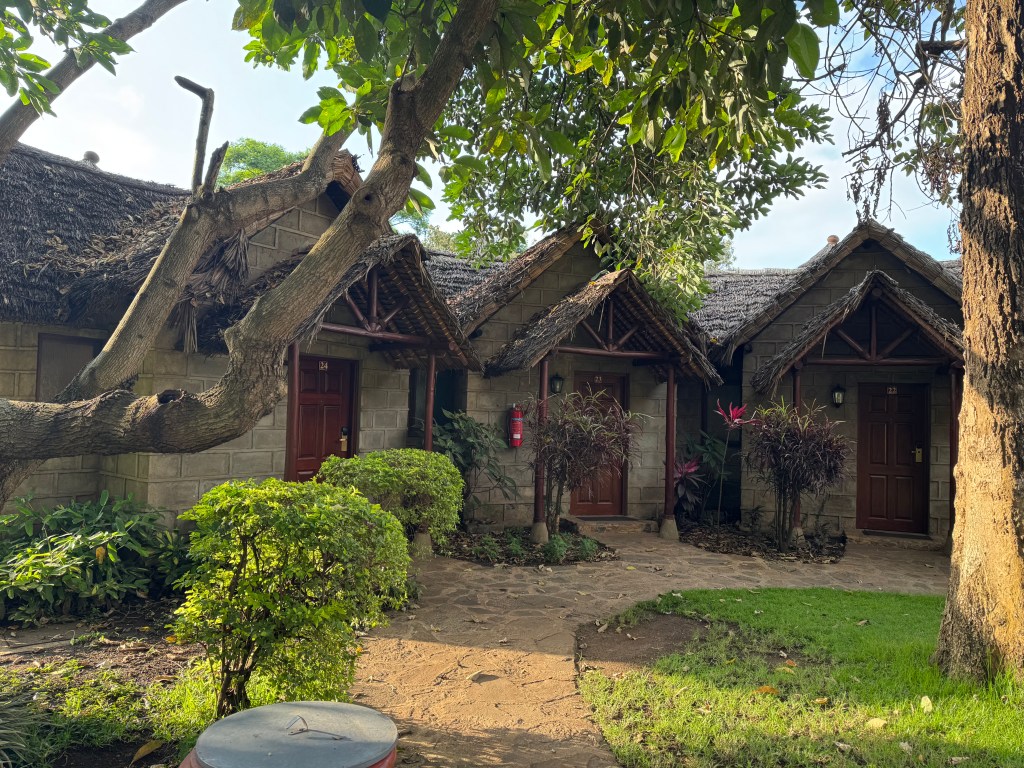
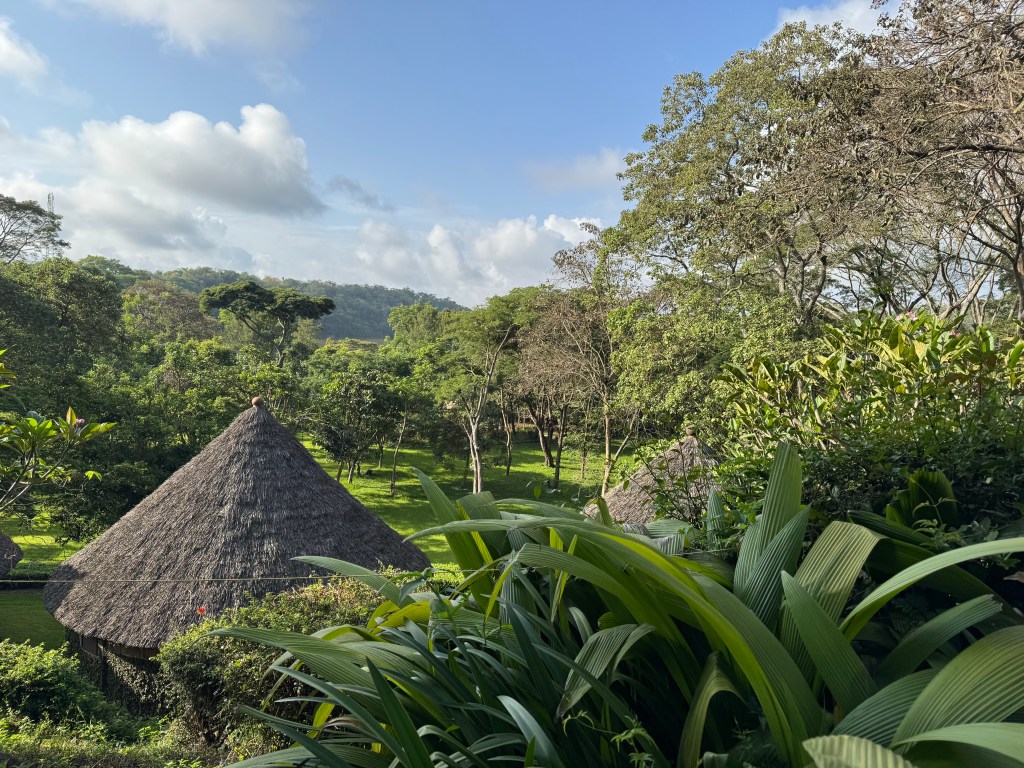
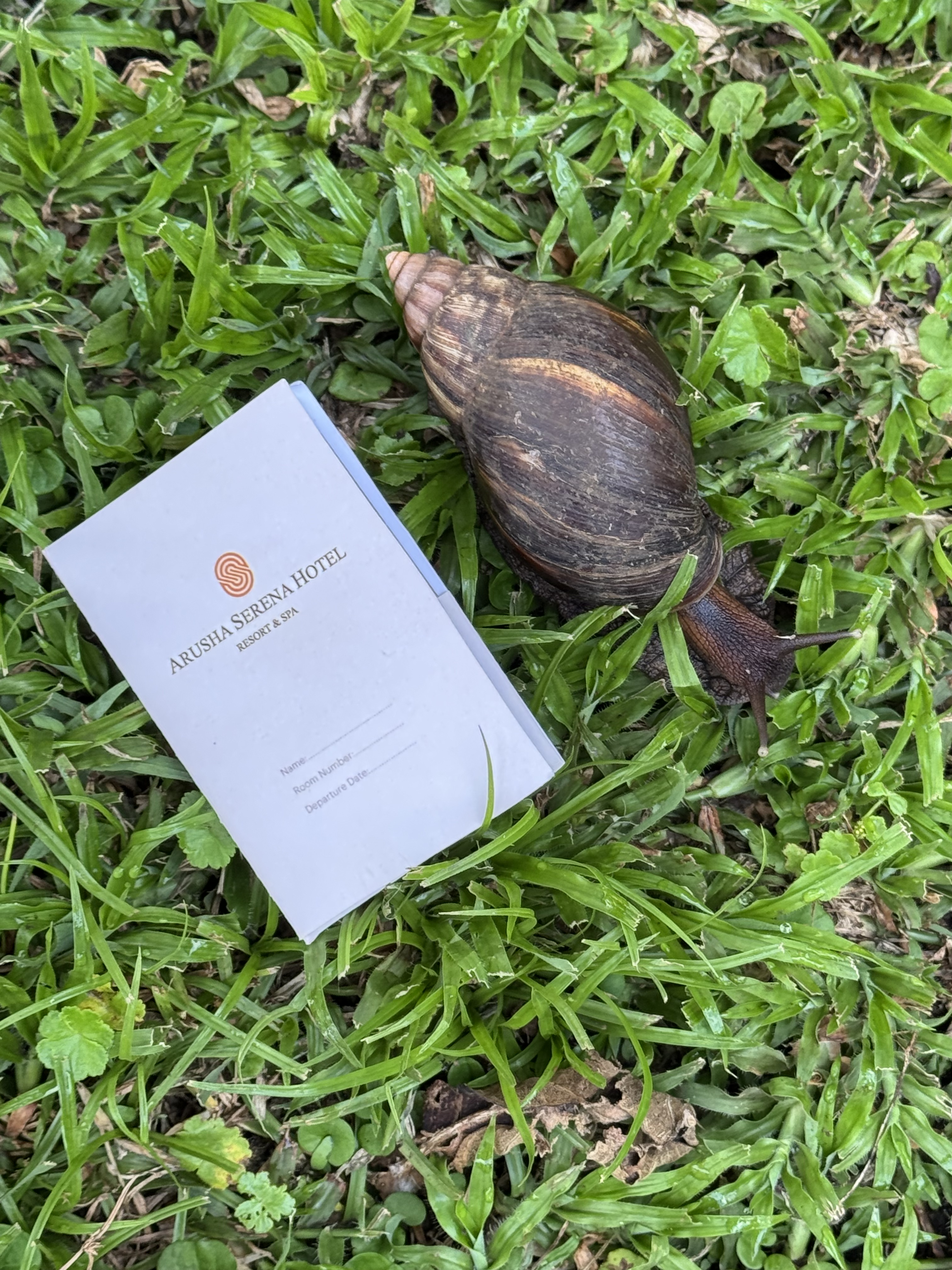
It took an hour to get from Kilimanjaro airport to the city of Arusha. The roads were very dark and narrow with a lot of truck traffic. Our first night in Tanzania is at the Arusha Serena Hotel. We were expecting something like a Holiday Inn found in the United States. To our surprise, we arrived at a beautiful stately building surrounded by cute cottages. It was unfortunate we arrived after 11 p.m. and would be departed the next day at 9 a.m. I would have liked to stay longer to enjoy the beautiful lodge and comfortable guest cottage.
December 8 (Arusha to Tarangire National Park and Tarangire Ndovu Camp) We are up early today to depart for Tarangire National Park for our first game drive across the Maasai Plains. First, we must find a place to exchange currency. Every country is different when it comes to the best place to exchange currency. The factors to consider are where to get the best exchange rate and what is the safest place to complete the exchange process. ATMs and banks were the best choice. ATMs did not accept cash, only debit or credit cards, for making an exchange. Banks would exchange USD bills to TZS, Tanzanian schilling. The USD bills cannot be older than 2006, plus should be clean crisp bills. Surprisingly it was difficult at my local bank to get clean crisp bills. I was told they no longer get new bills, all money that comes from the reserve is used bills.
Exchanging currency is always very interesting in other countries. We know at U.S. ATMs we usually get cash in $20. In Tanzania the bills from the ATM and Bank were 10,000 schilling, with a maximum of 400,000 each draw. The current exchange rate is $1 USD to 2,523 TZS. How does this convert into a U.S. exchange?
400,000 TZS = $158.54 USD (plus the exchange fee)
The ATM will only let you exchange $150 USD at a time. So this is how the exchange would come out: $150 USD = 378,450 TZS
Remember the ATM only gives you currency in 10,000 TZS bills. So the number of bills given is rounded down to 370,000 TZS and you are charged $146.65 USD (plus transaction fee). You will be given thirty-seven 10,000 TZS bills. It is quite a stack of bills that comes out of the ATM.
You may be asking “why didn’t you do this exchange through a U.S. bank before departing on the trip?” That is not possible as Tanzania does not allow currency exchanges outside of the country. We also found as we traveled through the country many tourist locations accepted debit/credit cards for payments and were happy to accept USD currency. I read an article on the internet stating Tanzania had passed legislation requiring all transactions to be in TZS. Sometimes traveling and currency is confusing. My advice is to be flexible and ready to use the local currency, USD bills and debit/credit card. I always travel with extra USD bills in many different denominations.

As we left Arusha the feeling of being “on safari” set in. No more congested traffic and the air smelled fresh and clean. We spent much of the day traveling in rural areas with small villages, an occasional town with open markets, herds of cows, goats, and donkeys, occasionally seeing random wildlife such as zebras. I wondered if the boys and men herding the animals referred to themselves as “shepherds”. They must because the Swahili word for shepherd is “mchungaji”. I also thought about how lonely this job would be. Then we saw larger herds of animals with multiple mchungaji standing together. Almost like gathering for coffee at work and a chat at work.

We arrived at Tarangire National Park a little before lunch time. At the entrance of each national park the driver must complete paperwork and pay fees. The fees are used to maintain the parks. It was also explained that tourism has become a huge source of revenue for the country. Good for Tanzania they have developed a source of revenue that prevents animals from being hunted to extinction. Big game hunting had been a source of income in the country. Creating a shift from tourism hunting to animal viewing has been a win win for Tanzania and its citizens.
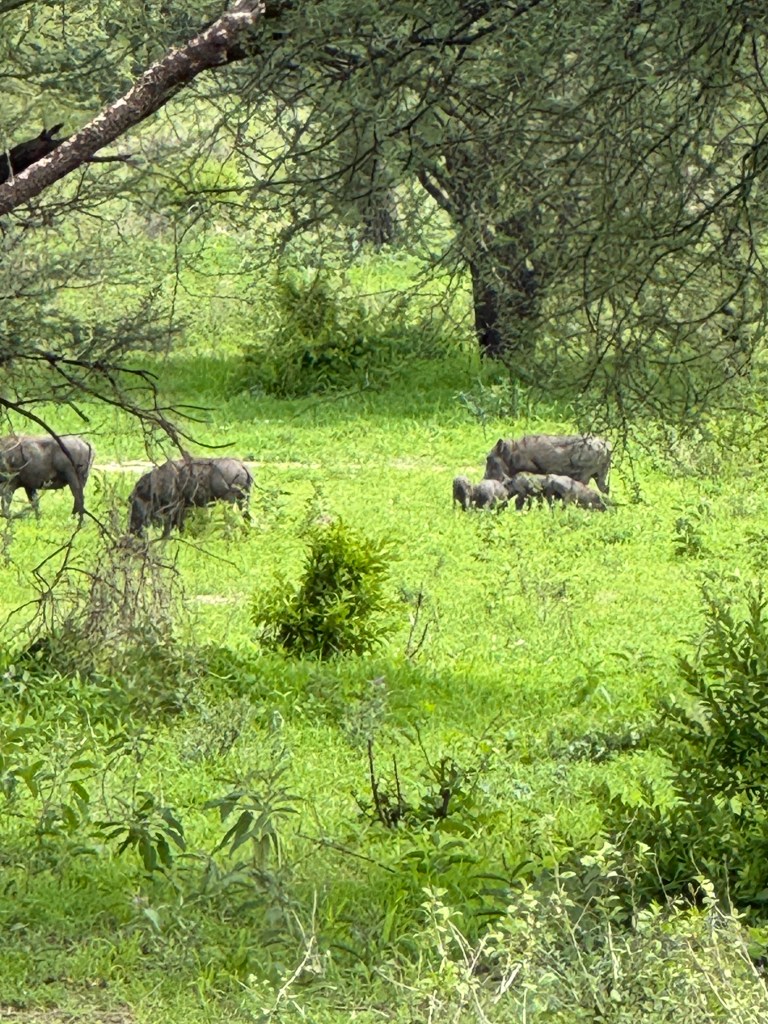
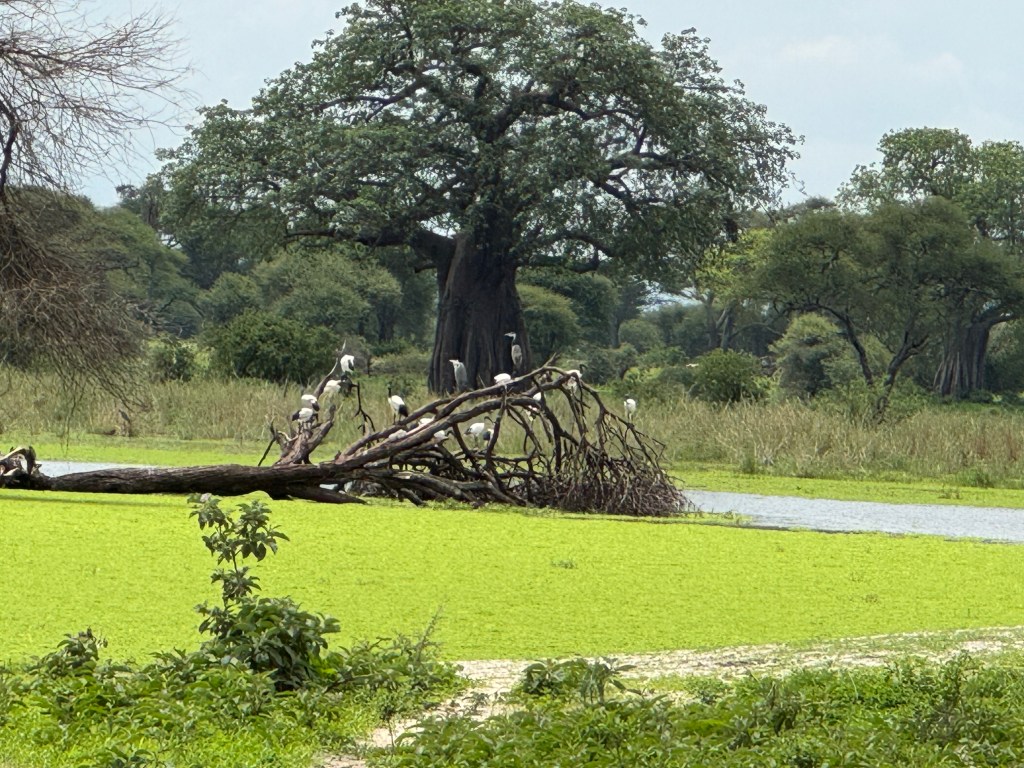
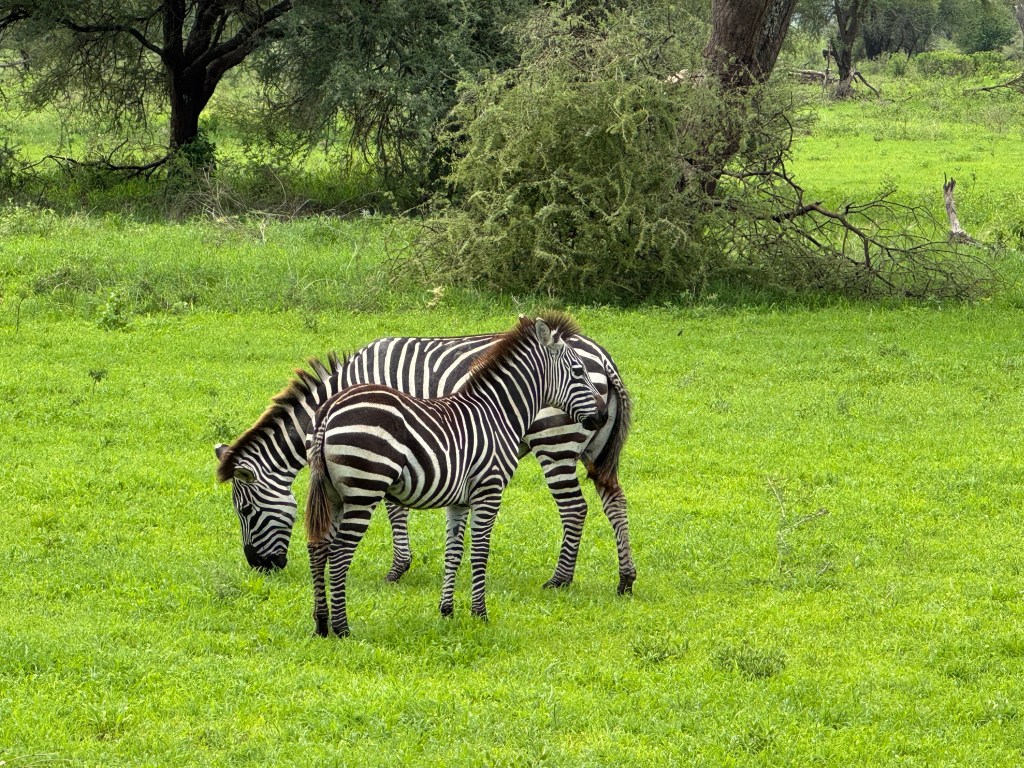
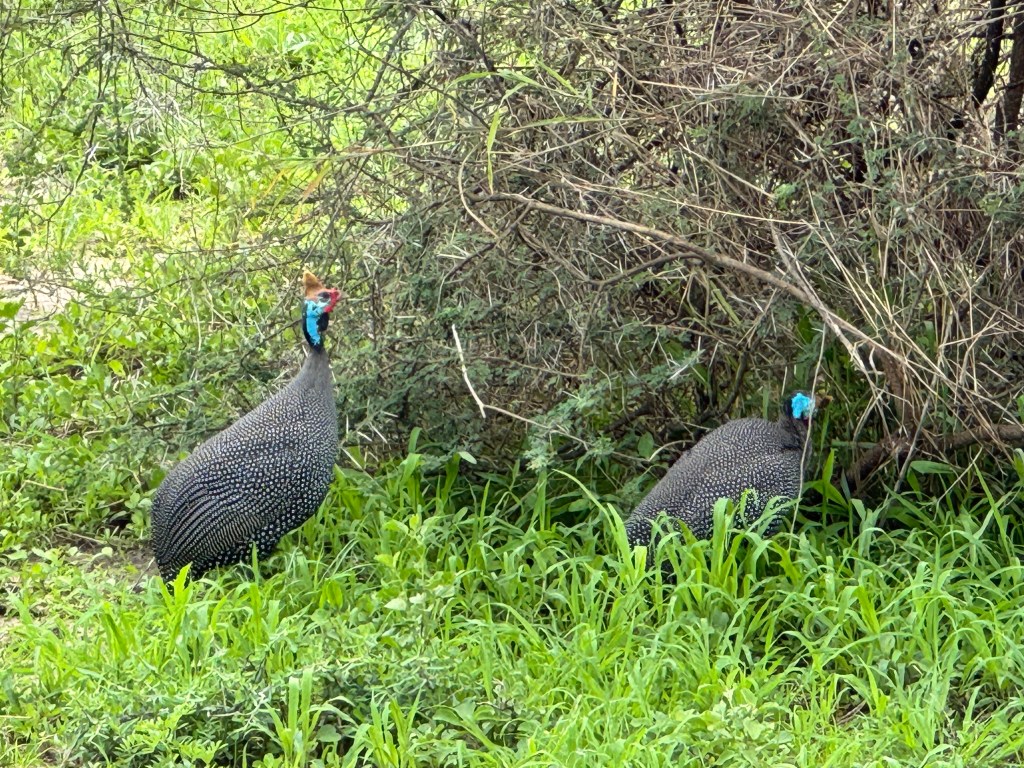
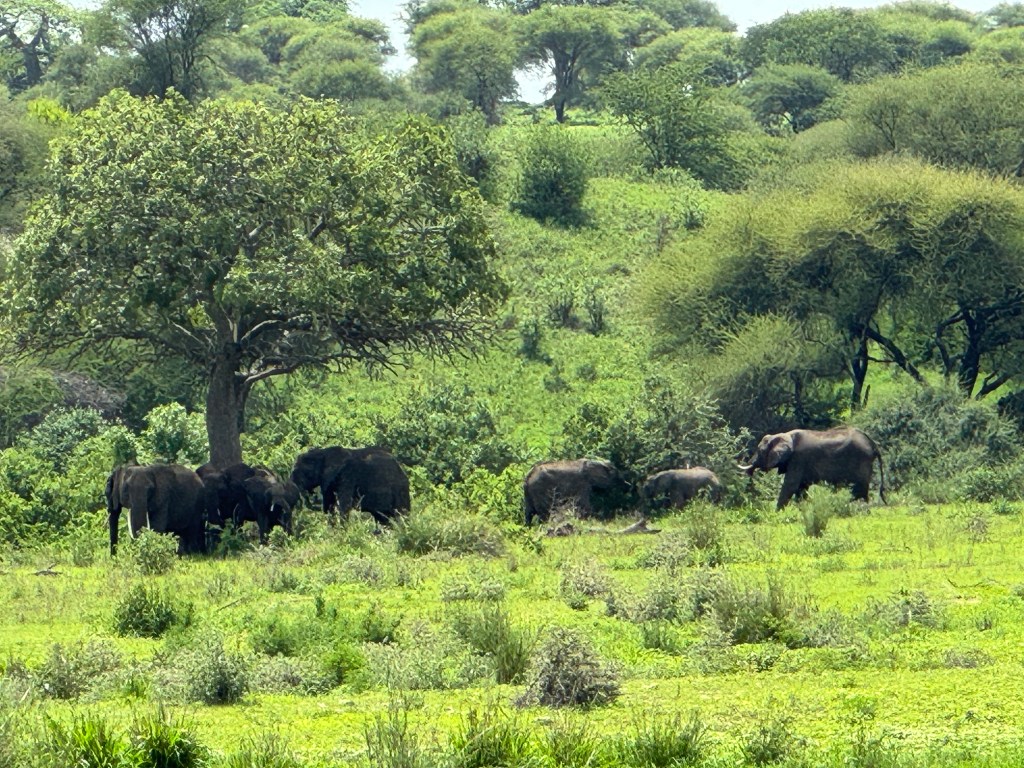
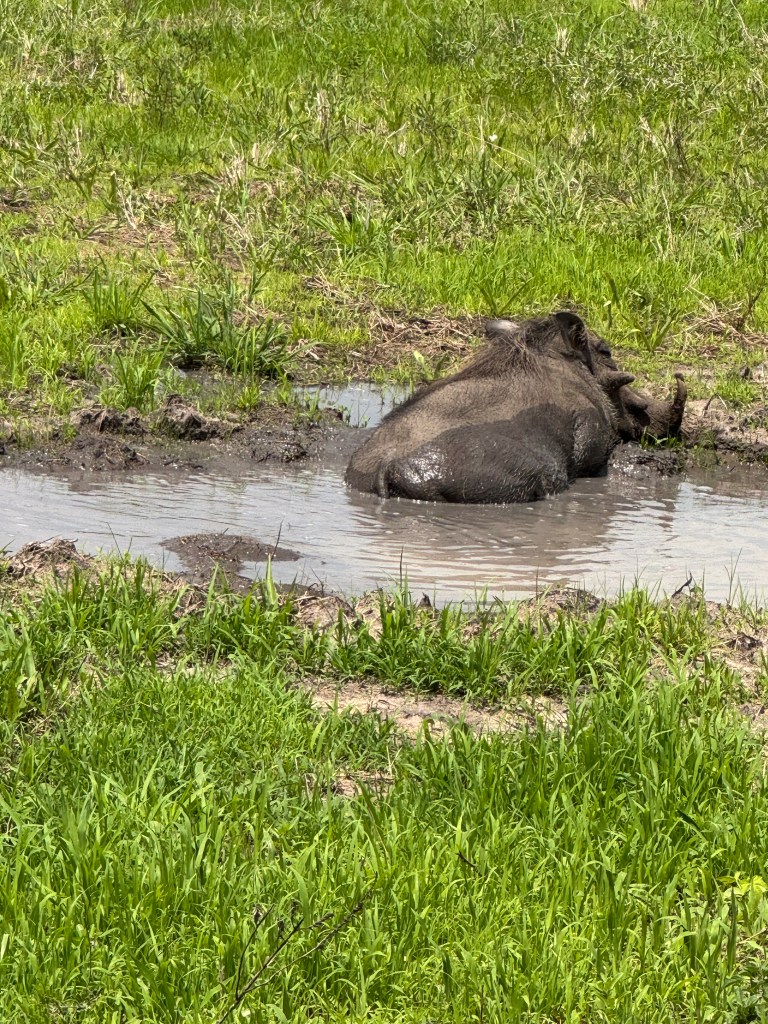
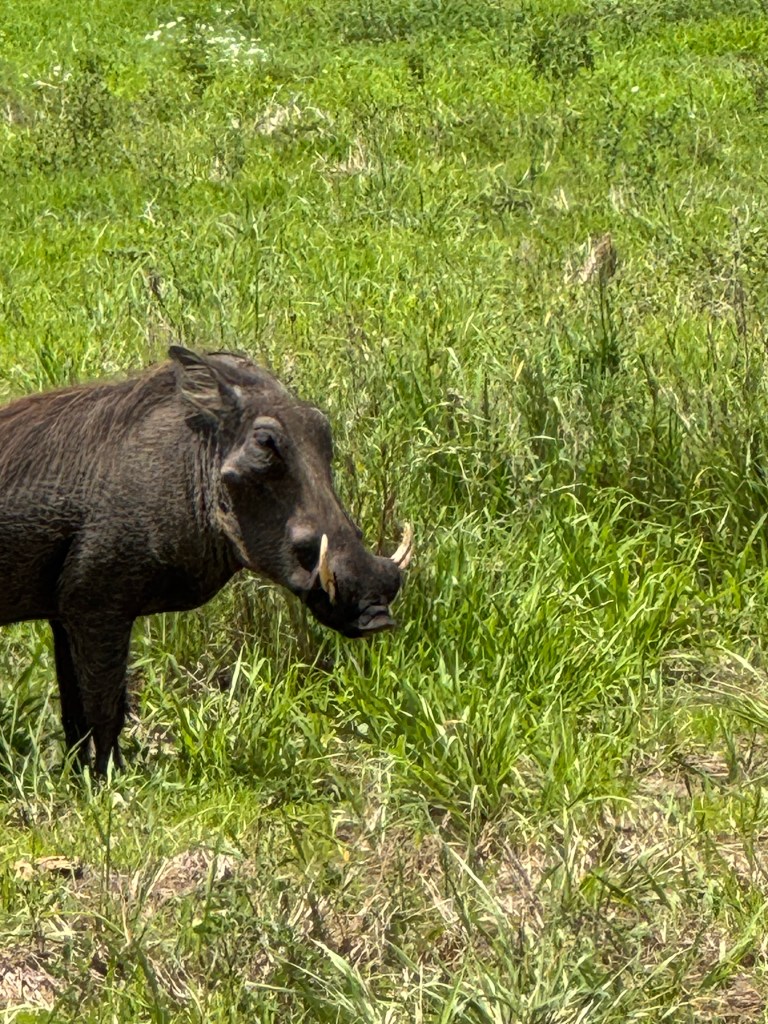
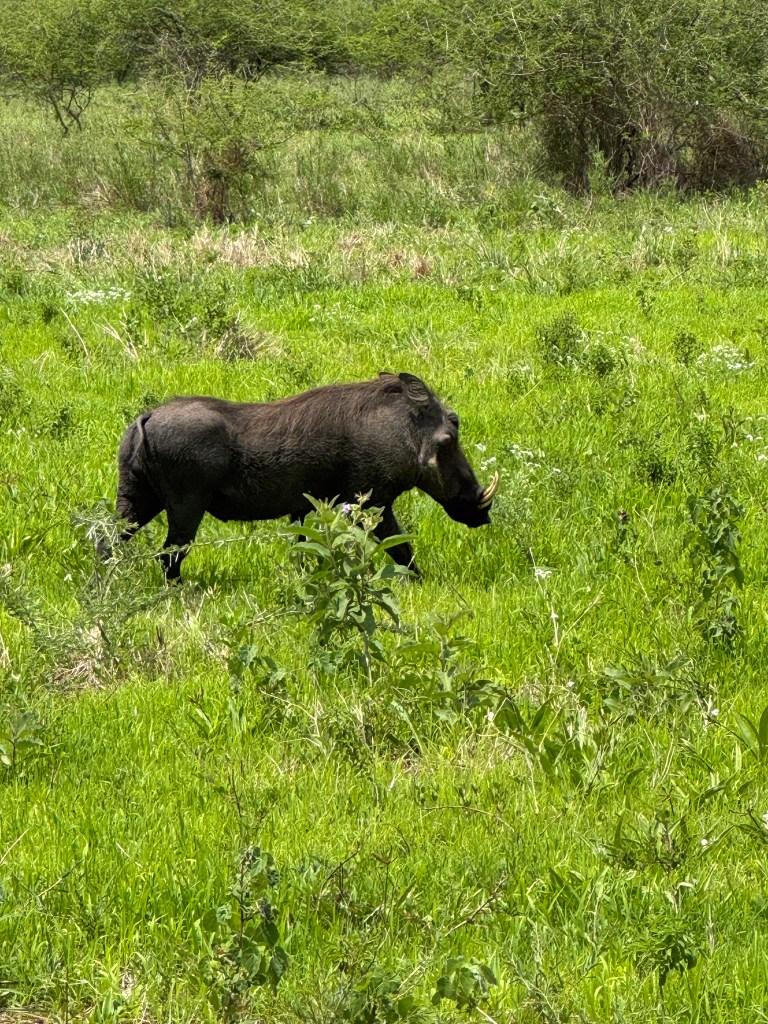
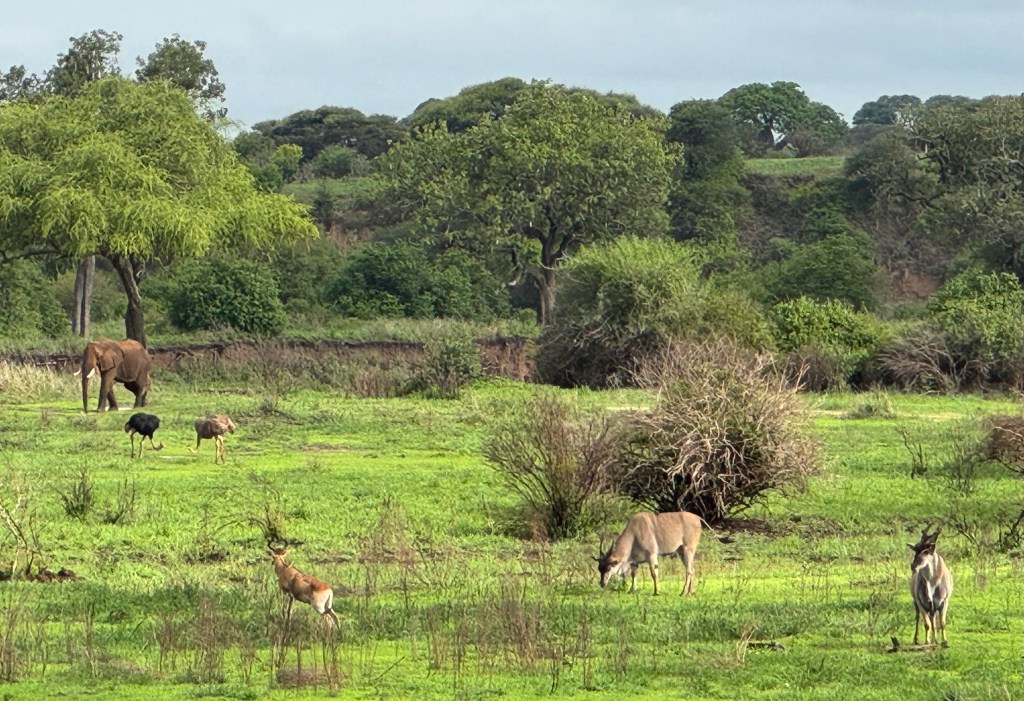
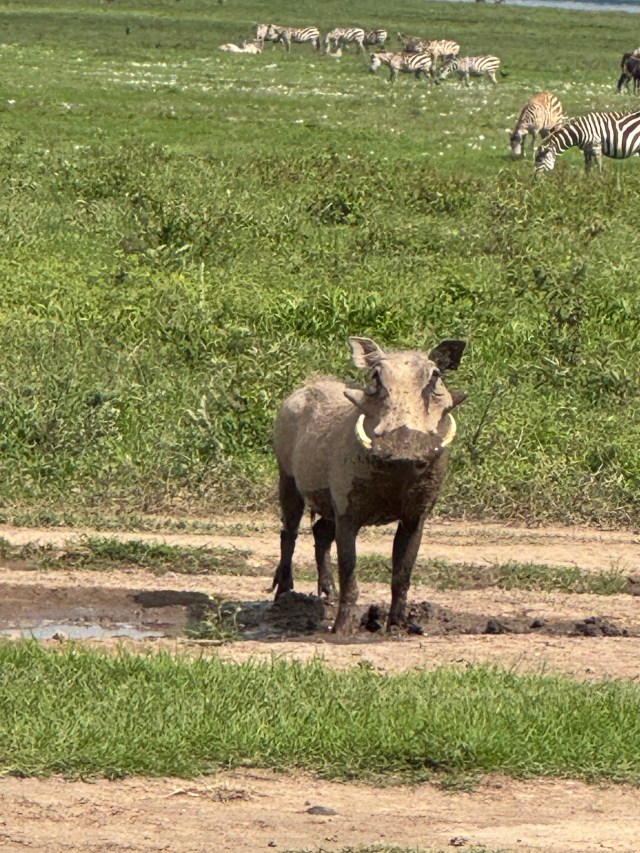
We spent the afternoon following the paths through the park. This area of Tanzania was not what I had visioned for an African country. It was lush, green vegetation with areas of mud that made it a challenge for the safari vehicle to get through. This time of year is the beginning of the rainy season. So much of the green we were seeing would be dry and brown in October, the height of the dry season. I also expected the animals to shy away from the vehicle. They just kept grazing, would look up lazily and then go back to munching on the lush vegetation. The only animals that didn’t stick around when our vehicle approached were the warthogs. Hakuna matata! (No worries in Swahili and sung by Pumbaa the warthog in “Lion King”.)
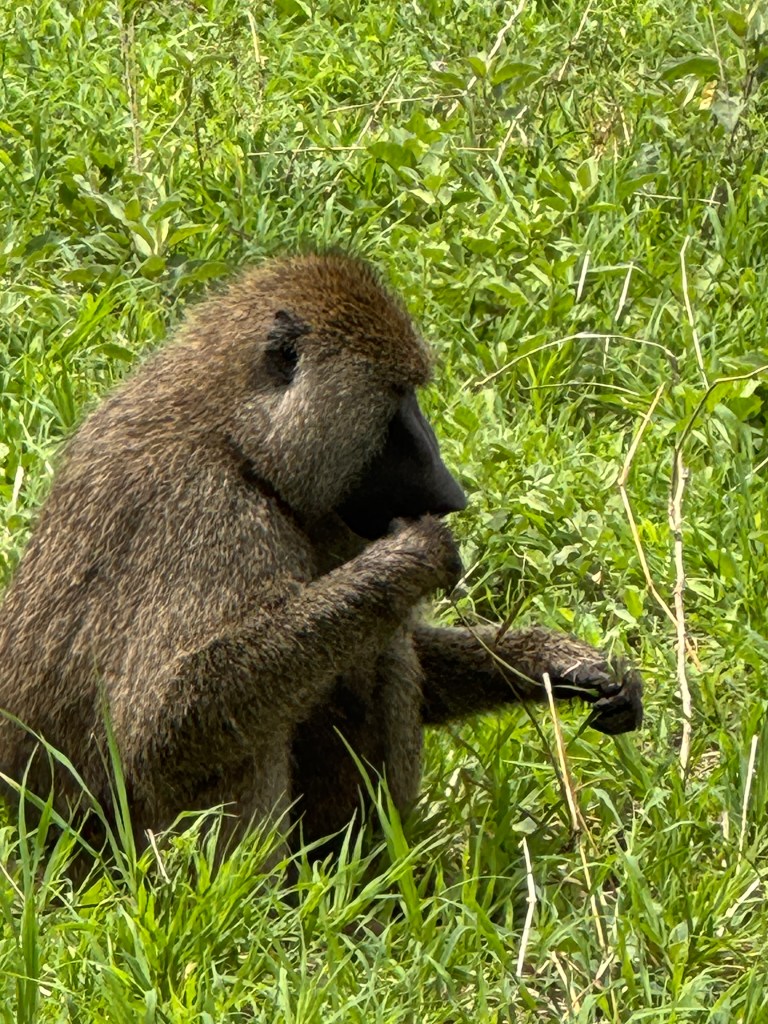
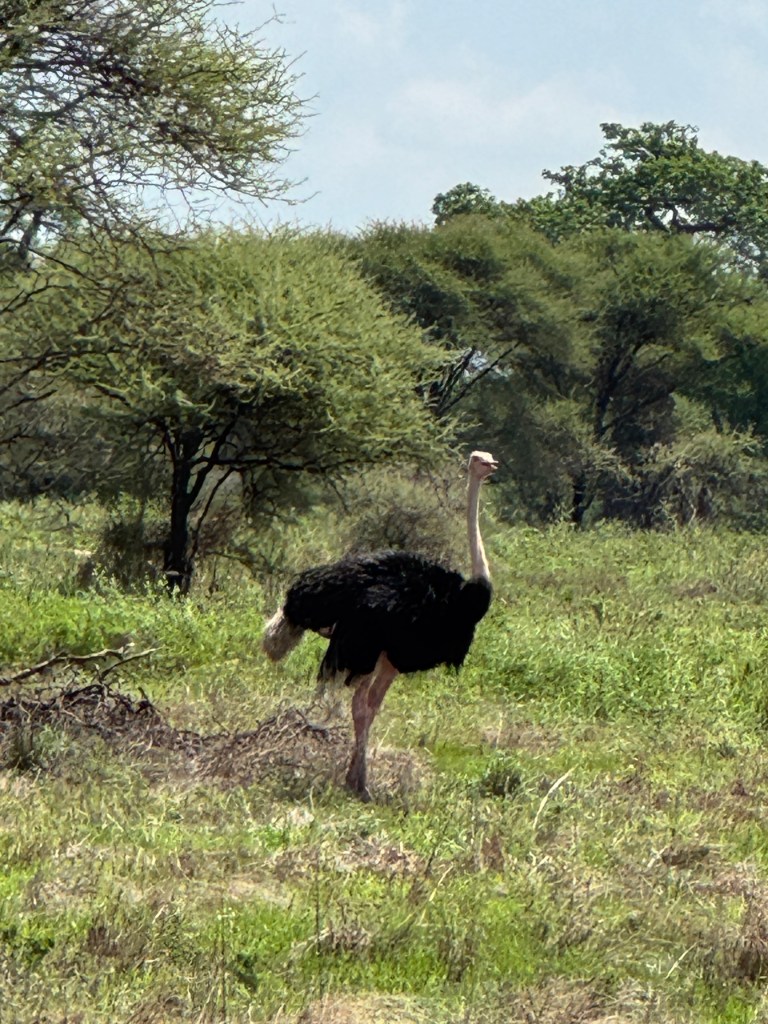
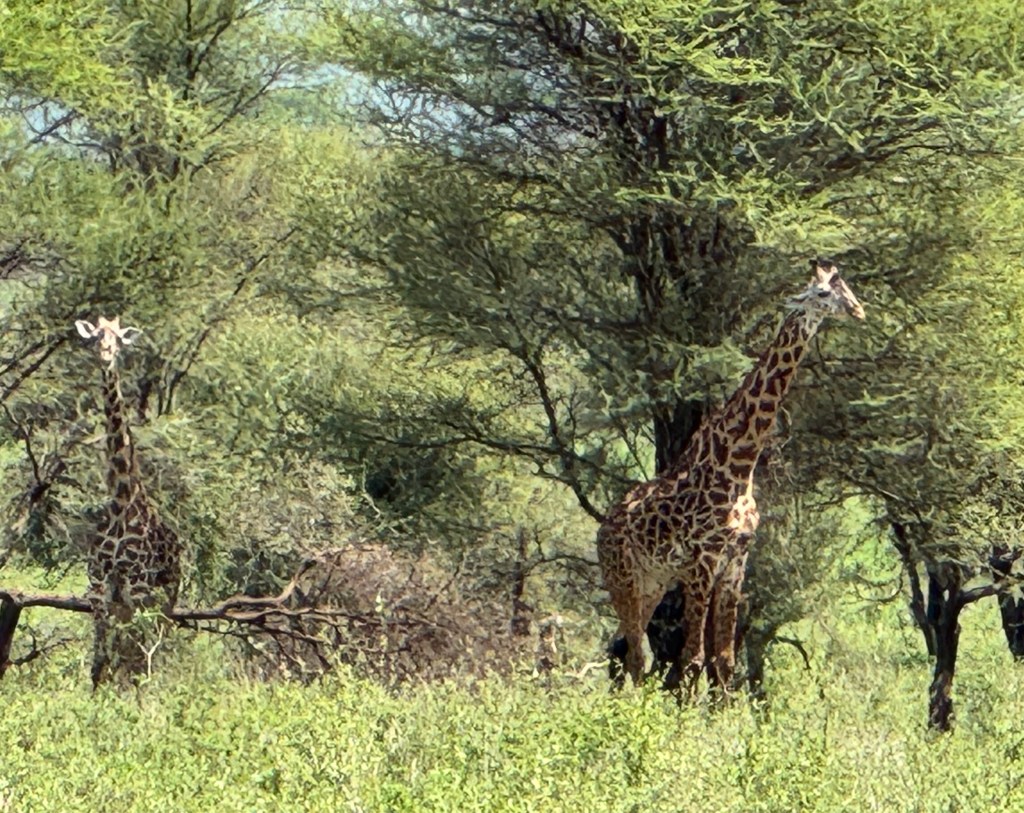
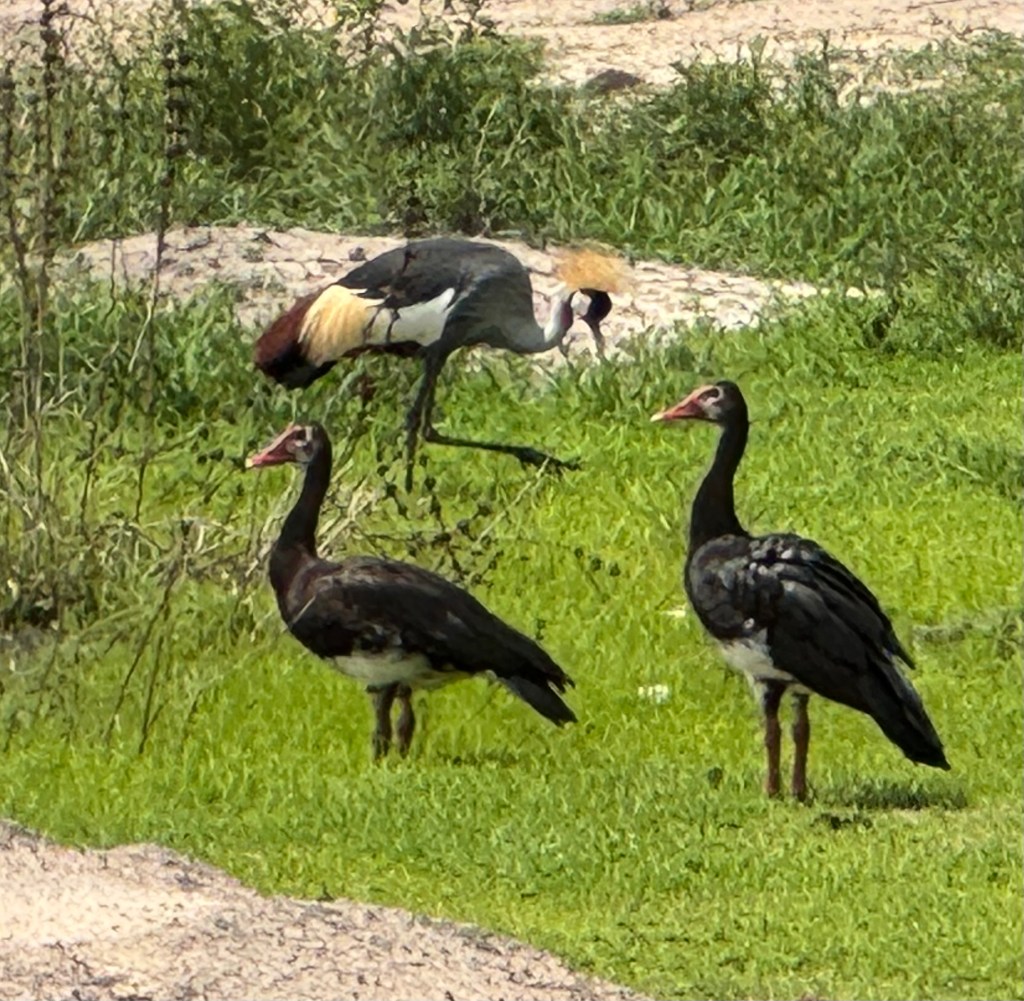
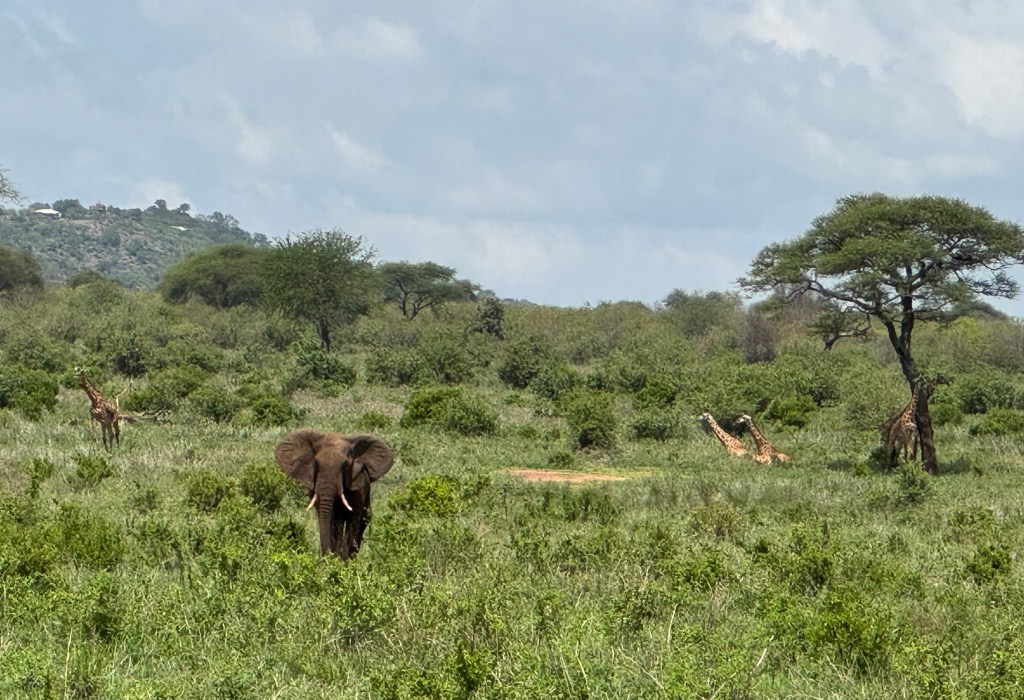
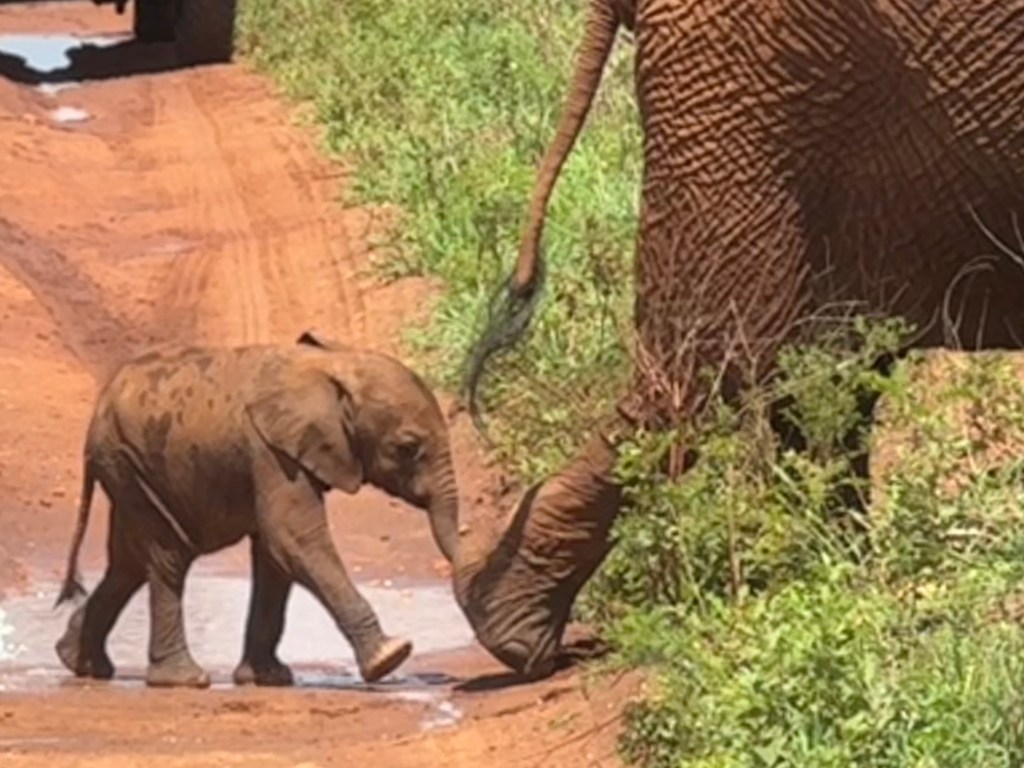
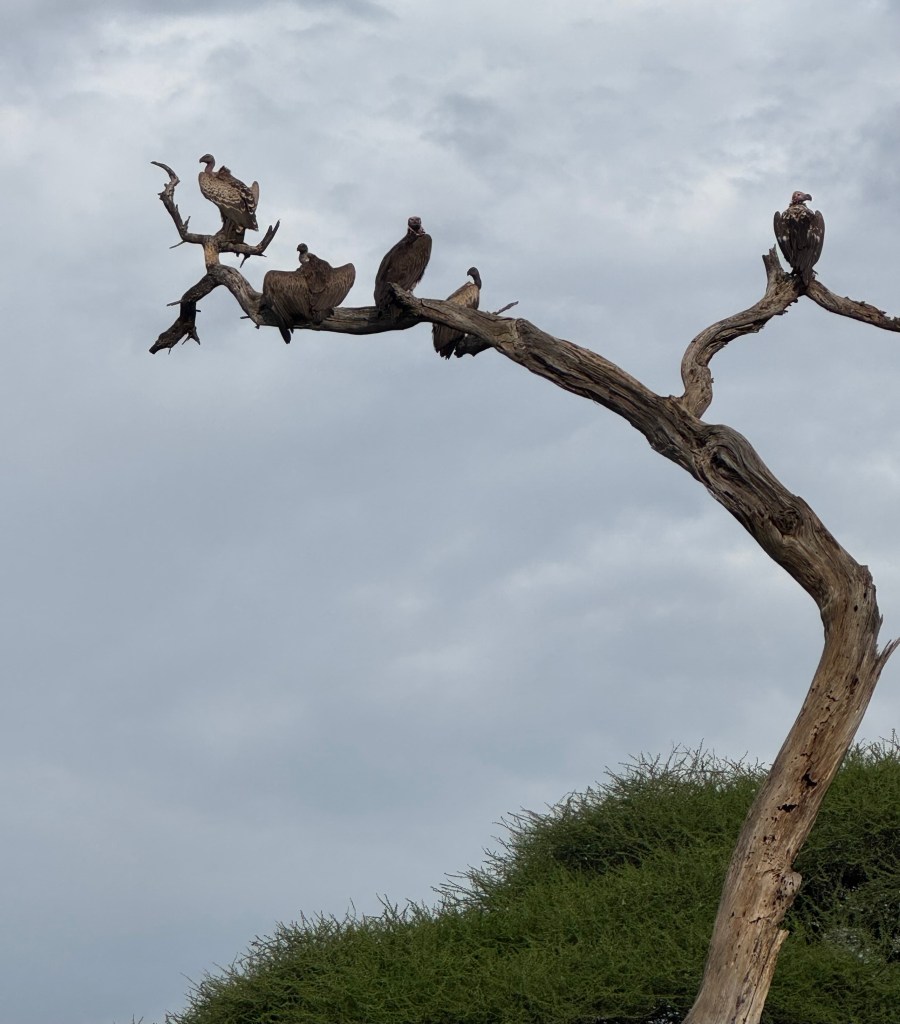
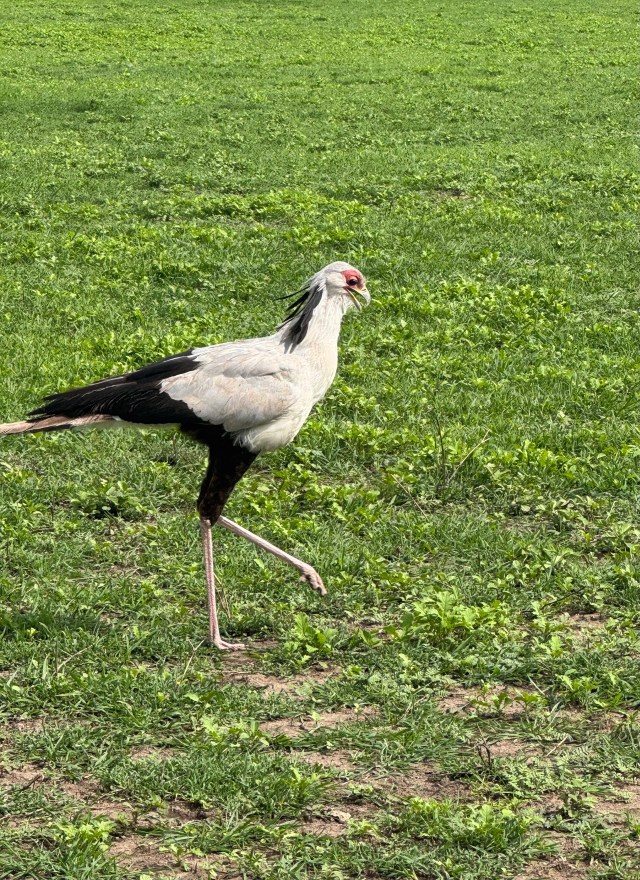
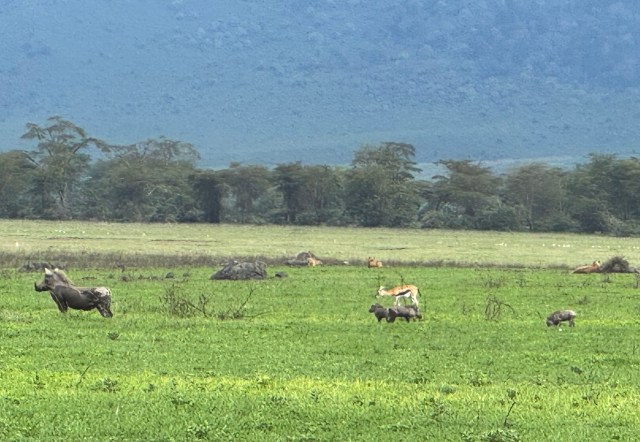
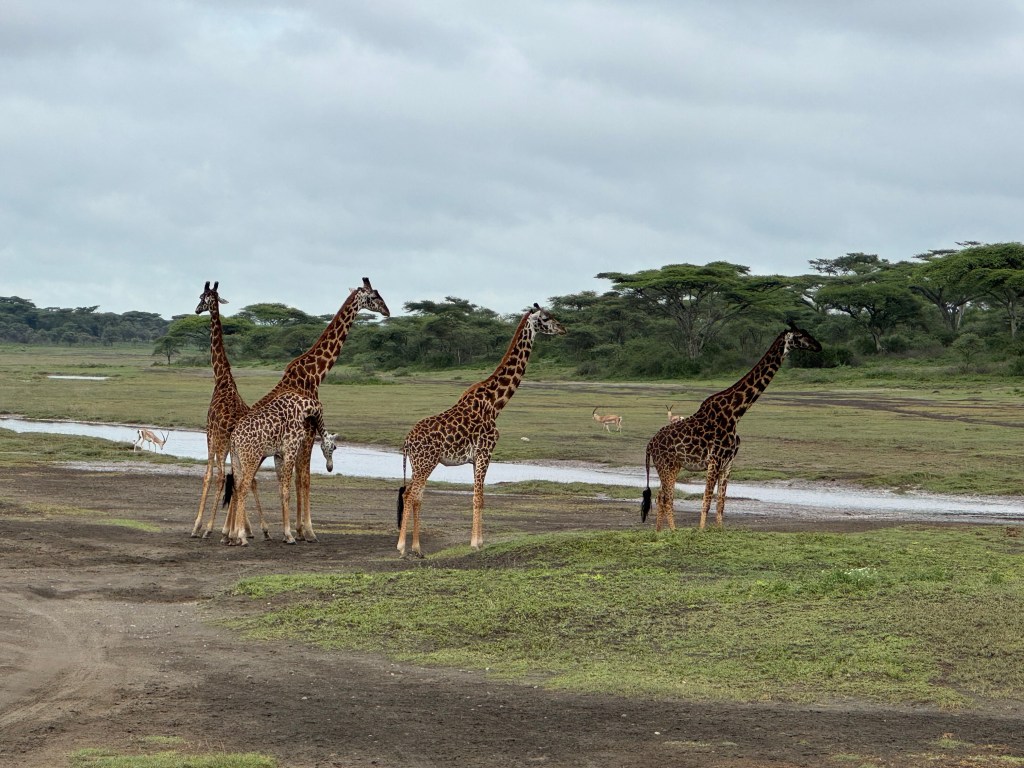
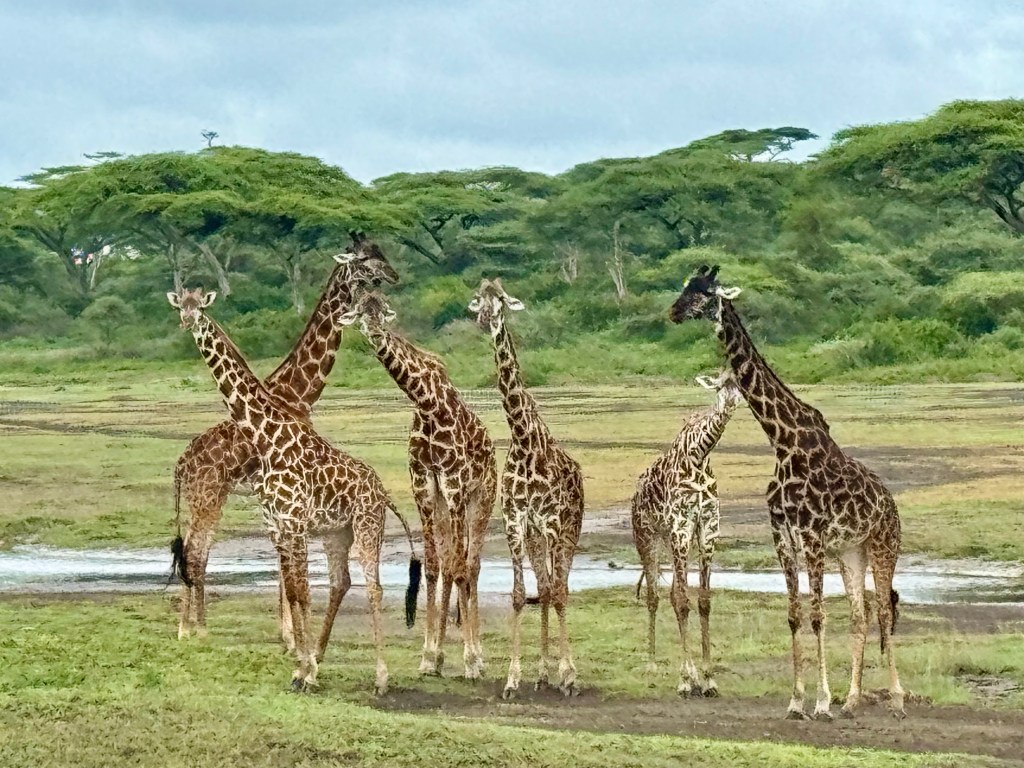
Animal highlights today: herds of African elephants, guinea fowl everywhere plus many other bird species, monkeys & baboons, Masai giraffes, warthogs, ostrich, gazelles or is it an antelope (Gazelles vs. Antelopes: what is the difference)


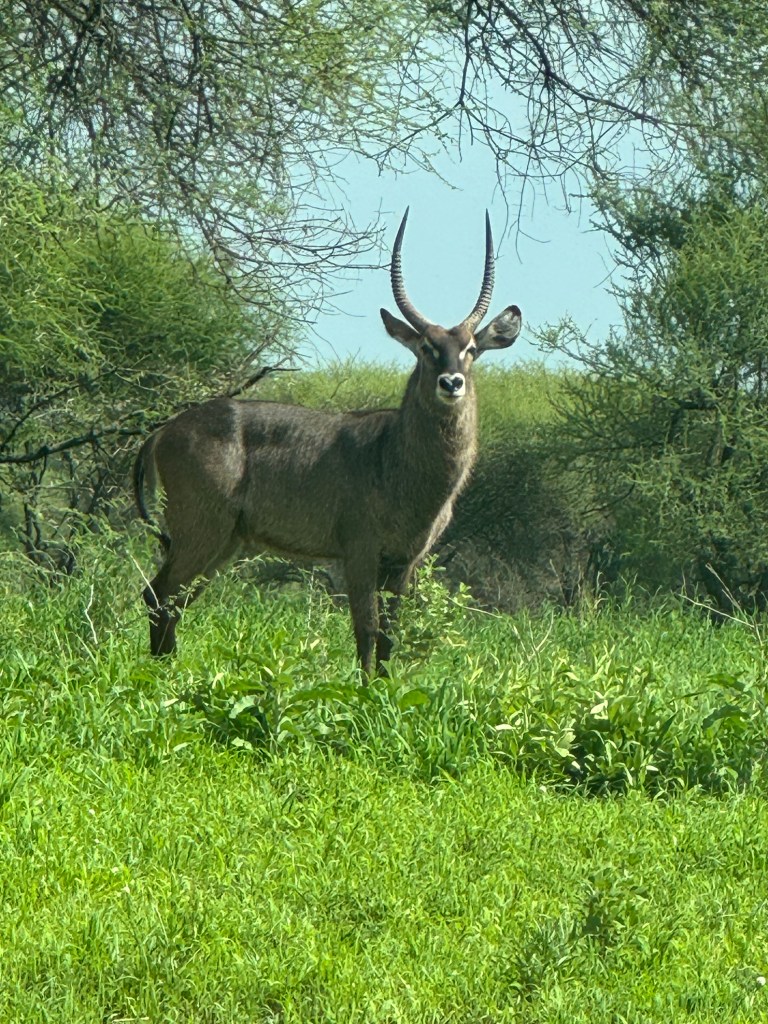
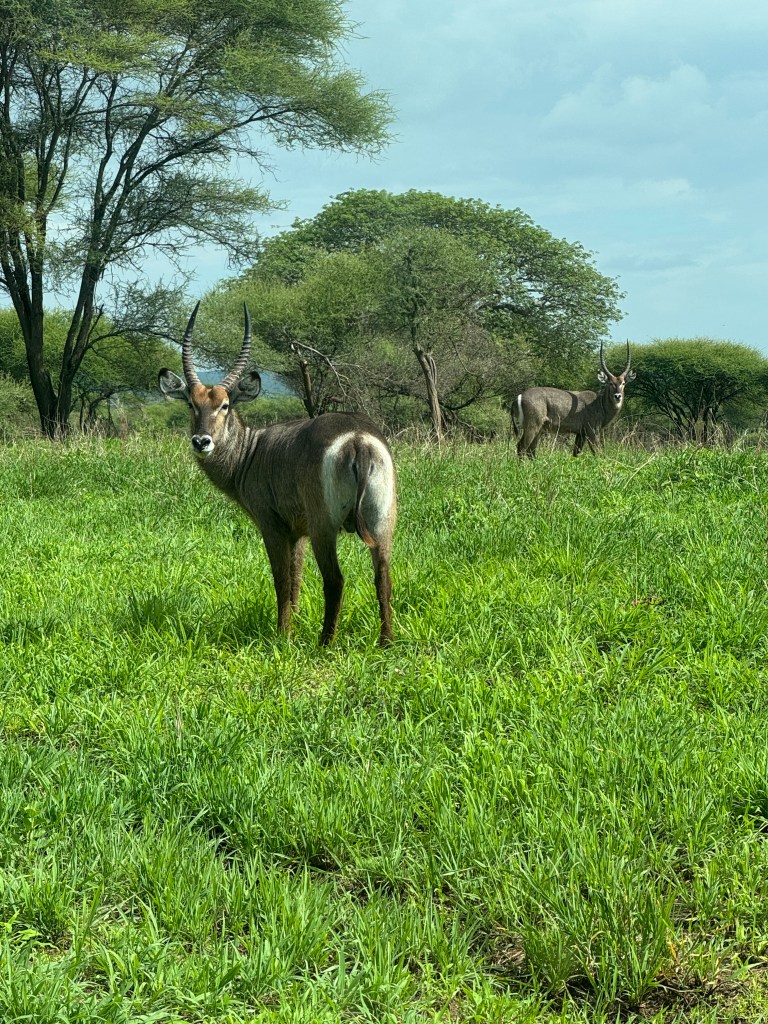


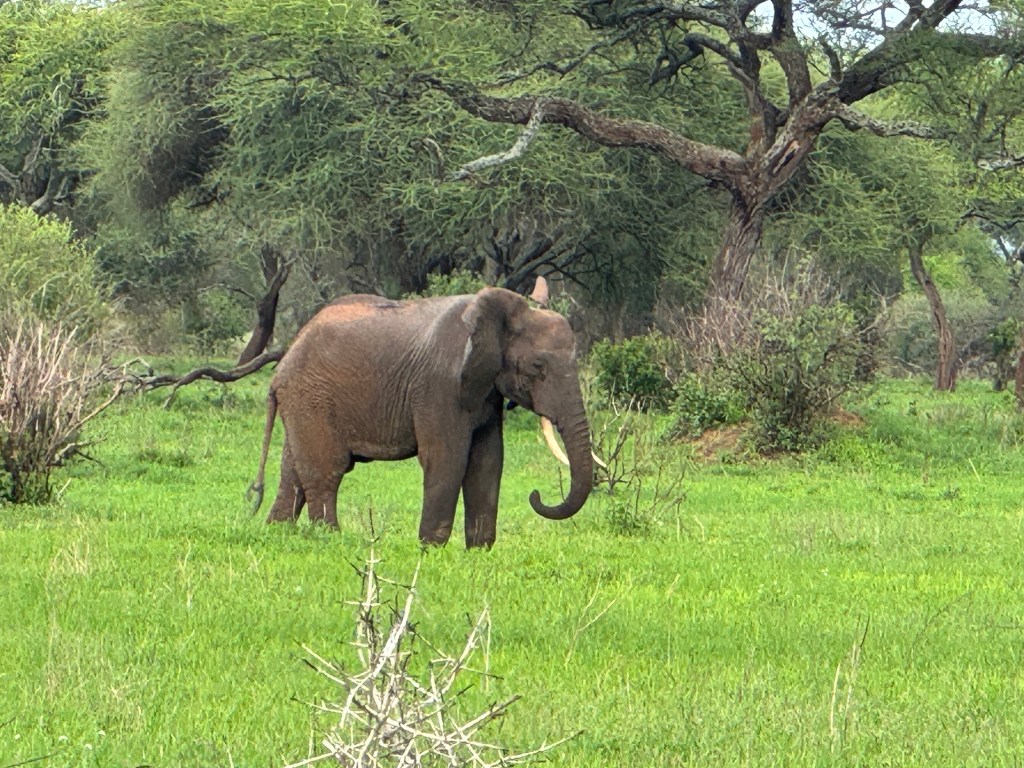
For the next two nights we will be staying at Tarangire Ndovu camp. This was a remote tented camp and we were the only guests the first night. I wasn’t sure how I felt about sleeping in tent. But with all the luxuries of a hotel, it turned out to be very relaxing. One of the camp guidelines was after dark we had to be escorted from the main lodge to our tent. This seemed odd to us. It seemed safe since we were the only guests. However, the next morning the large tracks (hyena) reminded us of how remote we really were.


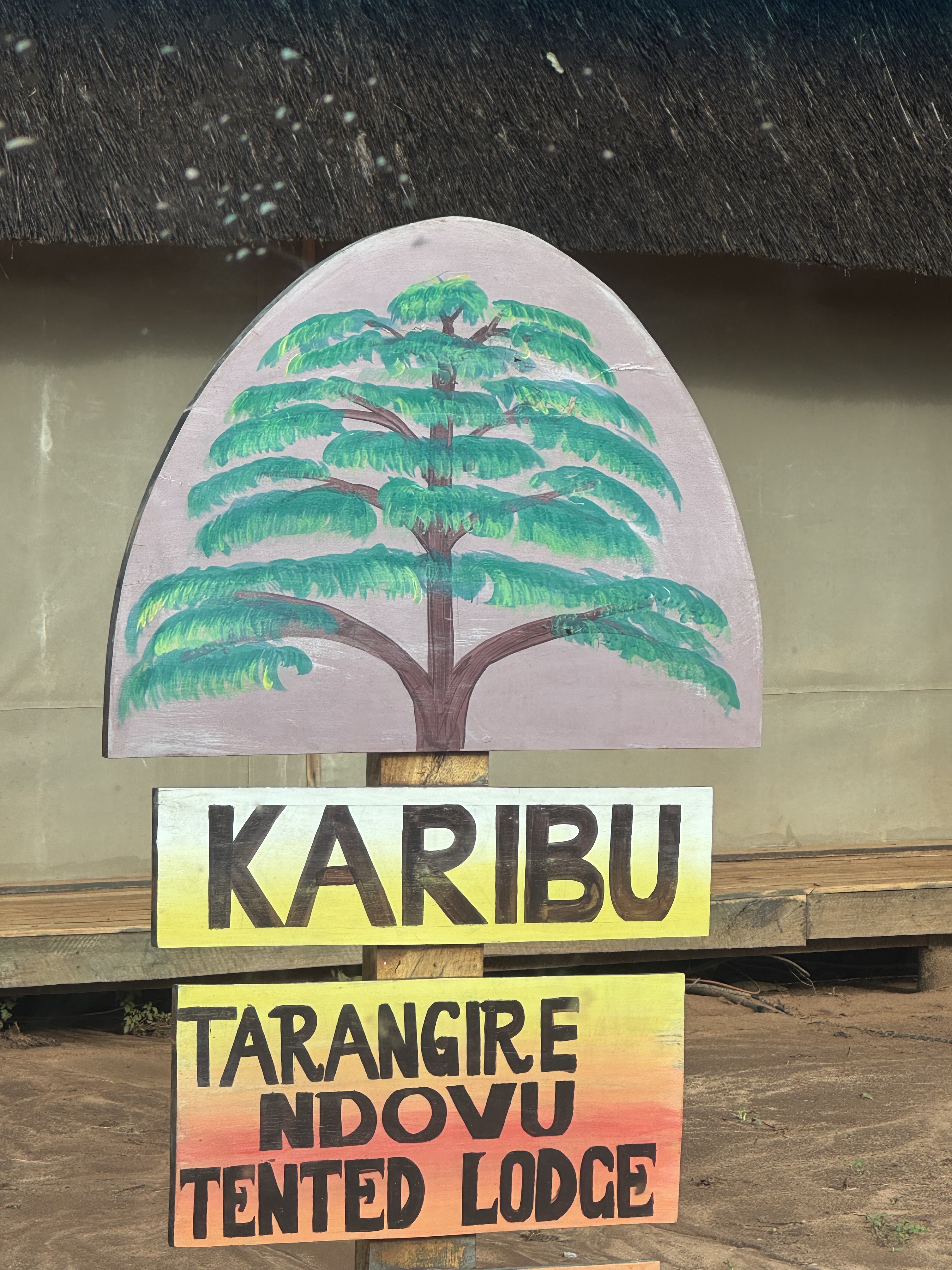
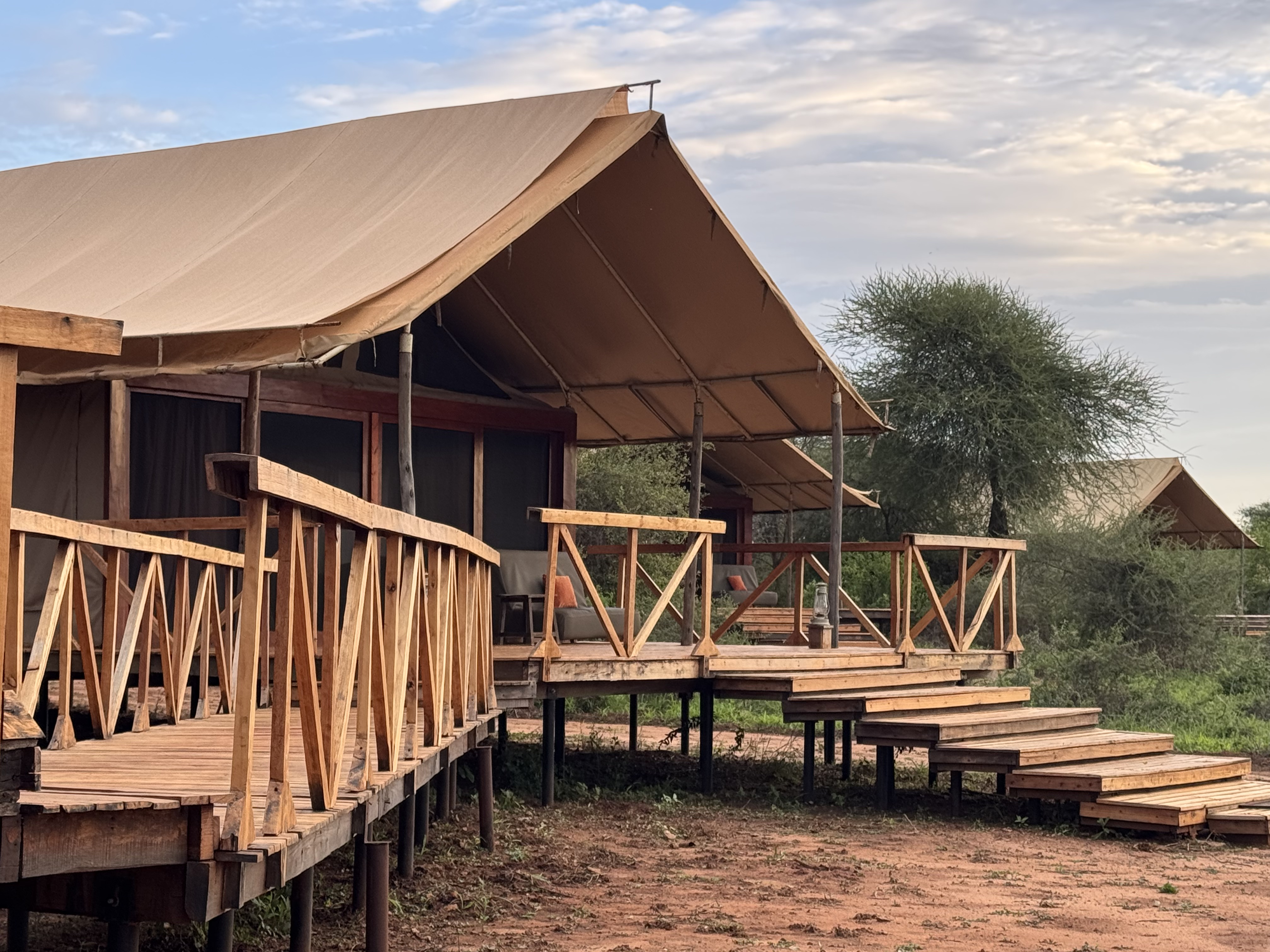

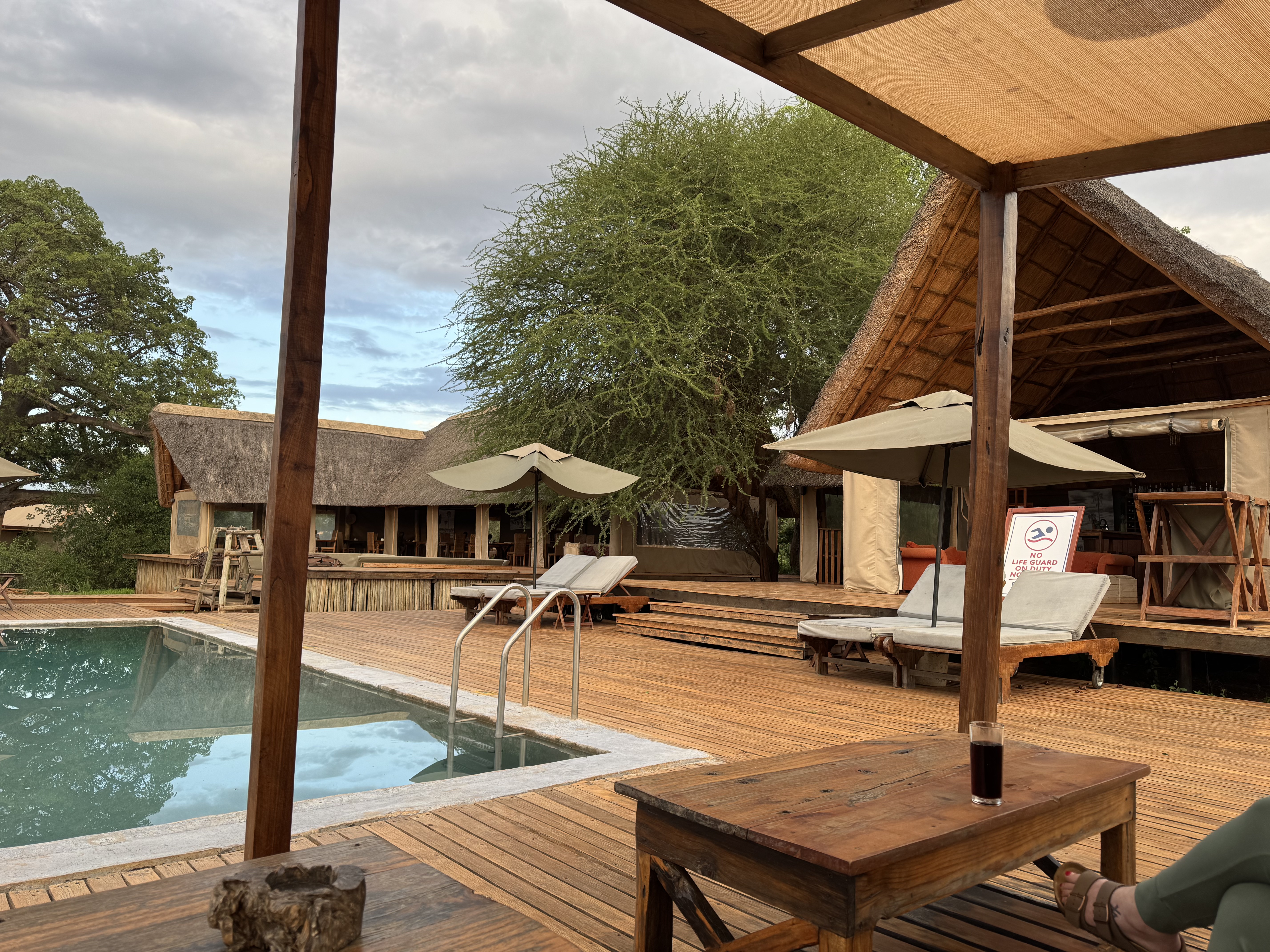
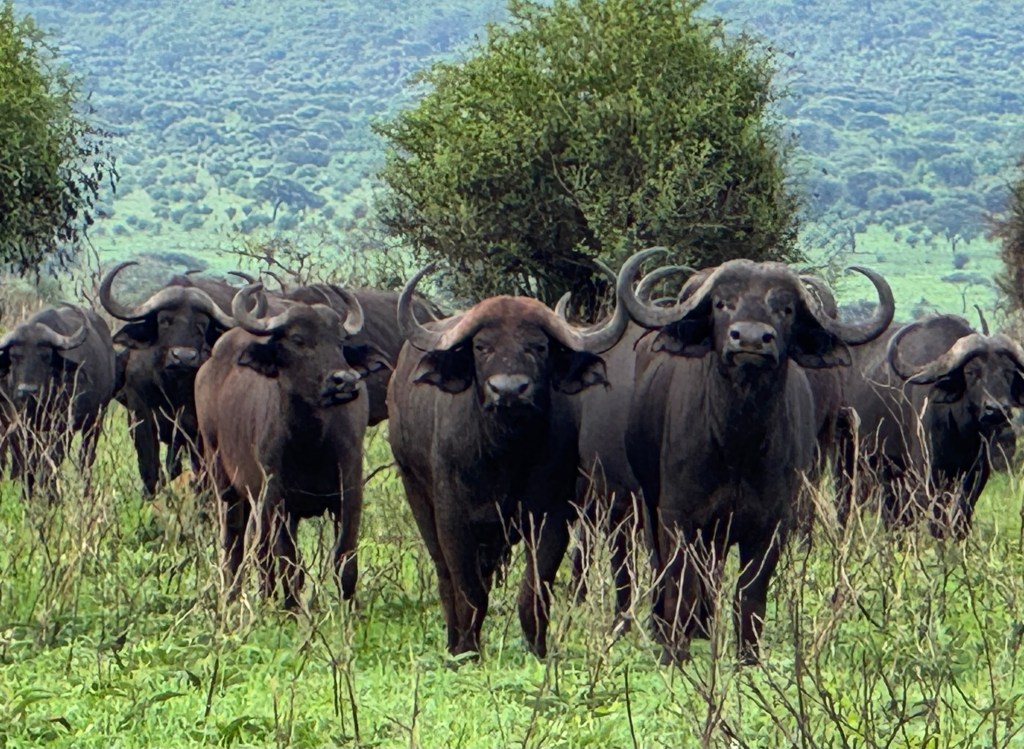
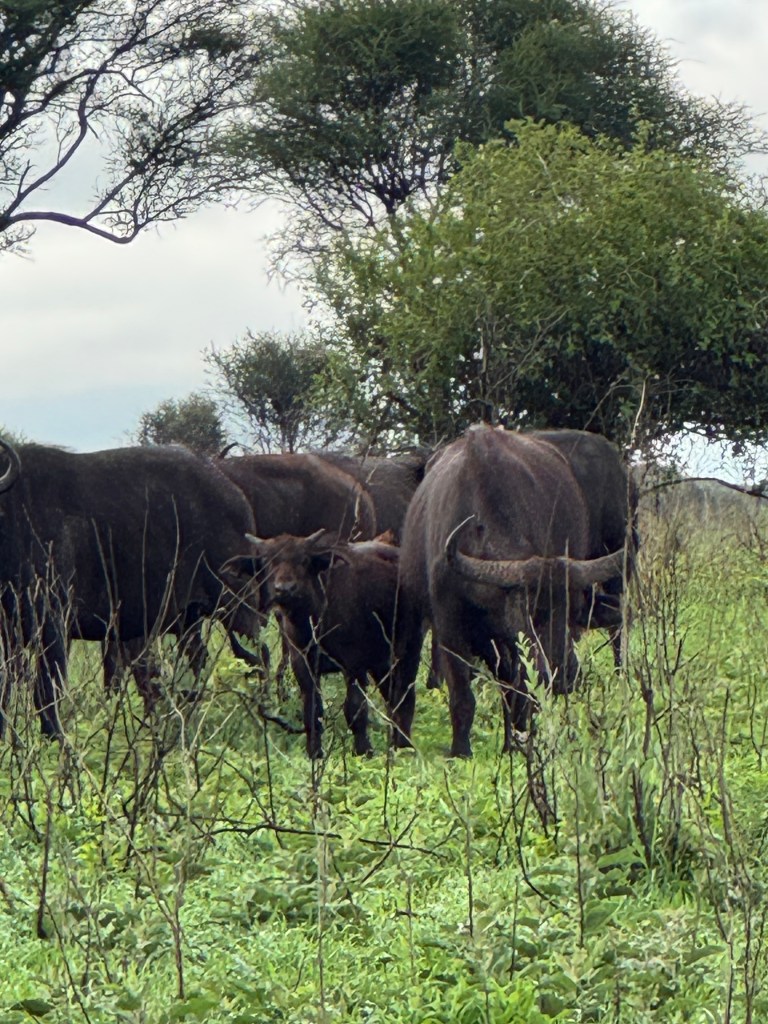
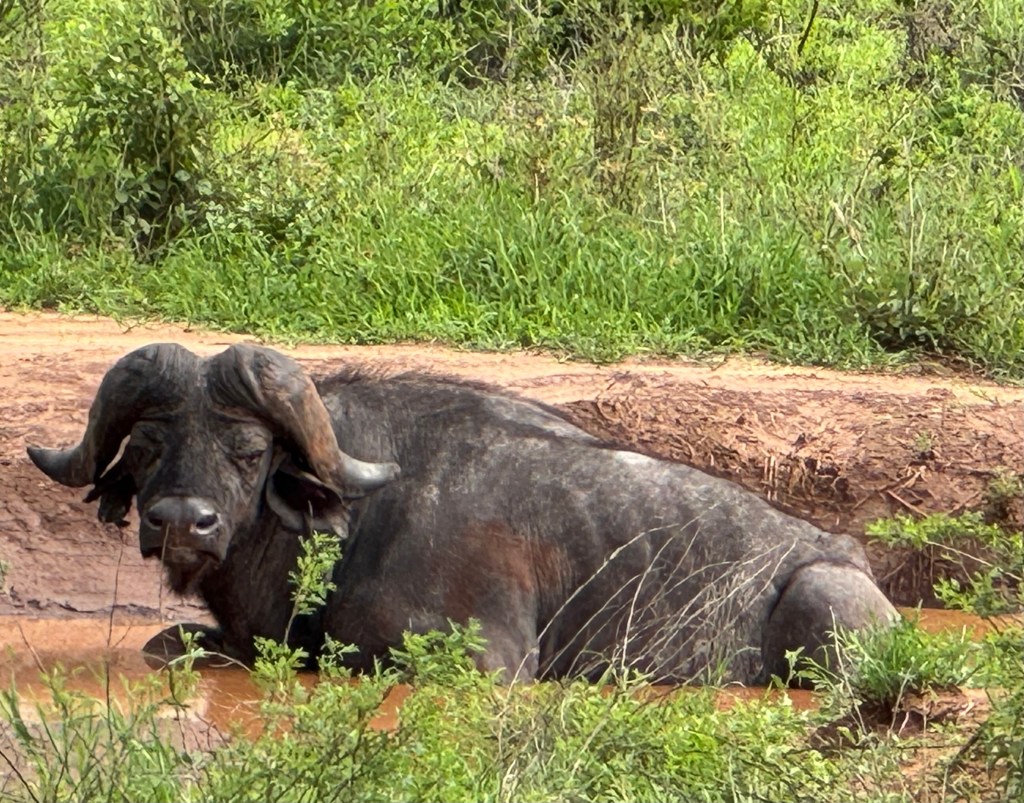
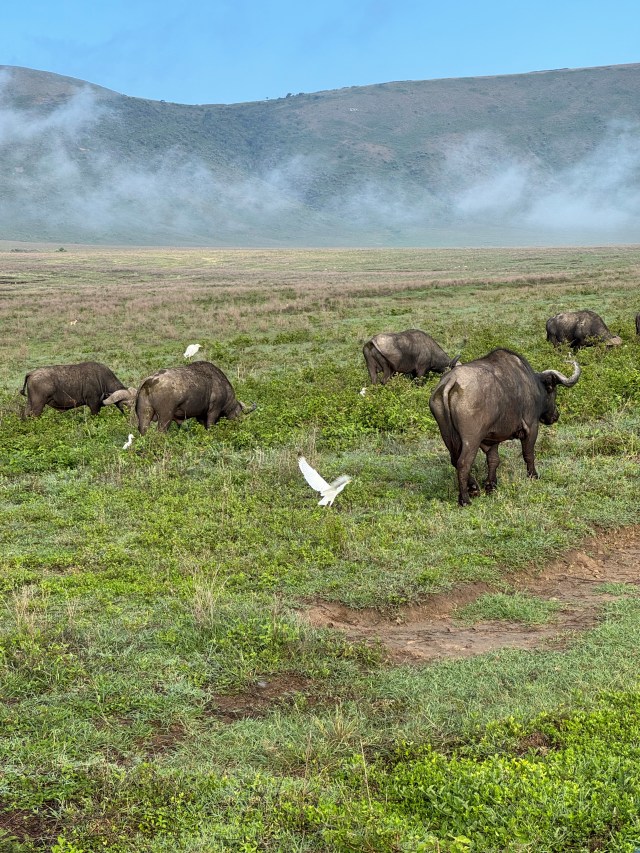
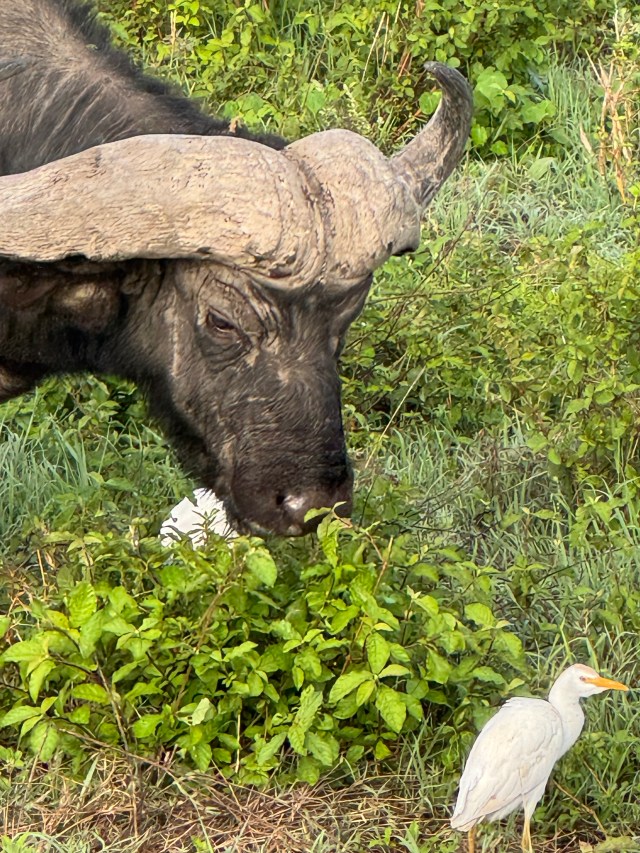
December 9 (Tarangire National Park and Tarangire Ndovu Camp) Today, we will spend a full day viewing animals in Tarangire National Park. It seemed like every animal encounter today was better than the last. We started the day coming upon a large herd of African buffalo. They were very nosy. It didn’t take them long to stop grazing and wander close to us. Our guide told us they have very bad eye sight so they use their sense of smell to identify danger. We must not have smelled very dangerous because they spent a lot of time staring at us.
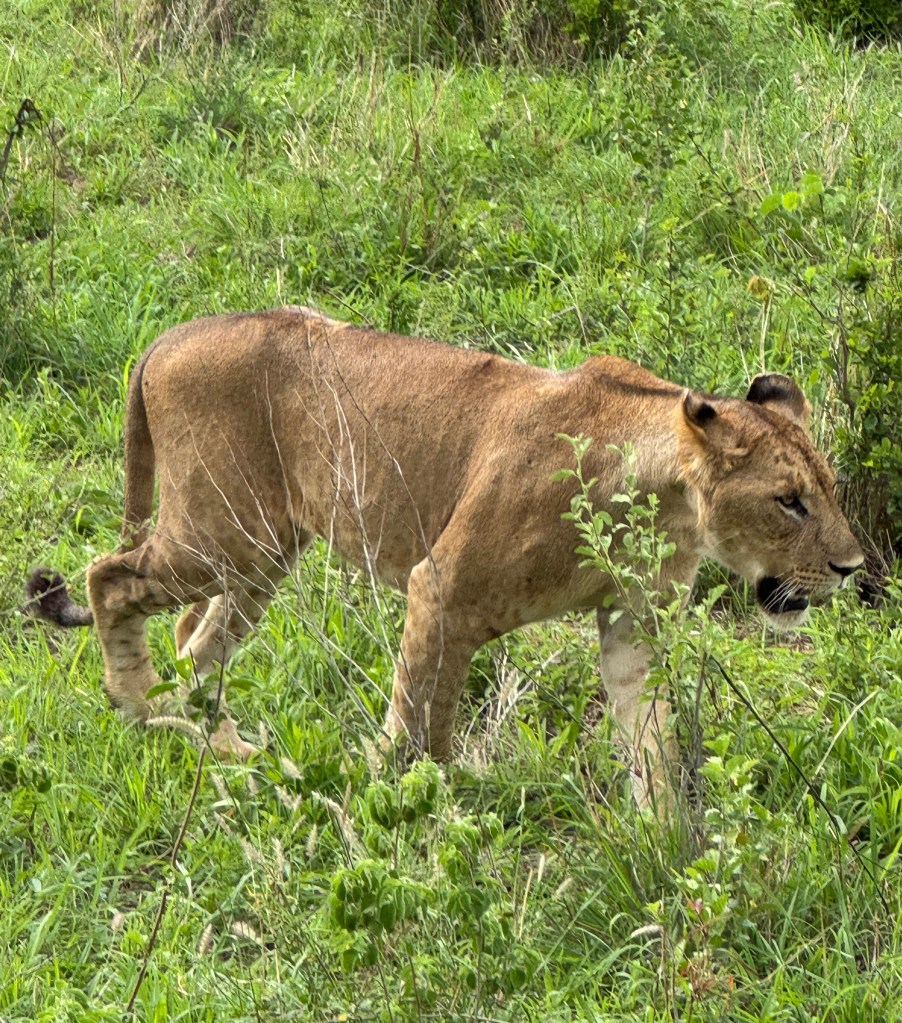
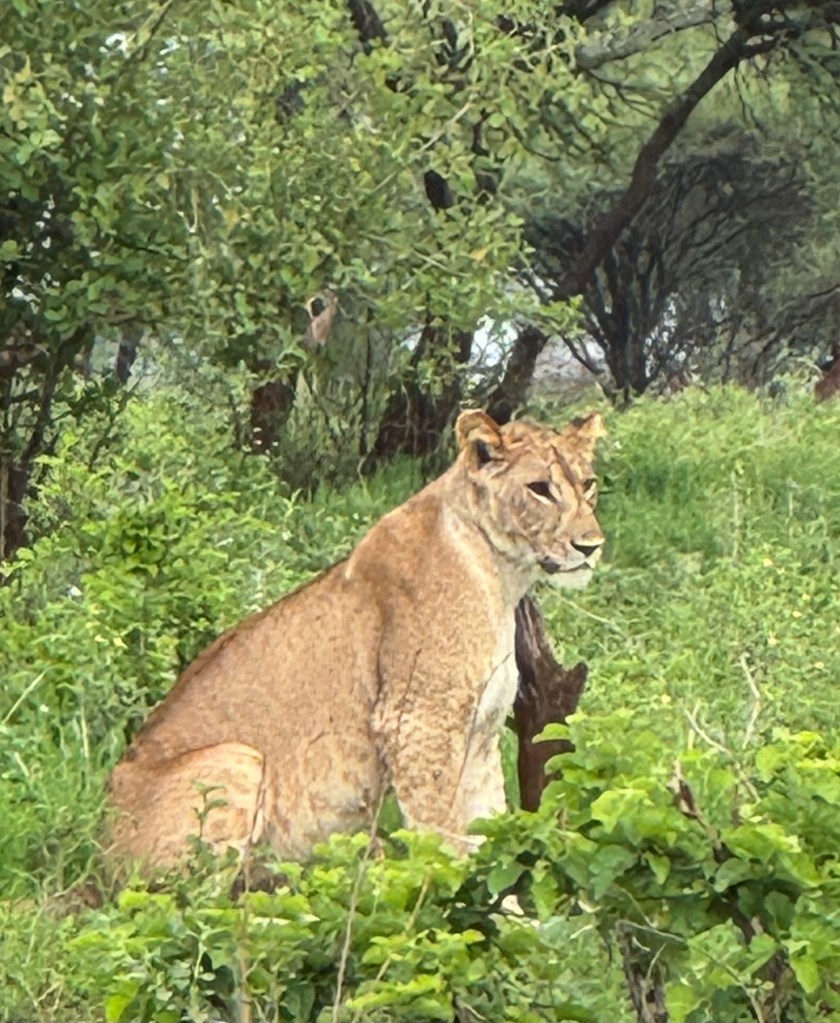
Lunch was at the same public picnic area where you had to protect your lunch from being stolen by the monkeys. The vehicle must also be completely closed up, or the monkeys would get inside and steal things. Right after lunch, we watched a small pride of lions walking not far from the road. They didn’t seem to care that many vehicles had stopped to stare at them. They were not in a hurry as they passed by even though they were searching for food.
The wow moments today: the large herd of African buffalo and the pride of lions
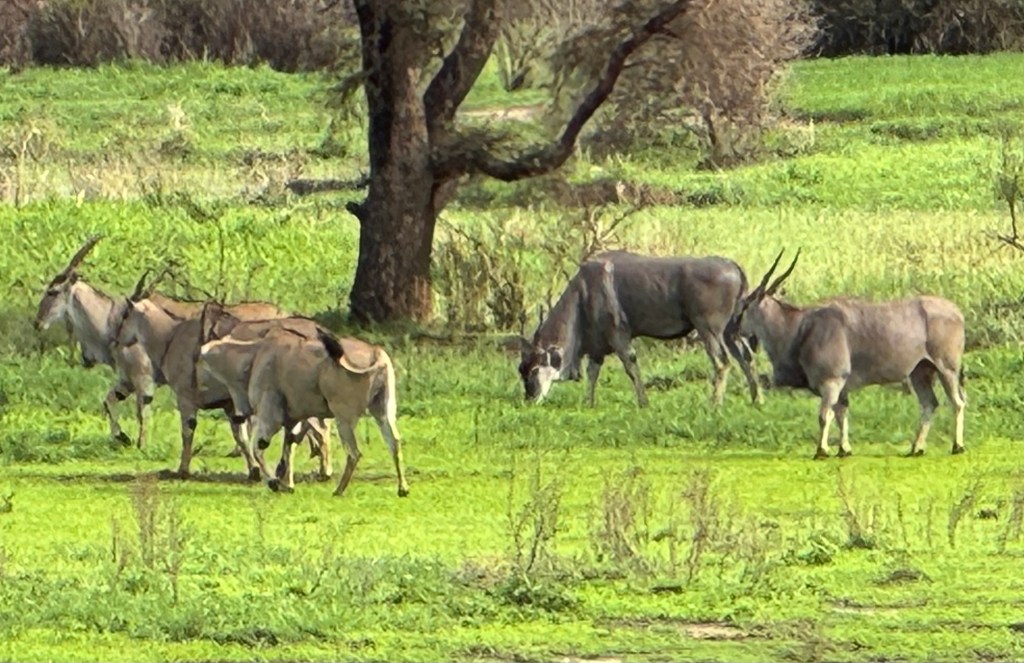
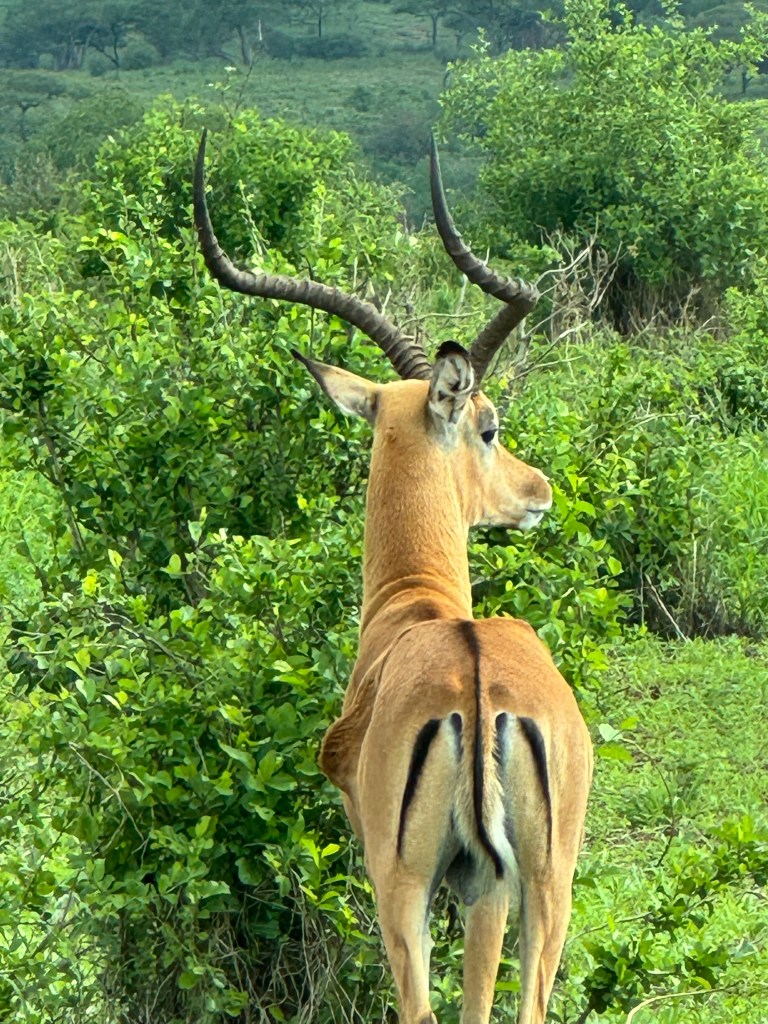
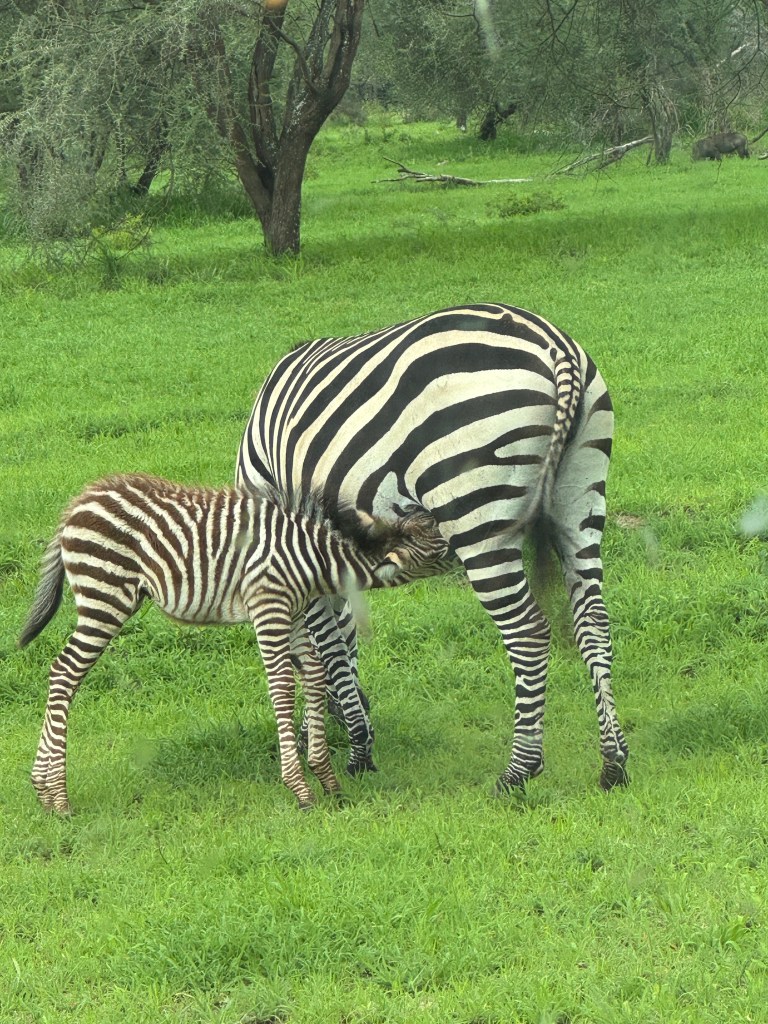
Animal highlights: a larger herd of African buffalo, large herds of elephants, giraffes, zebras, a pride of lions, antelopes, gazelle, and many species of birds








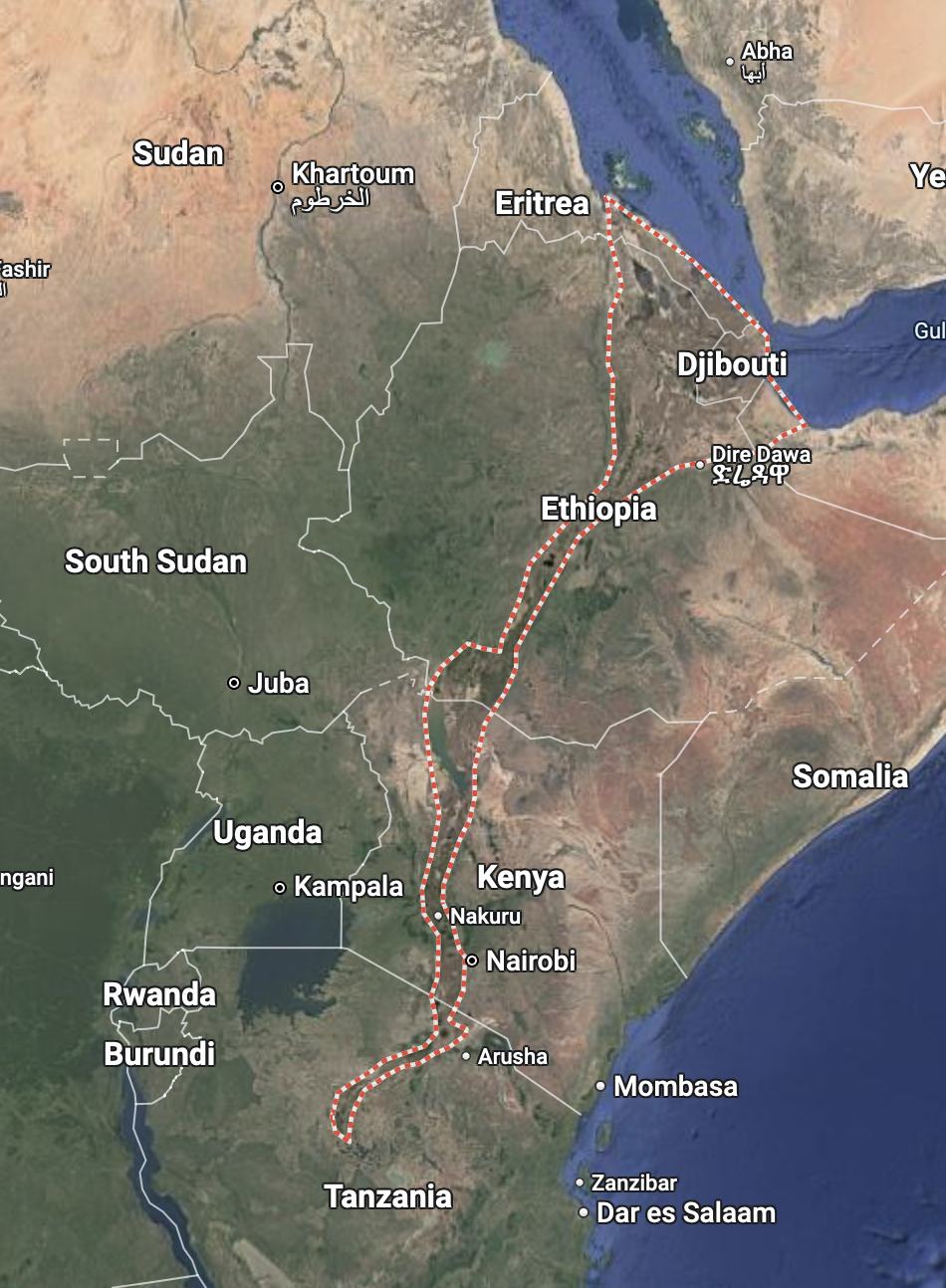
December 10 – (Great Rift Valley and Gibb’s Farm). We said farewell to Tarangire National Park this morning to continue our trek across Tanzania. Our drive today will take us north and up the Great Rift Valley. The valley is 6,000. kilometers (about 3,728) miles) long and is a geological feature that can be seen from space. It was hard to identify the fault line in the area where we stopped due to the forest growing up the steep slope. The African plate is splitting at a rate of 6-7 mm (roughly 0.24 in.) a year. This is creating two plates, Somali plate and Nubian plate, In geography class I taught about the Great Rift Valley. It was exciting as a teacher to look across the rift zone. Here is a Google Earth flyover of the Great Rift Valley. (Also click on the blue words above for a good video explanation of the moving plates and fault line.) Something to think about: will the continent of Africa be

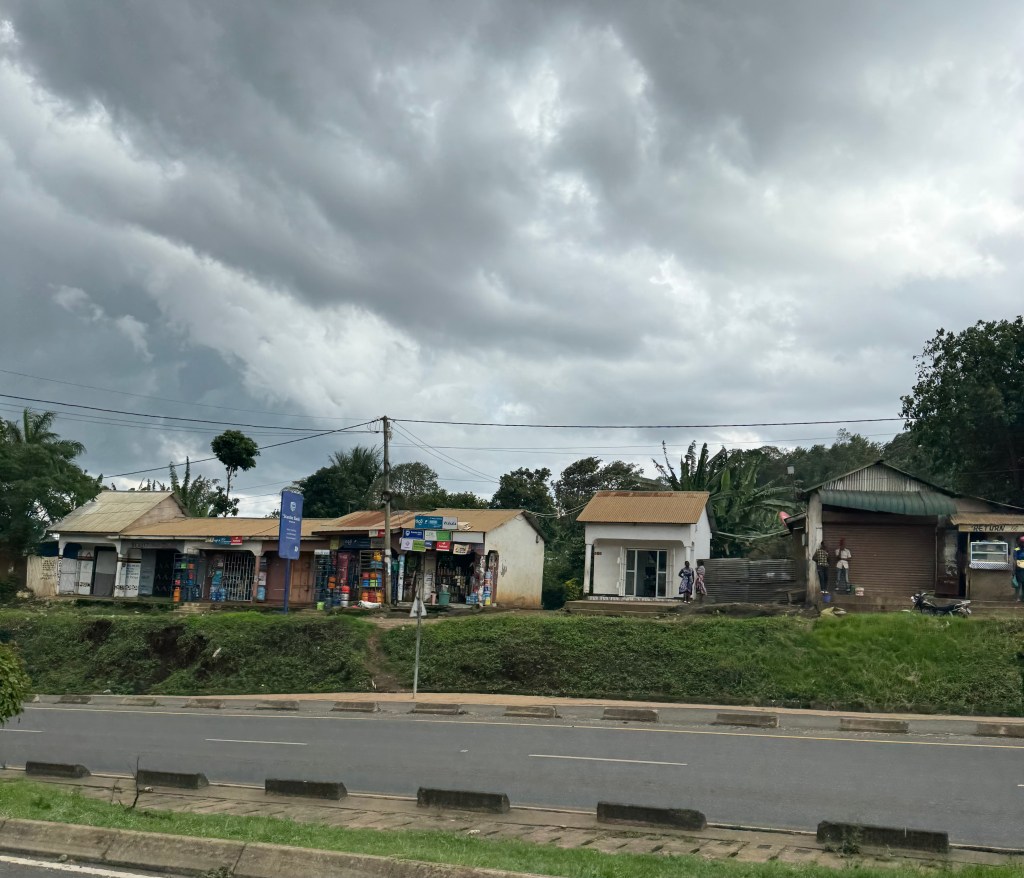
After viewing the Rift Valley, we continued traveling toward the Ngorongoro Conservation Area. I always enjoy traveling through small towns and rural areas when I visit a country. It is important to understand how other people live their daily lives.
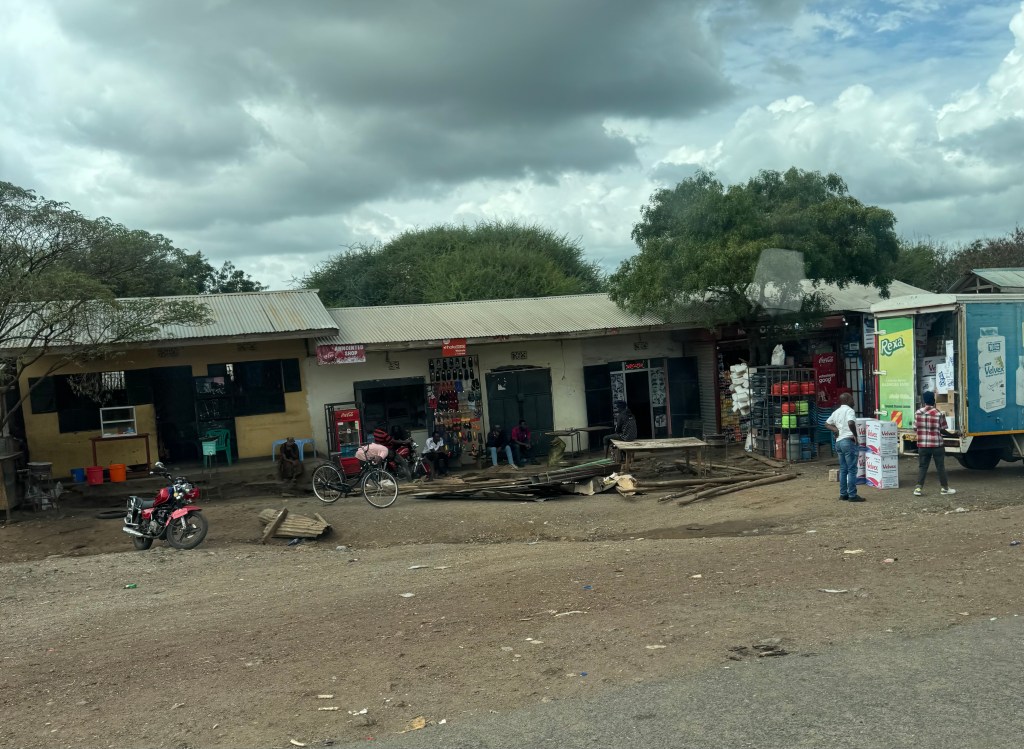
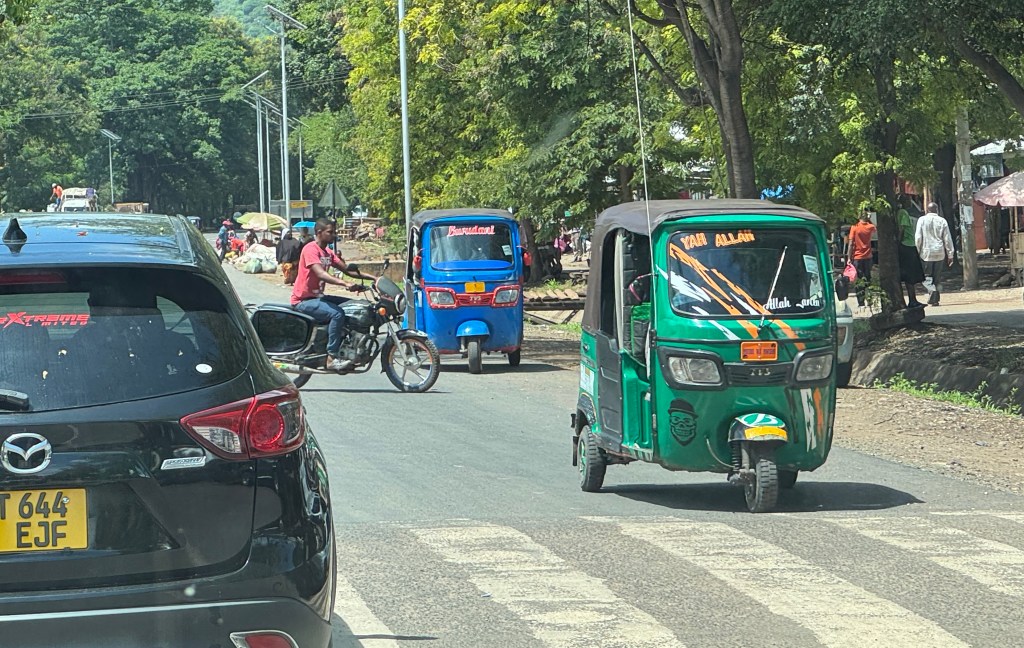

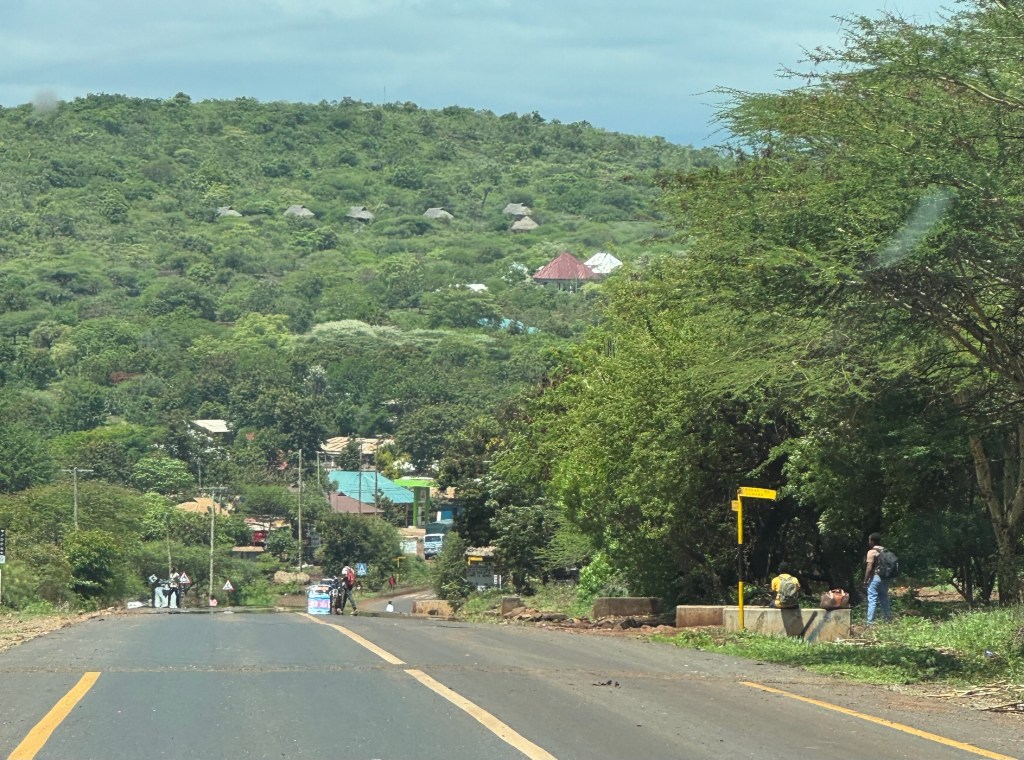
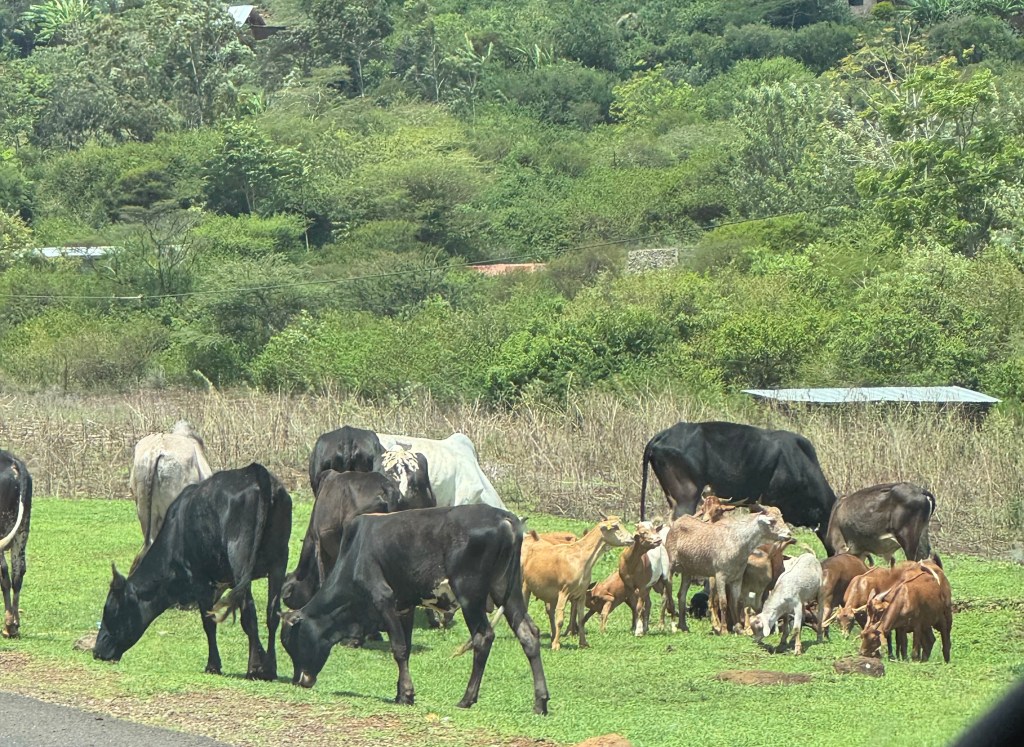
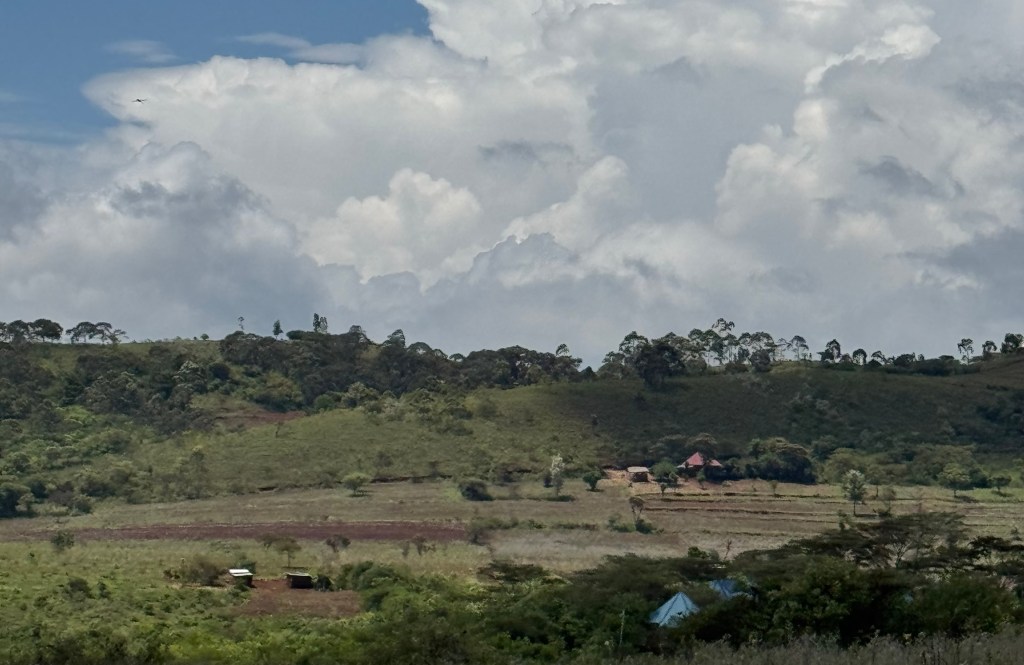

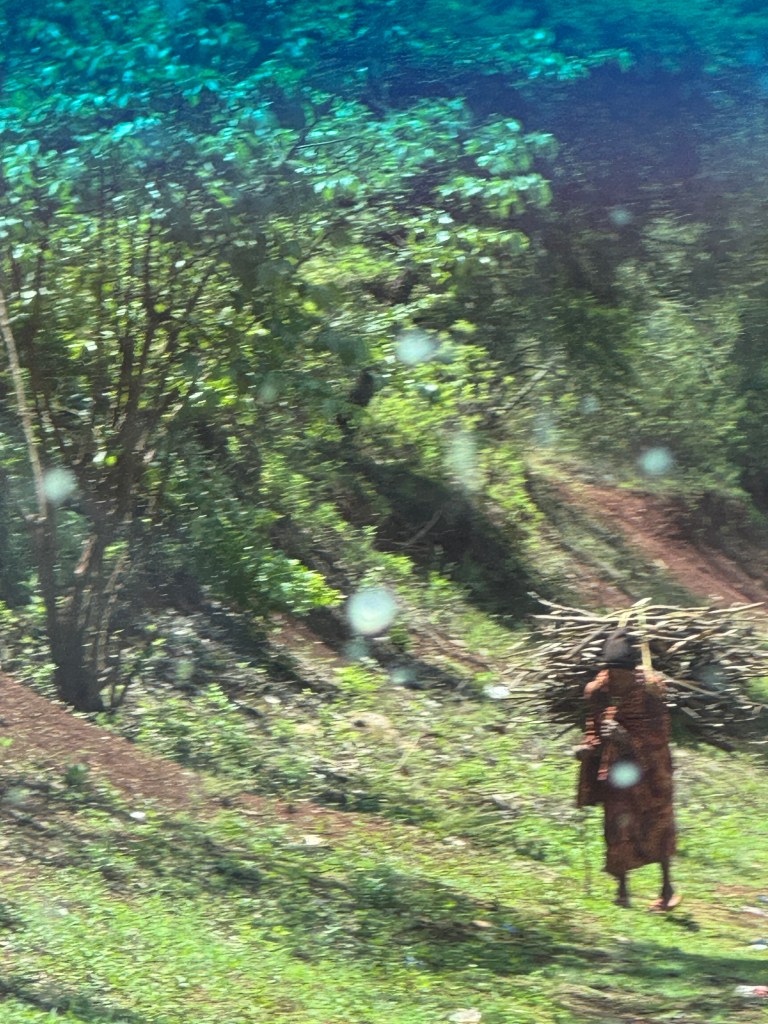

How do you know you are leaving a town? Check out the sign.
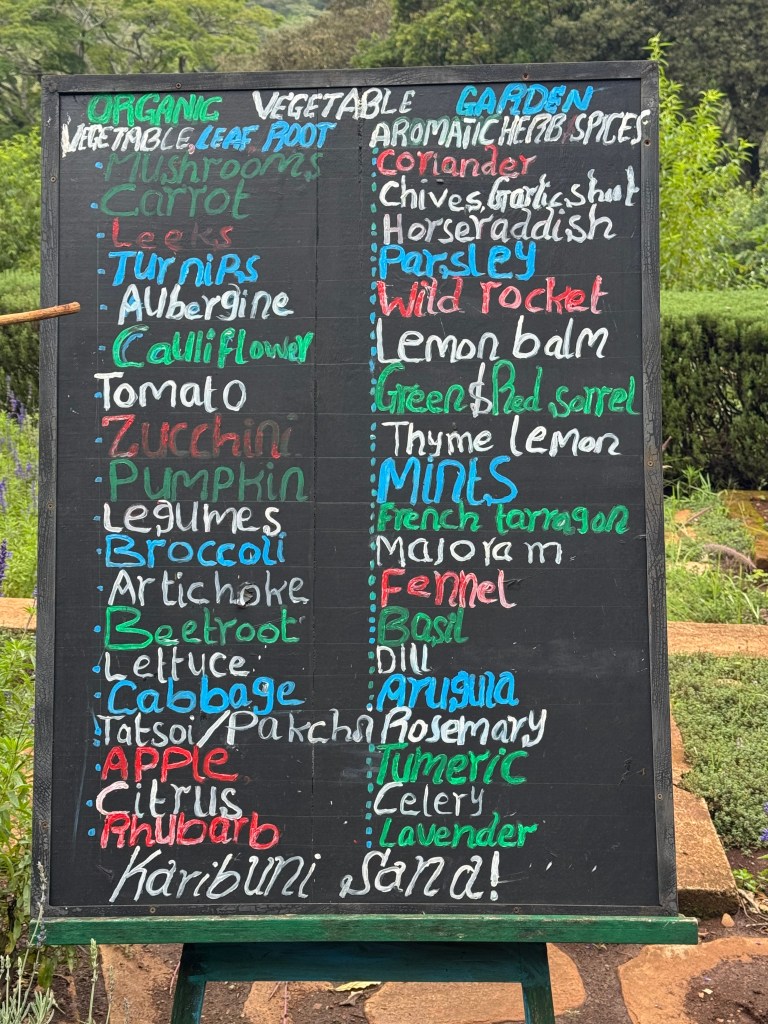
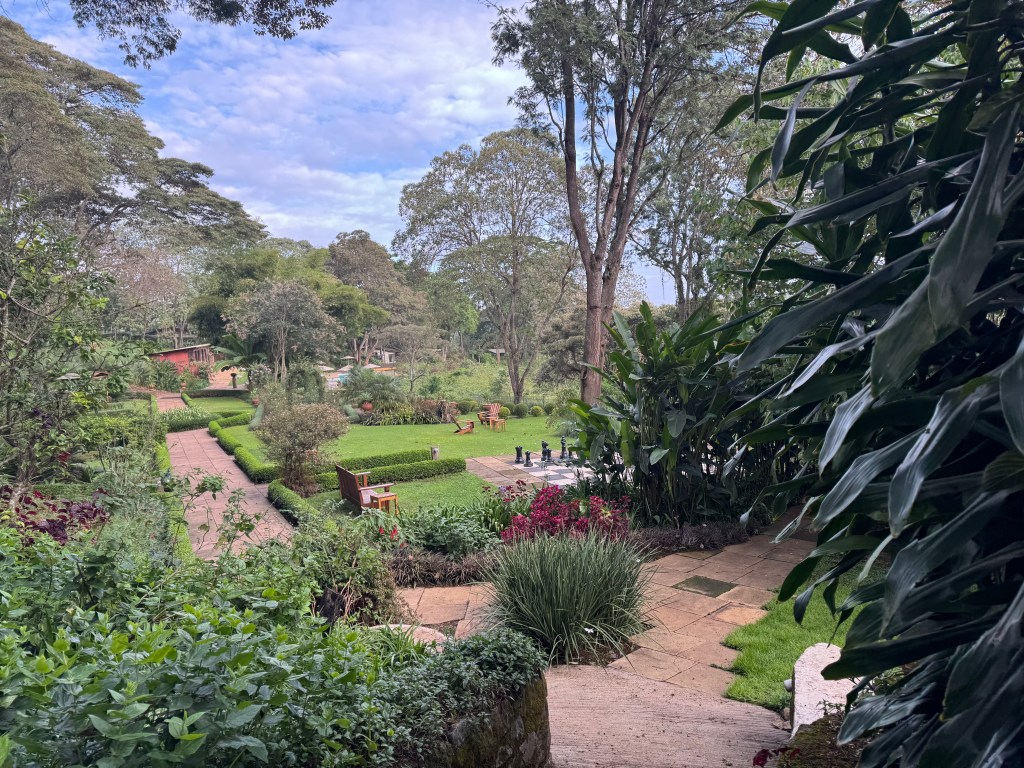
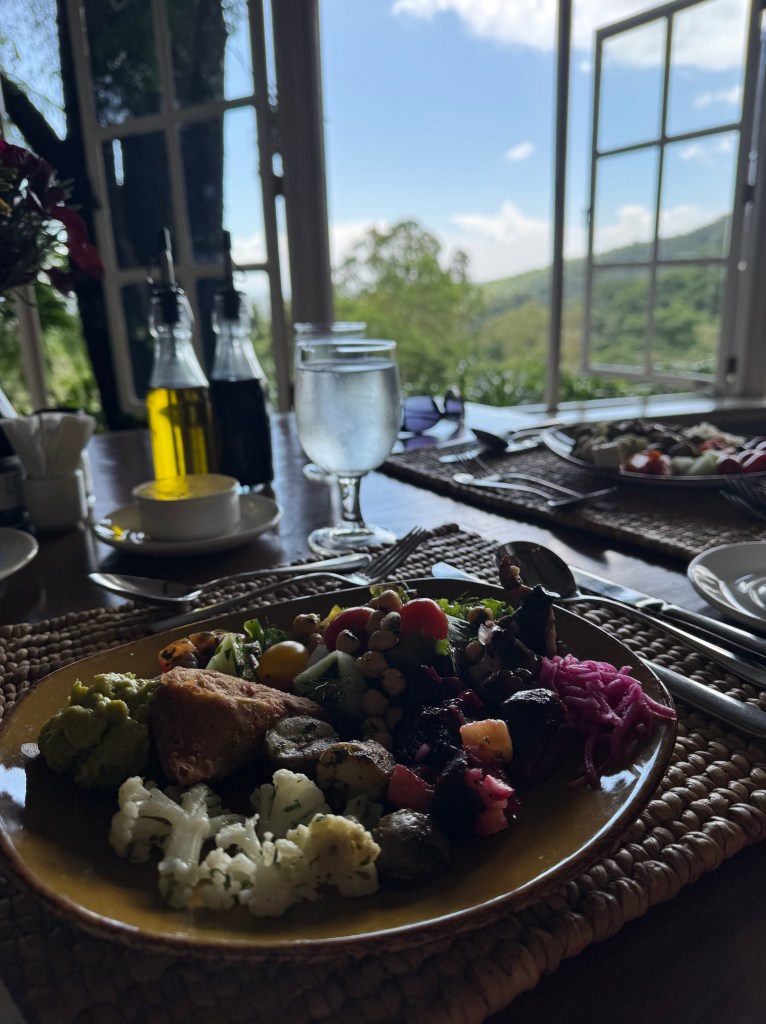
Our next stop was Gibb’s Farm Lodge. The lodge is an active farm where much of the organic food raised is served in the lodge restaurant. As with all lodges, we stayed two nights with a free day to relax, tour the farm, and enjoy the spa. The history of the farm is fascinating. It started as a coffee plantation in the early 1900s. The Gibbs family purchased the coffee plantation after World War II. They continued producing coffee and added guest cottages in the early 1970s. The Ngorongoro Conservation Area and Serengeti National Park were developed in the early 1960s. As tourism was starting to develop, the family saw the need for lodging and add guest cottages. Check out the full history of Gibb’s Farm by clicking on it’s name.
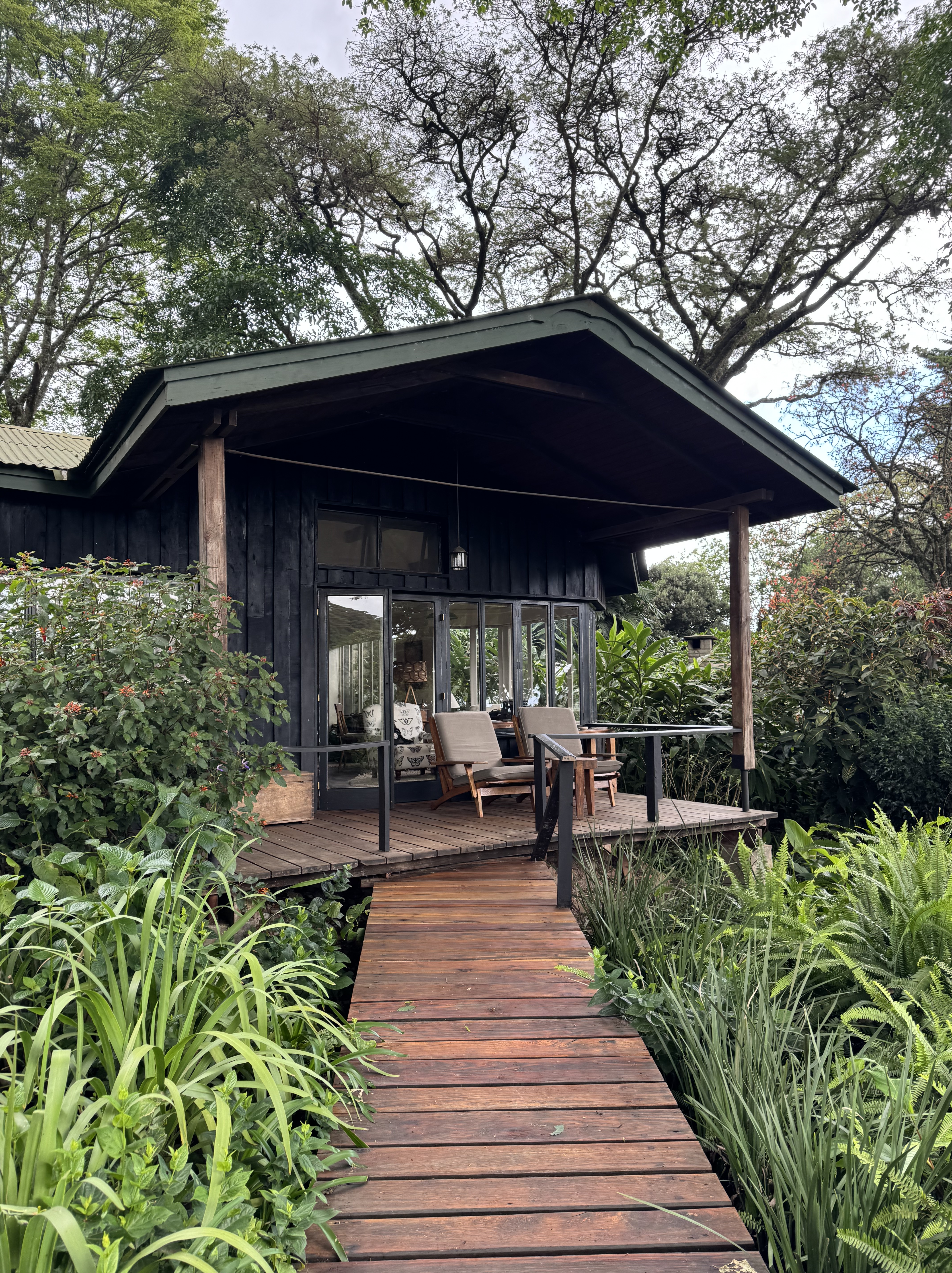
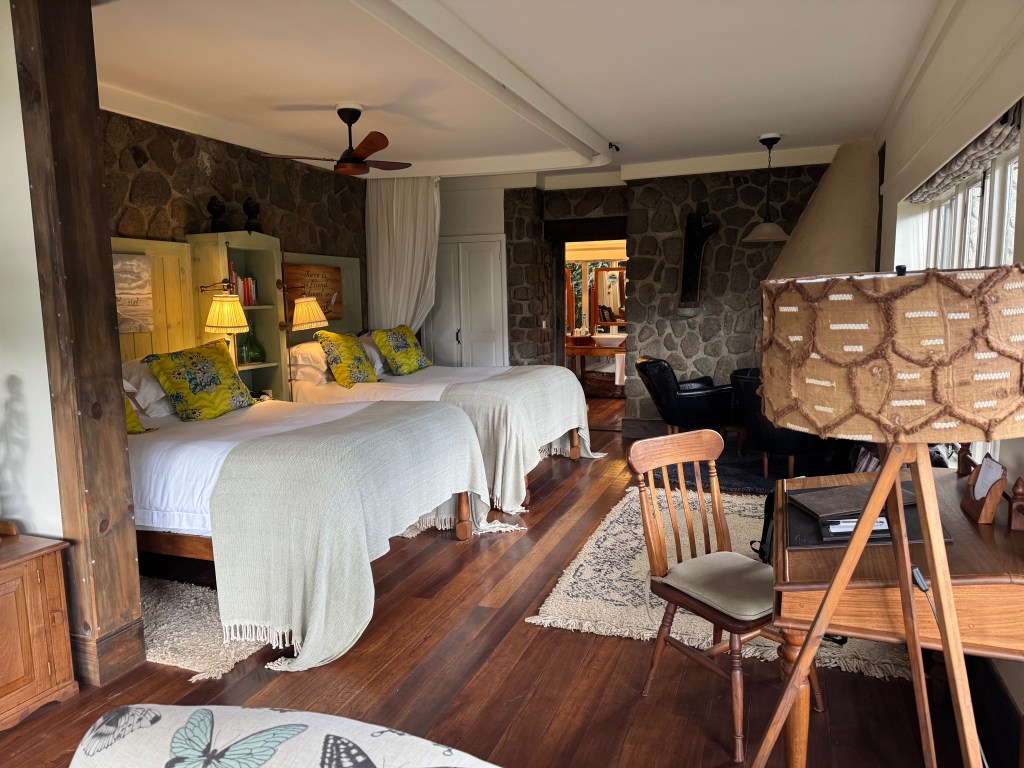
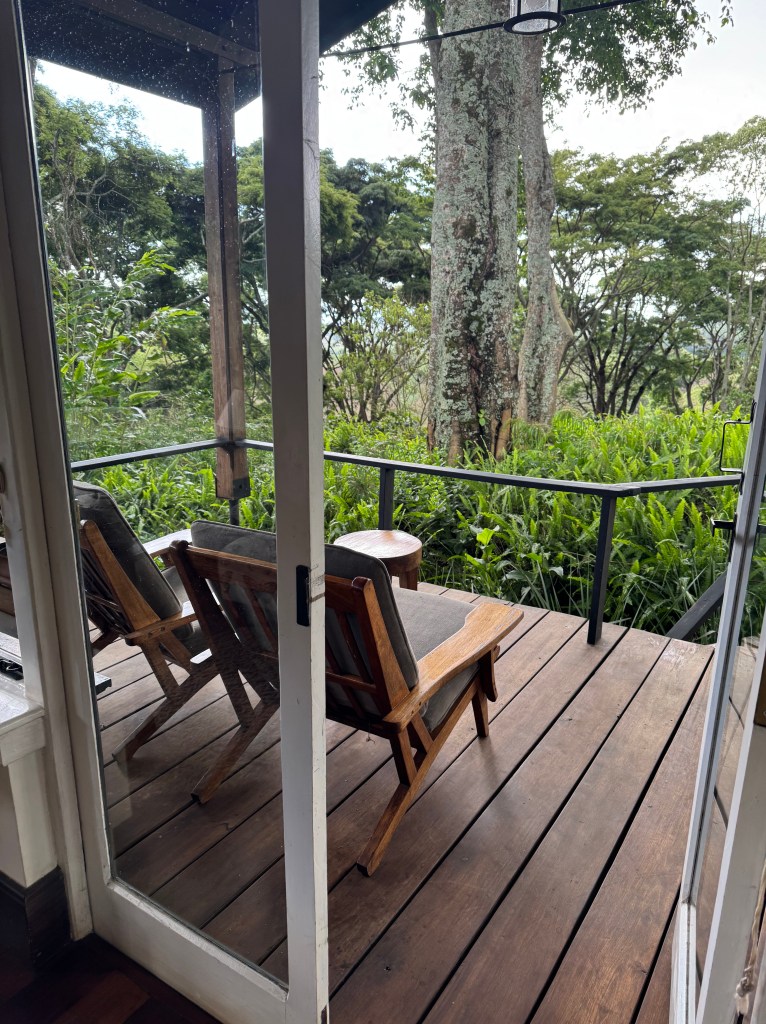
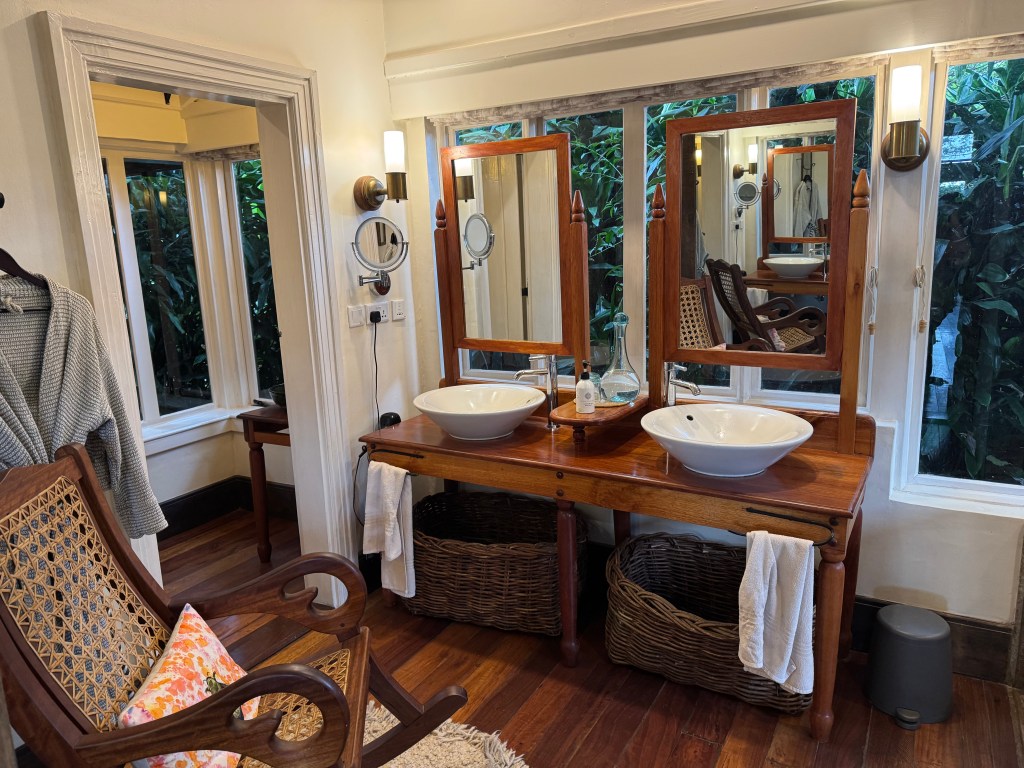


December 11 – Free day at Gibb’s Farm
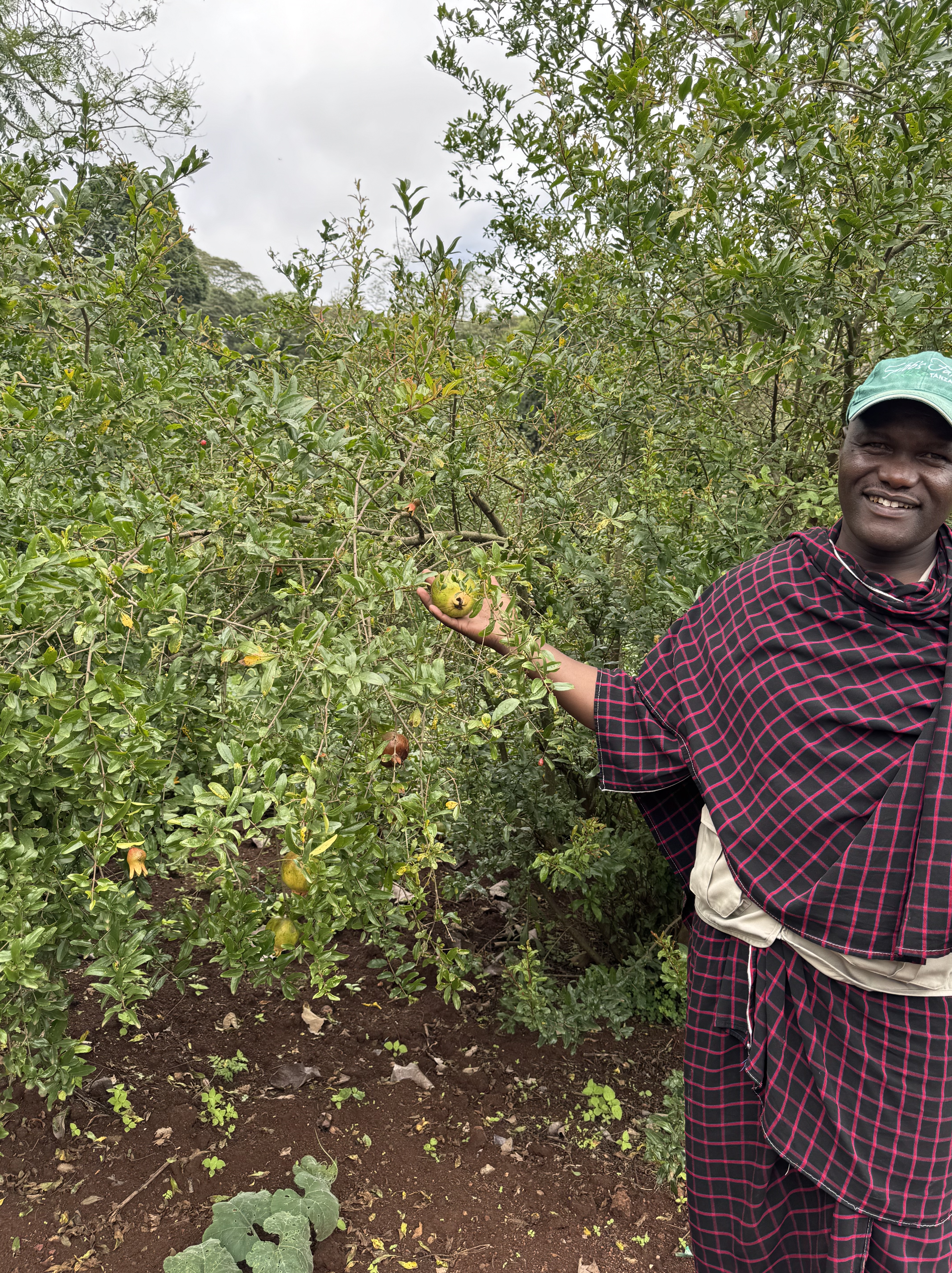
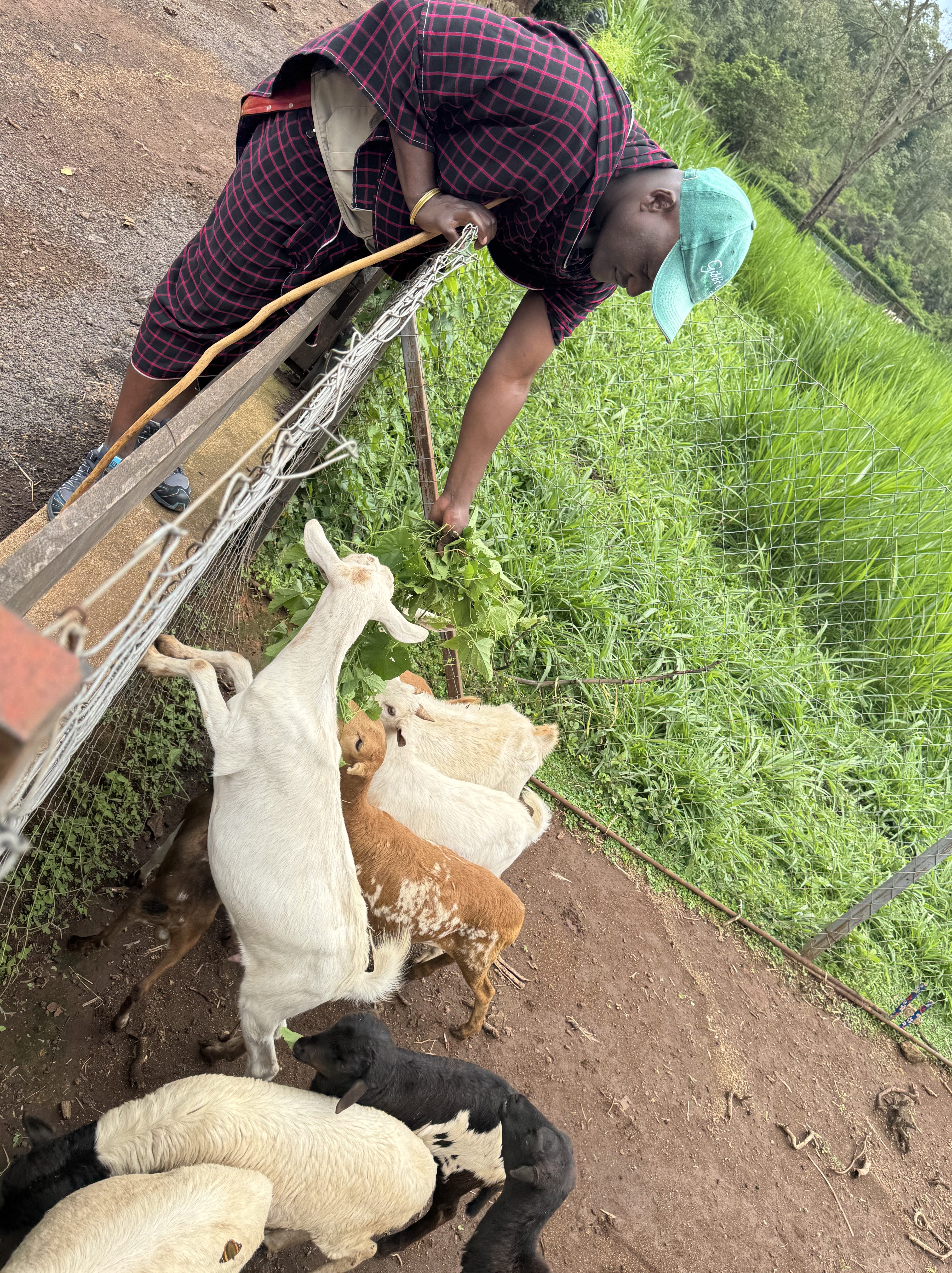
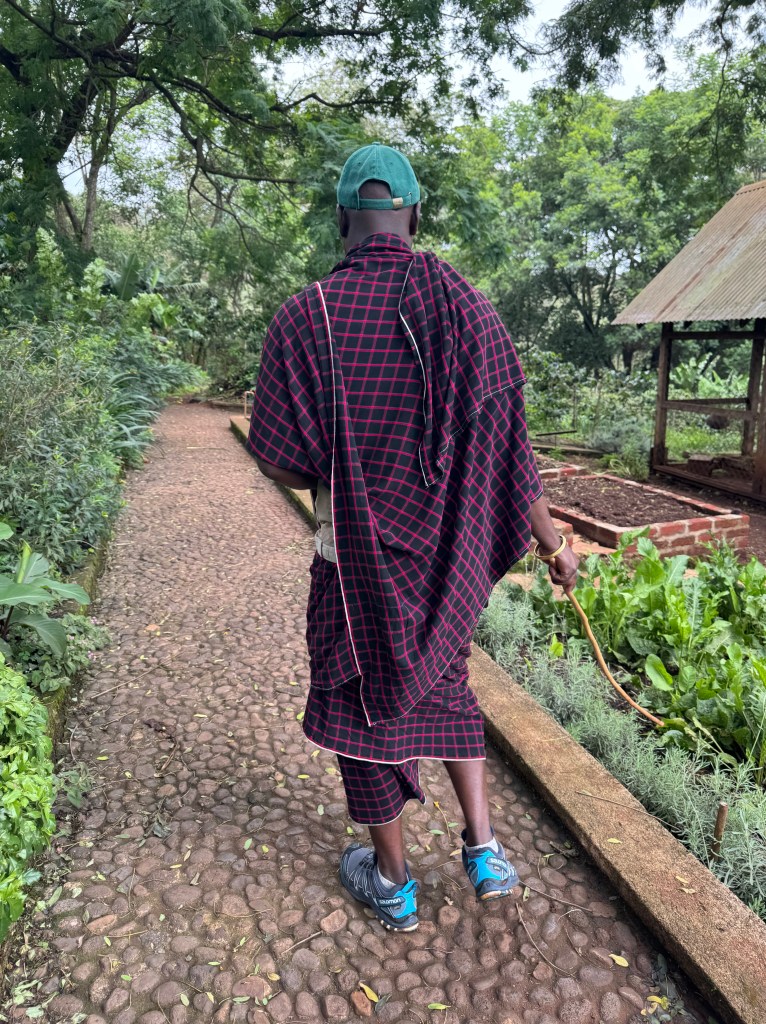
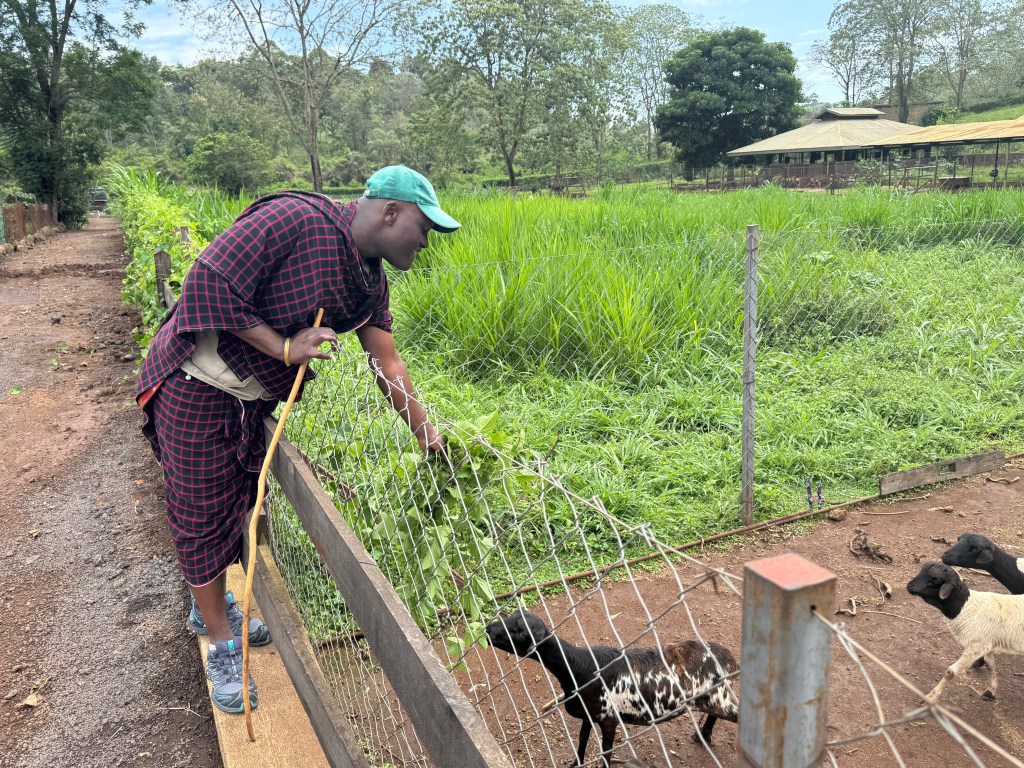
The farm tour was led by a member of the Maasai Tribe. He enjoyed sharing information about crops grown, companion planting practices, and the animals raised on the farm. He also seemed to like to pose for my pictures.
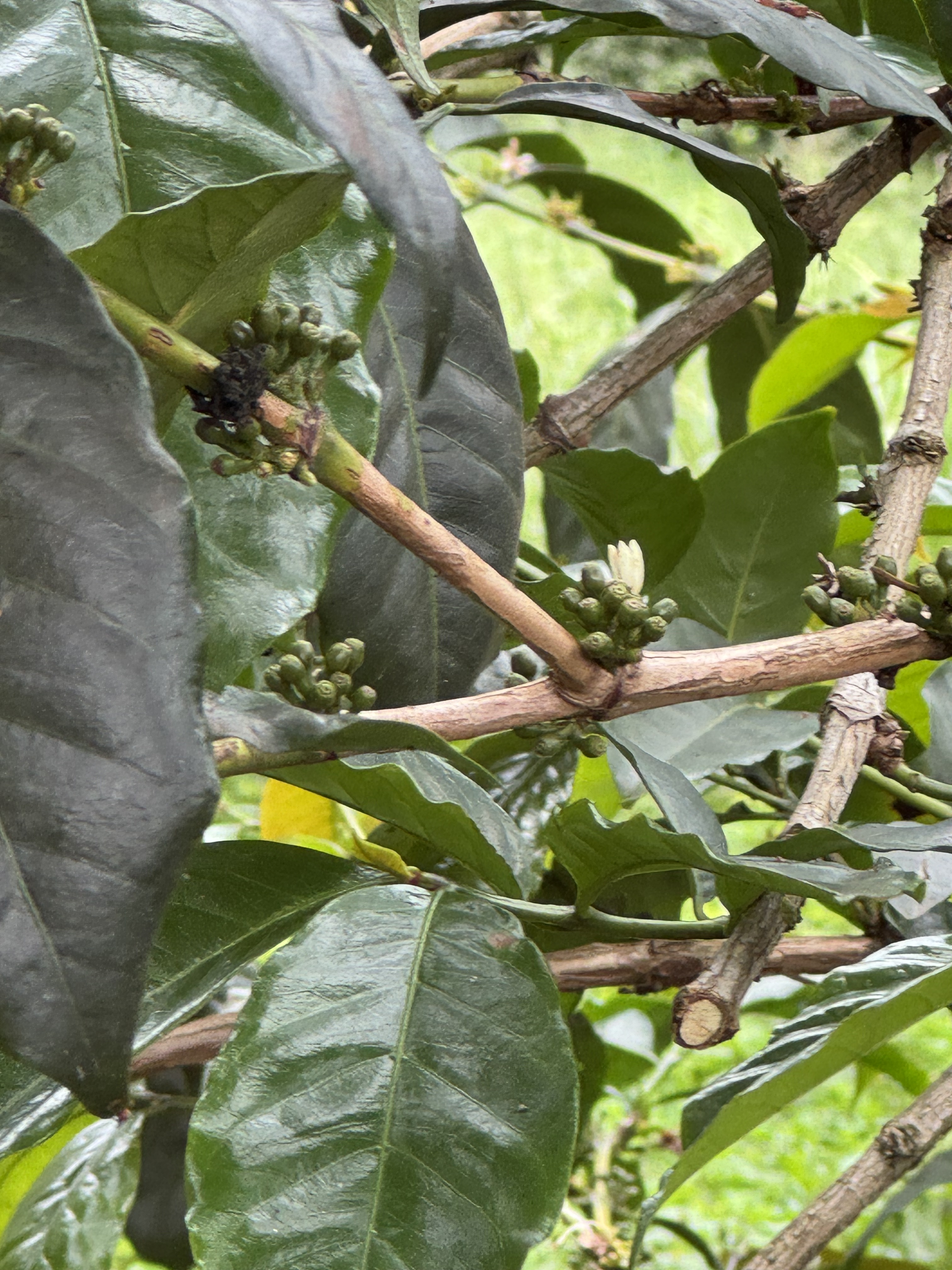
December was early in the coffee season. The coffee plants were just starting to form buds. We were told coffee must be picked by hand because the beans do not get ripe at the same time, so each plant has to be picked multiple times.
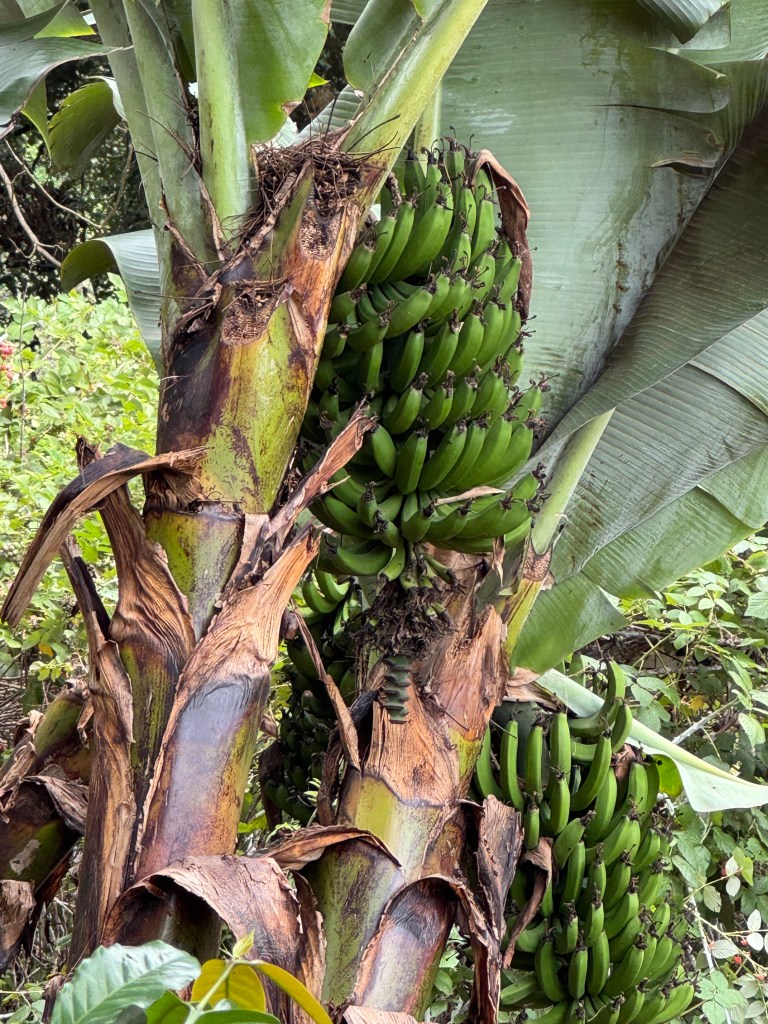
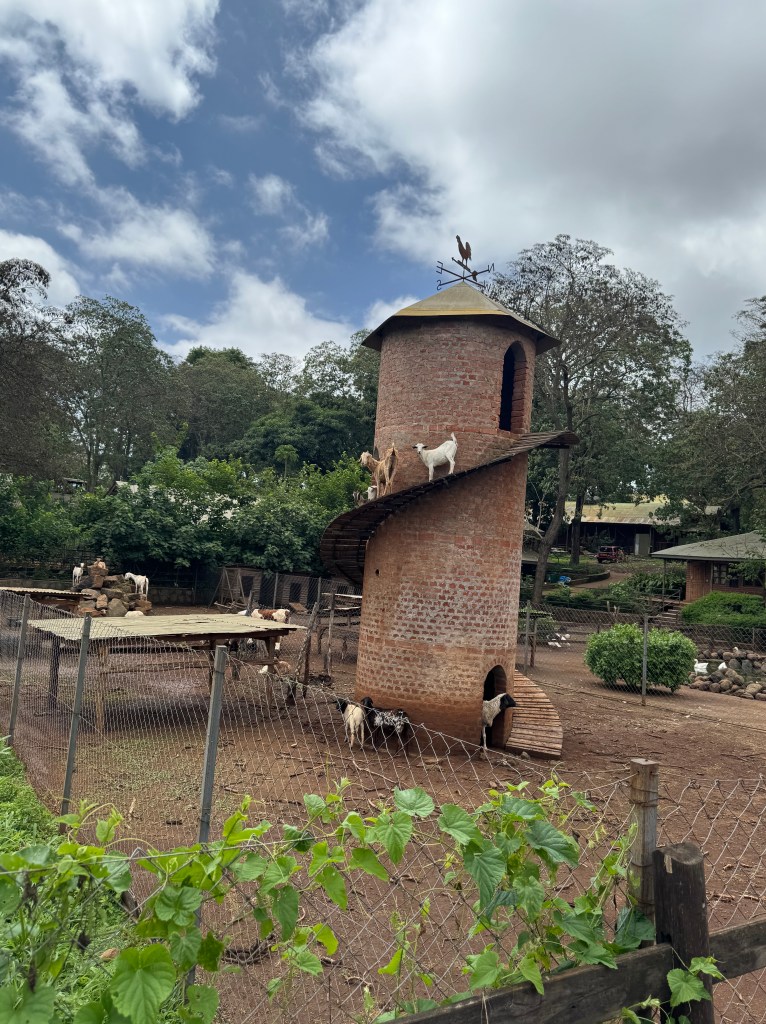
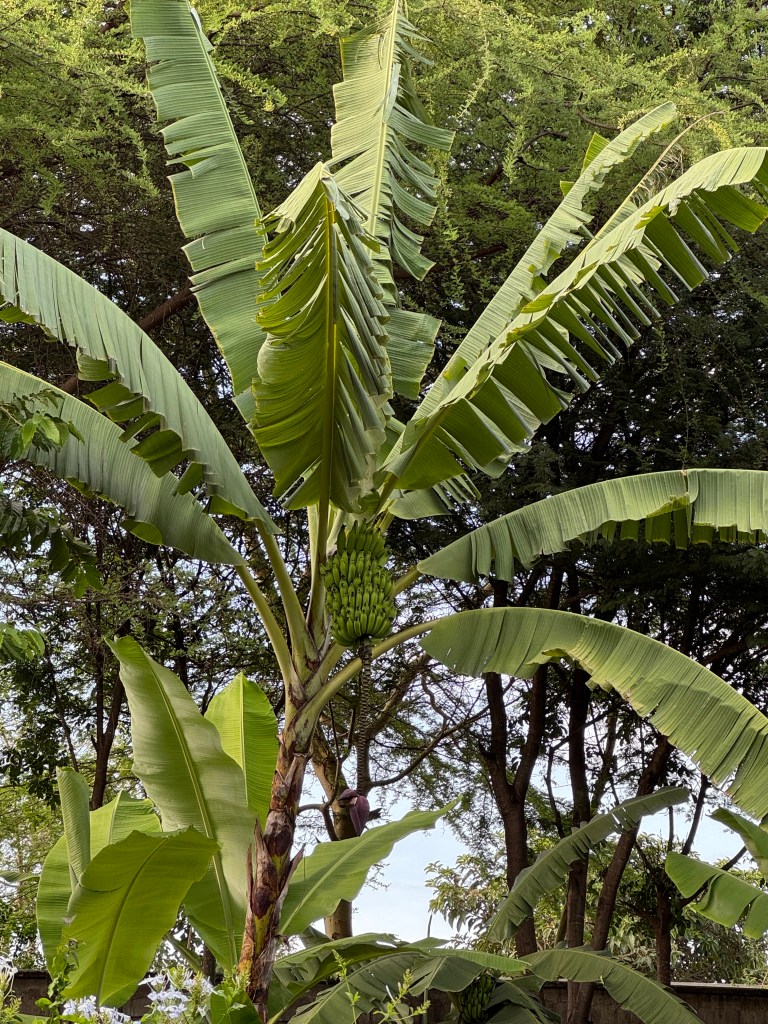
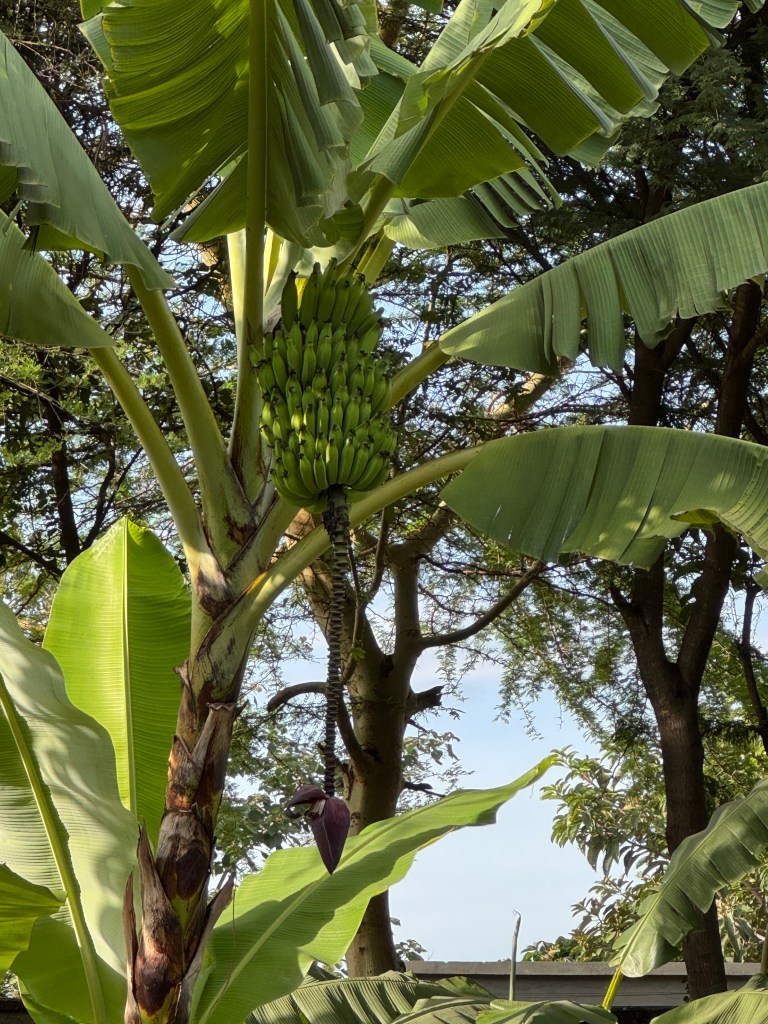
Our smiling guide shared information about companion planting, crop rotation, and how they plan to have multiple harvests during the growing season. Due to the mild climate, they can grow many fruits and vegetables year-round, unlike our short growing season. (Below are pictures of coffee, crops grown, and animals raised on the property.)

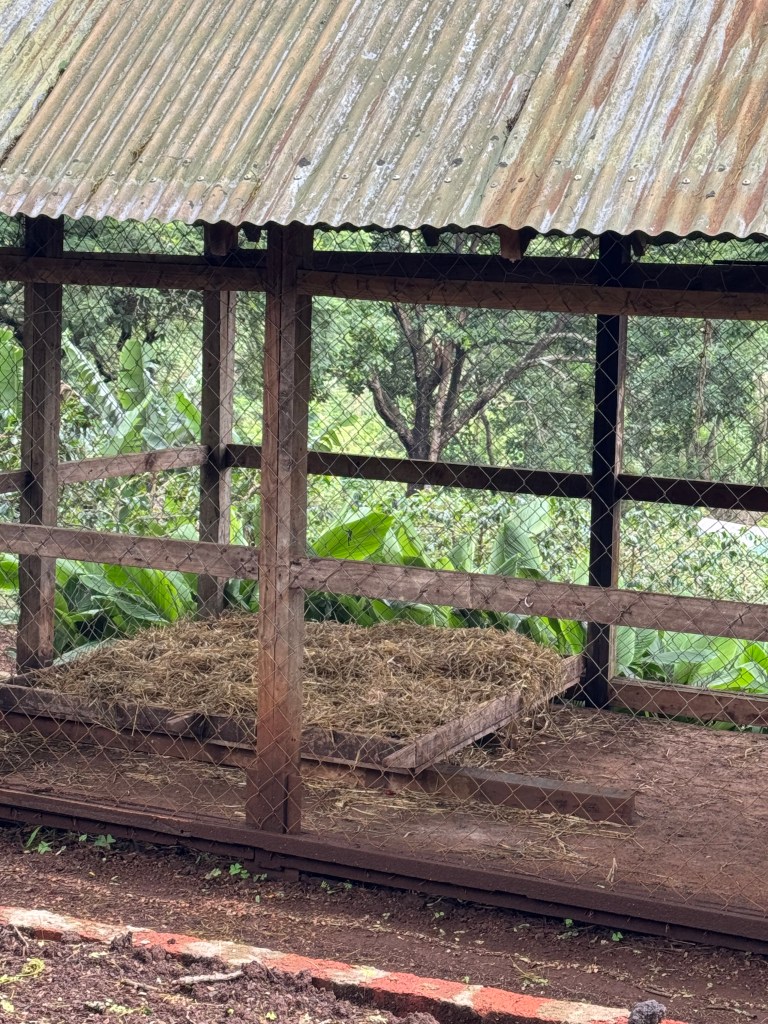


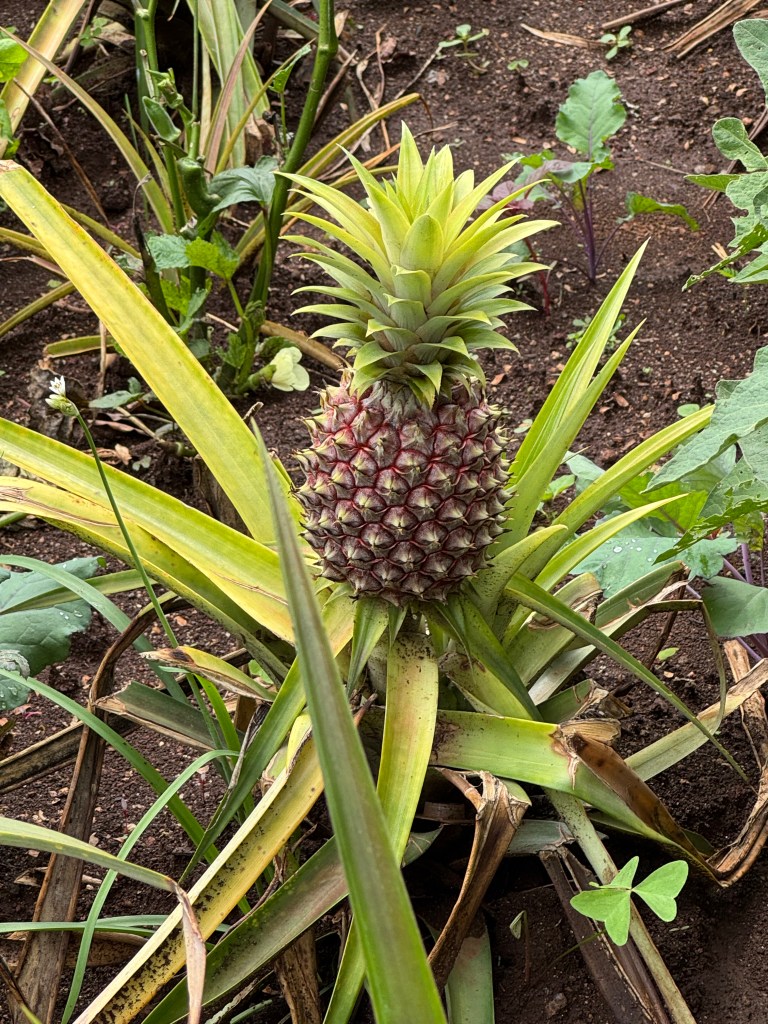

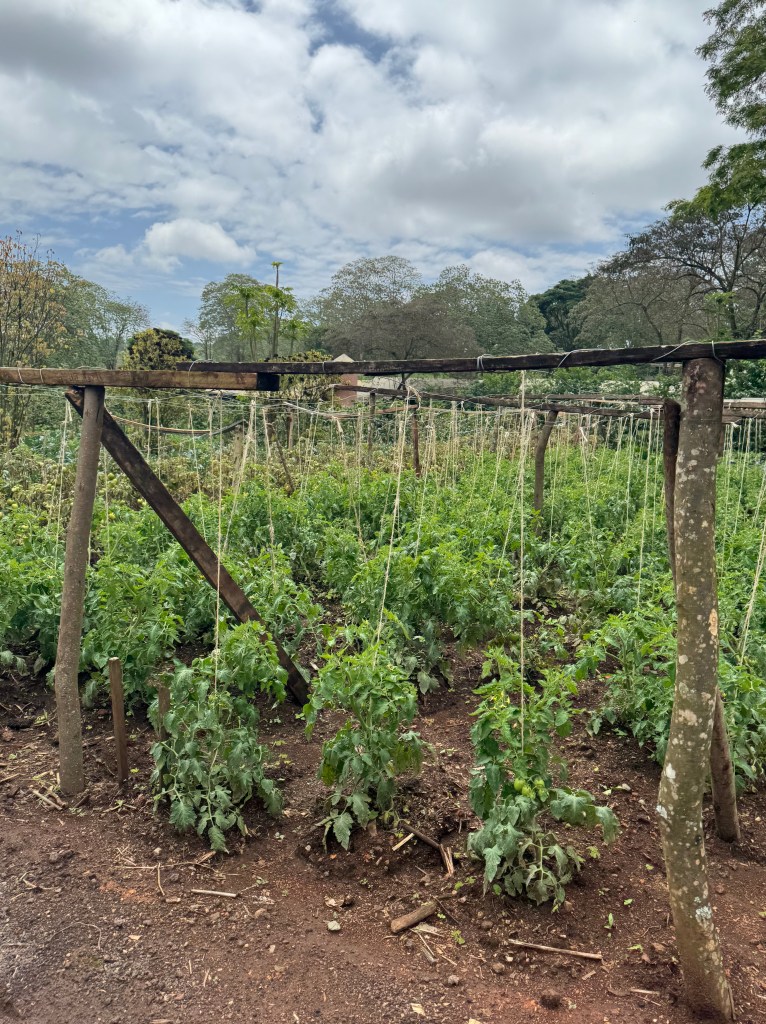
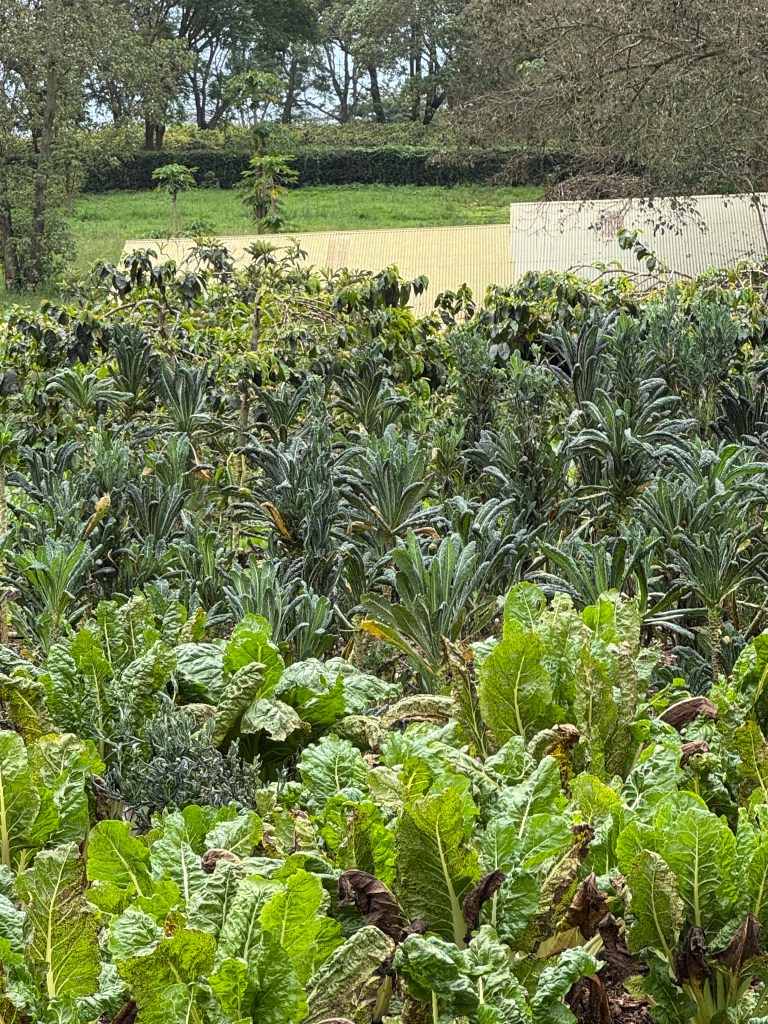

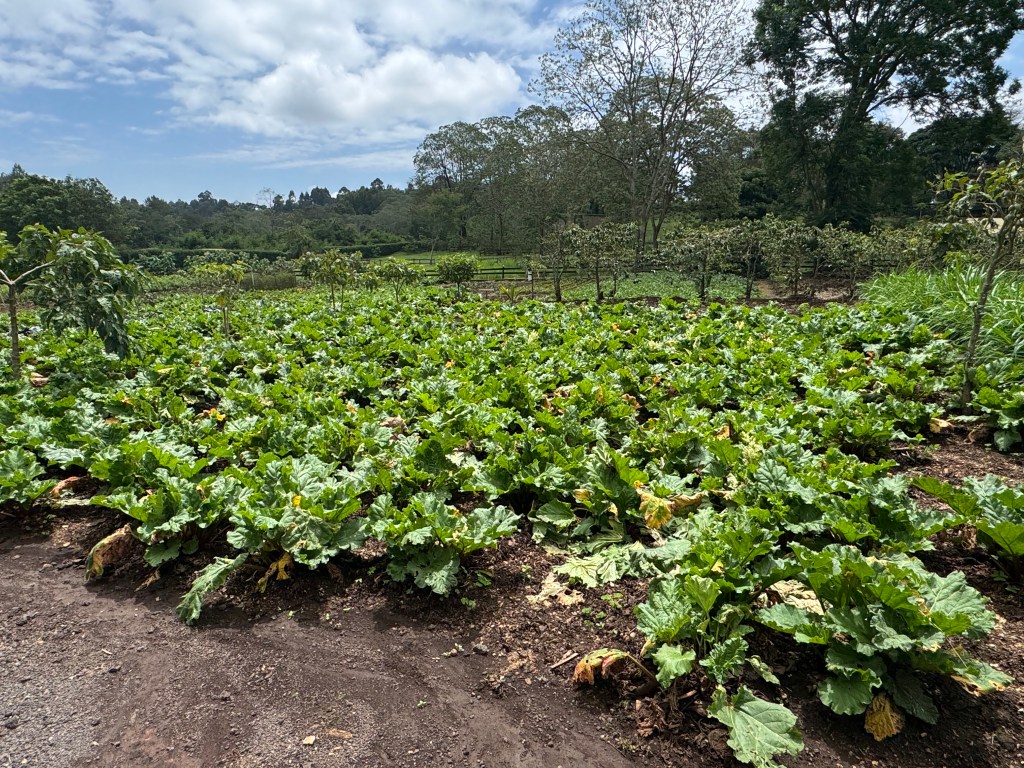
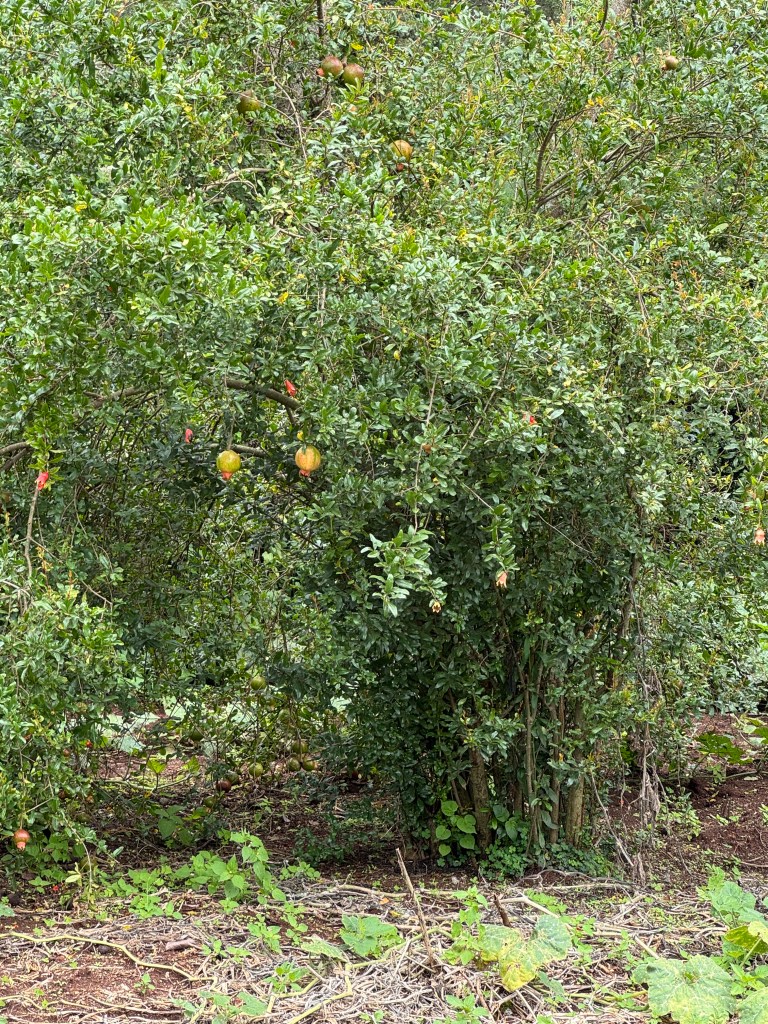

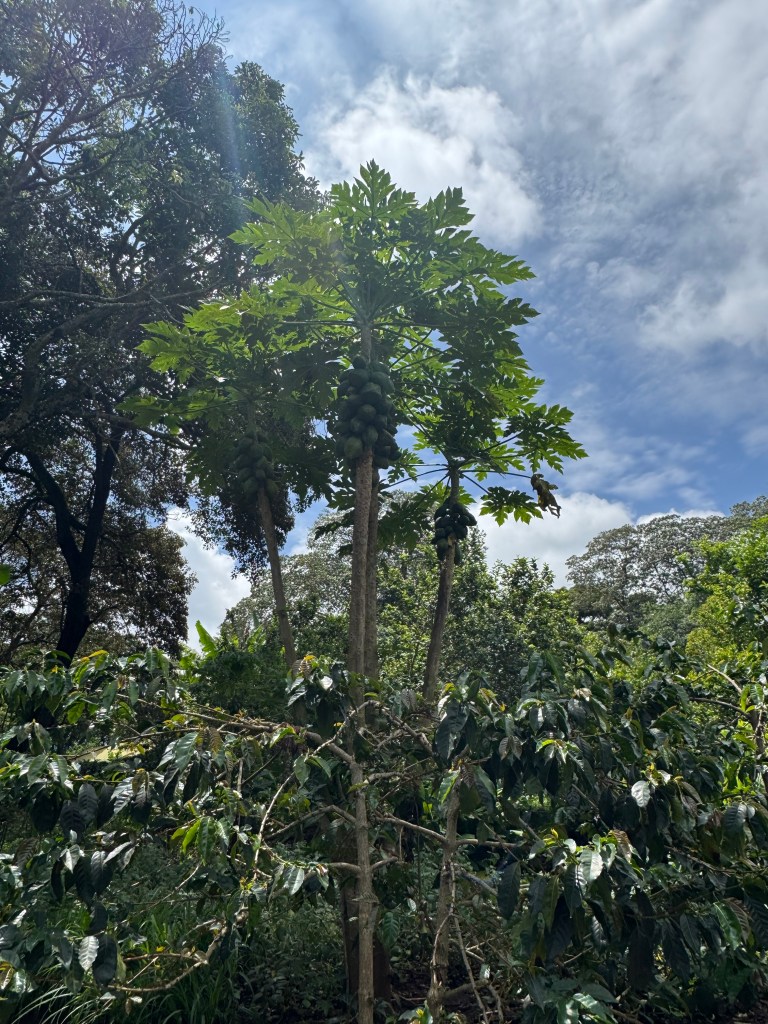

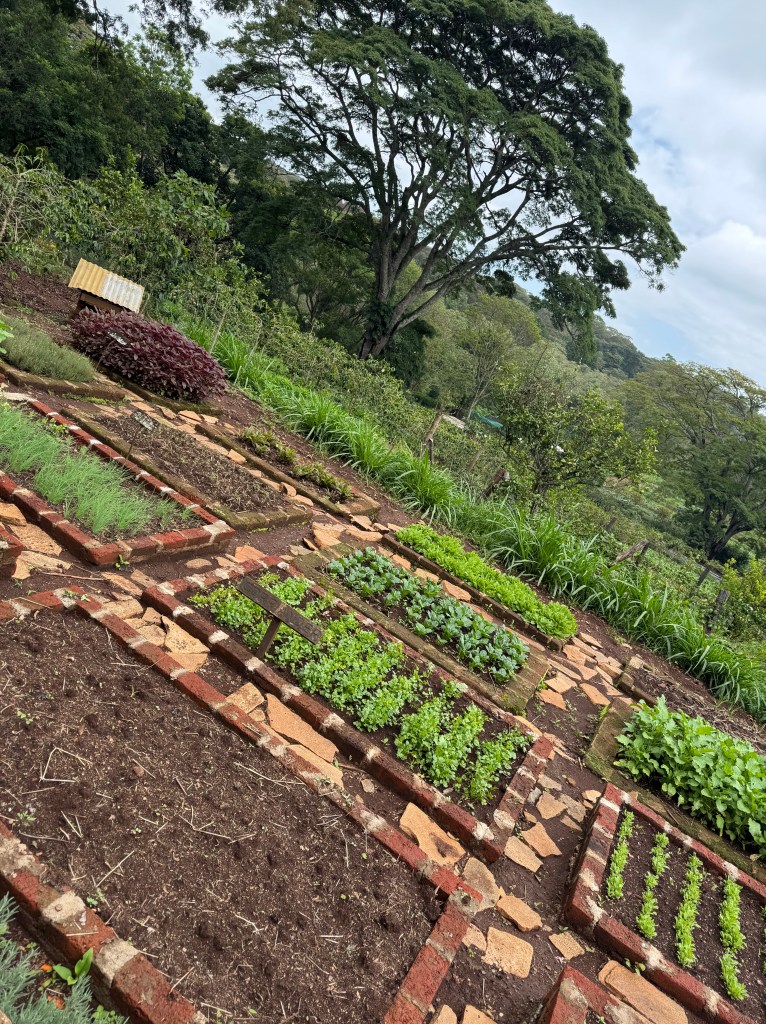


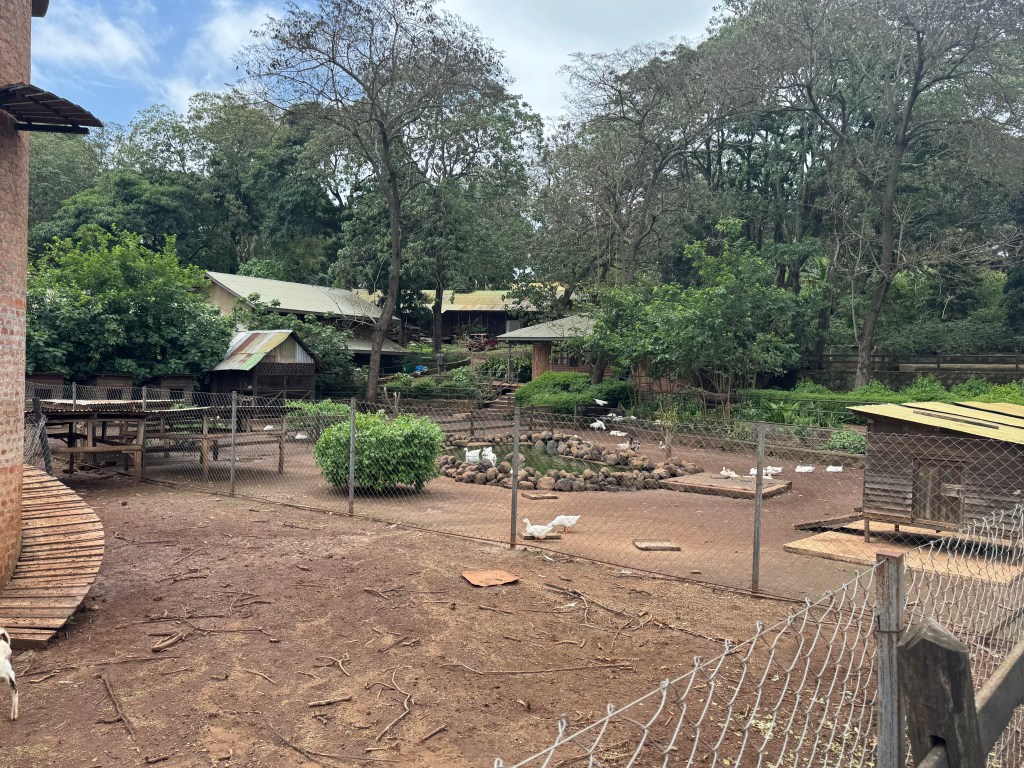
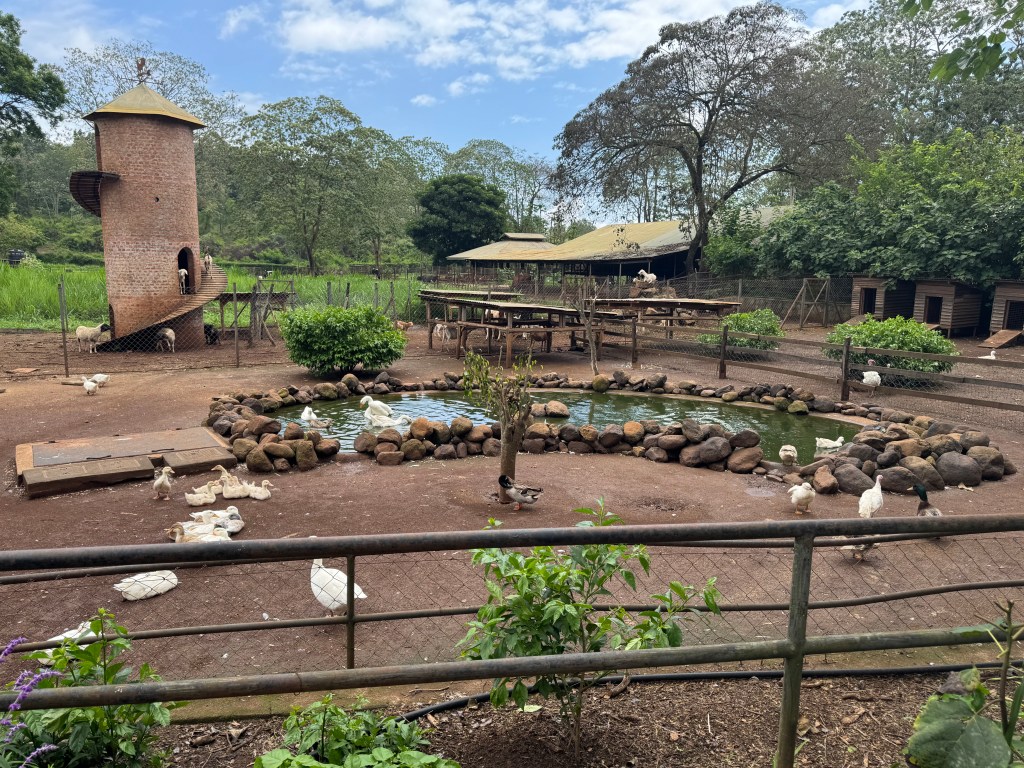
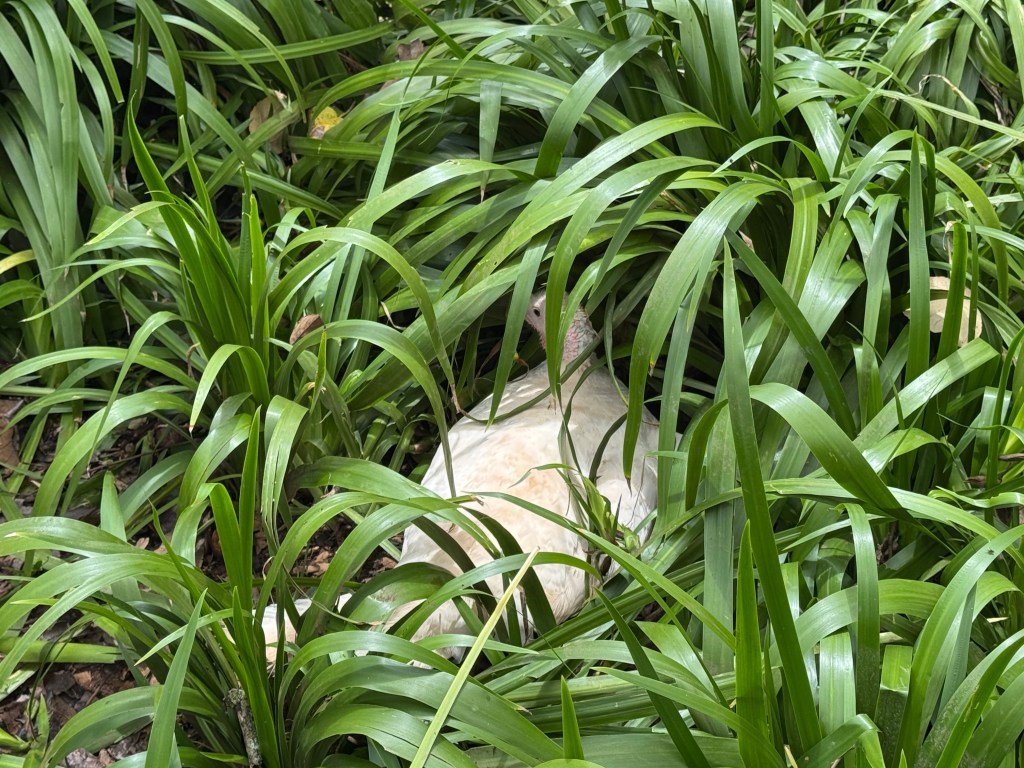
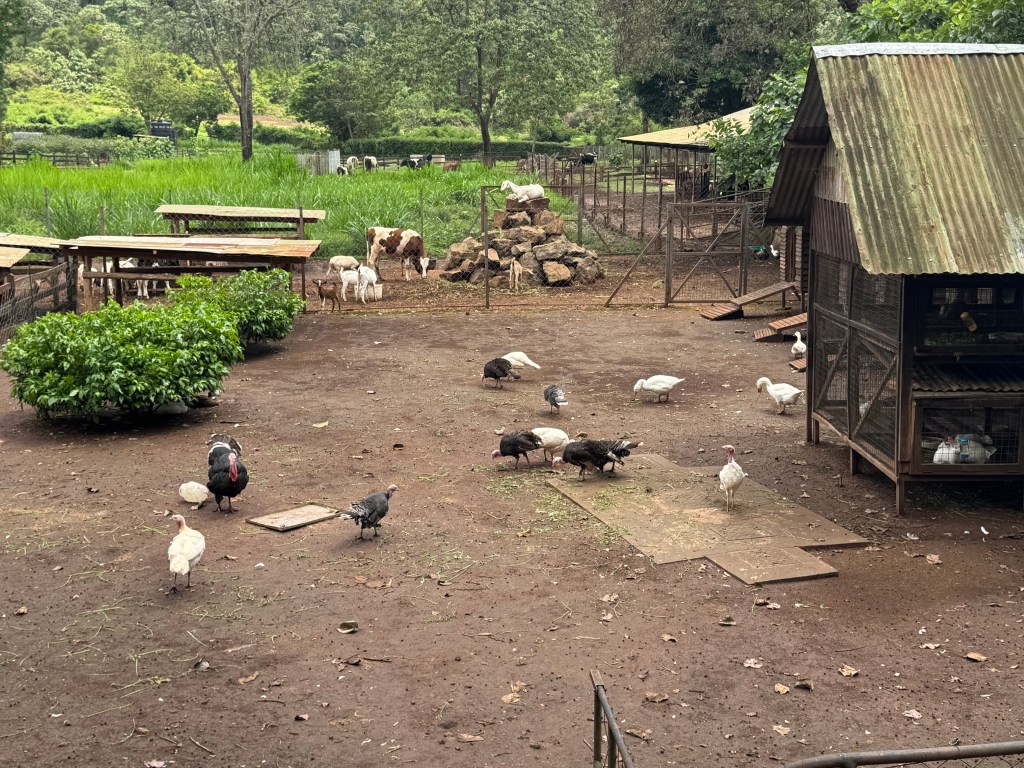

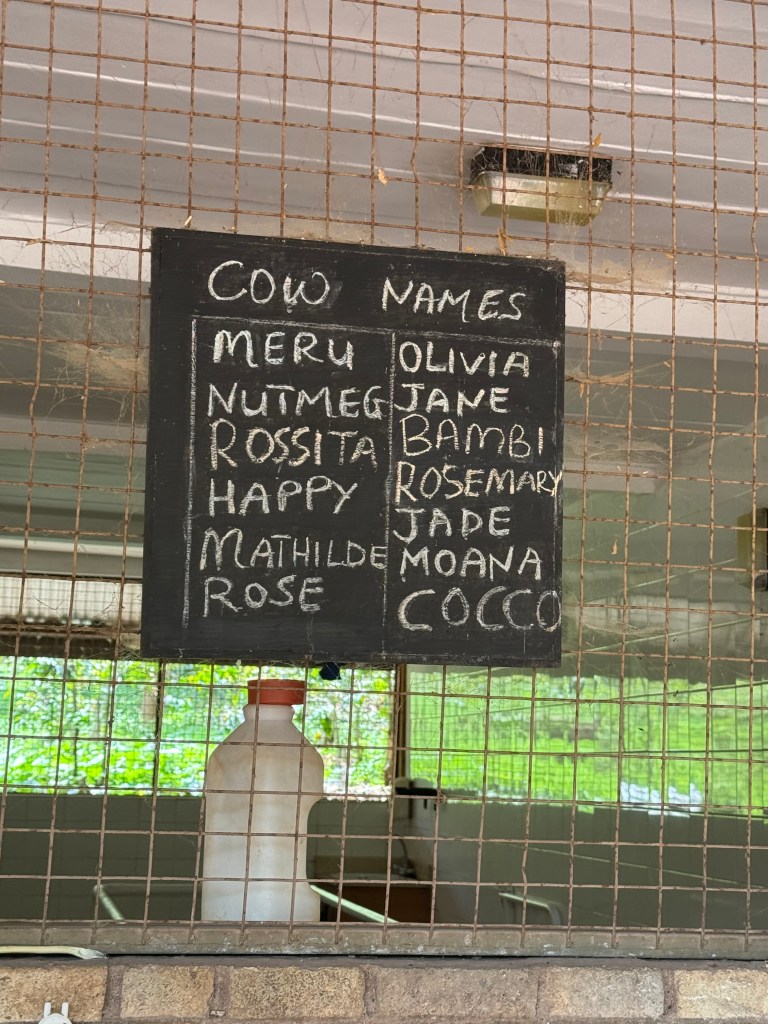
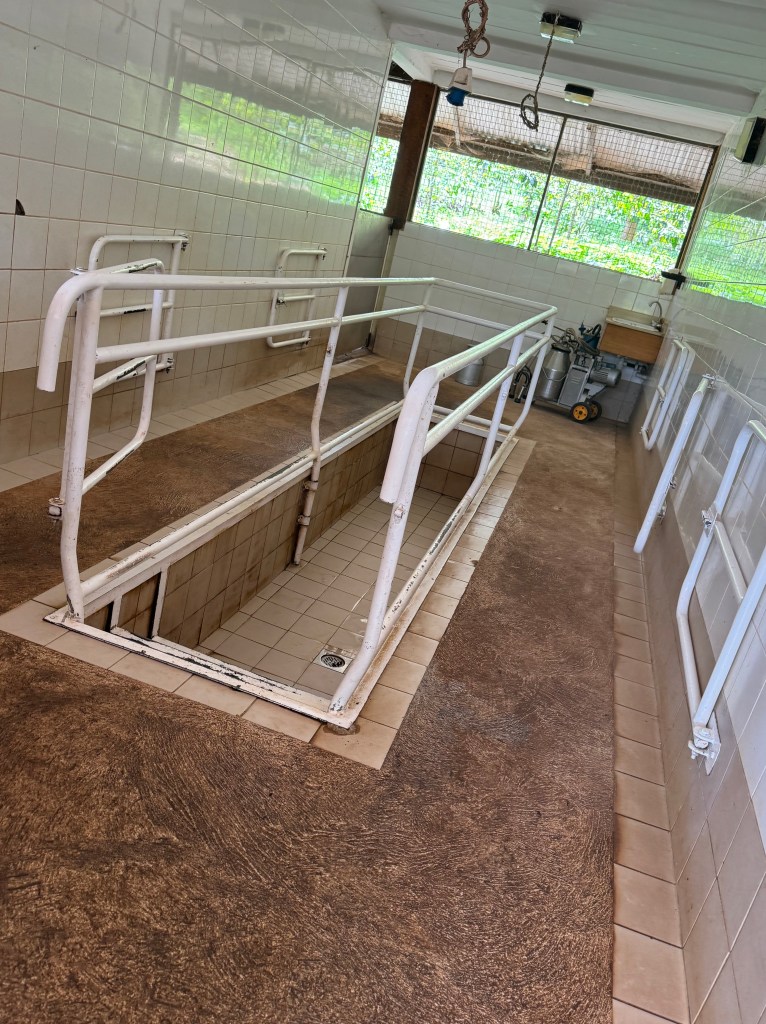

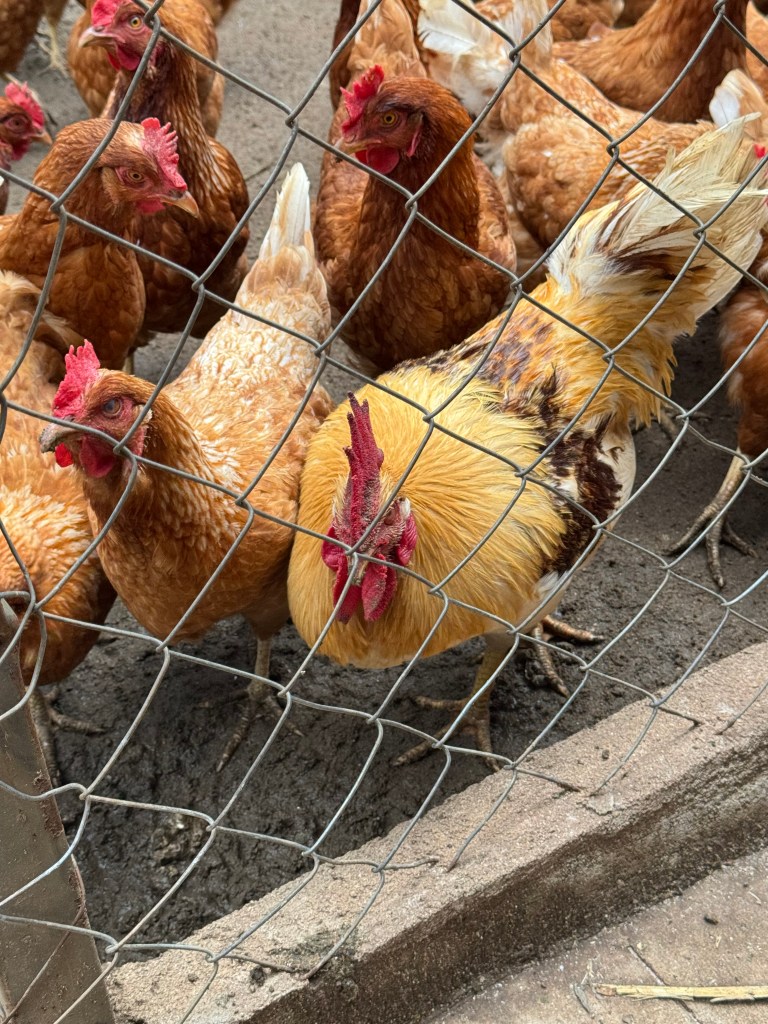

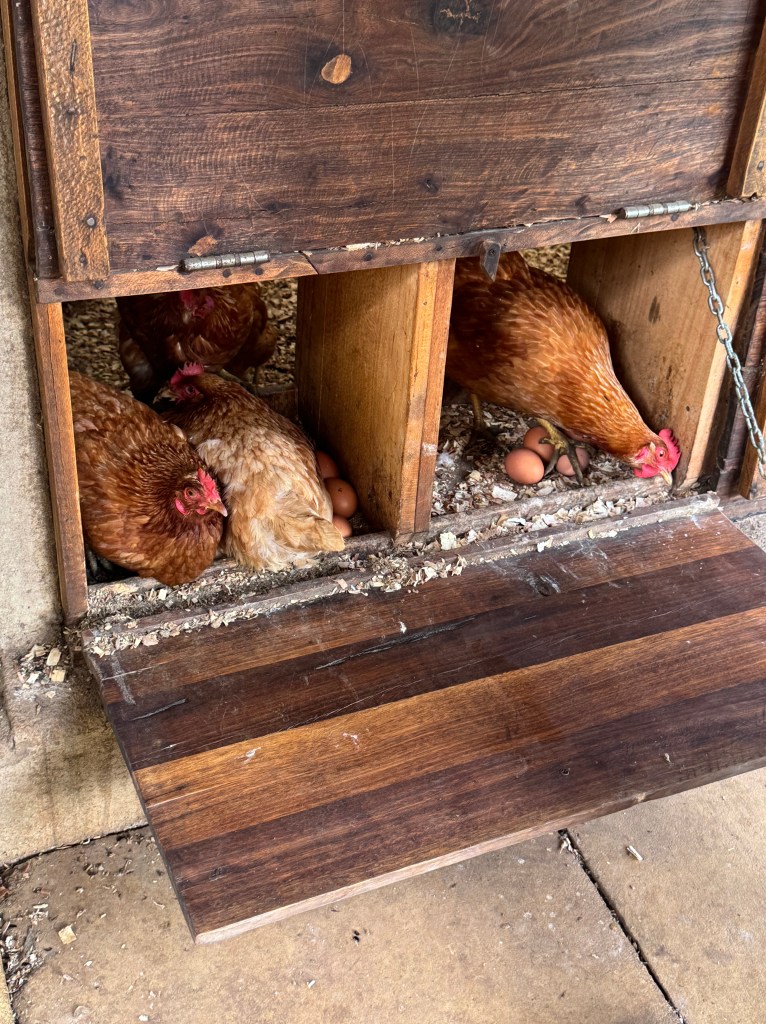
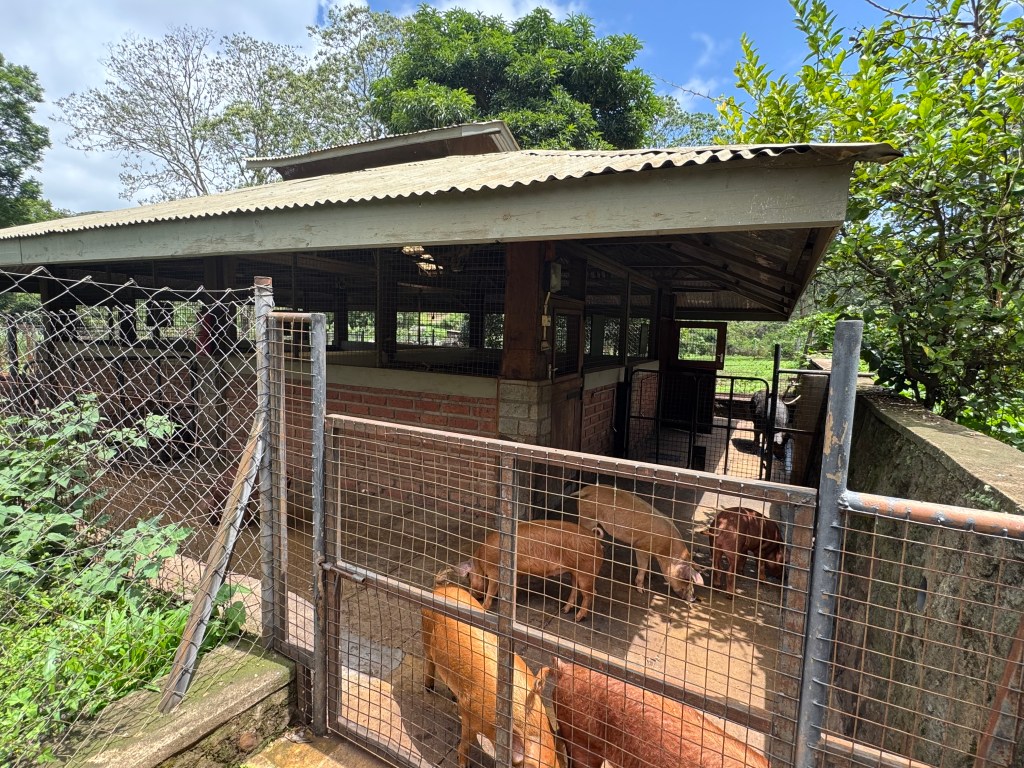
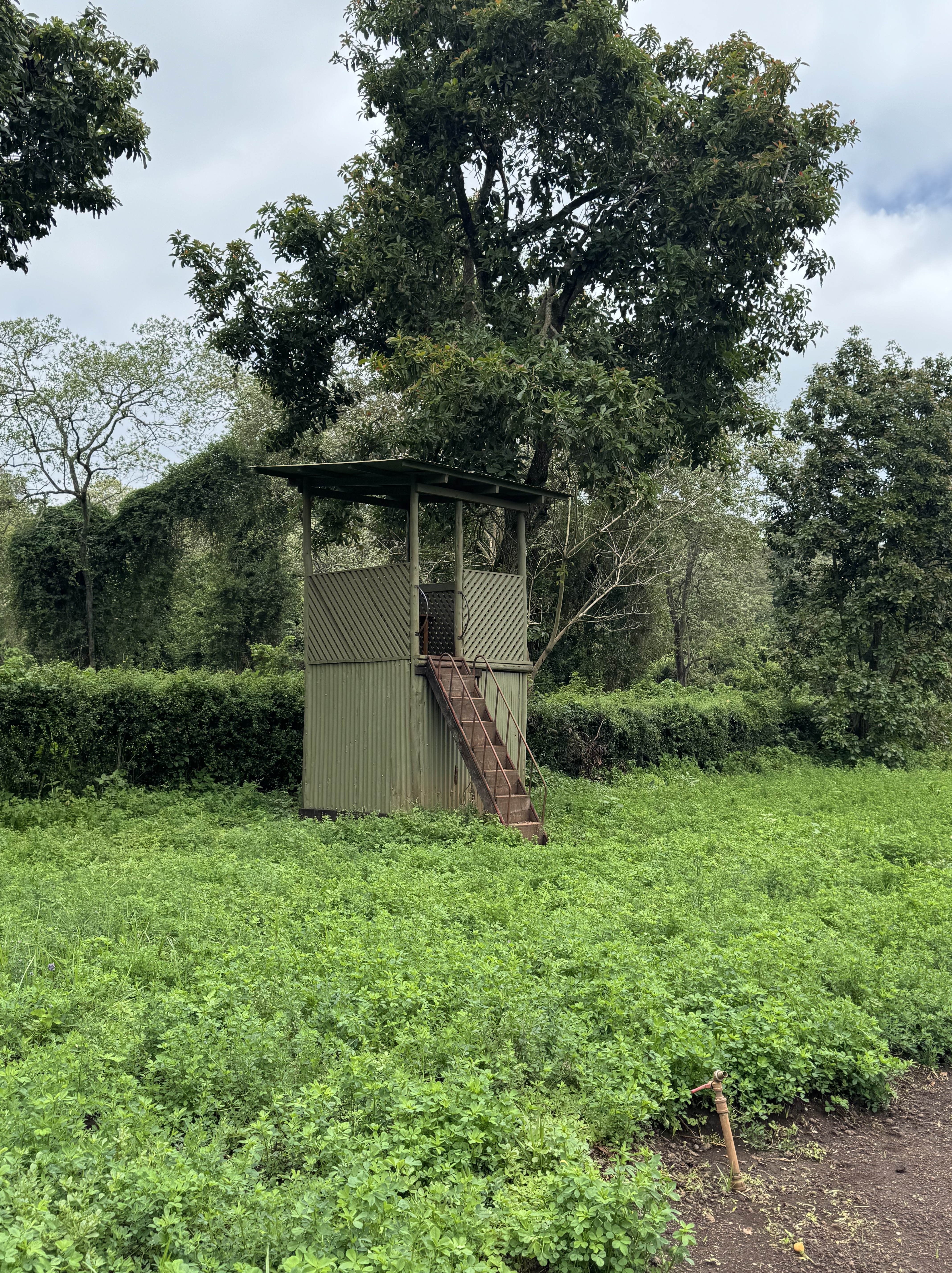
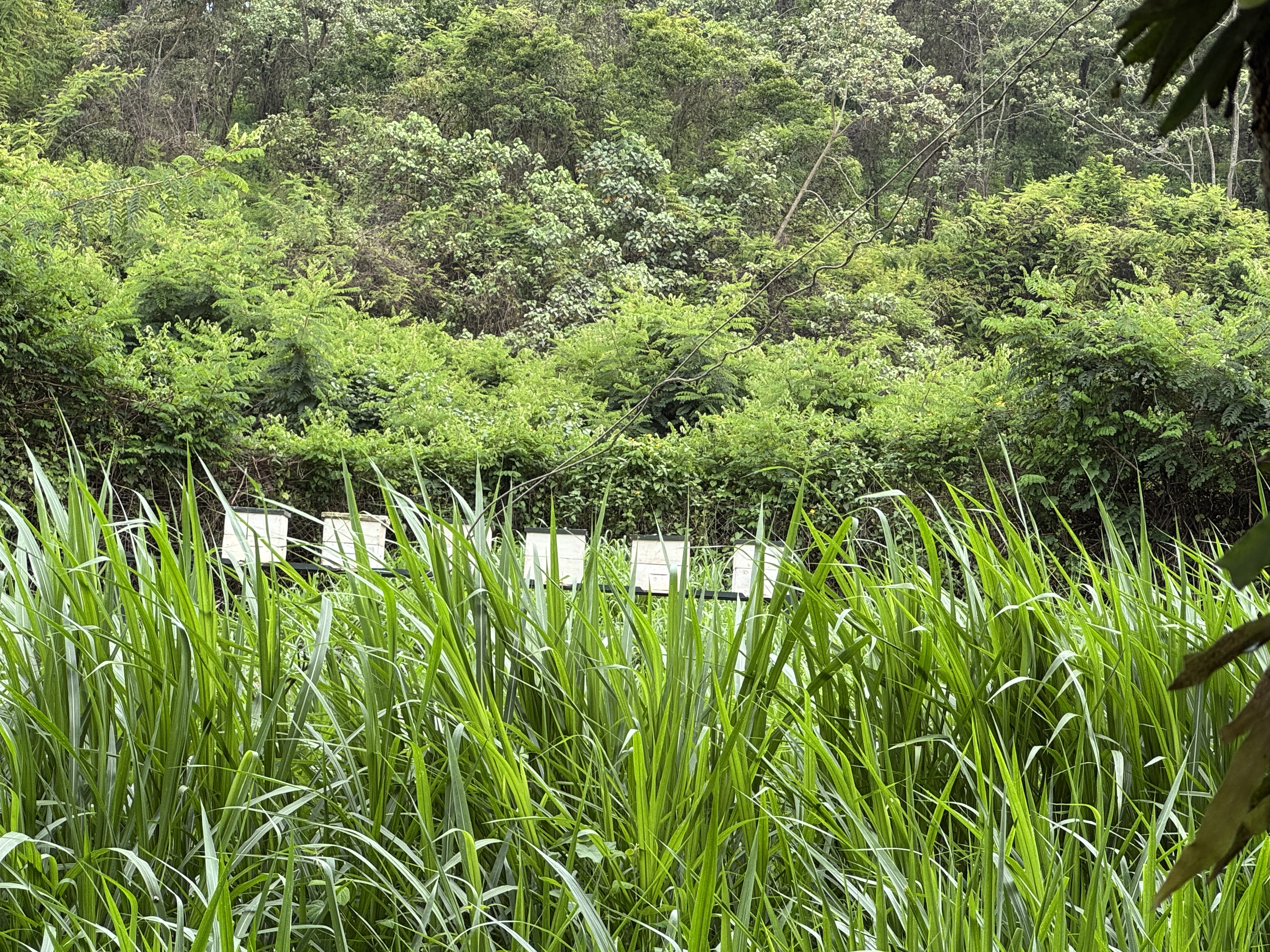
It was interesting how they protect the fields and property from African elephants and African buffalo. Staff patrols the property at night while the workers caring for the animals and working in the fields are the daytime watch. There is a watch tower for better views of the land and a pit where a fire is kept burning all night. Animals are afraid of fire. The honey bee hives are near the south edge of the property. Also intended to keep elephants away. They do not like bees because the bees will get in their trunk. Scarecrows are also used to scare away the elephants and buffalos.


Our free day ended with a clay facial, the best massage I have ever had, the staff entertaining us with Tanzanian songs and dancing, plus a tasty dinner with a wonderful view.

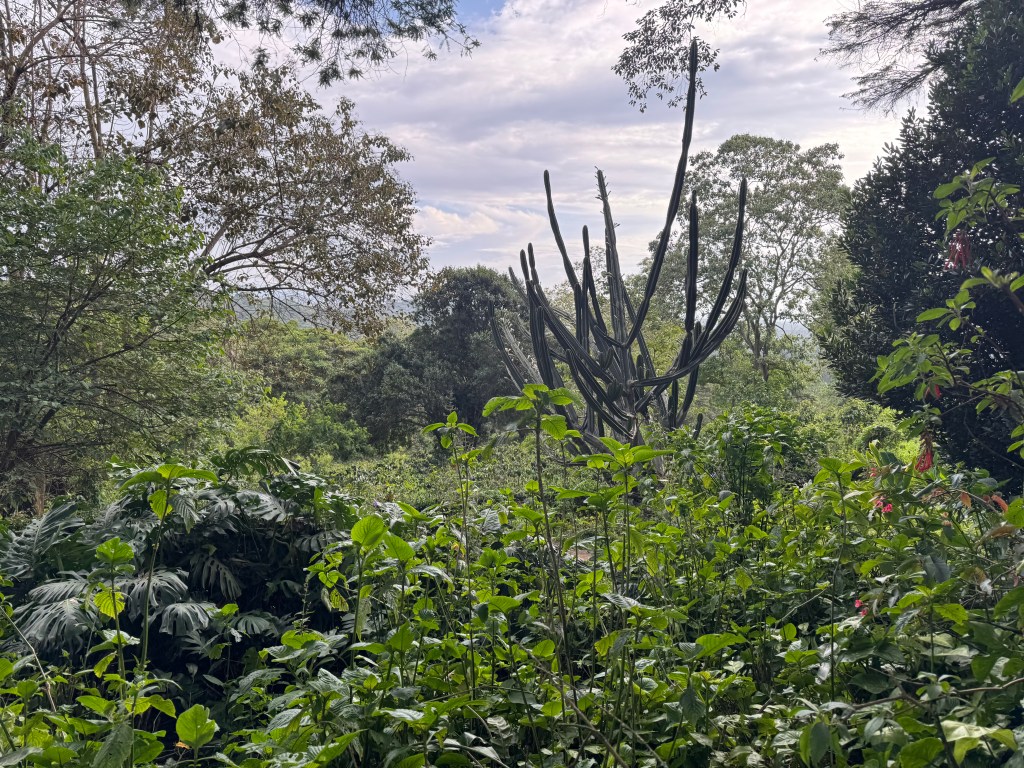

December 12 – Lake Manyara National Park, a UNESCO biosphere. Ngorongoro Crater National Park is the location of Ngorongoro Crater. Tonight we will stay at Ngorongoro Serena Lodge.
Today, a short safari through Lake Manyara National Park. The park is a Unesco biosphere between the shallow alkaline Lake Manyara and the Gregory Rift in the Great Rift Valley. In the early 1900s, it was a popular sport-hunting region of Tanzania. In 1960, it became a national park. The park is a lake, saline flats, marshlands, and a grassy floodplain. There is also a hippopotamus pool and two hot springs. The vegetation consists of woodlands, 670 flowering plants and ferns, plus savannah grassland. Papyrus plants used by ancient Egyptians to make paper was one of the unique plants growing in thee marshy areas. The park is home to many herbivore mammals such as hippopotamus, zebra, giraffes, African buffalo, and elephants. Many animals were hunted by poachers which greatly impacted the numbers, especially elephants and black rhinoceros. Many species of birds can be found in the park. Tree climbing lions and cheetahs hunt the forests. Large troops of baboons and monkeys live in the forests.
December is during the rainy season. It was lightly raining while we were at the park. We did not open the top of our safari vehicle, and there were many roads we could not safely drive on without getting stuck. Lake Manyara is also getting bigger due to more rain during the rainy season. Our guide believes eventually the lake will expand all the way to the Gregory Rift and Lake Manyara National Park will be completely under water. Animal viewing was not very good today. I was really hoping to see the tree-climbing lions. We shortened our safari so we could go back to Gibbs Farm for lunch and then on our way to Ngorongoro Conservation Site, another Unesco World Heritage site.
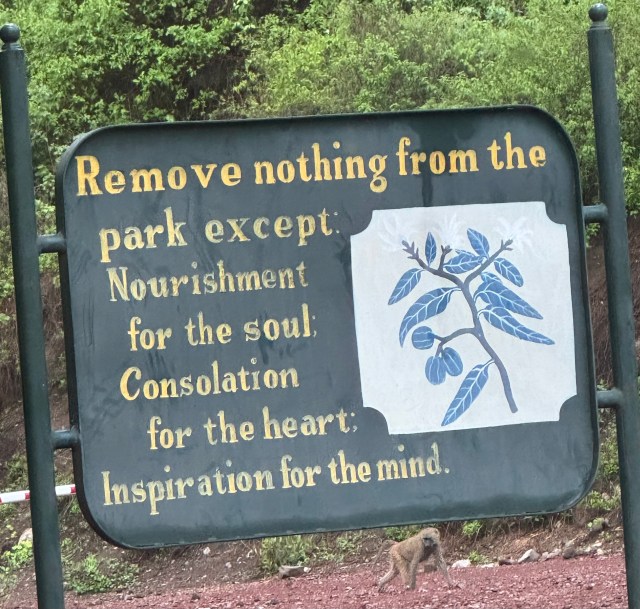


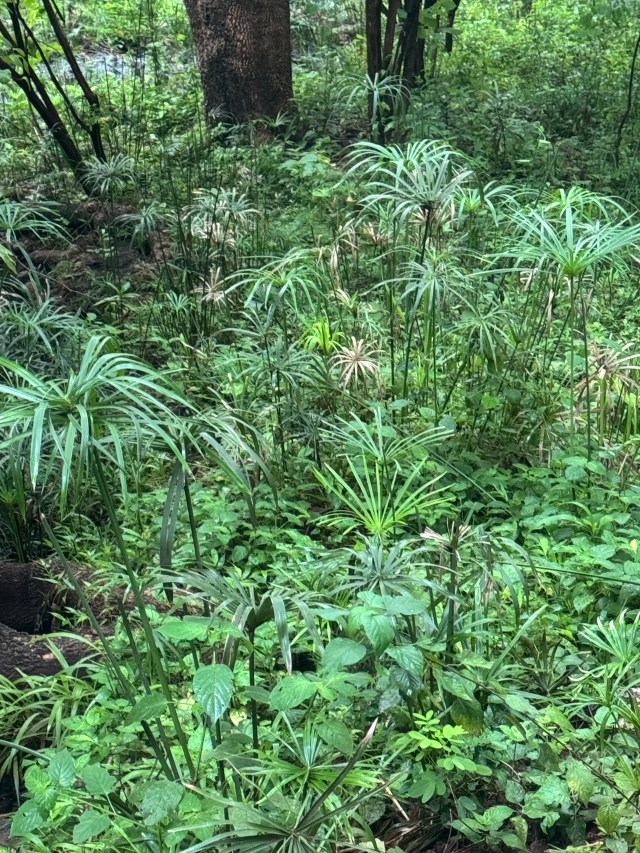

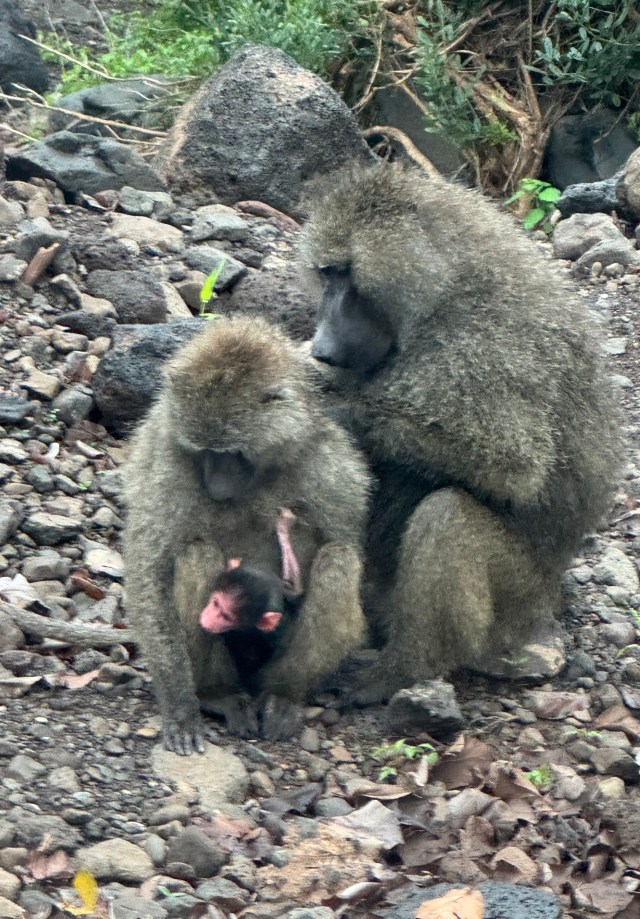

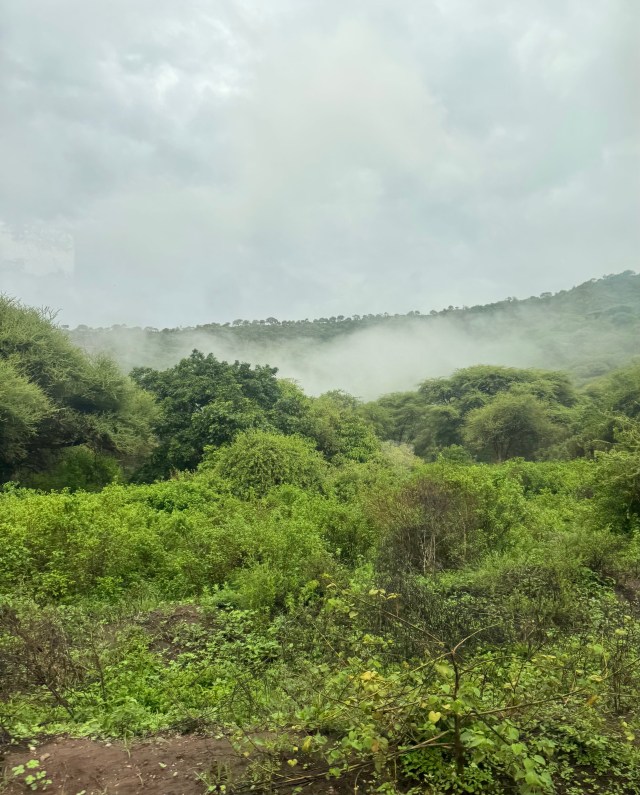


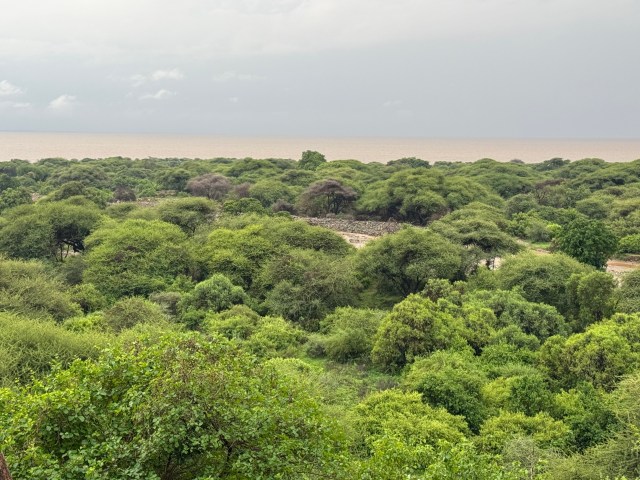
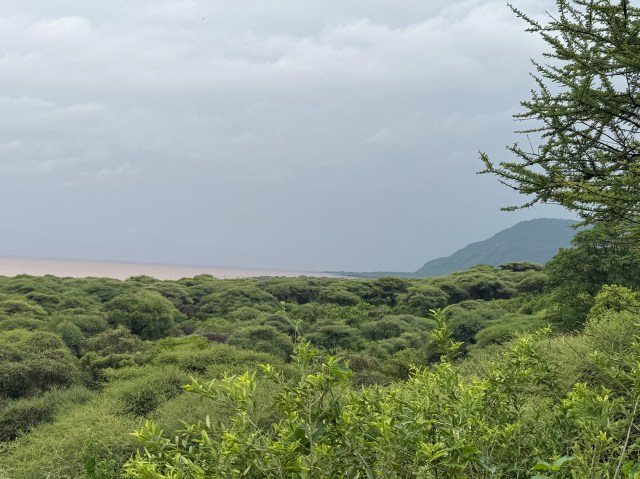
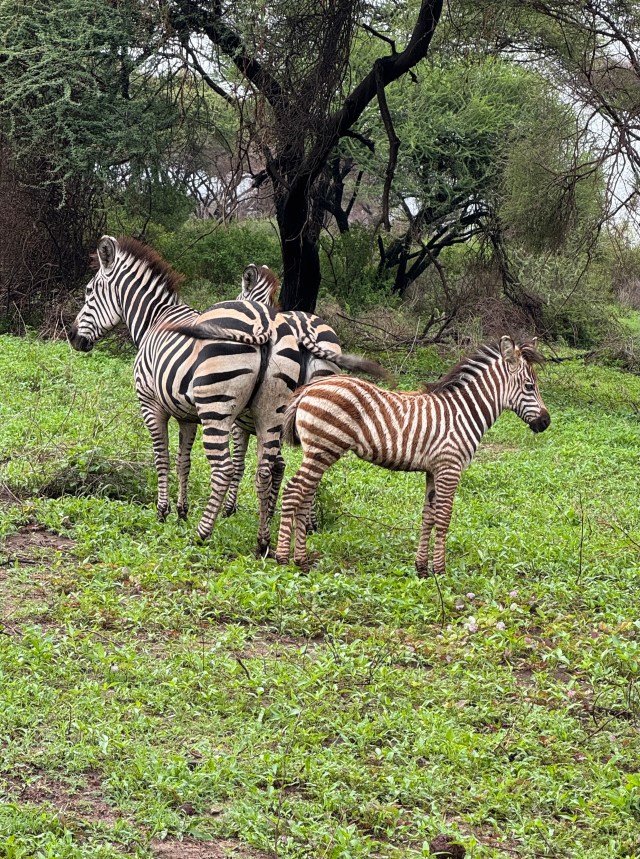
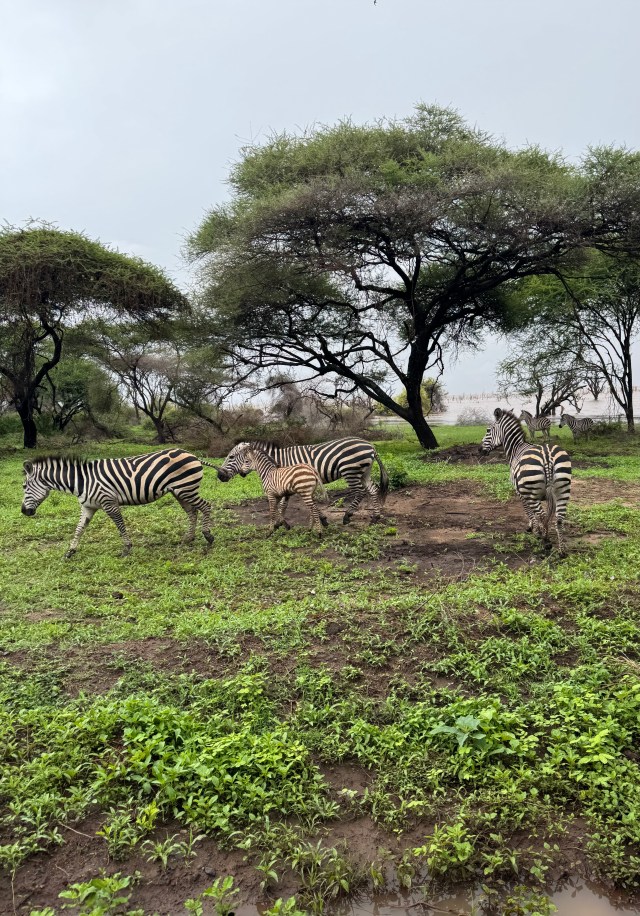

The best part about traveling is seeing how people go about their day. Traveling to each national park took us through many towns and the rural areas of Tanzania. I always come home appreciating so many basic things in my daily life.
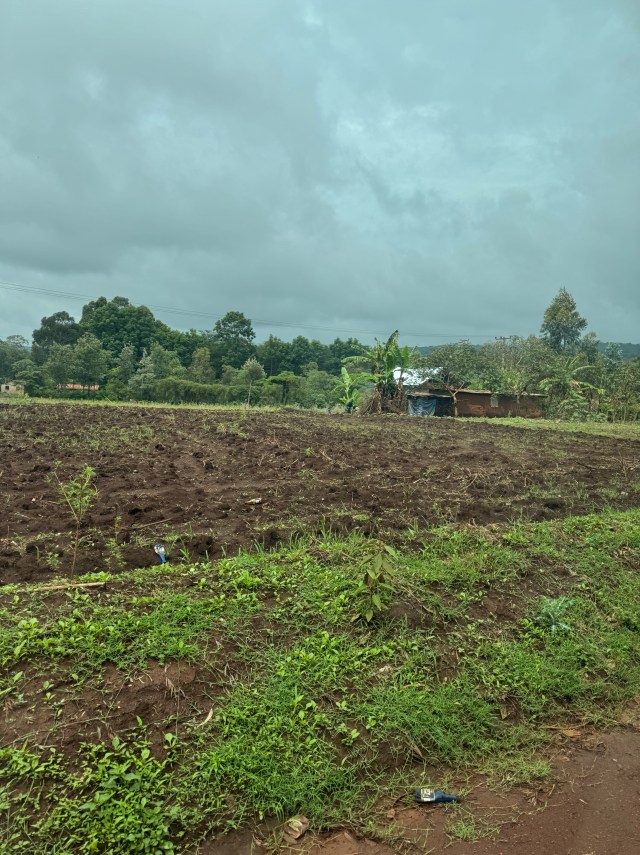
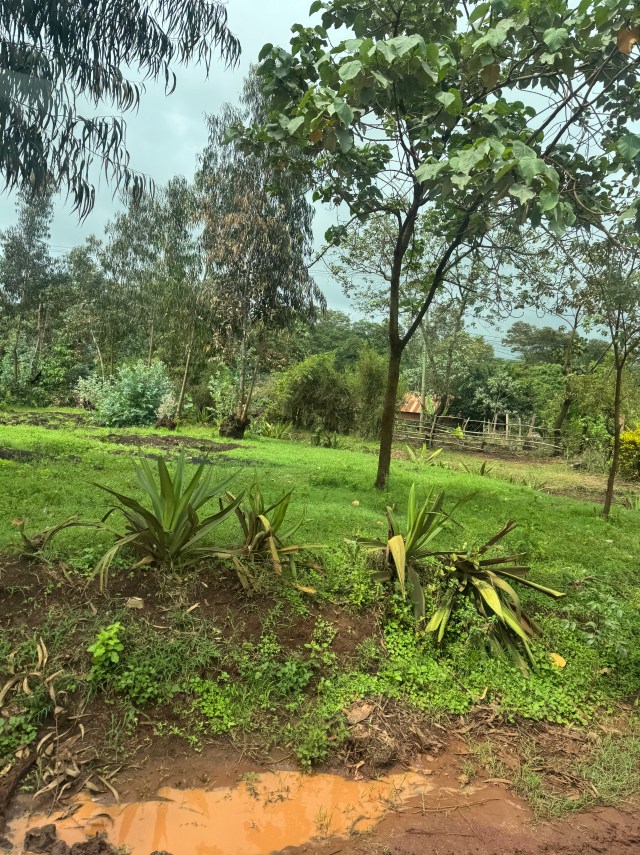
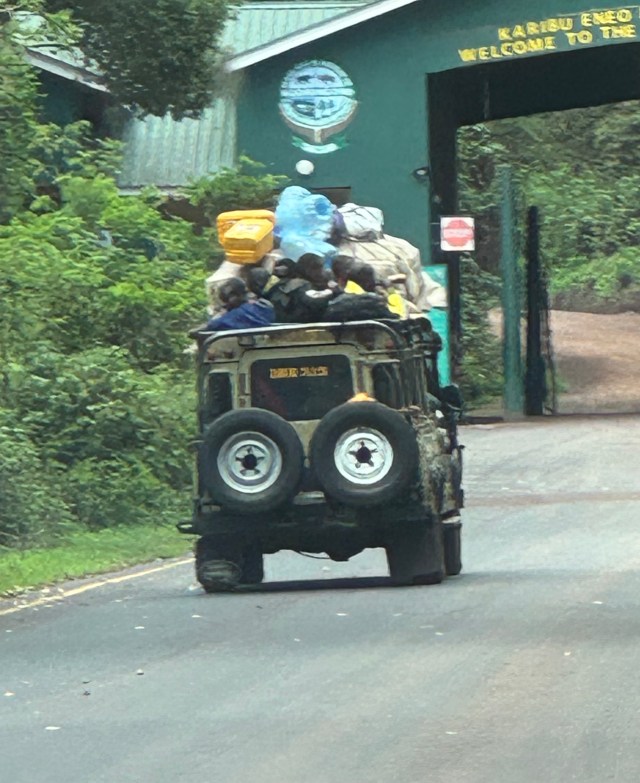
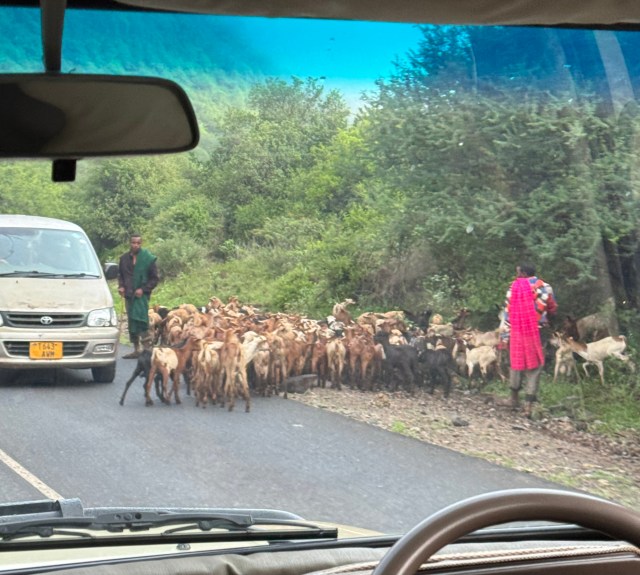
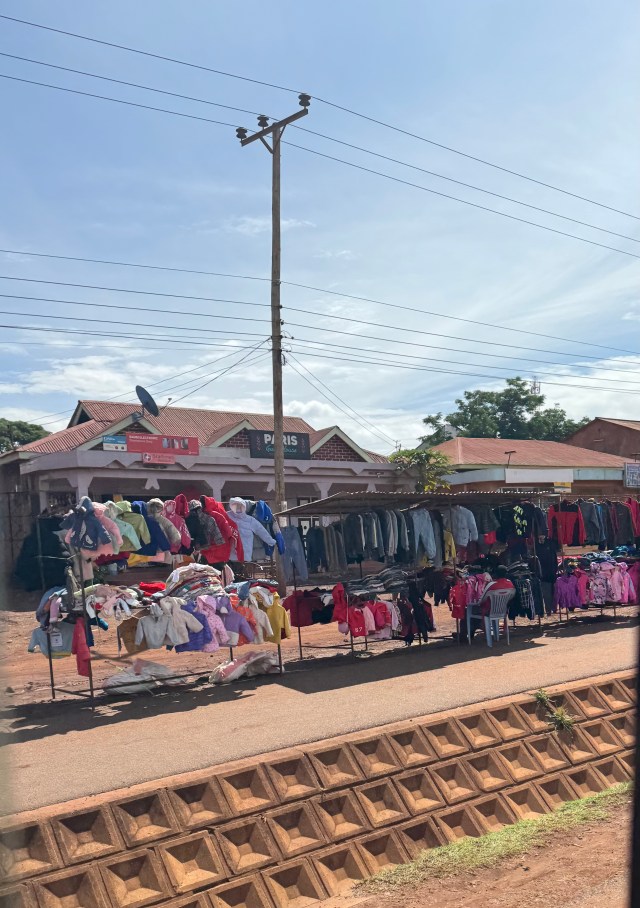

The next two nights, we will stay at Ngorongoro Serena Lodge, located on the edge of the Ngorongoro Serena Lodge. From our room balcony, we could look into the crater. You couldn’t see animals on the crater floor, but many did wander by the lodge. We were only in our room an hour, and an elephant walked by.
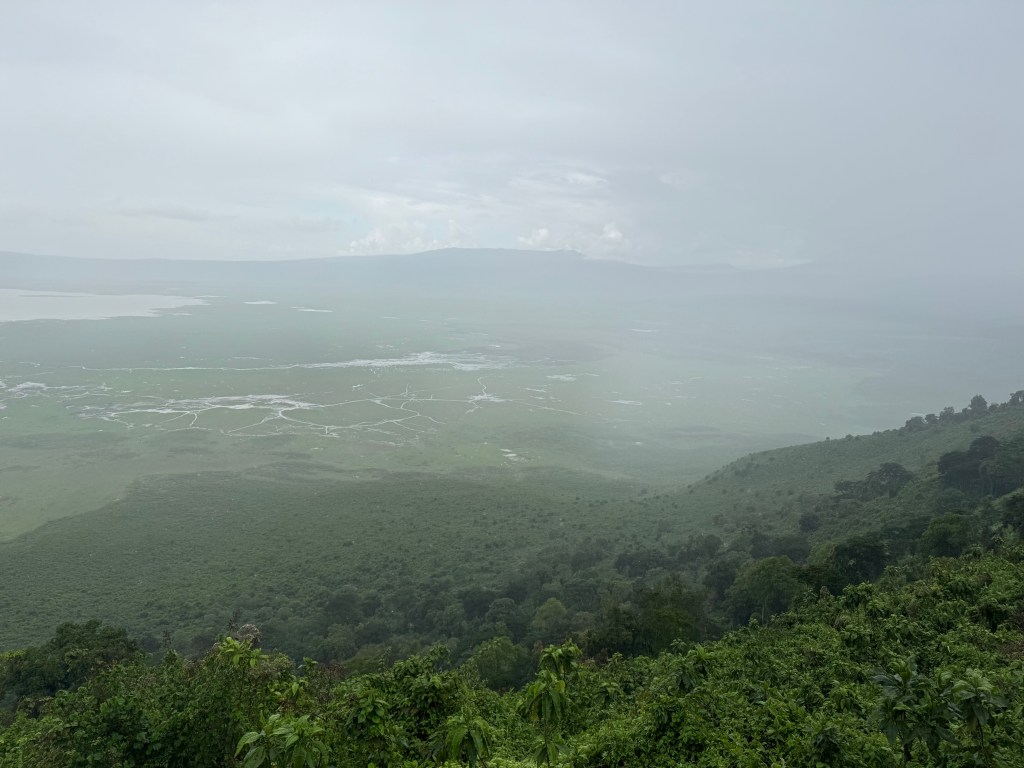

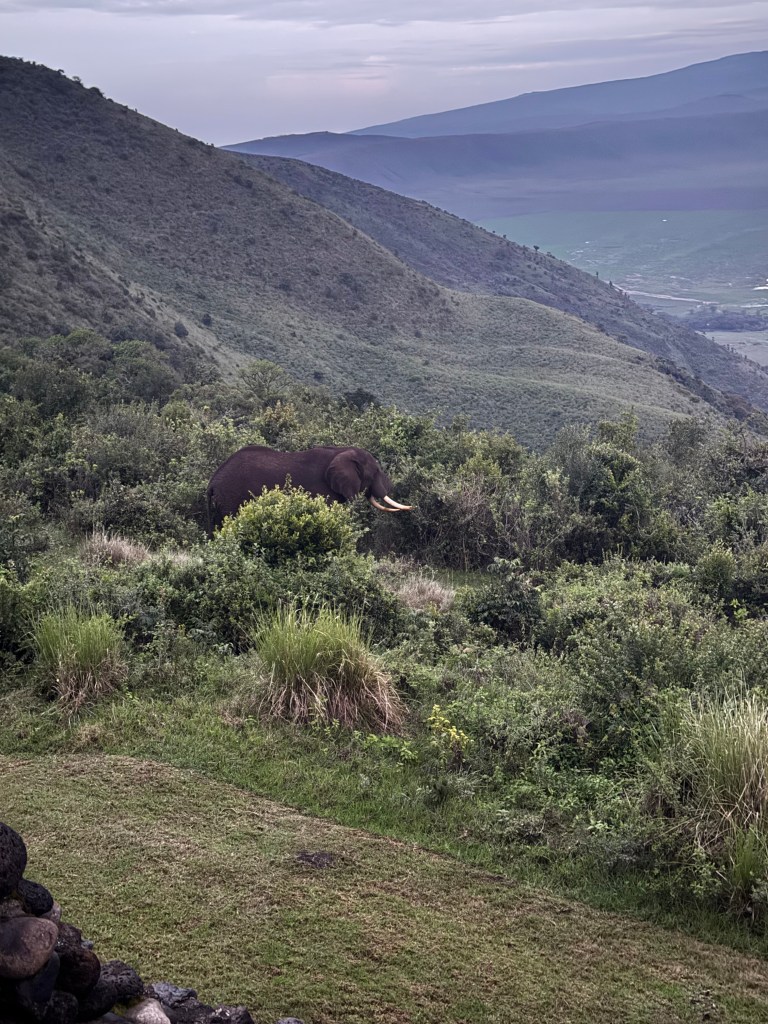
December 13 – During safari today we will descend 1600 feet in the Ngorongoro Crater National Park. Our second night at Ngorongoro Serena Lodge.
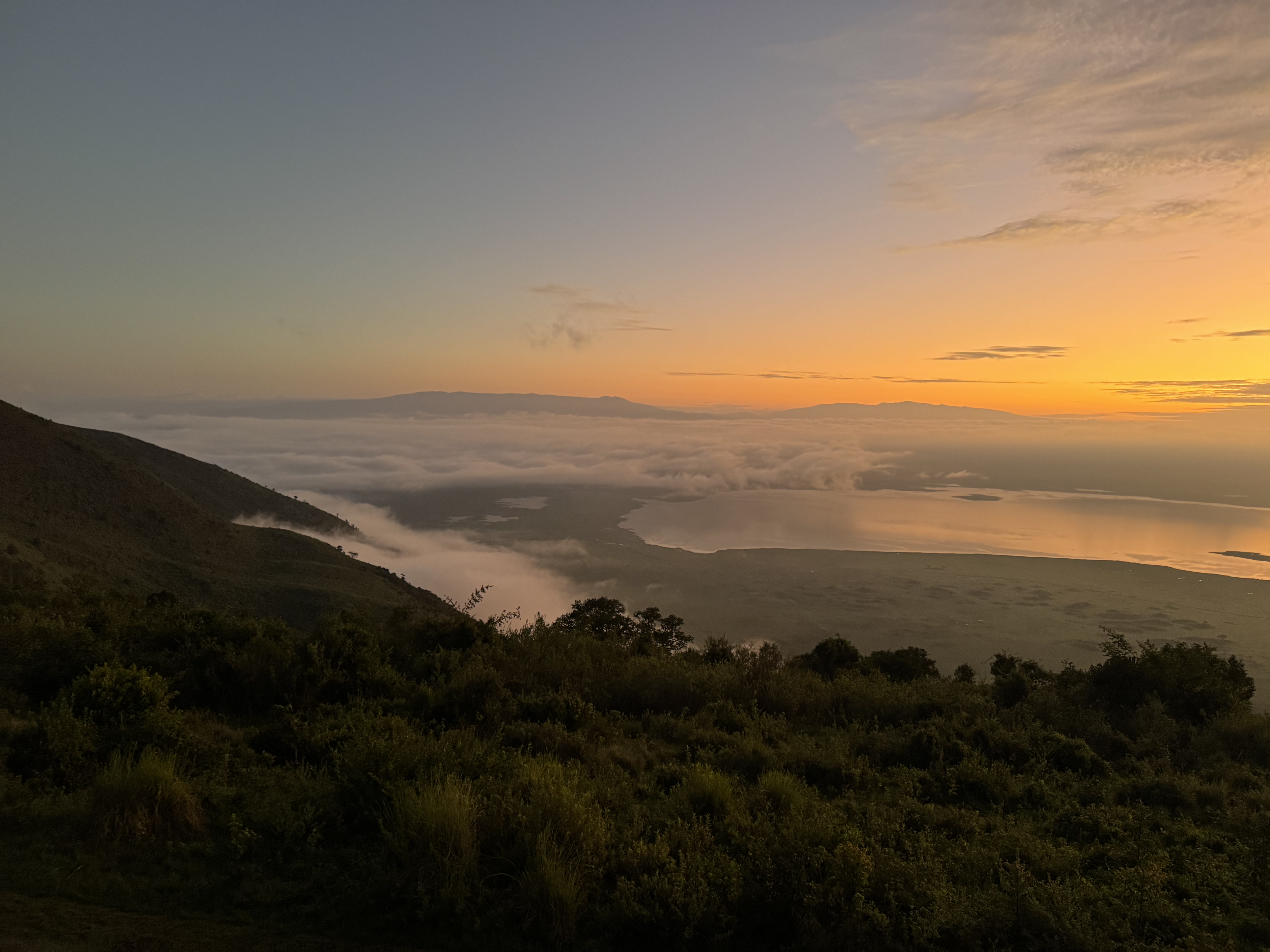
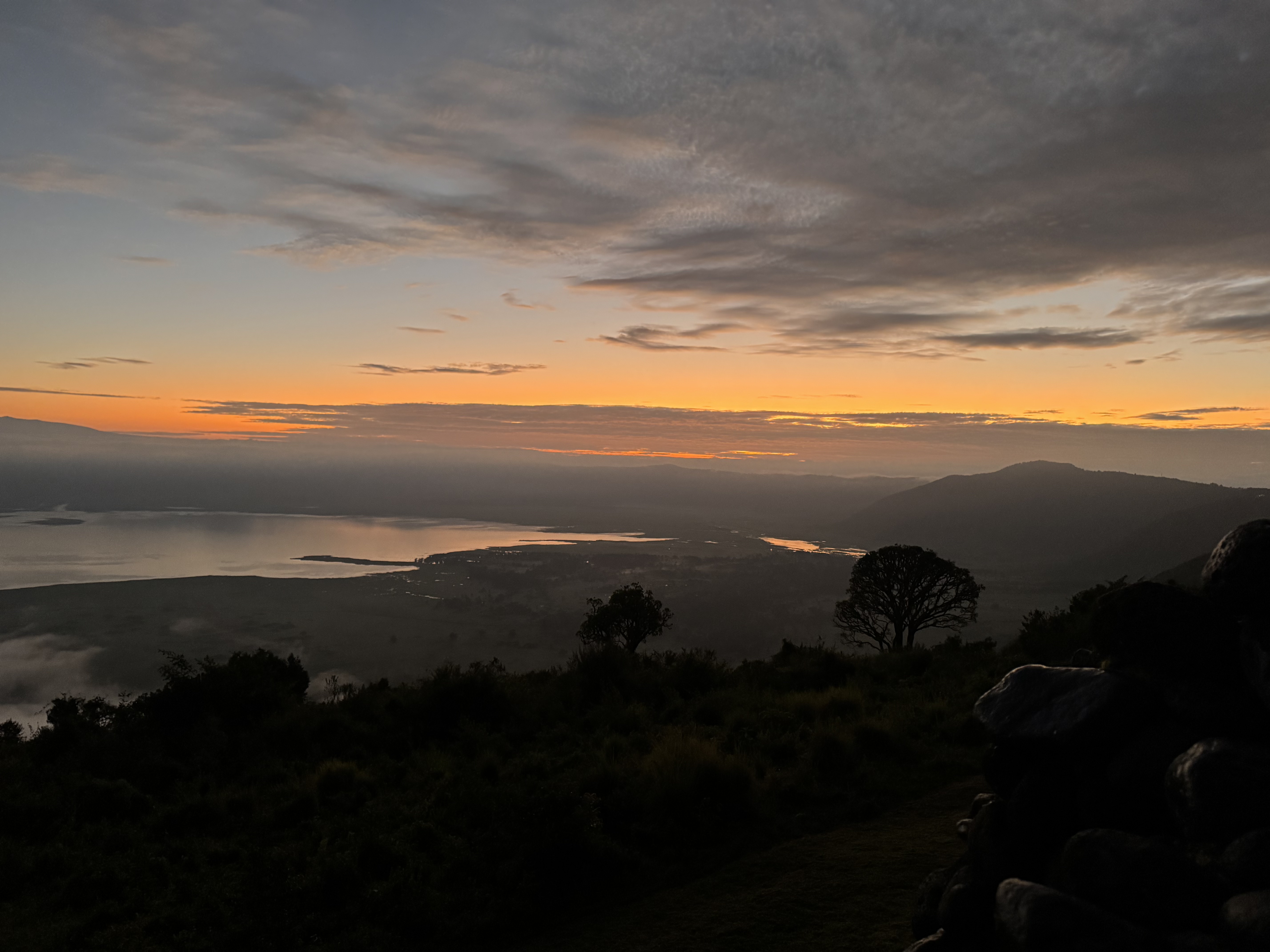
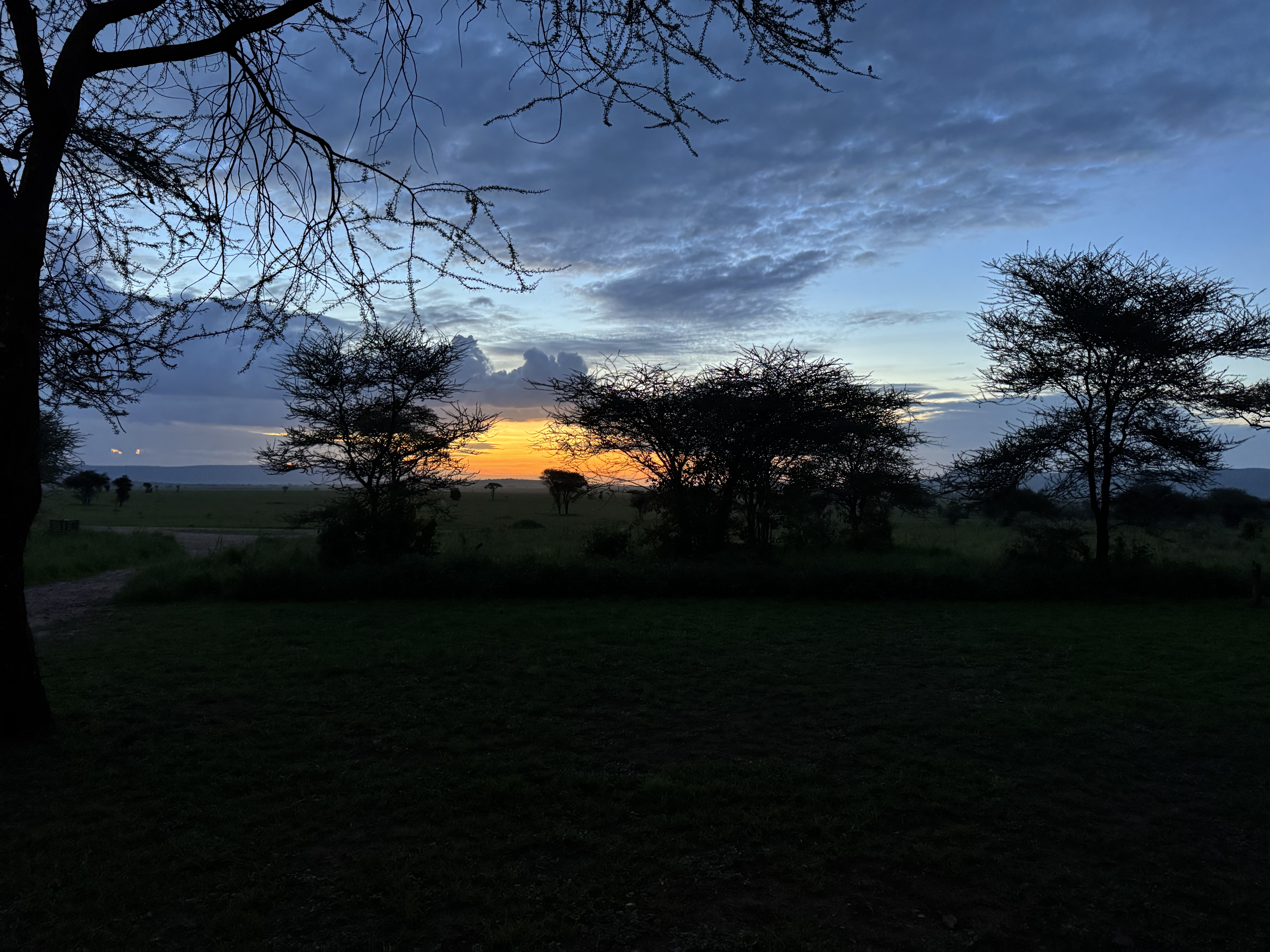
Today was an early morning safari departure. We were greeted with an amazing sunrise over the crater. Then it was off to descend into the Ngorongoro Crater to see the 115 animal species and 550 bird species. The caldera is home to about 2 million animals during the wet season. Some live permanently in this region; others migrate from the Serengeti National Park. December is during the wet season, so we should have good luck seeing large numbers of animals.
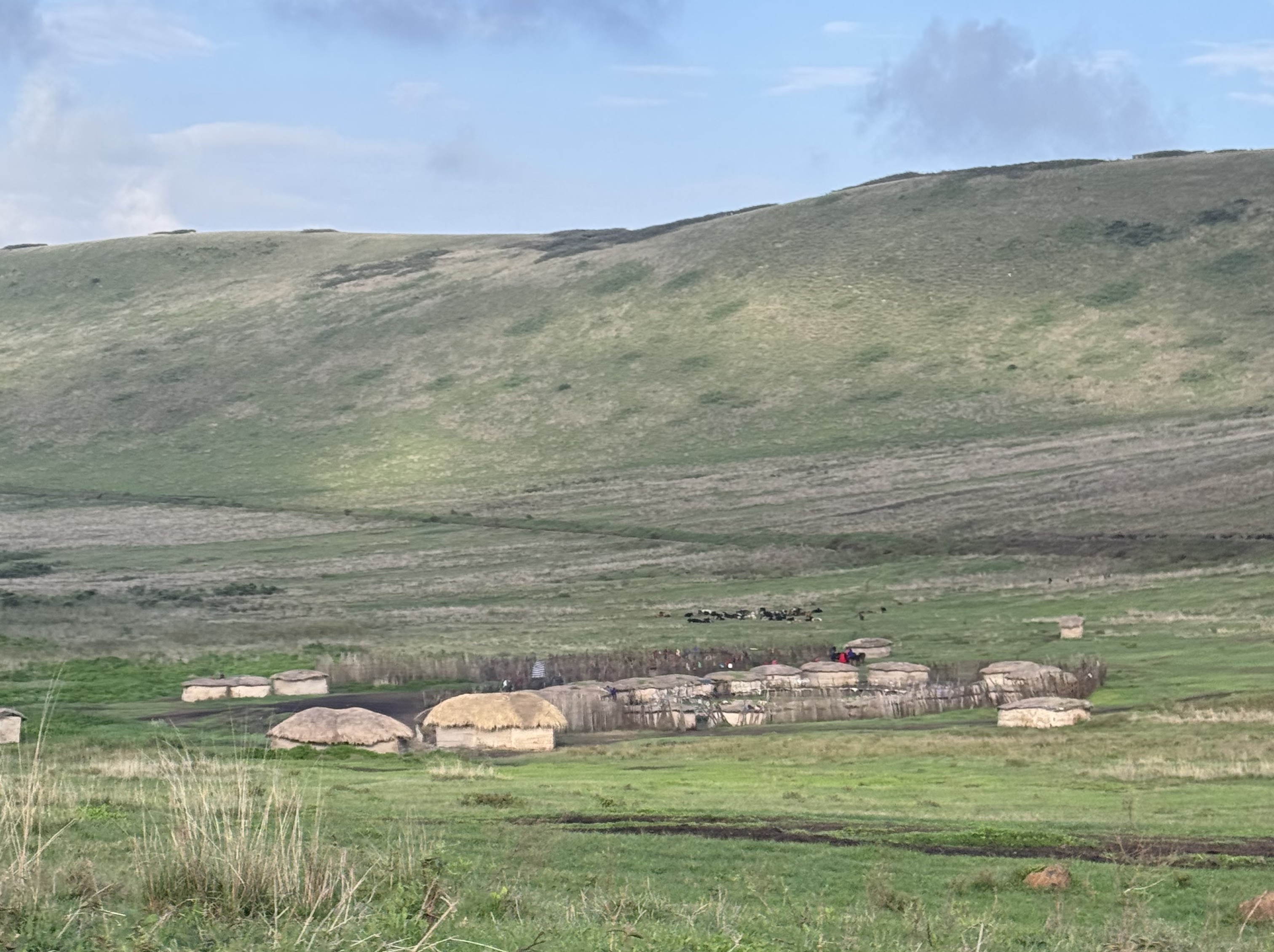
The crater park is part of the Ngorongoro Conservation Area, a Unesco biosphere reserve, established in 1959. The conservation area protects animal and plant species, as well as the traditional way of life of the semi-nomadic Maasai people. The Maasai tribes live in the conservation area and can graze herds of cattle and goats.


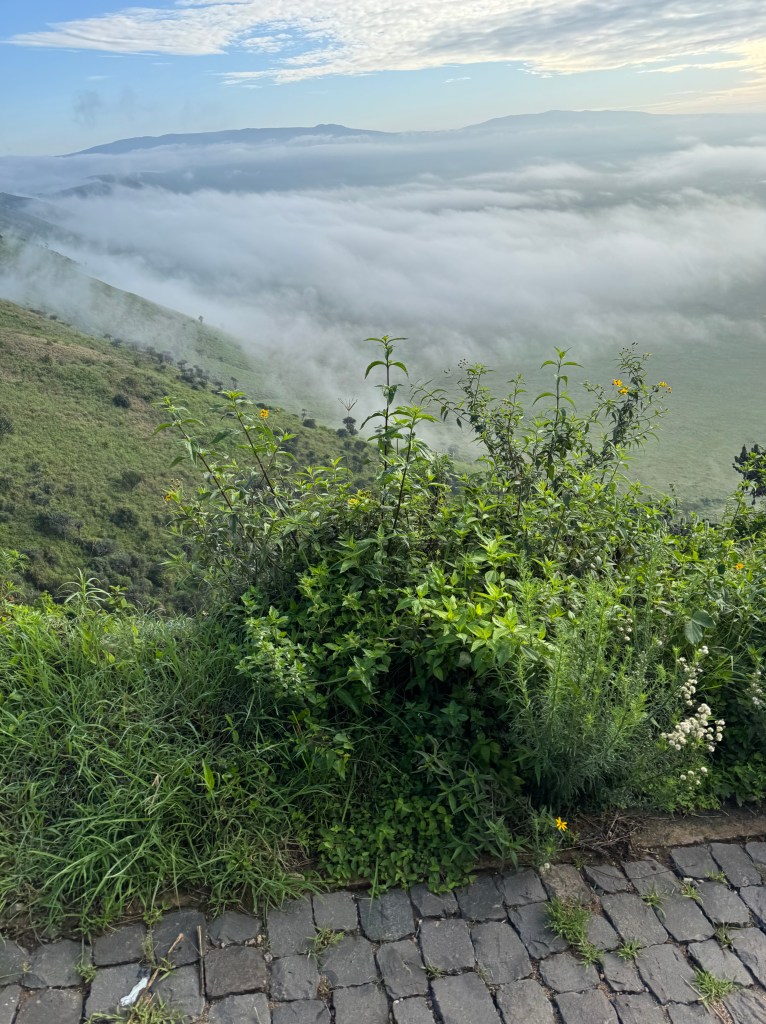
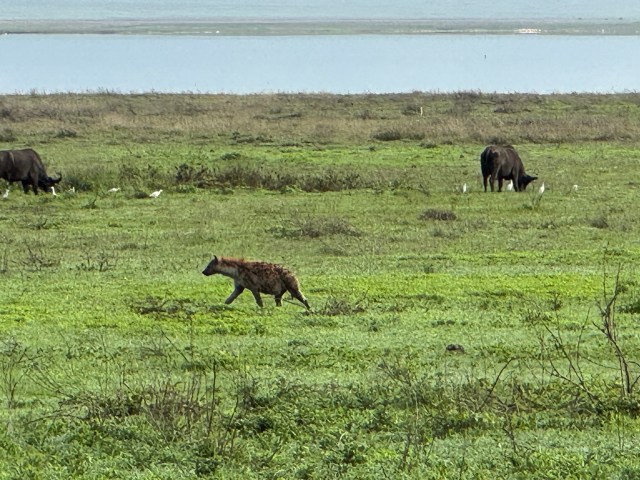
Animal highlights: lions sleeping in the grass, hyenas scavenging for leftovers, watching a serval cat hunting, seeing 3 black rhinoceros, eating lunch by the hippopotamus pool, a huge herd of wildebeest and zebras grazing together, and many many different bird species


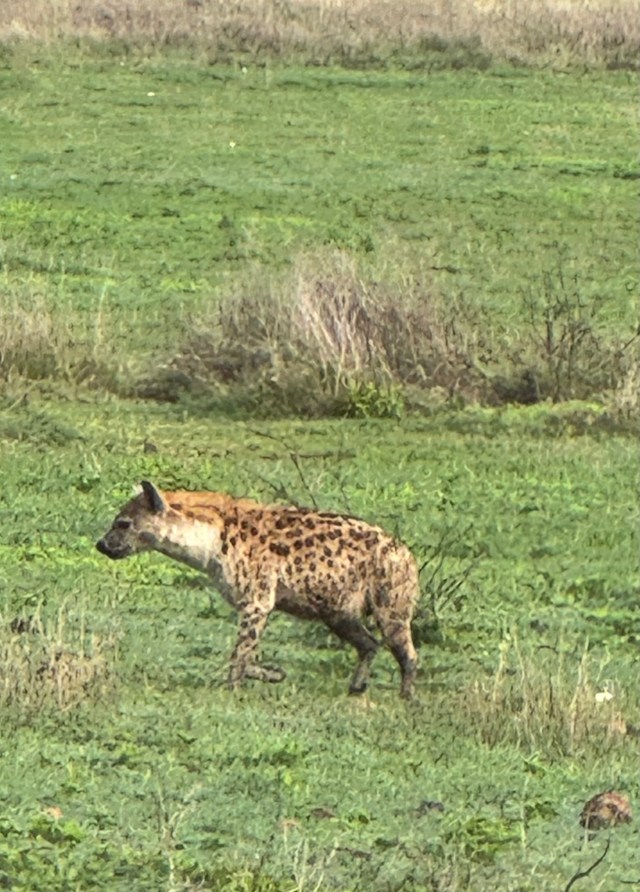

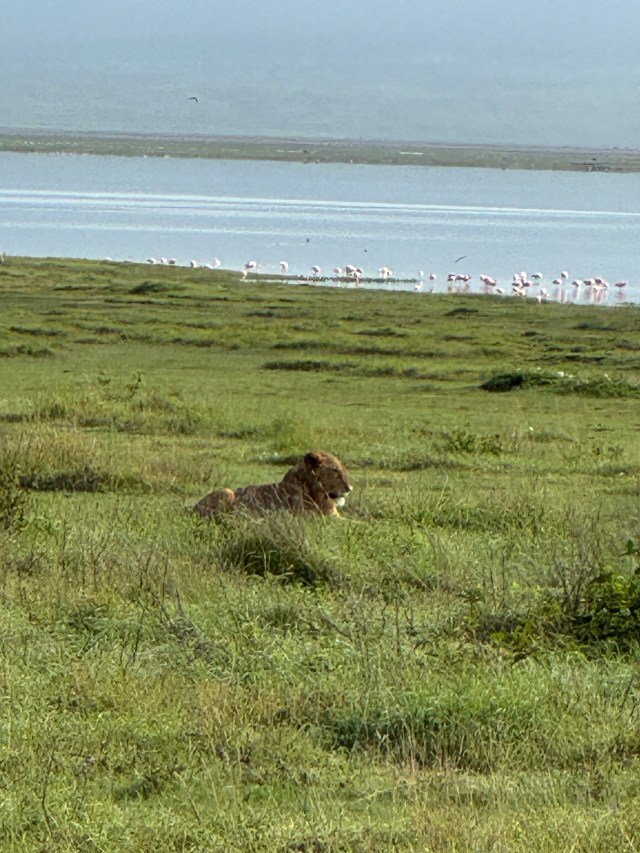
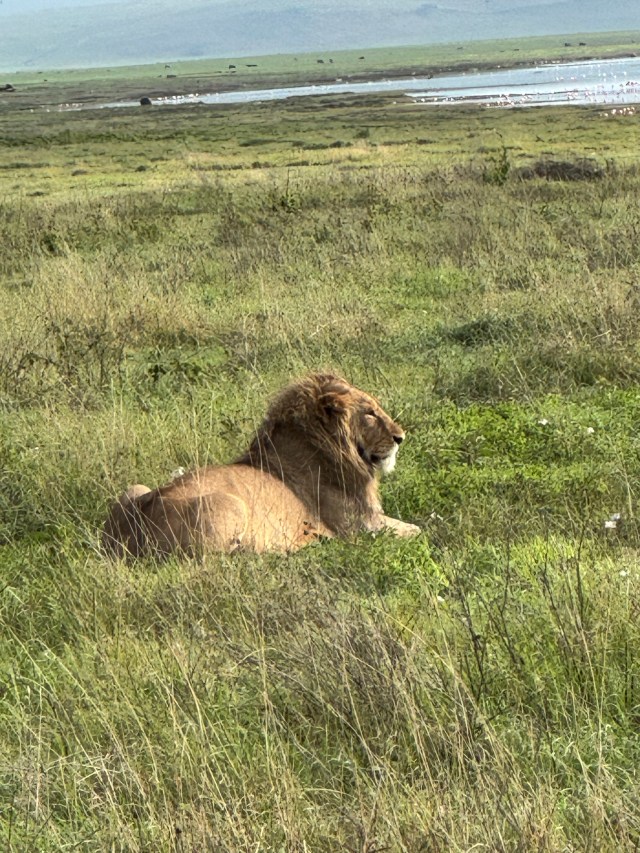
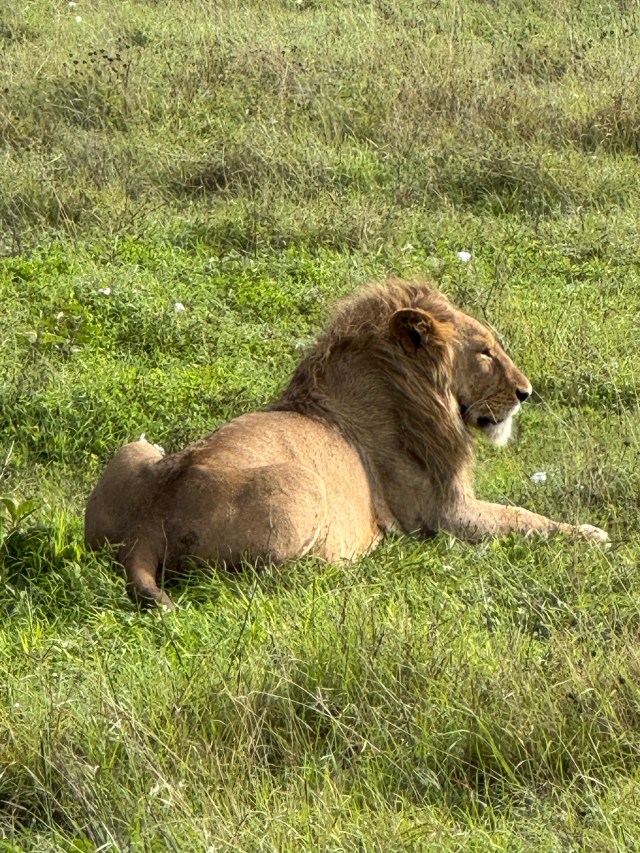
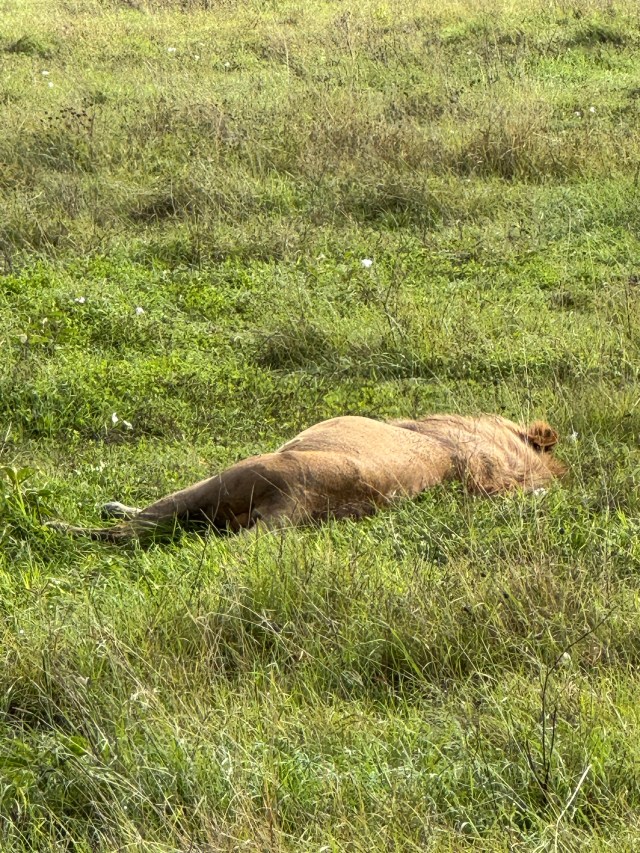
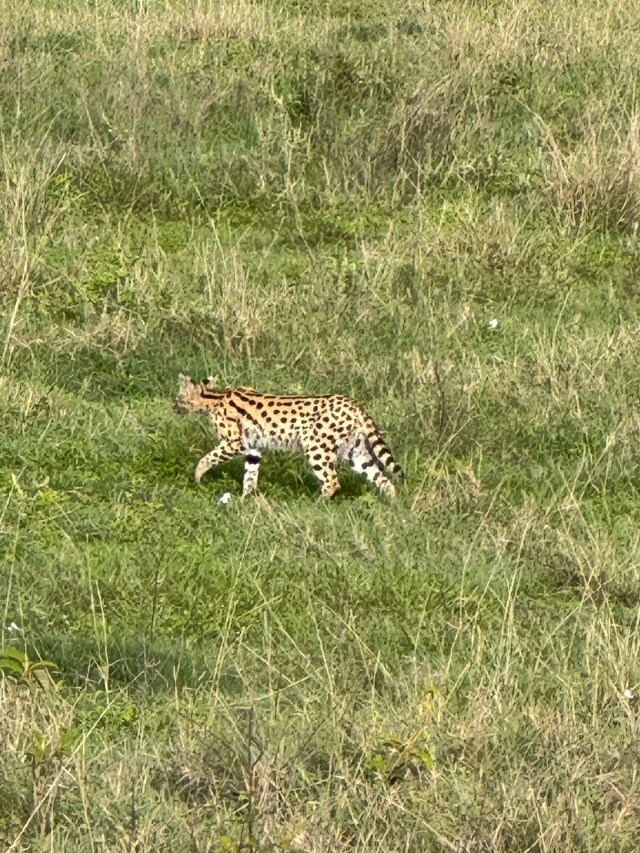

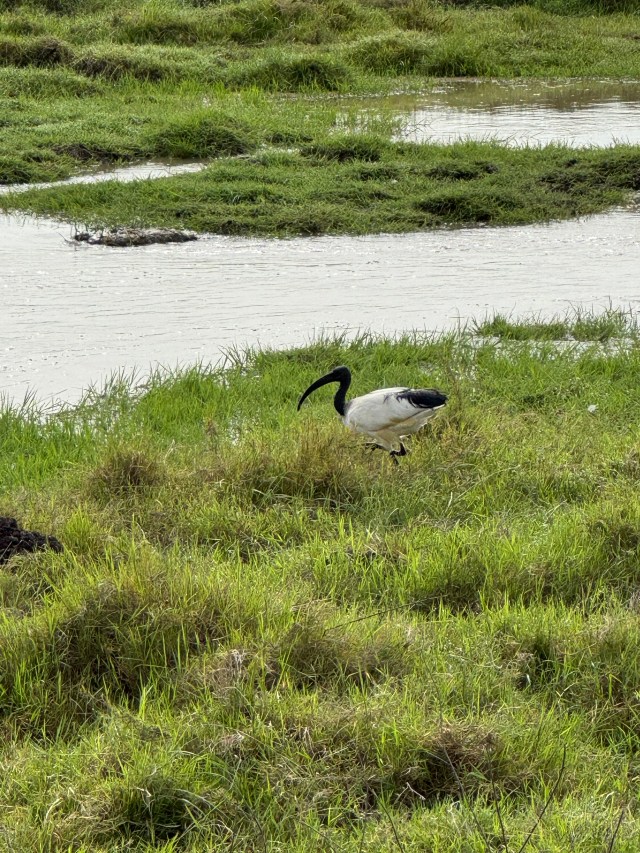
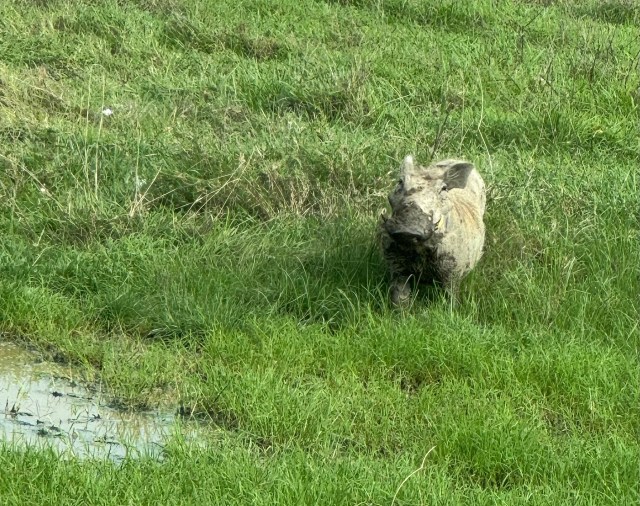


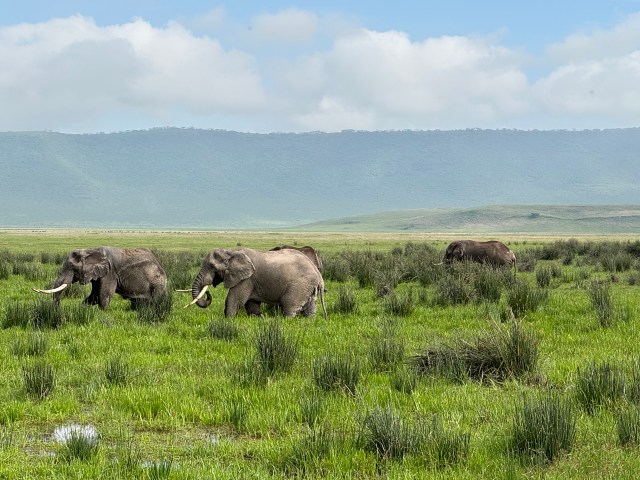
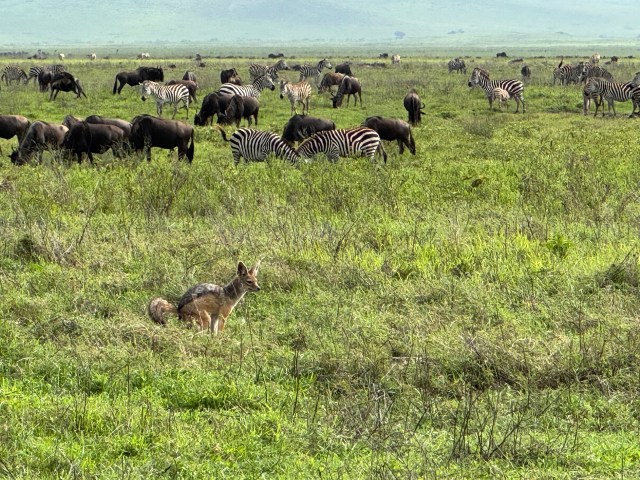
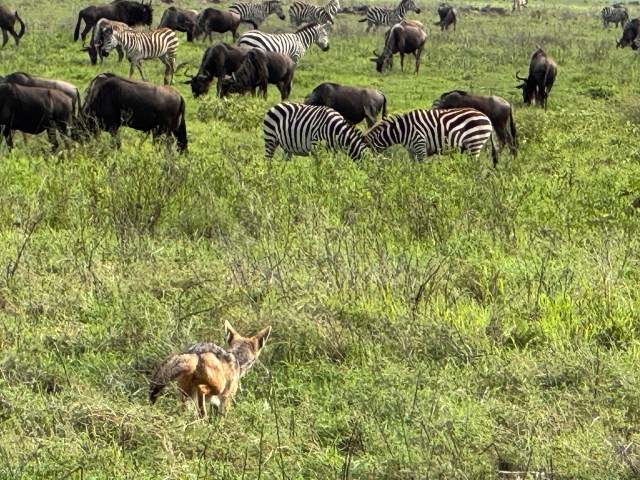
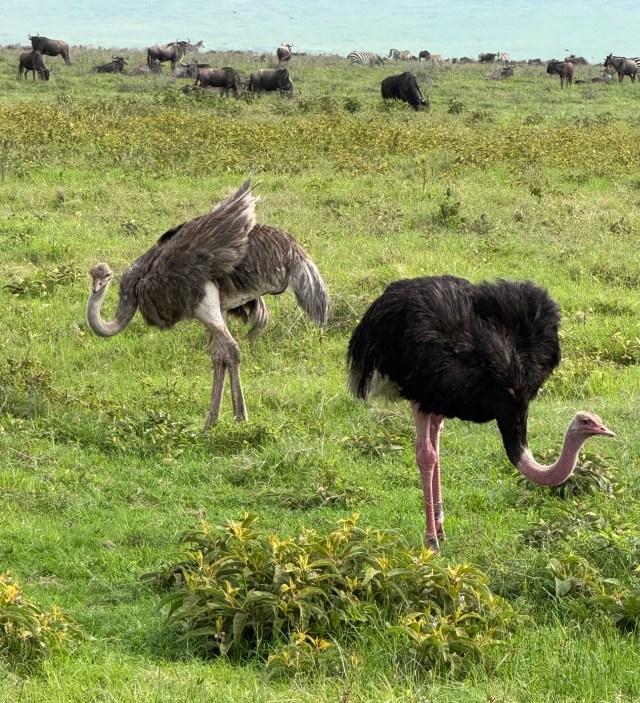
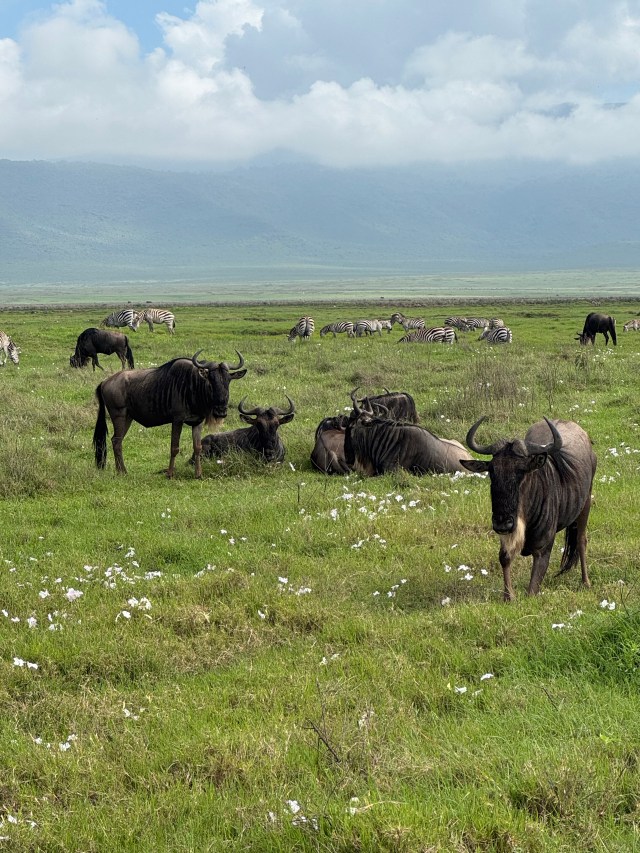


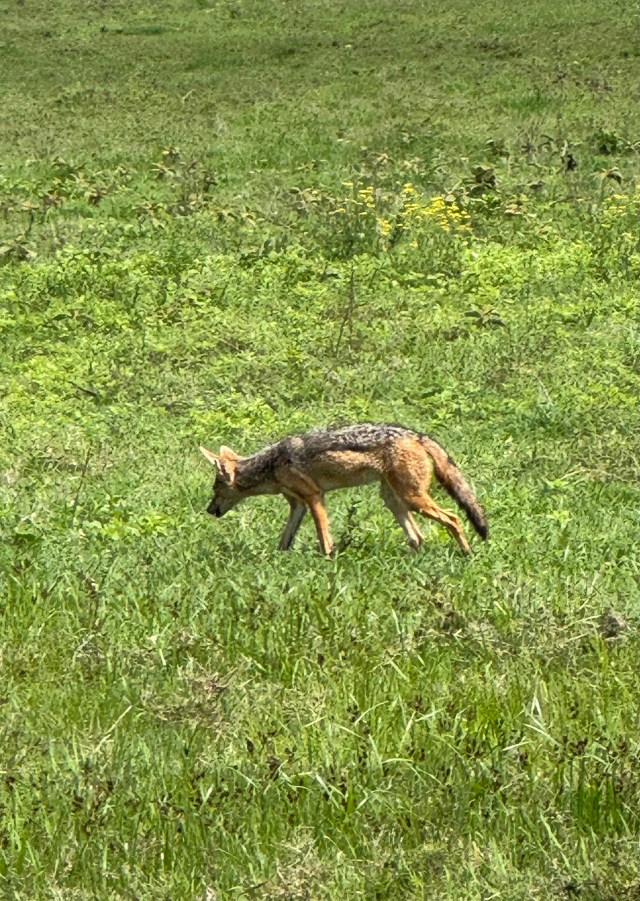
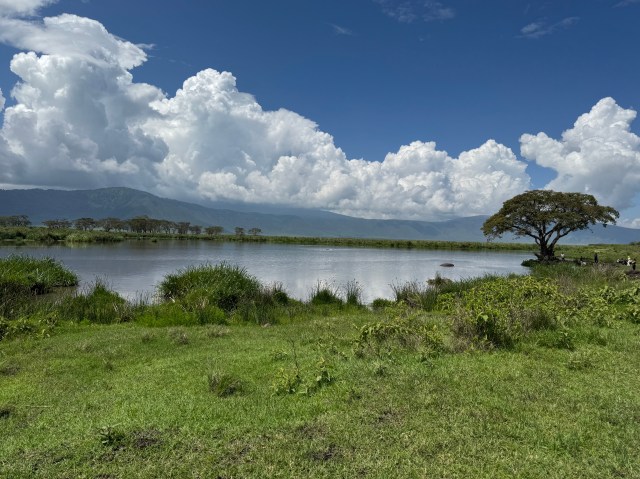
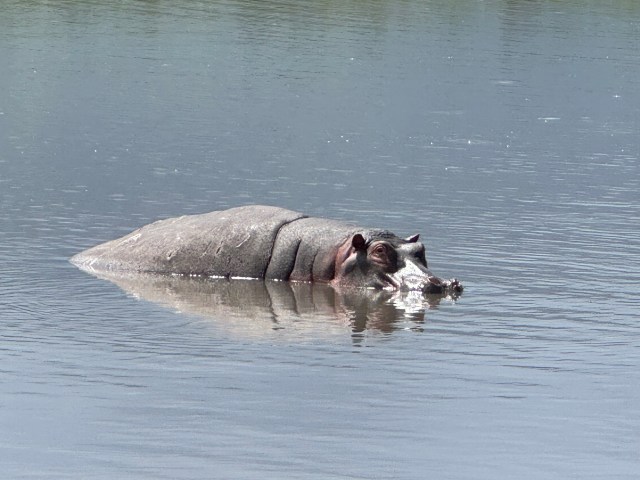


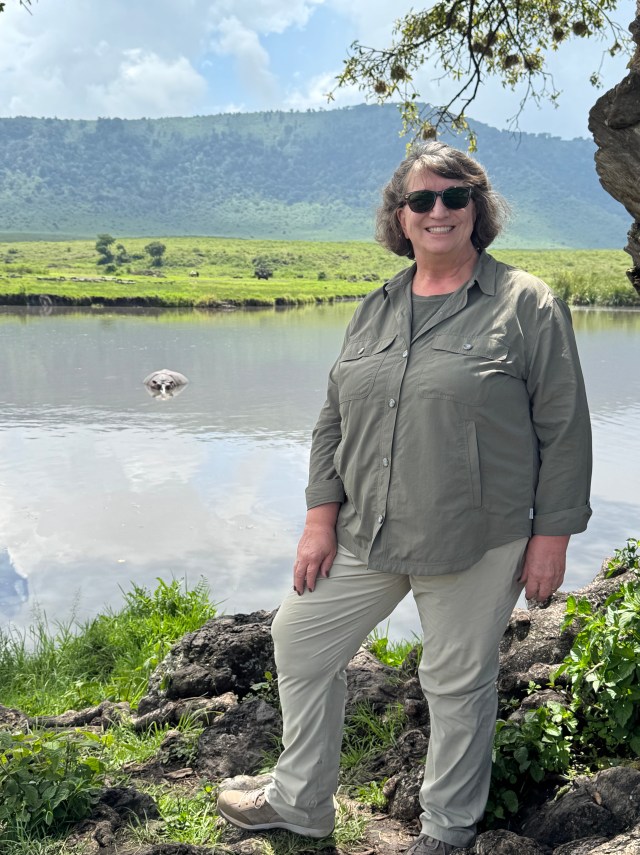

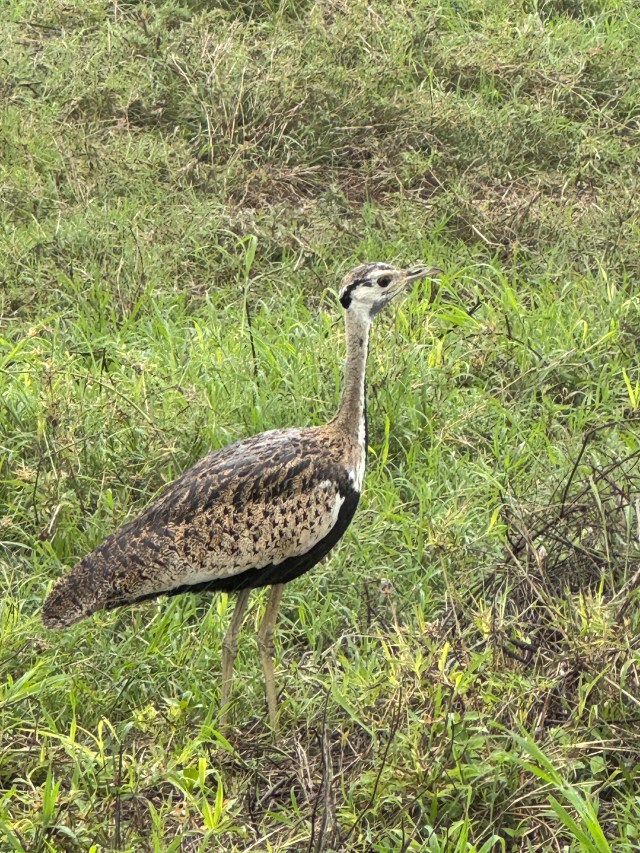
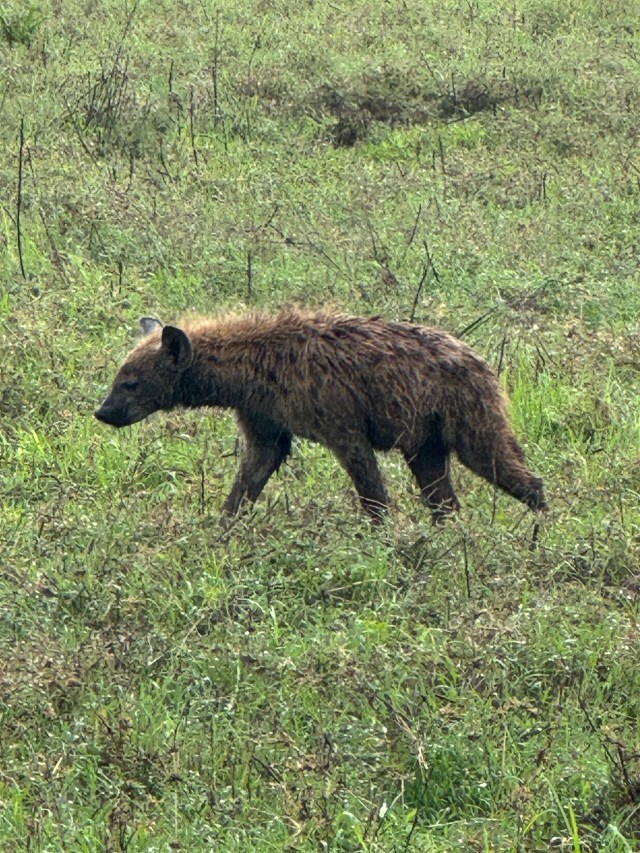


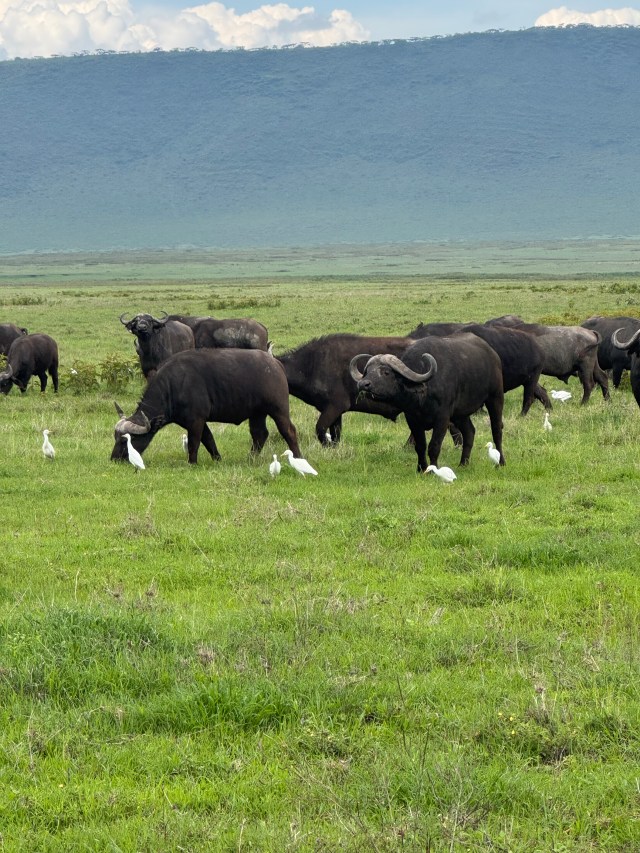


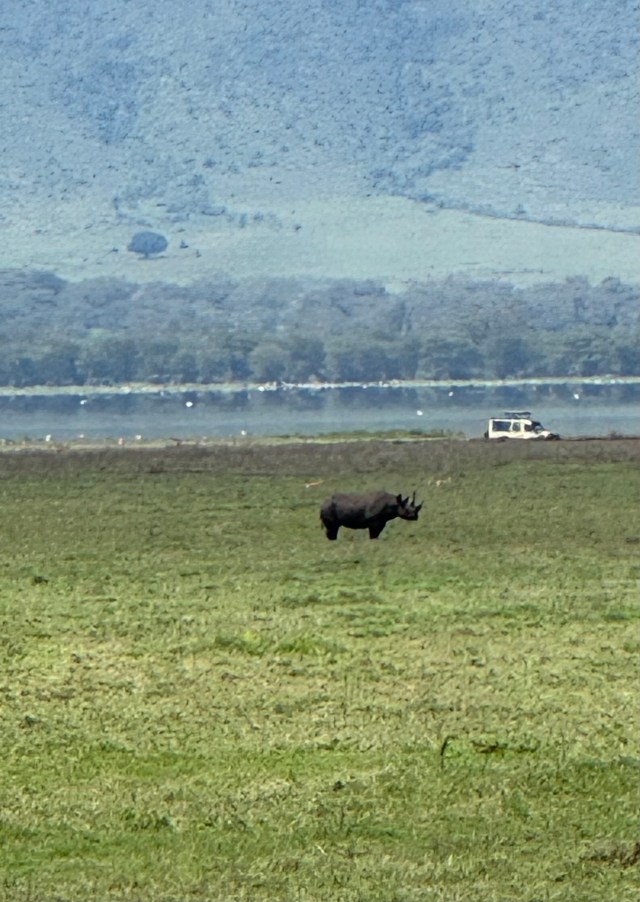
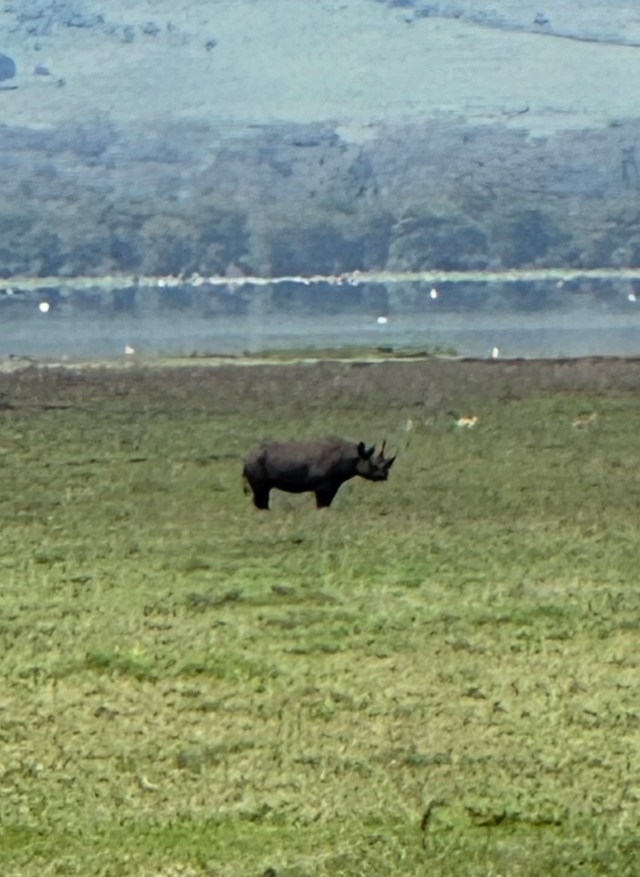
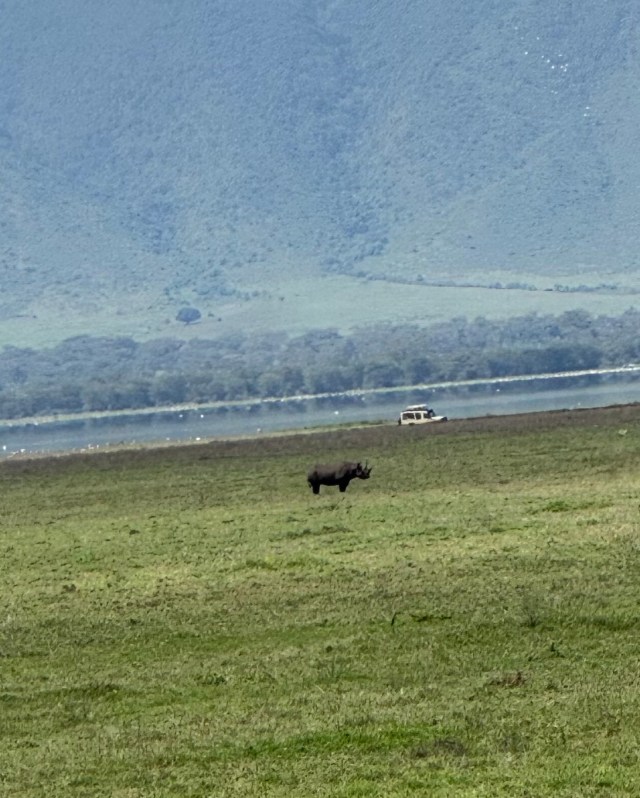

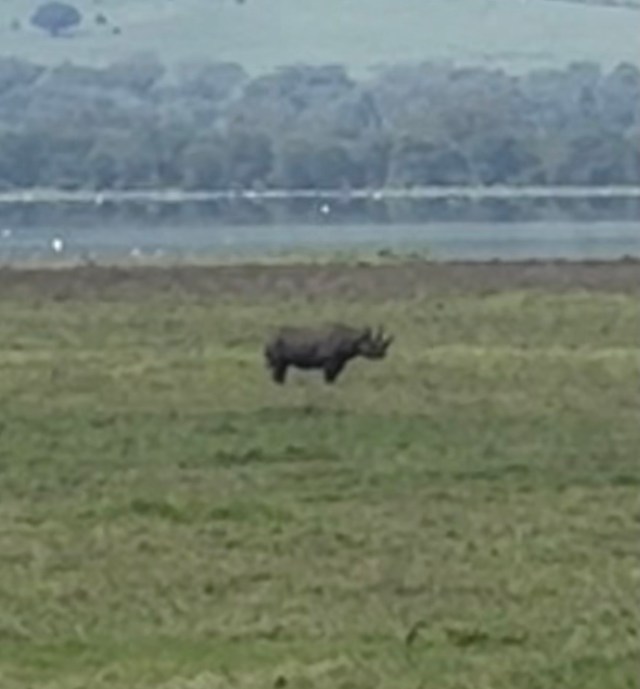
The Ngorongoro Crater is a safe haven for the Black Rhinoceros. It is easy to prevent rhino poaching as there is only 1 road into the cauldron and one road out. It was definitely a highlight of the day seeing 3 rhinos, even if they were far from the road.
December 14 – Ngorongoro Conservation Area, a Unesco World Heritage Area, and the next two nights at Ndutu Lodge. The conservation area covers over 800,000 hectares (almost two million acres) from the Great Rift Valley to the Serengeti National Park in the north-west part of Tanzania. The Maasai people continue to live their nomadic pastoral lifestyle in the area.
We drove around the Ngorongoro Crater rim, reaching the Serengeti Road and the gate to the Serengeti. But we didn’t continue on to the Serengeti just yet. First, we will spend two days on safari in the highland plains, open savanna, and savanna woodlands. Today, we hope to view the “great migration”.


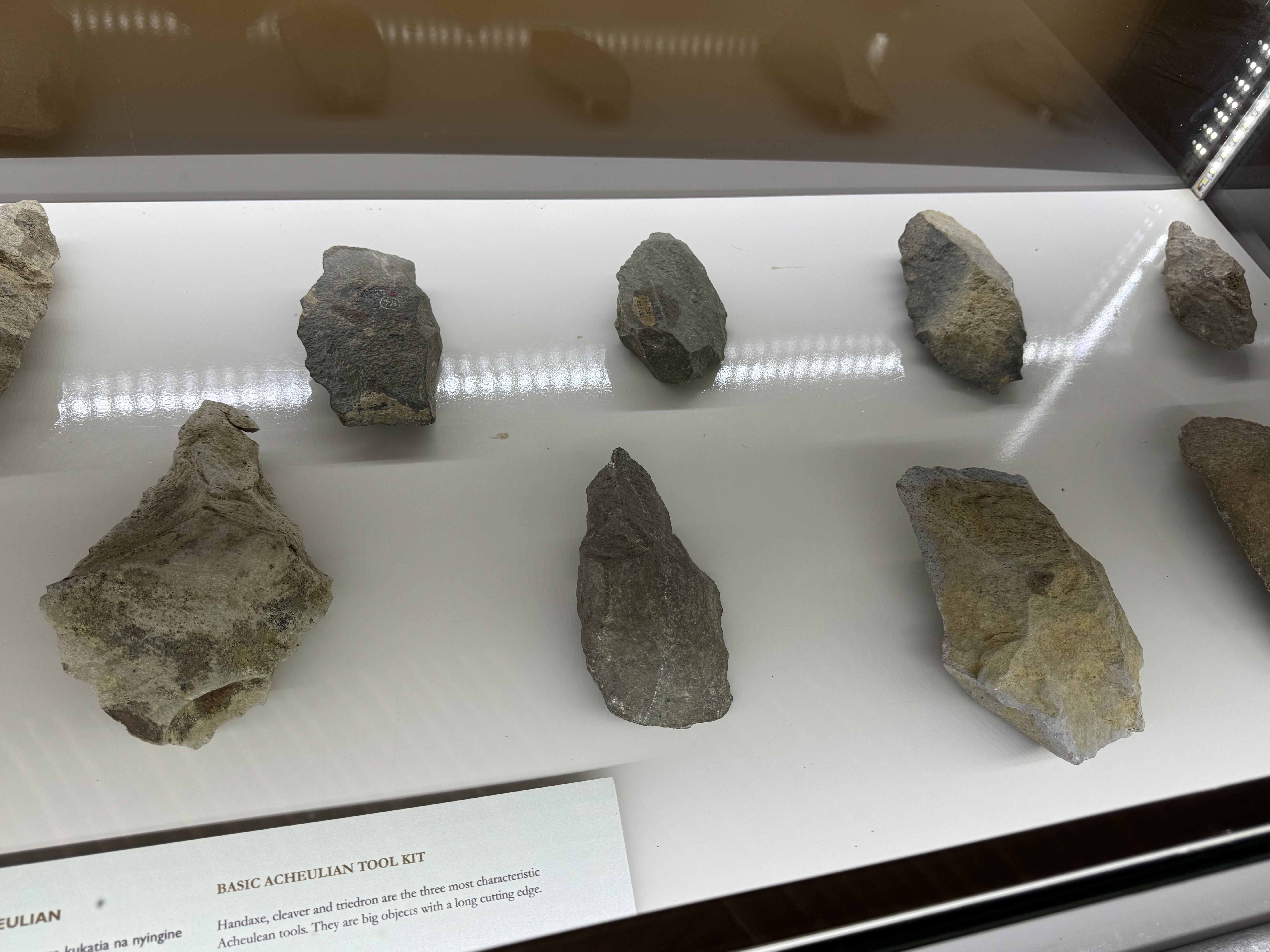
Our first tour stop today took us to the Olduvai Gorge, a Unesco World Heritage Site. The Olduvai Gorge area is significant in the history of human ancestors. Mary and Louis Leakey uncovered stone tools in the 1930s. In 1959, the skull of Australopithecus boisei, a hominid with a large jaw, huge molars, and a thick forehead, was discovered in the gorge. In 1960, they discovered Homo habilis known for early stone tools and believed to be a direct ancestor to humans. The Leakey discoveries of skeletons and the Laetoli footprints, which is evidence that human ancestors bipedalism occured 3.6 million years ago, remains as significant evidence of evolution. Read more about the Leakeys and Olduvai Gorge. It is an amazing part of history.
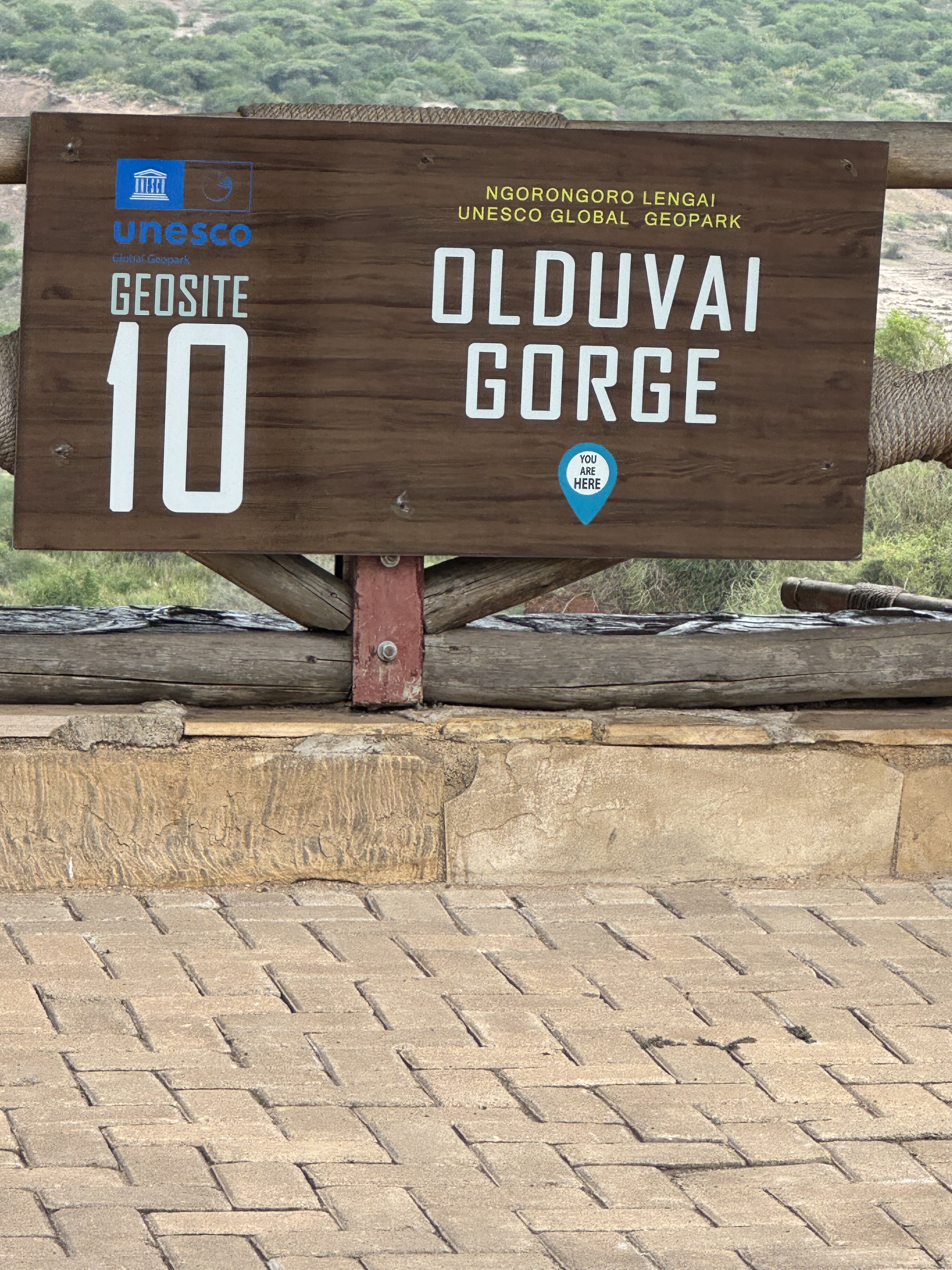
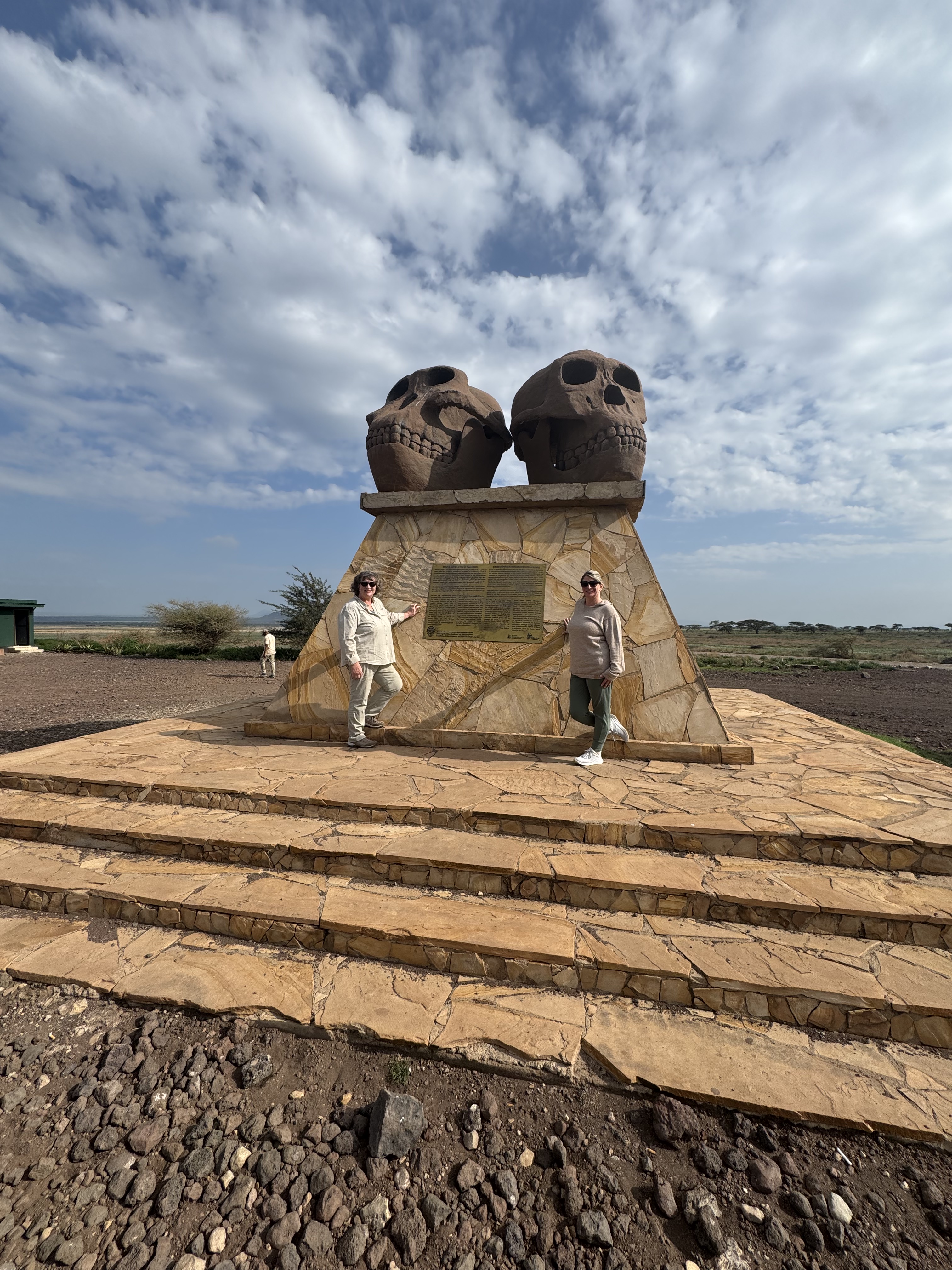
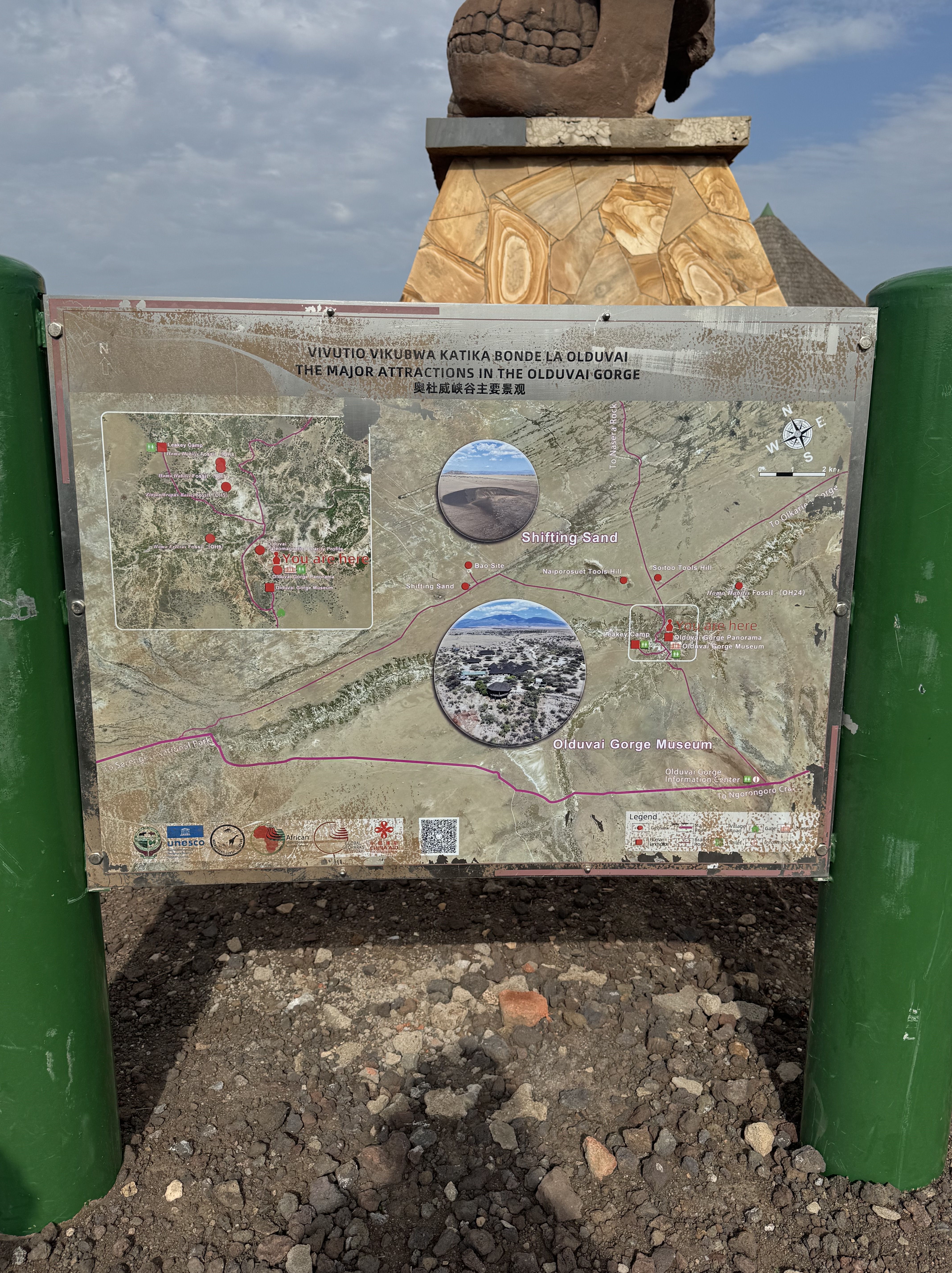
We listened to a speaker at the gorge area, and we toured the museum. It was amazing to be looking at skeletons from 2 million years ago. Also incredible to gaze out across the area where these skeleton remains were discovered. Archeology research continues in this area today. Being here made me want to volunteer on an archeology dig.
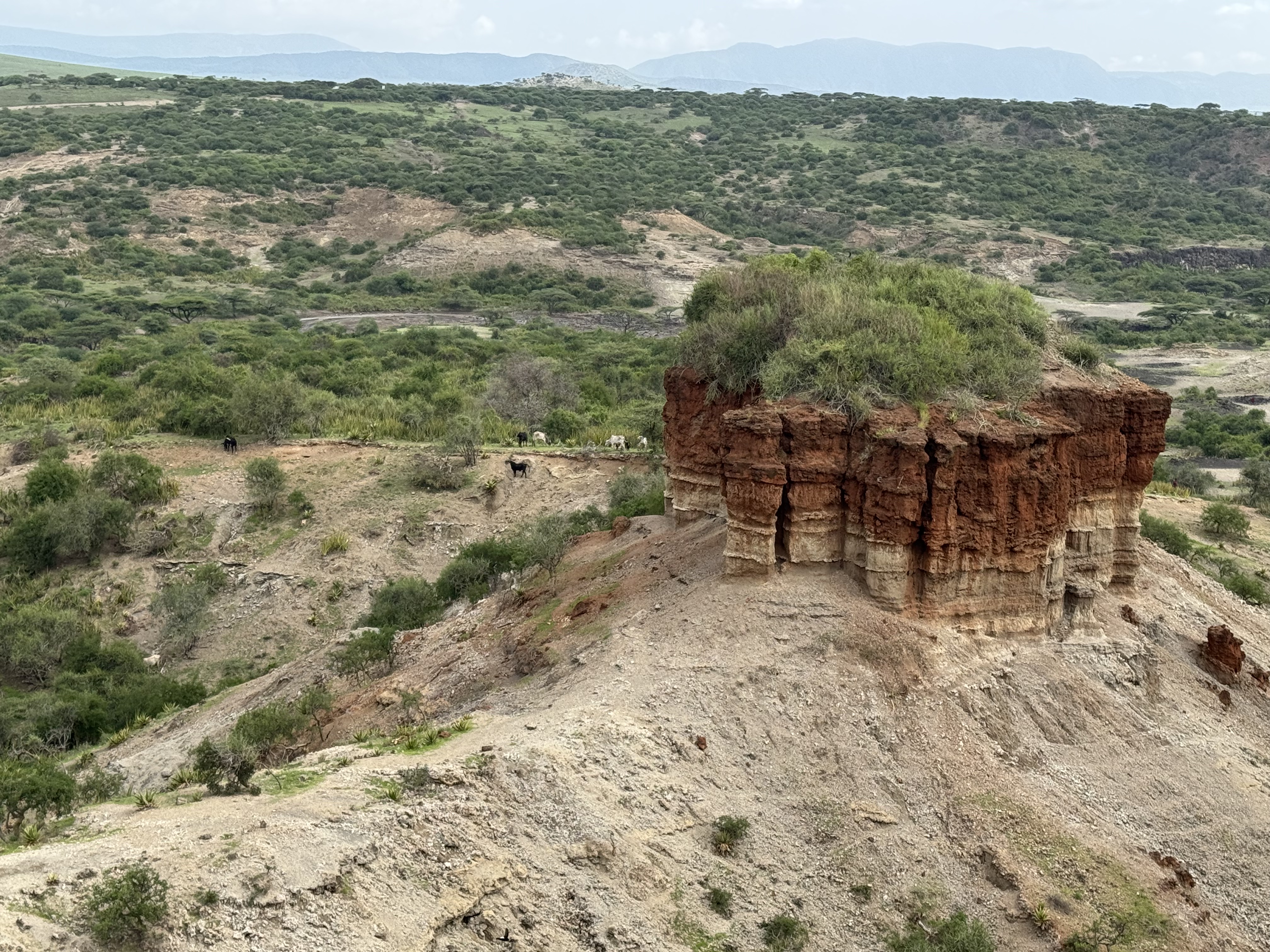
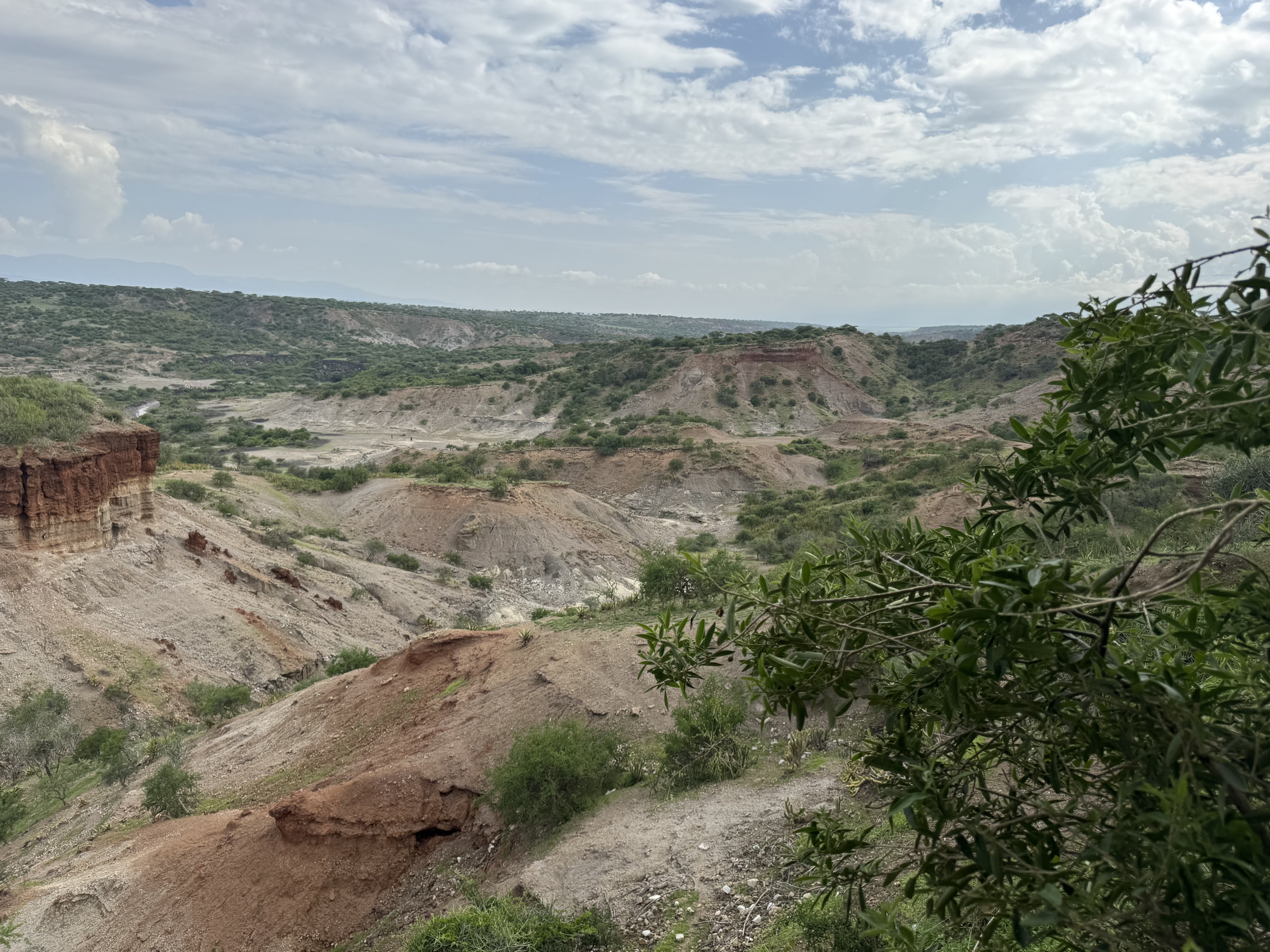


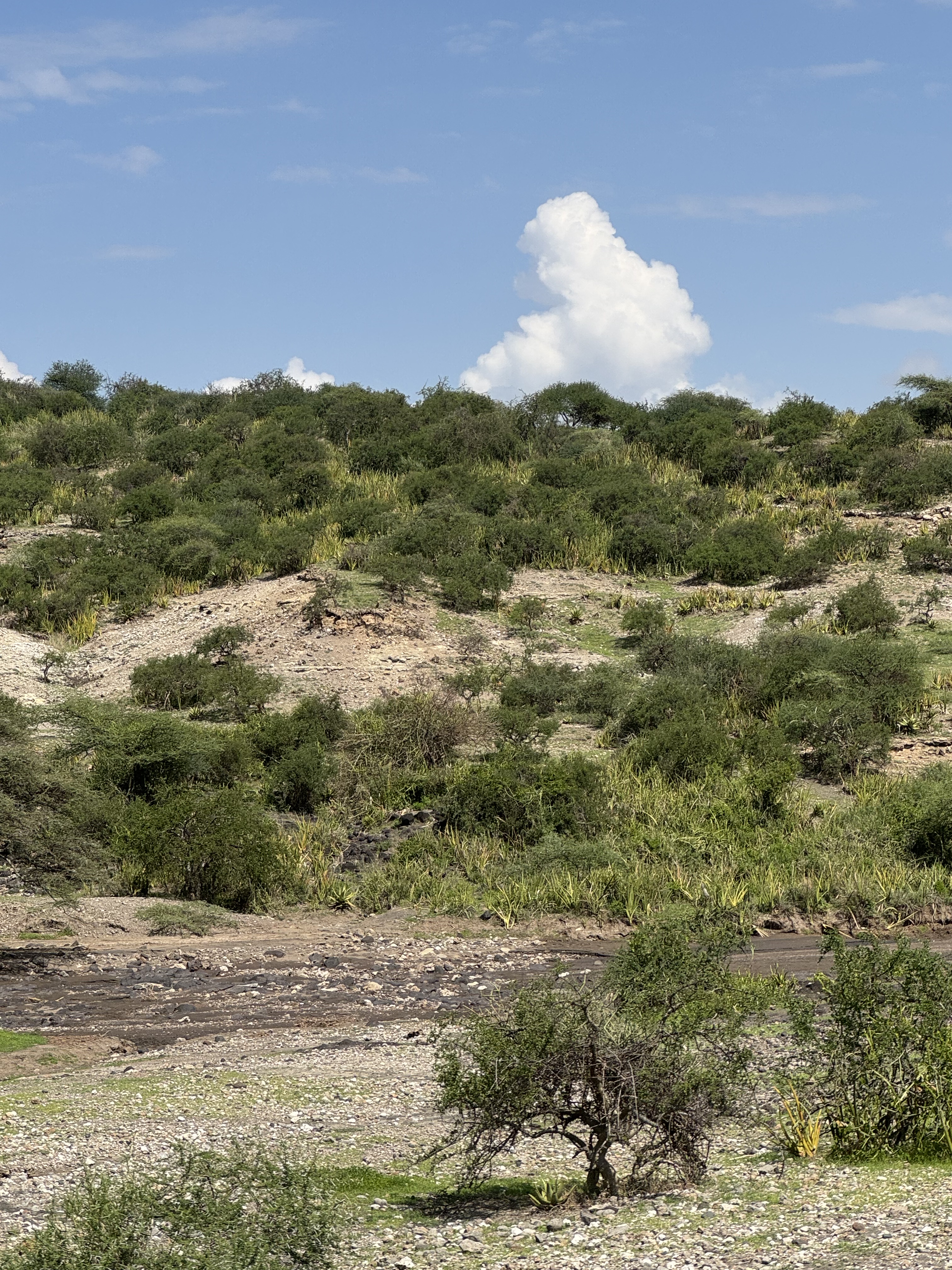
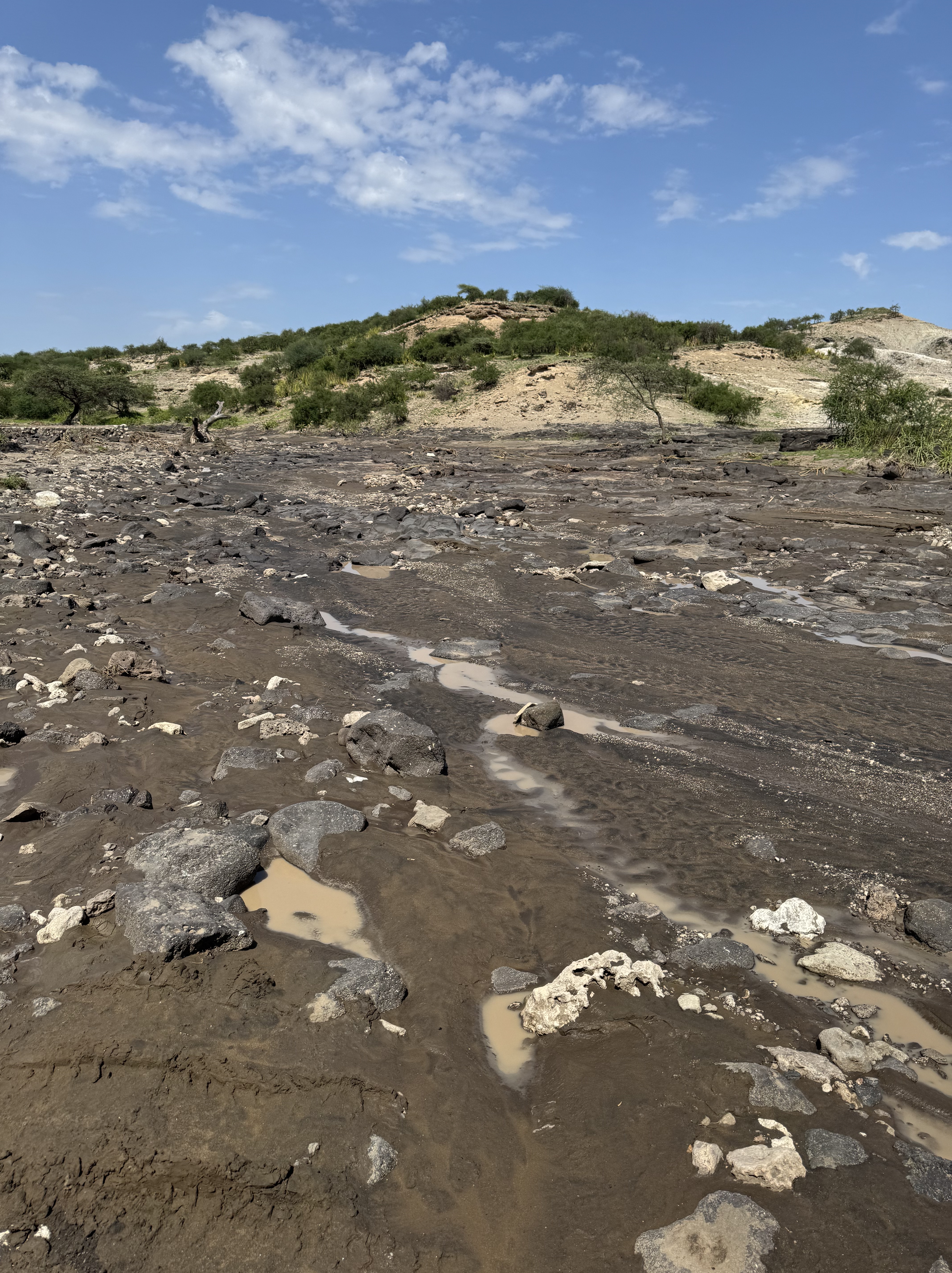

Our next adventure took us through the gorge and across some very rough roads to an area called “shifting sands”. A black sand dune was oddly in the middle of a grassy savanna. We passed herds of goats grazing under the care of young herders before arriving at this mysterious pile of magnetic volcanic ash that moves about 15 to 30 meters (50 to 100 feet) a year. As we approached the dune there were markers to show the location of the sand in previous years. In the last picture is the active Oldoinyo Lengai volcano in the distance, which is the origin of the sand shifting across the savanna.
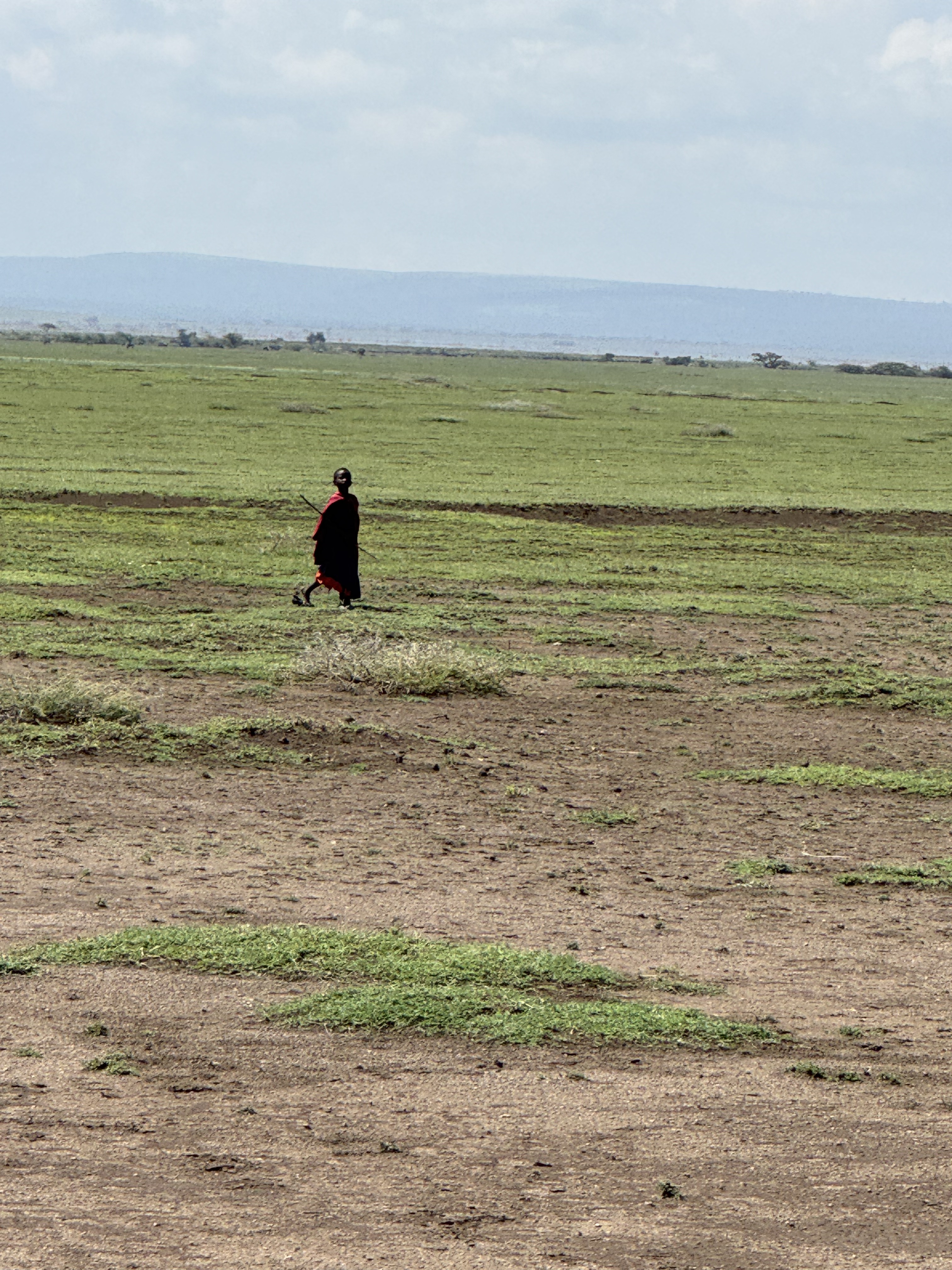
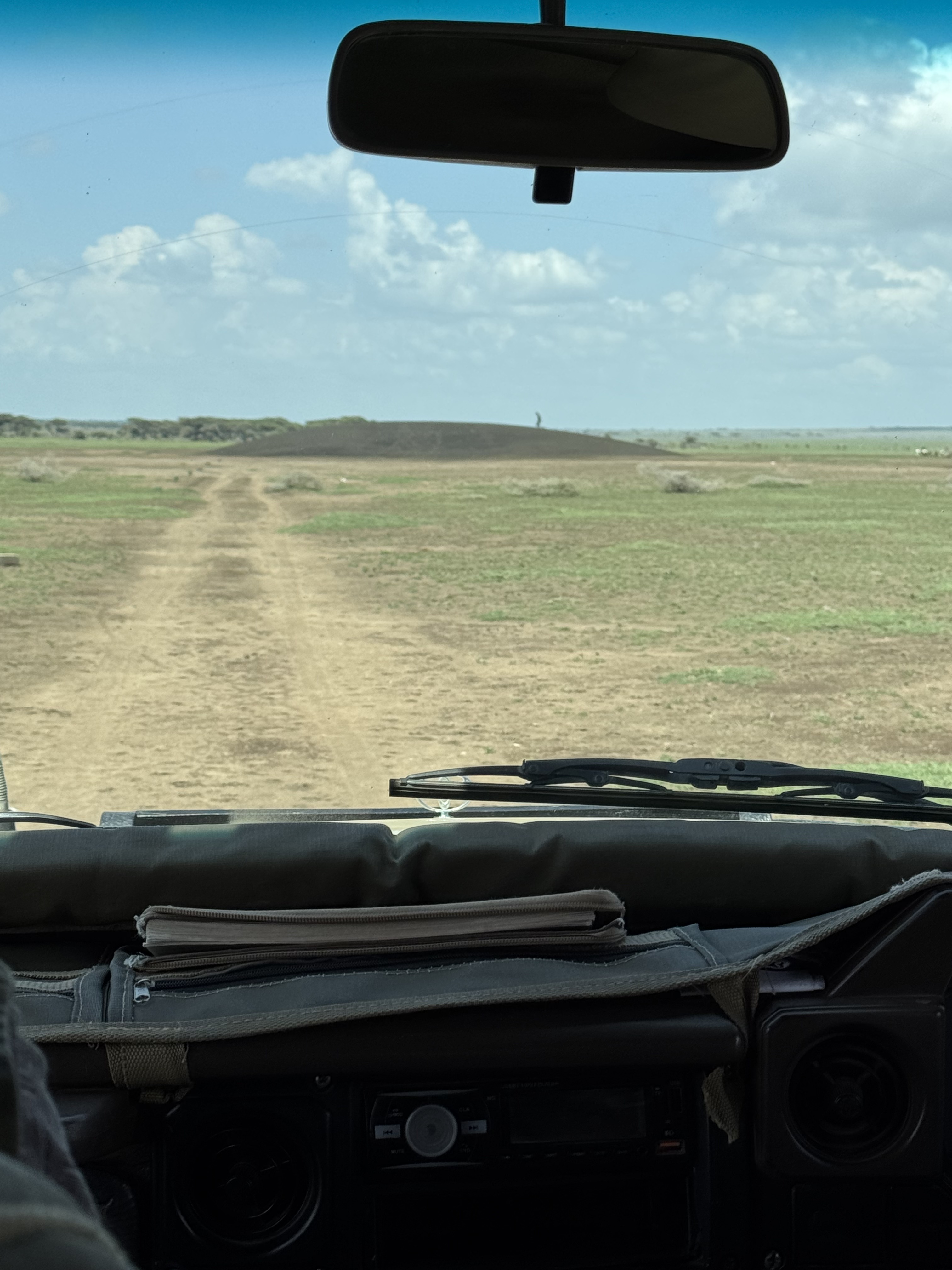
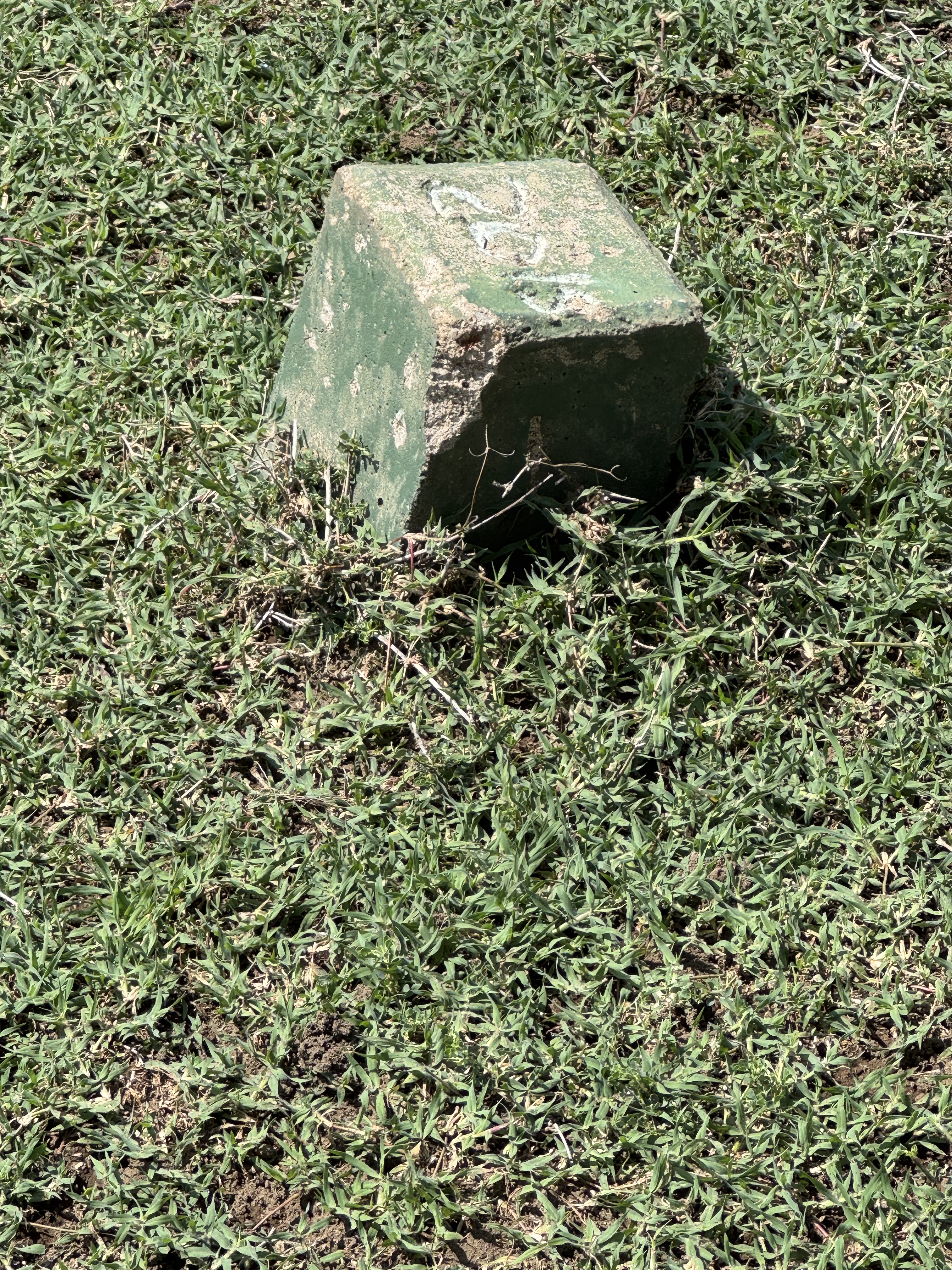
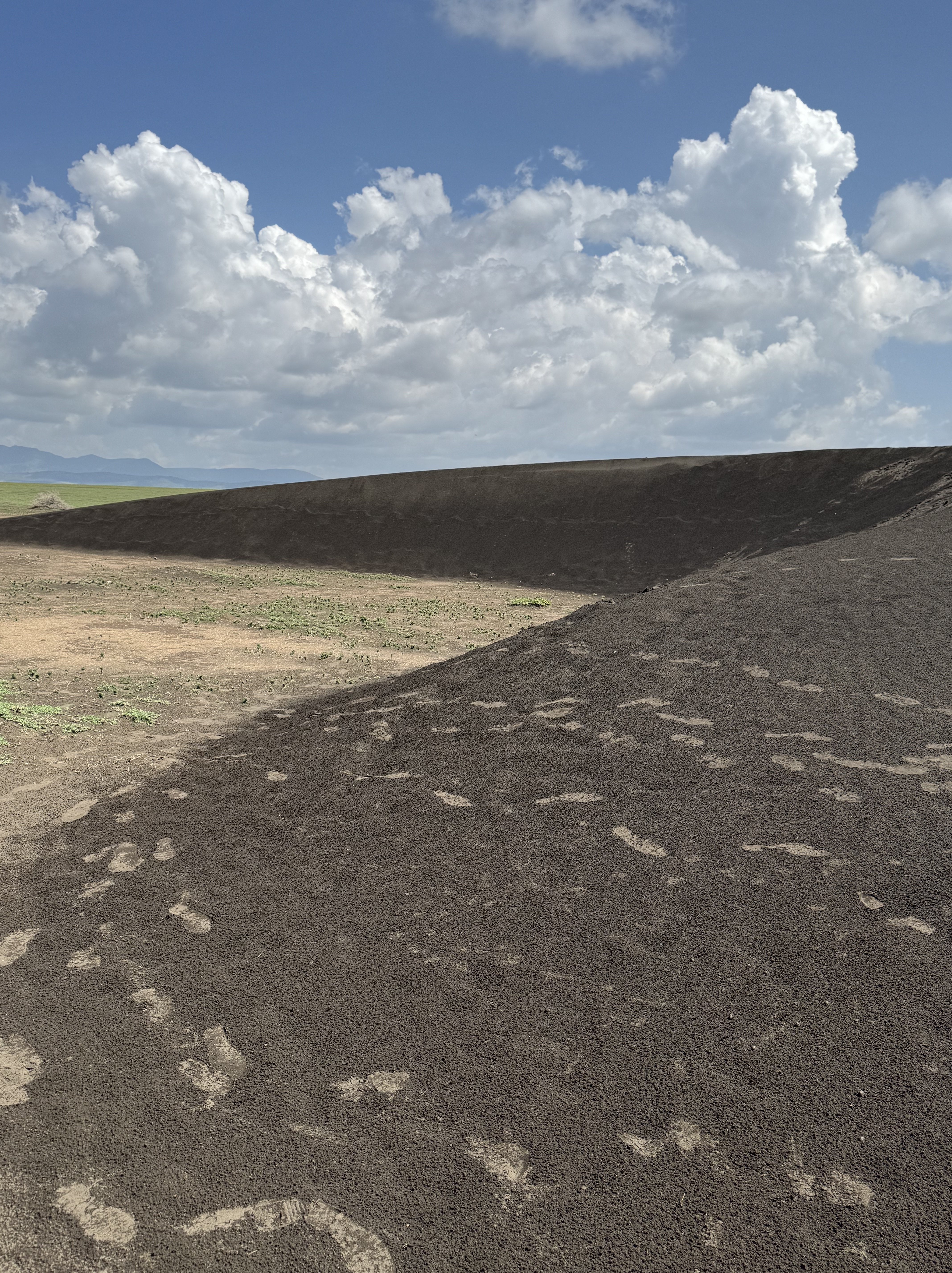

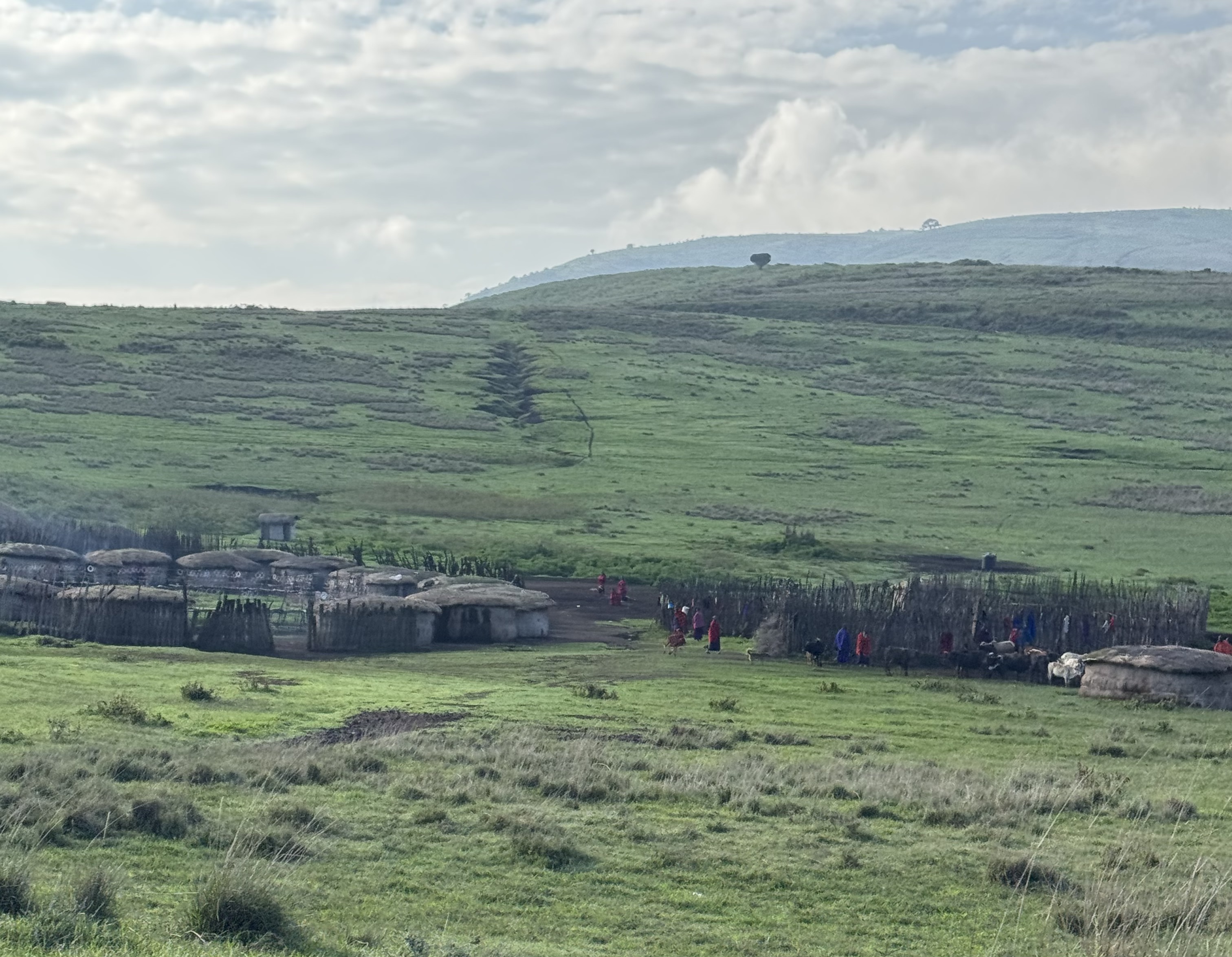
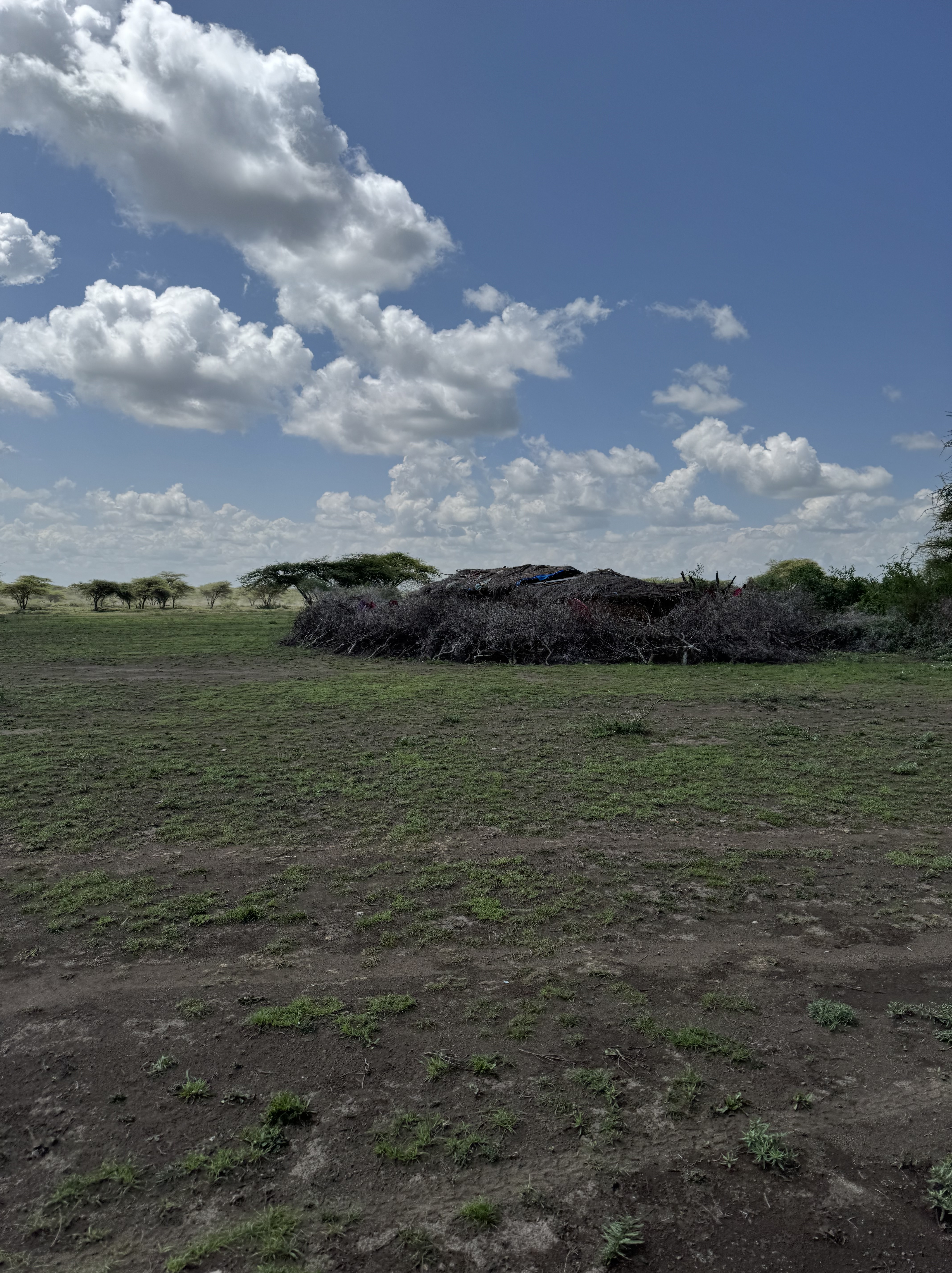
Our travels continued on a narrow dirt road past some nomadic villages and herds of animals grazing until we reached the main road that would continue our journey toward the Serengeti. We stopped at the main gate of the Serengeti National Park for some pictures. We are staying in the Ndutu Plains region, just outside the Serengeti, for the next two days.
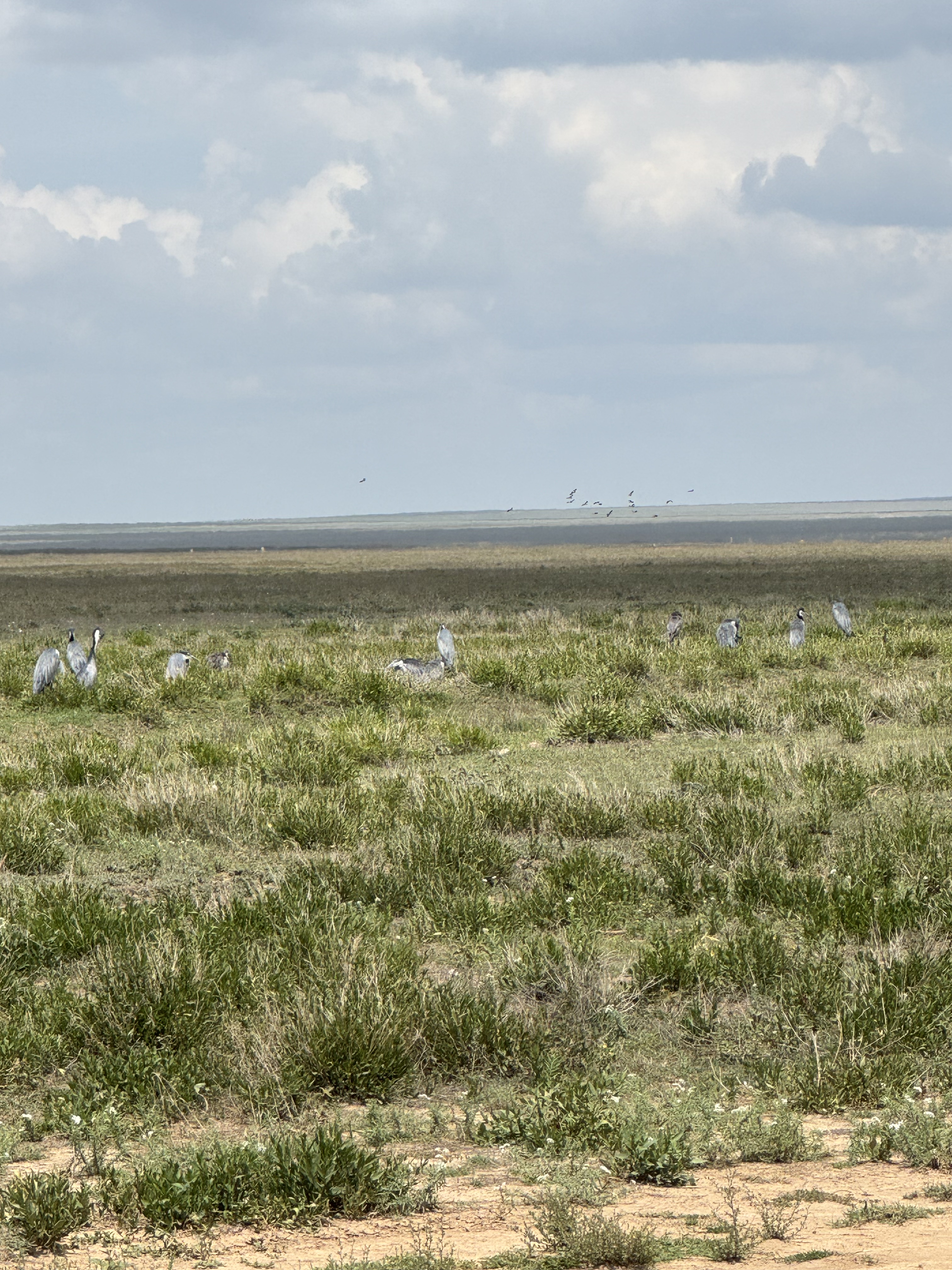


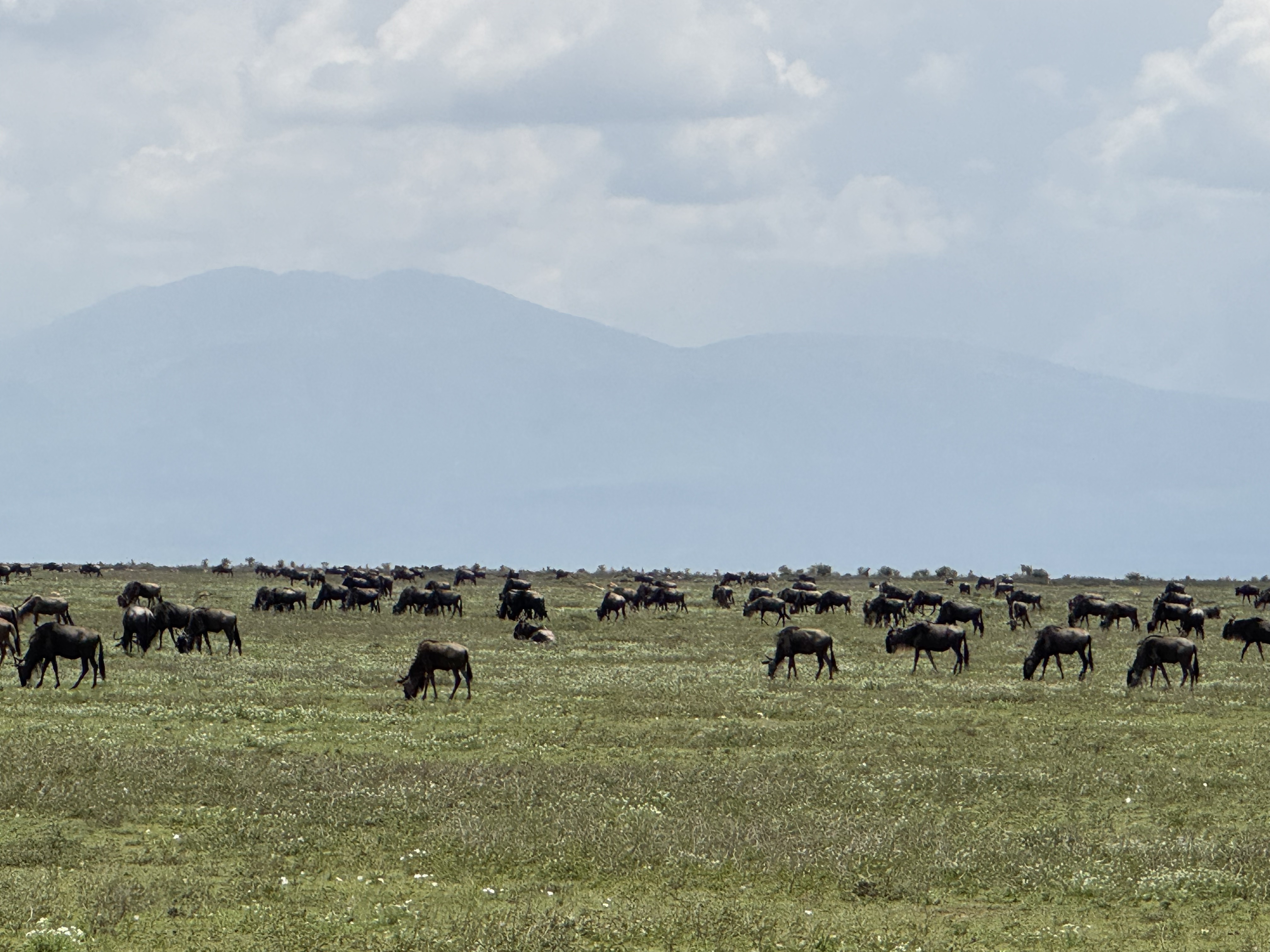
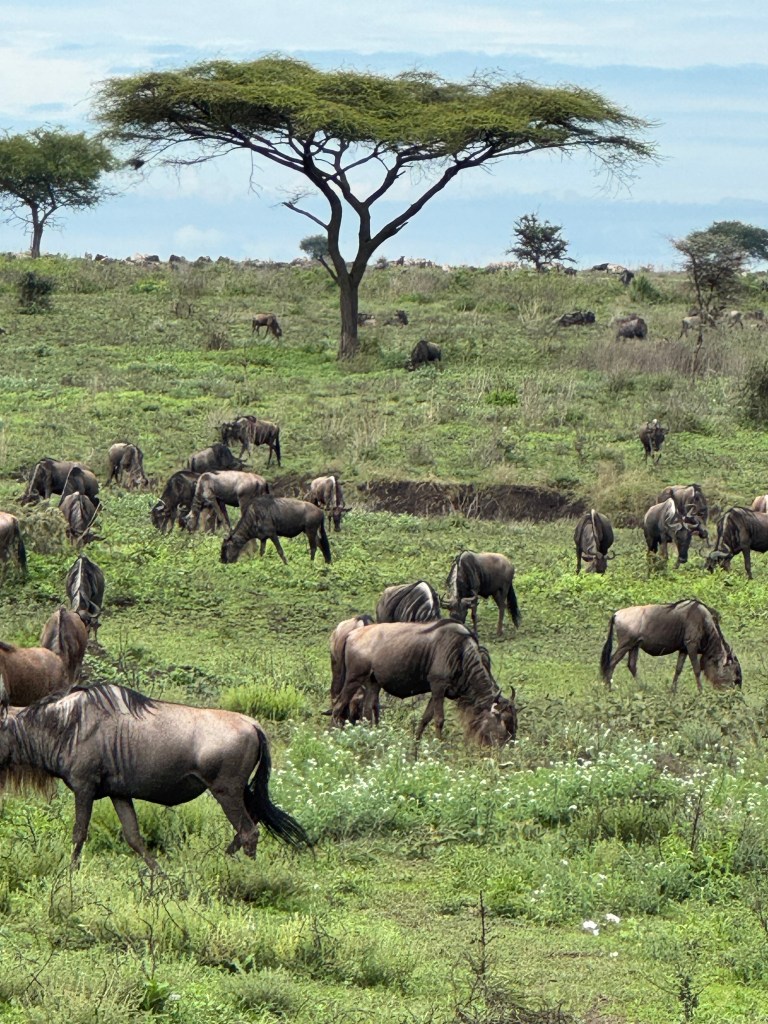
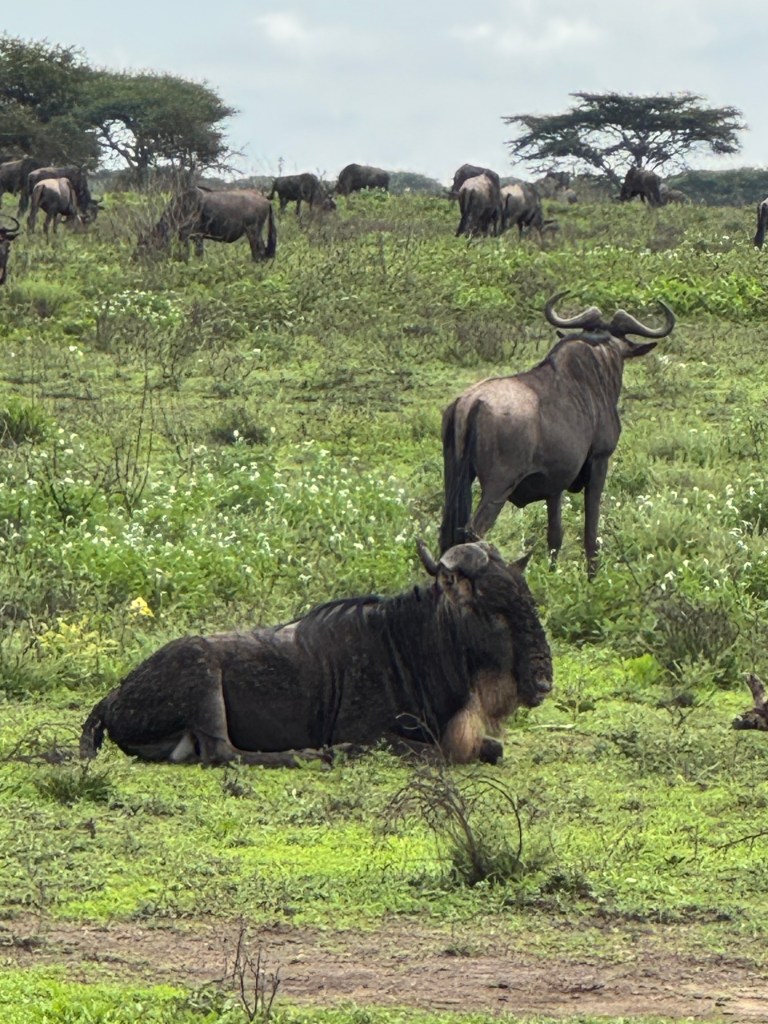
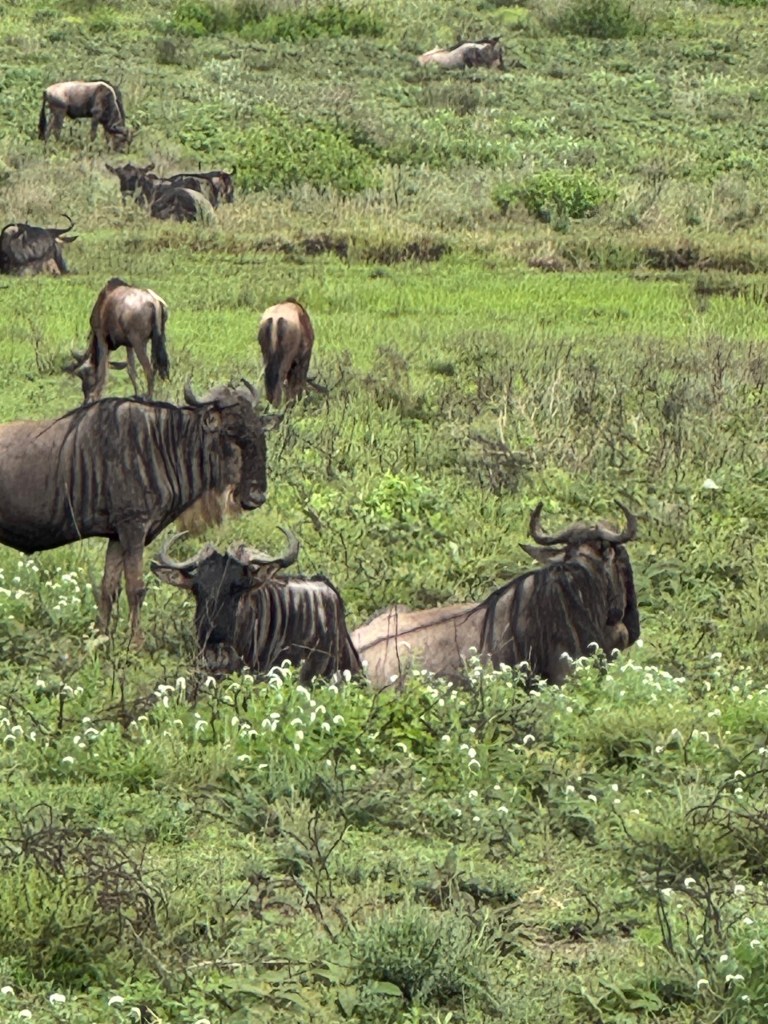
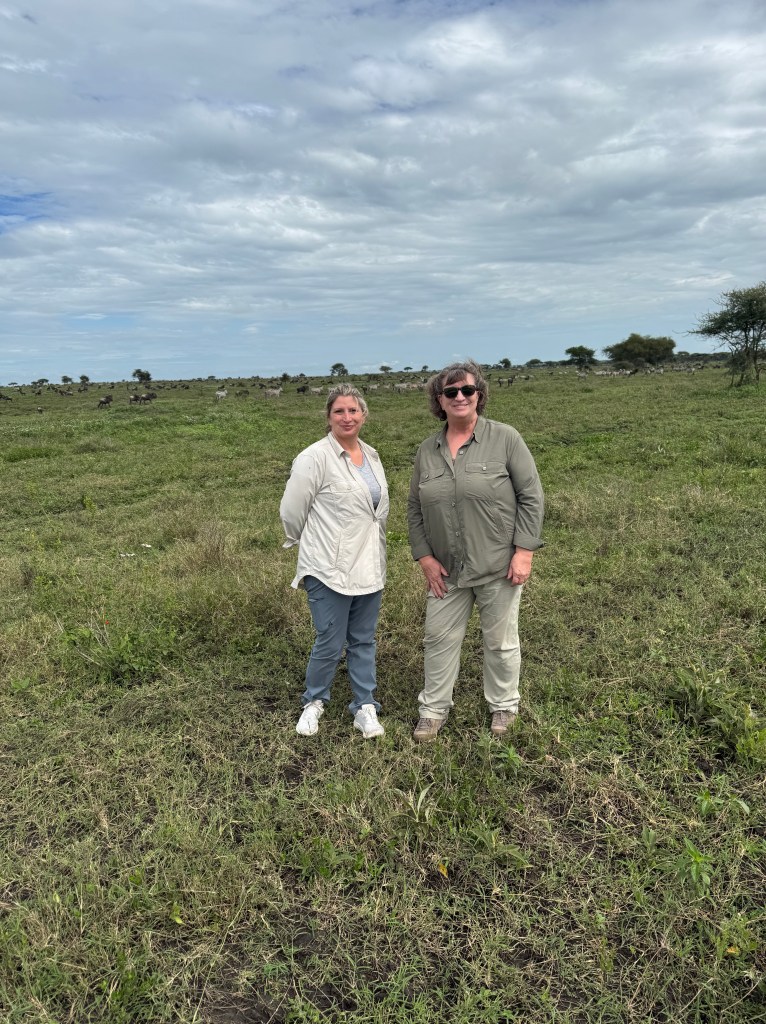
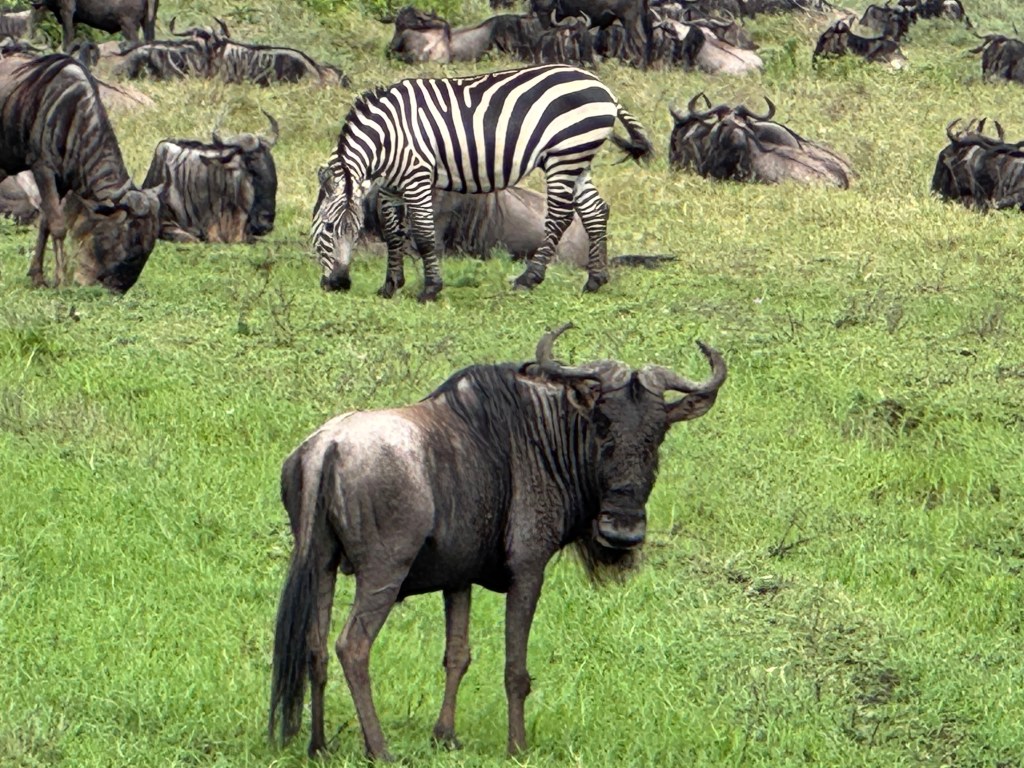
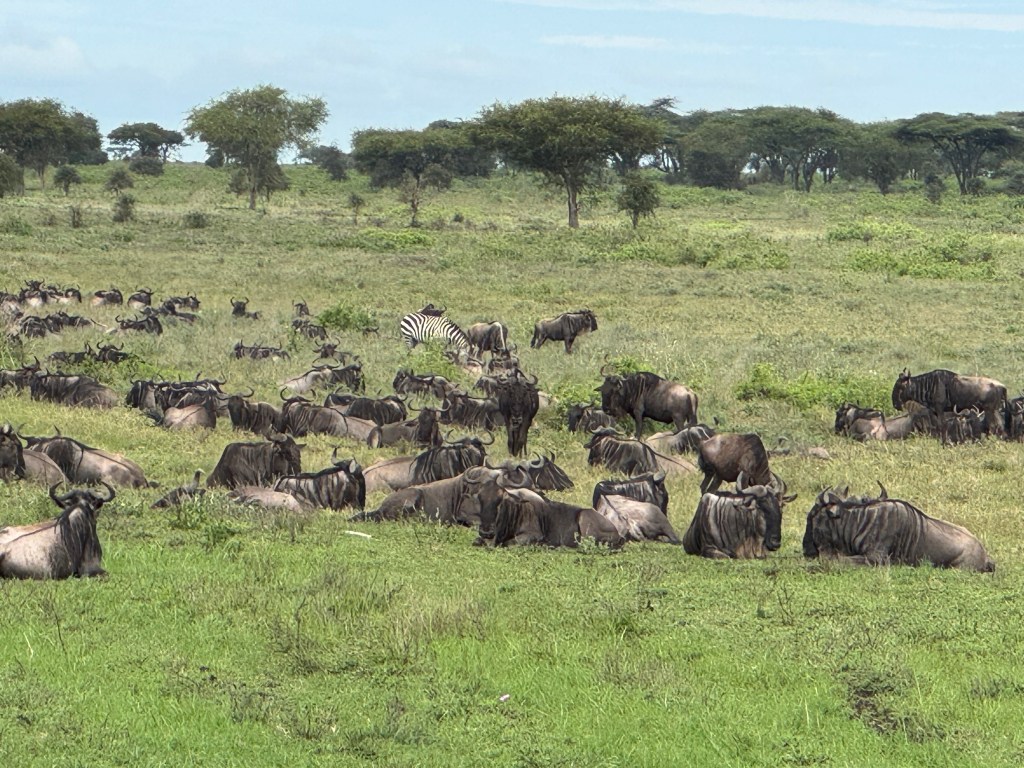
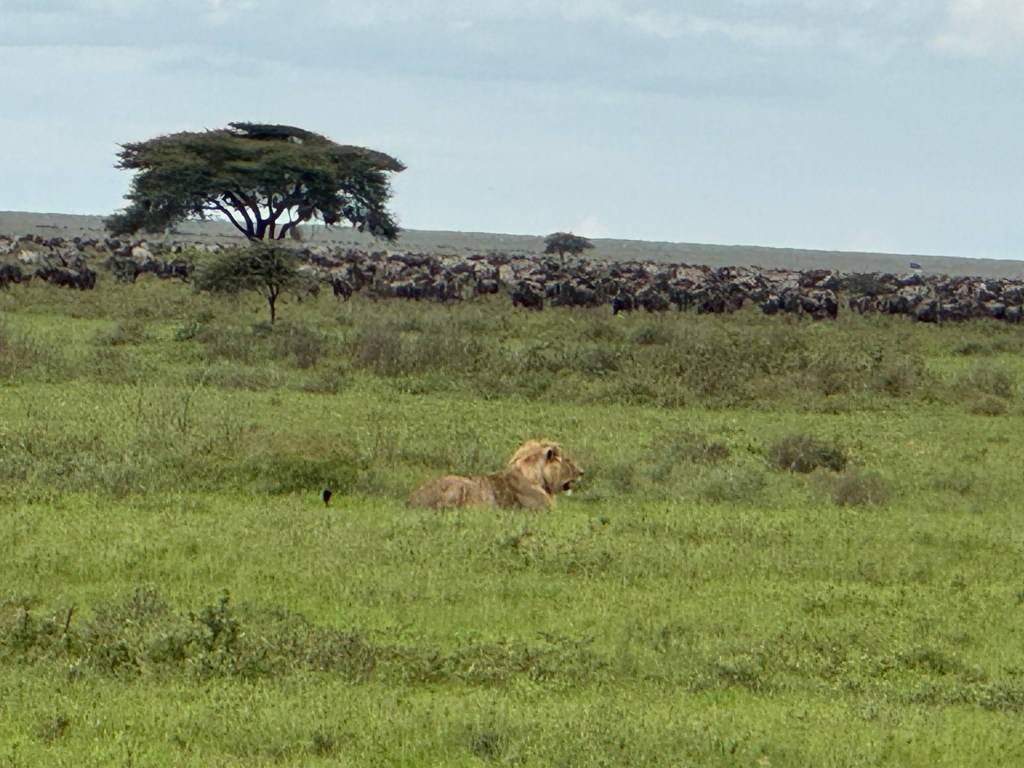
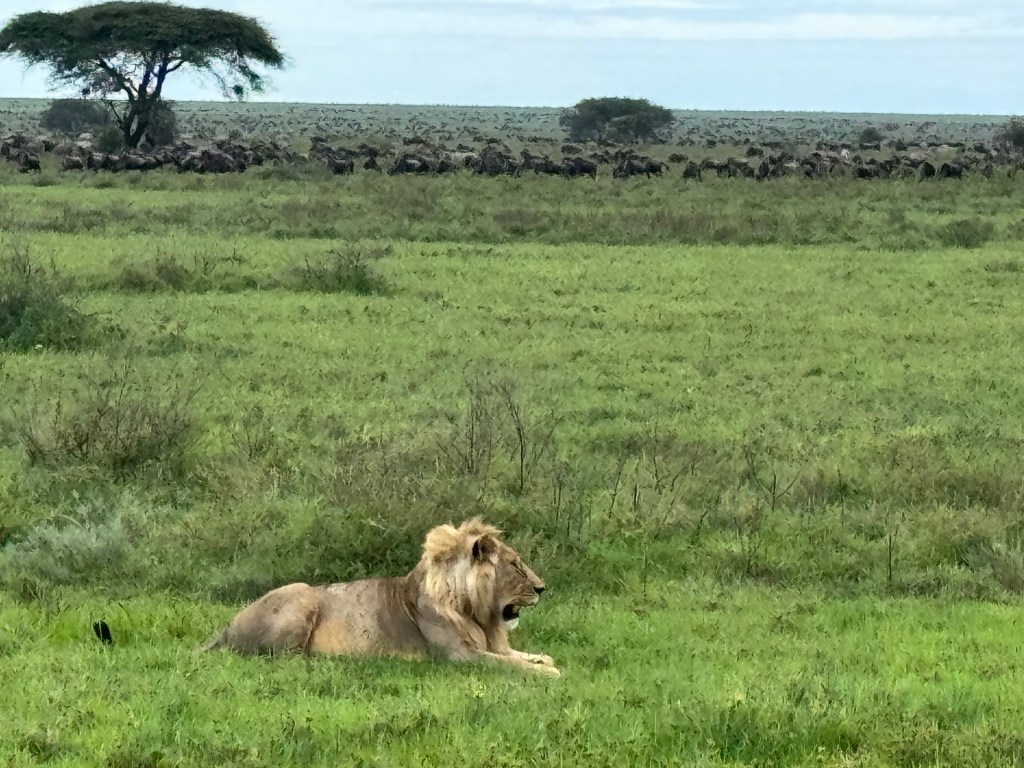
Once we left the main road and headed across the Ndutu Plains, it didn’t take us long to come upon a huge herd of wildebeest and zebras. It was incredible to see thousands of animals following a path as if they were being guided in the right direction. They didn’t seem bothered by our vehicle following alongside of them. In the next few days, we will see many herds of animals migrating to greener grass and water. Along with grazing animals, there will be an increase in predators to the area. In just a few months it will be time for babies to be born and then migrating again to green grass and water. Migration is a continuous cycle moving to the area with the most nutritious green grass and ample water supply.

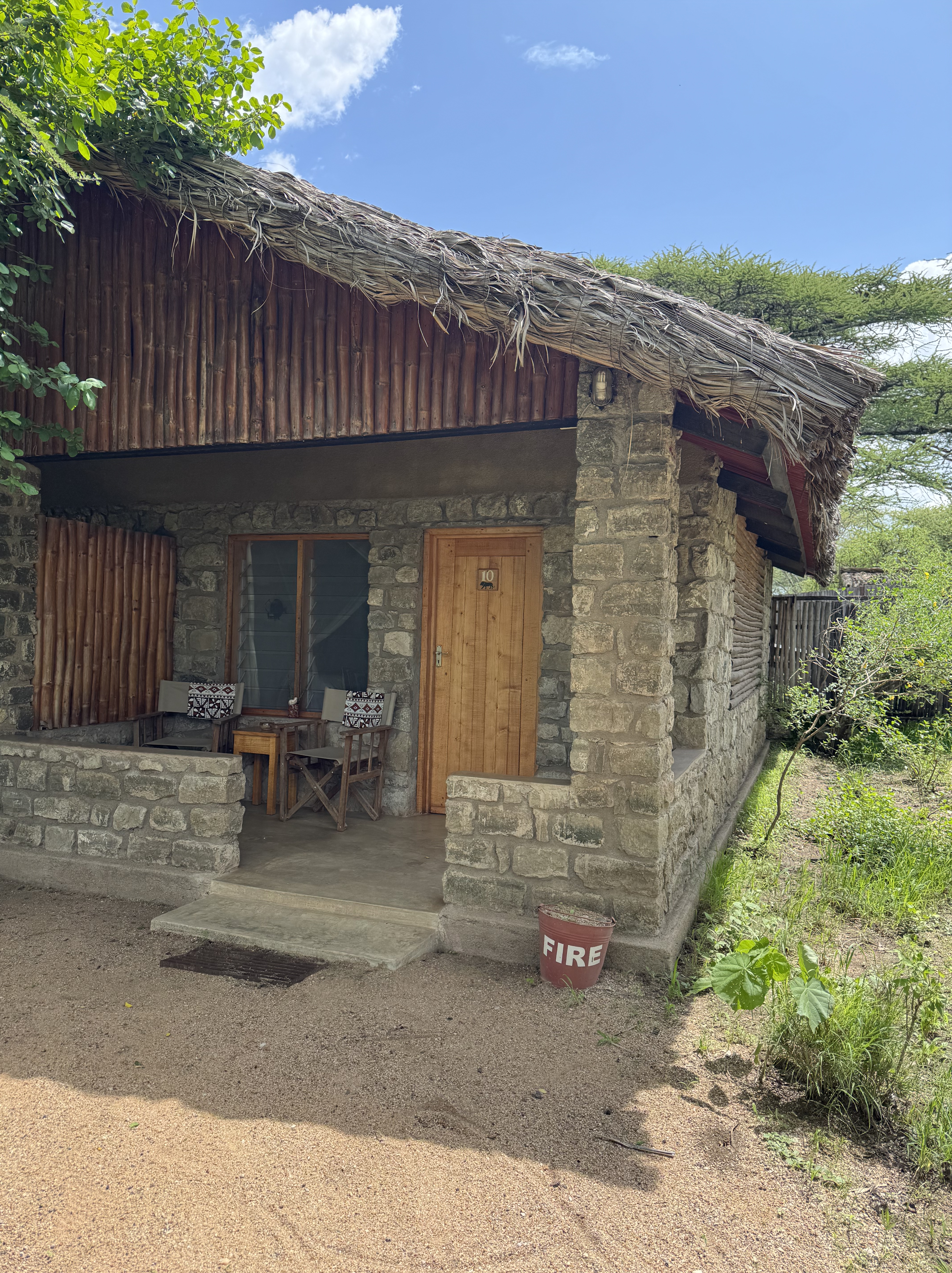
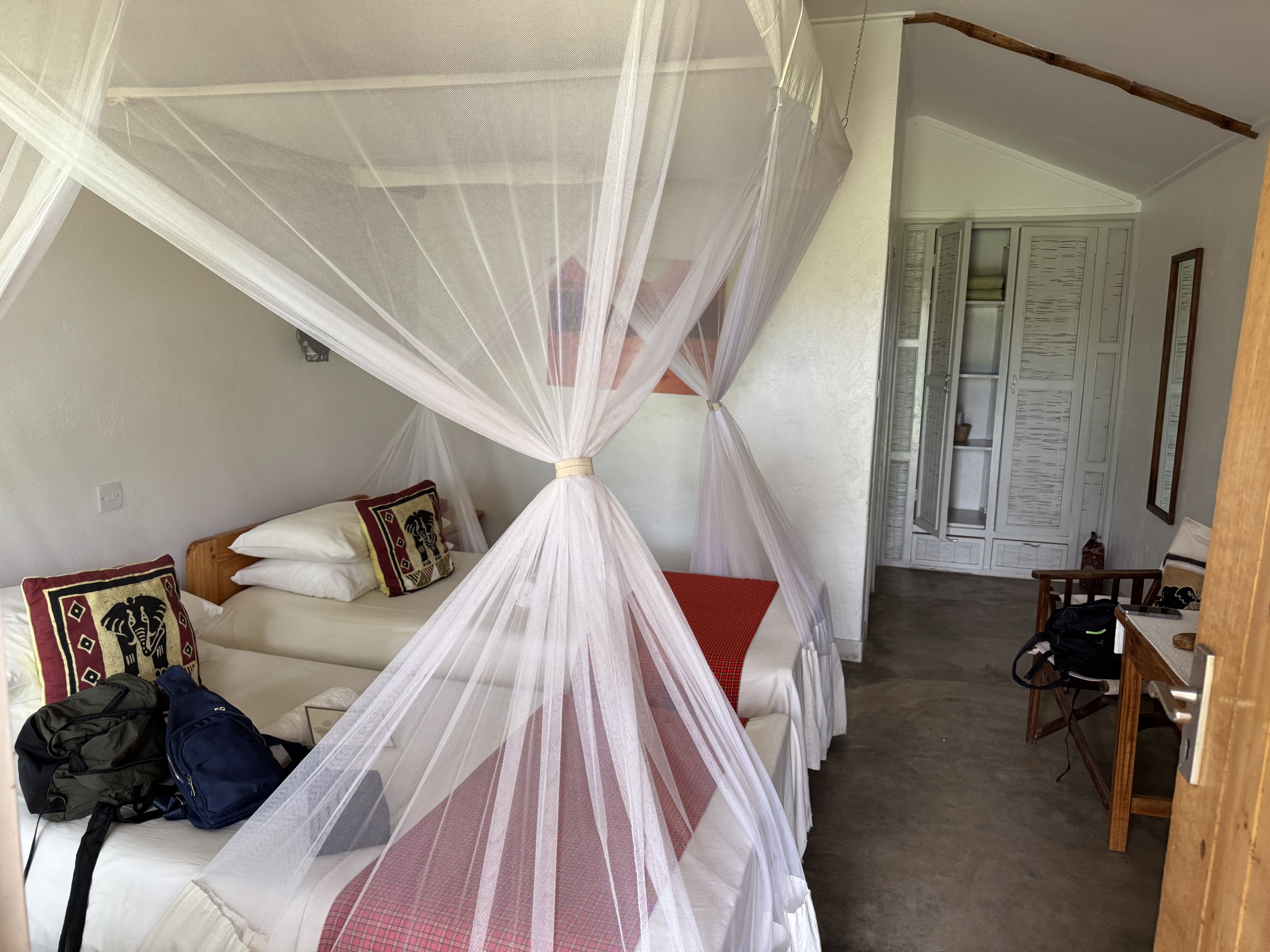
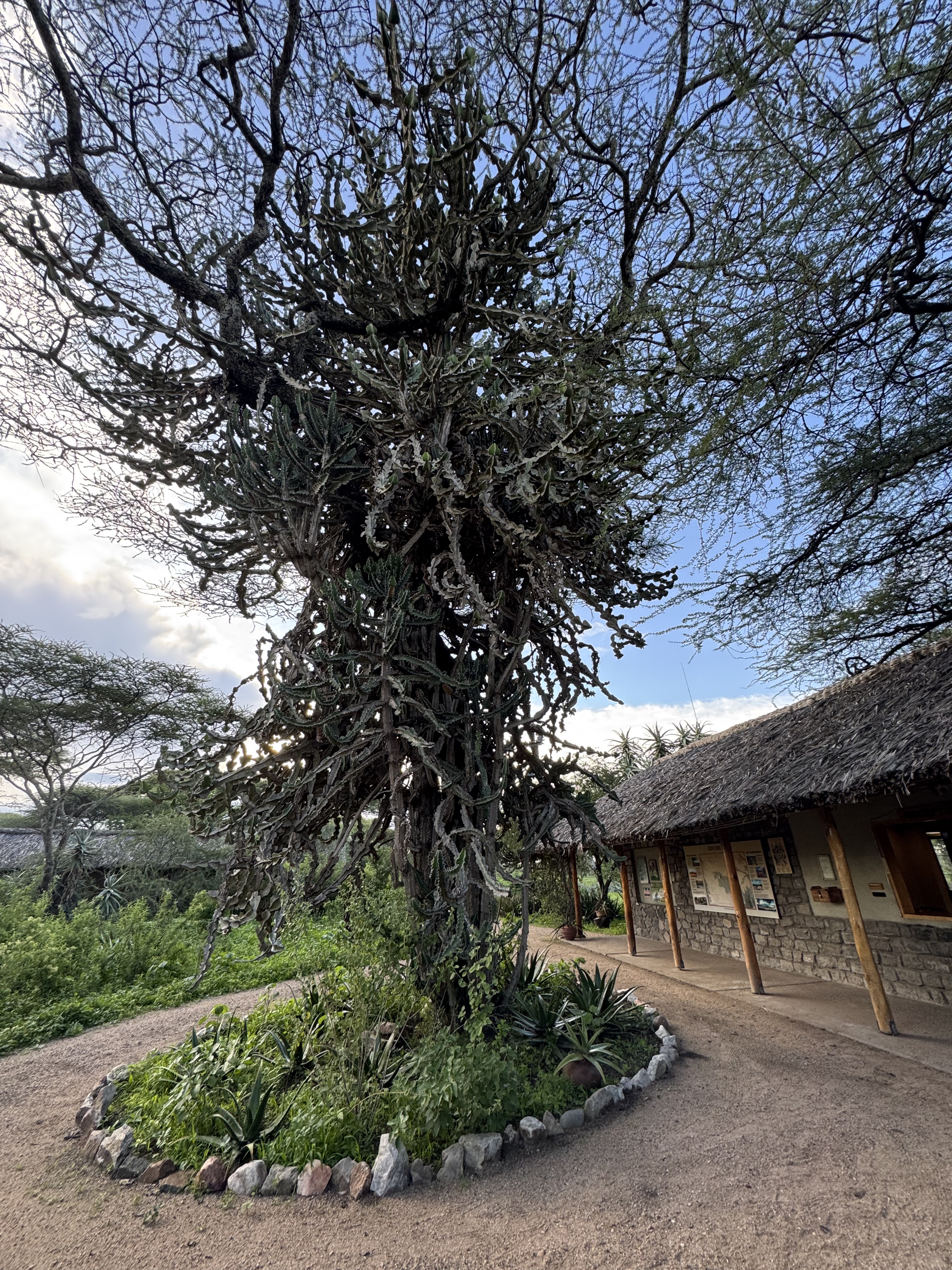
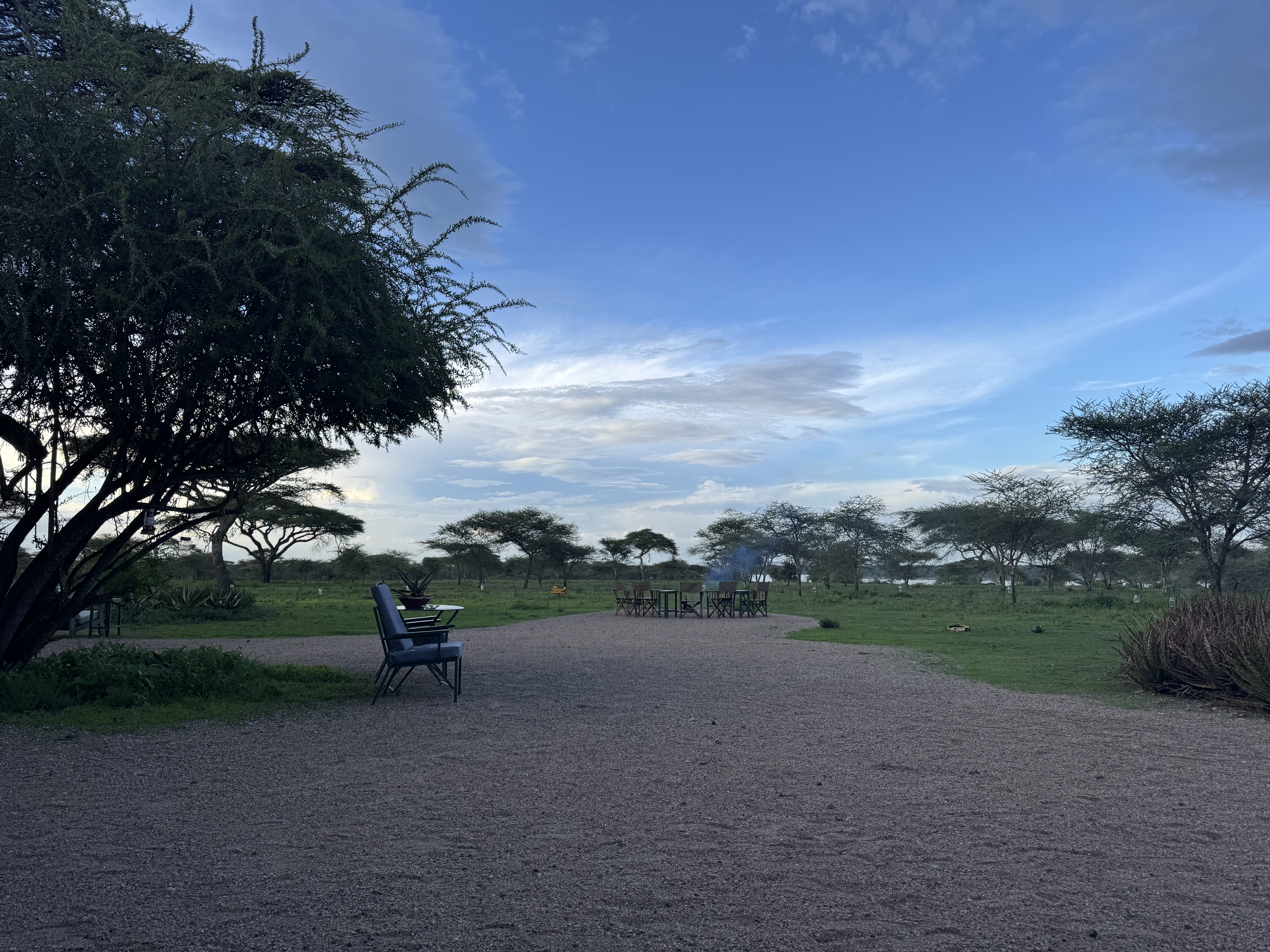
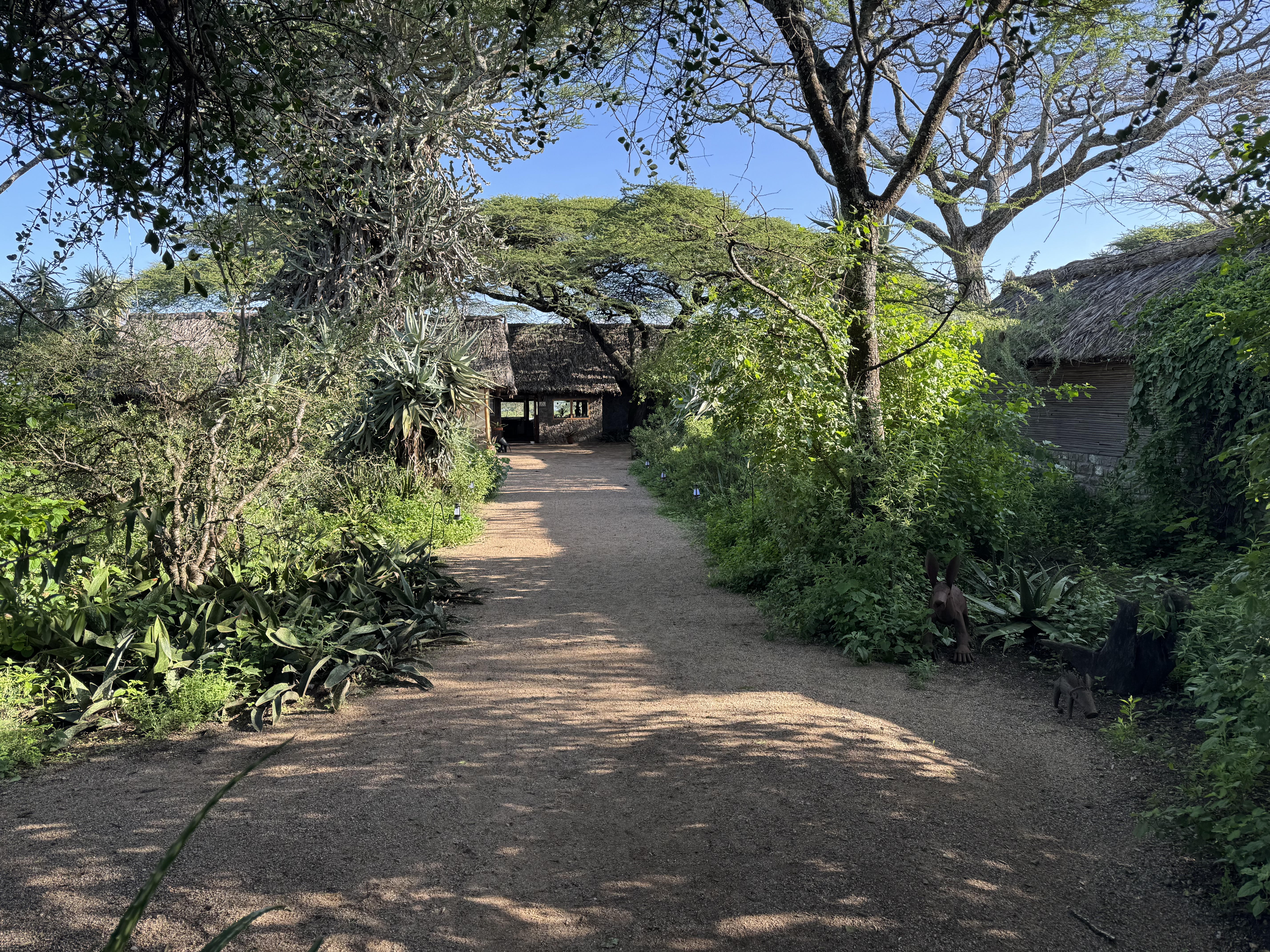
For the next two nights, we will be staying at Ndutu Lodge. This was my favorite lodge. The dining room and lodge area were all open to the outdoors. It had an amazing view. At night, we needed to be escorted to our hut by security due to animals roaming near the lodge.


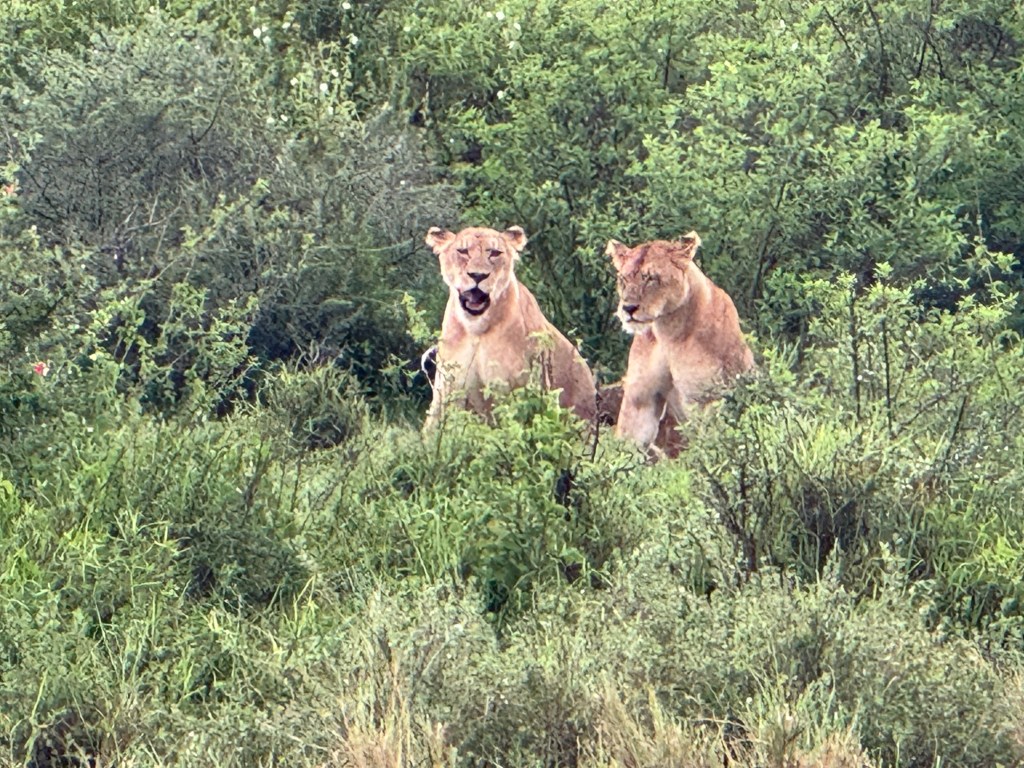
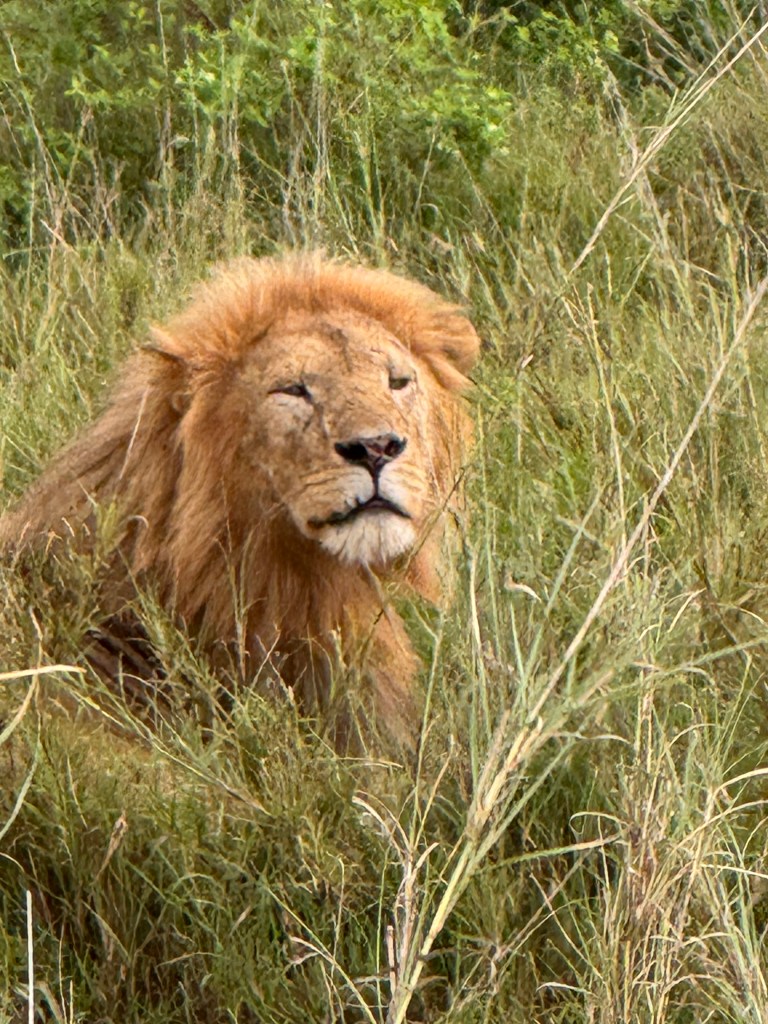
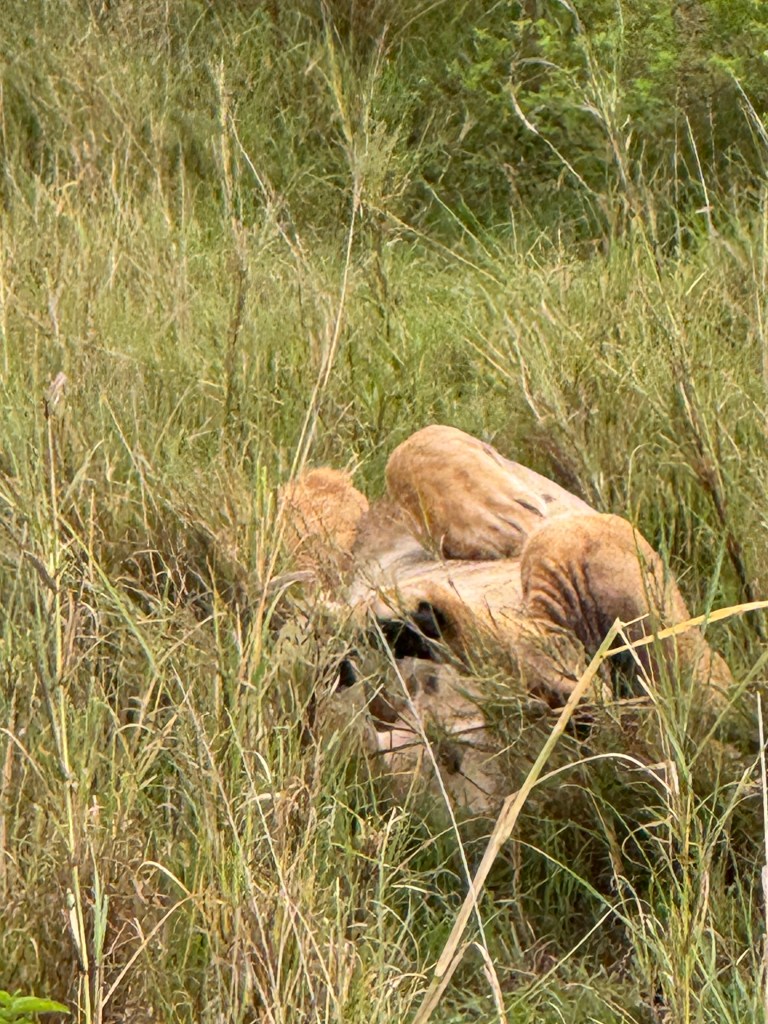
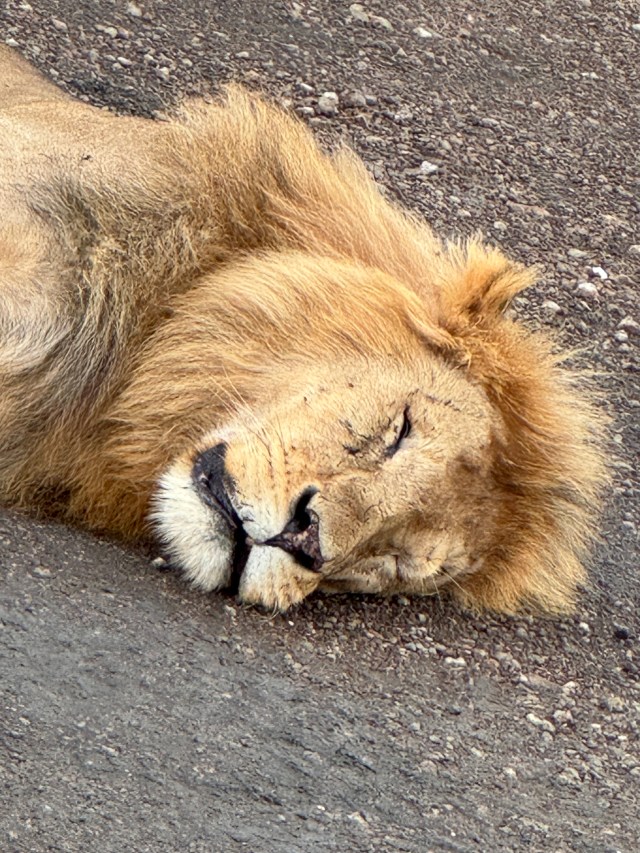
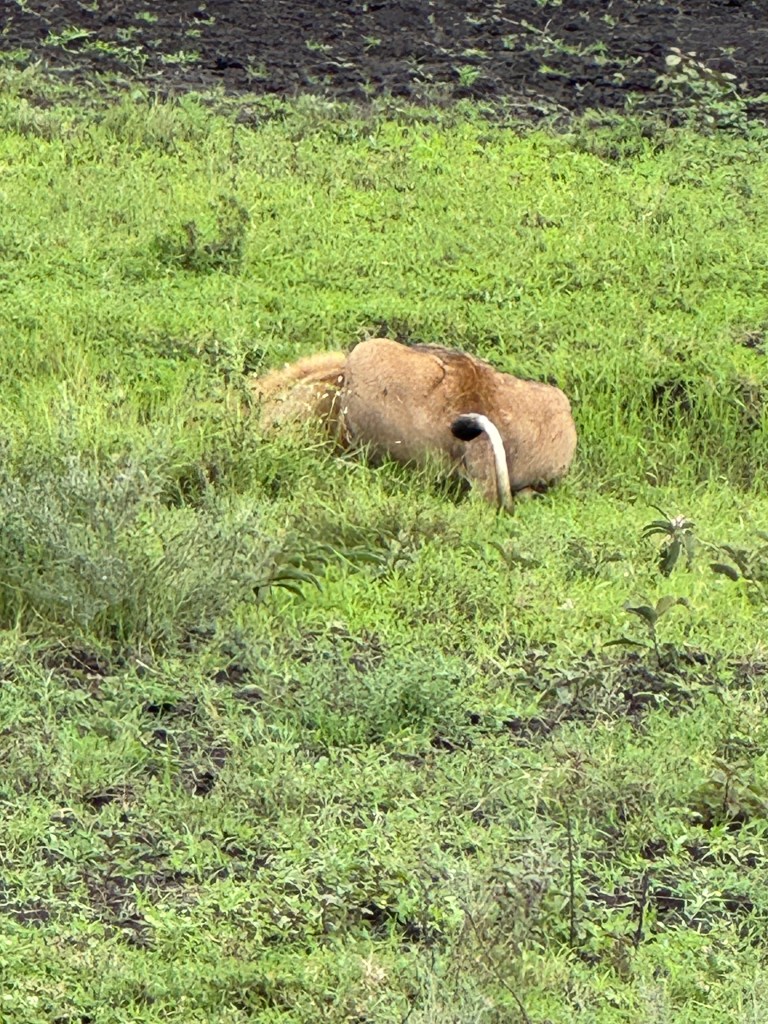
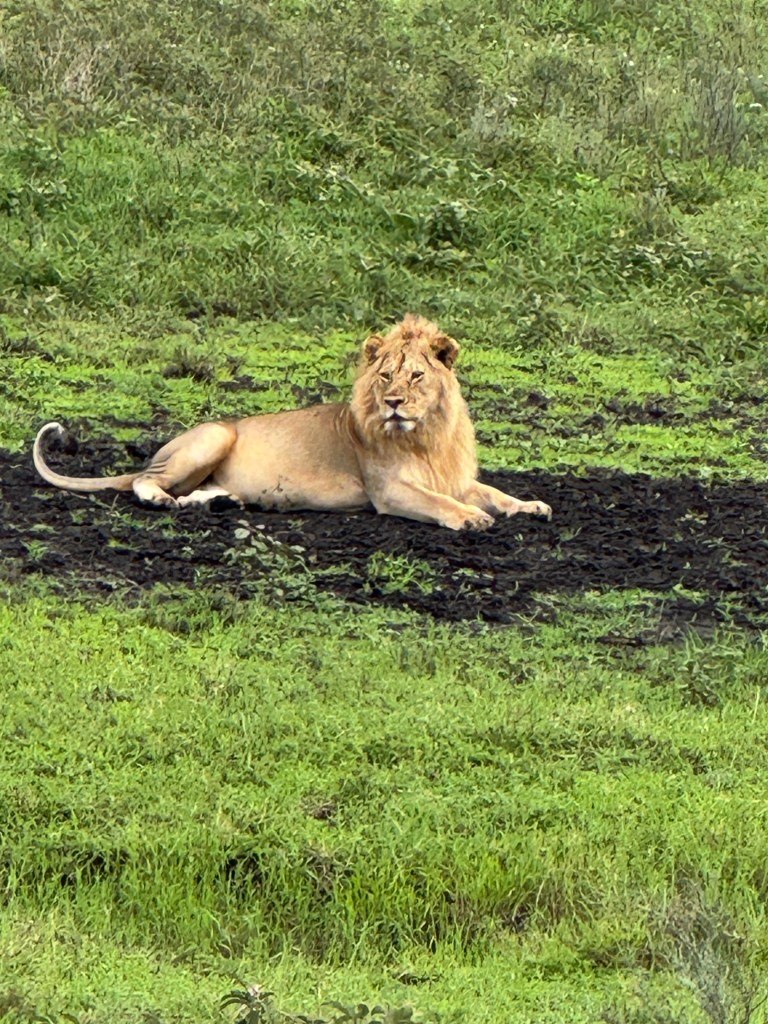
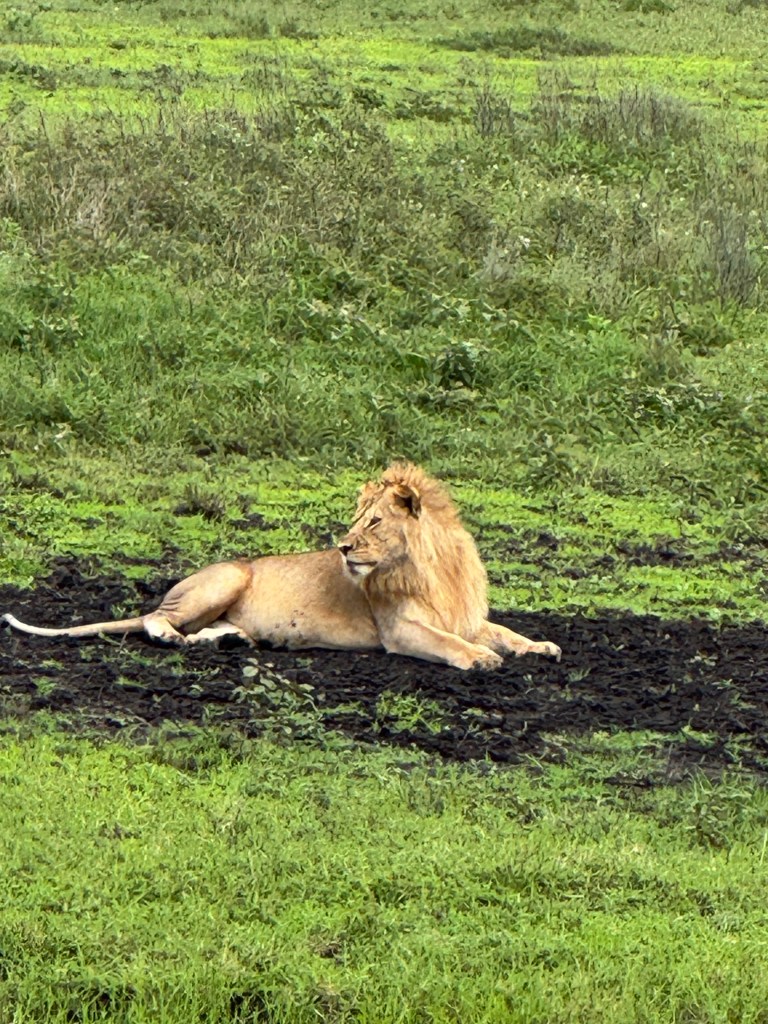
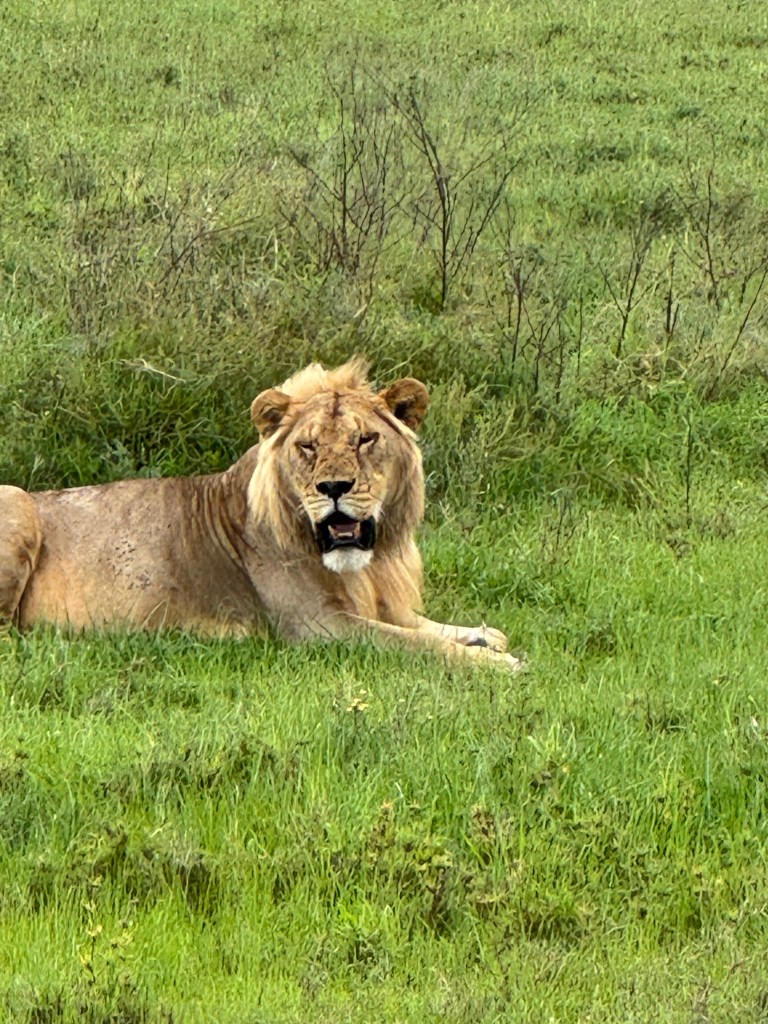
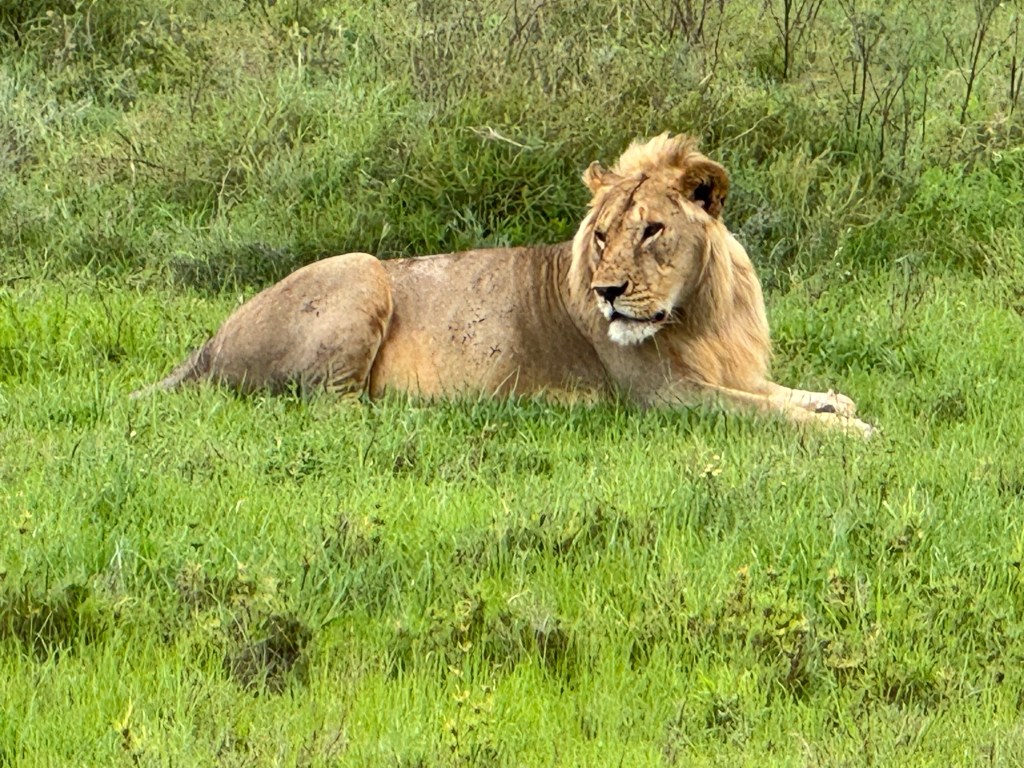
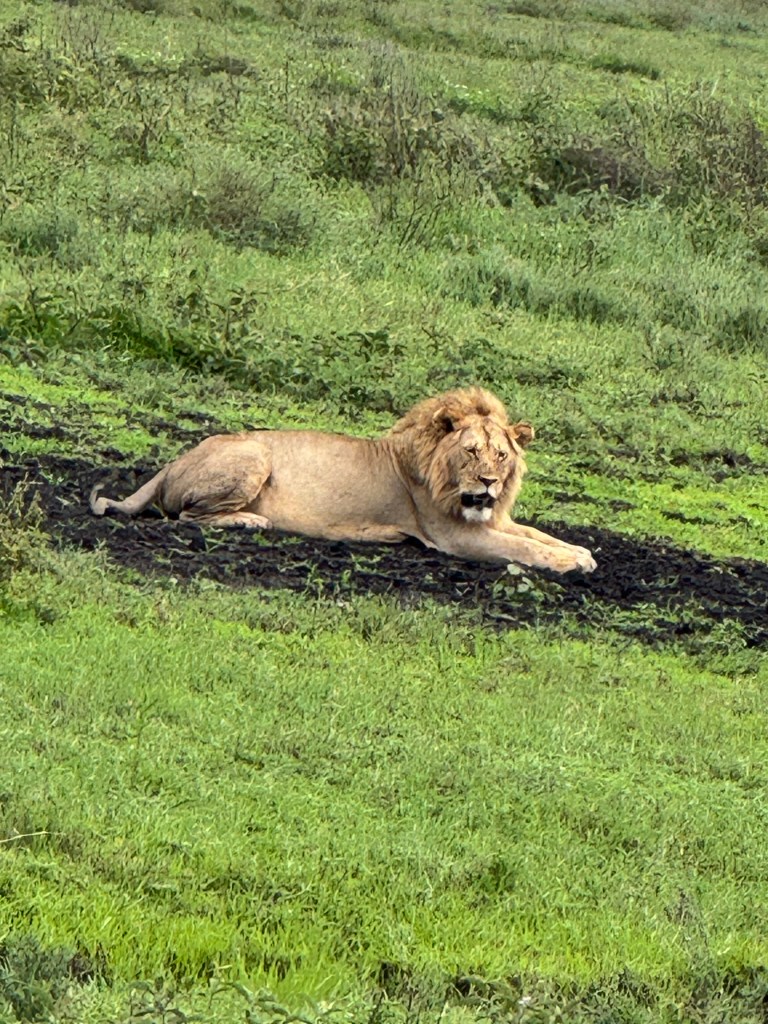
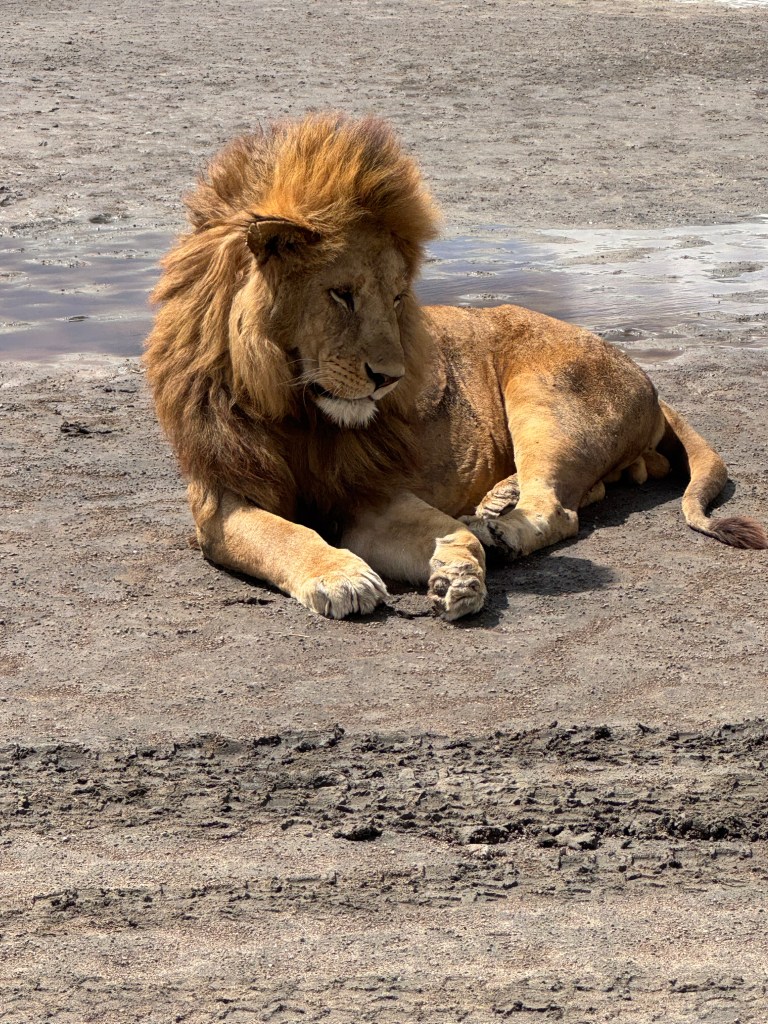
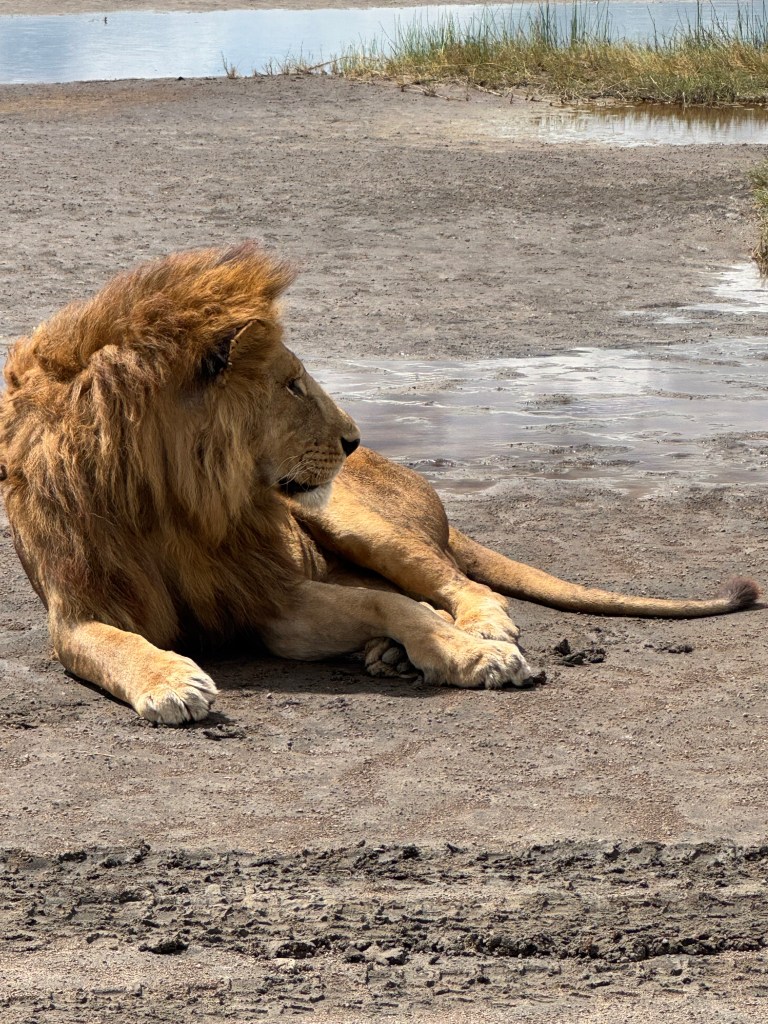
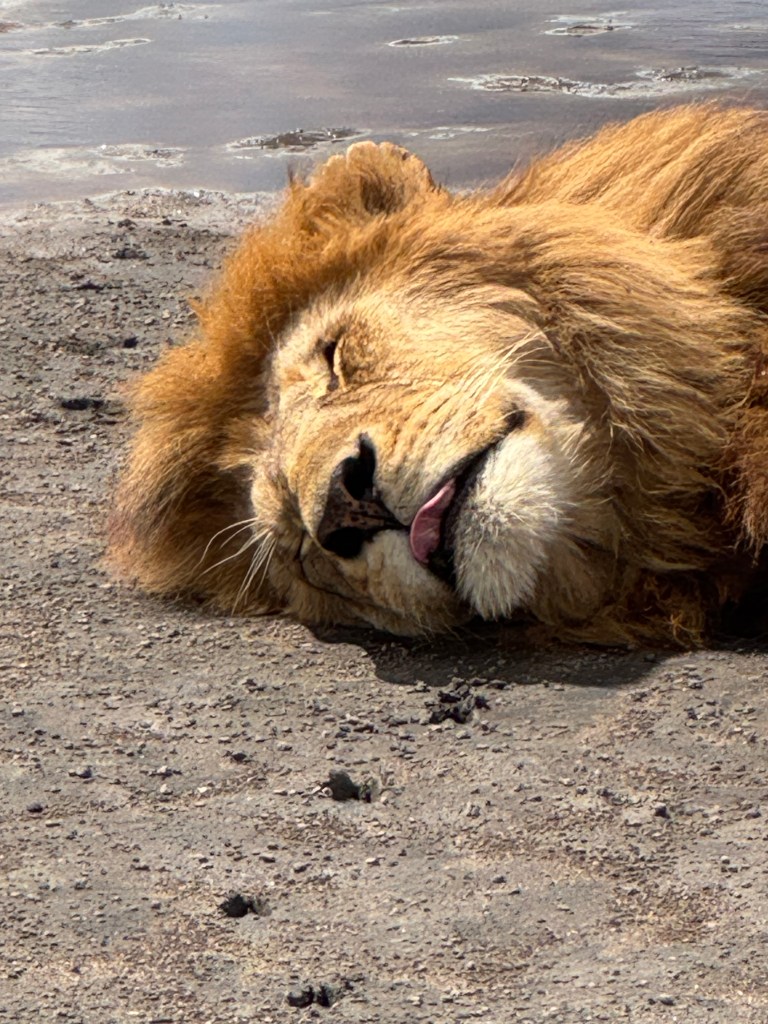
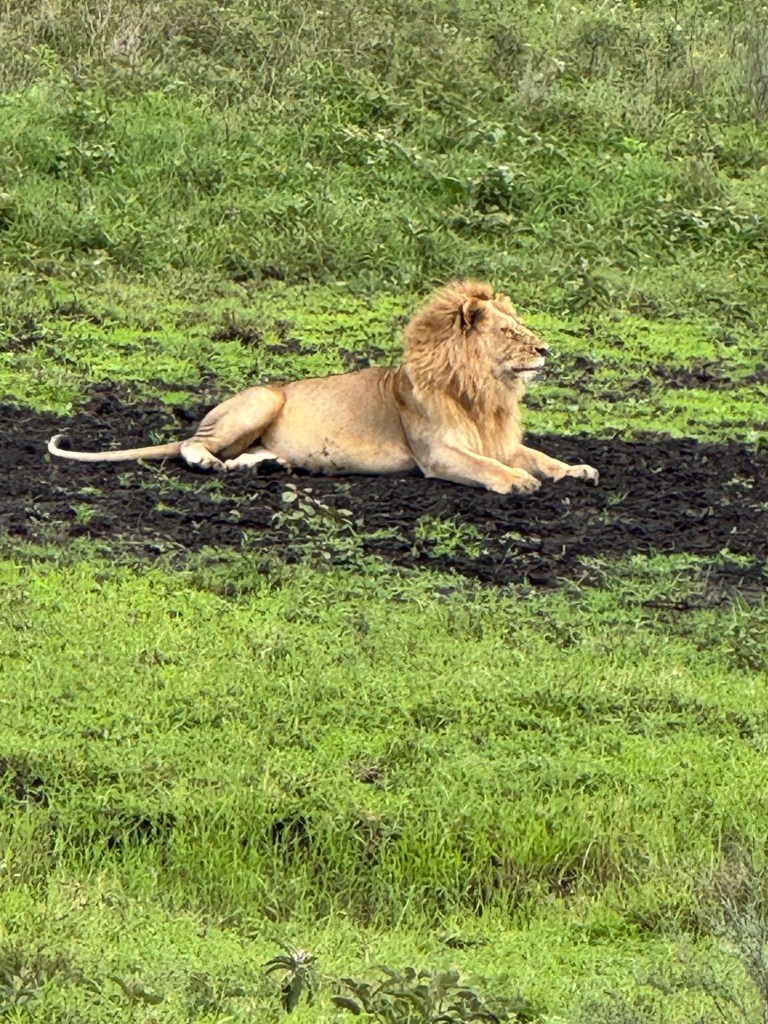
A quick late afternoon safari provided us some time to observe a lazy pride of lions sleeping in the grass along the edge of a wooded area and then snoozing on the beach while some young wandered nearby. It was obvious from their full stomachs that they had eaten well today.
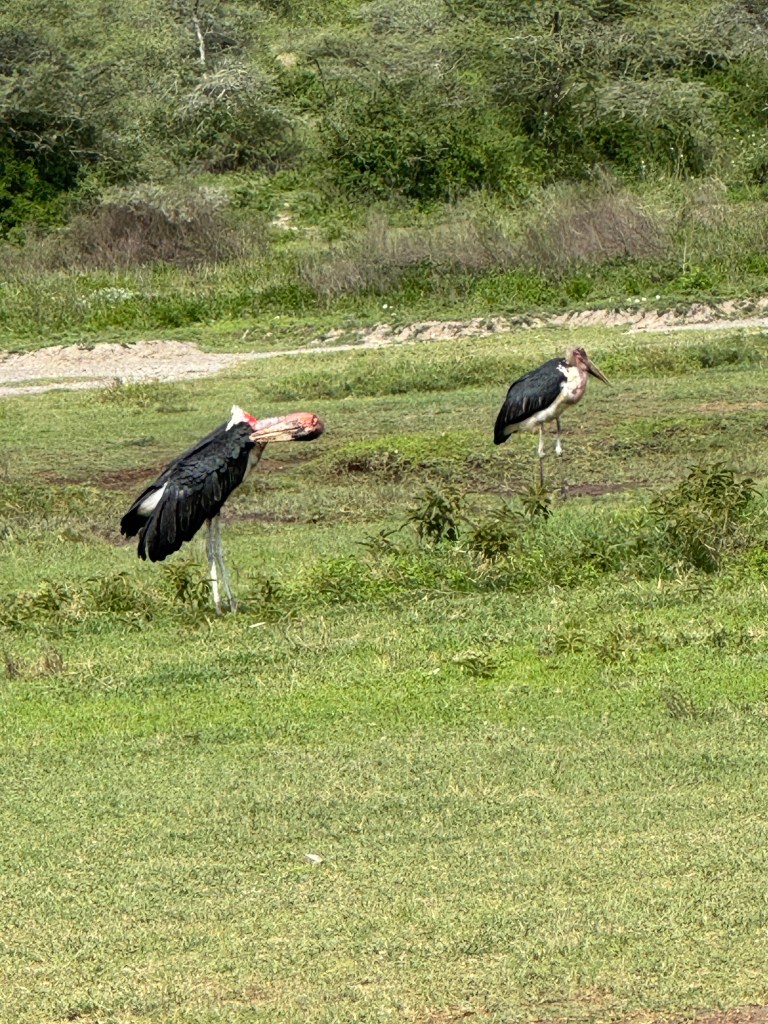
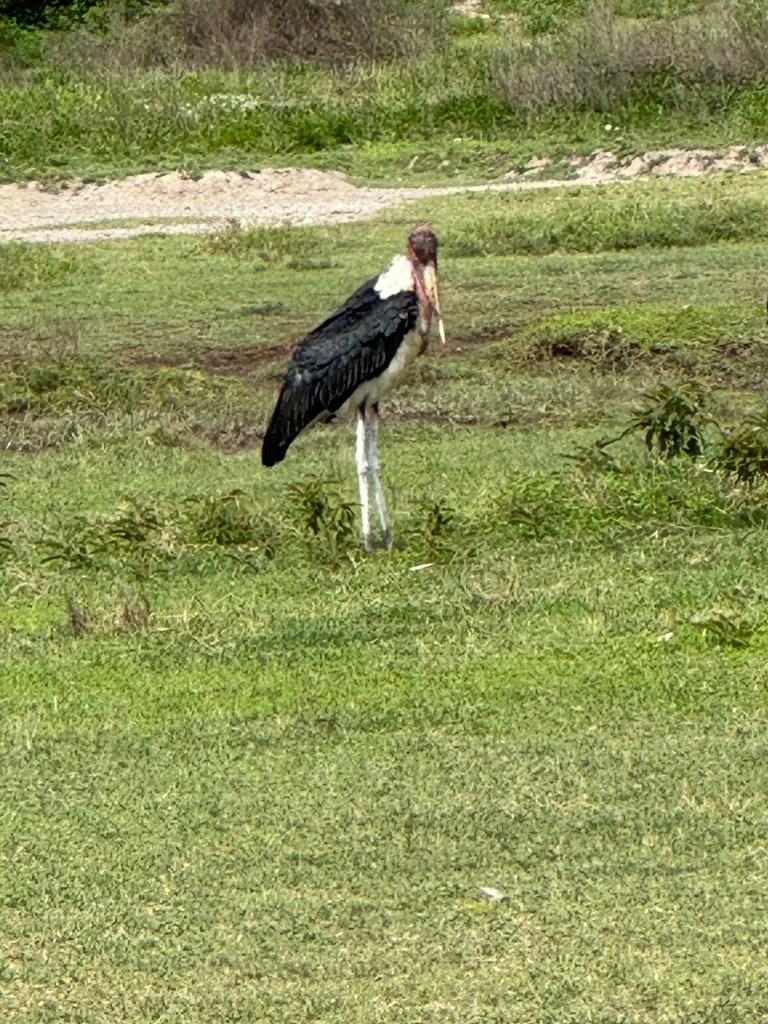
A drive near the lake provided viewing of flamingoes, pelicans, and marabou storks feeding in the late afternoon sun. We saw some hippopotamuses floating in the water and snoozing in the sun. Elephants and gazelle crossed our path when driving through the savannah woodlands. We had to wait to pass while a herd of wildebeest crossed the lake. Another complete safari day viewing animals.

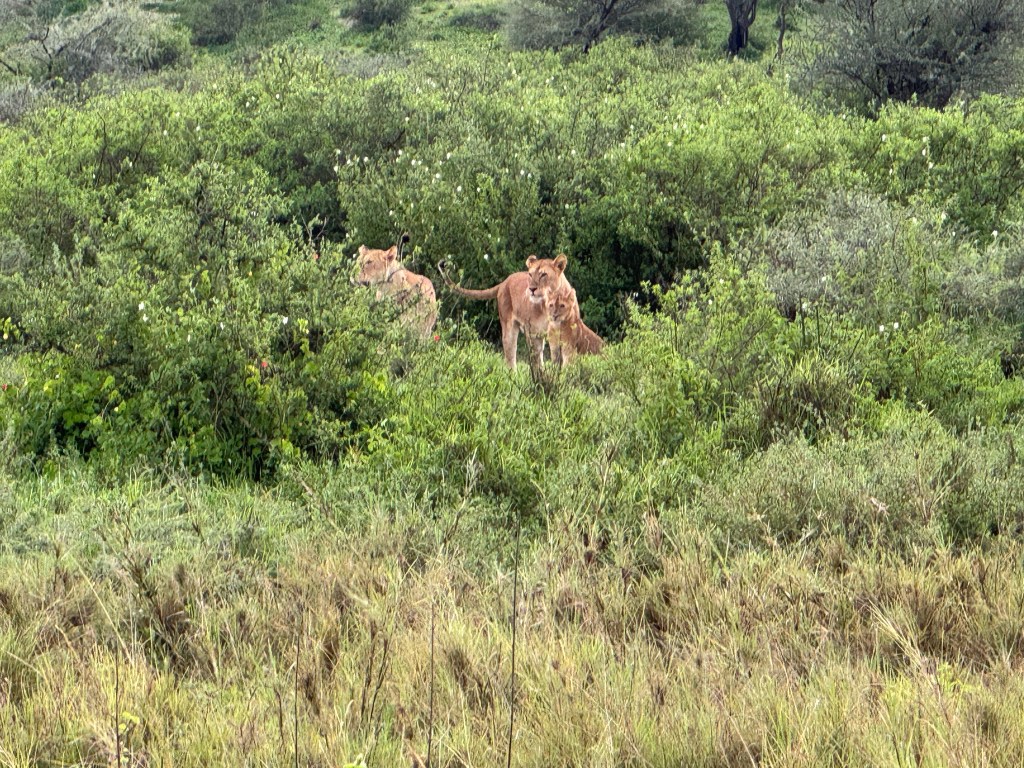

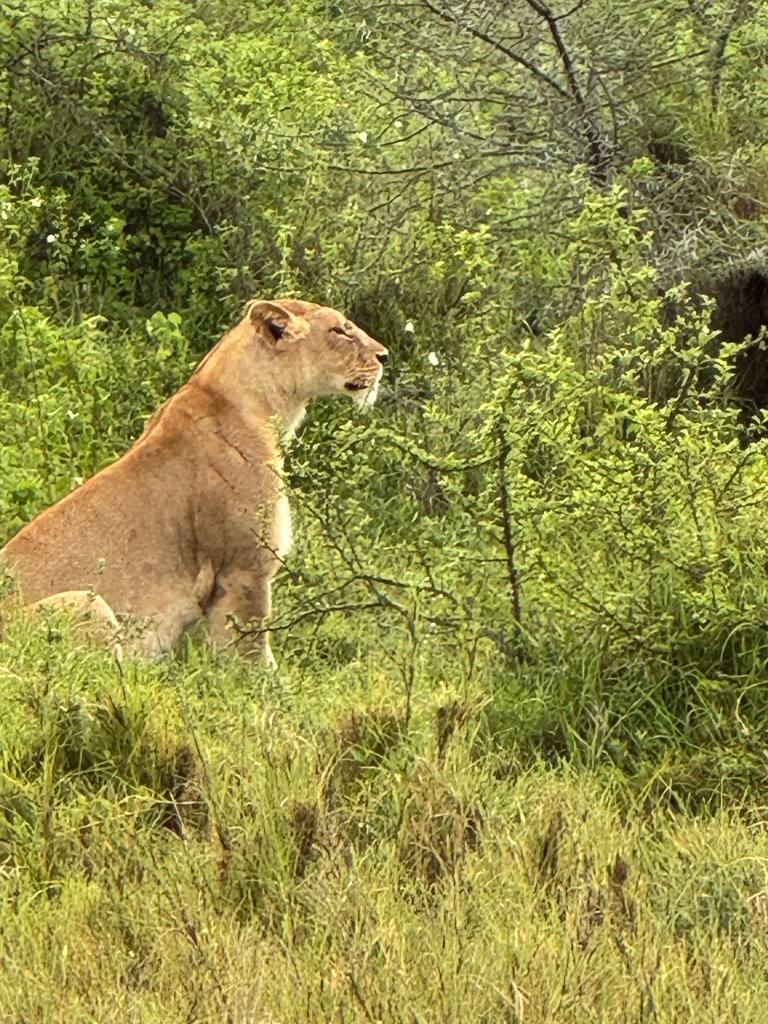
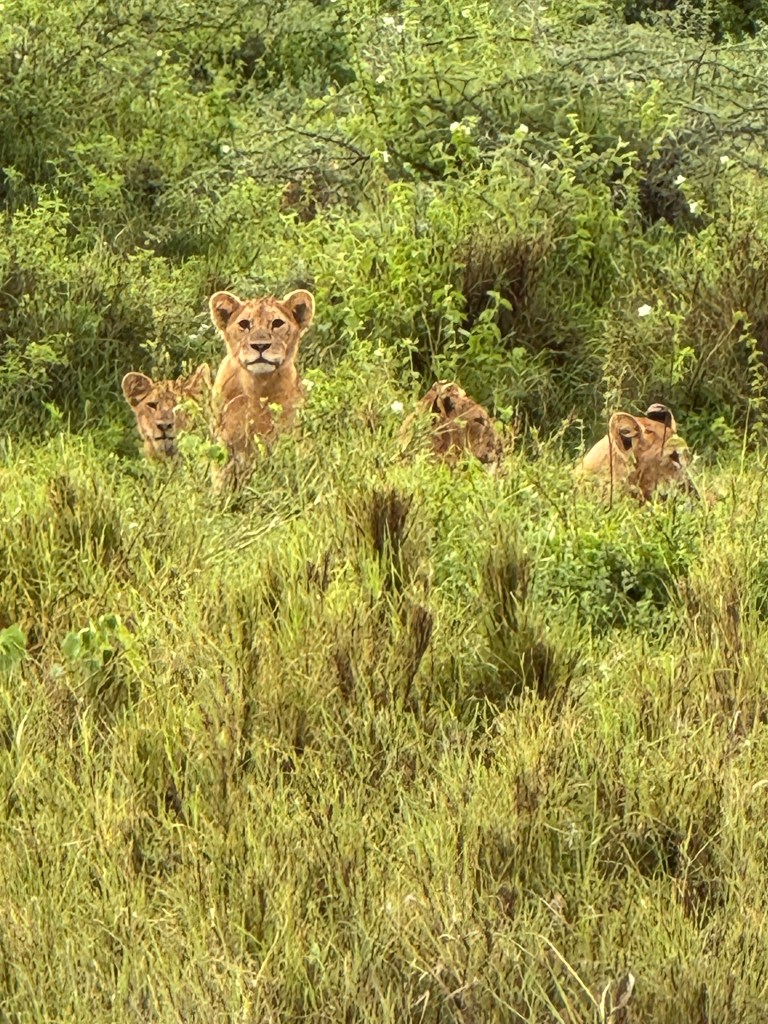
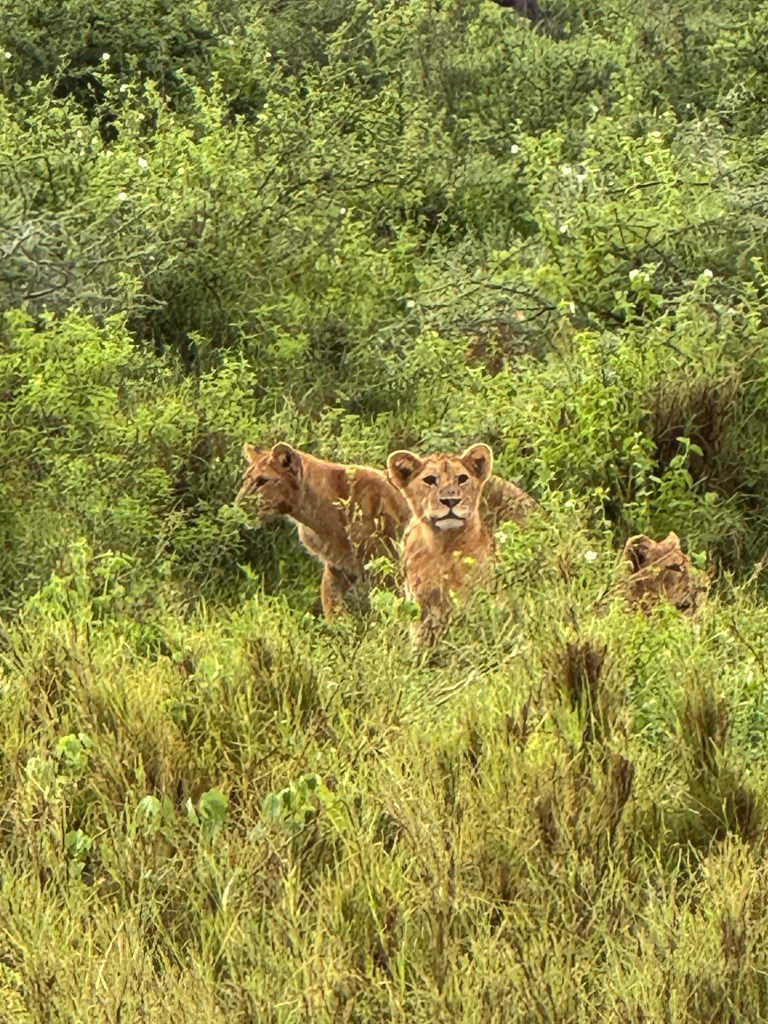
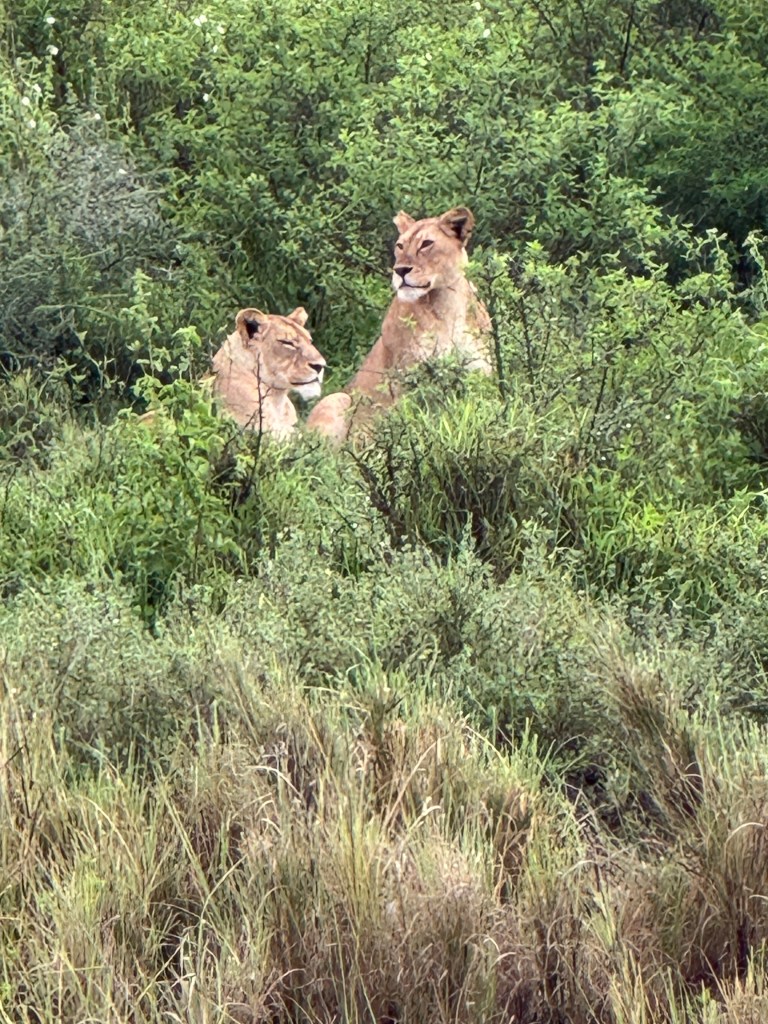
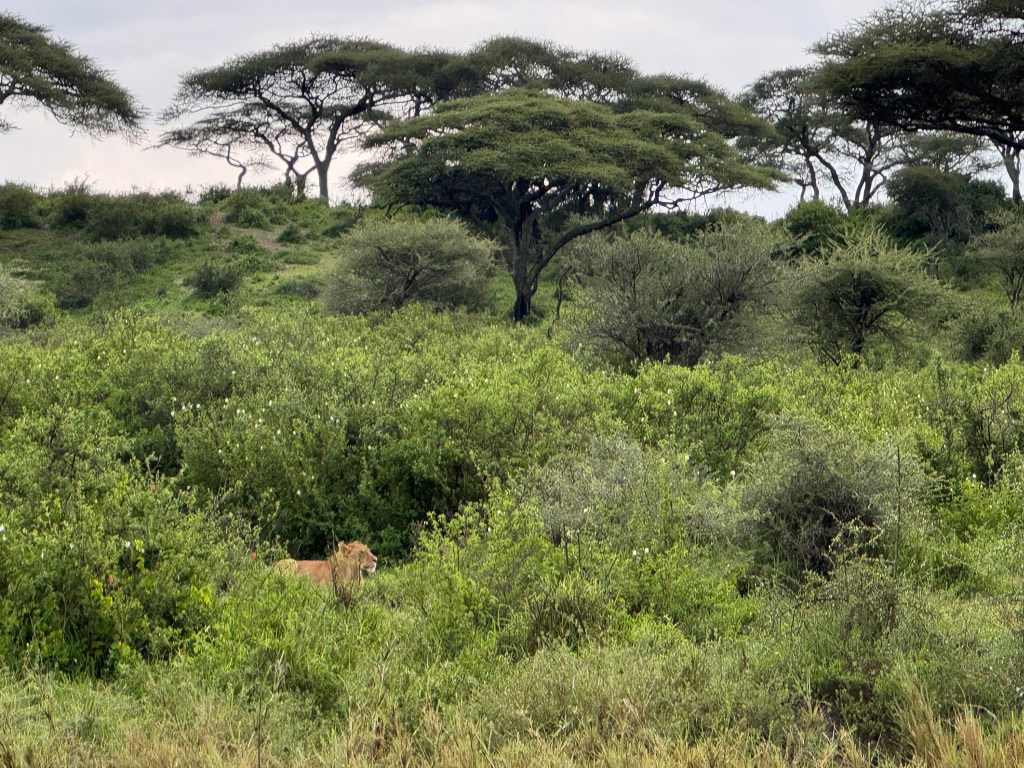

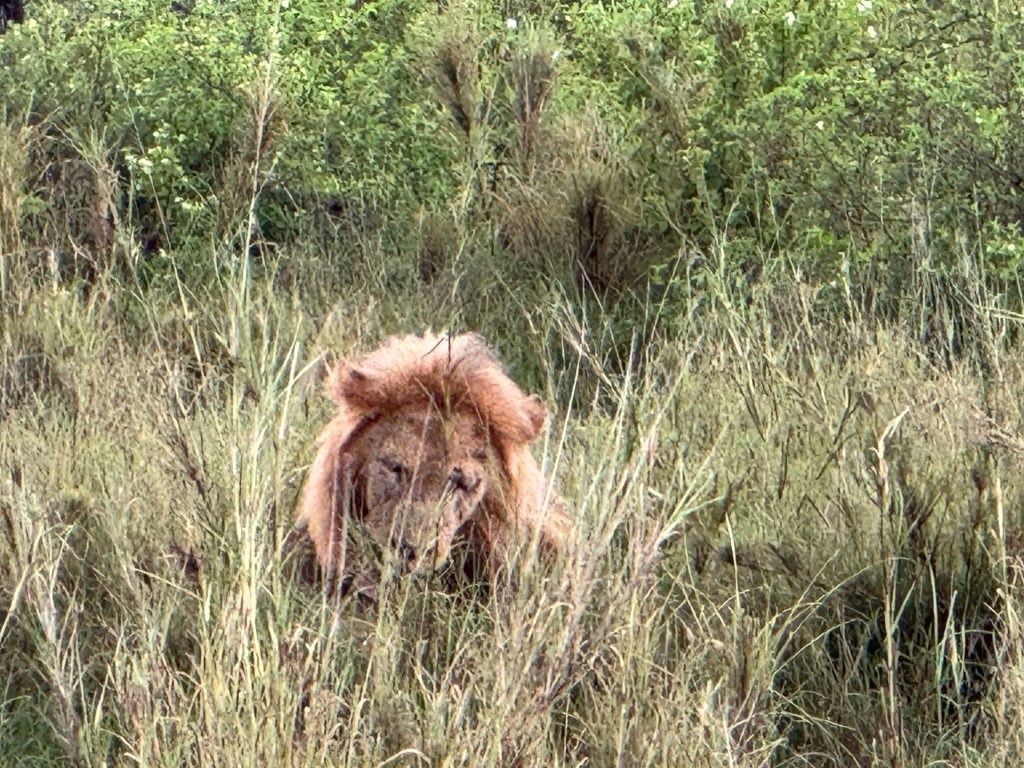
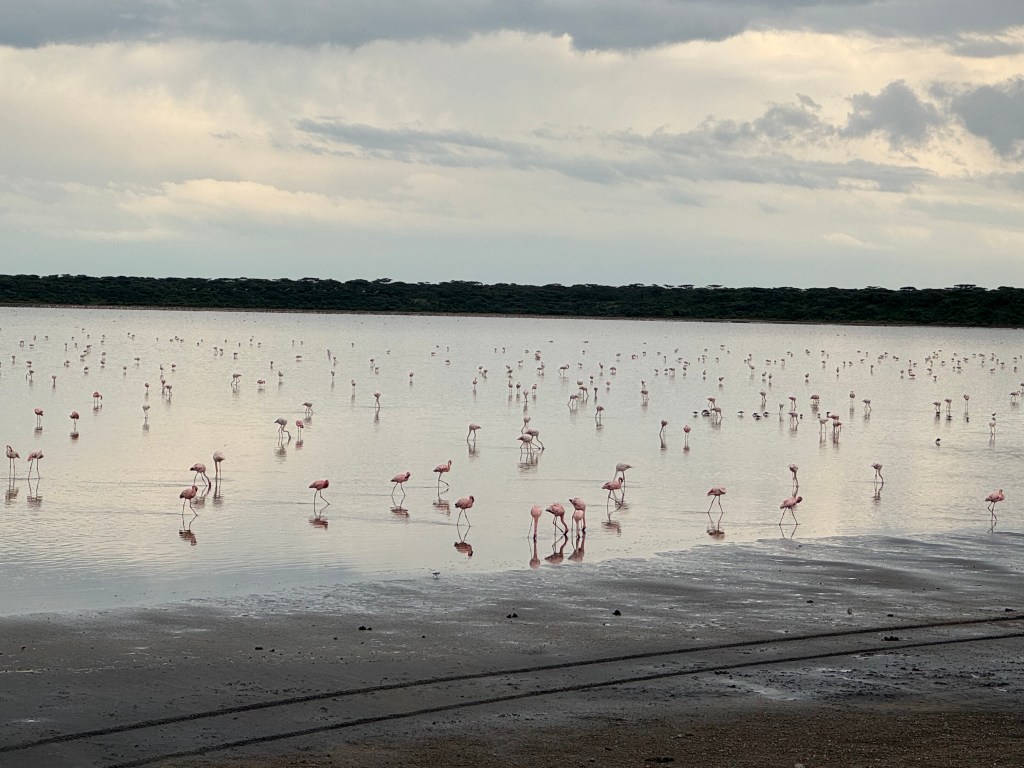

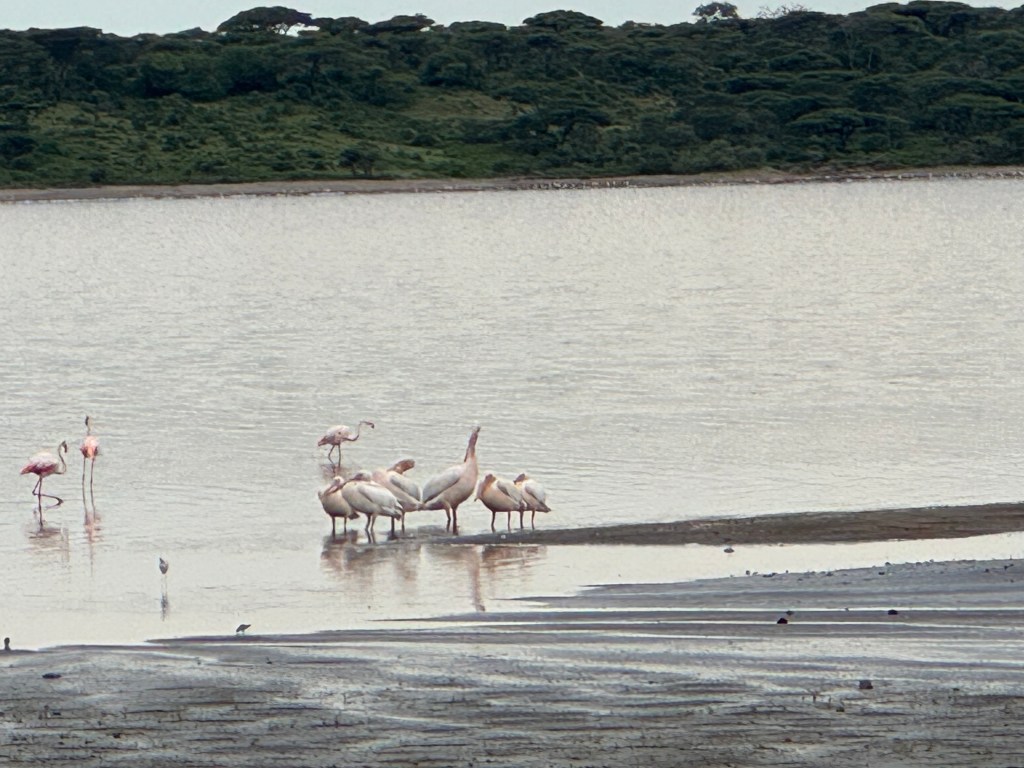
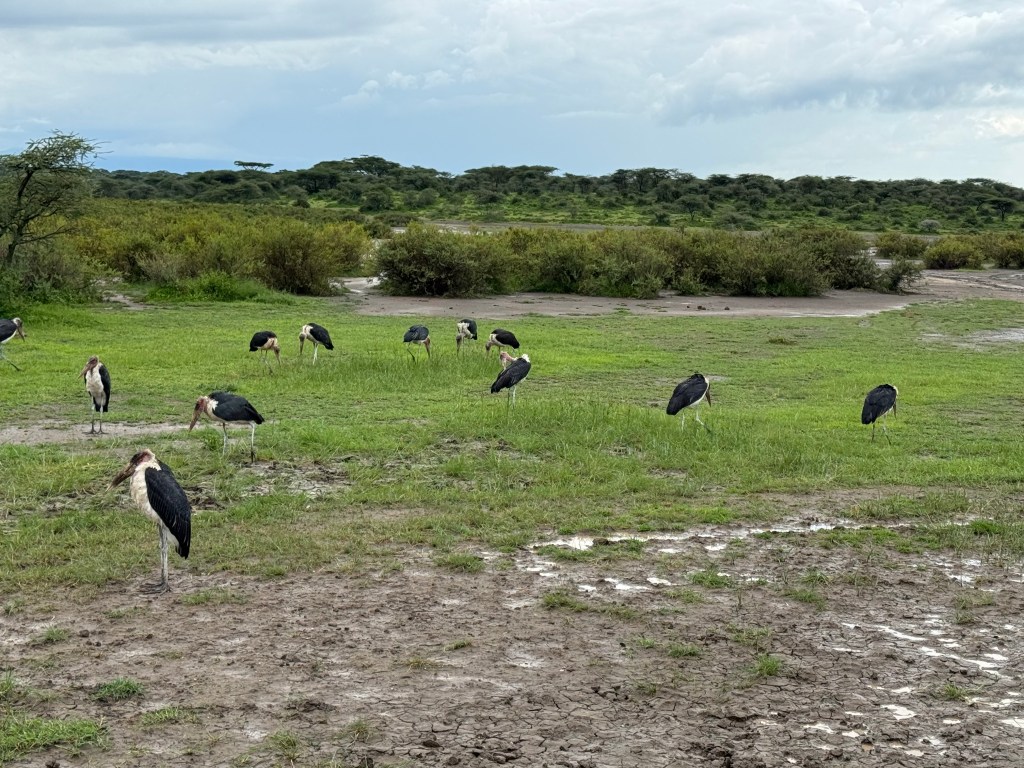
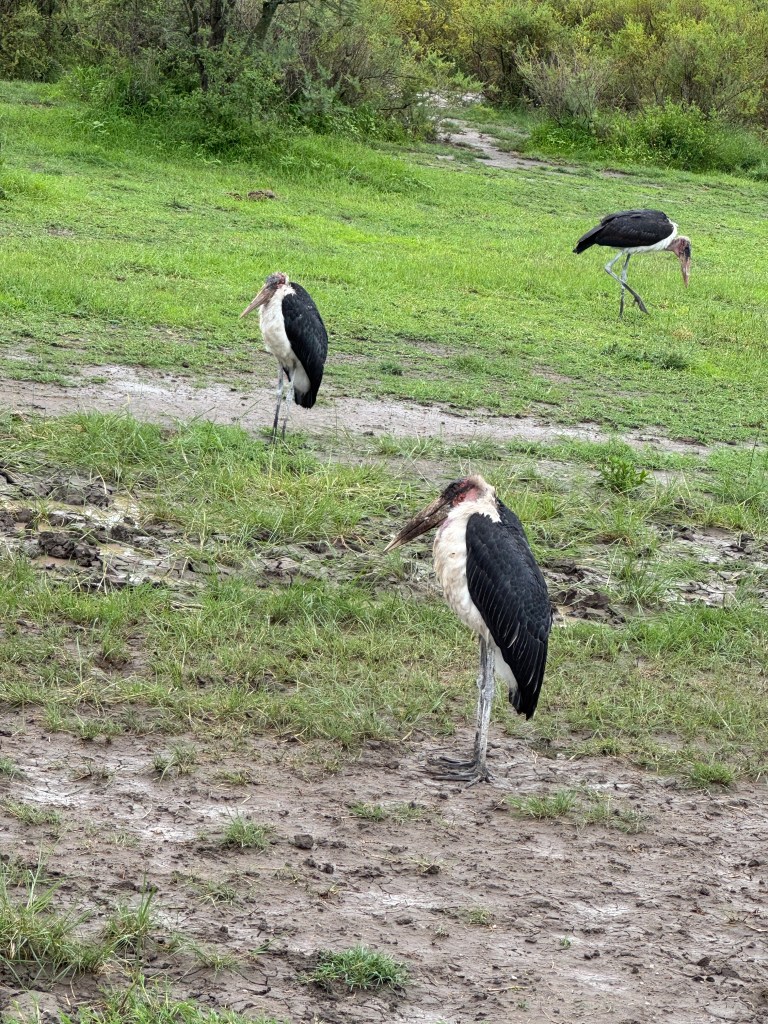

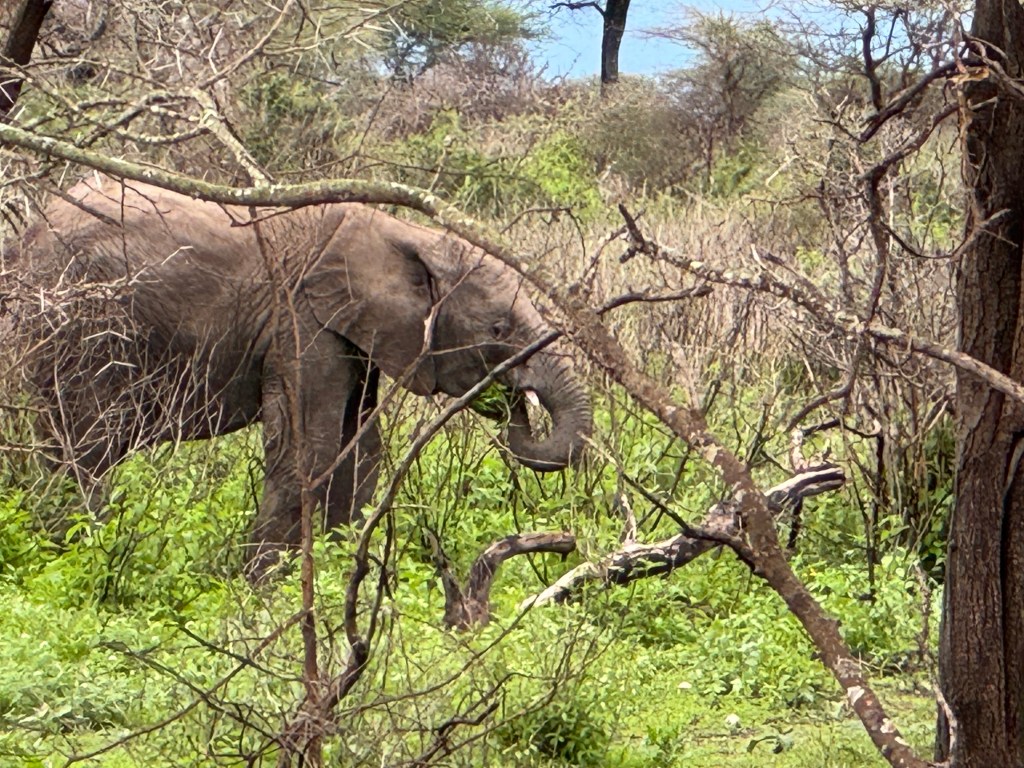

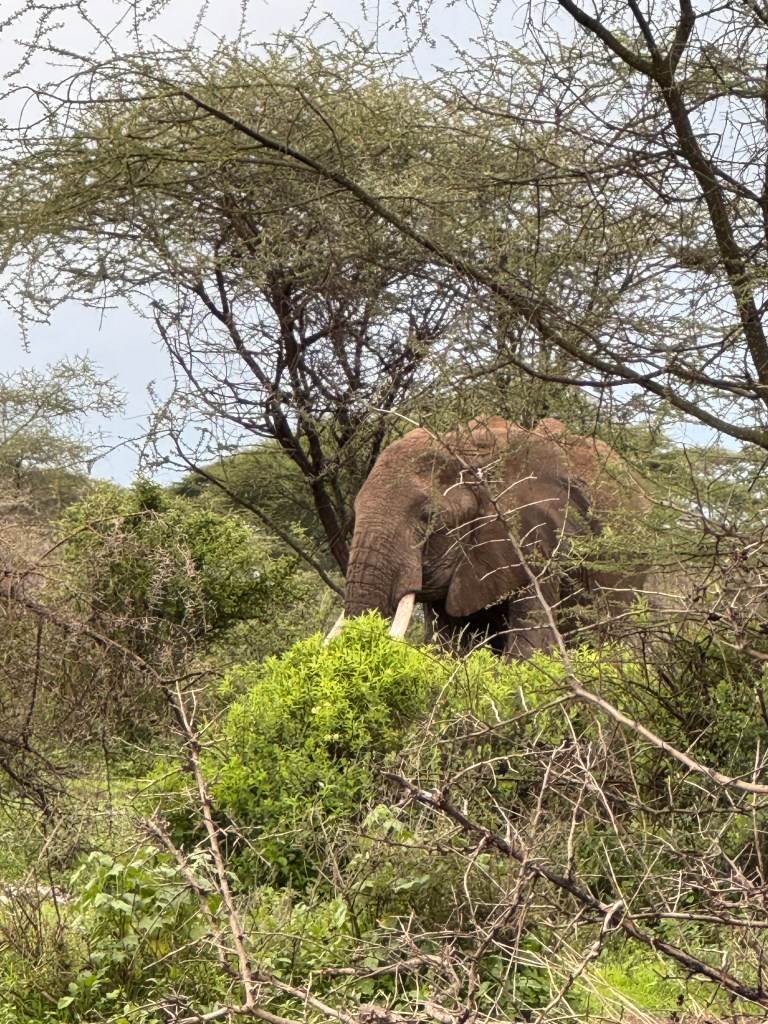
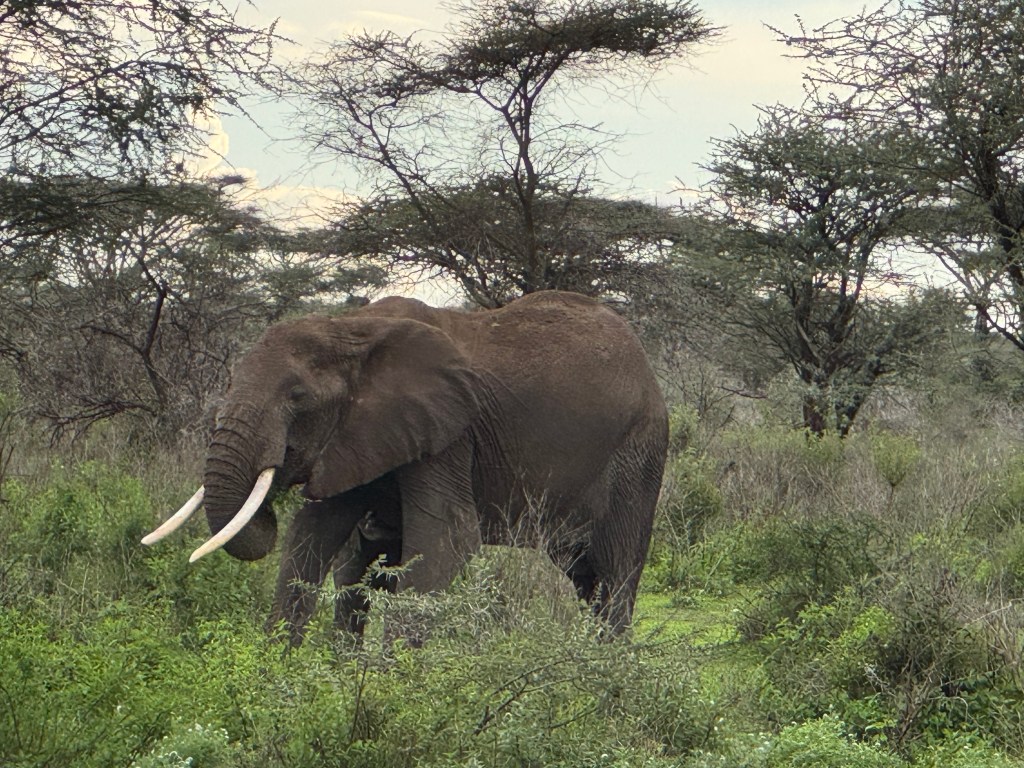

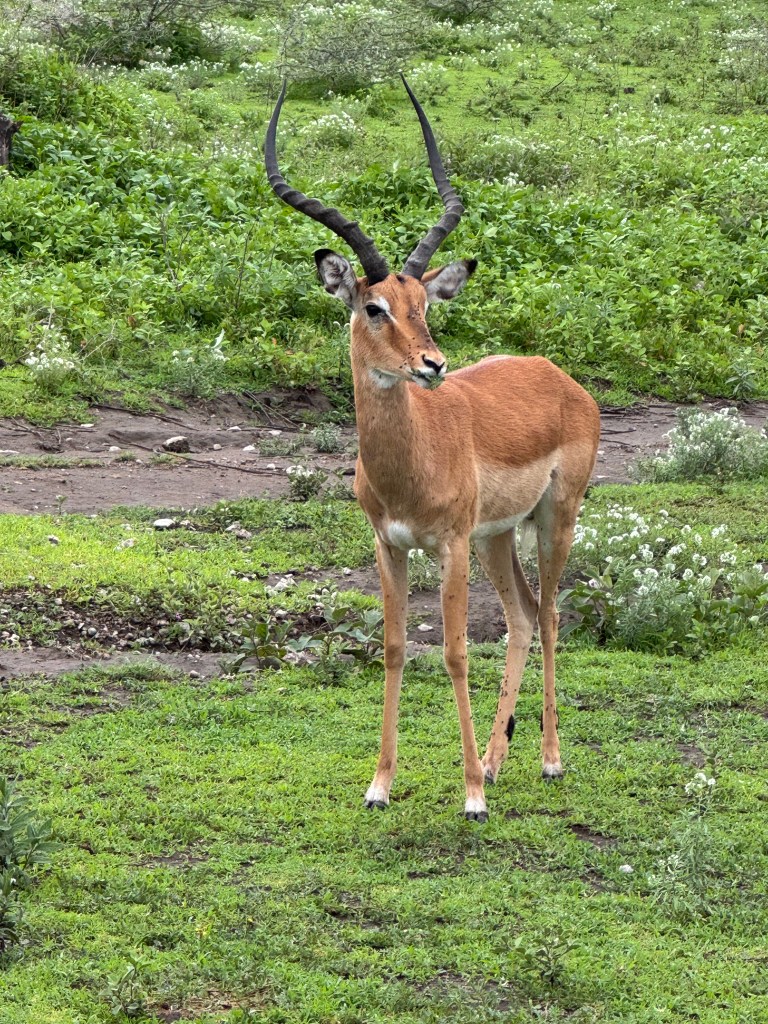


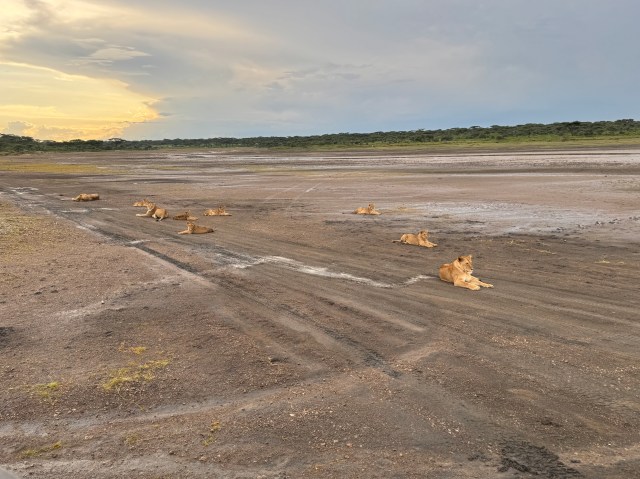
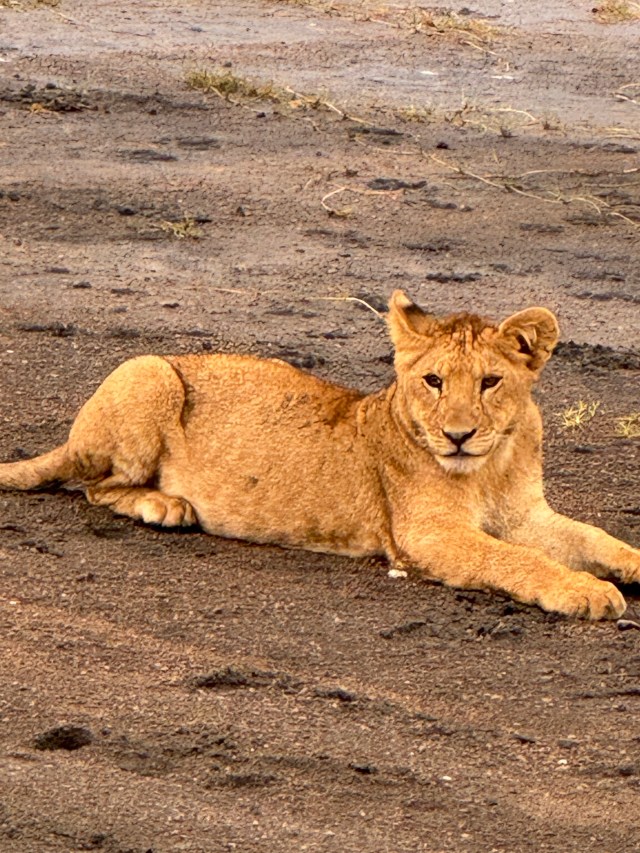
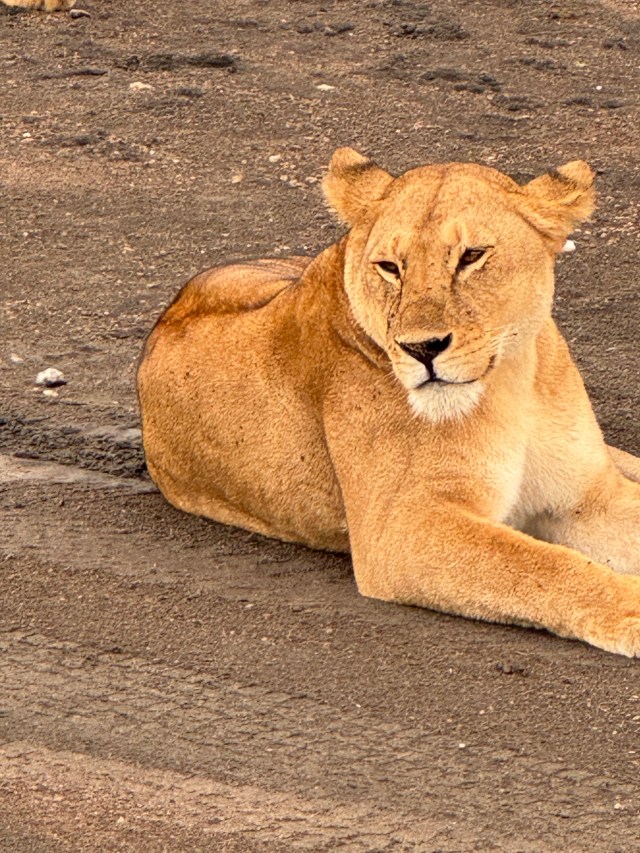
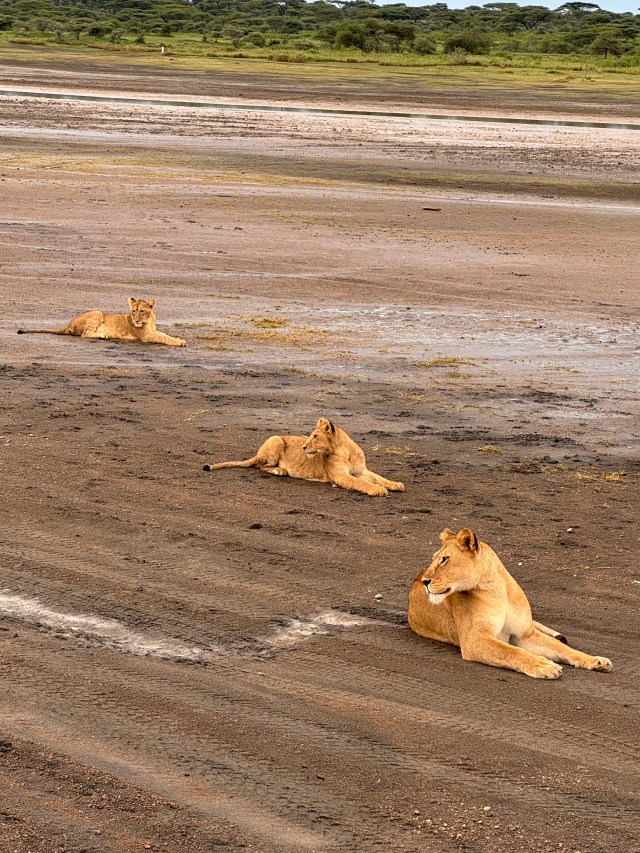


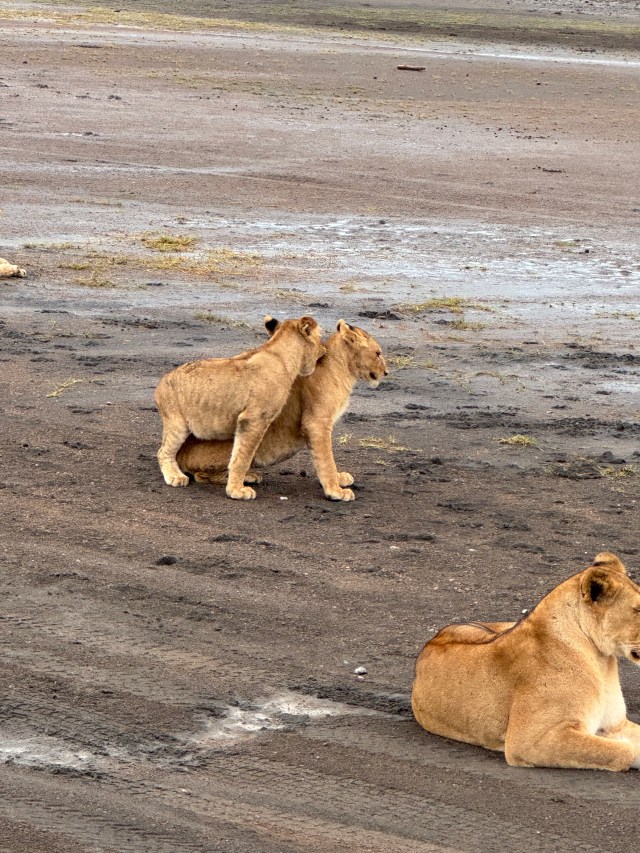




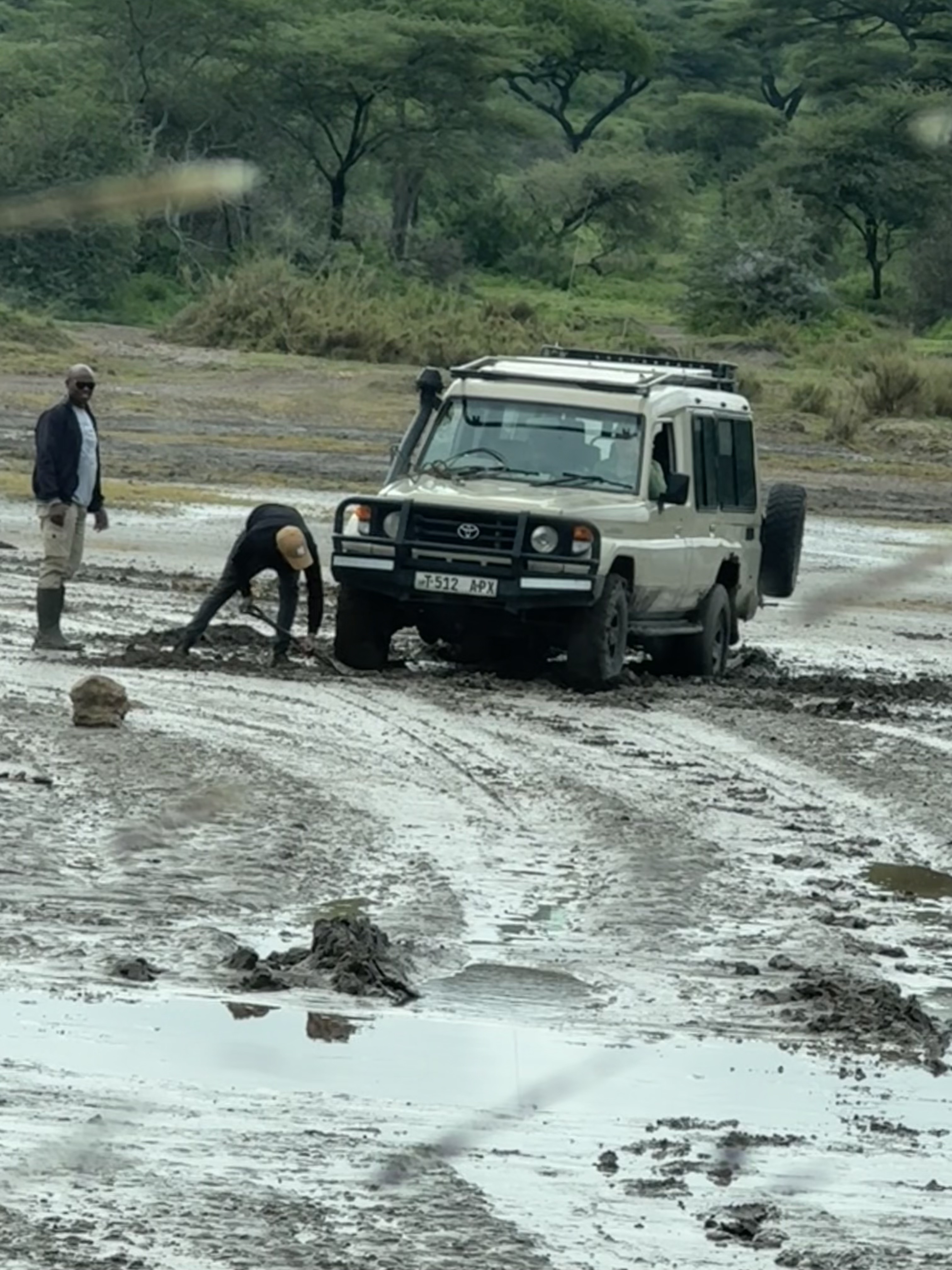
December 15 – full-day safari across the Ndutu Plains. Today, we were up early, ate breakfast, and selected food items so the staff could pack our lunch. Then we are off on safari through the savanna, past a lake, and on the edge of a savanna forest. It had rained during the night, so the lake had made the road difficult to pass. We did not get stuck, but other vehicles were not so lucky. Our driver helped the other vehicle get unstuck. Always good to help others because you never know when you may need some help. You could tell guides and drivers worked together. They shared locations of good animal sightings and were very friendly to each other.
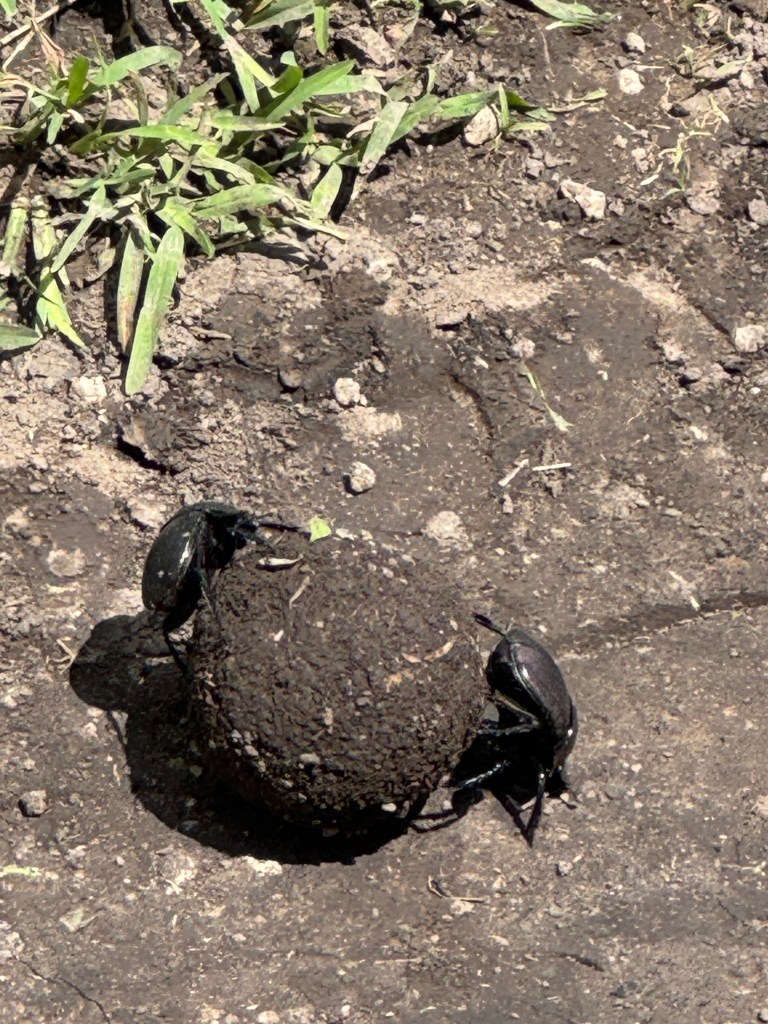
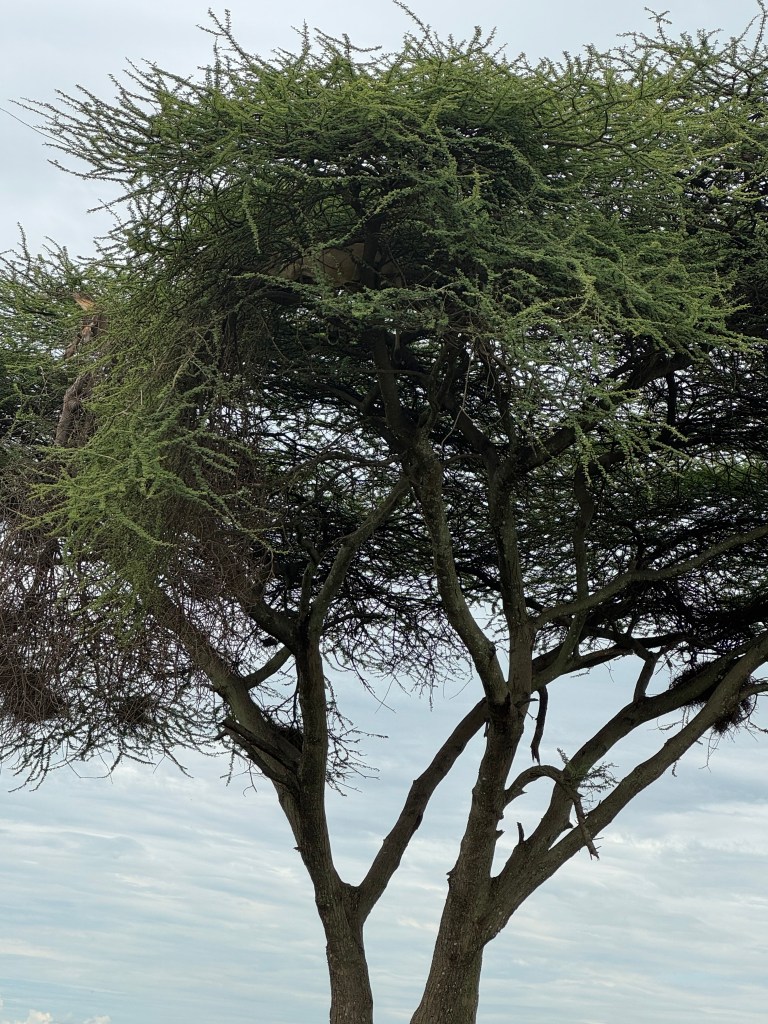
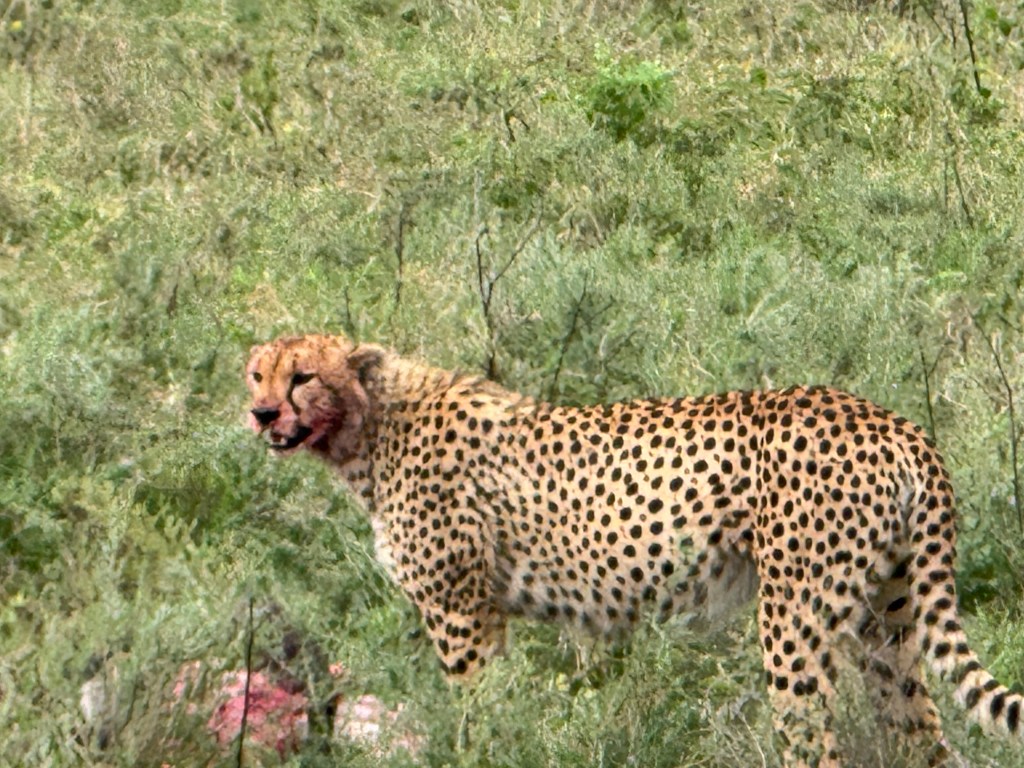
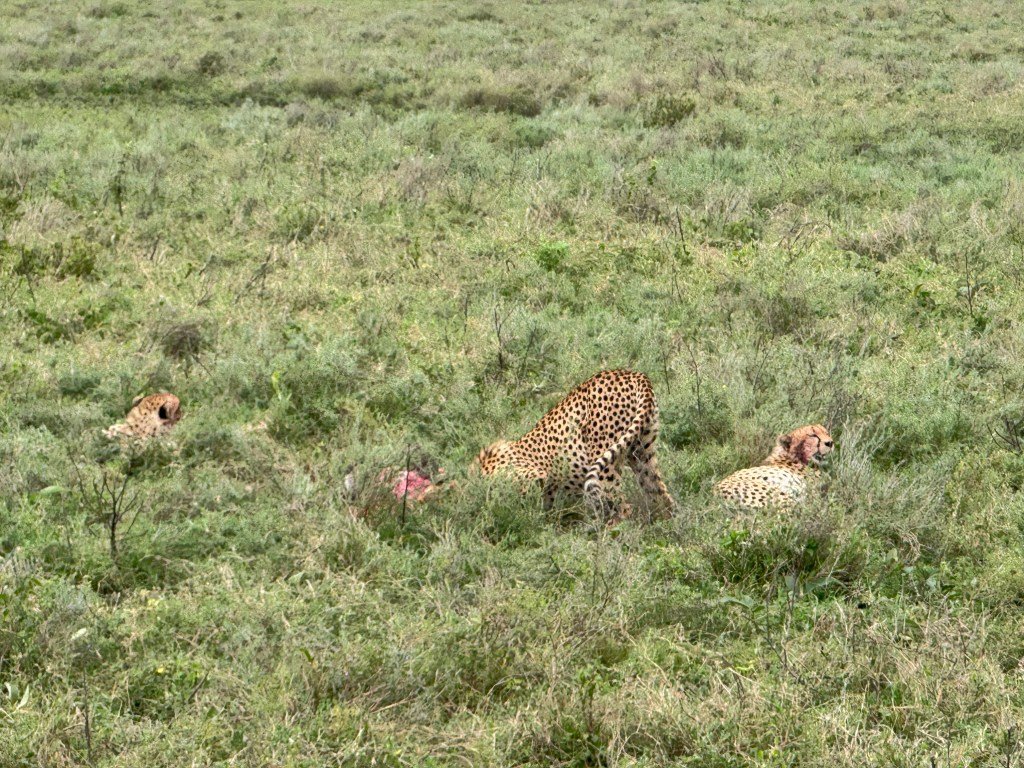
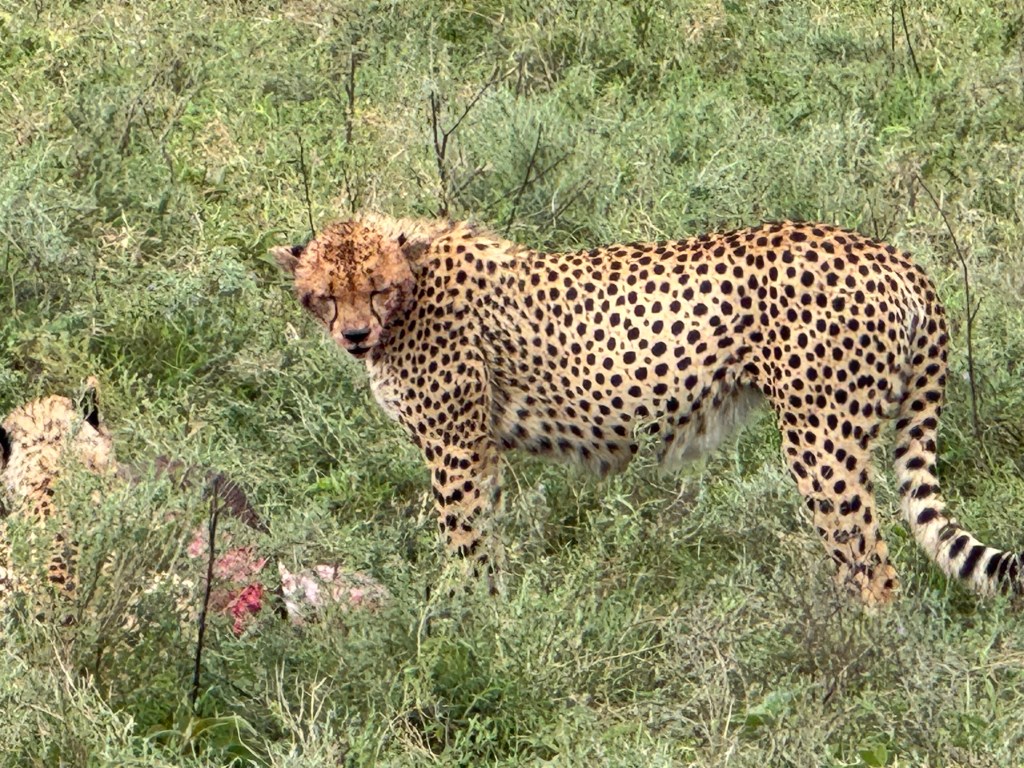
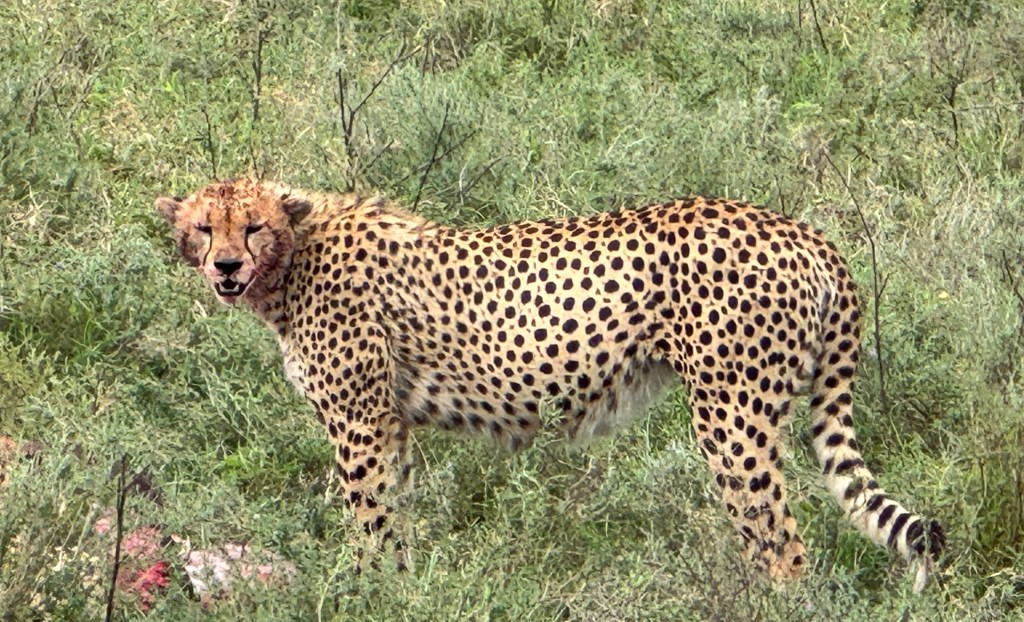
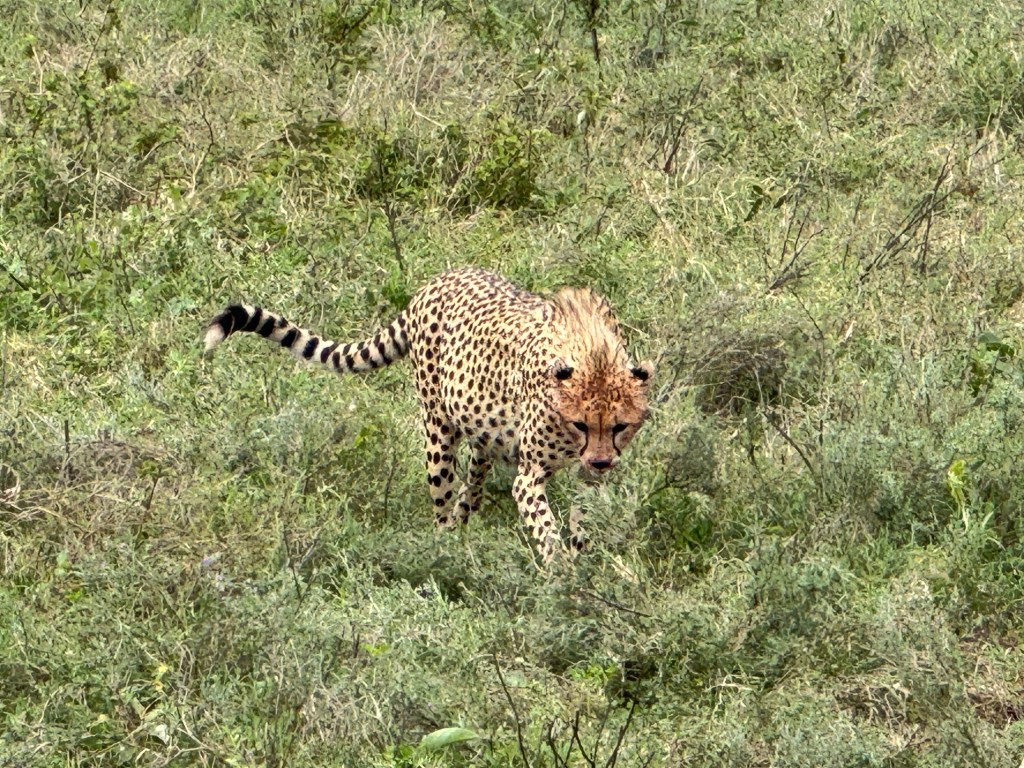
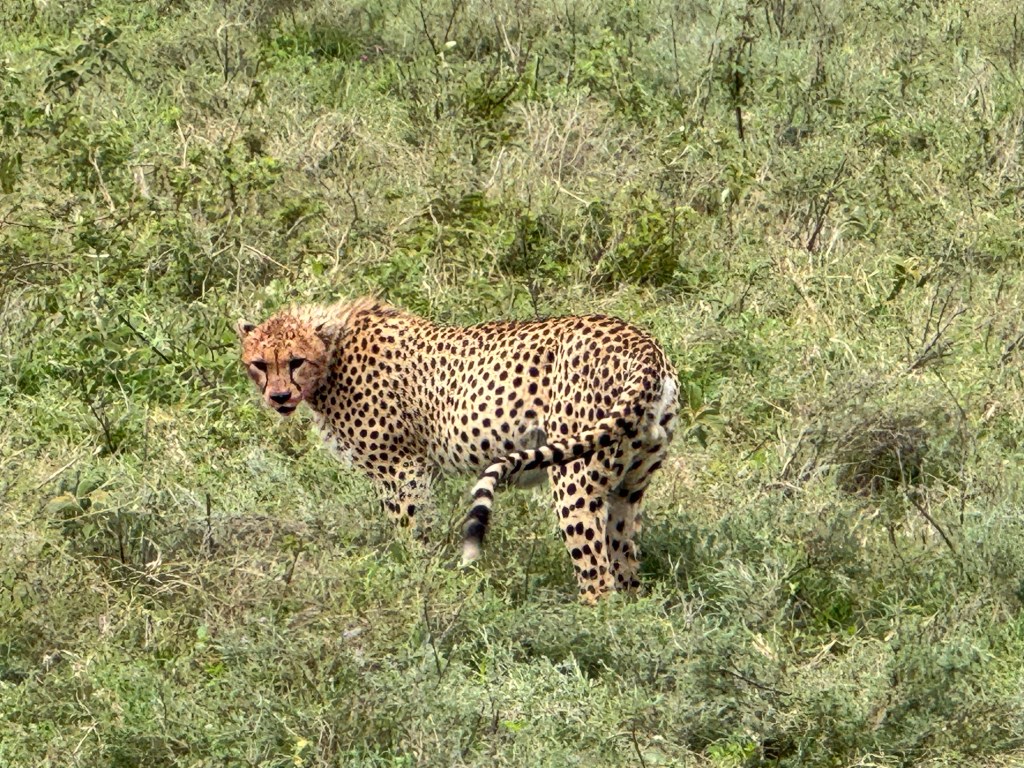
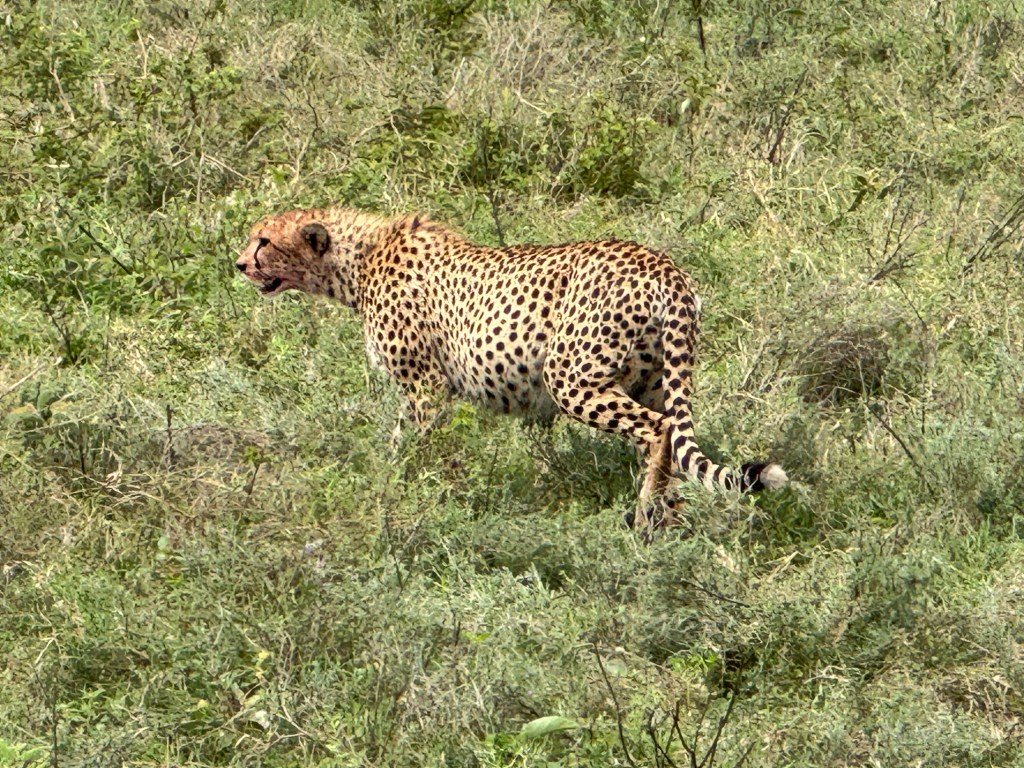
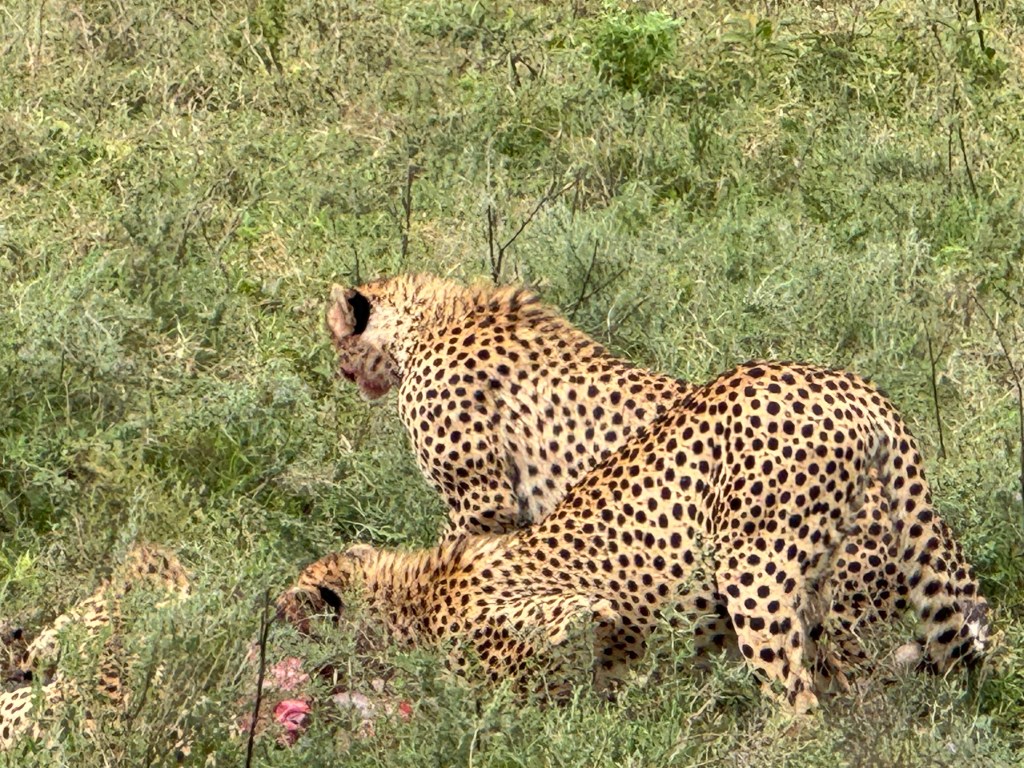
The day was full of grazing animals, predators such as lions, hyenas, cheetahs, and many species of birds. Lunch was eaten in the open savannah with wildebeest and zebra grazing nearby, plus some lions snoozing not far from the herds. A lioness was sleeping in a tree. Dung beetles doing their thing.
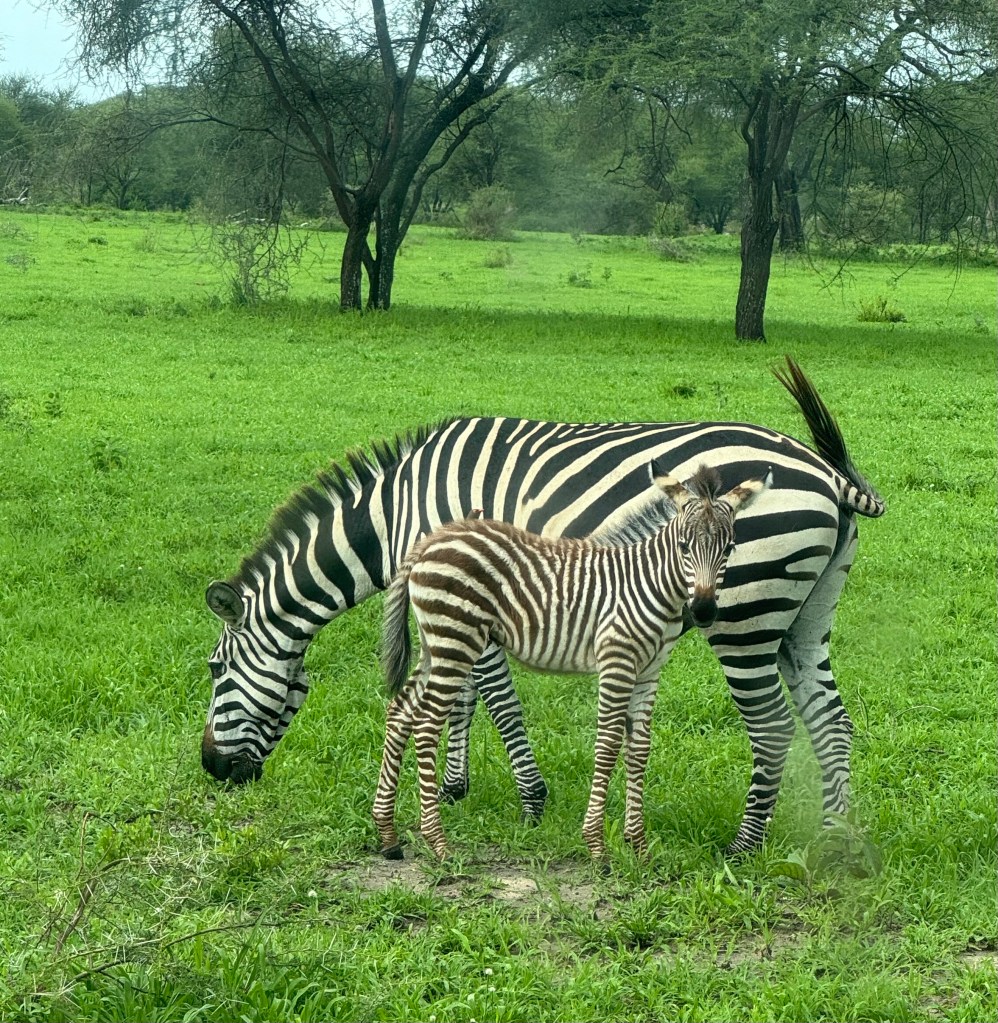
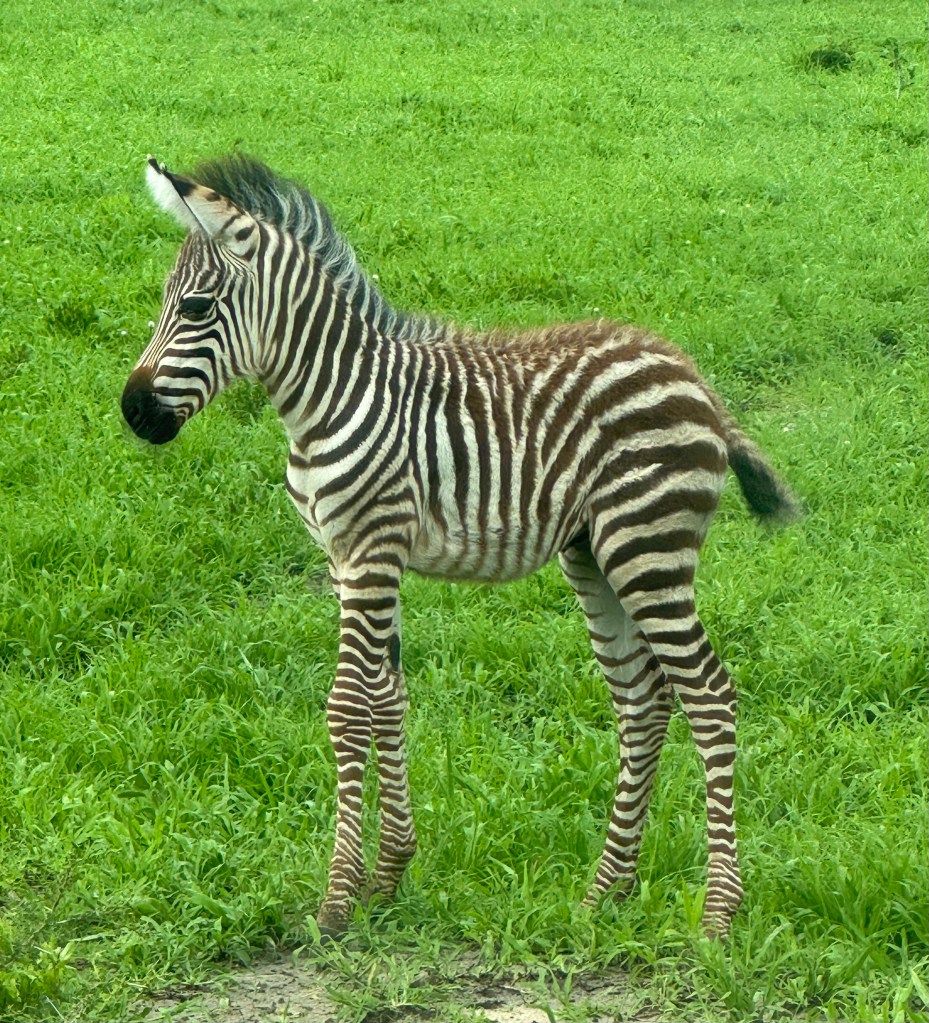
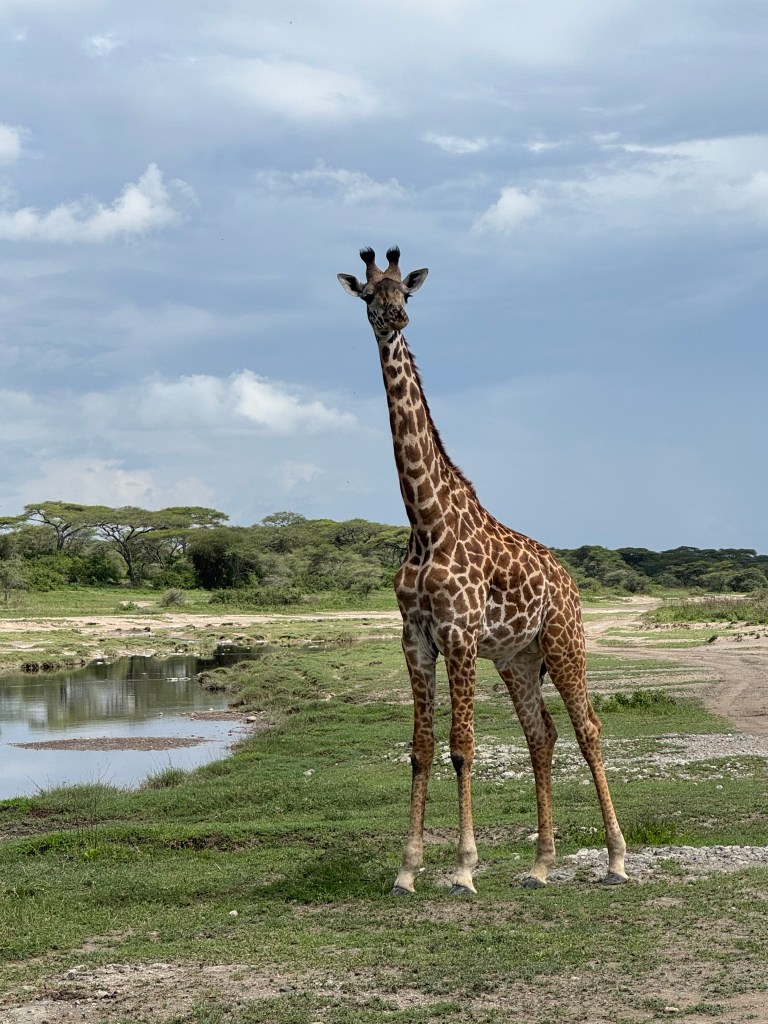
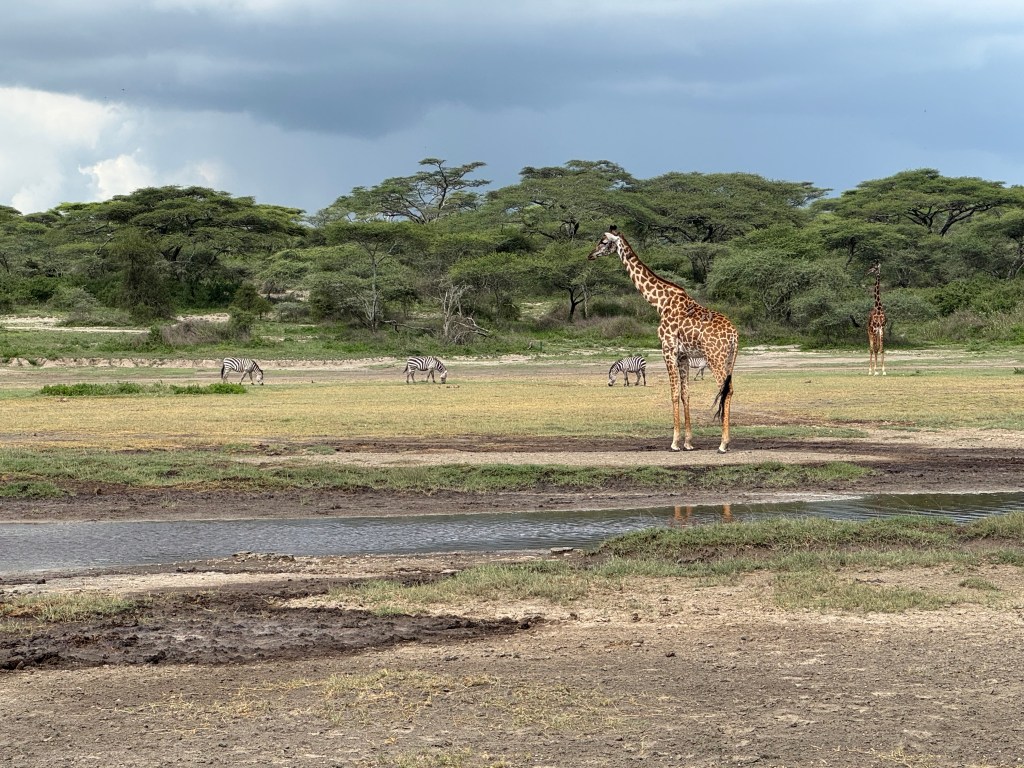
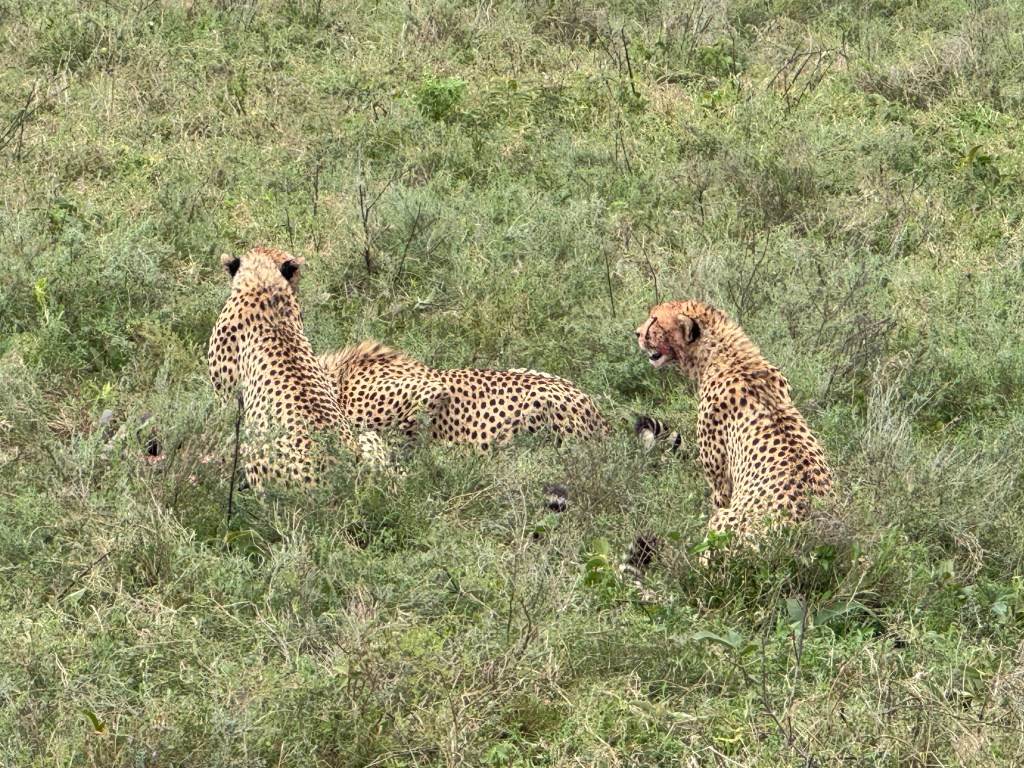
Animal highlights: giraffes and baby zebras, cheetah eating a kill, lioness in a tree, sleeping lions, and thousands of wildebeest and zebras wandering around as we ate lunch.























December 16 – Travel to the center of Serengeti National Park to the Seronera Valley. Two-night stay at Ewanjan Tented Camp.
We leave the Ndutu Plains to travel deep into the Serengeti National Park, a Unesco World Heritage Site. The great Serengeti covers 1.5 million hectares (3.7 million acres). The savannas and rivers, full during the rainy season, are known for the “great migration” of grazing animals, wildebeest, zebras, gazelles, and impalas. As the grazing species migrate, so do the predators to complete the food chain.
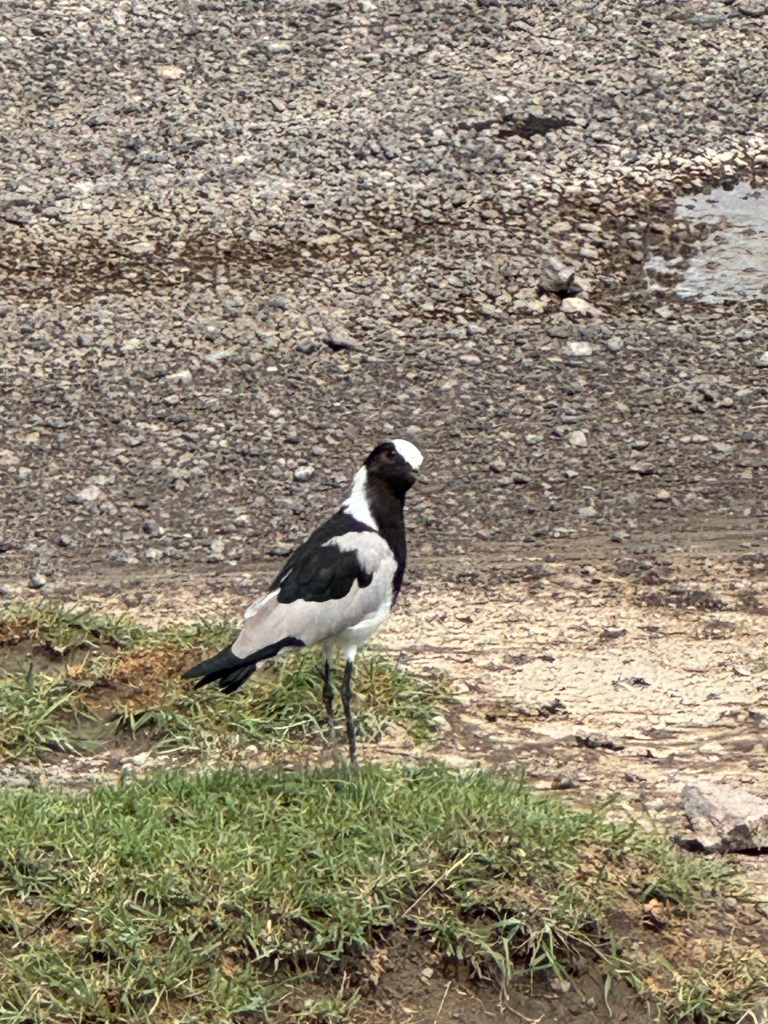
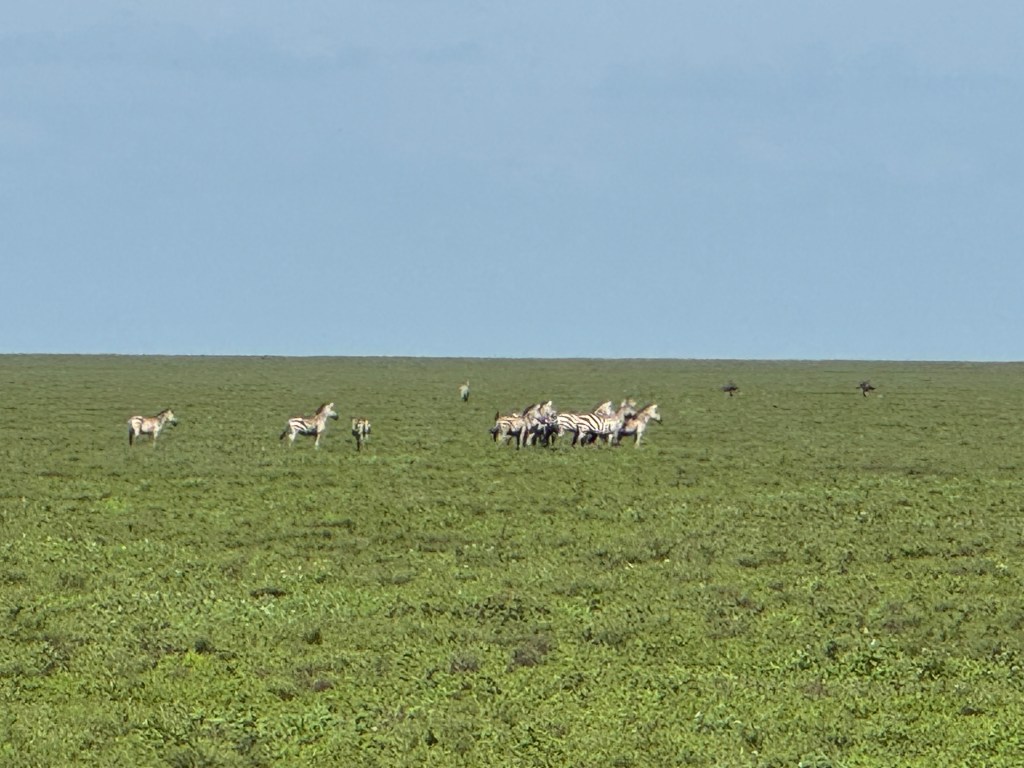
I noticed that if we saw a herd of wildebeest, we would also see zebras, Thomson’s gazelle, plus a variety of birds, including ostrich. This was consistent as we followed the herds across Tanzania. What is the reason so many species grazed together in harmony? It has to do with what vegetation or insects each species eats. Zebras consume the tall, tougher grass. The gazelle eats another type of vegetation and the wildebeest eat the shortest most tender grasses. The birds eat the many insects that are attracted to the grazing animals. The ecosystem works to keep all flora and fauna living together successfully. Amazing!
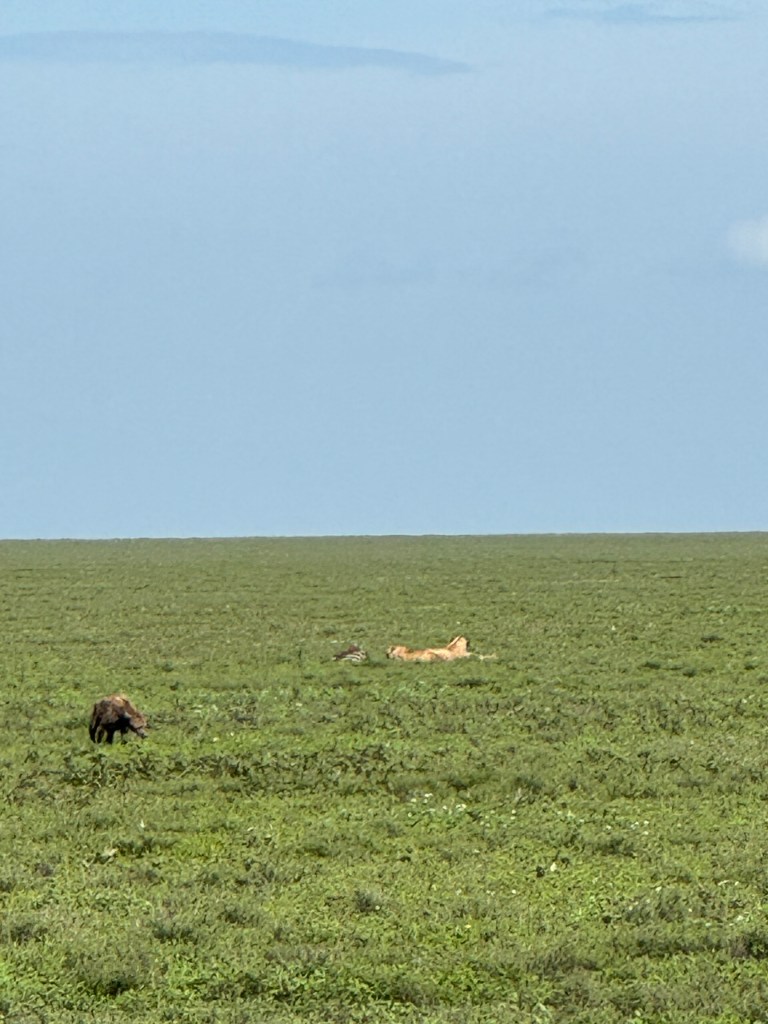
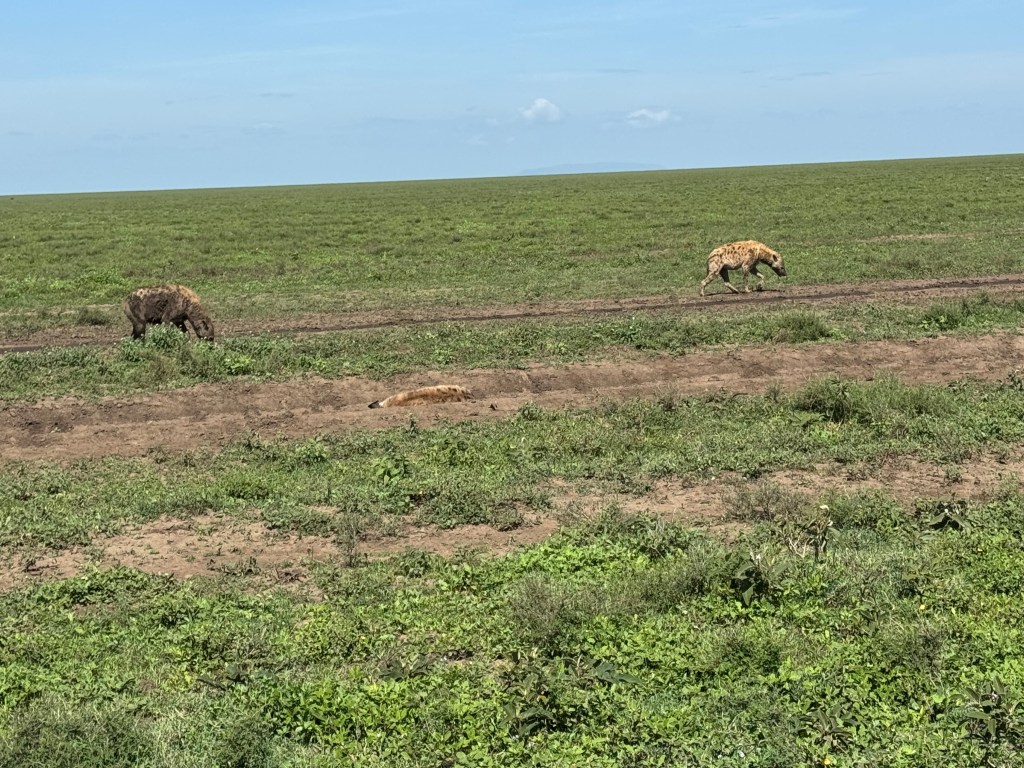
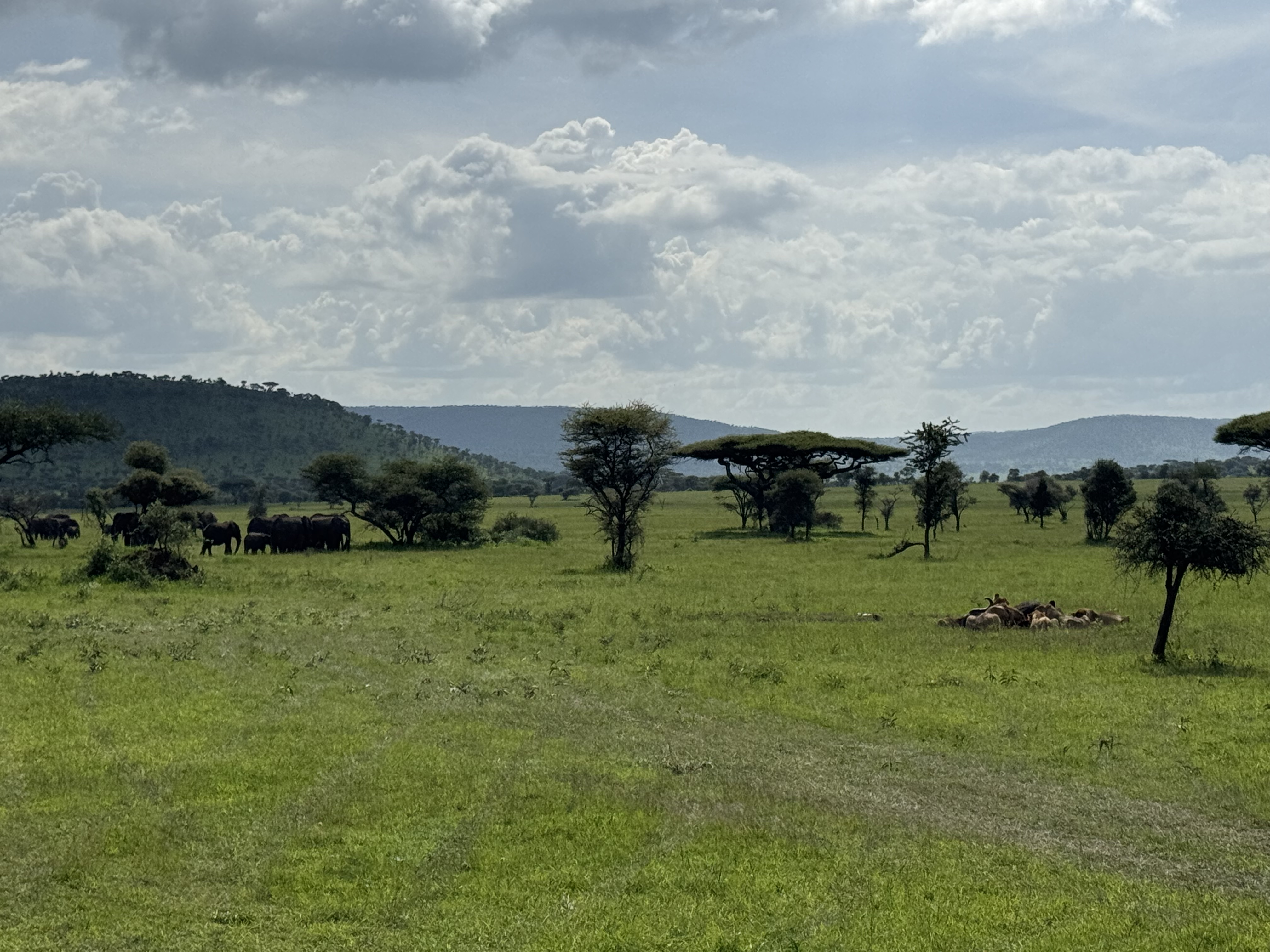
We did not travel far before we came upon a herd of grazers and a pride of lions eating a kill. The hyenas were not far away, waiting to get scraps of leftover meat. The ecosystem is balanced by predator and prey. I did find it odd the zebra and wildebeest did not move far away from the feeding lions. Instead some of the herd watched the predators while others grazed.
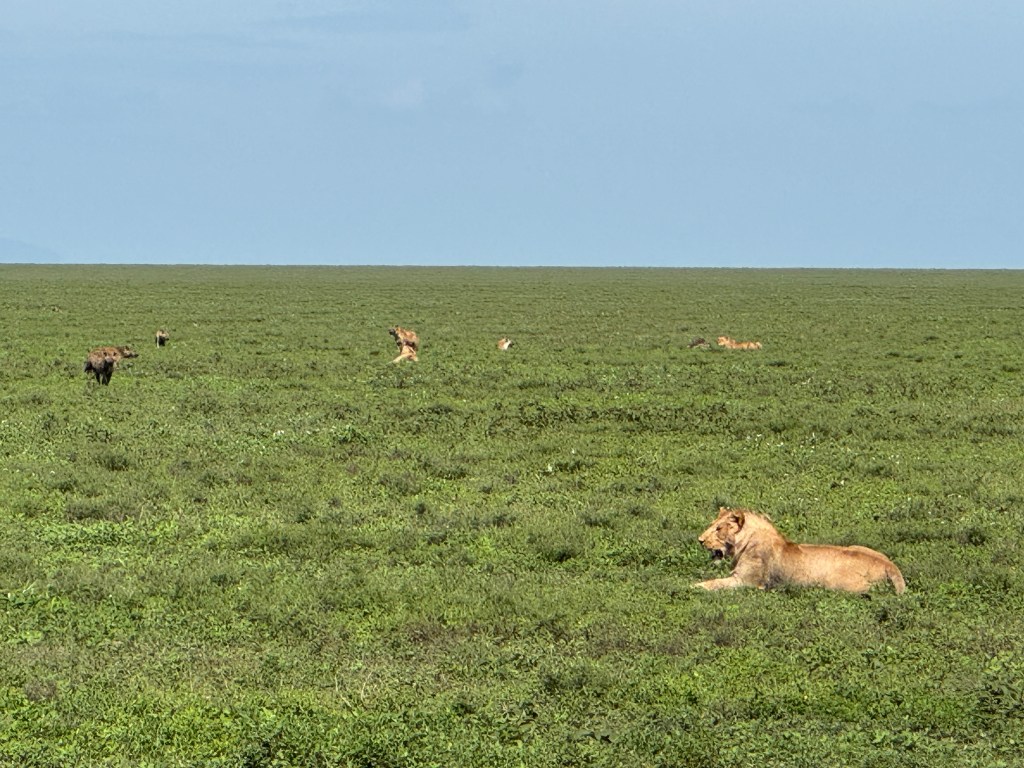

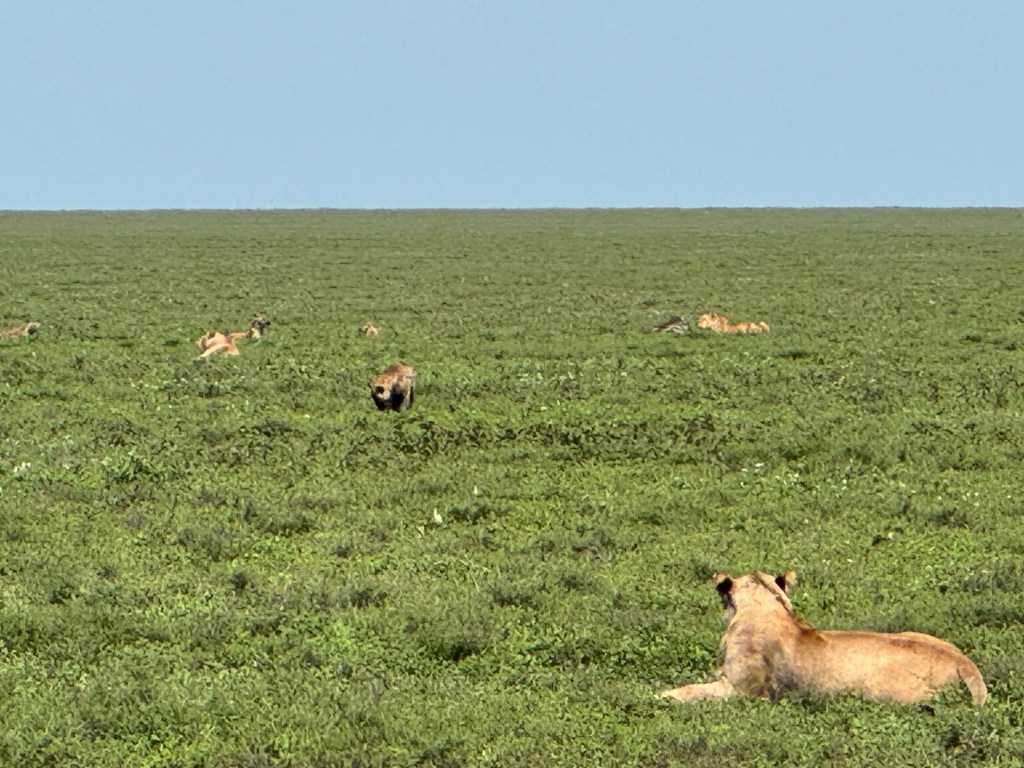


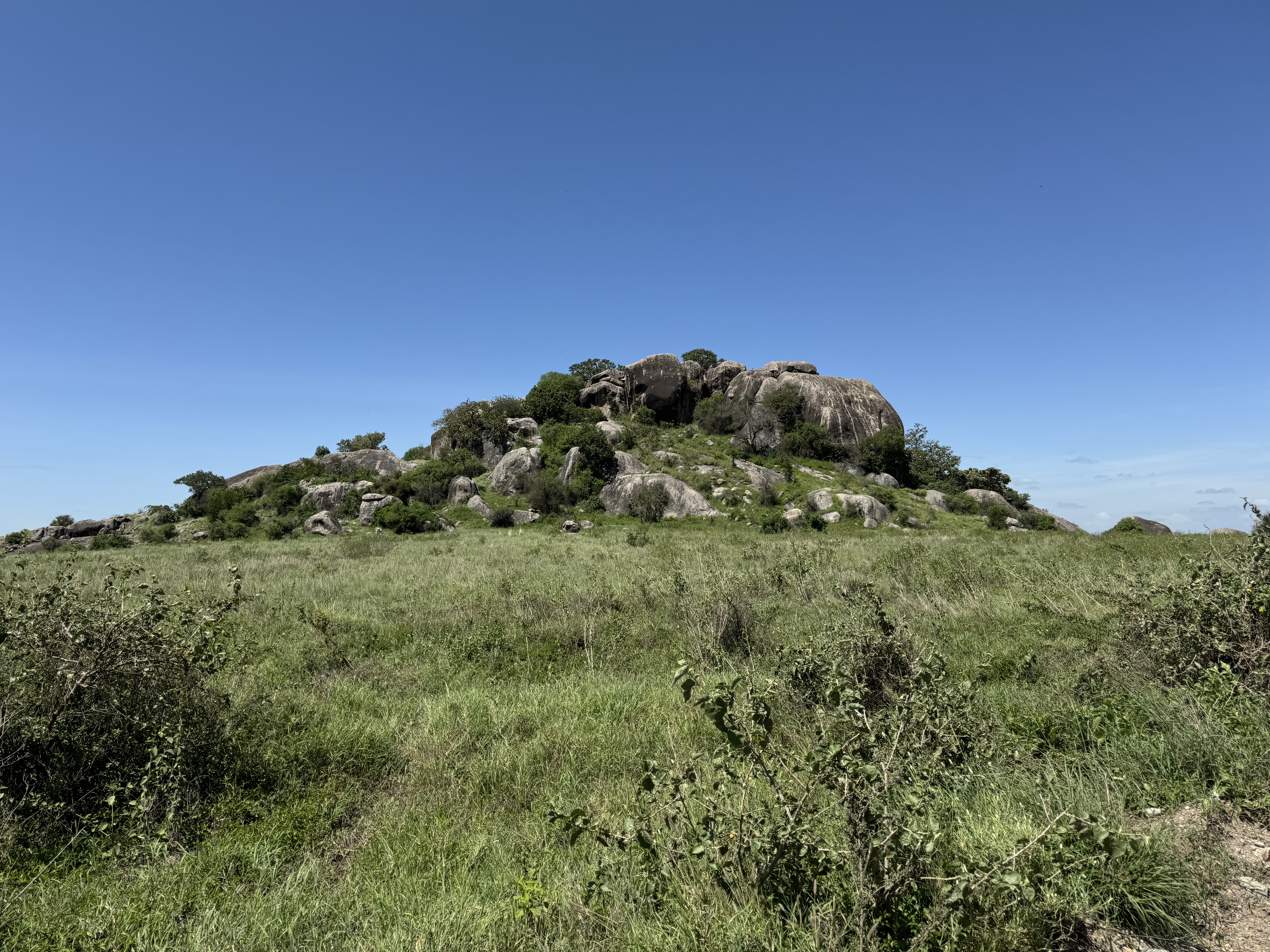
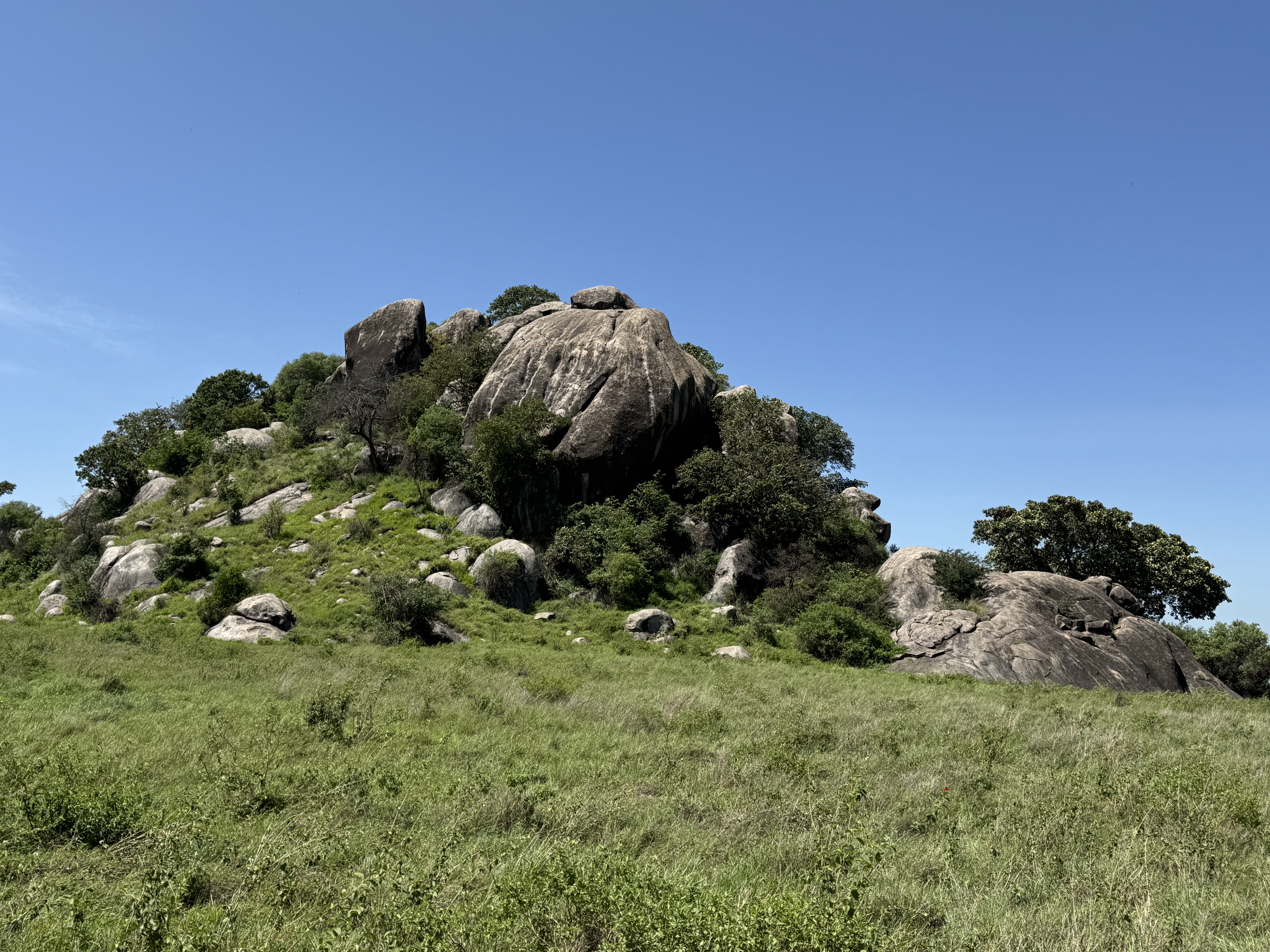
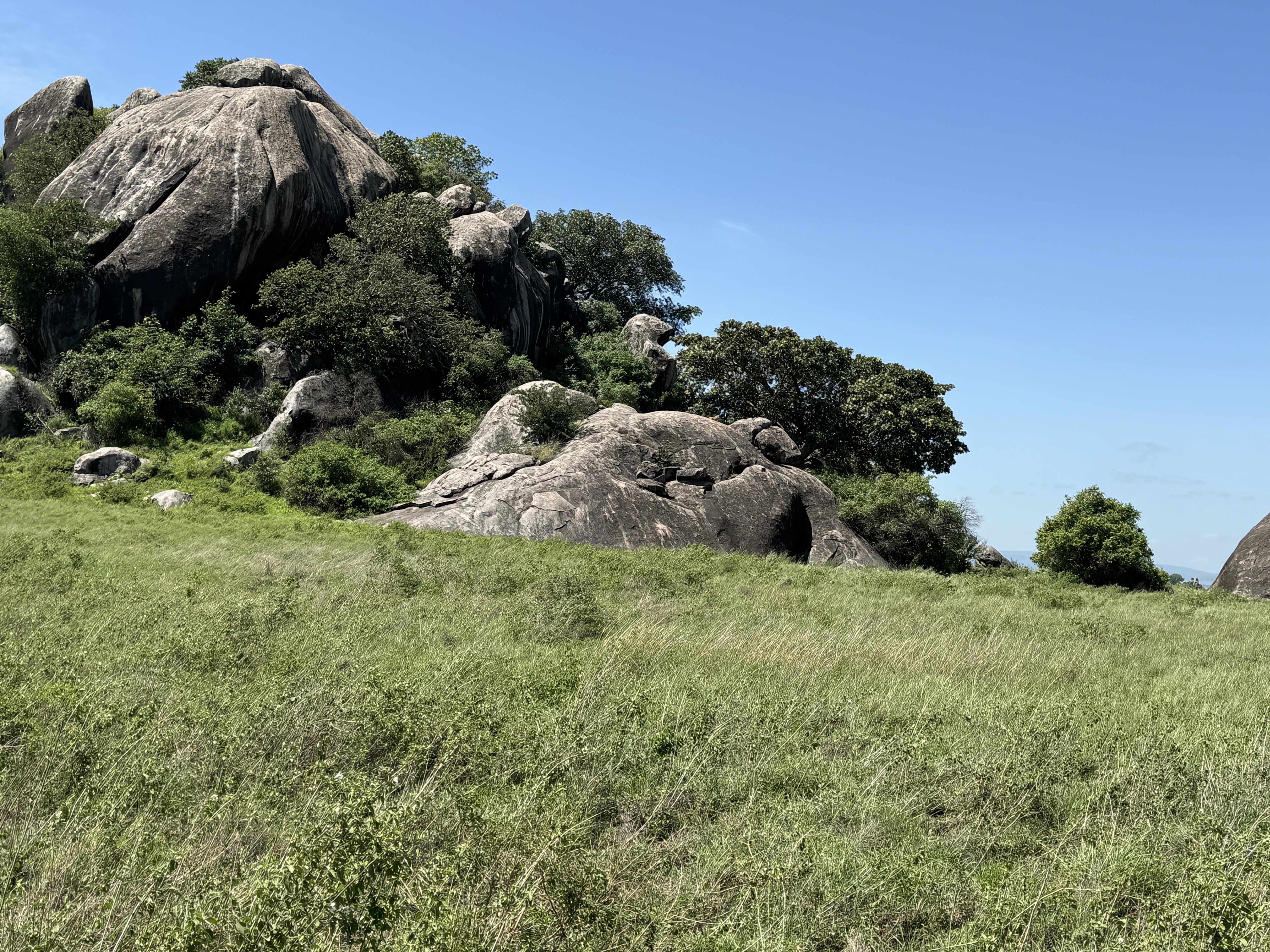
Kobje rock formations are an image we all have of the Serengeti. The image of a pride of lions basking in the sun on the smooth granite and gneiss mound of rocks. These rock formations are weathered mountains worn down over millions of years. We didn’t see a full pride soaking up the sun, just one brave lion watching over the kingdom.

A goal of safari travelers is to see the “big five” animal species: African lion, leopard, African elephant, rhinoceros, and the African buffalo. The history of the label “big five” refers to how difficult and dangerous these animals were to hunt. Today, poaching and loss of habitat threaten the survival of these species. The African elephant, leopard, and African lion are classified as vulnerable. The black rhinoceros is critically endangered. Tanzania has developed the tourism around preservation of animal species, not hunting. The national park system developed has created safari tourism to build the economy and prevent animal species from becoming extinct.
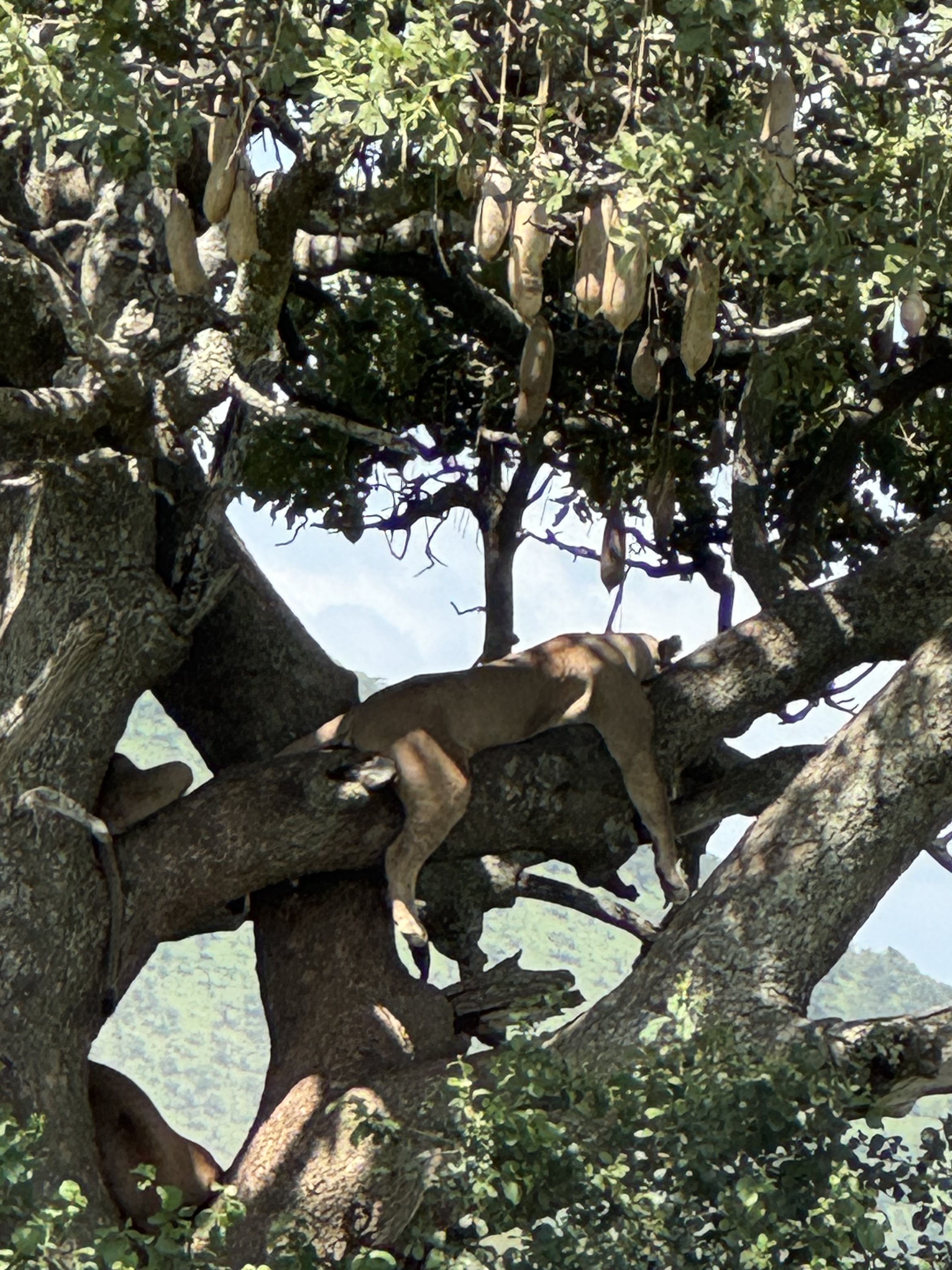
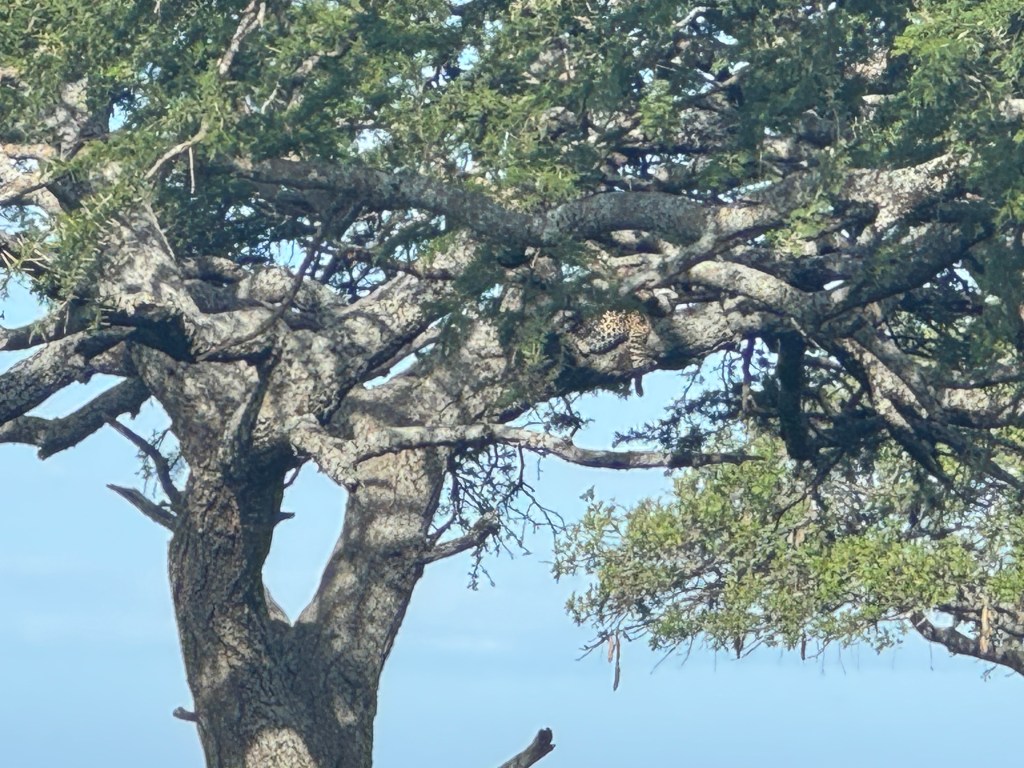
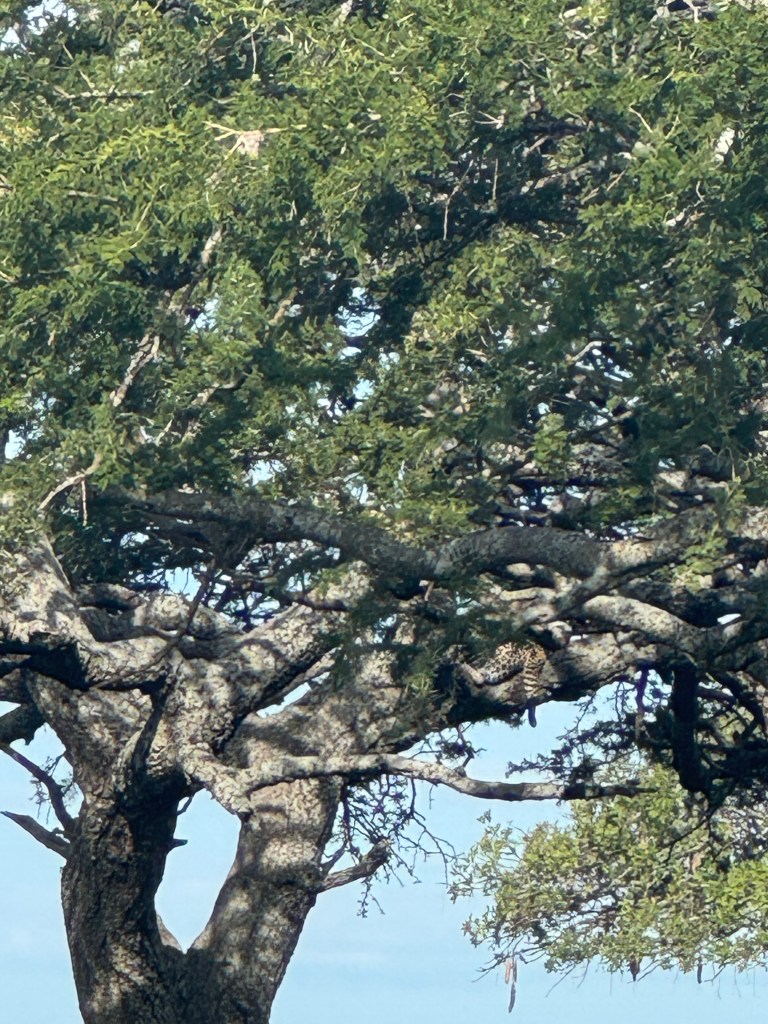
We have seen all the big five except a leopard. These animals are primarily nocturnal, hunting at night or early in the morning. They are solitary, living mostly alone, and spend most of their time in trees. Today was our lucky day! With the help of other safari groups, we located a leopard sleeping in a tree. It was difficult to photograph camouflaging itself very well high up in the branches. Check out the images closely to see the sleeping leopard.
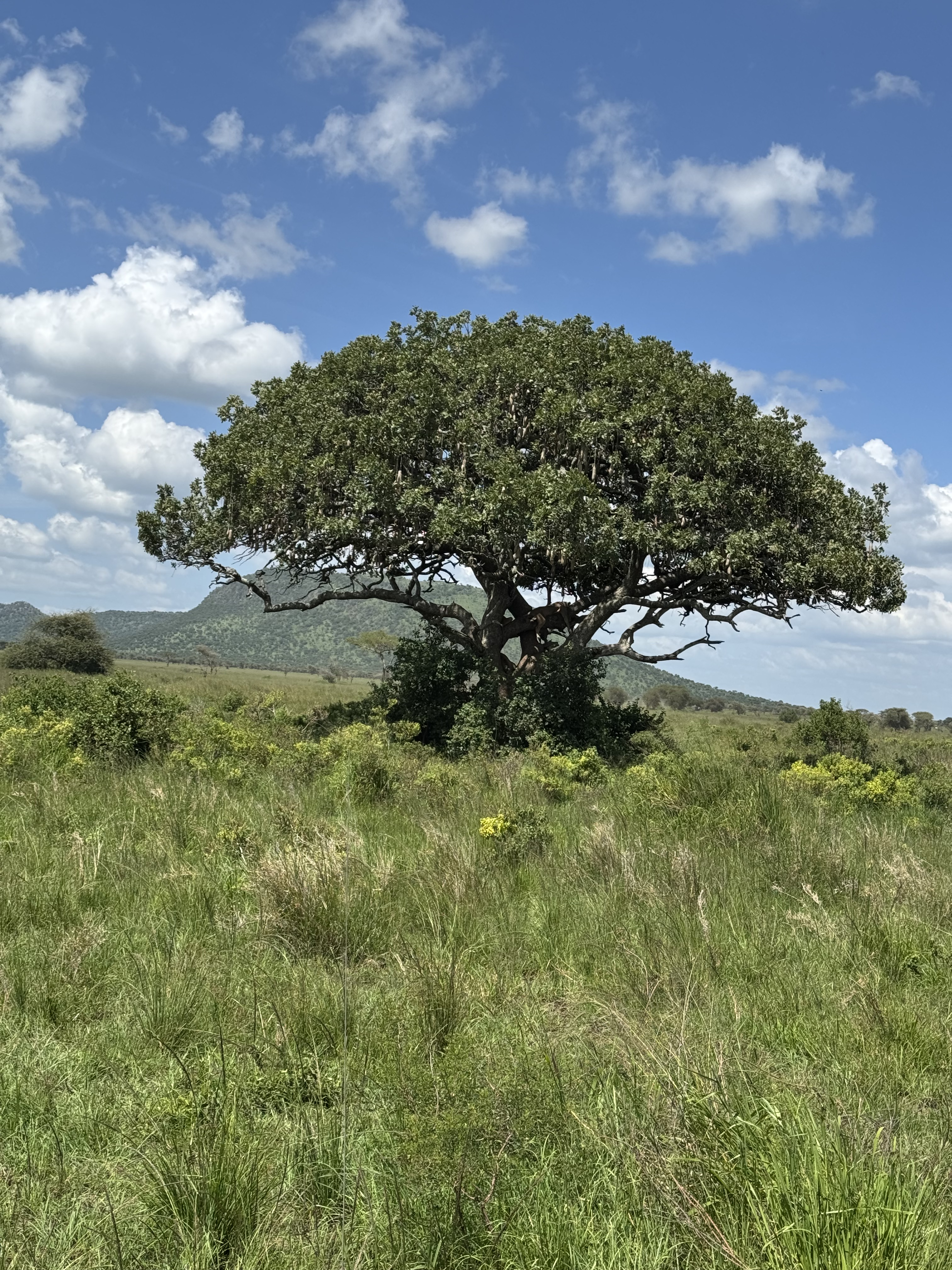
A note about the odd tree. It is Kigelia africana, the “sausage tree”. The hanging fruit can flavor beer and add to the fermentation process. The wood is very tough and used for shelving, wood boxes for fruit, and dugout canoes. The roots can be used to dye cloth yellow. The sausage fruit is used as an antibacterial medicine for skin problems. The fruit cannot be eaten as it causes blisters in the mouth and tastes very bitter.
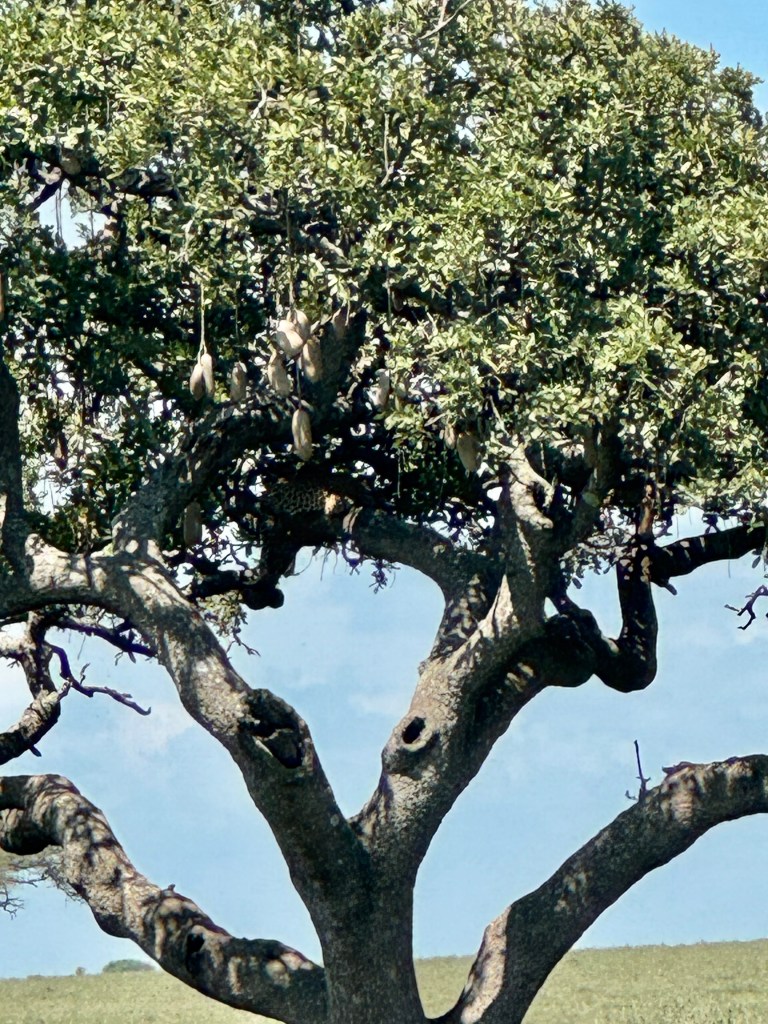
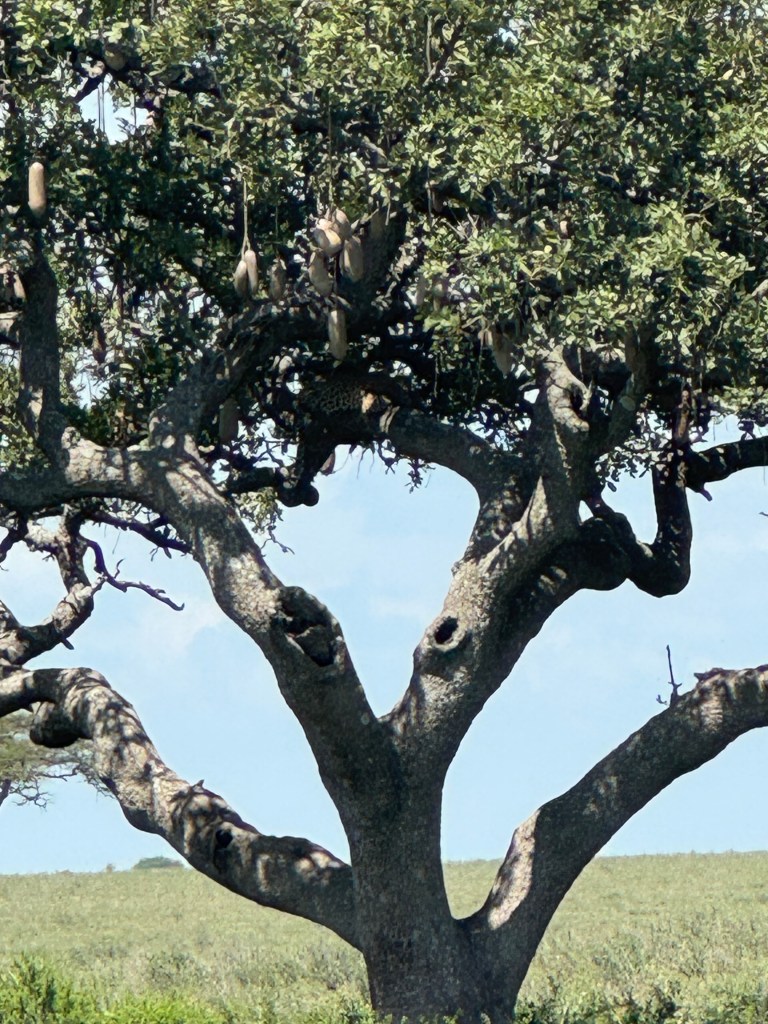
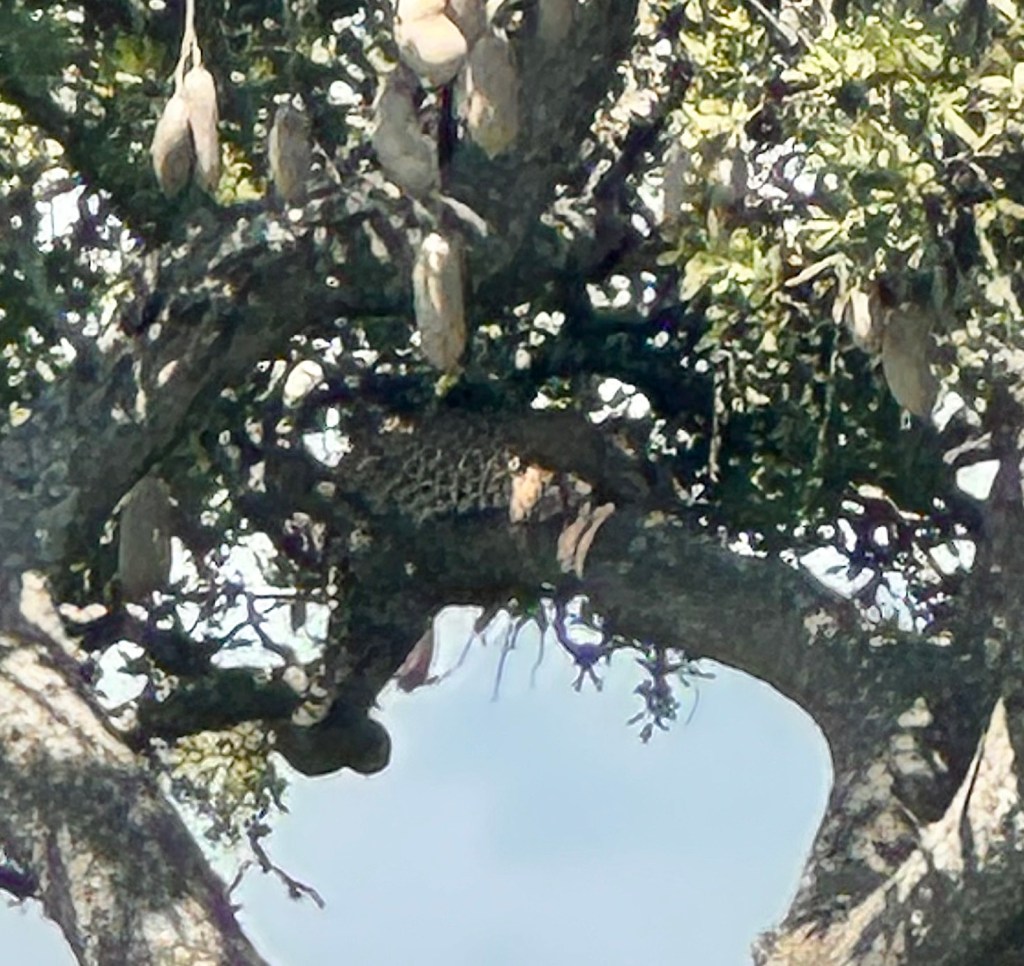


With only a few days left of our trip, I still found it amazing to be driving along the dusty road and see some lions lounging in the shade, a topi (a type of antelope) grazing on savannah grass, and always a beautiful view at our lunch stop. Notice the leather collar on the lioness. She is part of a tracking program to increase the lion population in the Serengeti.


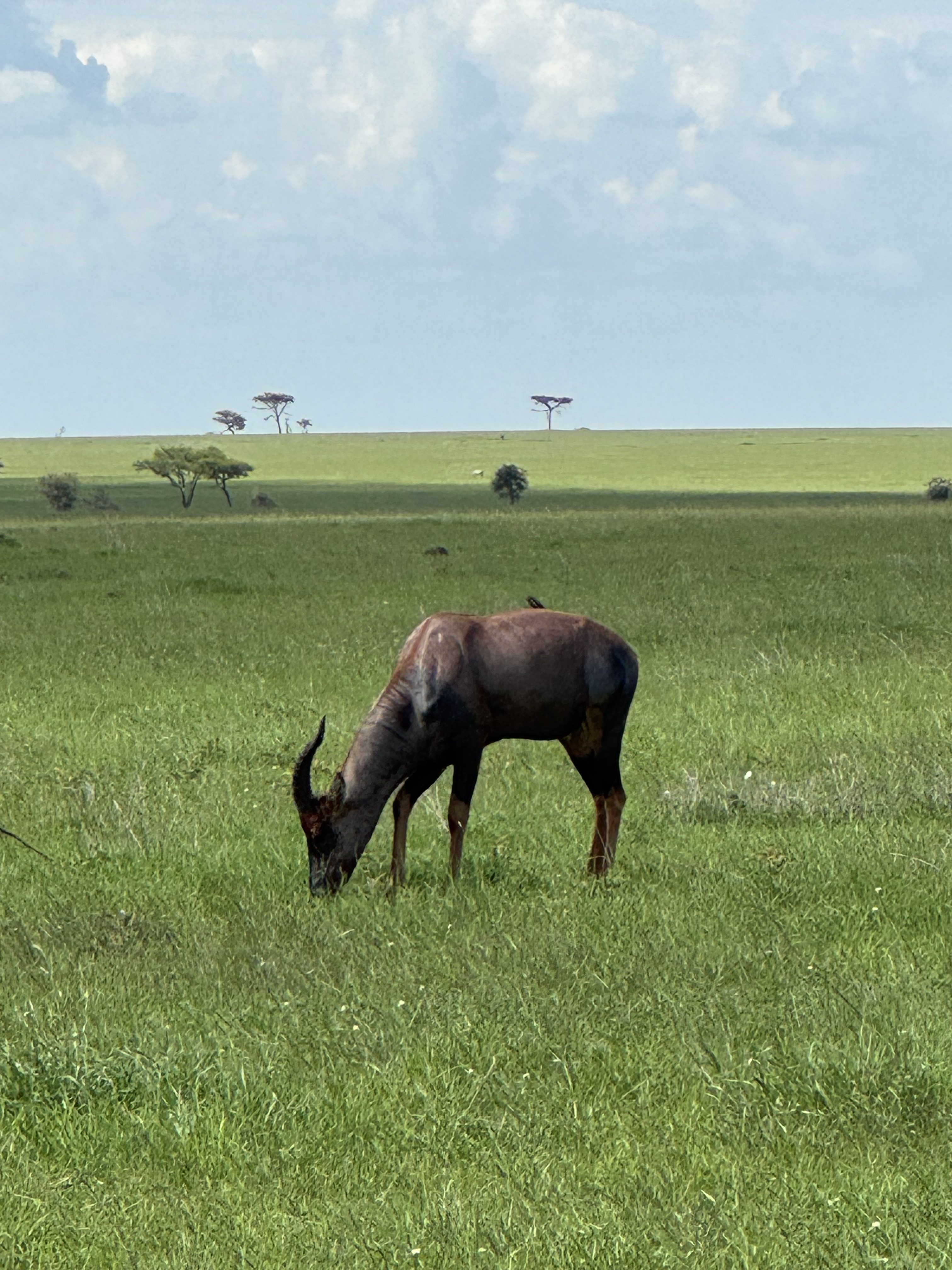

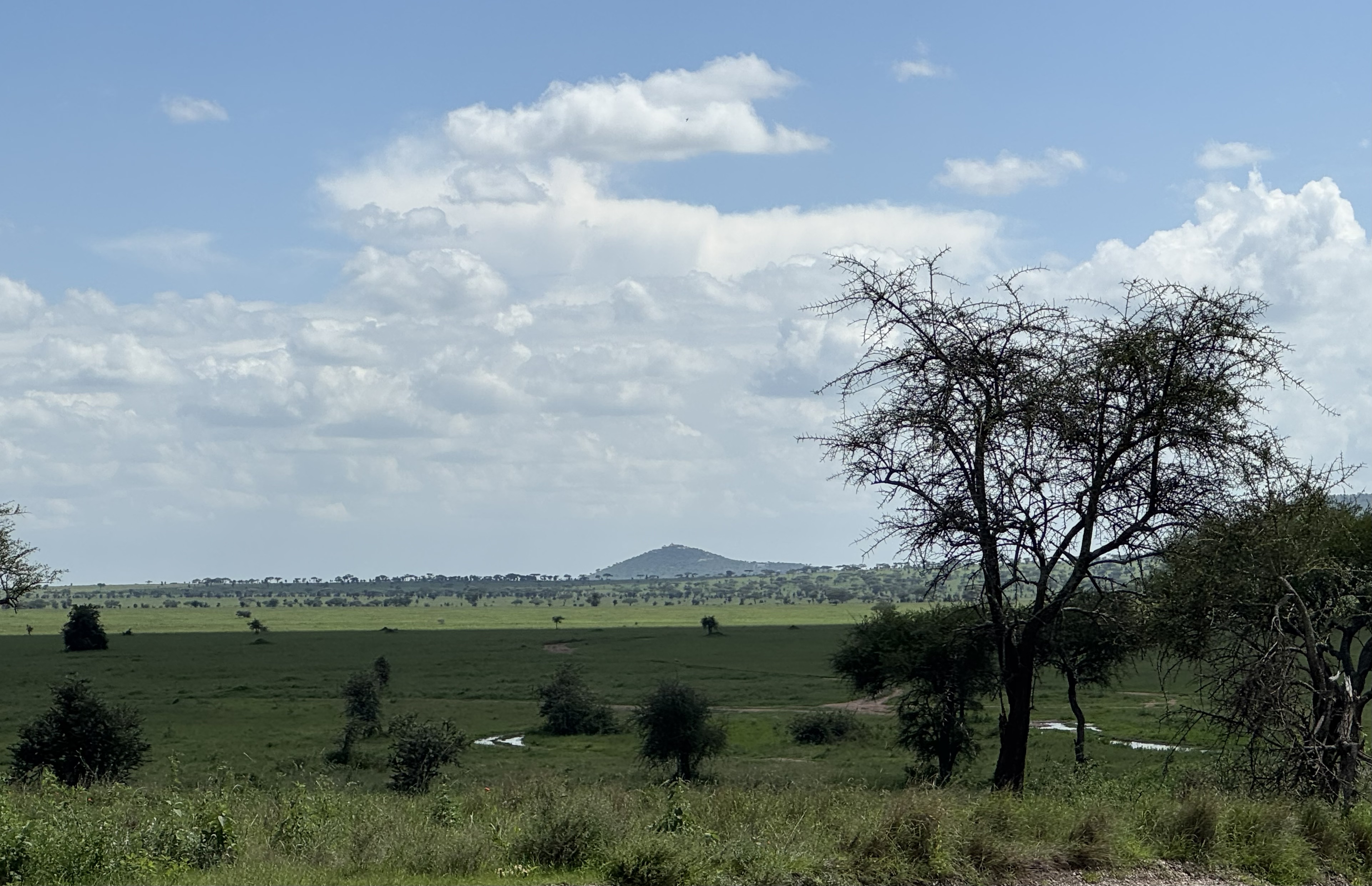
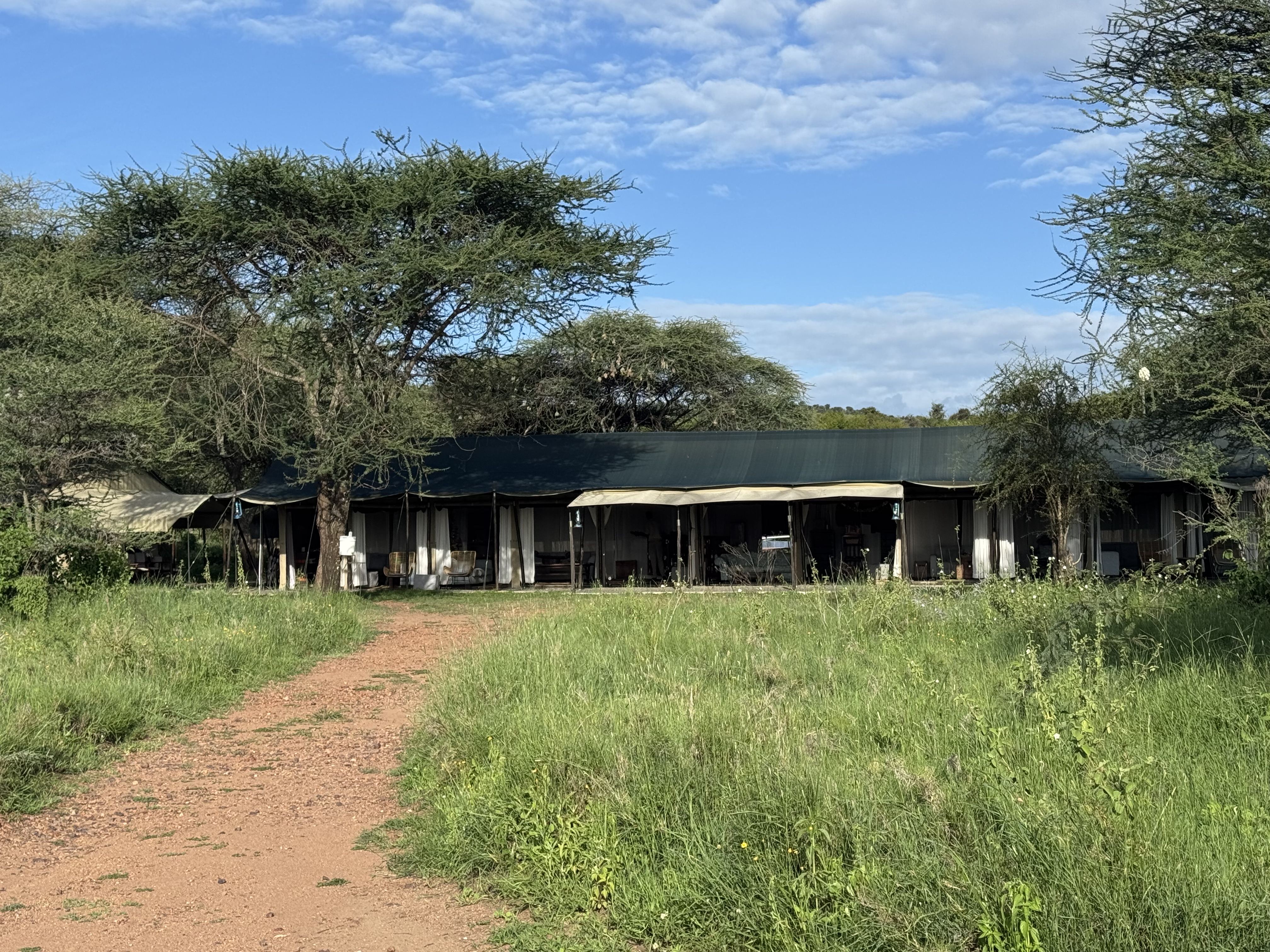
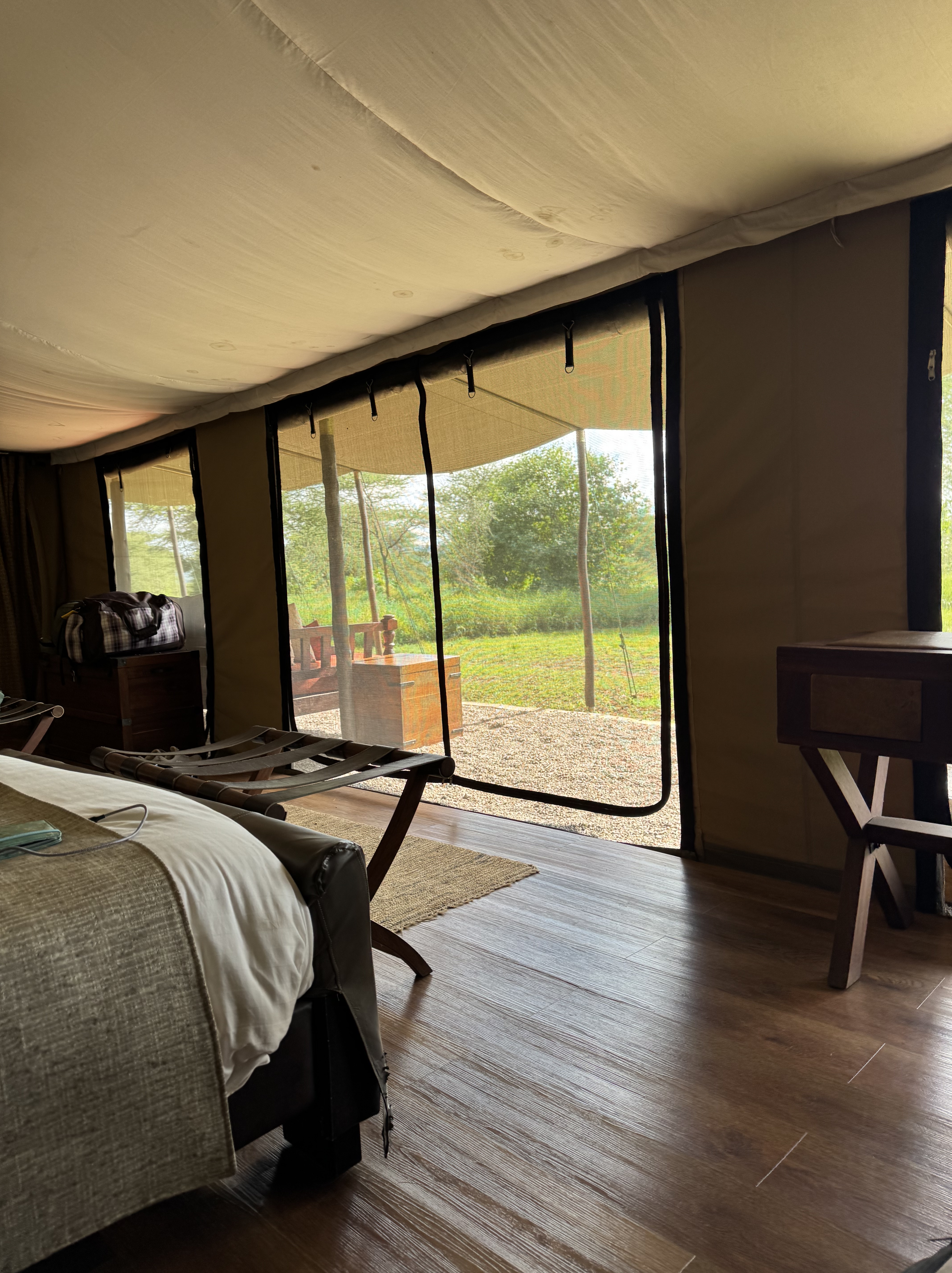
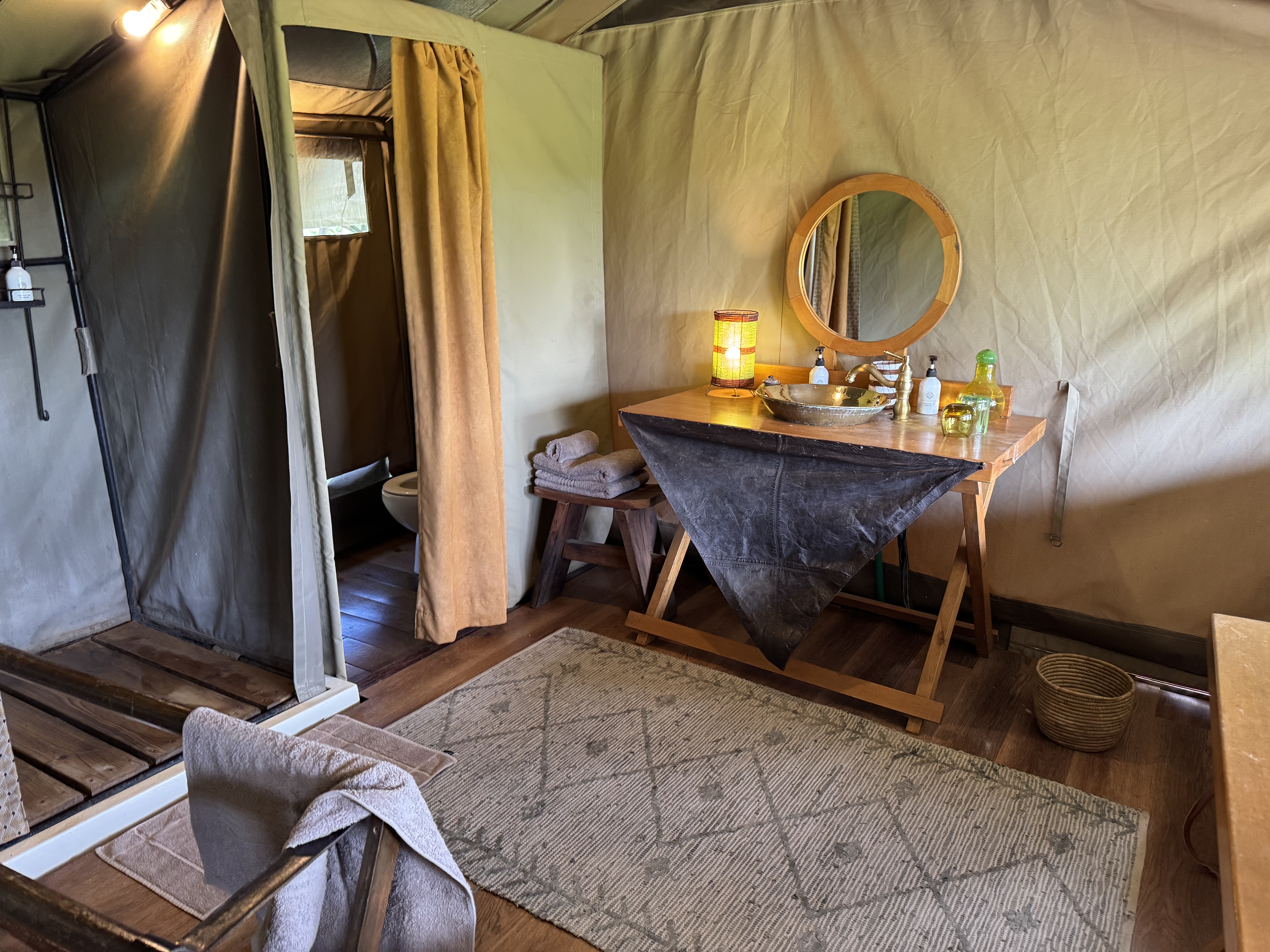
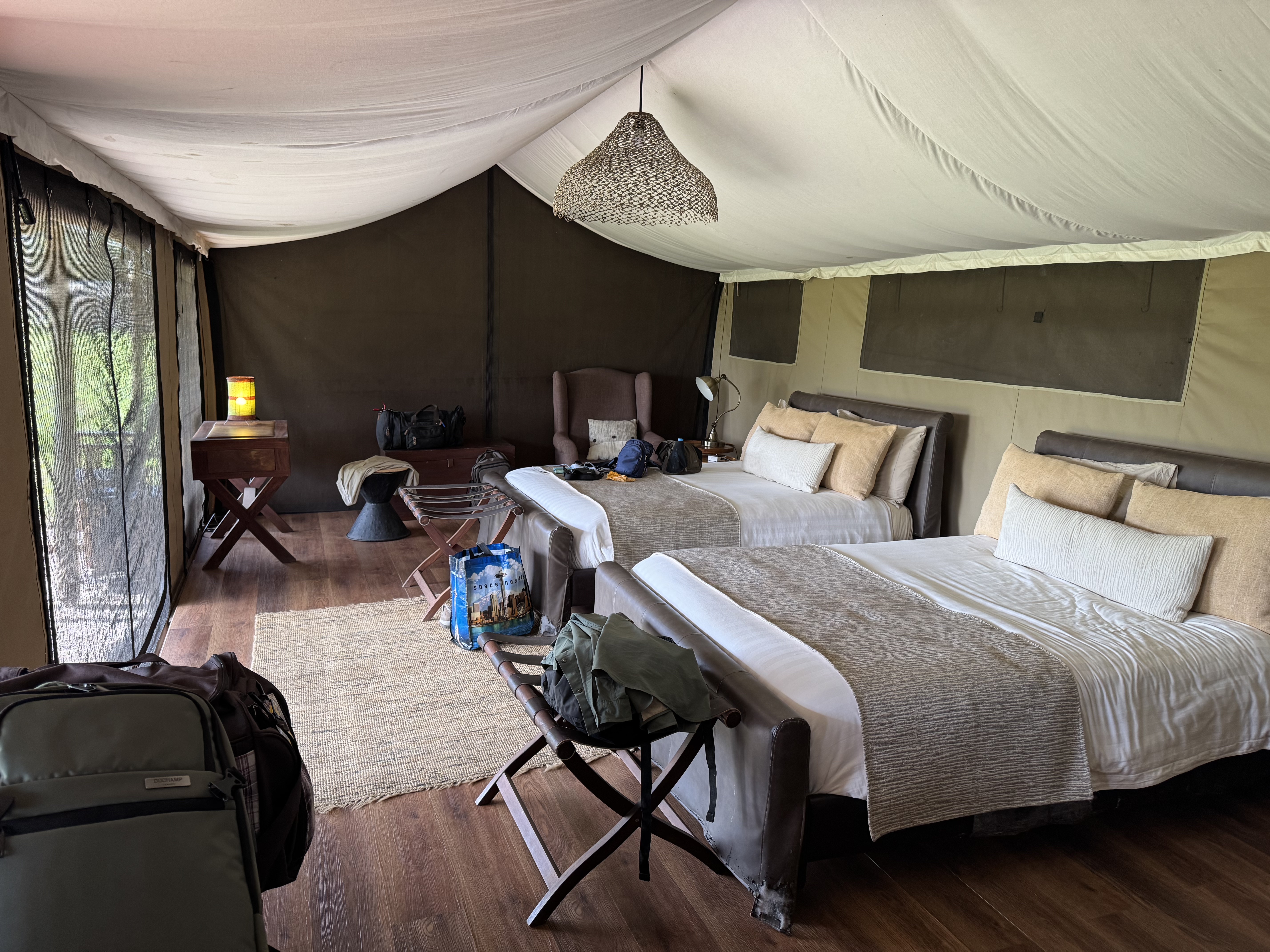
Another safari day ends. At the end of the day, I would reflect on our adventure. Today, we drove by Kopje rocks, found a sleeping leopard to complete our “big five”, and saw our first topi. The day closes with sleeping in a traditional tented camp (Ewanjan Lodge) in the middle of the Serengeti. This was the most basic of all lodges we stayed. They served great food, a comfortable bed, and warm hospitality. But no hot water in the shower. Brrrr! Life is good!

December 17 – full safari day in Serengeti National Park
We are up early for our final full-day safari. Our breakfast conversation was about what more we could see. It seems like we have seen every animal species possible. But we also know there will be surprises and at least one amazing moment before our final safari comes to an end.
Animal sightings today:
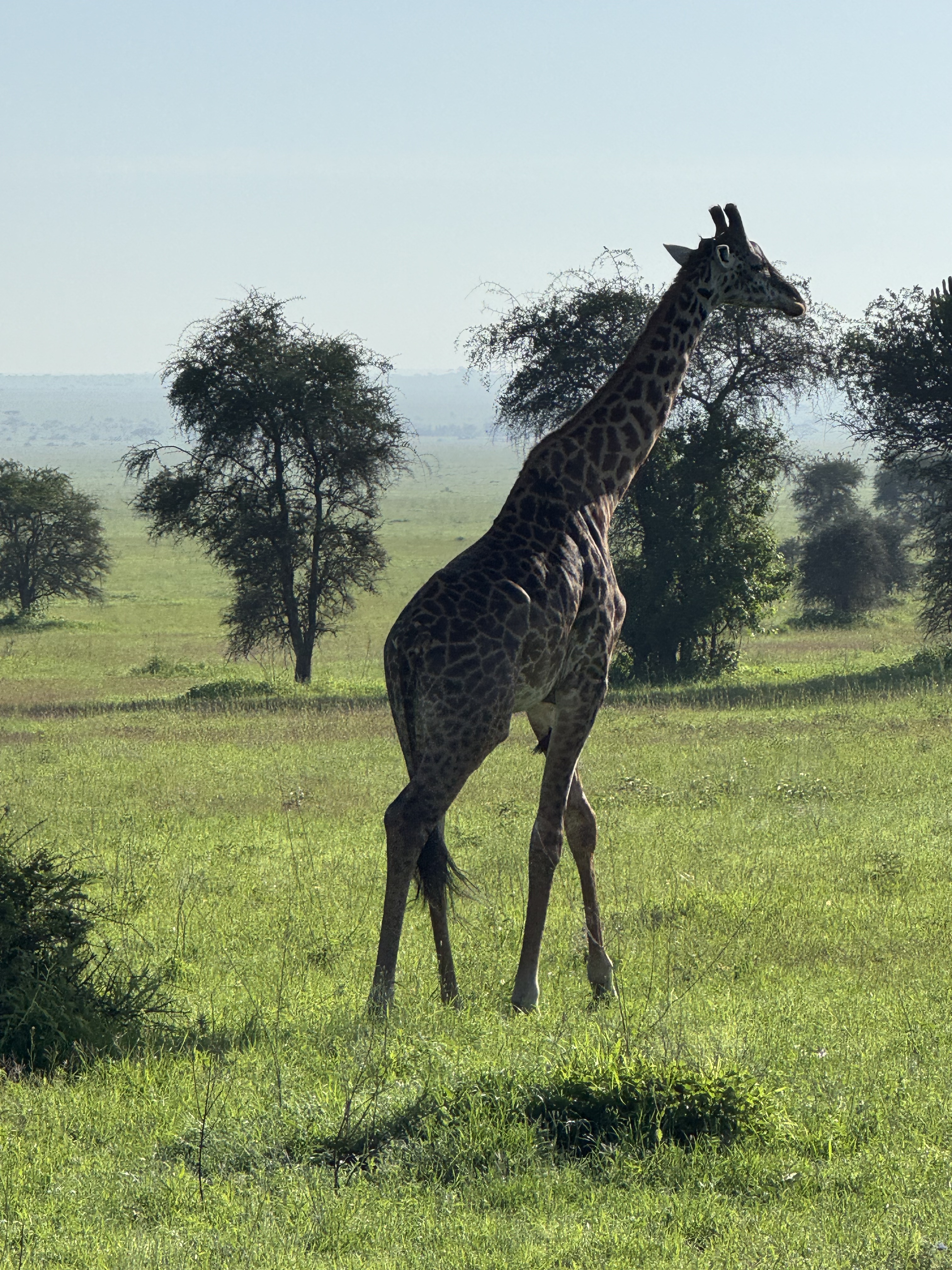
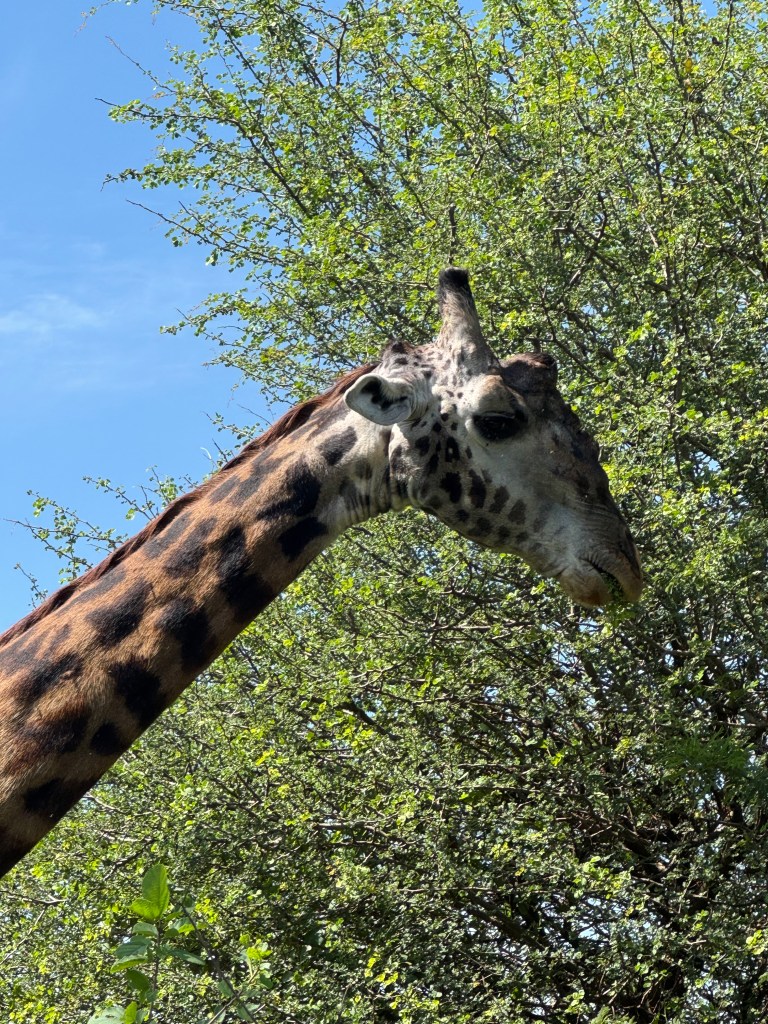
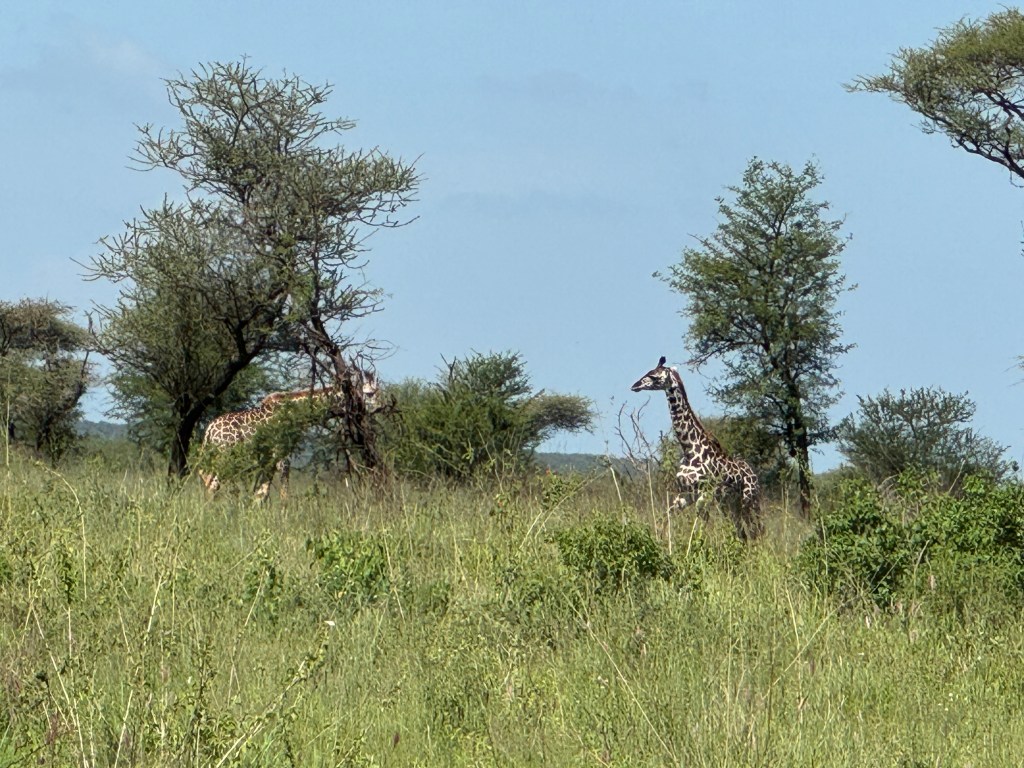
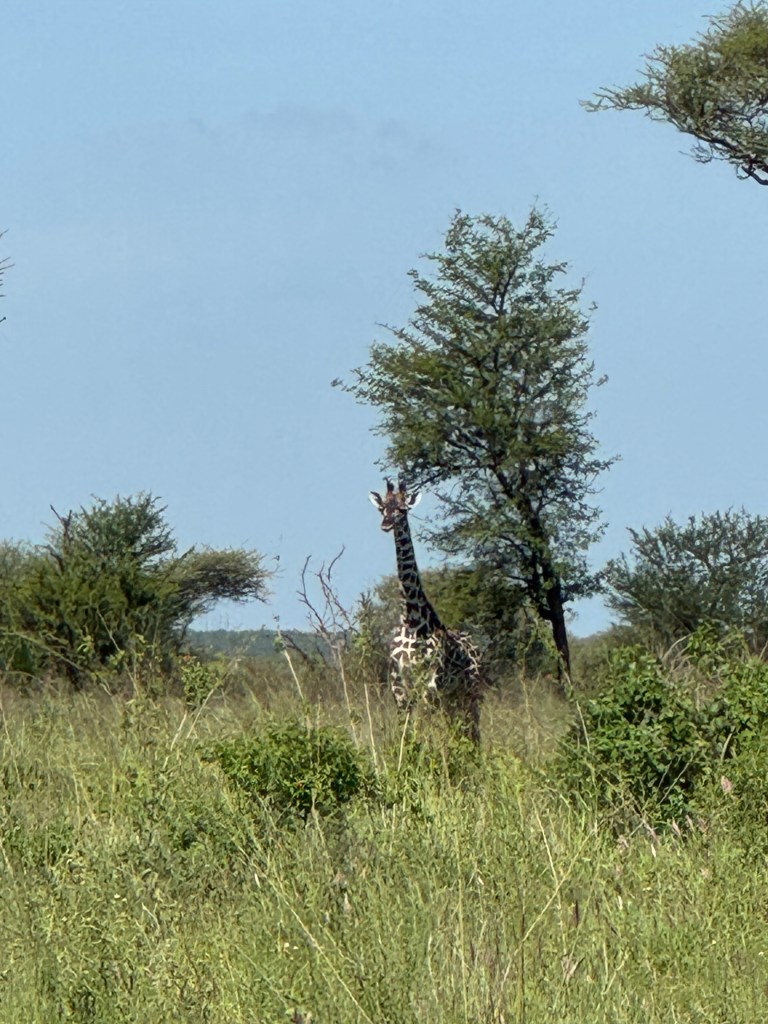
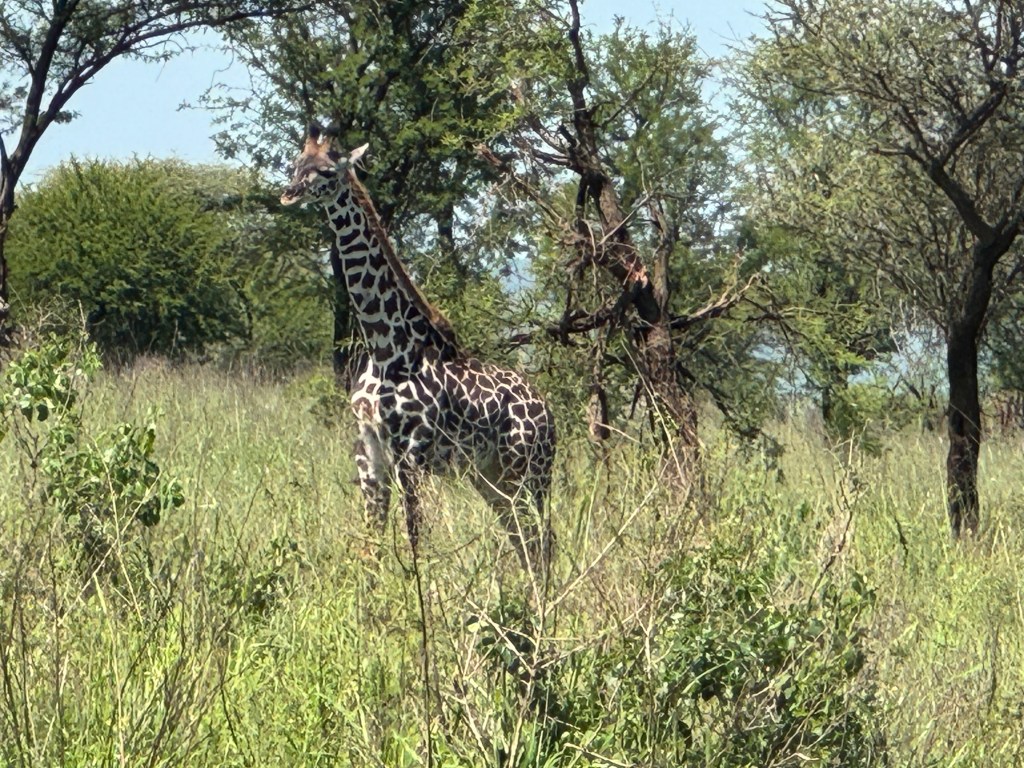
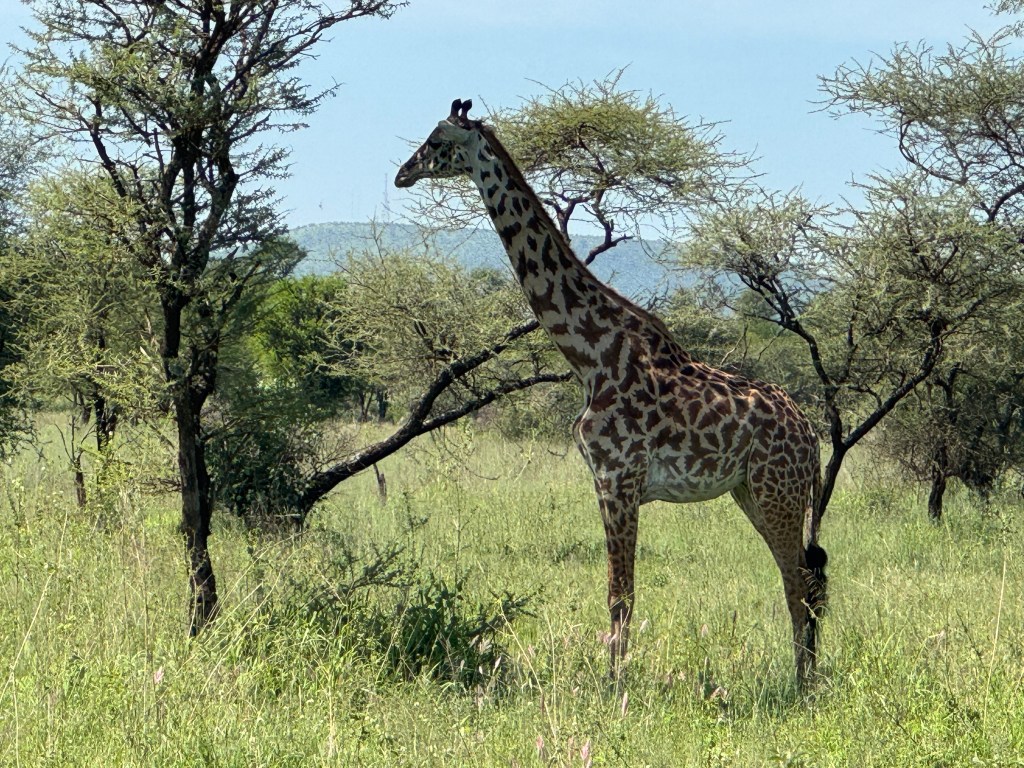
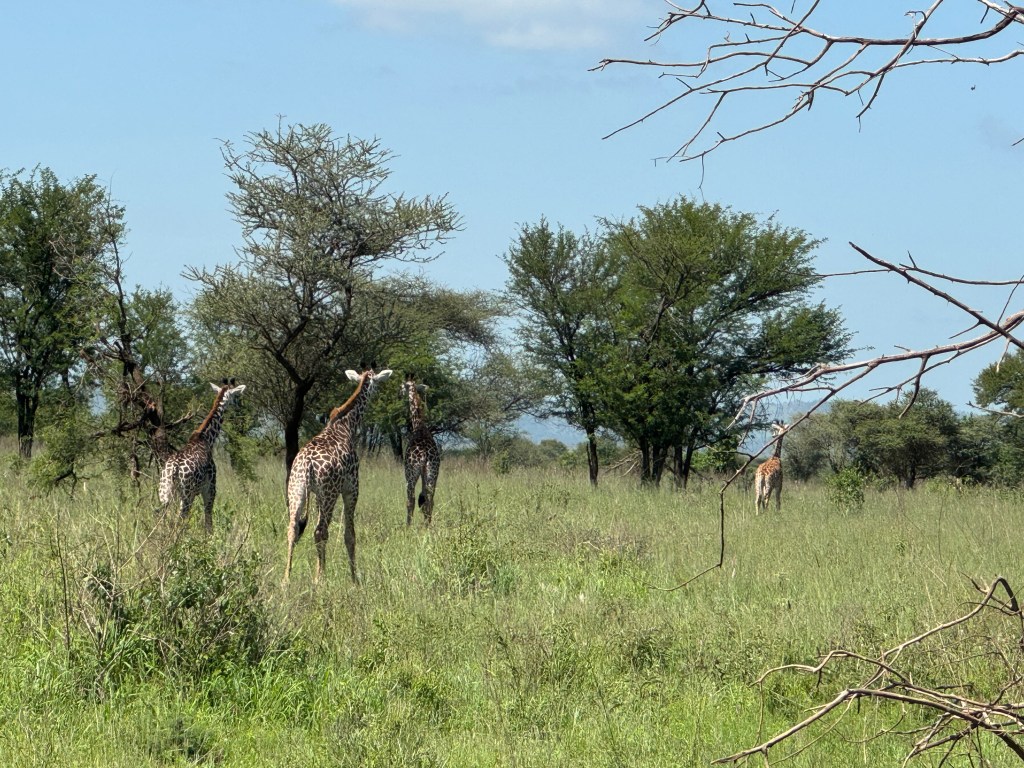
- giraffes – never tire of encountering giraffes
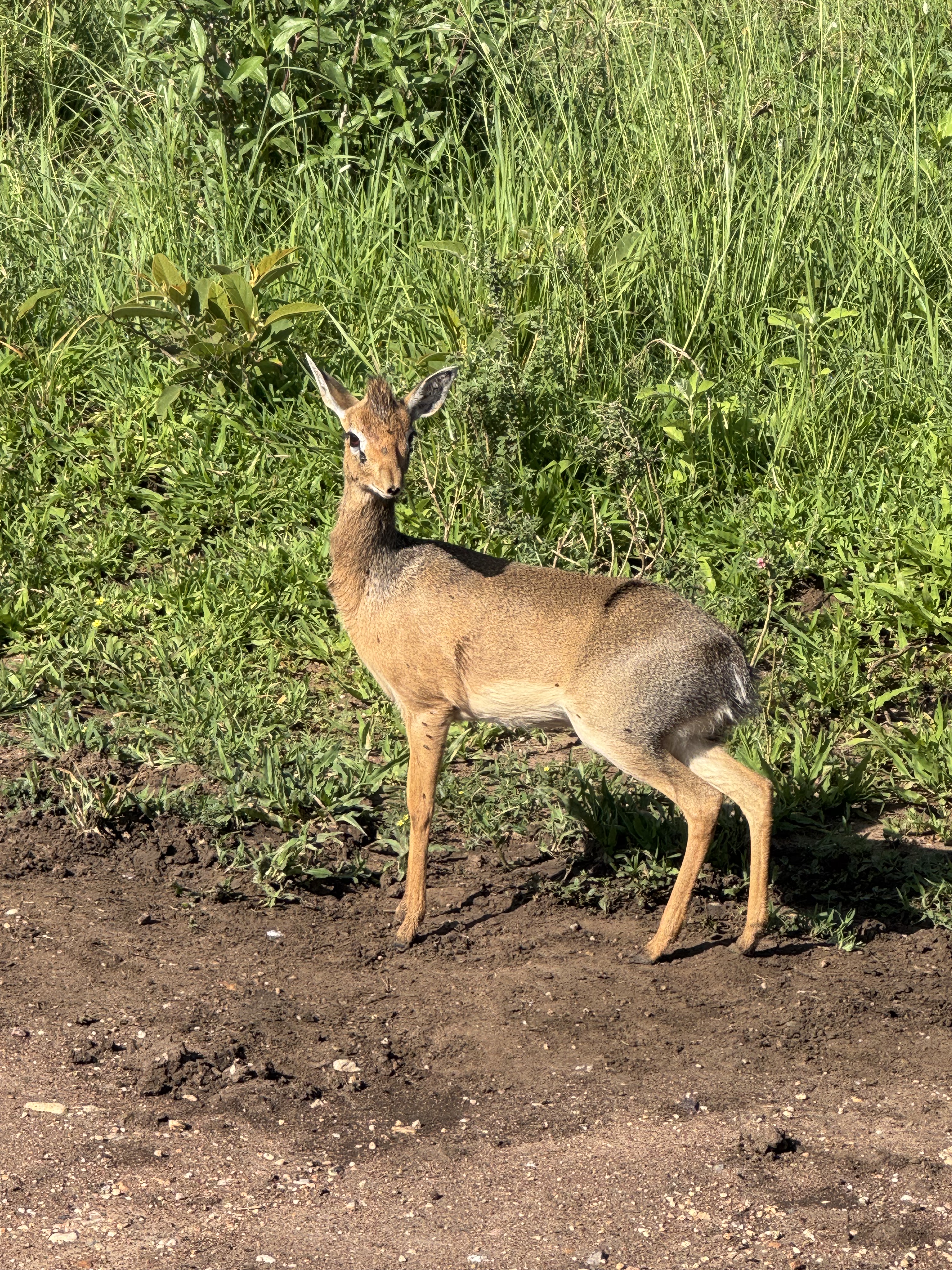
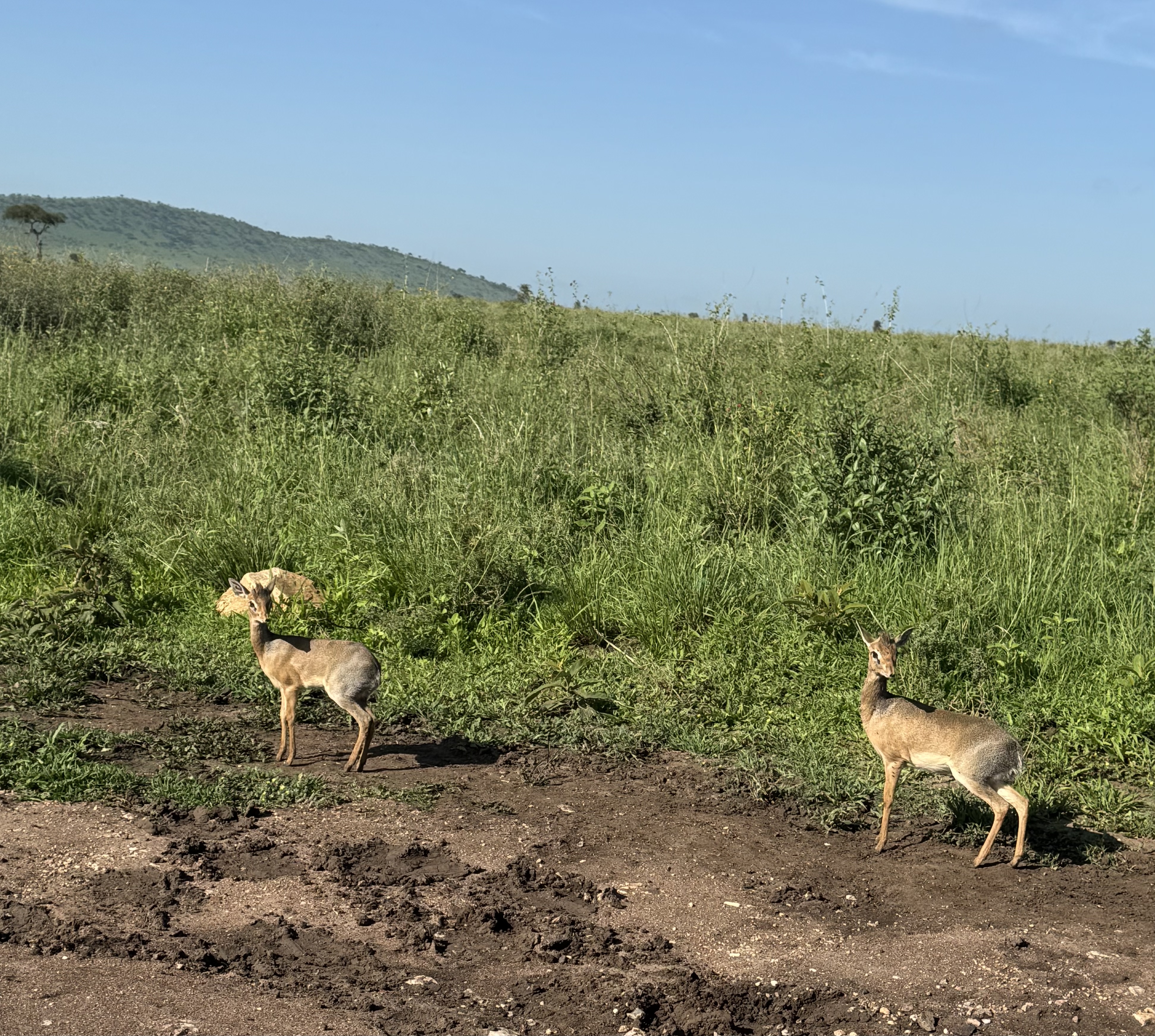
- small, shy. dik-diks (smallest of the antelope species)
- A troop of baboons walking up the road and refused to get off so we could drive through
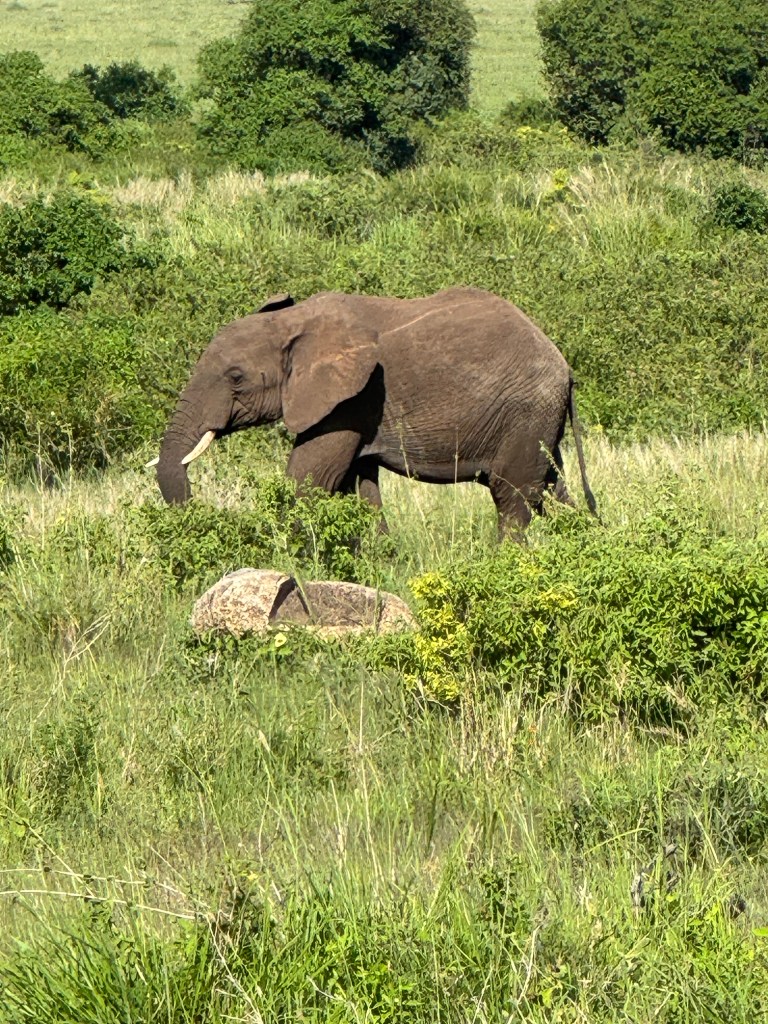
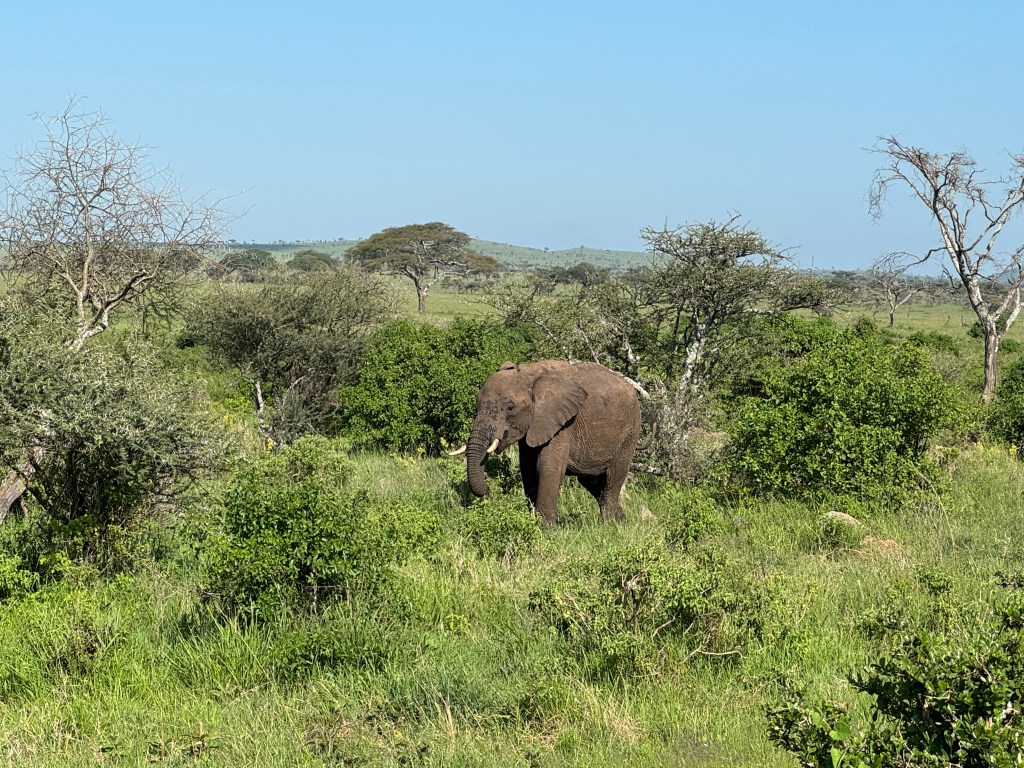
- Herd of elephants
- More giraffes
- Impalas
- More giraffes 🙂
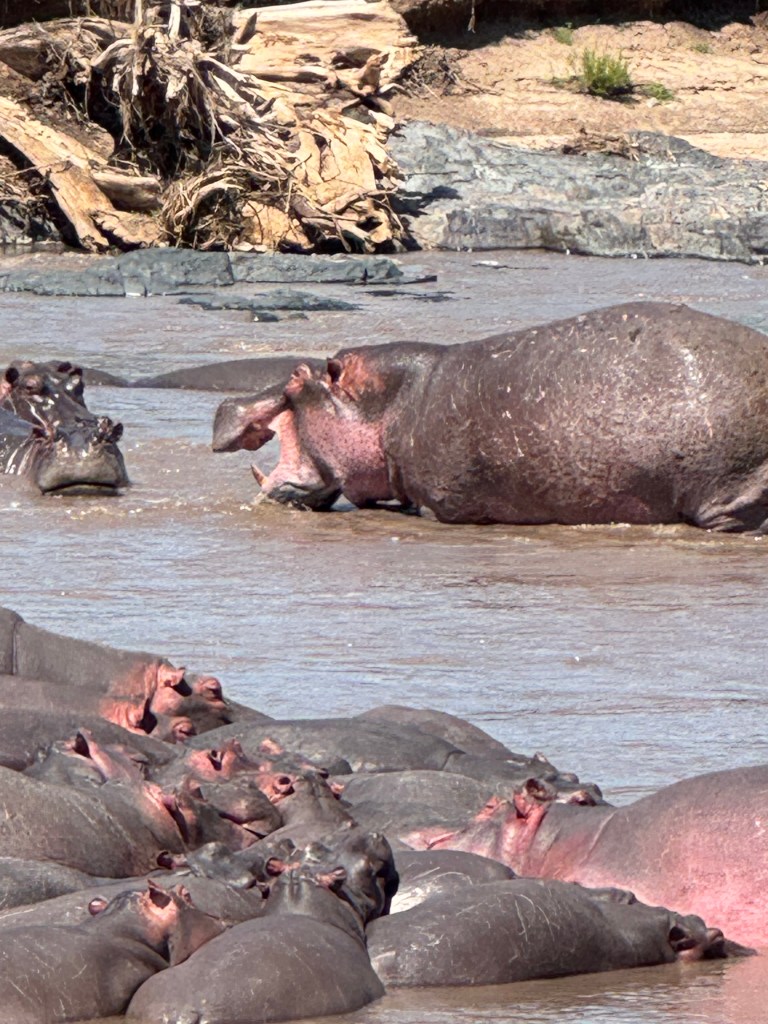
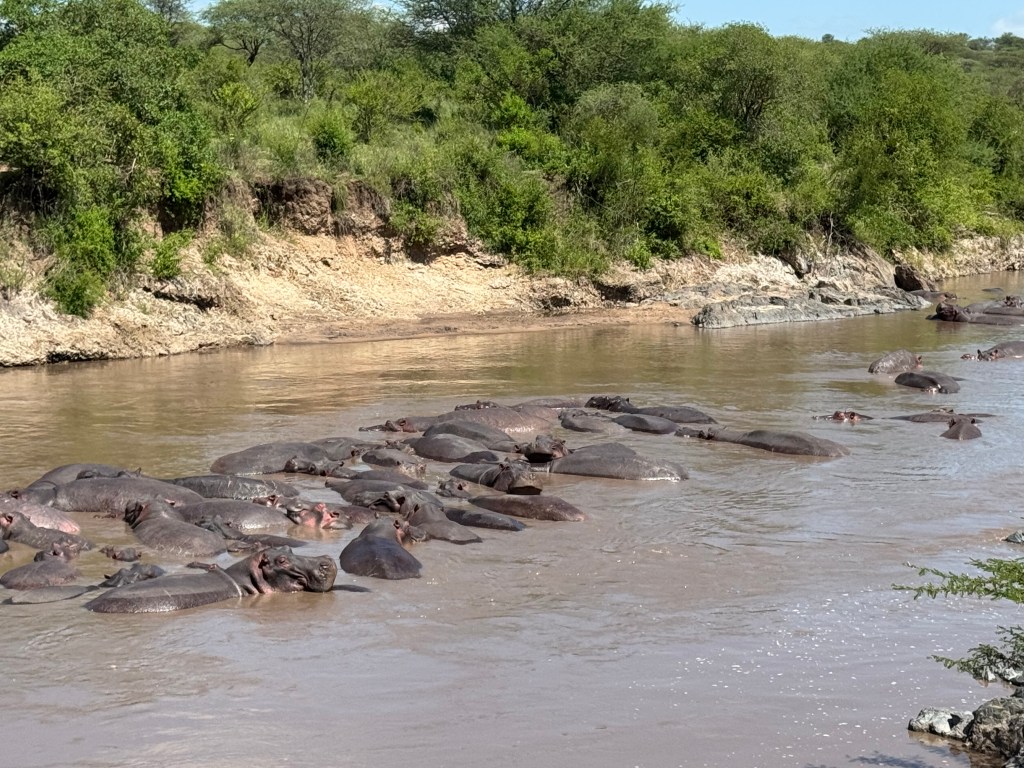
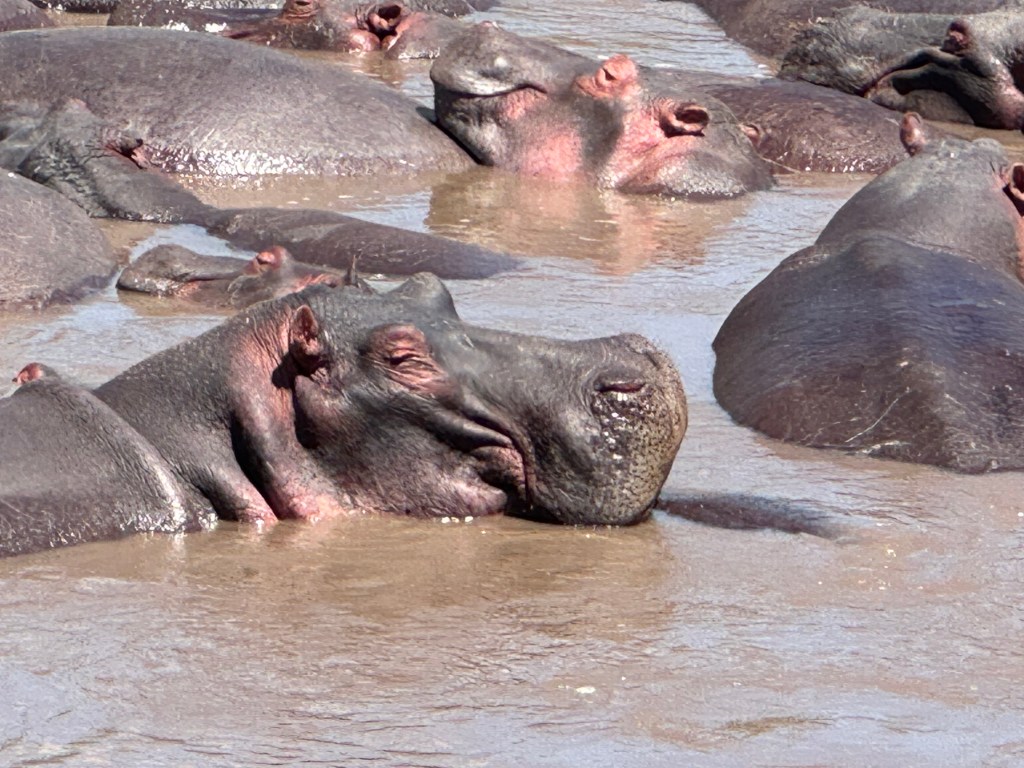
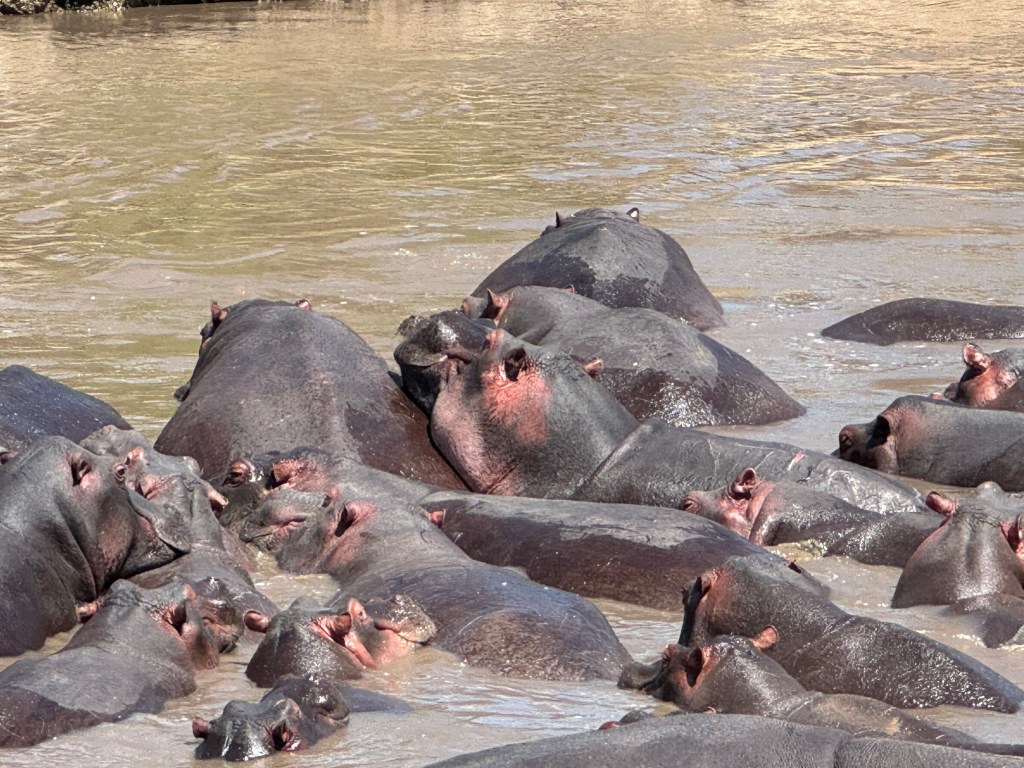
- A pod of hippopotamuses – they make great noises
- Red-beaked hornbill joined us for lunch
- Lioness sleeping in a tree
- Crocodiles floating in a pool
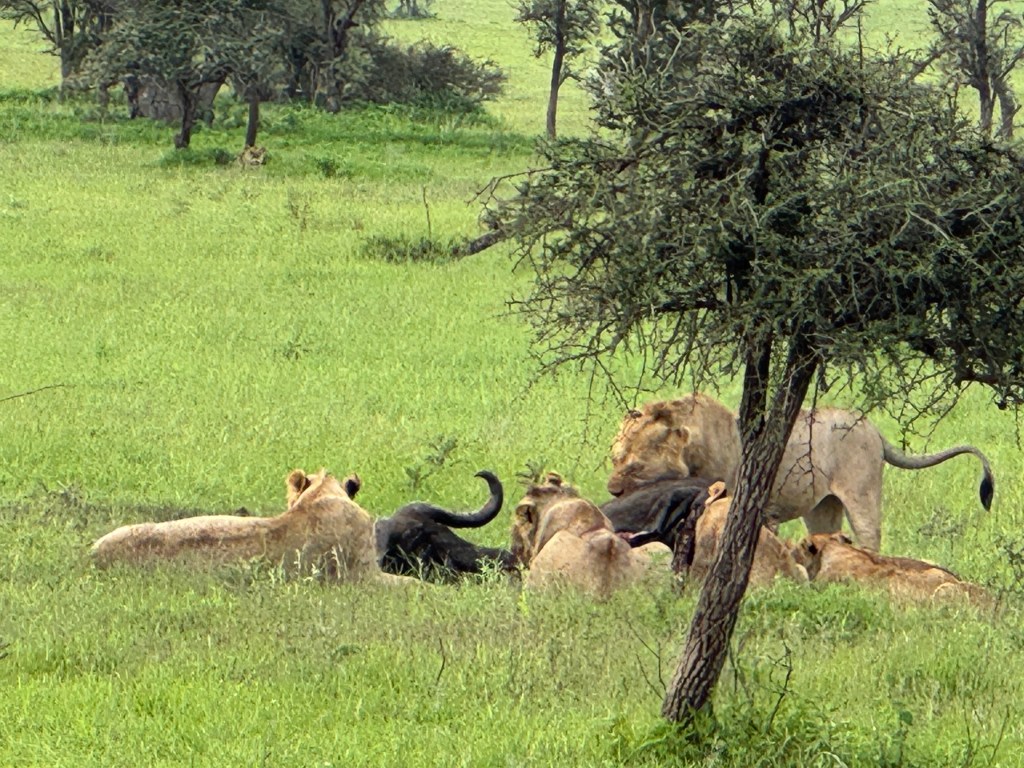
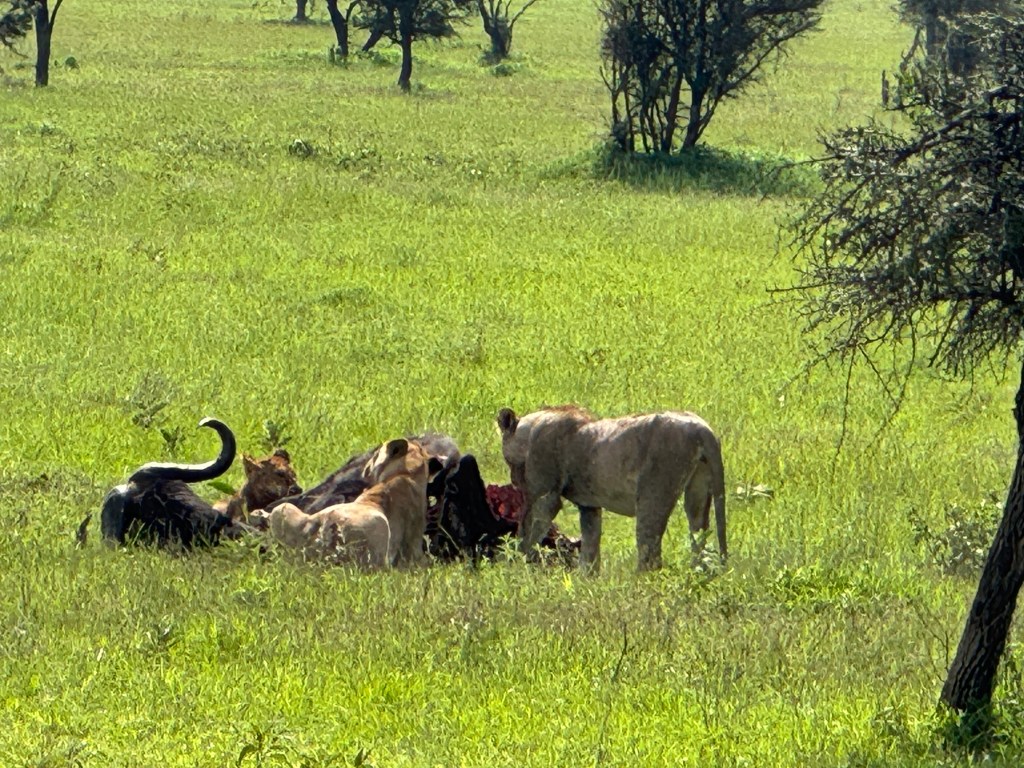
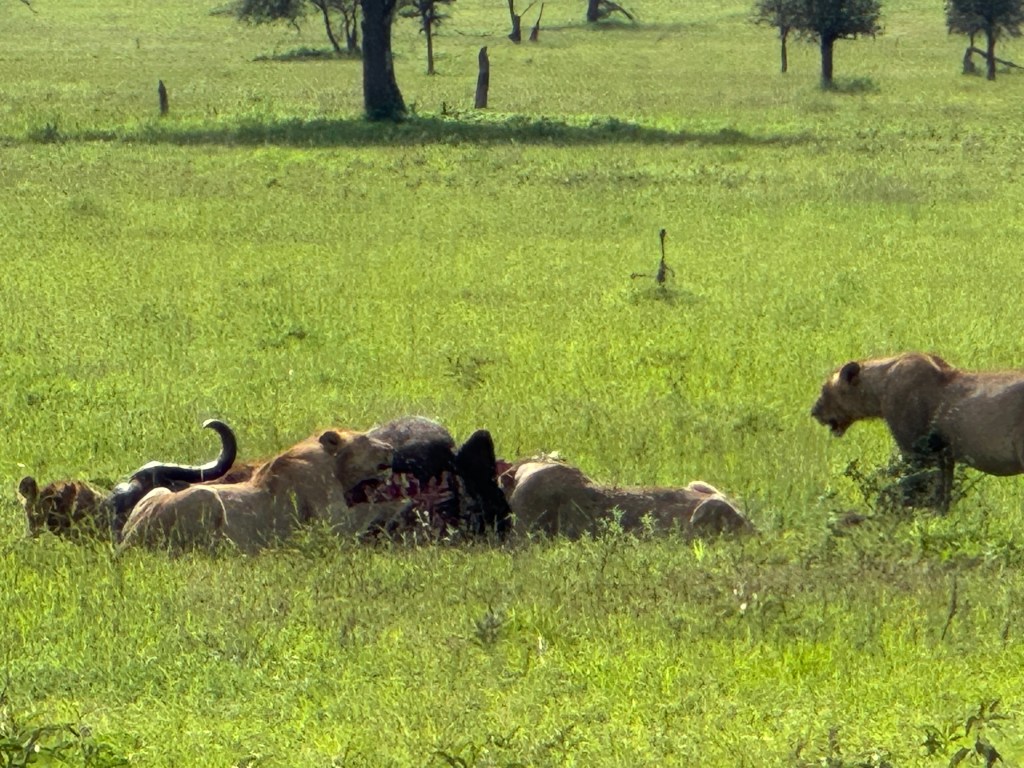
- A large pride of lions eating an African buffalo
- A cackle of hyenas waiting to scavenge a meal after the lions finish eating
- A herd of elephants making it clear to the lions they are in charge of the savanna
- Leopard enjoying an afternoon nap in a tree
And our Tanzania safari comes to an end!
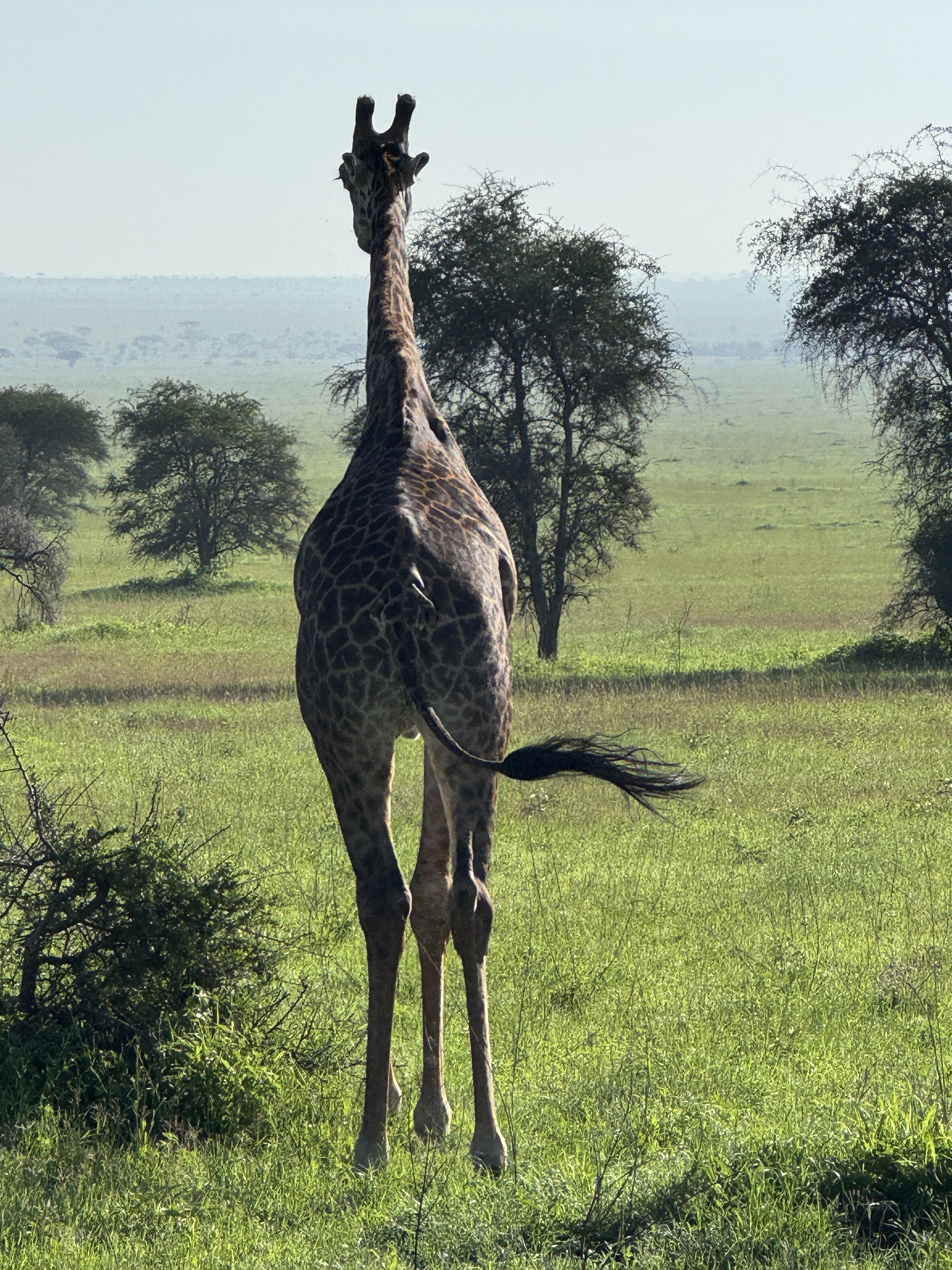
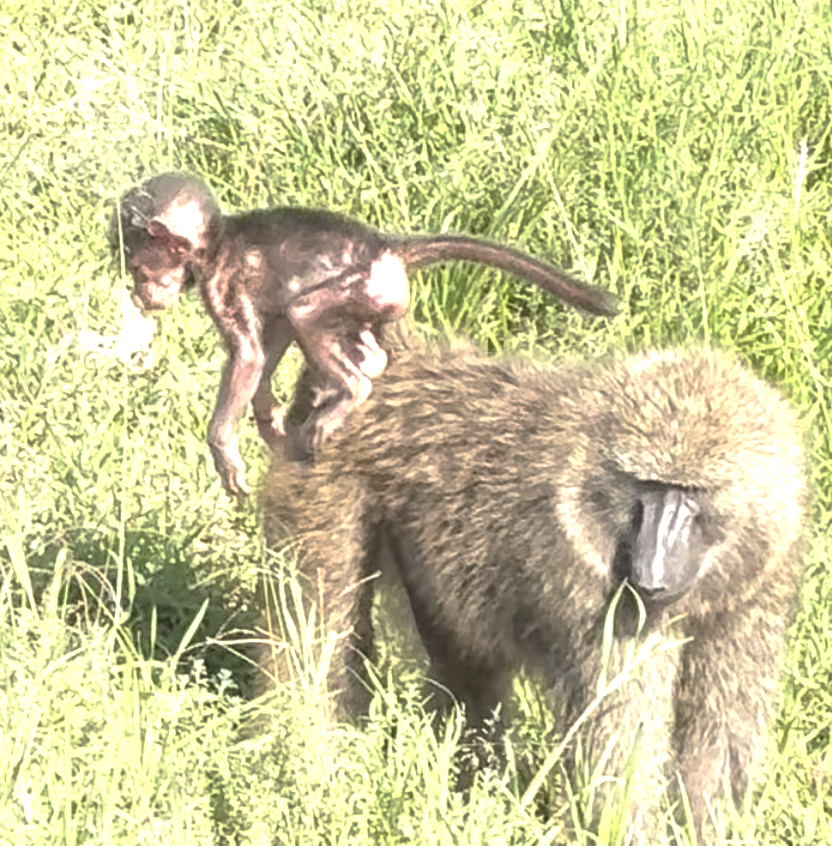

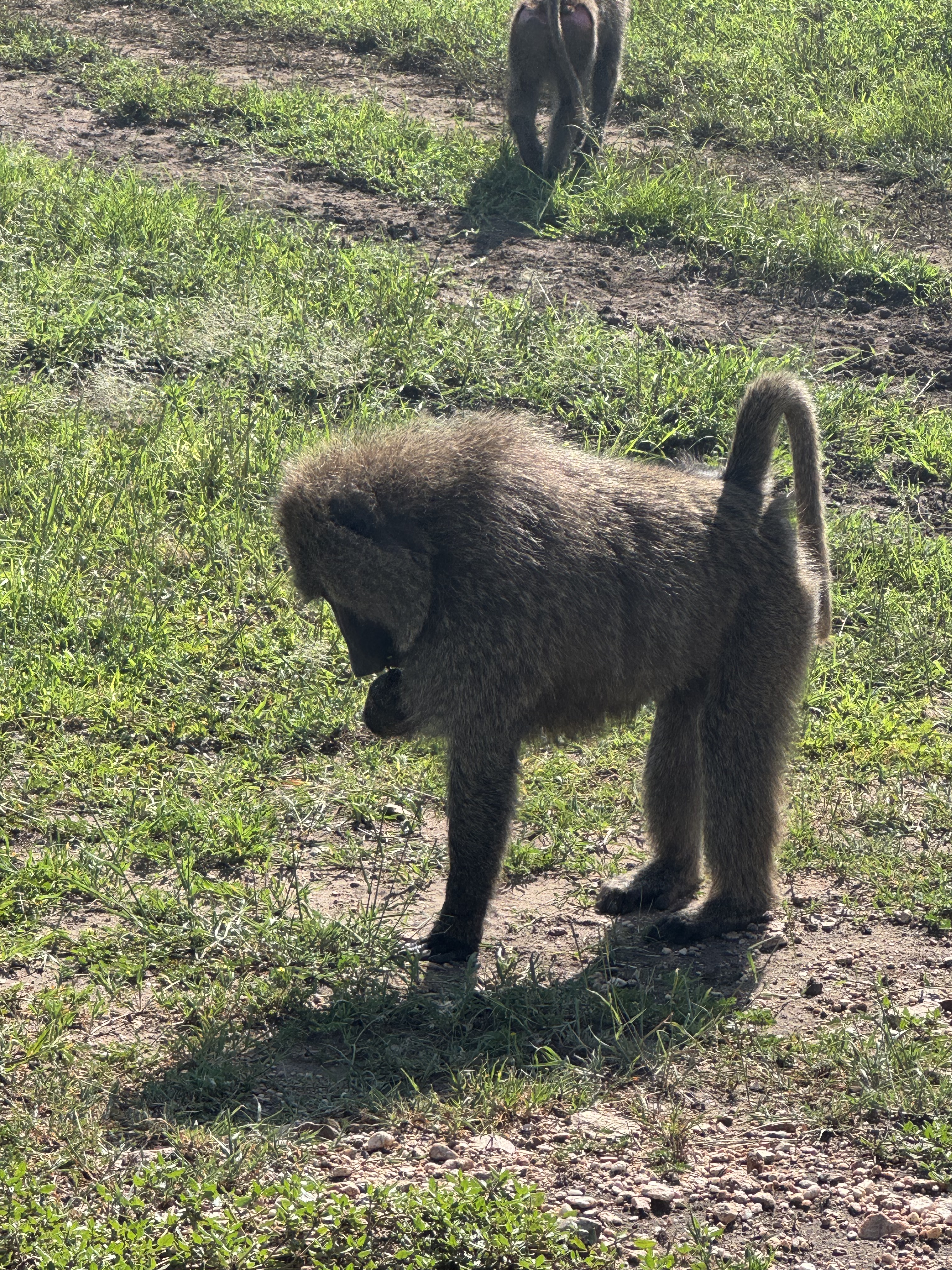
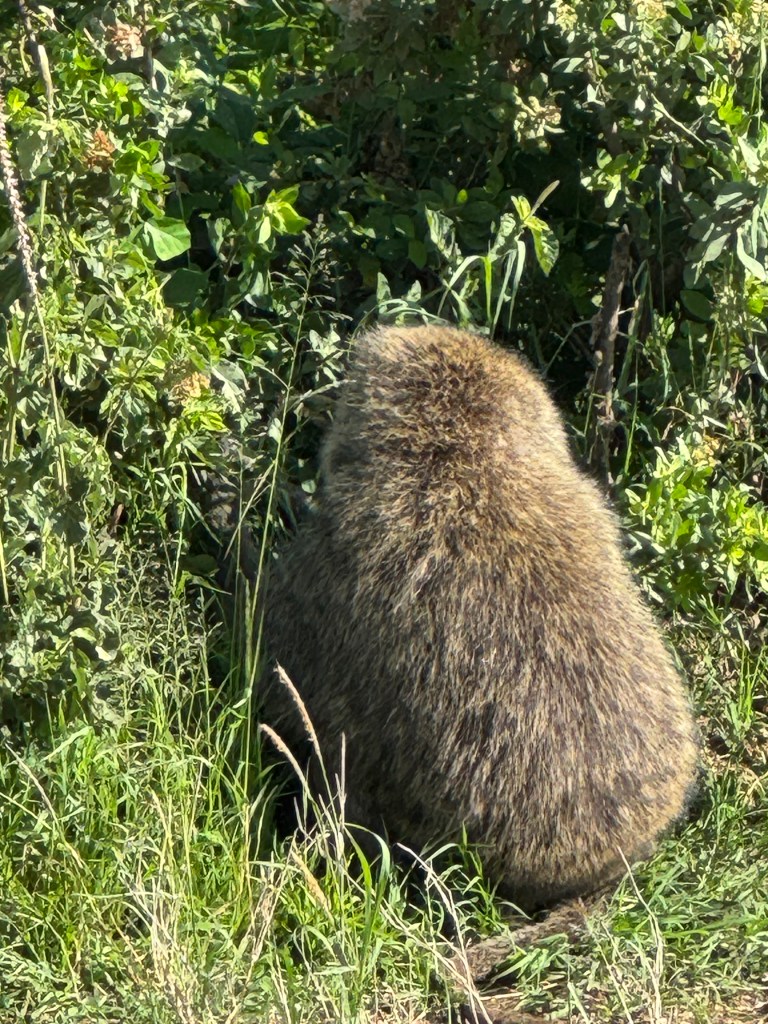
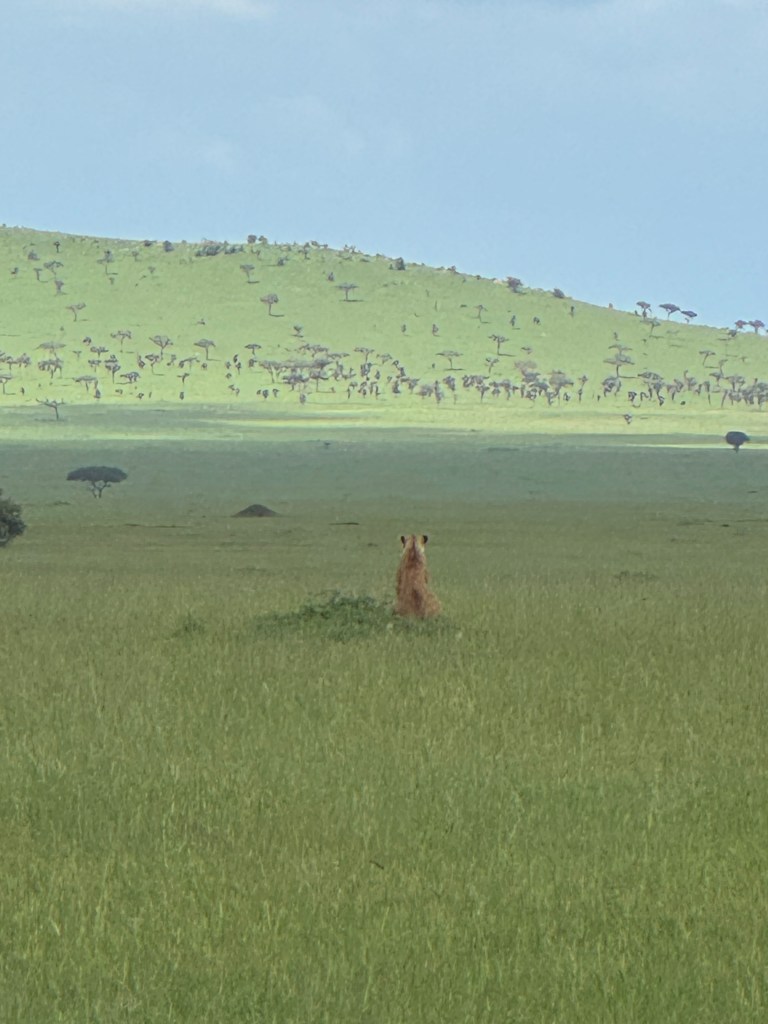
This baboon sat with his back to us the entire time. Do you think he is ignoring us? Maybe he got in trouble from the leader and has to sit in the corner away from his friends in the troop.

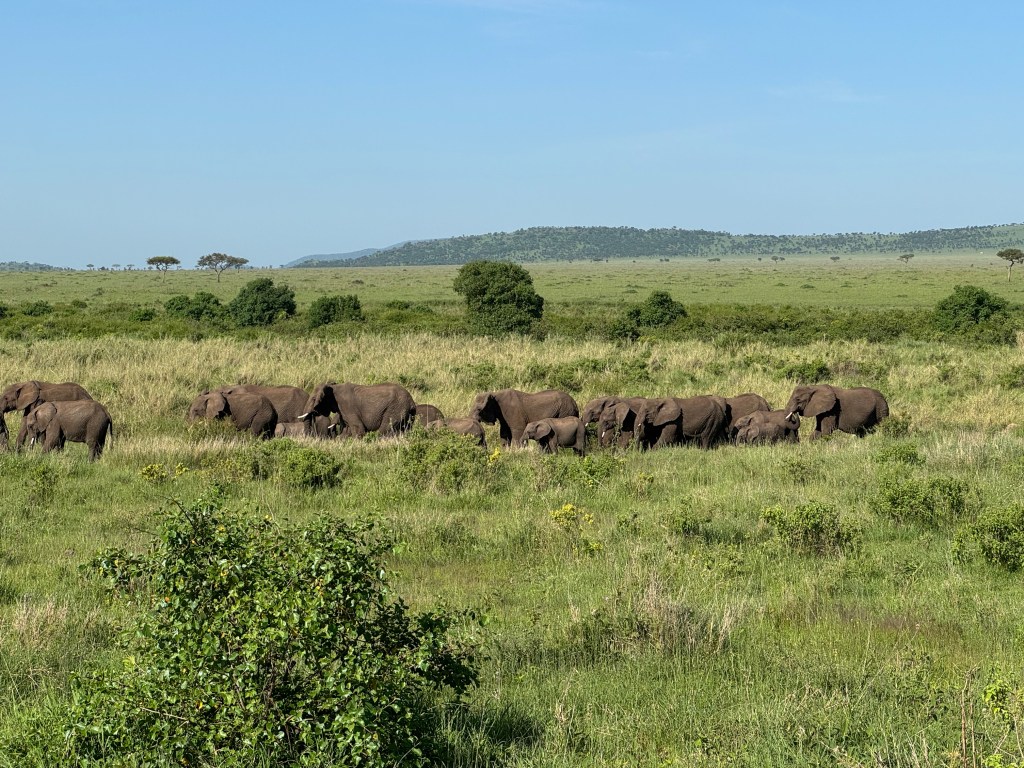
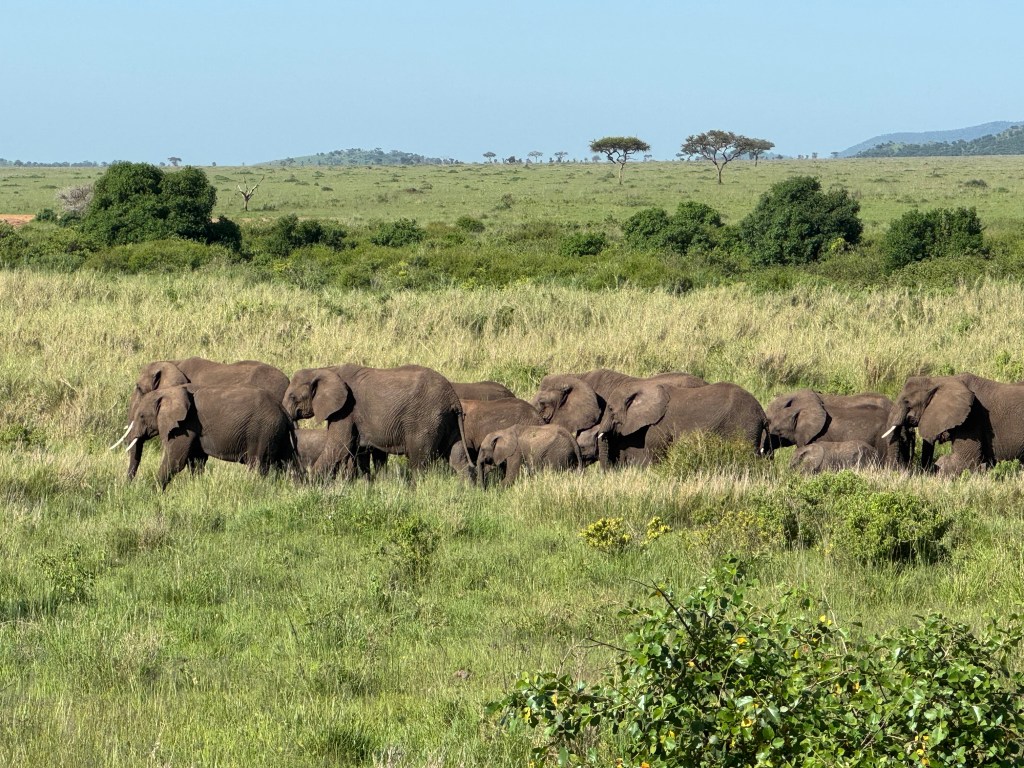

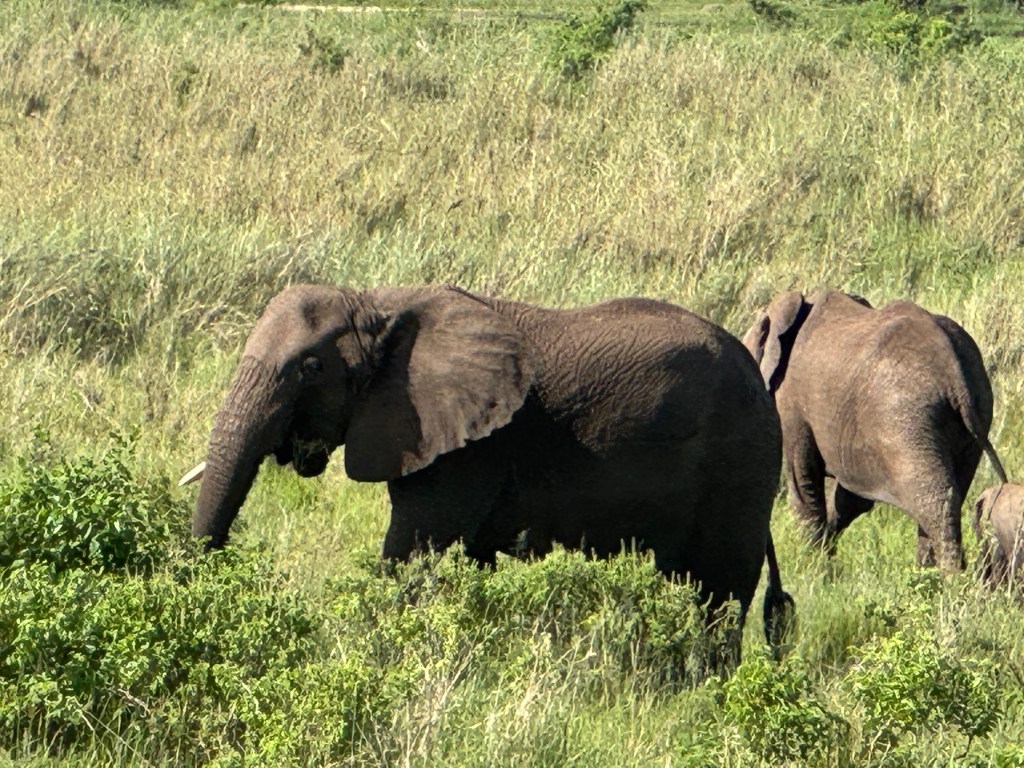


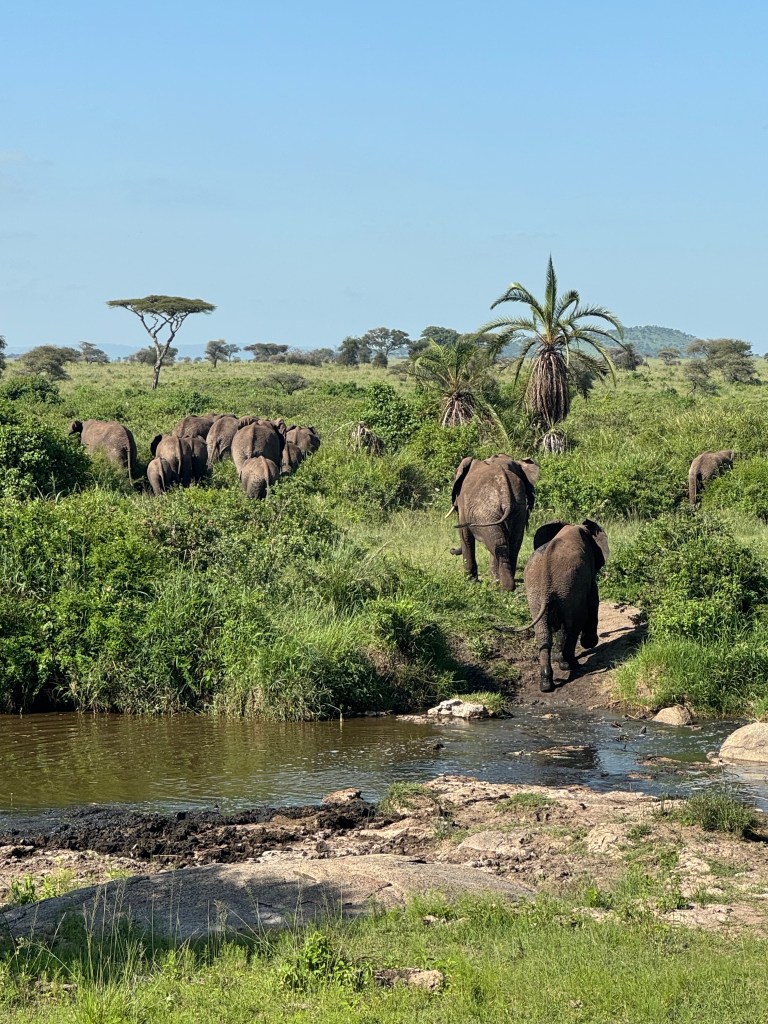

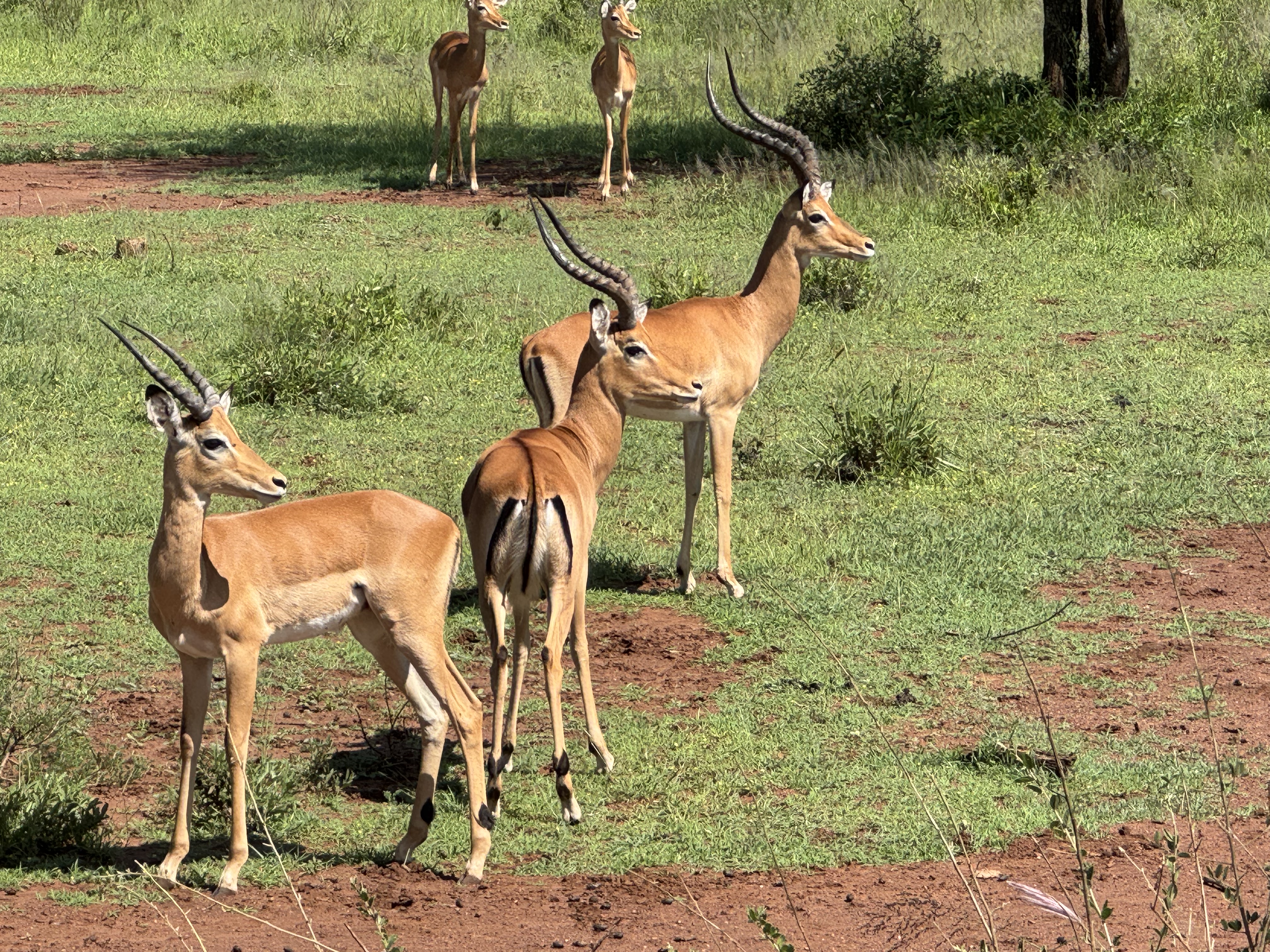
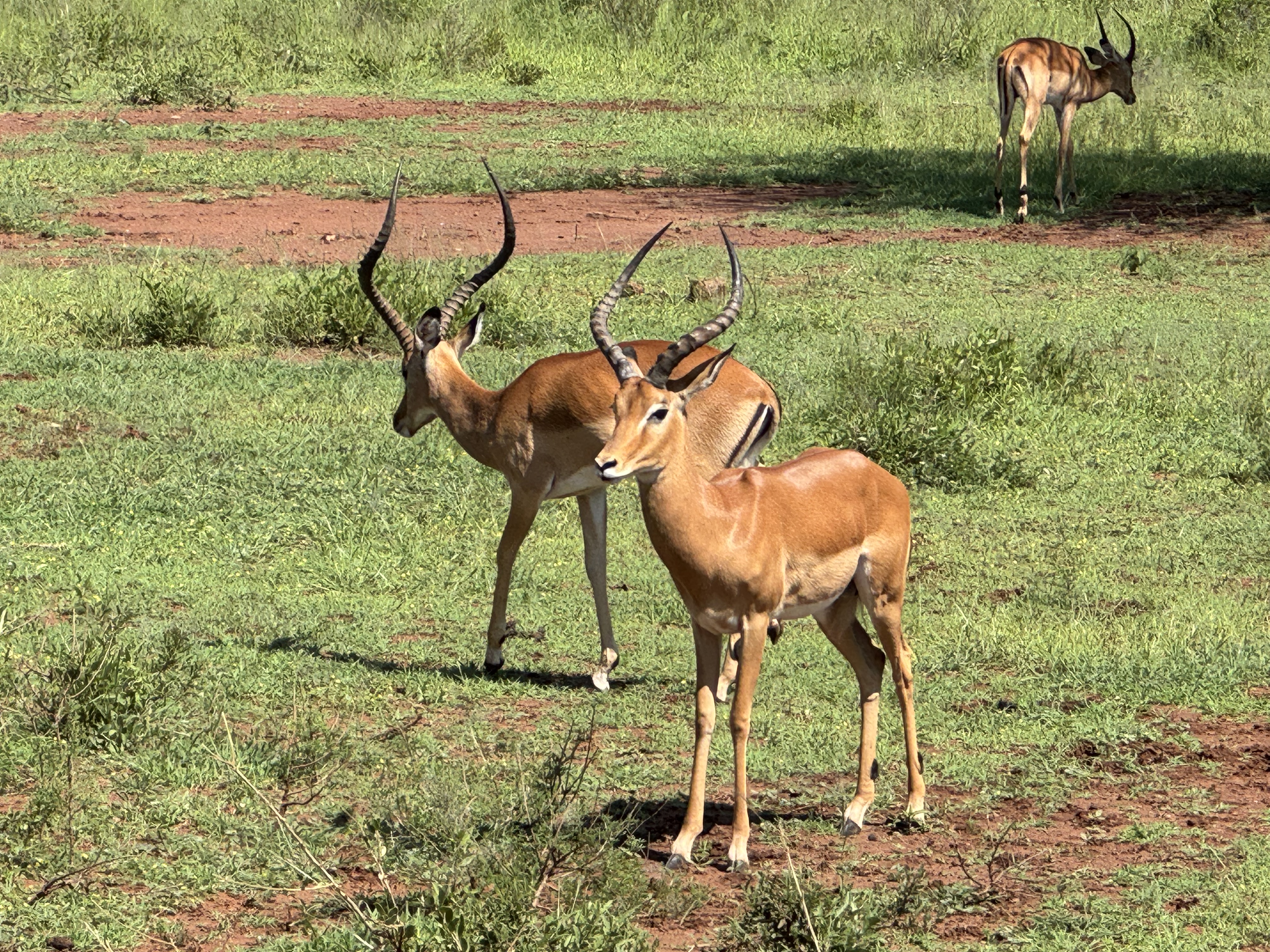


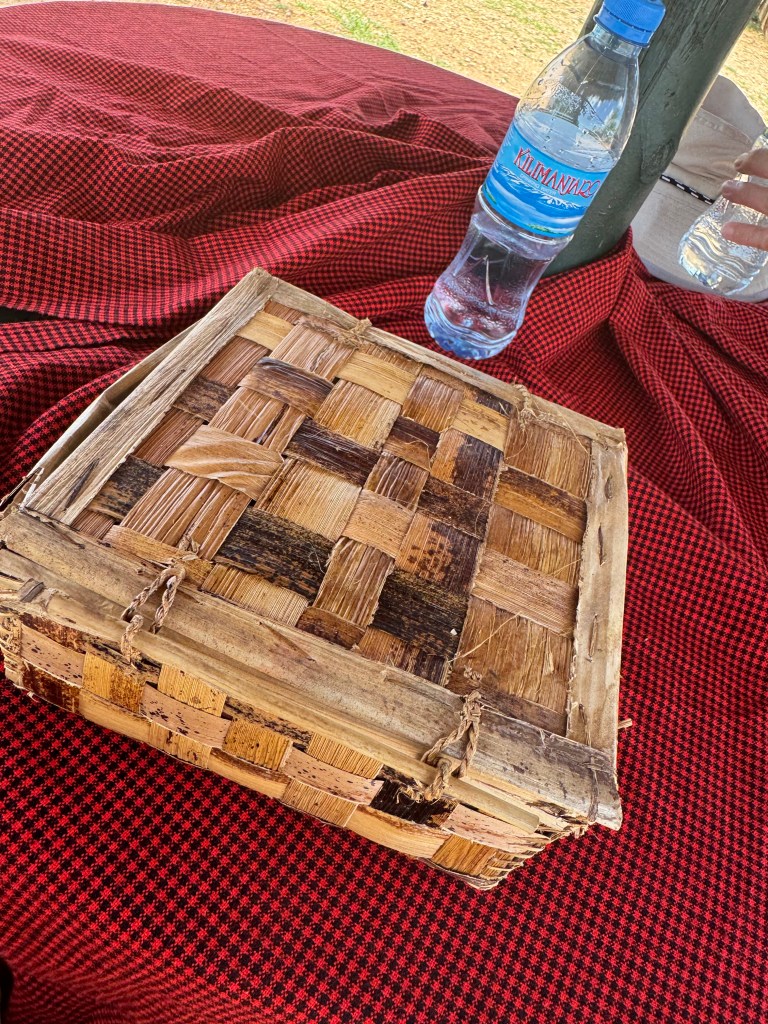
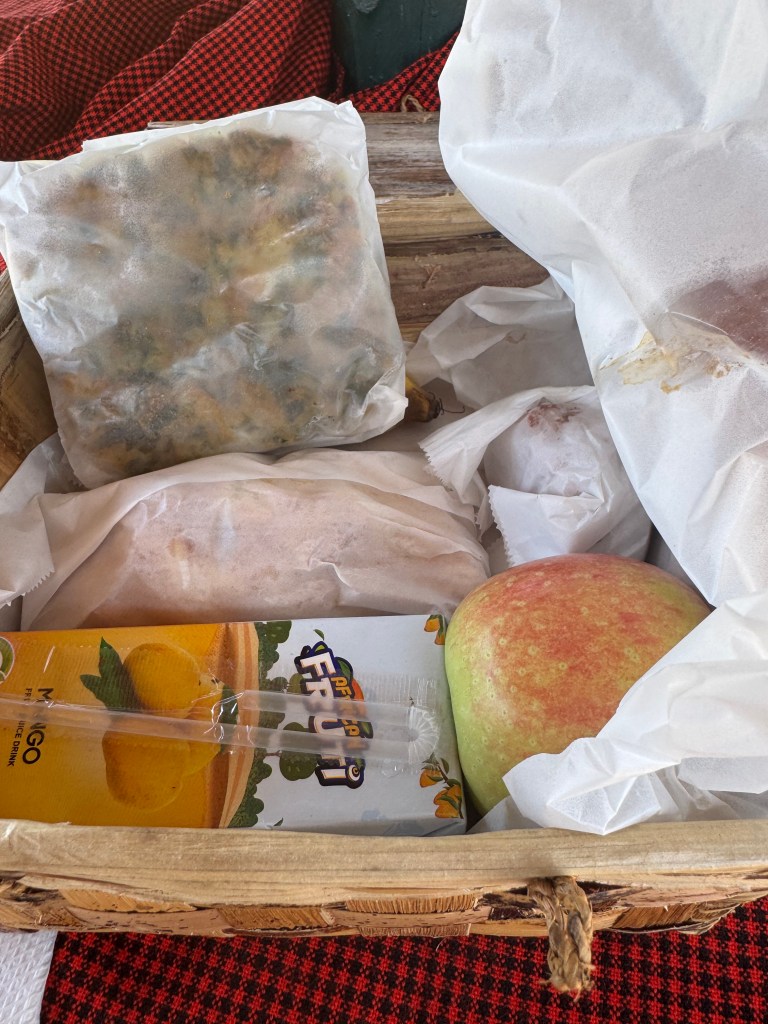
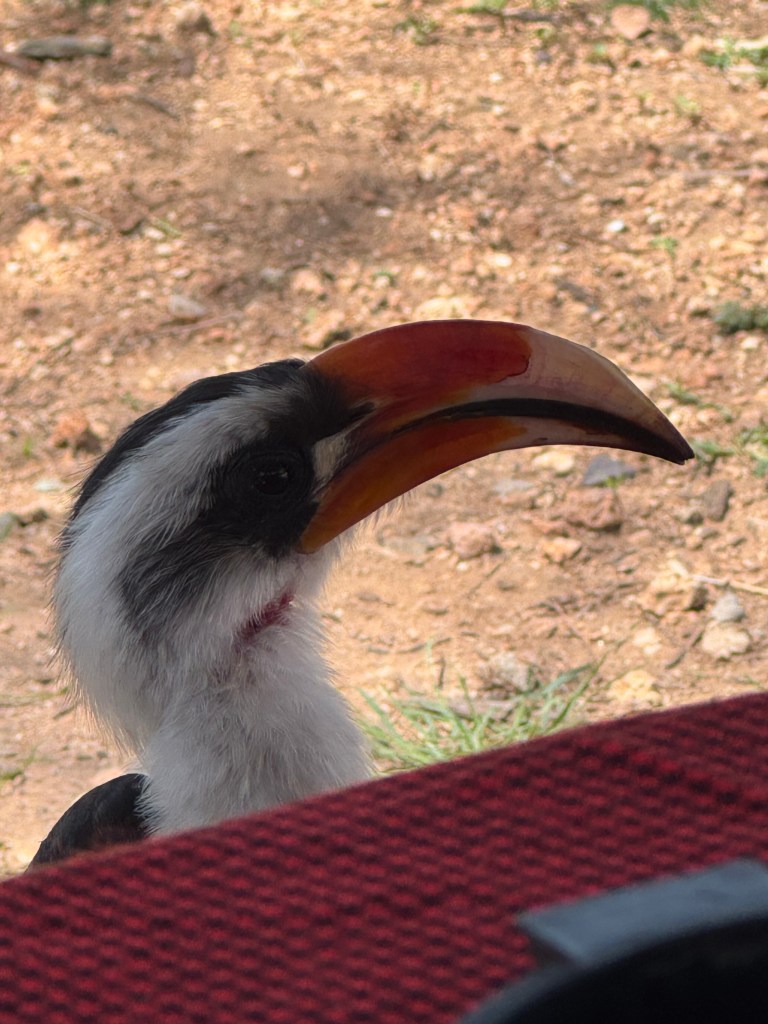

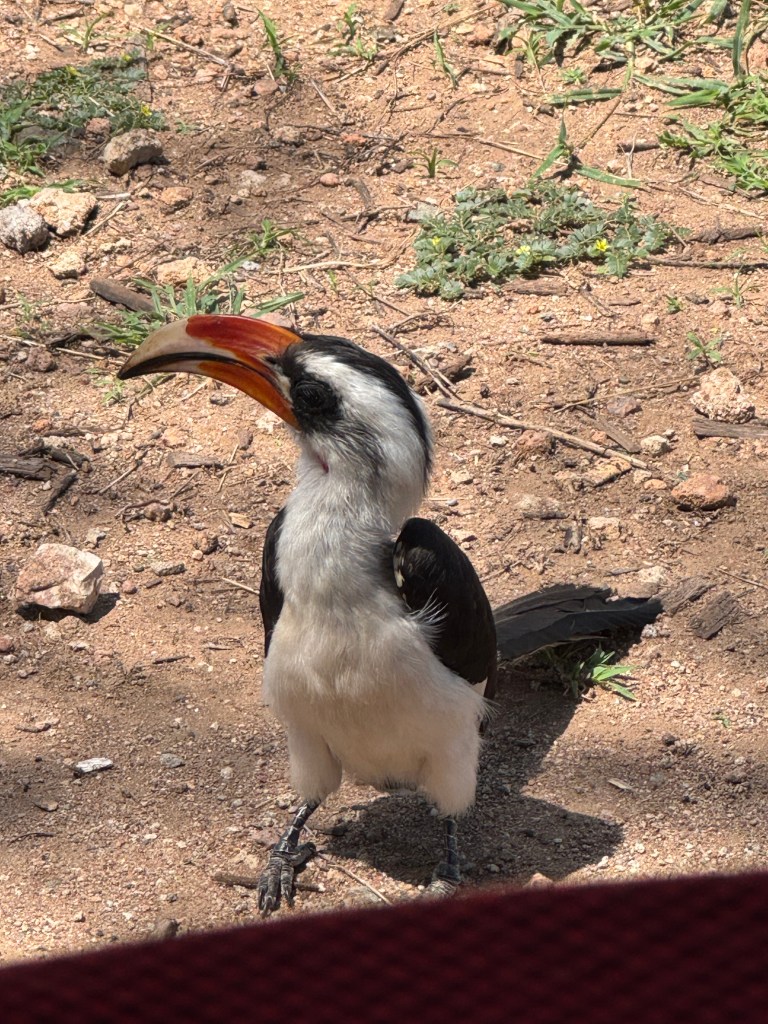
Lunch – an African bento box, hanging out with a friendly hornbill, while listening to the grunting noises coming from the hippo pool
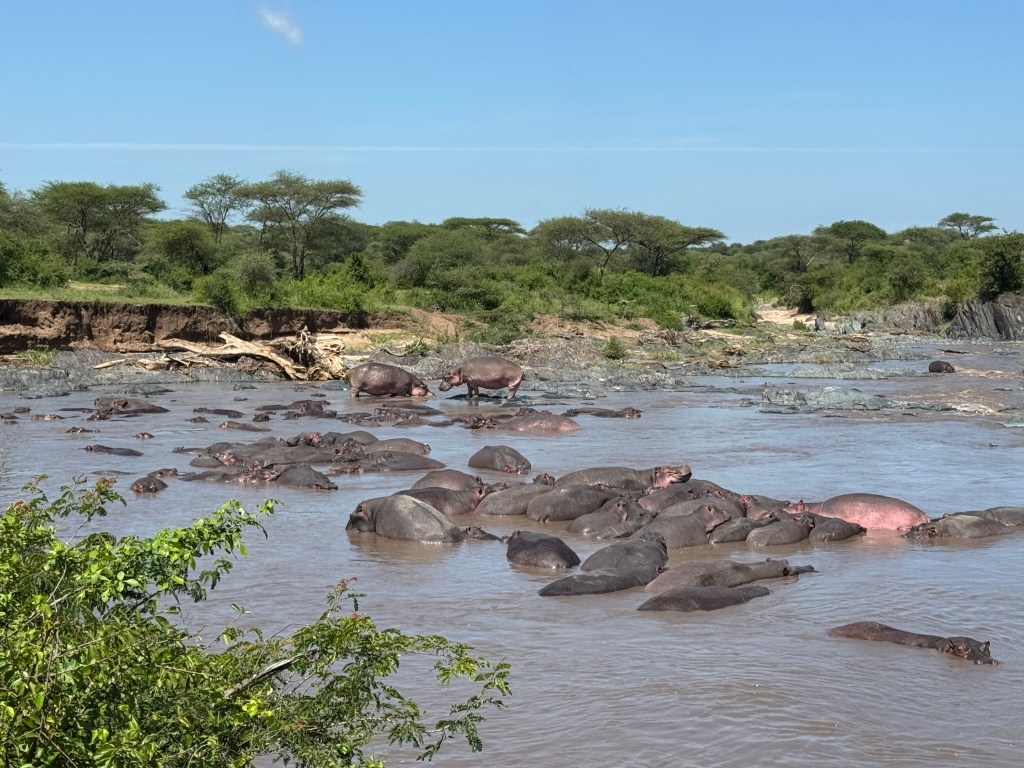

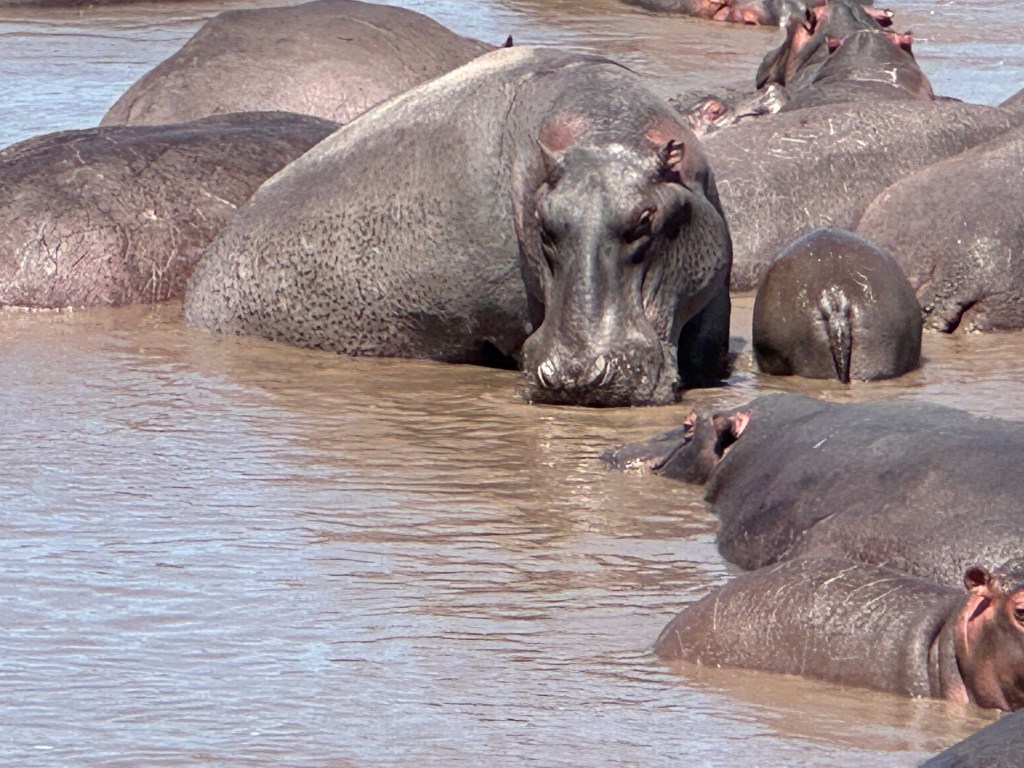
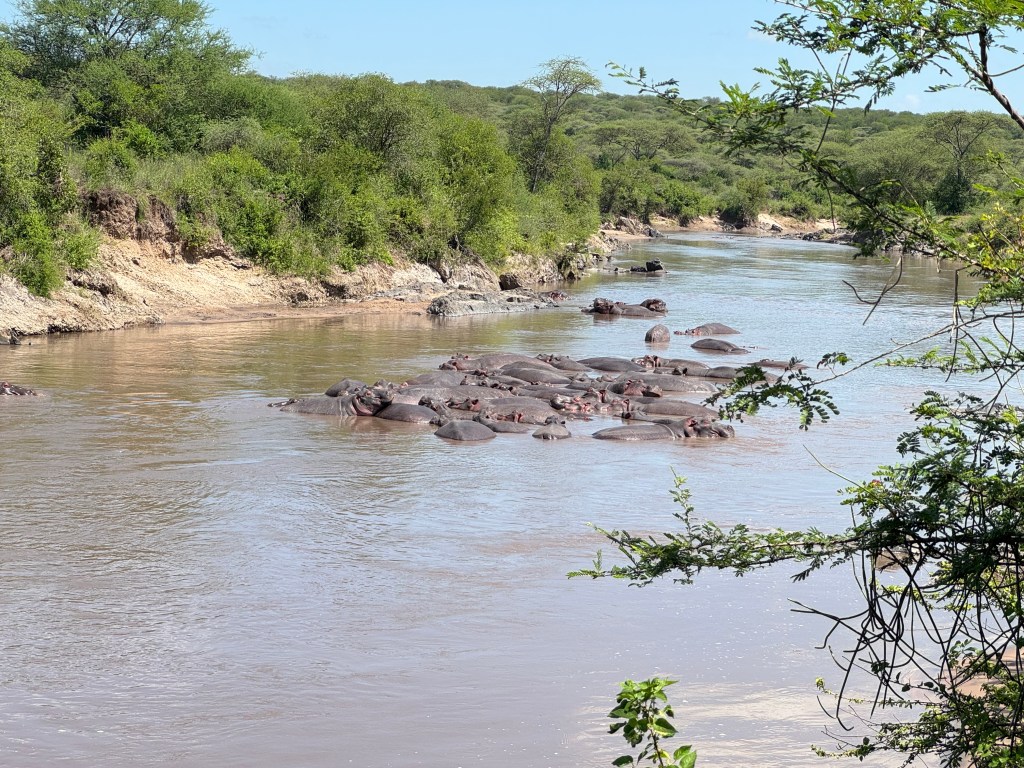

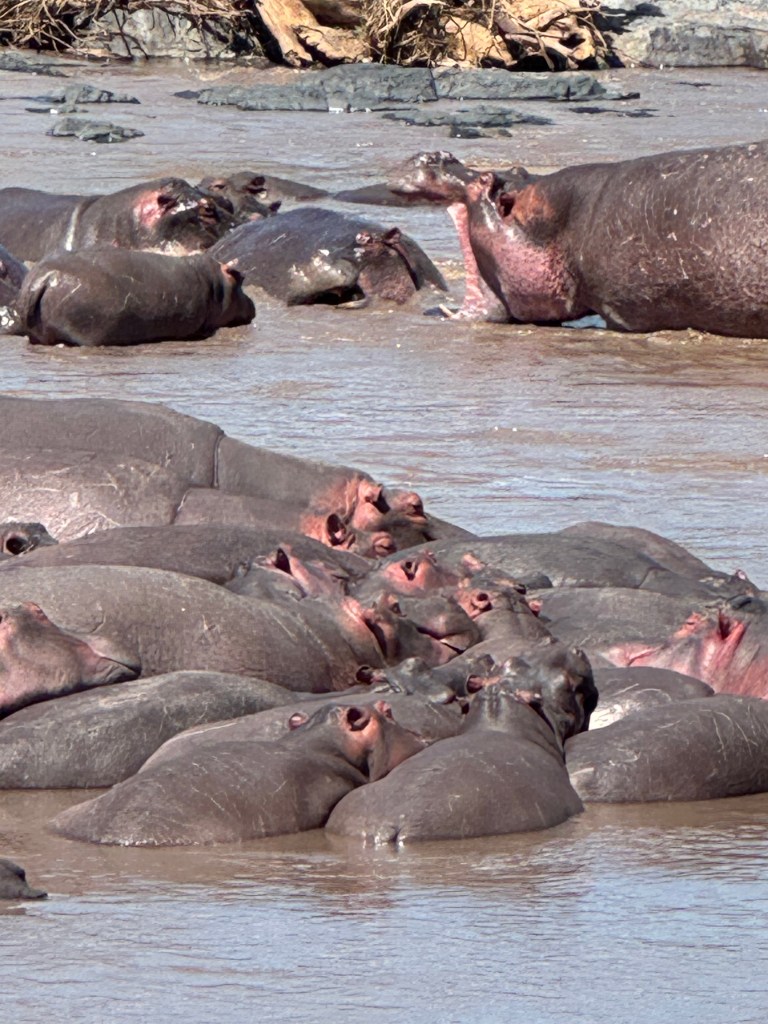




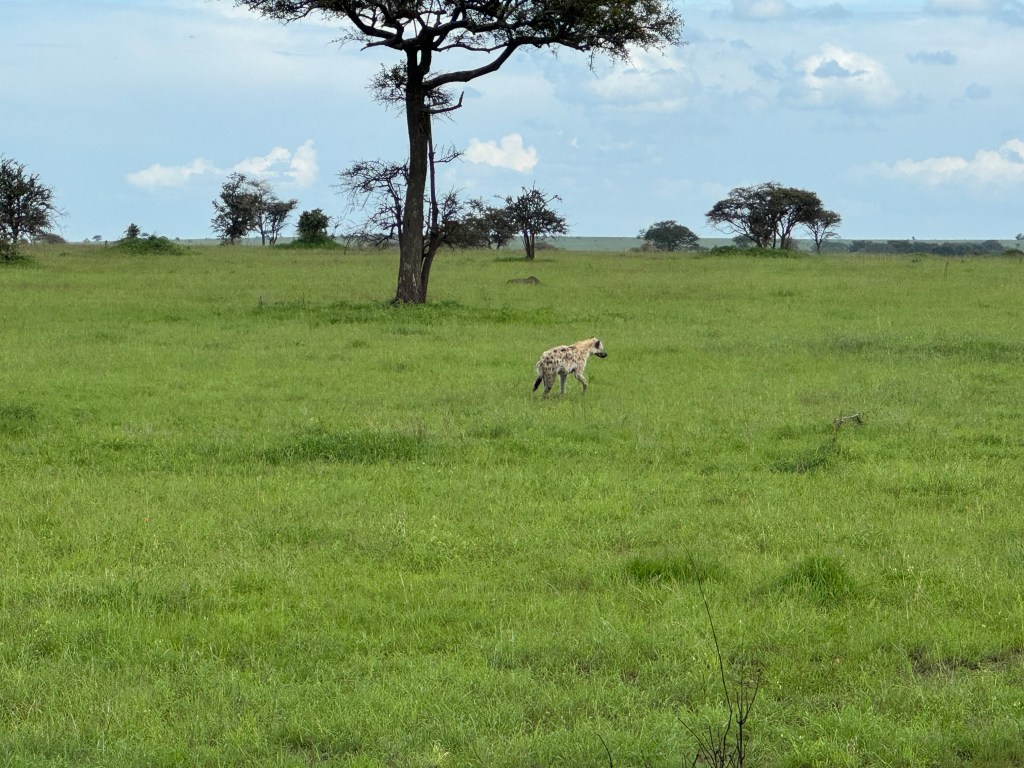
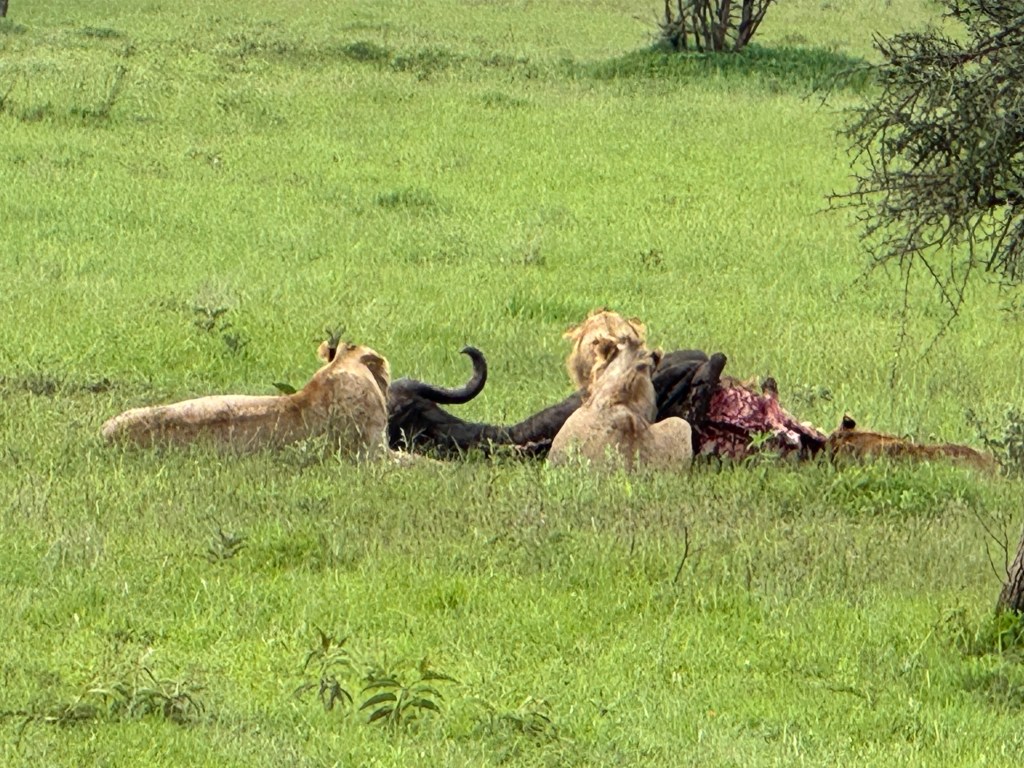

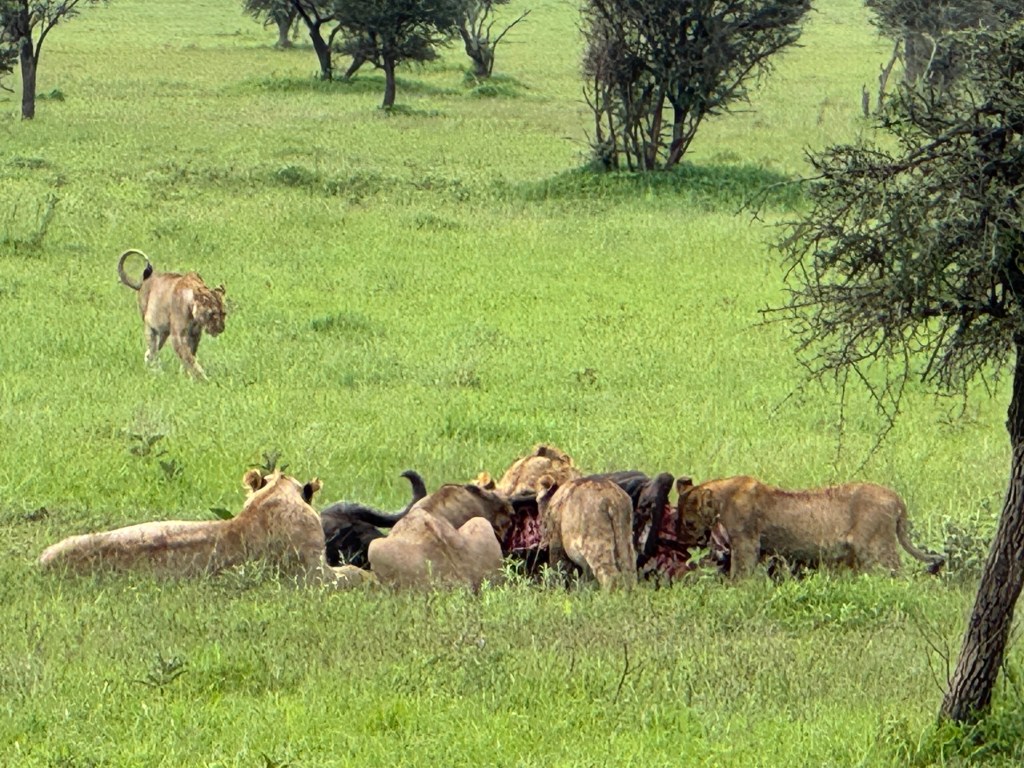
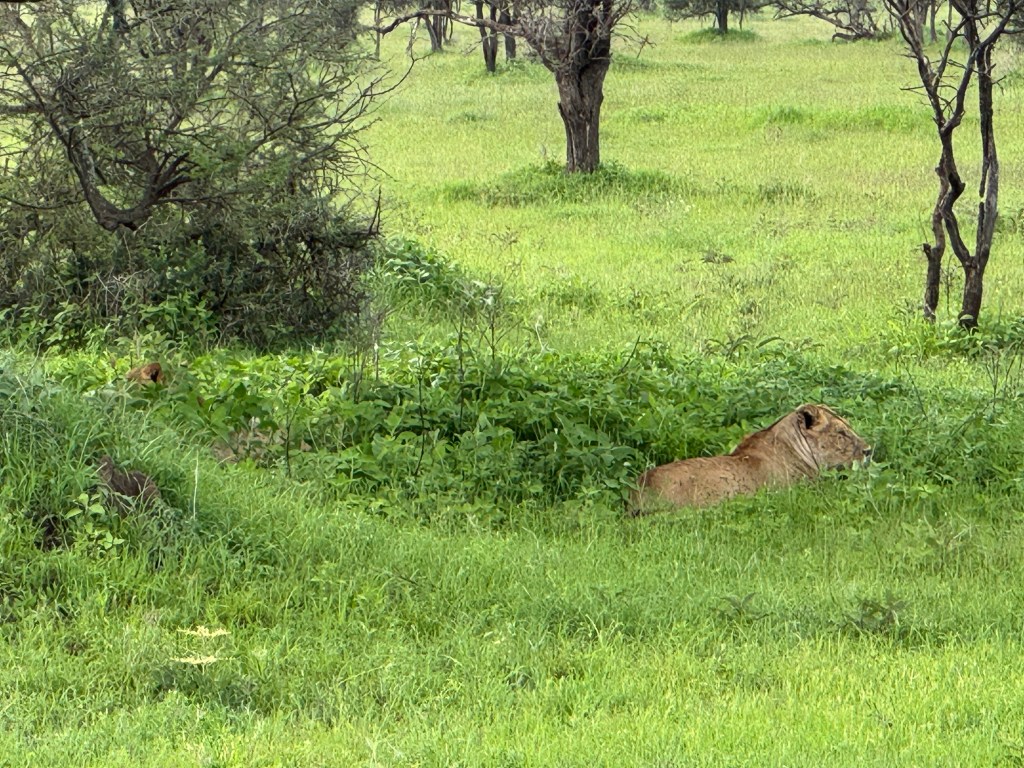


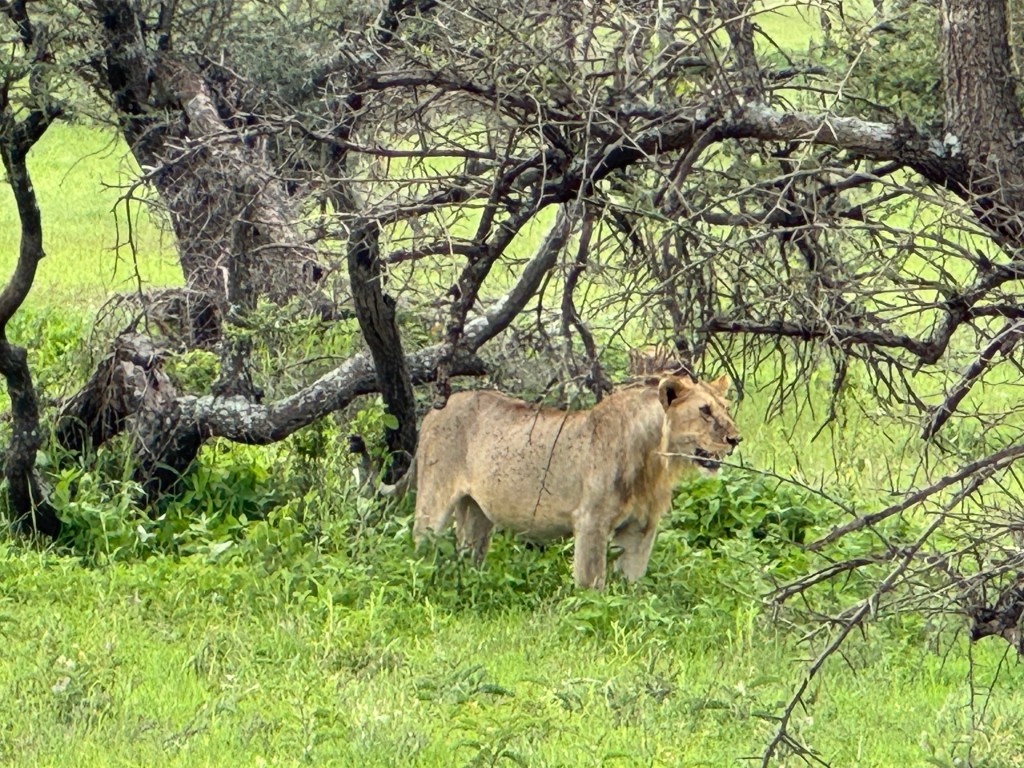
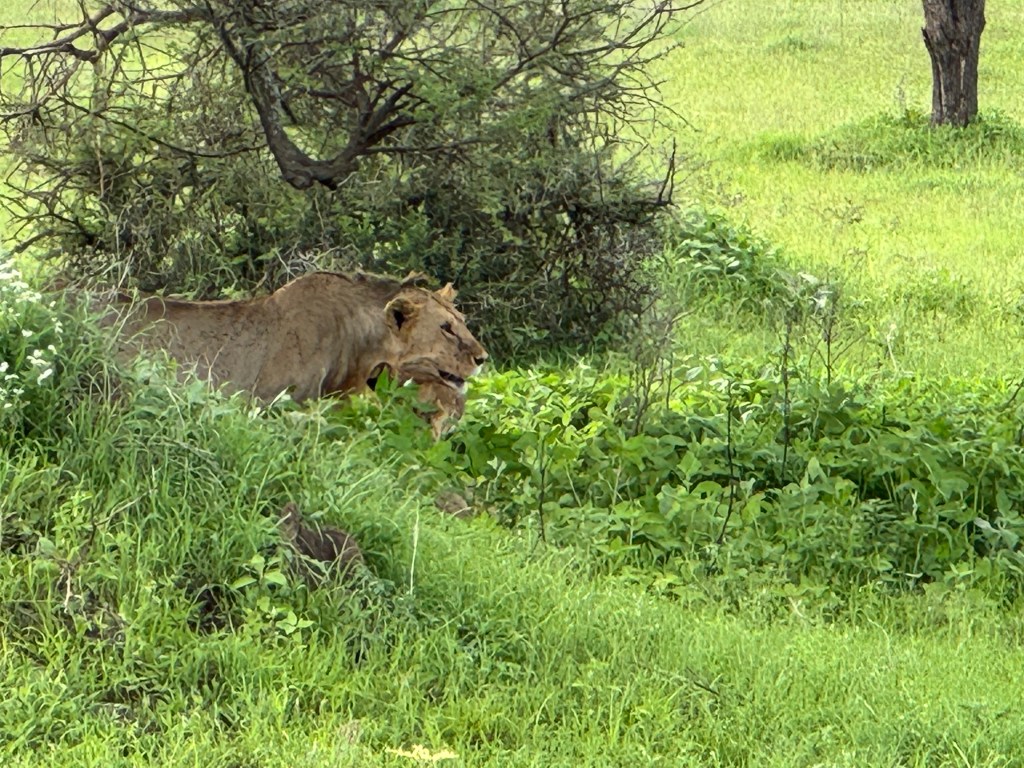
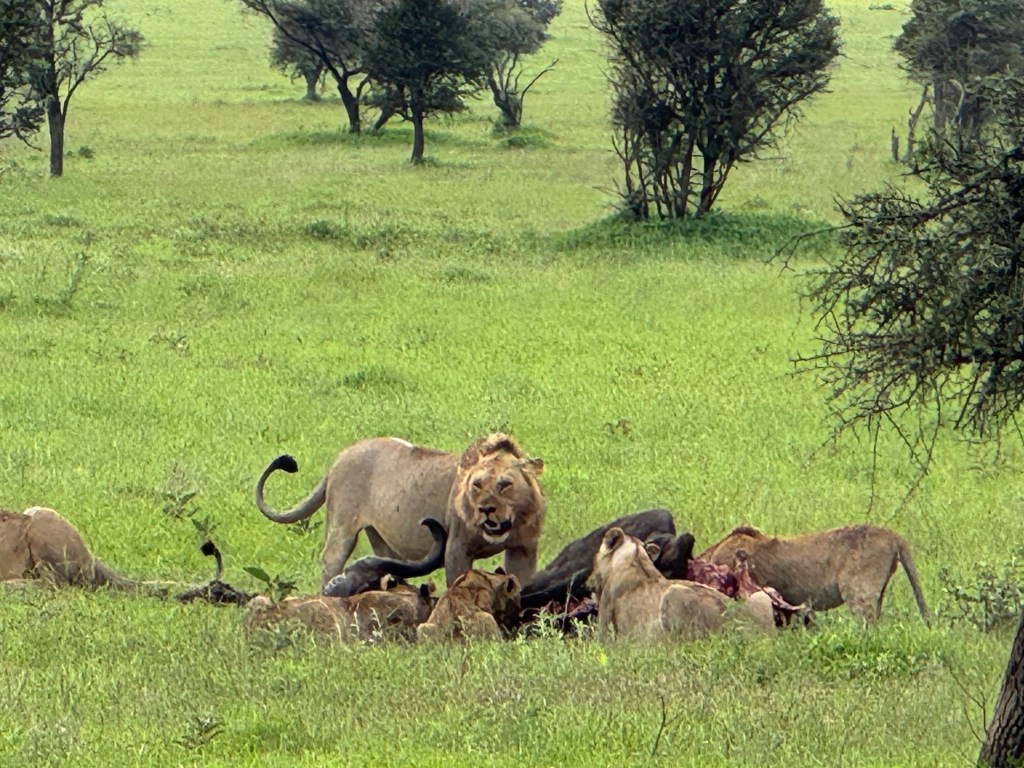
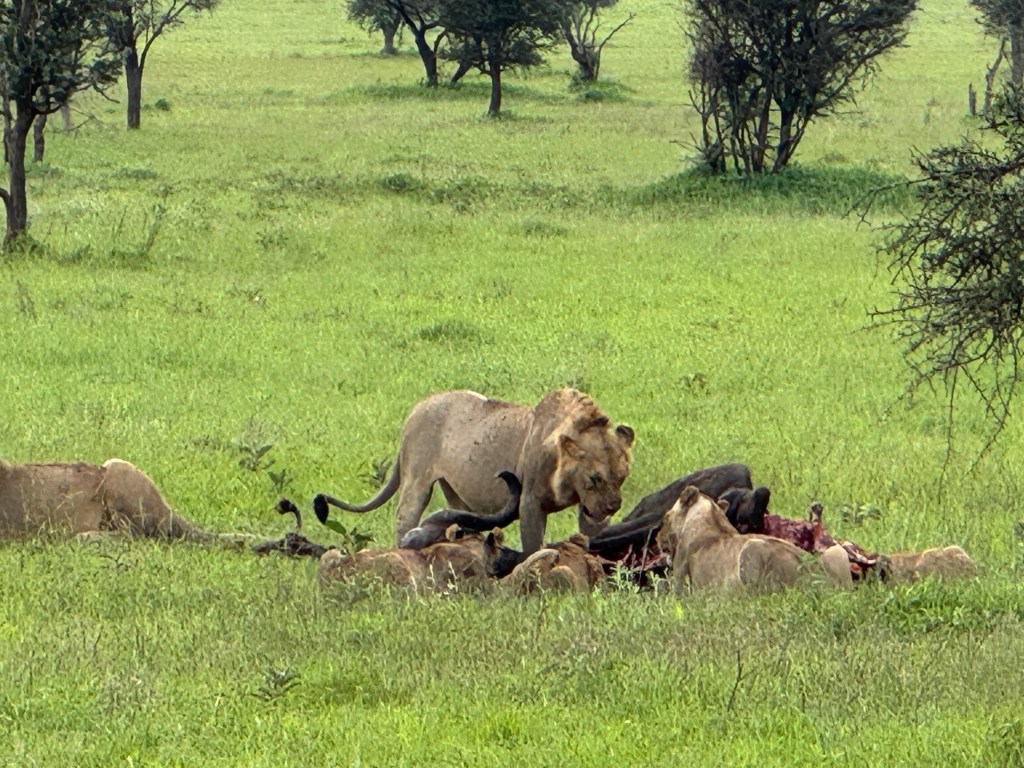


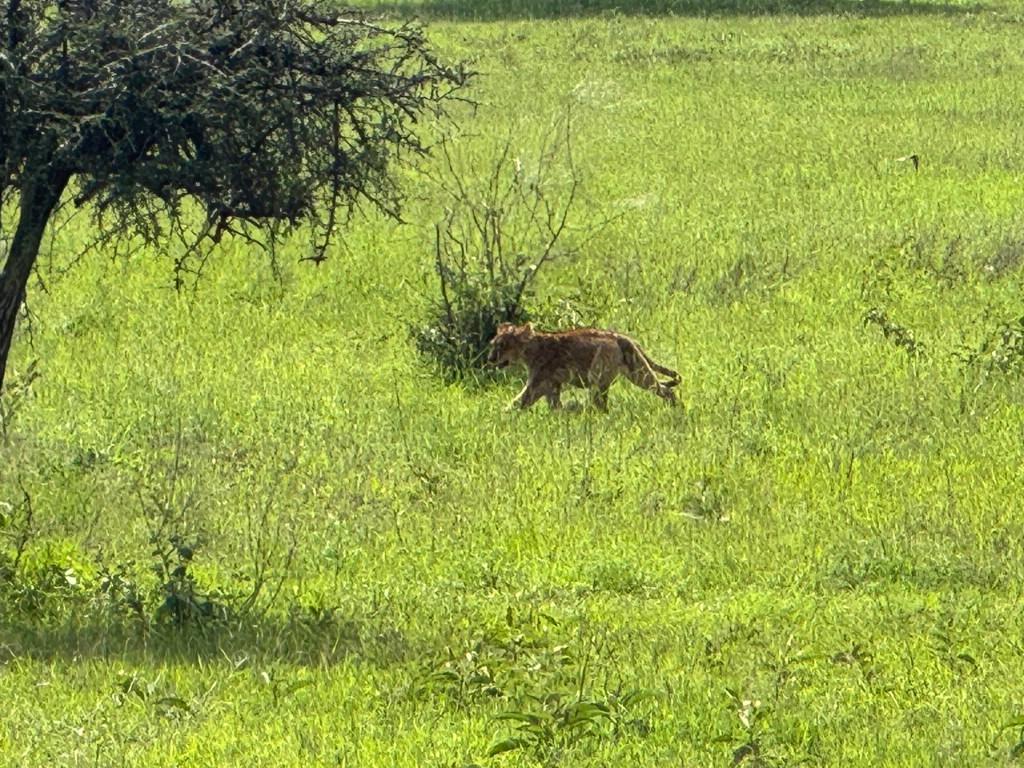


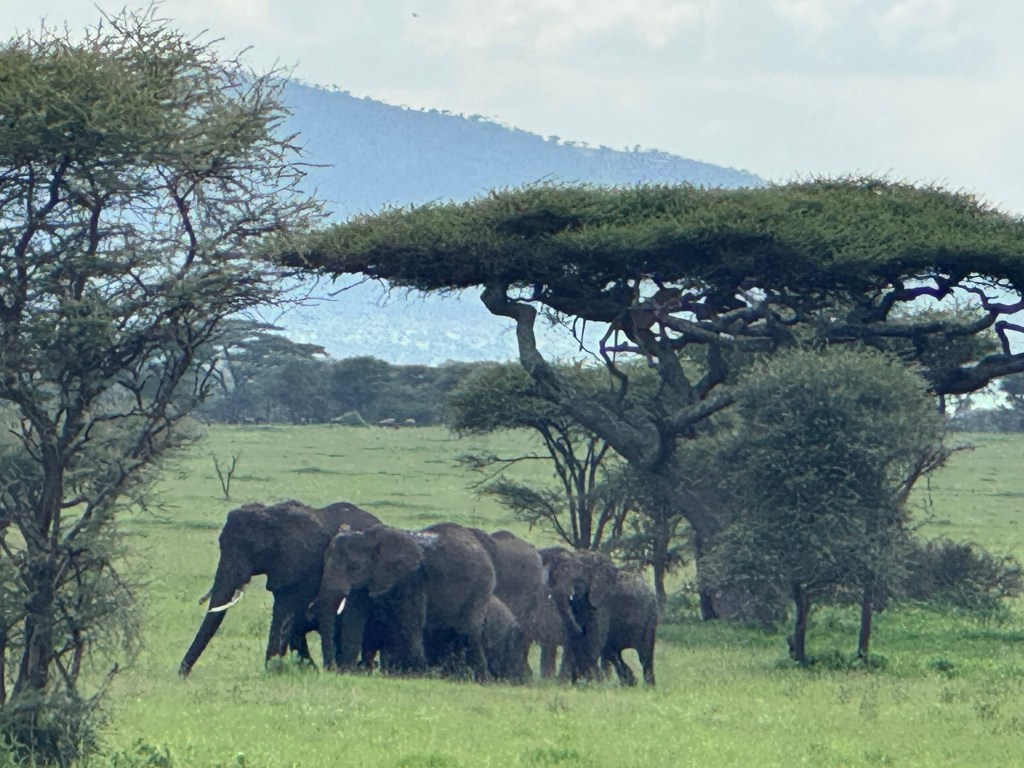

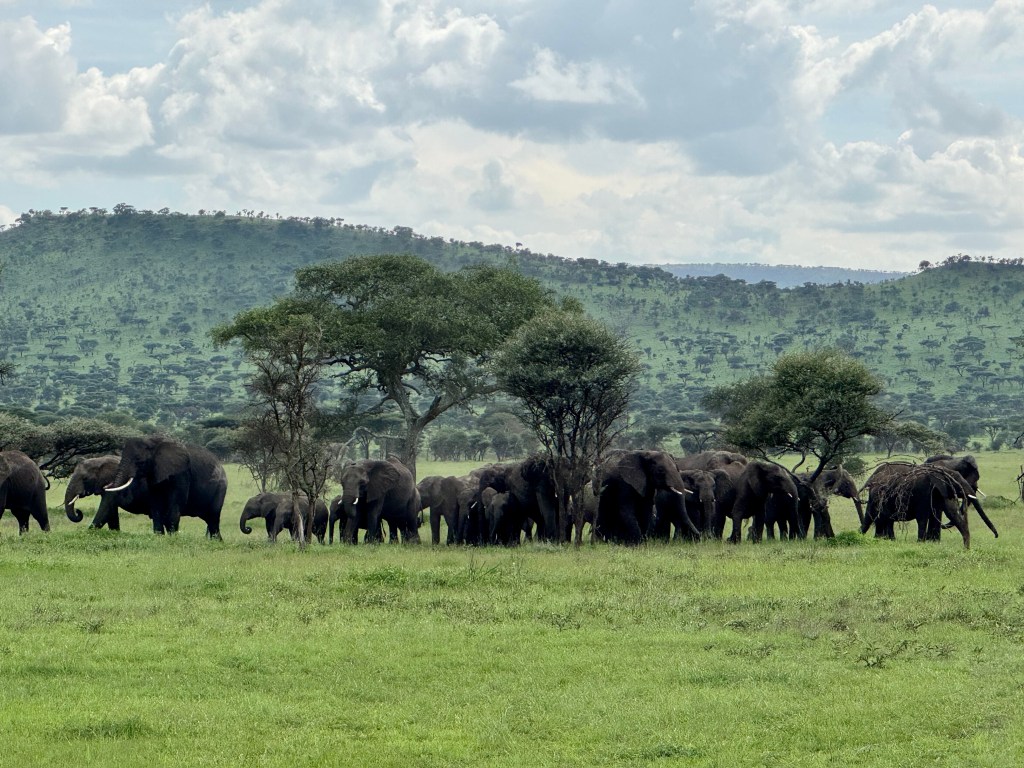

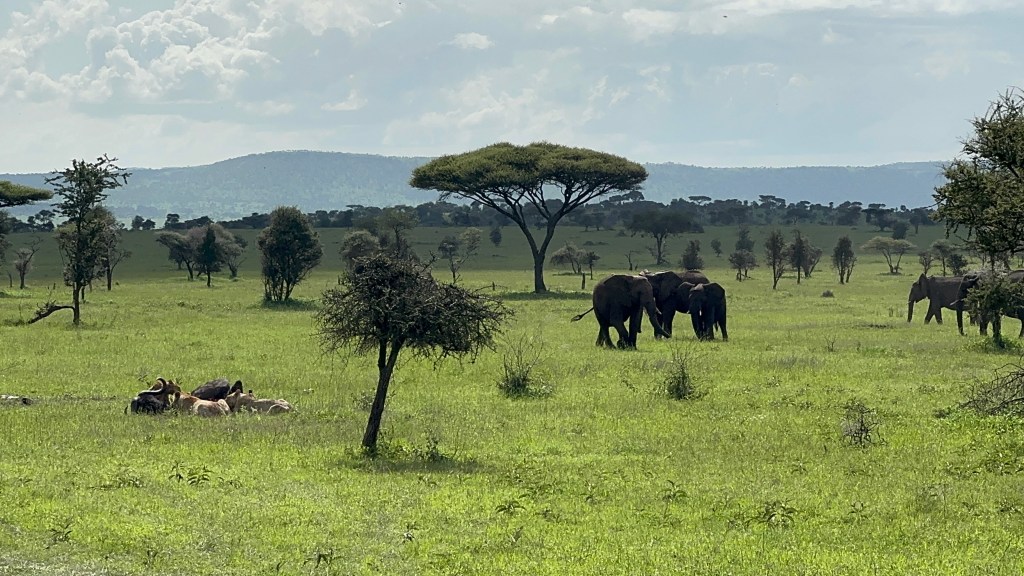



And just like that, our safari adventure is coming to an end. Tomorrow, there will be many different modes of transportation to depart from deep in the Serengeti, travel across Tanzania, and then the long flight home.

Good night!
December 18 – Seronera Airport, Arusha, Mt. Kilimanjaro Airport
Today, we say goodbye to Tanzania. It has been an amazing adventure. I am ready to go home, but I could also stay forever. The country is a unique mix of bustling cities and villages, modern and traditional, domestic farm animals being herded and herds of wild animals, a deep history of mankind and modern tourism. There was much to see and experience with the help of a friendly, caring guide and amazing driver.
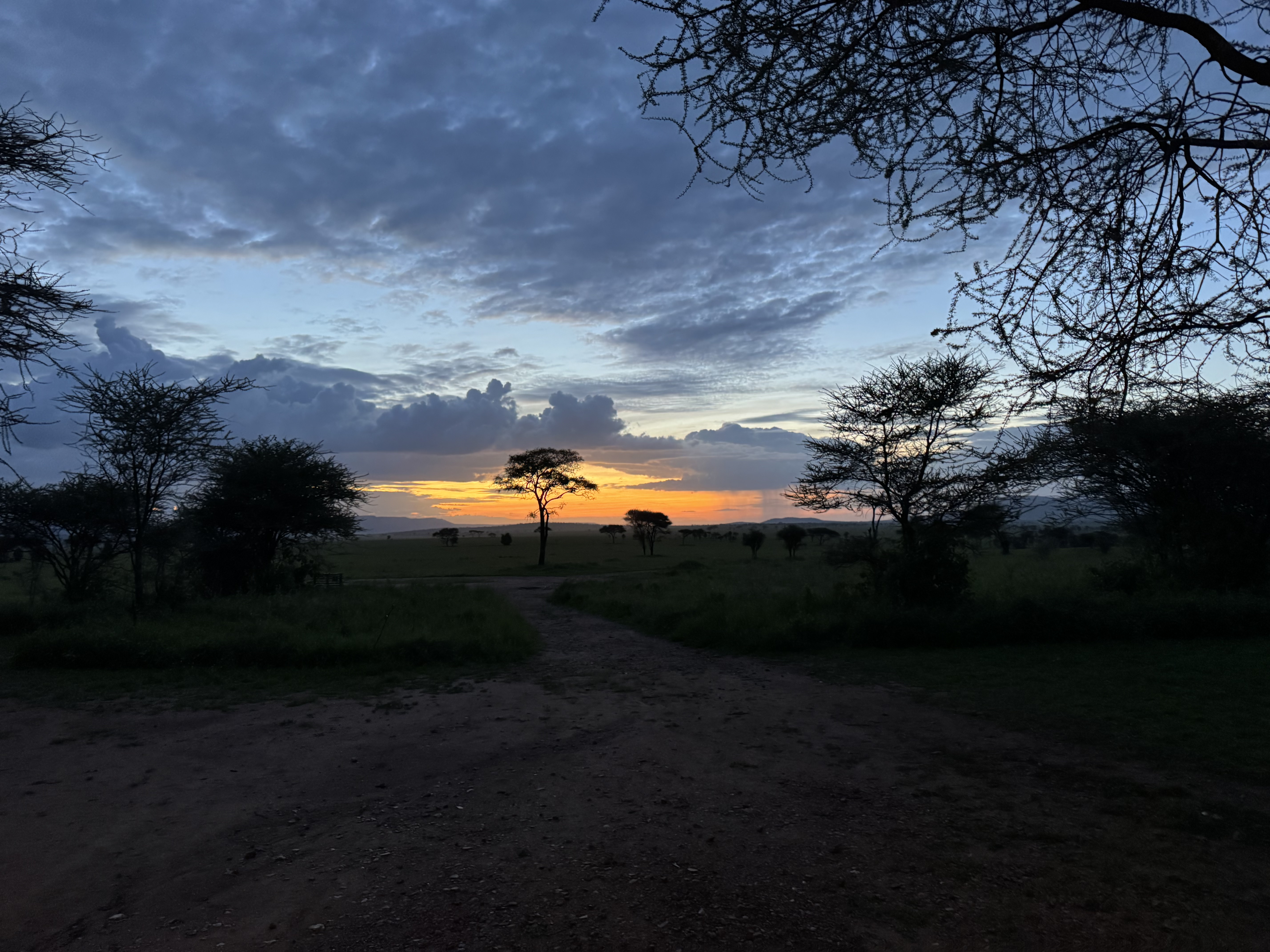
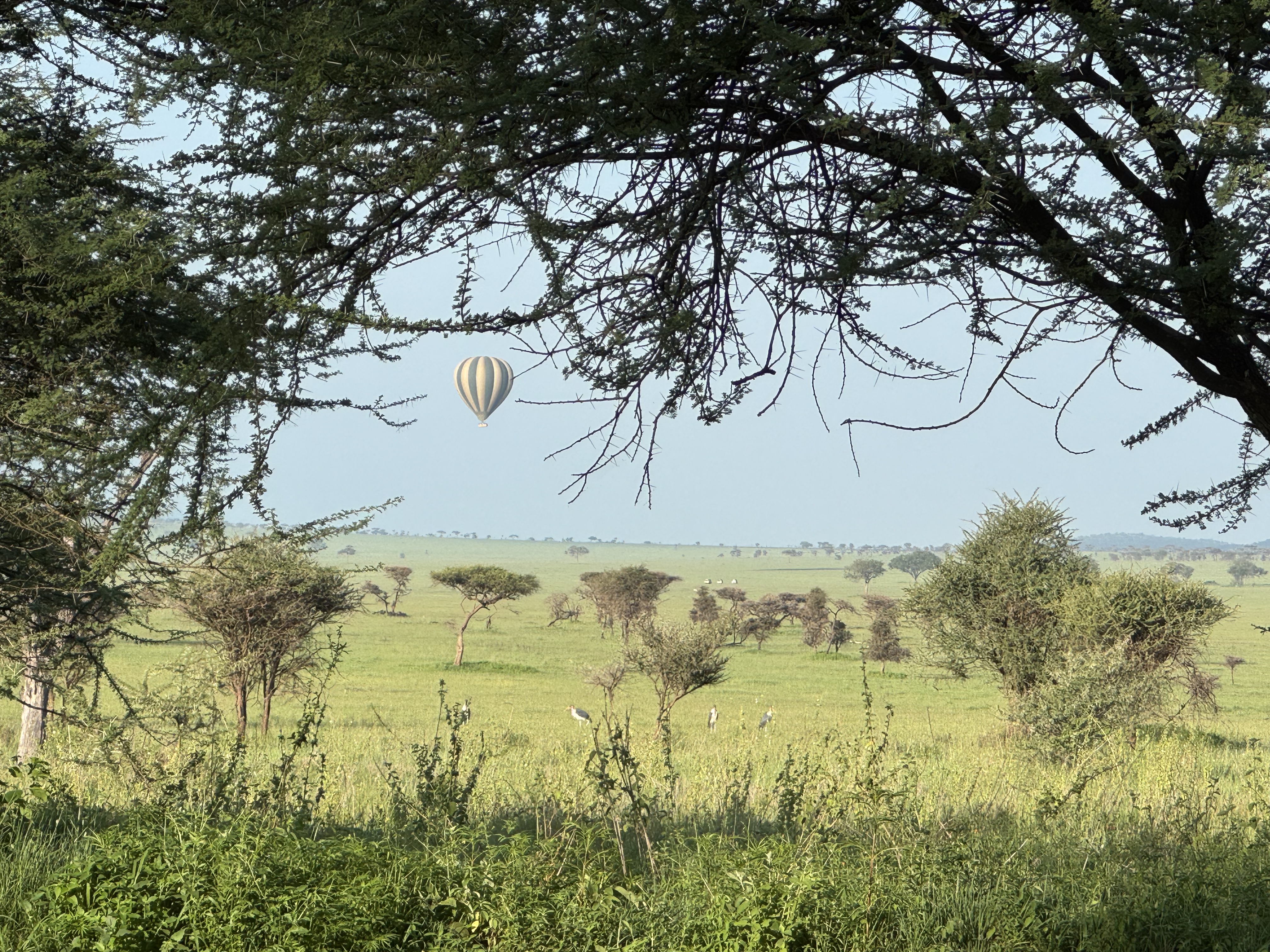
Our breakfast view. (We chose not to go on a balloon safari. We decided animal viewing was best from the ground.)

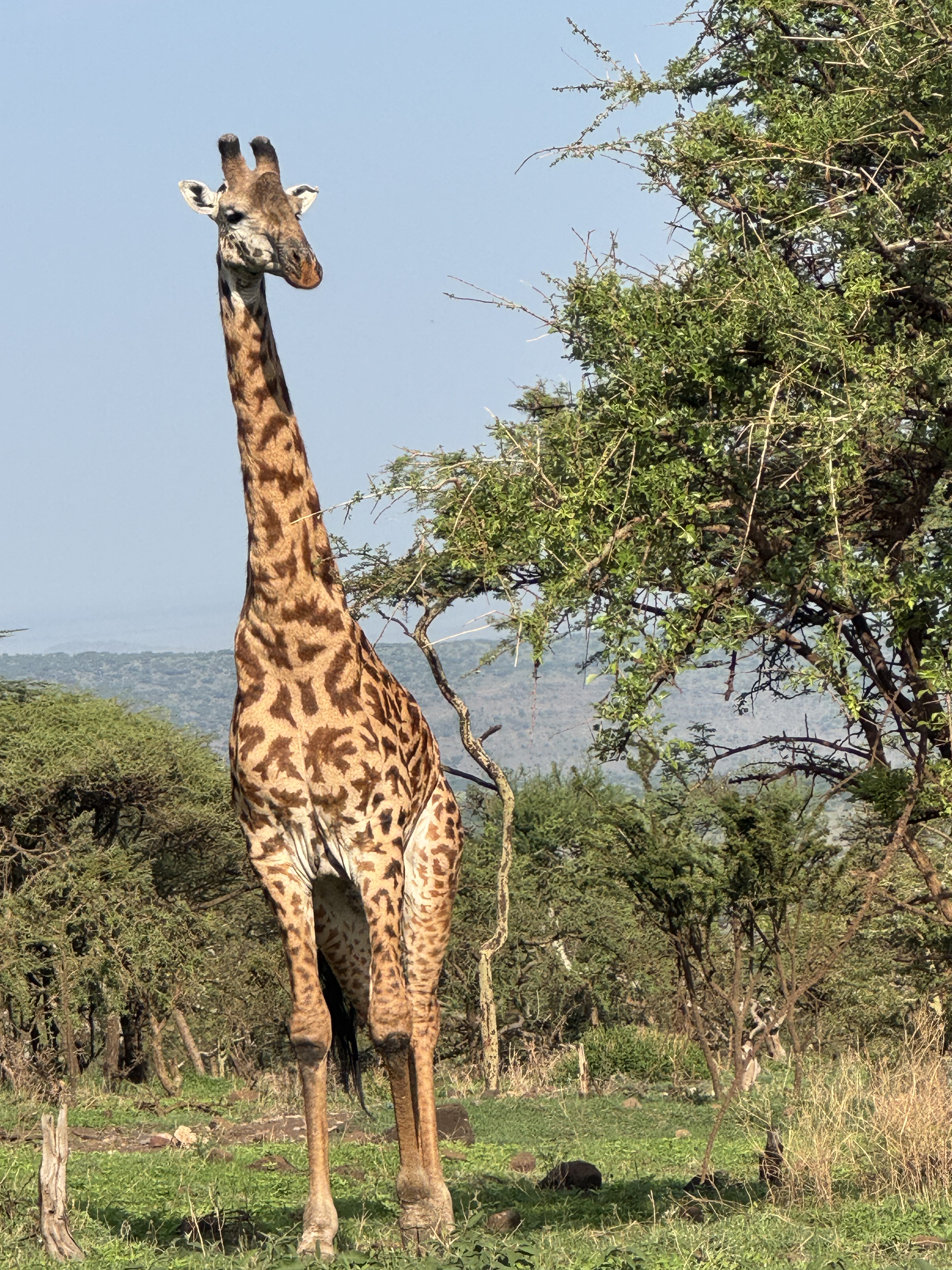
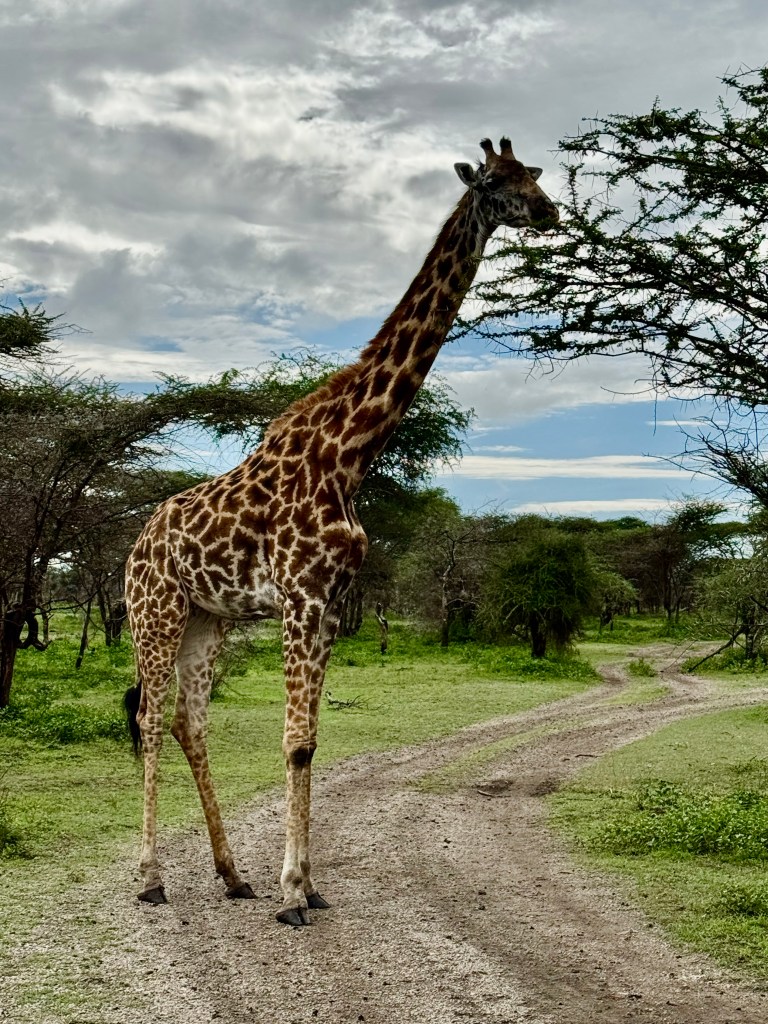
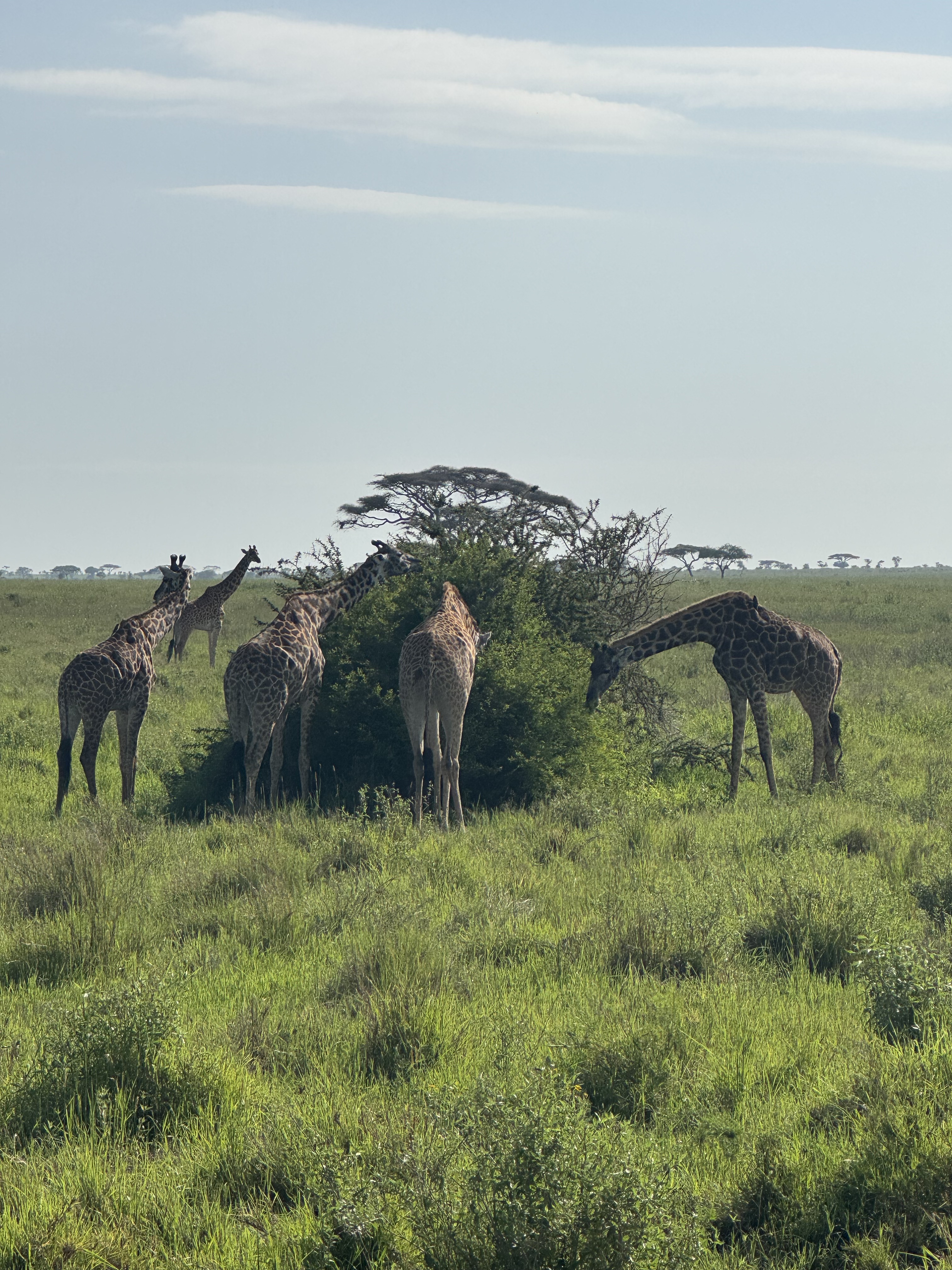
The giraffes met us on the road as we were heading to Seronera Airport.
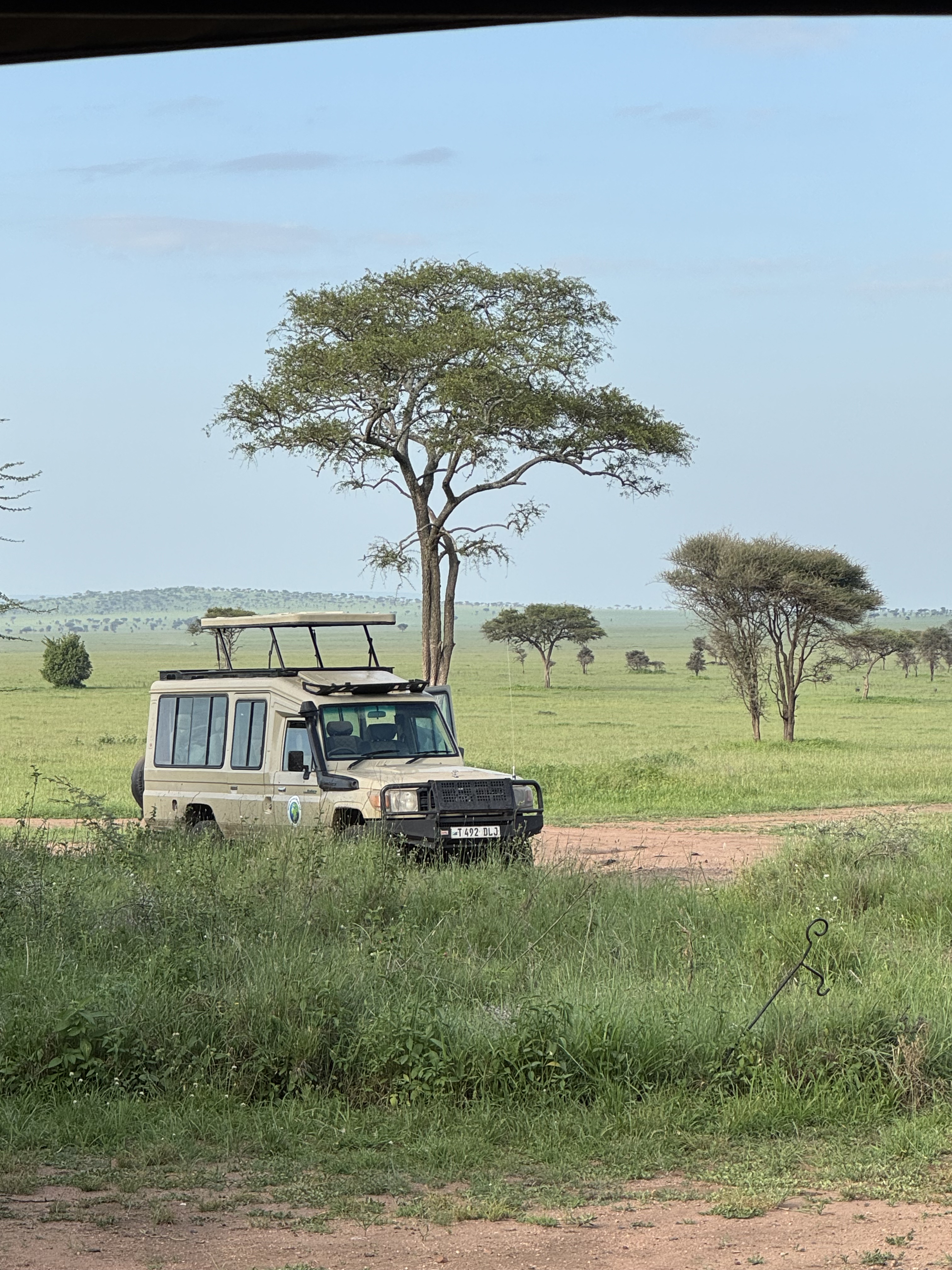
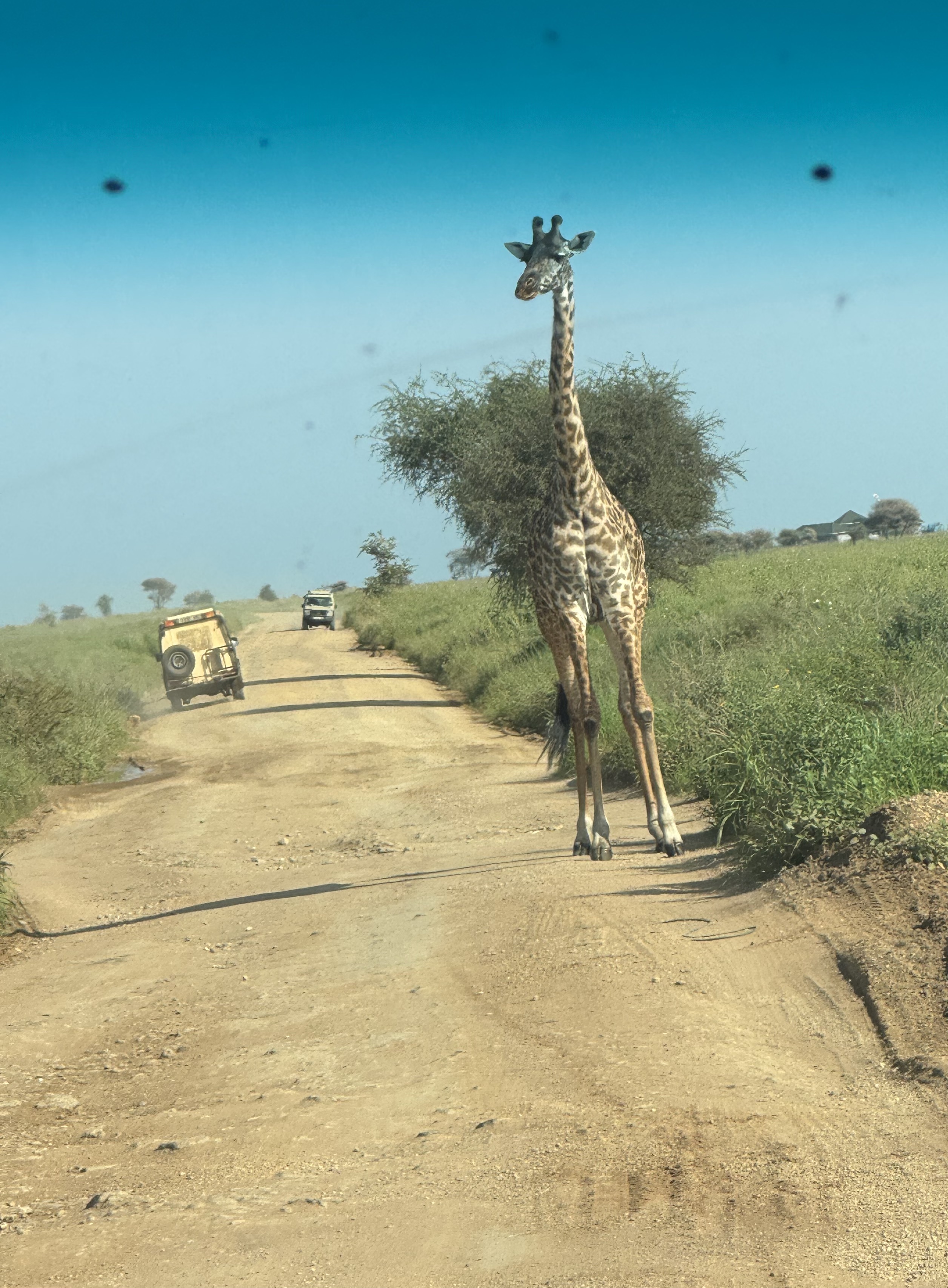
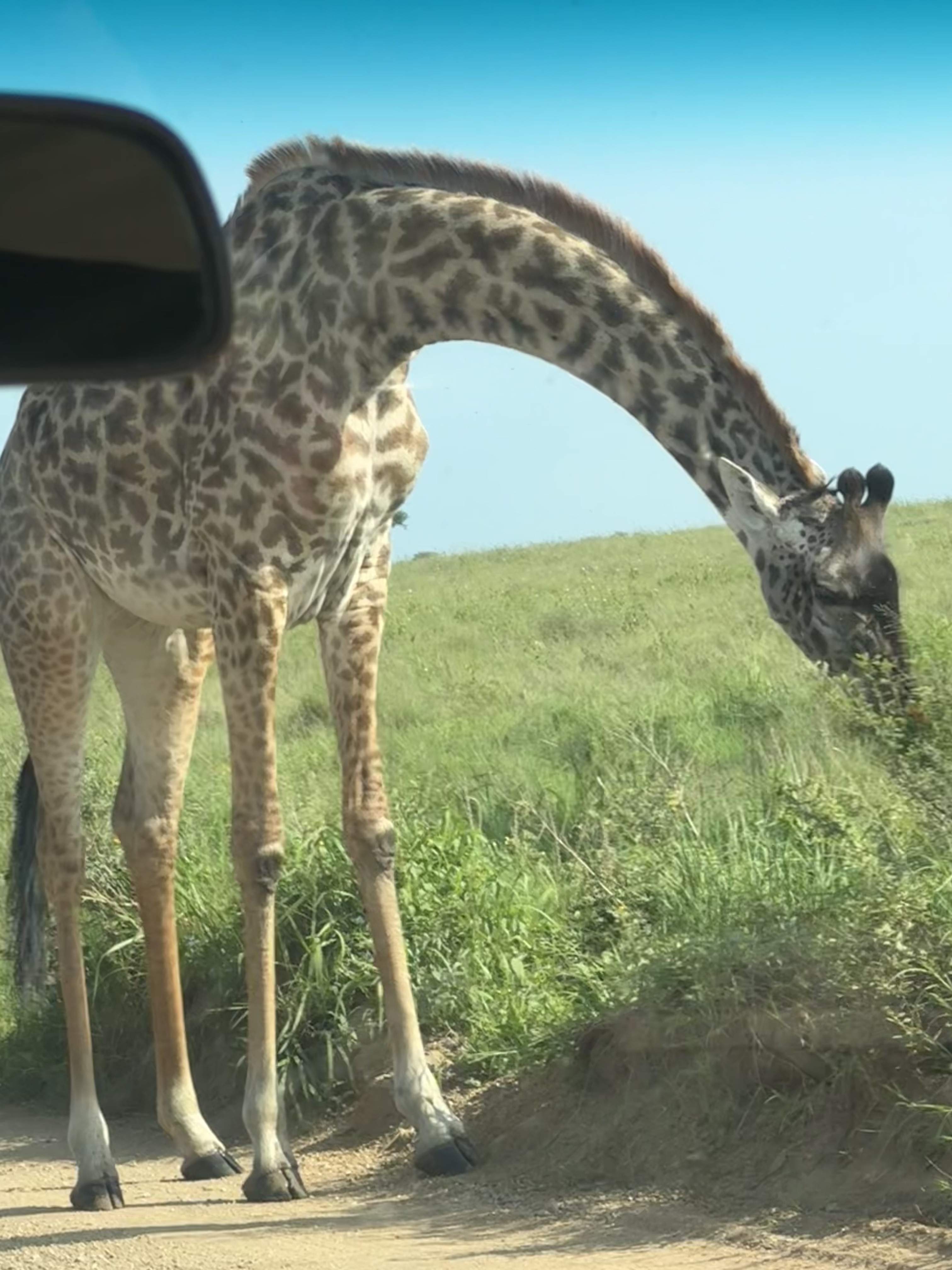
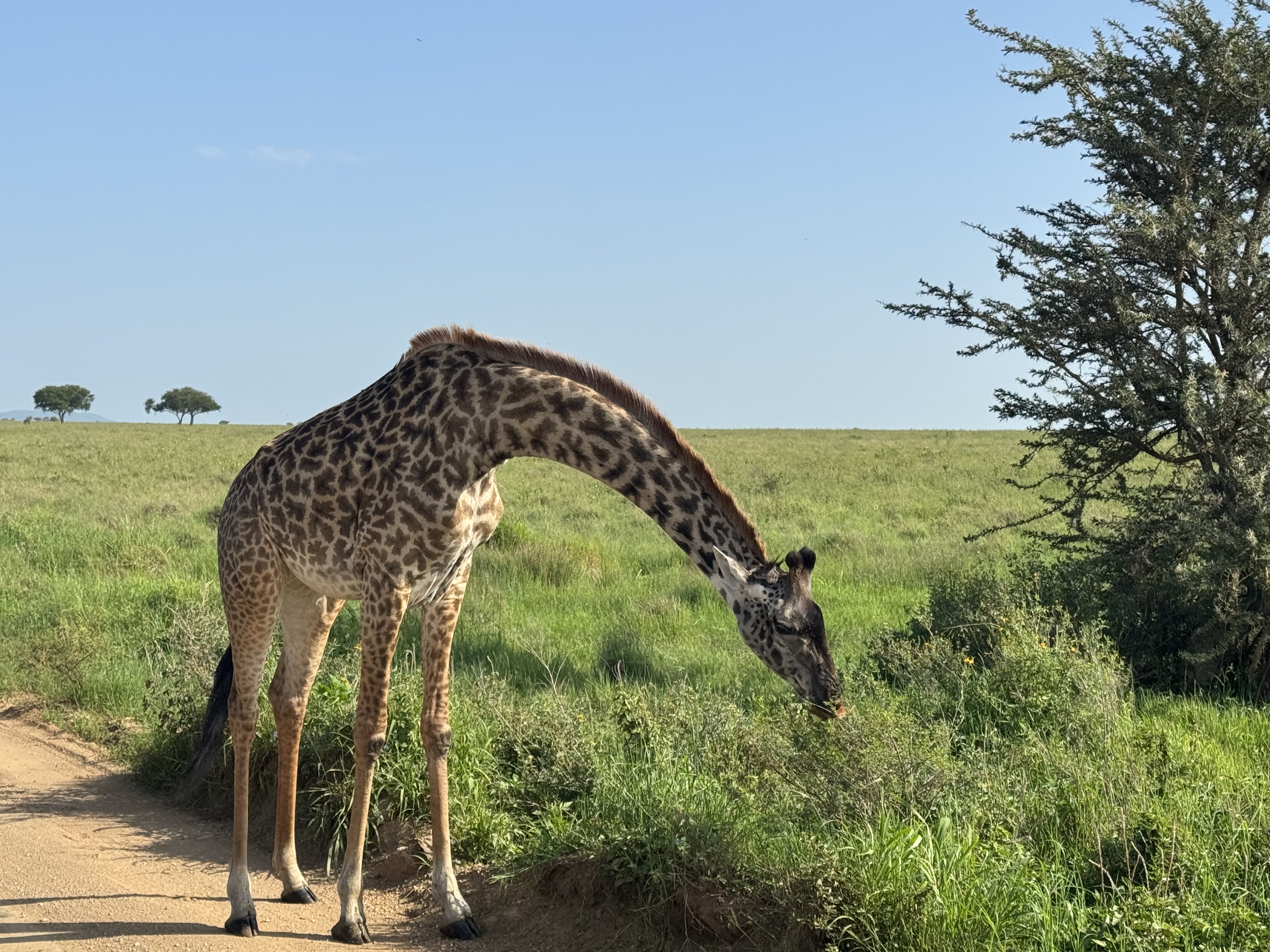
Seronera Airport was not like any other airport I have been to. It was a basic airport, with no long lines and a full small plane. Our bags were weighed, and we could only have 33 pounds, including our checked bag and personal carry-on bag.


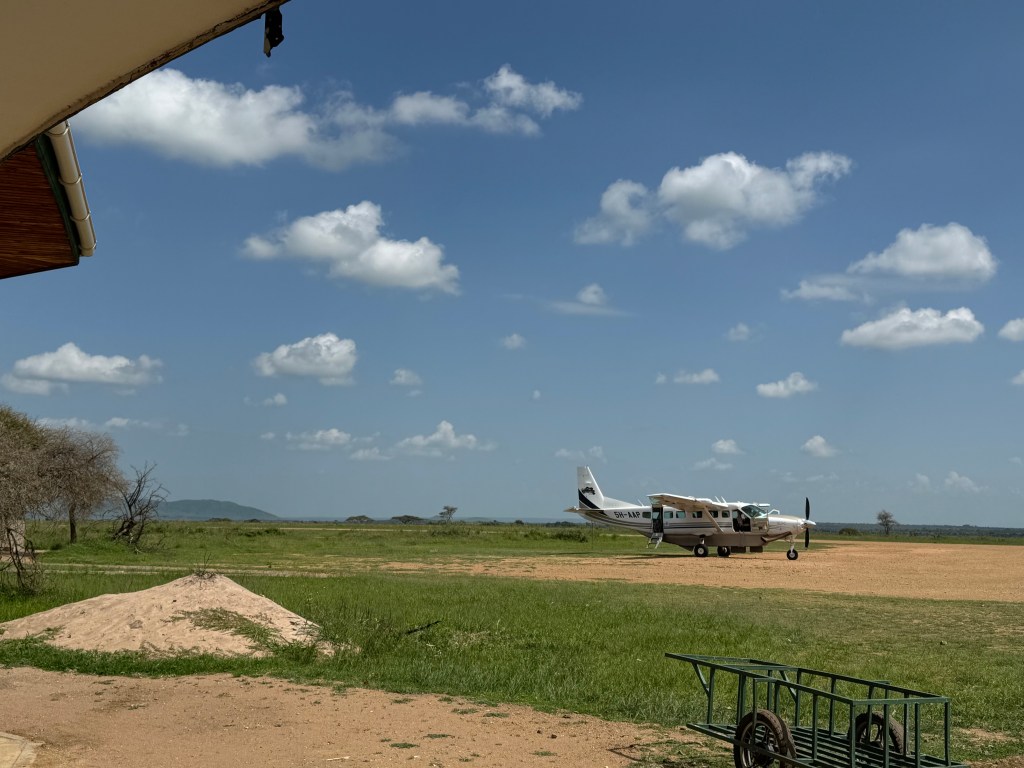
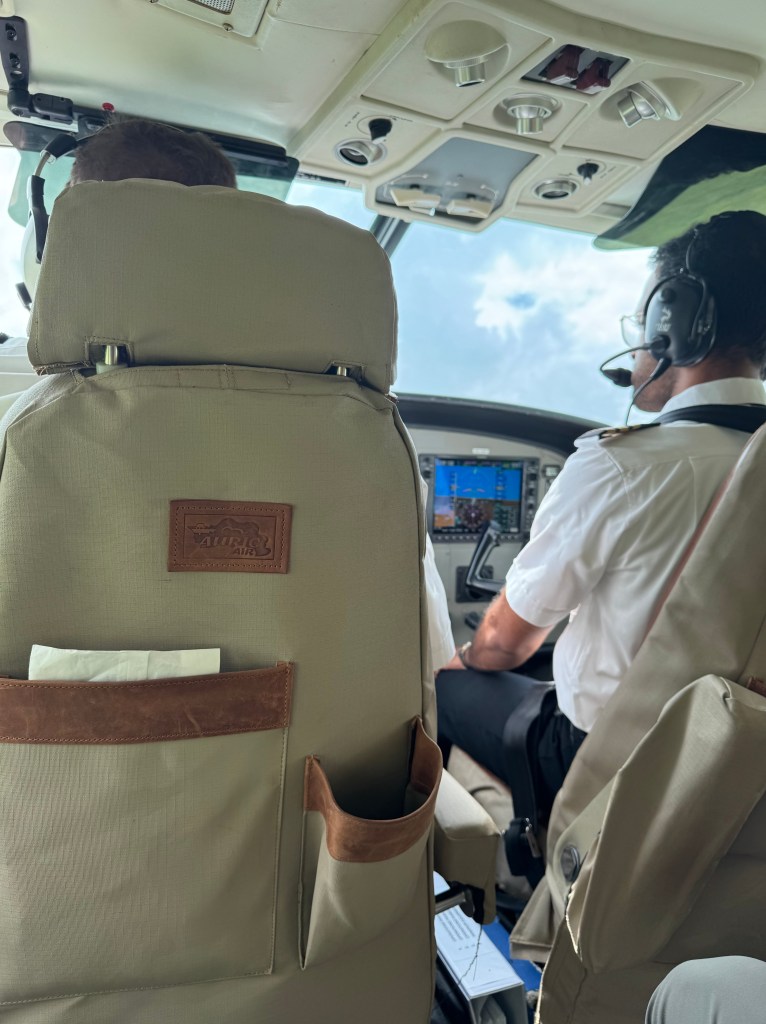
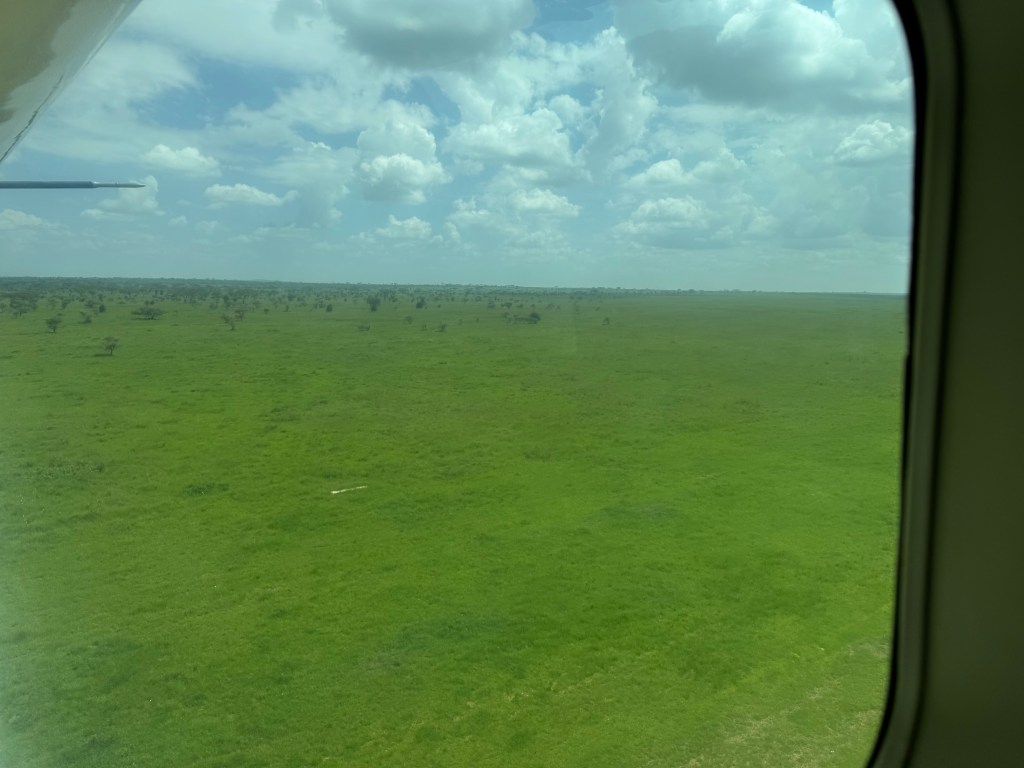
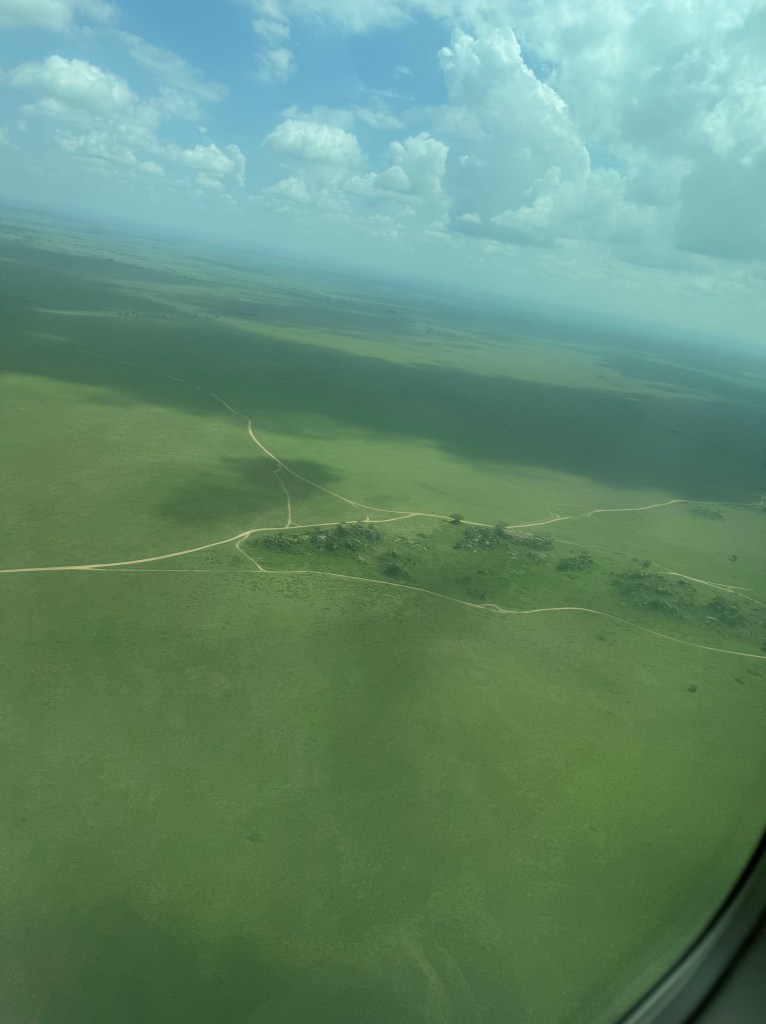


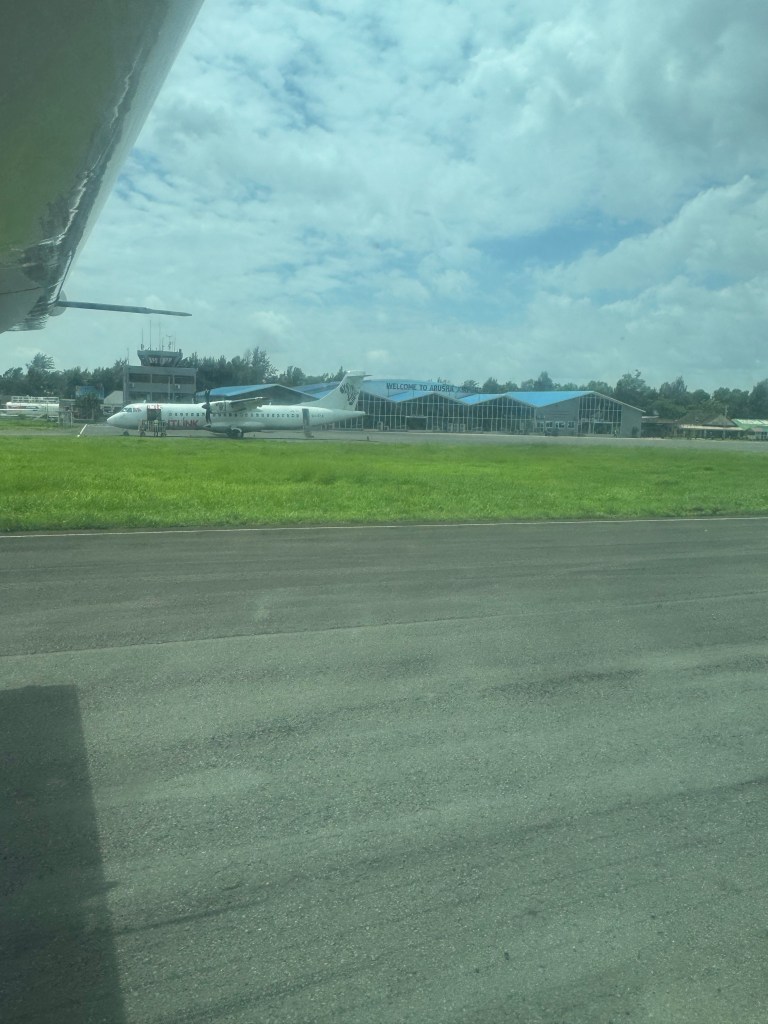
We landed in Arusha, waited for our luggage, and then found our driver for the day. We could not leave the parking lot because the President was arriving. It was interesting to see the motorcade. I didn’t take any pictures because the soldiers in the parking lot were carrying large guns. Always good to be aware of who is around you.
We spent the afternoon in Arusha shopping for gifts to bring home. Checked into a hotel near Mt. Kilimanjaro Airport. Here we ate a late lunch, took a shower and a nap, and then packed our purchases for the long journey home.




We have a late evening flight. Our long journey will start with a short shuttle to the airport. Then, we fly to Dar es Salaam, the capital of Tanzania, where we wait on the plane for other travelers to board. Our next flight takes us to Amsterdam, the capital of the Netherlands. We land in Amsterdam in the early morning, go through security and immigration, and find our flight with little time to spare. The next part of our journey takes us to Paris Charles de Gaulle Airport. Through security, immigration, security again, stop to buy some delicious macarons and chocolate. Then to our gate, passport checked, passport checked again (by the time I got on the plane my passport was checked 5 times), board the plane. It was now 1 p.m. on December 19. A long, boring, exhausting flight to Chicago, arriving around 3 p.m. Then the car ride home from the airport.
Our first flight was at 11 a.m. on December 18. This would have been 3 a.m. at home. We left Paris at 1 p.m. on December 19 and arrived in Chicago at 3 p.m. on December 19 or 11 p.m. in Tanzania. It was about 24 hours of travel time to get home. Remember, we gained and lost time when we crossed all the different time zones.
My final advice. Take the trip! Go on the adventure!
All adventures will change your perspective.

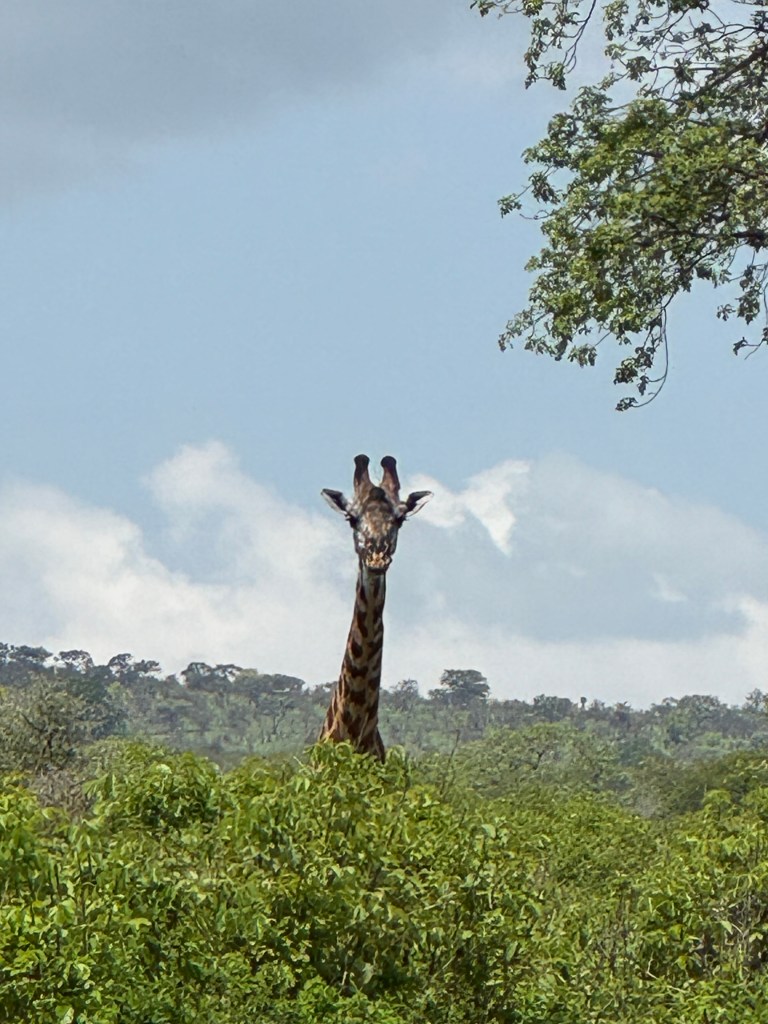
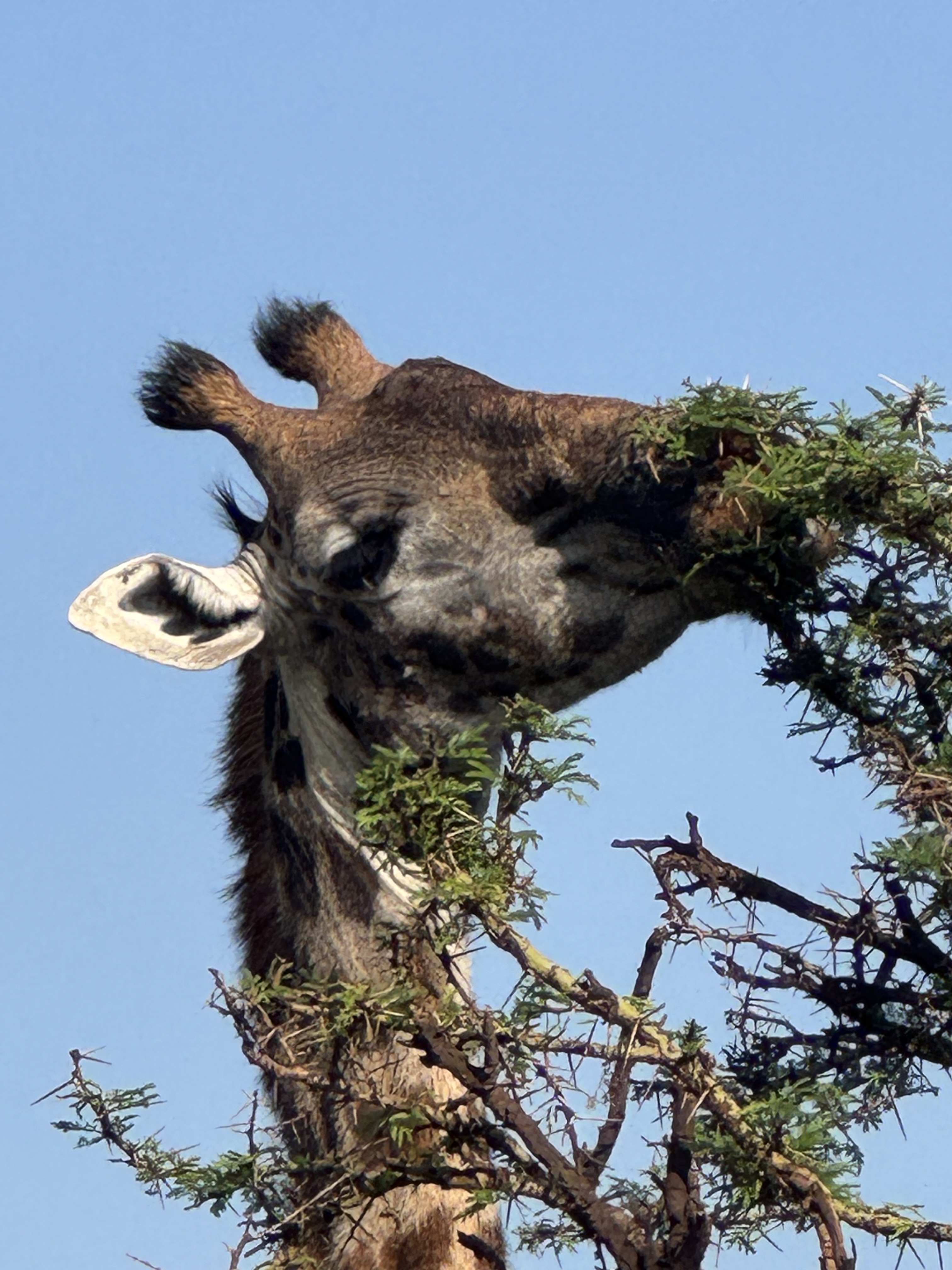
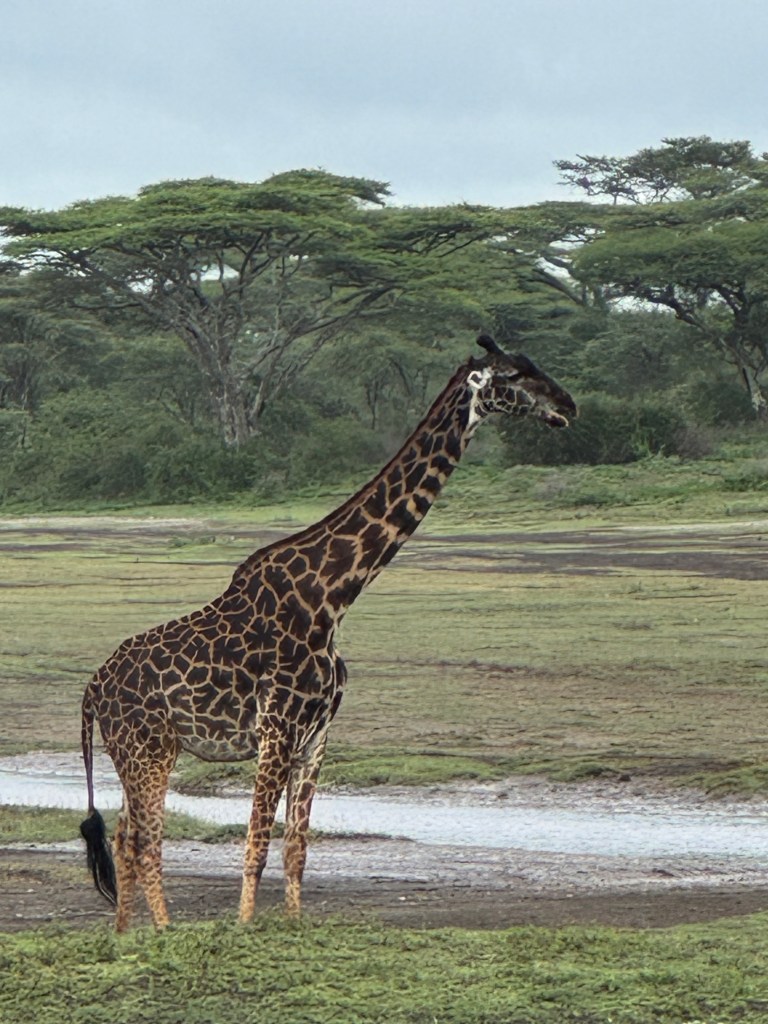
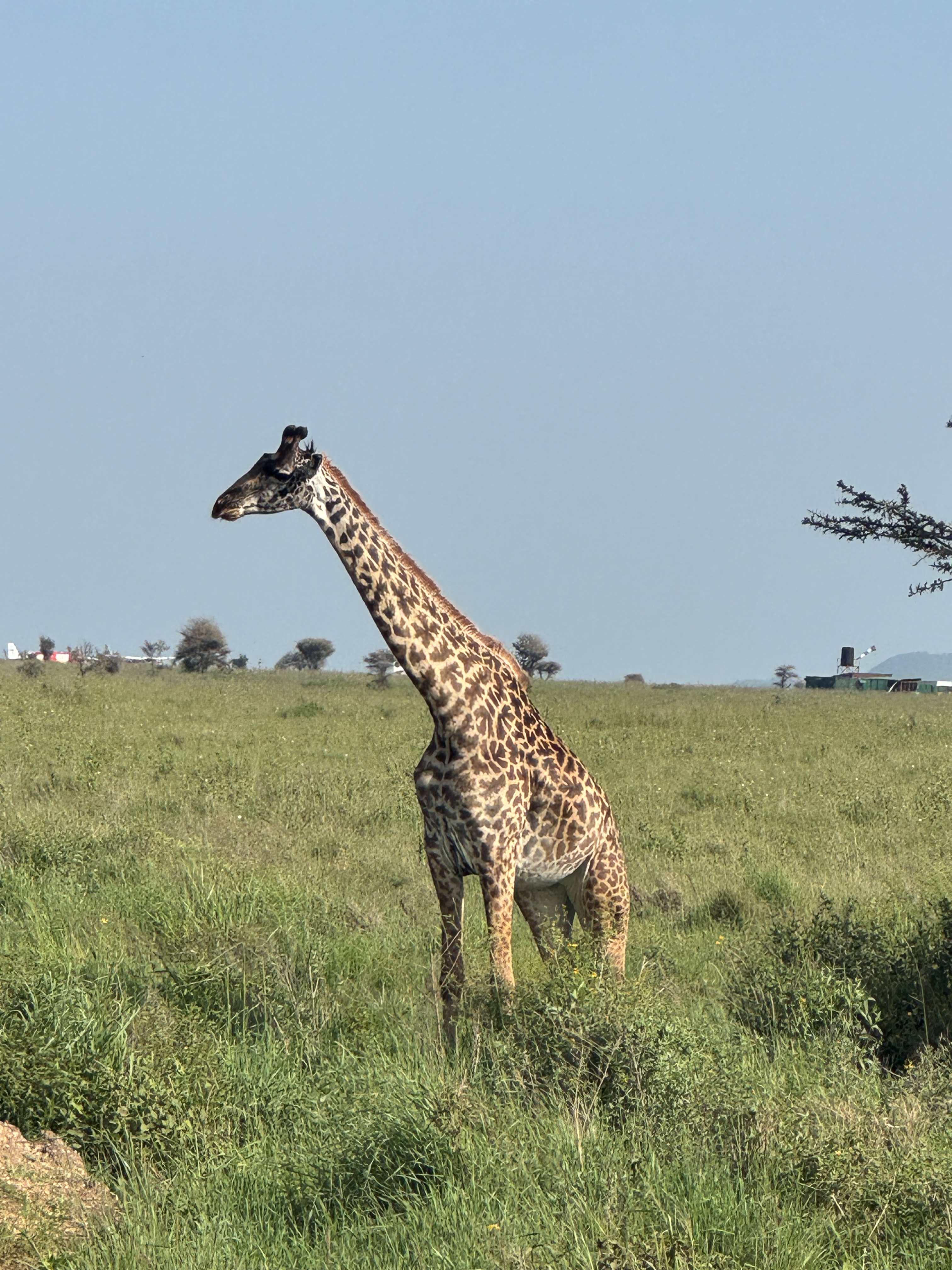
One final giraffe picture!

 Roaming the World with Mrs. Kelly