
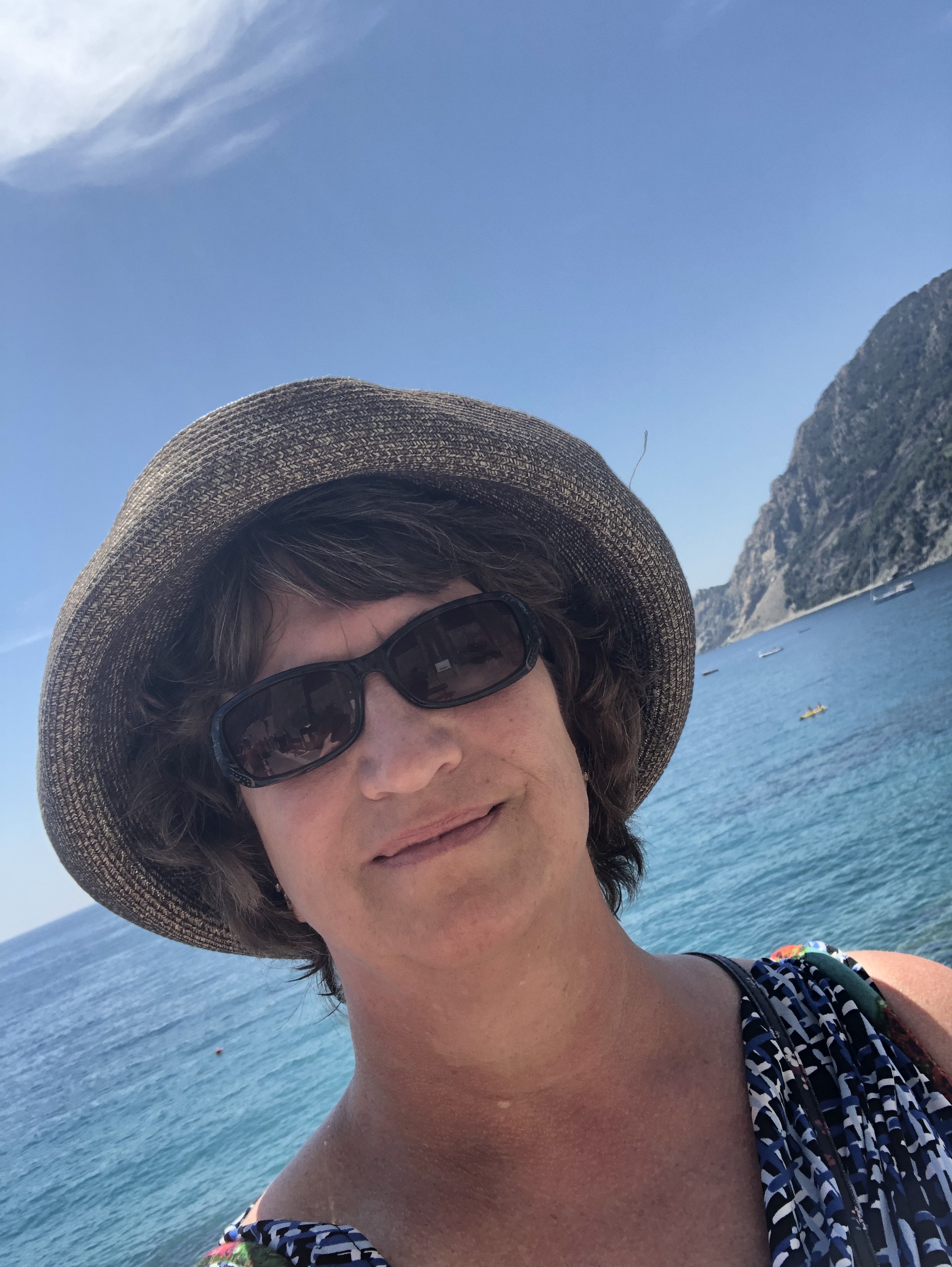
A trip with friends! This is the first international trip where I will not be traveling with students or on an educational trip as a teacher. I am still traveling with an organized trip; there is still an itinerary, but with much more free time. An adventure where I pick how I spend much of my day. I am looking to explore, relax, and experience the culture.
Click on the interactive map to open “My Maps” by Google.
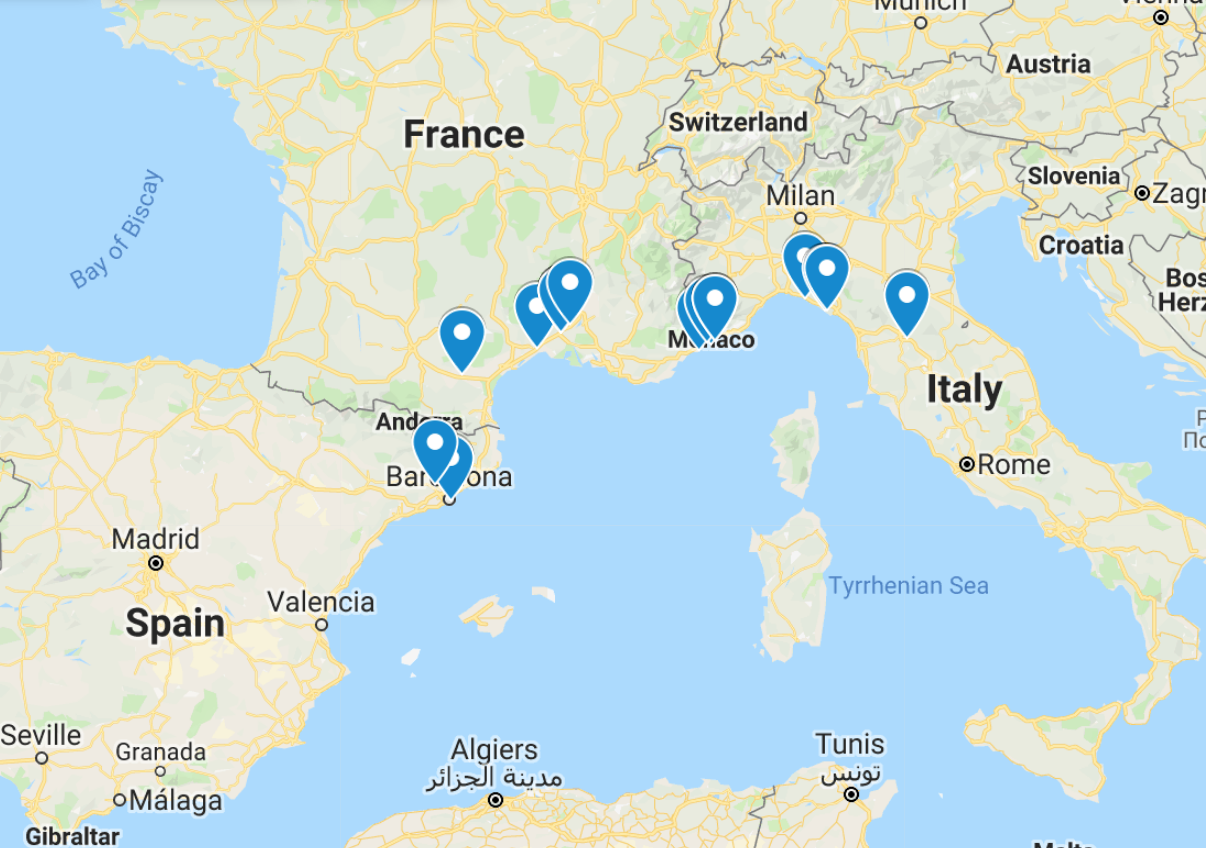
Day 1: Travel to Barcelona, Spain on an overnight flight from Chicago International Airport
Travel is always an adventure, and it all begins with the international flight. I start my journey in Chicago O’Hare airport. First I fly from Chicagoan New York JFK airport. Then a short layover and board again for arrival in Barcelona in the morning.
Day 2: Arrive in Barcelona
Morning arrivals are rough. You board the plane in the afternoon in the United States, fly 8 or 9 hours to arrive in a European country in the mid morning. It is so weird and difficult for the body to figure out what time it is.
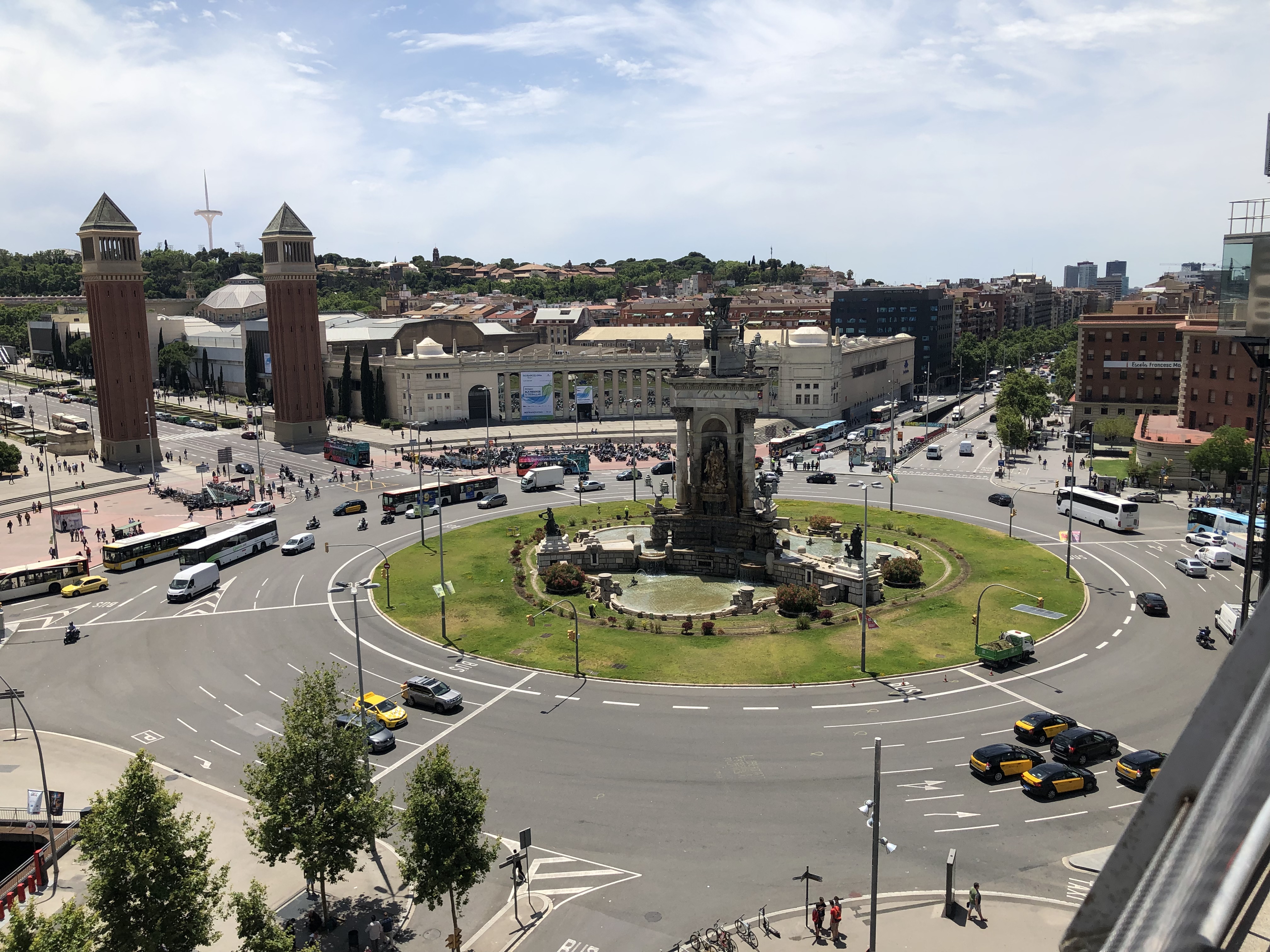
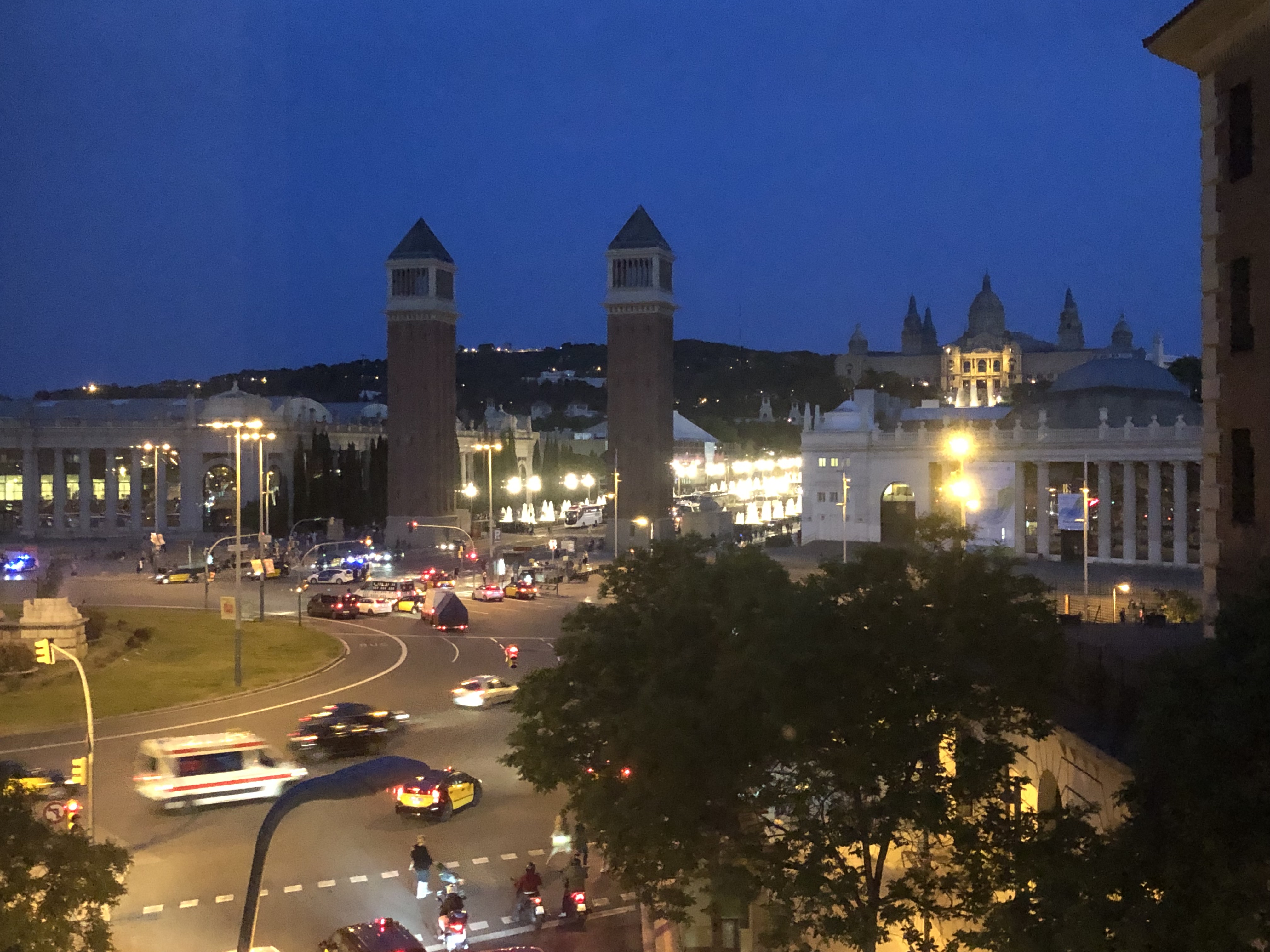
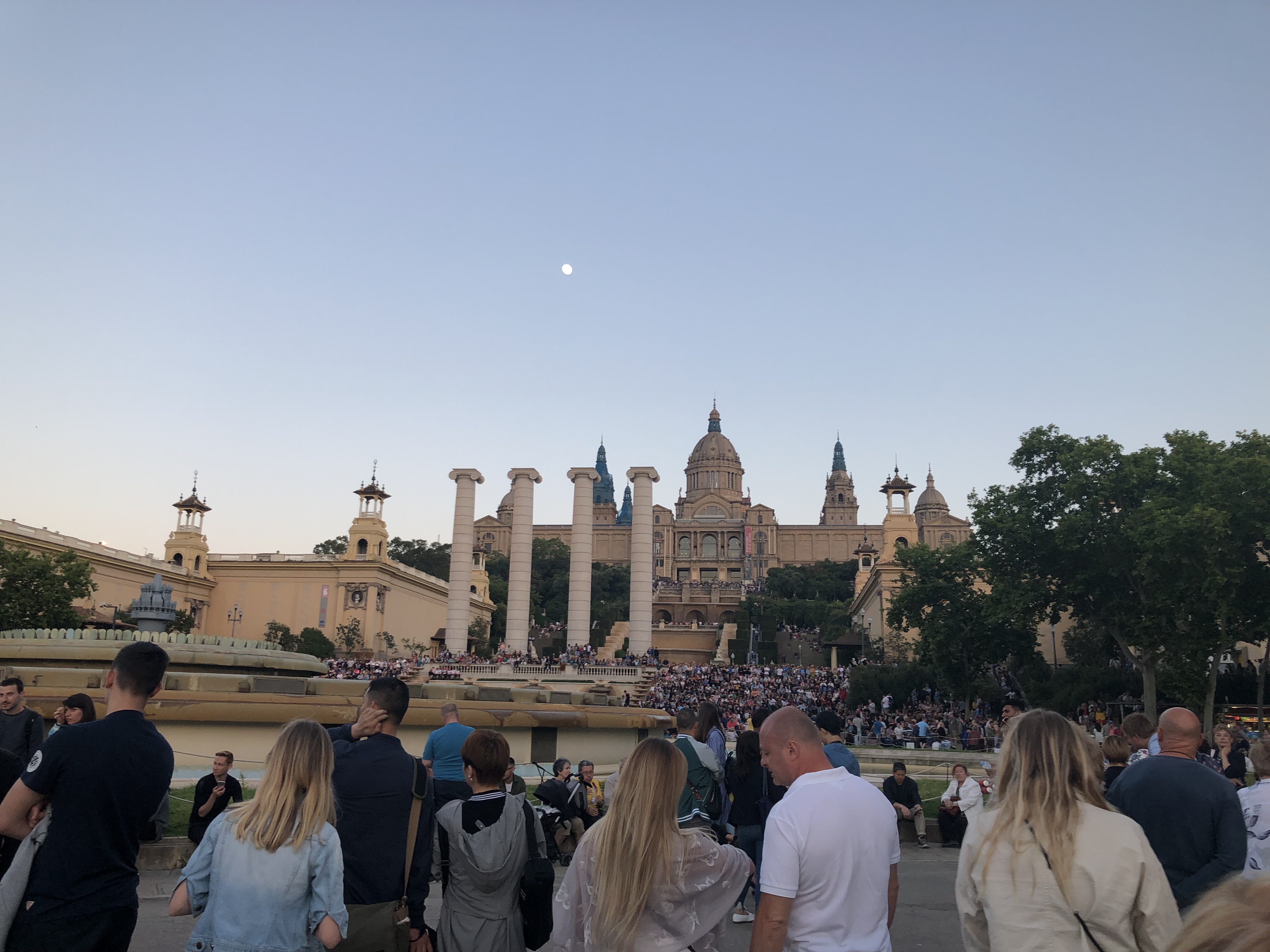
We arrived at the hotel, Hotel Catalonia Barcelona Plaza, where we met our tour director, Kostas Rentzos. Then out for our first adventure to find lunch. Our hotel was located in a Placa d’Espanya next to Arenas de Barcelona. Placa d’Espanya was once the location of public hangings until 1715. The plaza was built in 1929. From the hotel we had a great view of the fountains, Venetian Towers, and Museu Nacional d’Art de Catalunya in the Palau Nacional, containing artwork from Romanesque, Gothic, Renaissance and baroque to modern time periods.
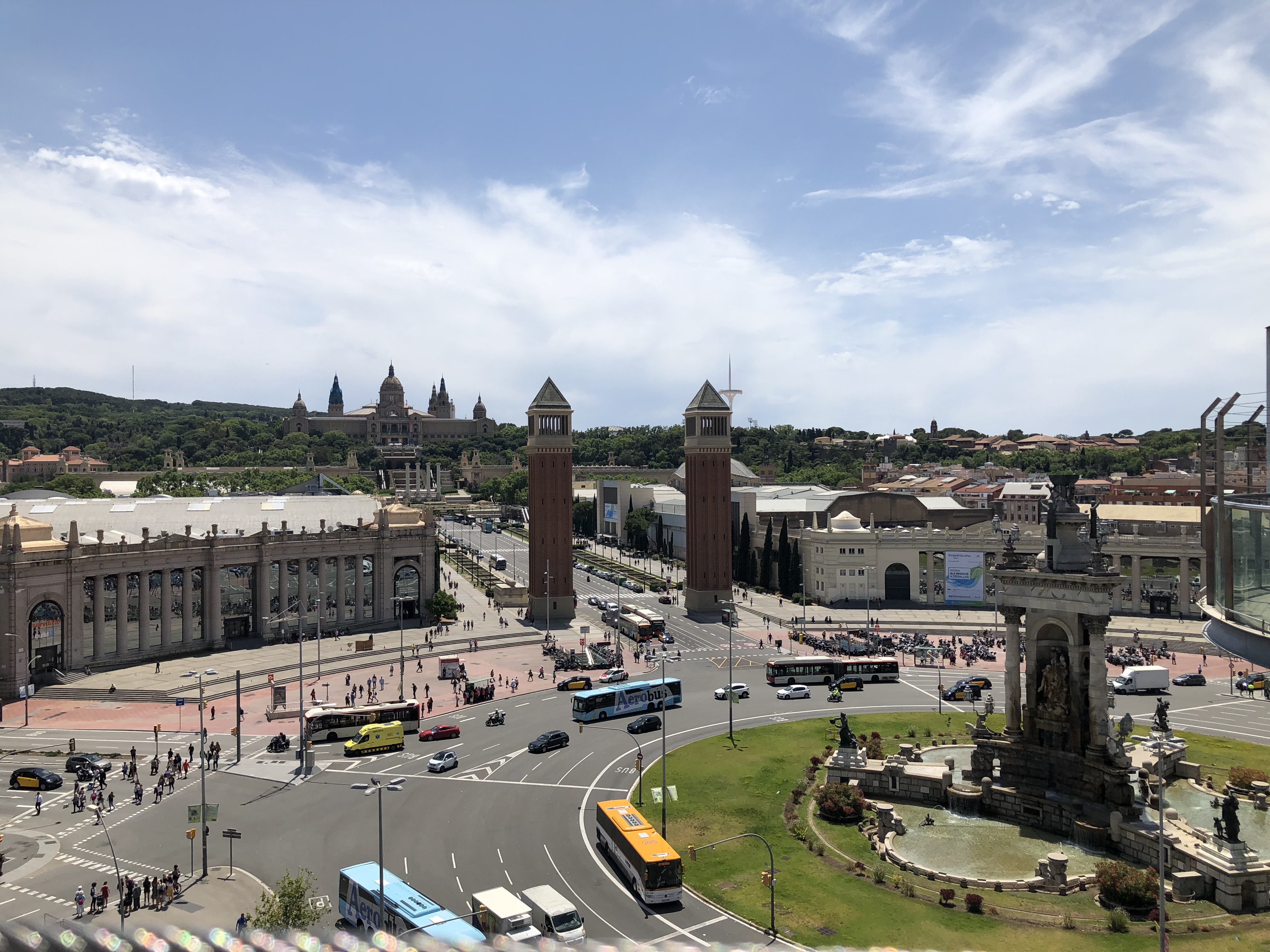
The Arenas de Barcelona was once a bull fighting stadium that had been transformed into a shopping mall. It is so nice to be near a shopping center to purchase food items, quick meals, and do a little shopping like the locals. I always enjoy exploring how people shop for their everyday items, such as food and clothing, plus to make purchases that are not your typical souvenir items. I brought home a cute outfit, some berry jam, and of course chocolate bars purchased in our arena explorations.
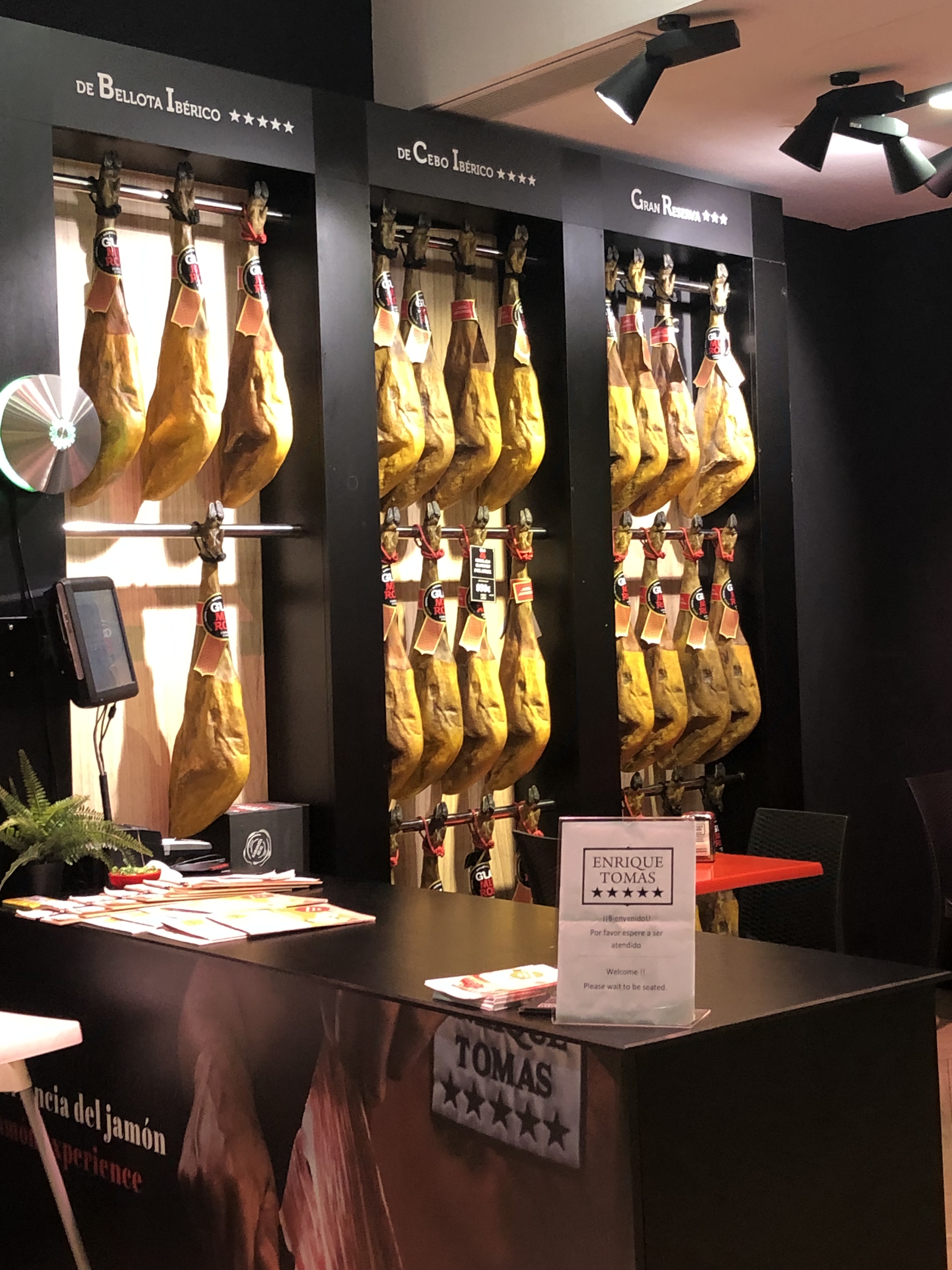


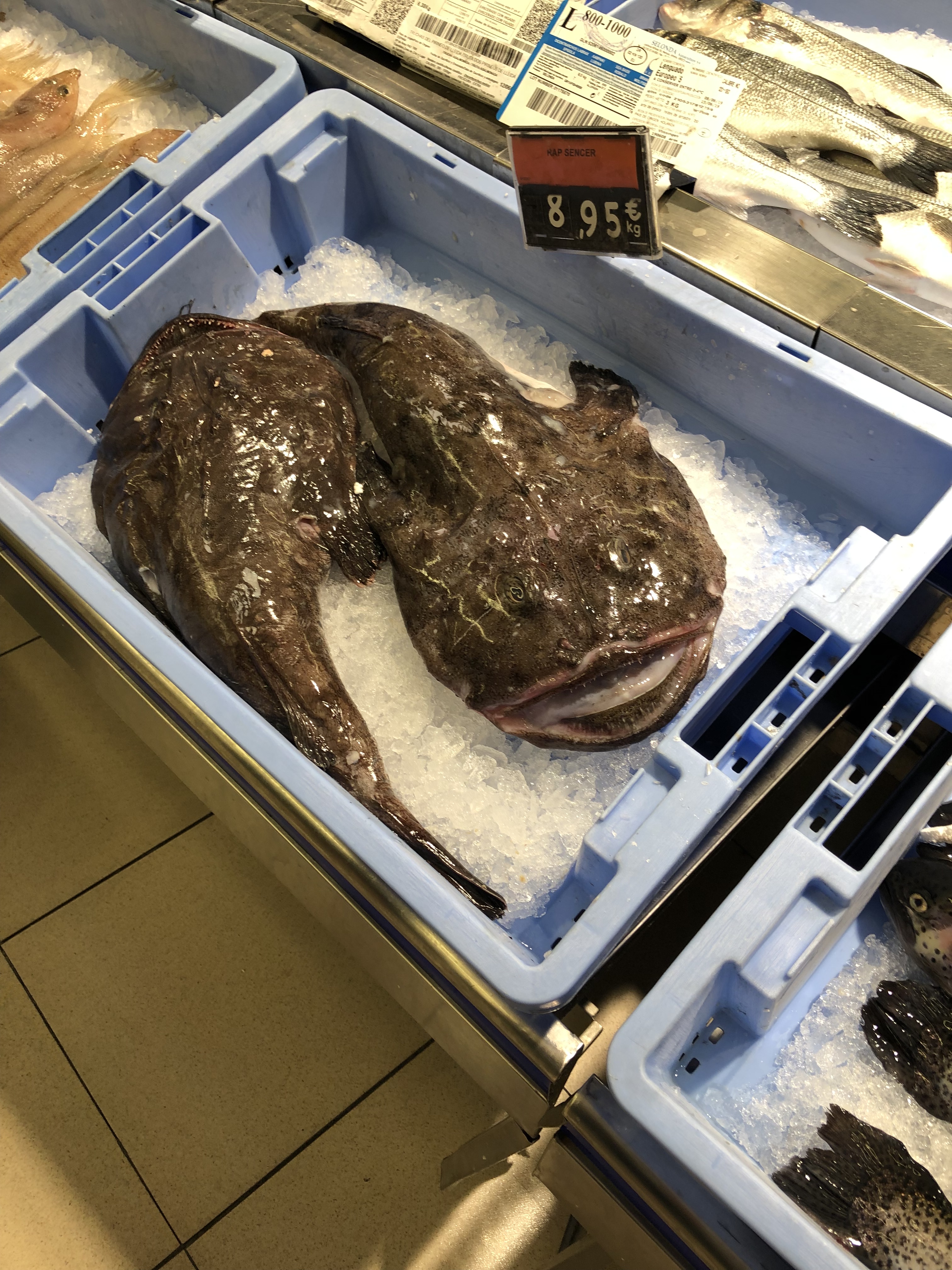
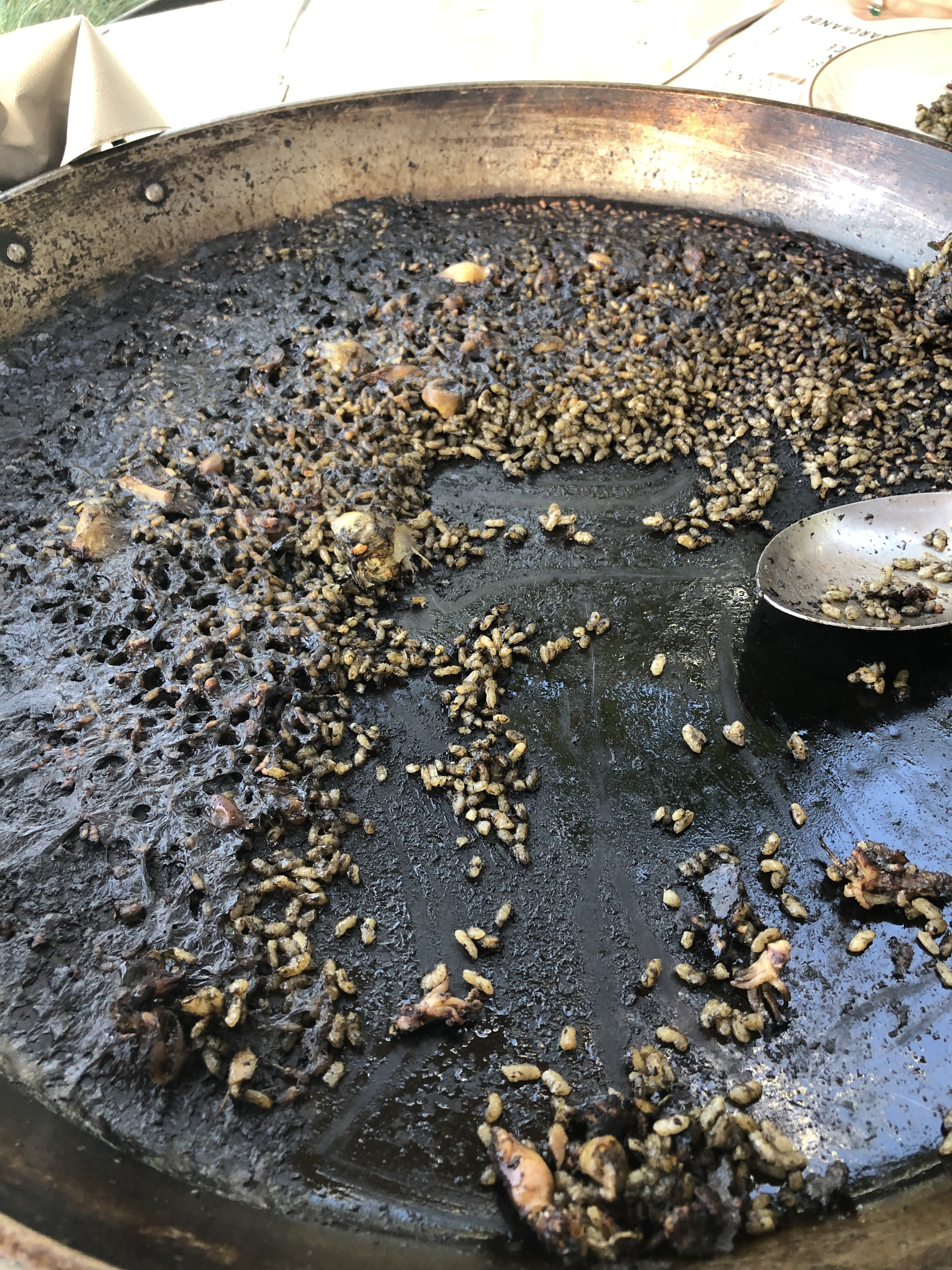
Our first group dinner was at a roof top restaurant at the Arenas de Barcelona. I always forget to write down the names of foods during meals. Each course was wonderful. Of course, I was starving as it had been a couple of days since I had eaten a good meal. I hate airplane food.


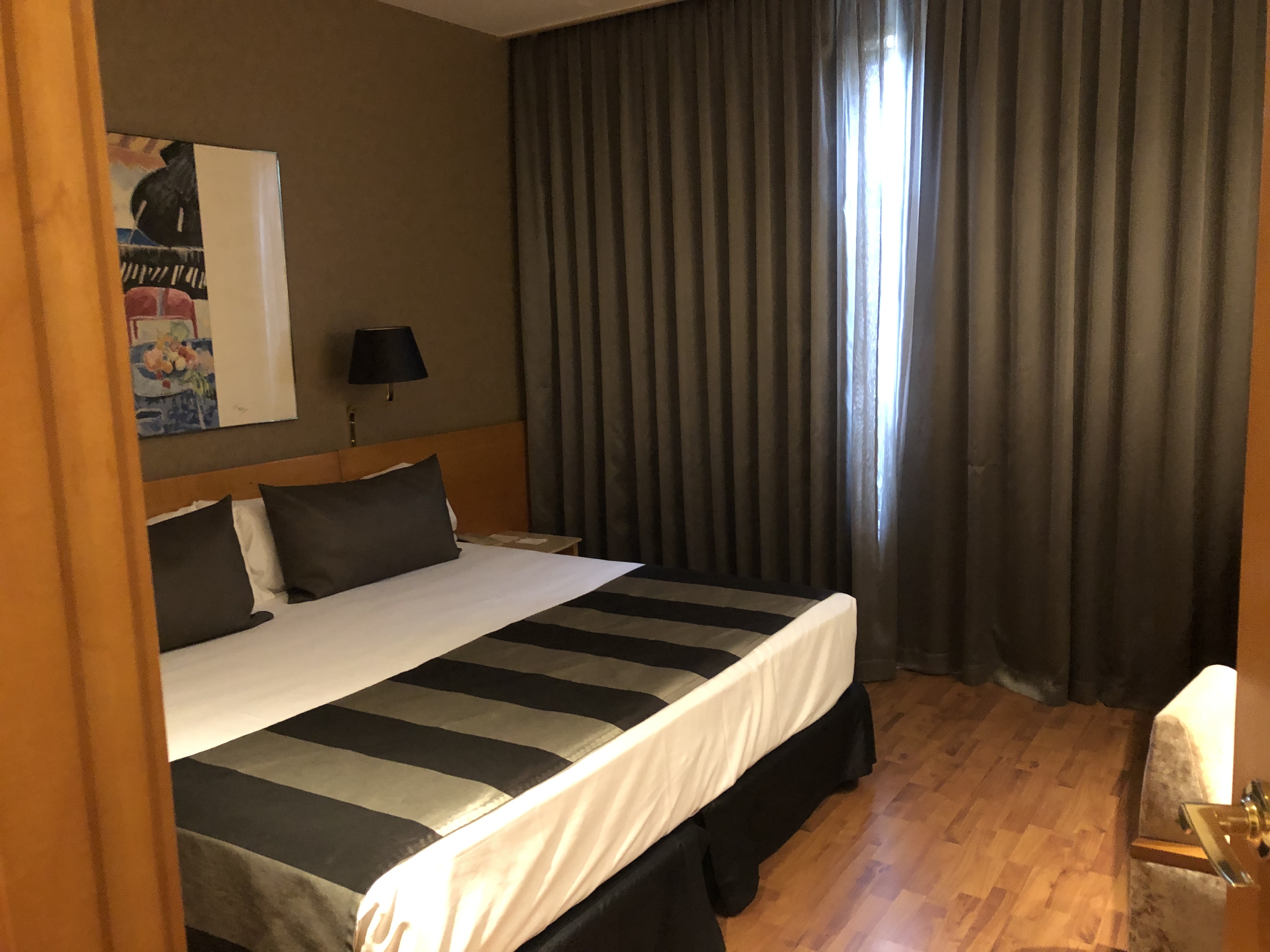
My very comfortable hotel room for the next few nights and a beautiful view from my window.
Day 3: Tour Barcelona
This morning we tour Barcelona by bus with a local guide. It is a fast tour to become familiar with the city and its rich history. We would need to spend our entire trip in Barcelona if we were going to dig deep in the history of the city and spend adequate time seeing the many interesting sites.
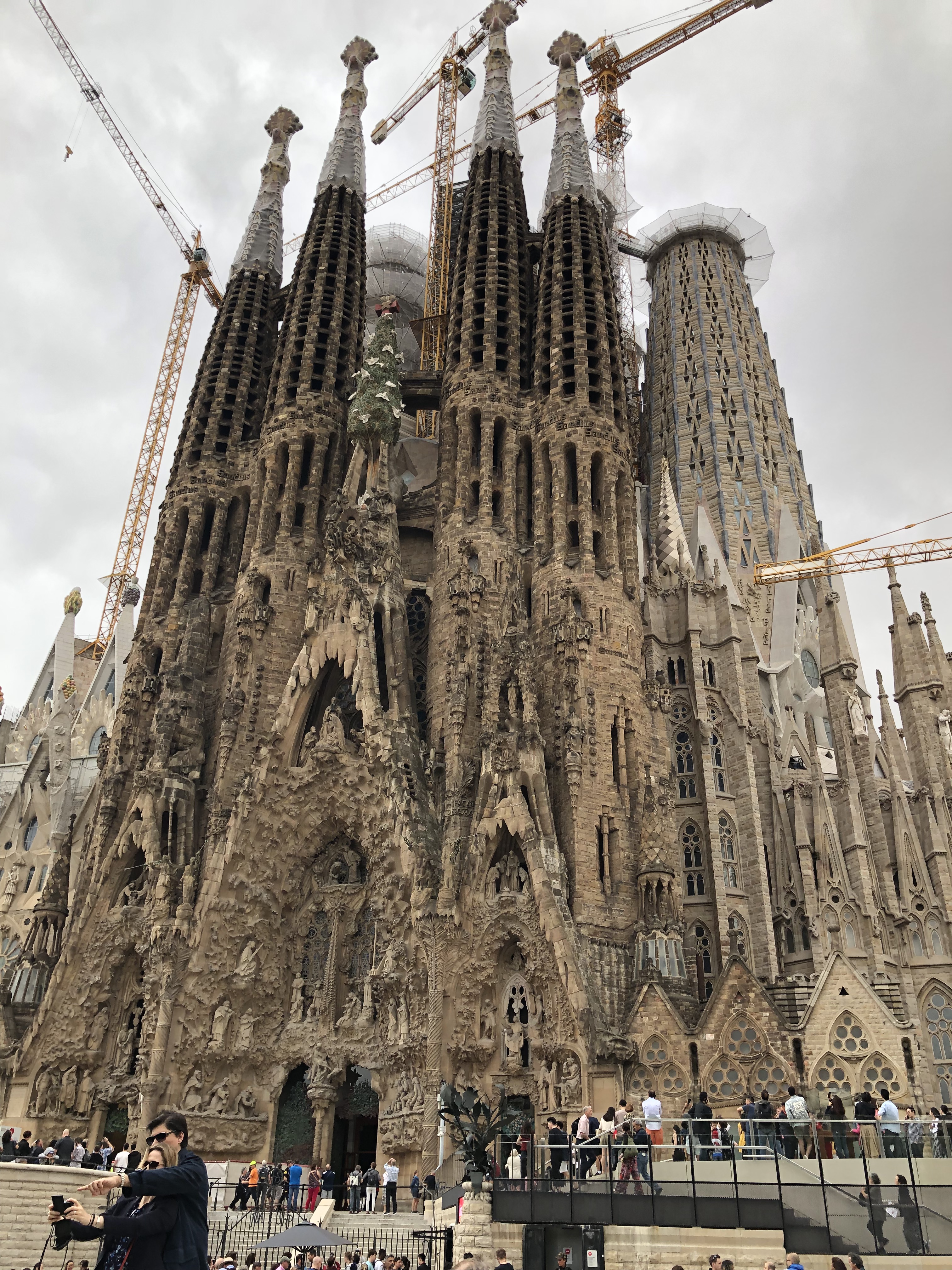
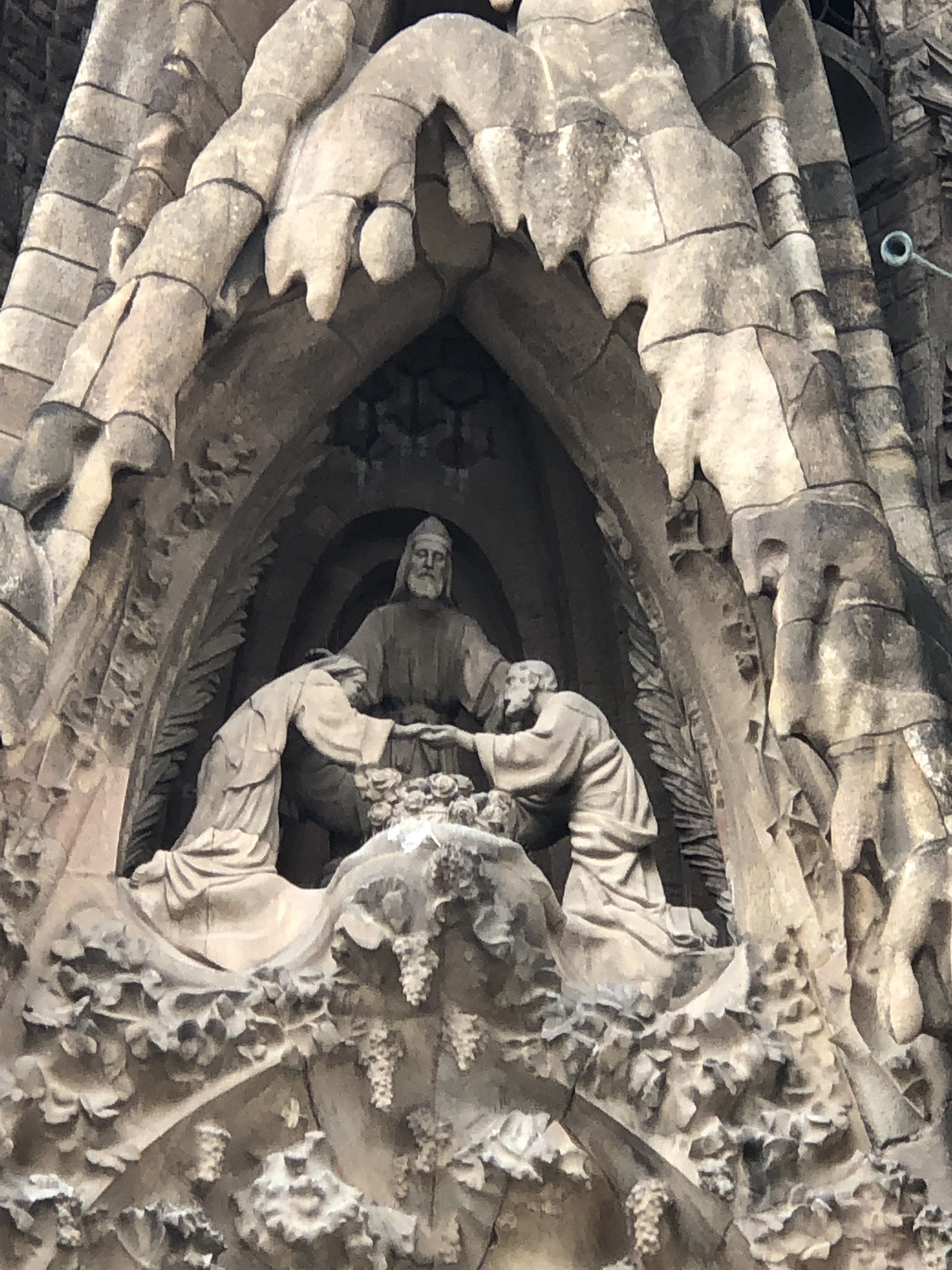
La Sagrada Familia, Gaudi’s famous masterwork-in-progress
Templo Expiatorio de la Sagrada Familia, a UNESCO World Heritage Site, designed by architect Anoni Guadi. Construction began in 1882 and not yet completed. When Gaudi died in 1926 the church was only about 15 to 25 percent complete. Completion is anticipated to be in 2026.
La Sagrada Familia is mix of Spanish Late Gothic, Catalan Modernism and Art Nouveau. The original Gaudi plans had a total of eighteen spires, tapering conical or pyramidal structures, representing the twelve Apostles, the Virgin Mary, four Evangelists, and, the tallest spire, Jesus Christ. When the spires are completed La Sagrada Familia will be the tallest church in the world.
Anoni Gaudi was a Spanish architect is known for his one of a kind, Catalan Modernism. Most of his work can be found in Barcelona, with seven buildings declared UNESCO World Heritage Sites. We drove past Casa Mila, known as the “House of Bones” on our city tour. Toured La Sagrada Familia with our local guide. (My pictures do not show the beauty of Gaudi’s work.)



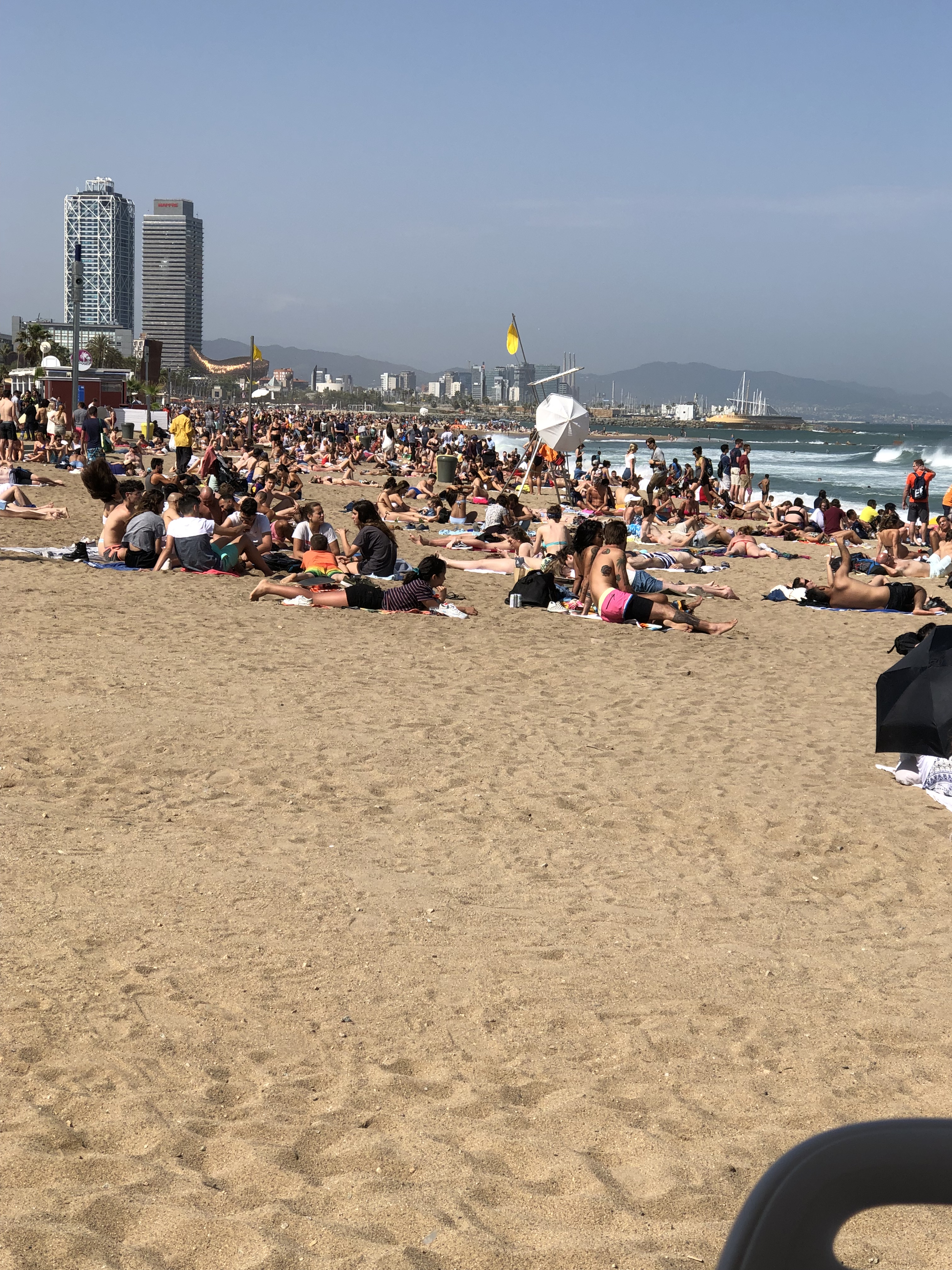
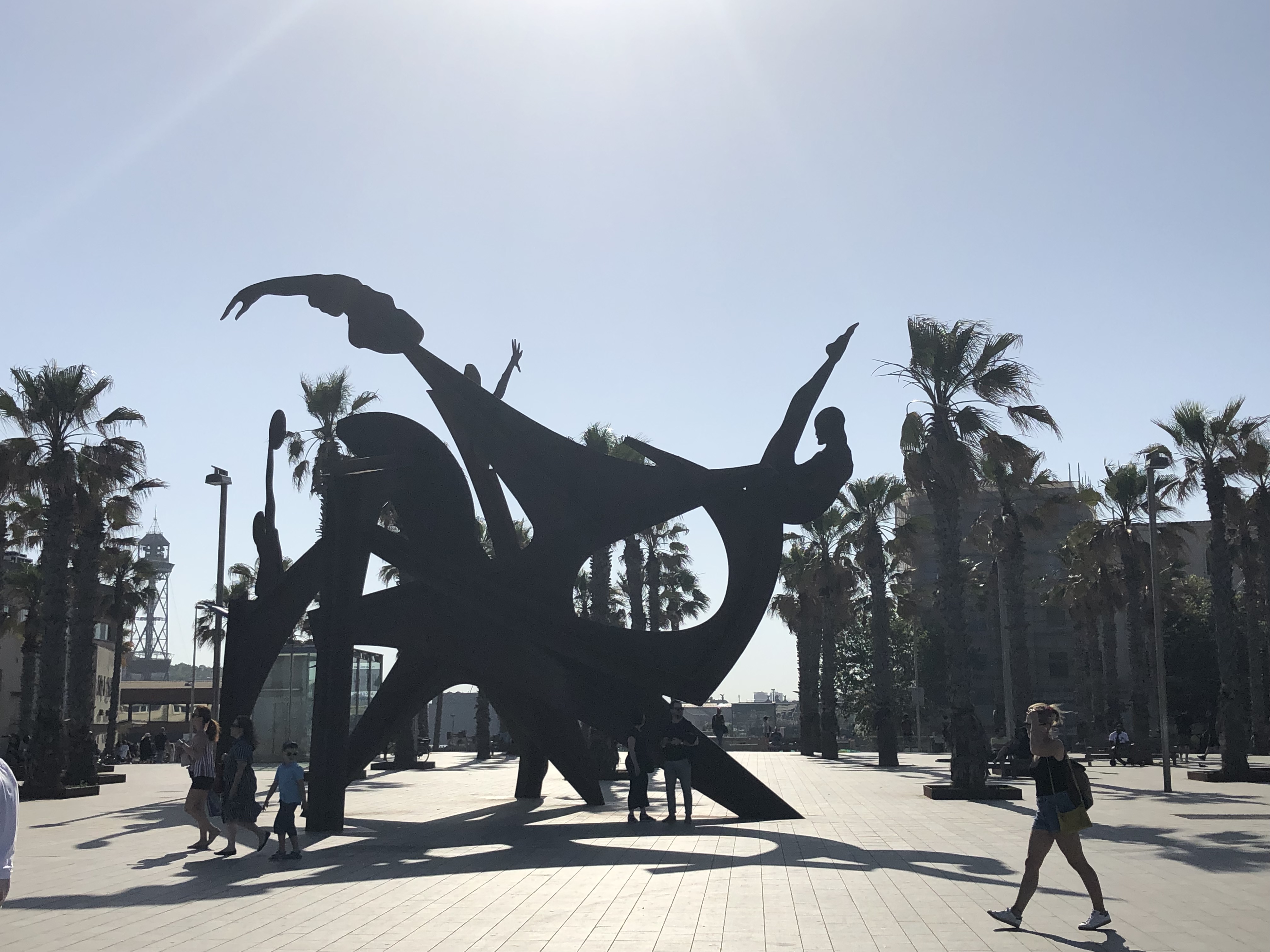
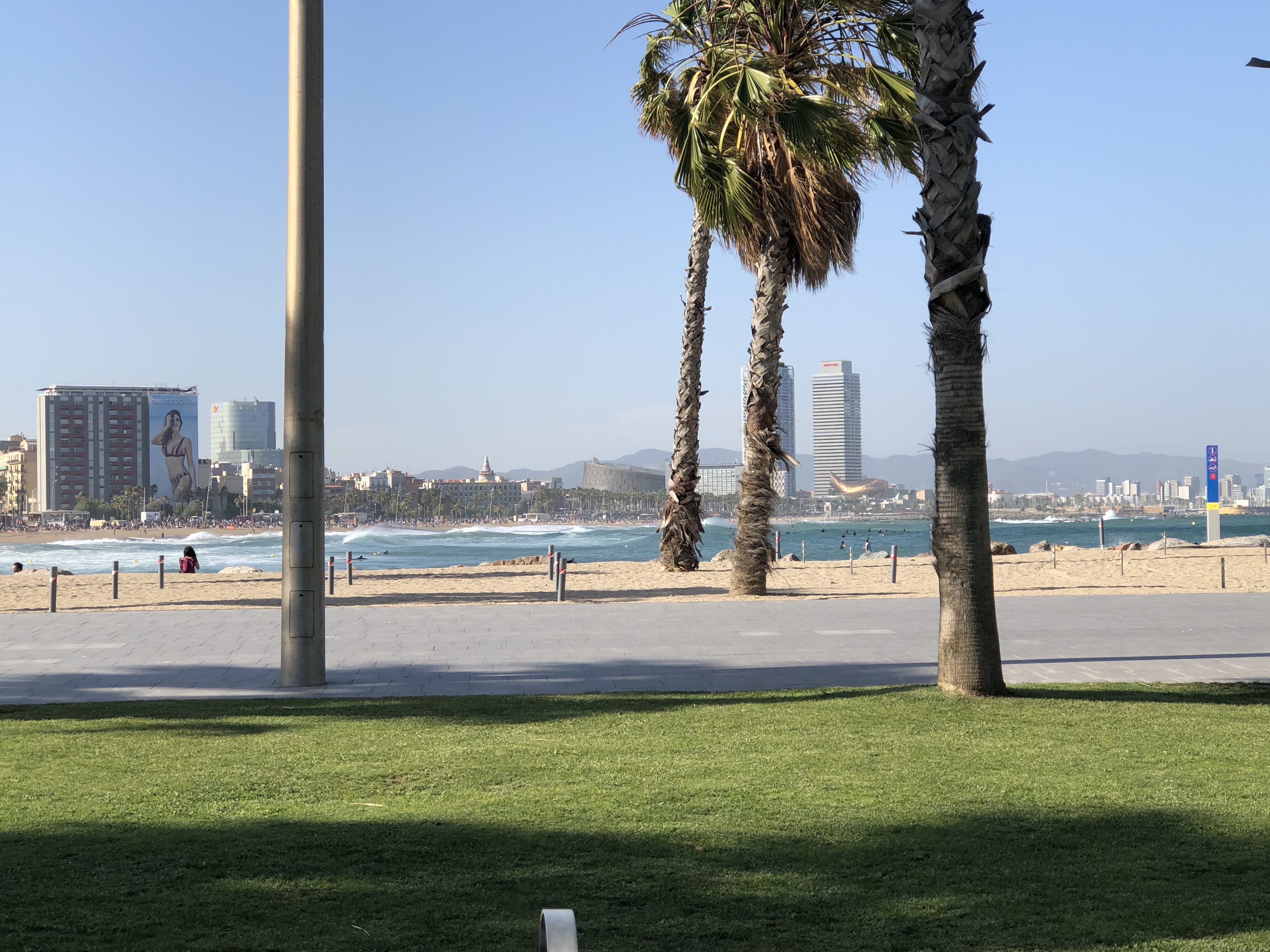
During our guided tour of Barcelona we learned a lot about the designing of the coastal area for the 1992 Olympics. This area was once an industrial port that was transformed into parks, housing, restaurants, and a beautiful waterfront. Barcelona beaches did not have sand. It was imported by Egypt in the early 1990s. This became the area of the olympic village, housing athletes. Due to security reasons the U.S. Olympic Basketball team did not stay in the olympic village but a hotel near the village. This was the team made up of NBA players, which was somewhat controversial.
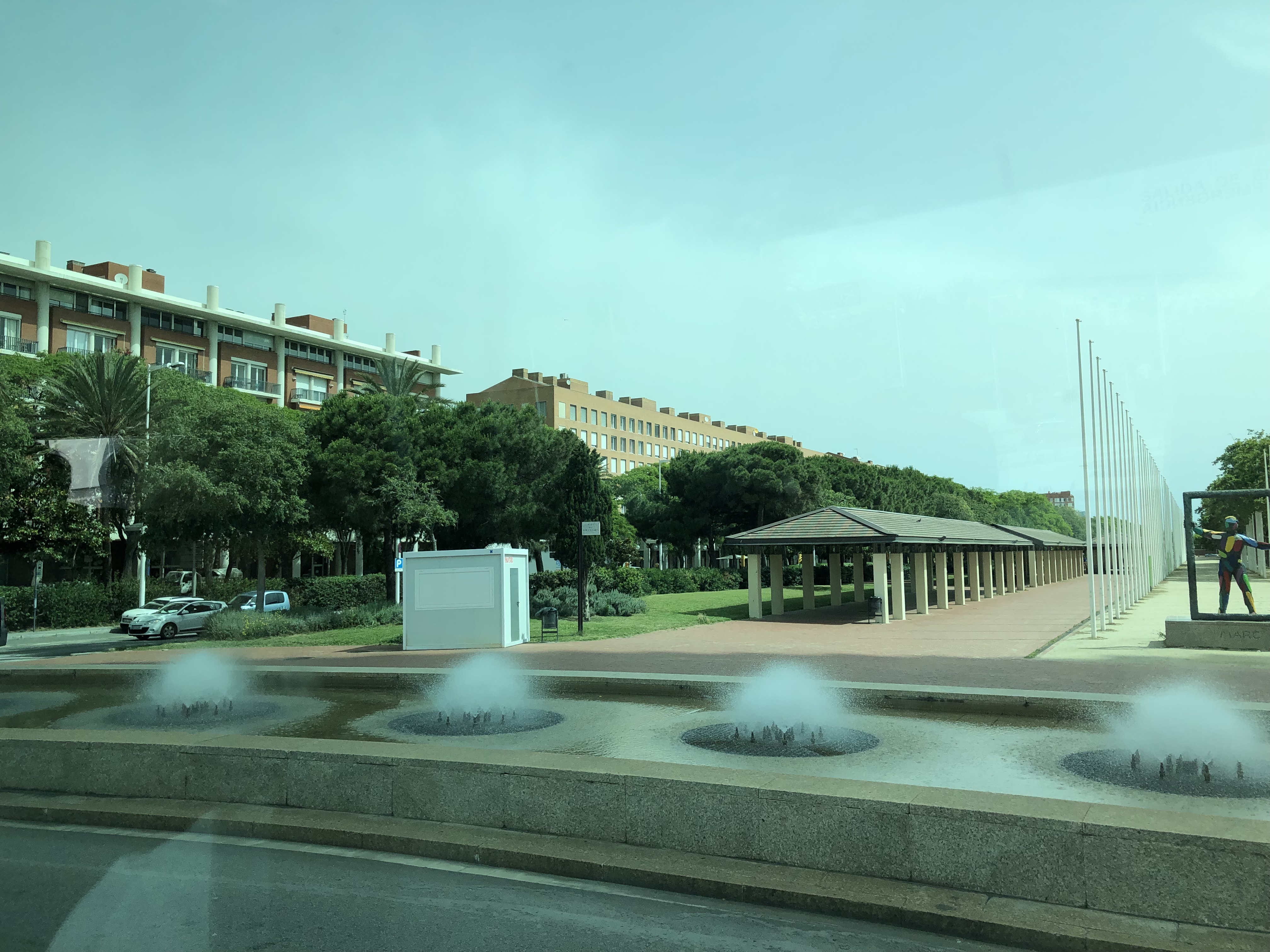
Olympic village 
Hotel used by U.S. athletes 
Peix by Frank Gehry 
Sand from Egypt 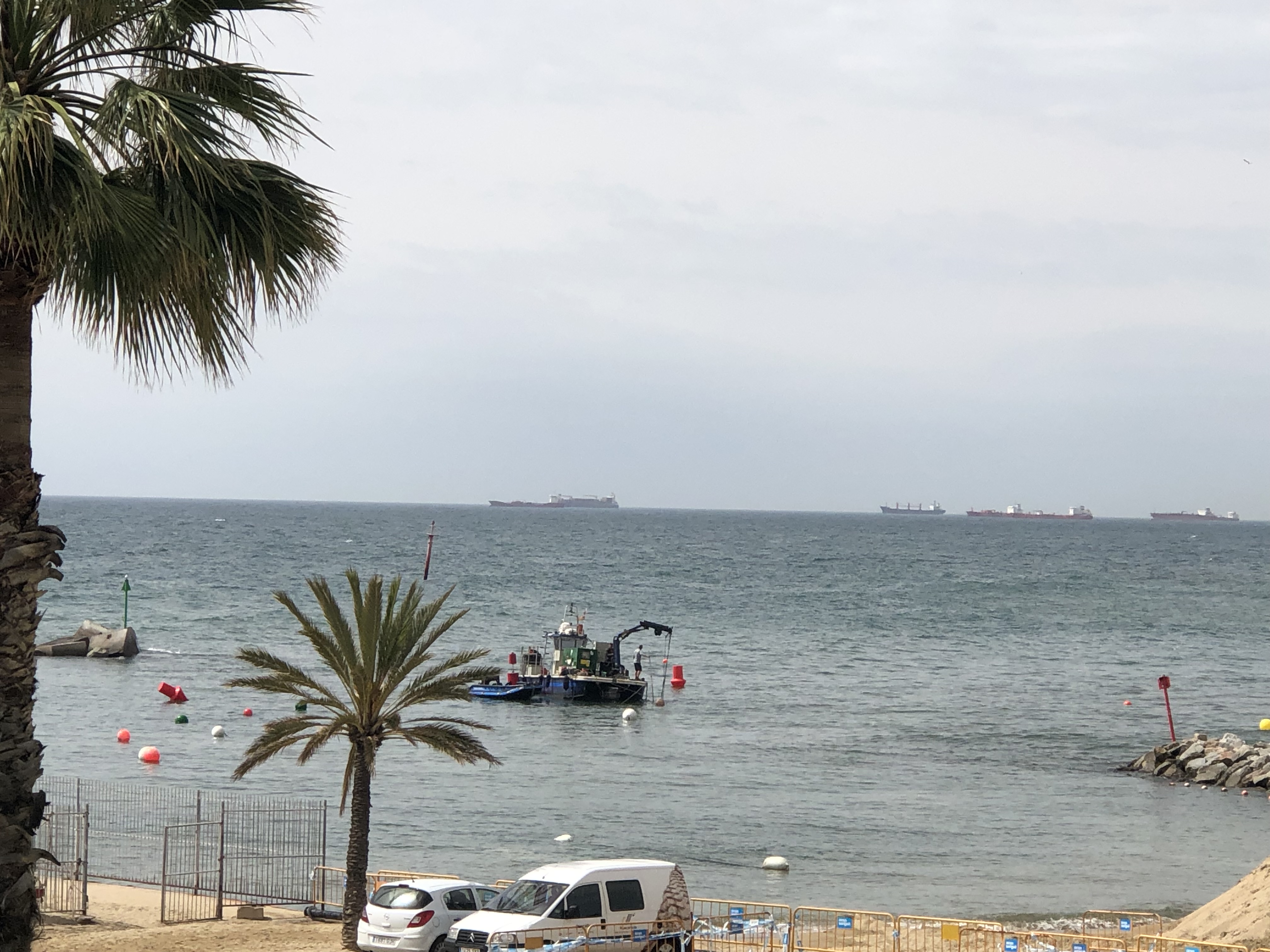
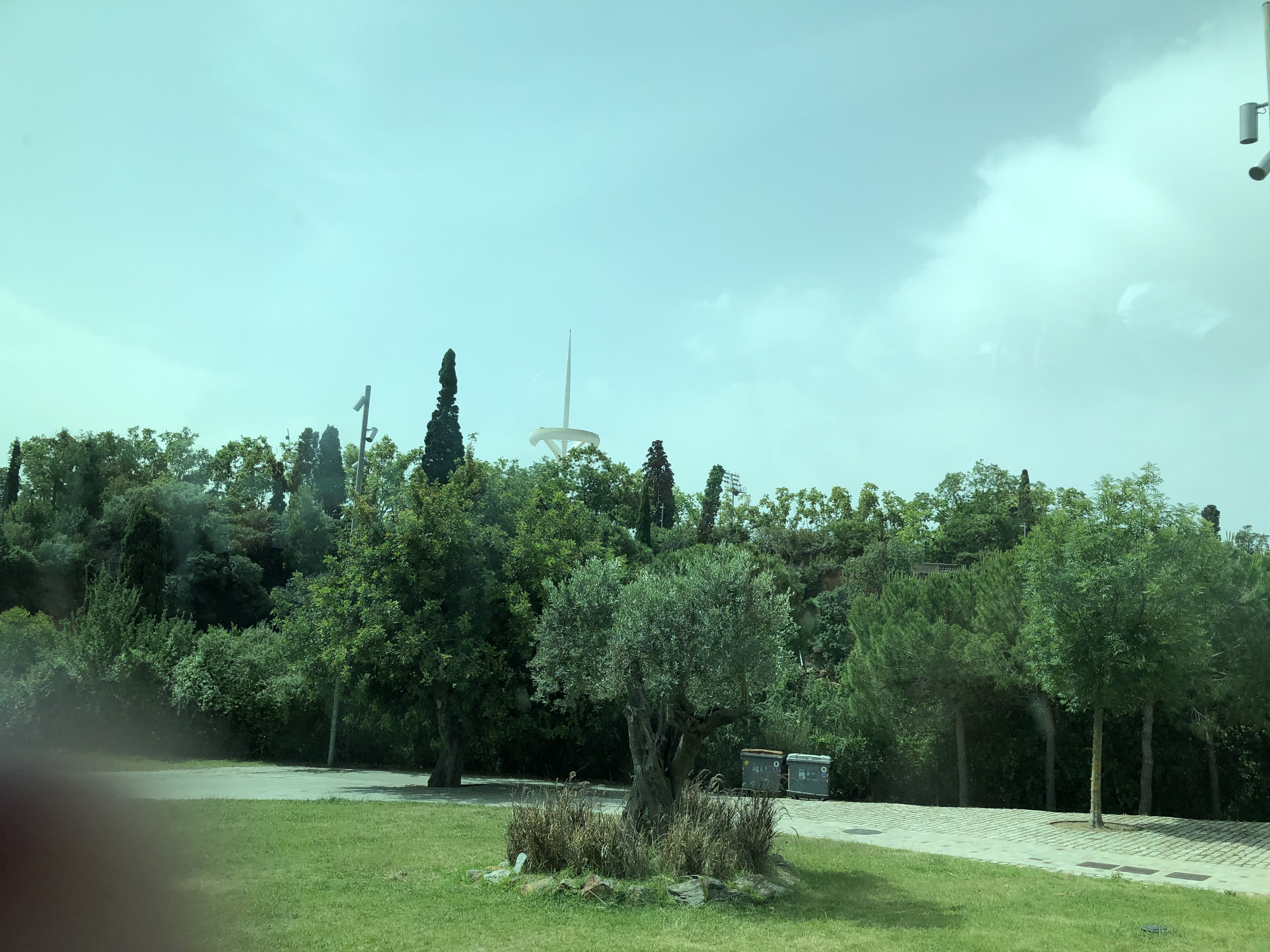
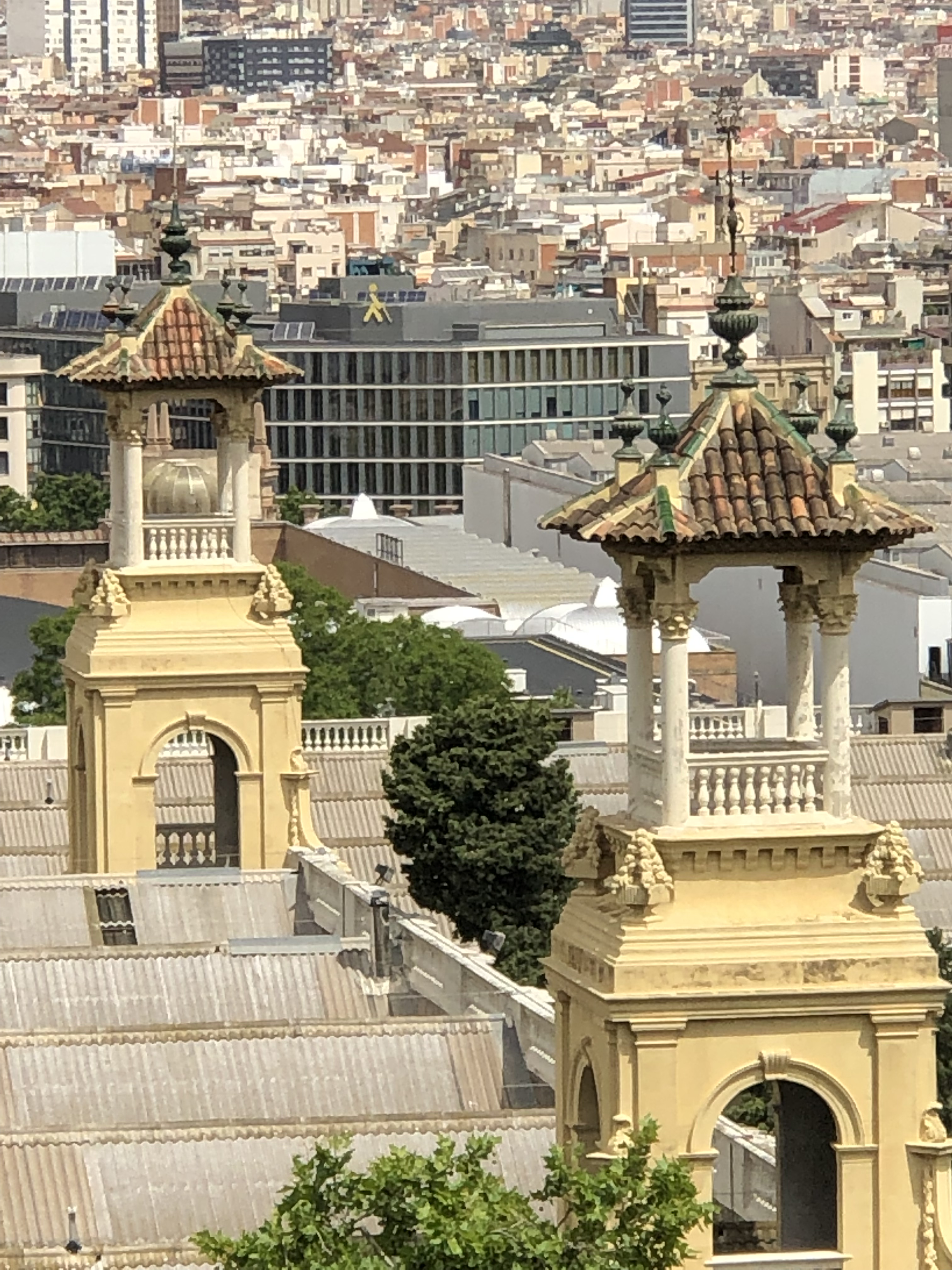
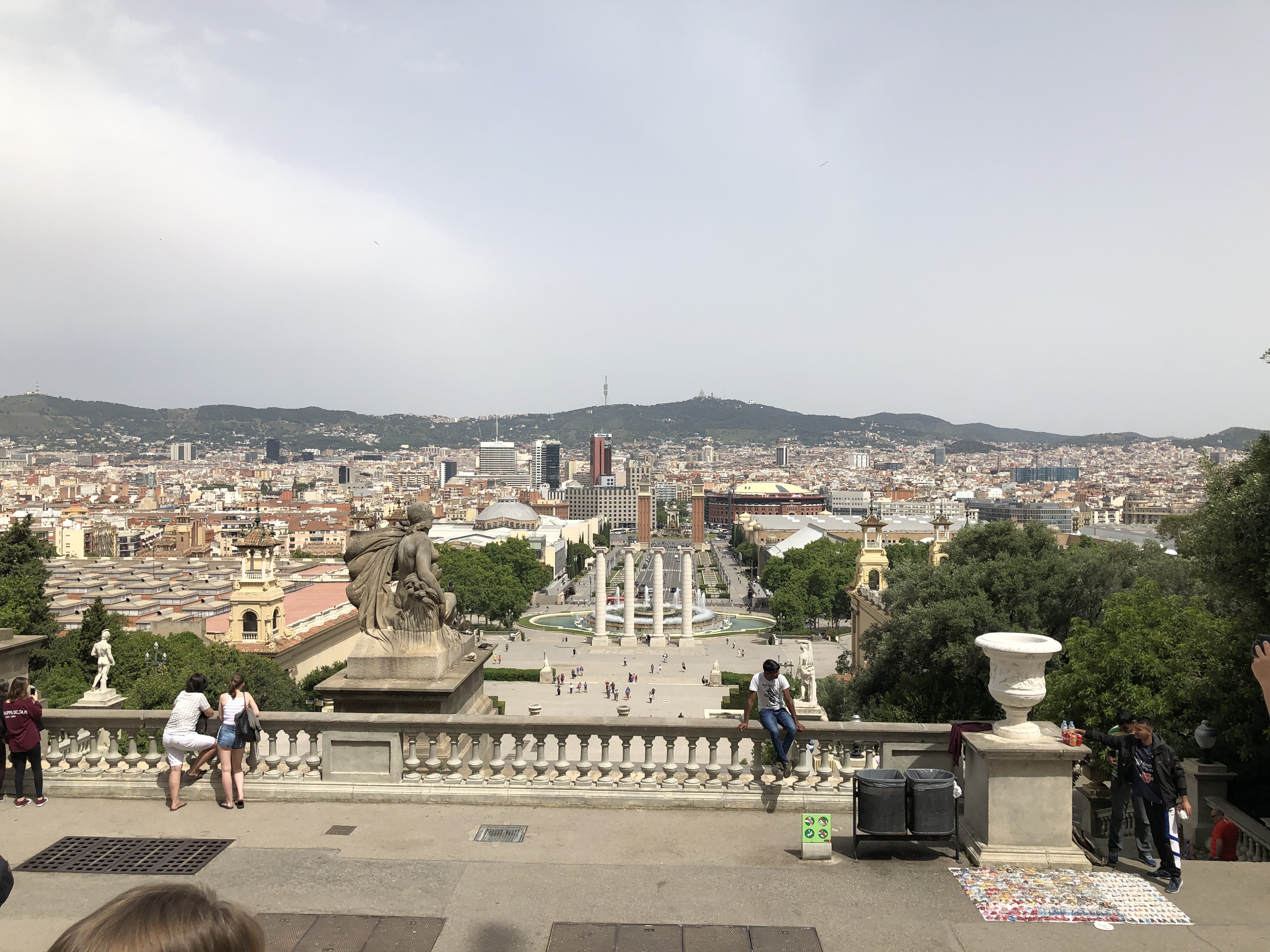
We traveled to the top of Montjuic Hill for a panoramic view of Barcelona. We passed the site of the 1992 Olympic games and stopped at Mirador de l’Alcalde Park to take pictures of the city. Our hotel could be seen from the observation area.

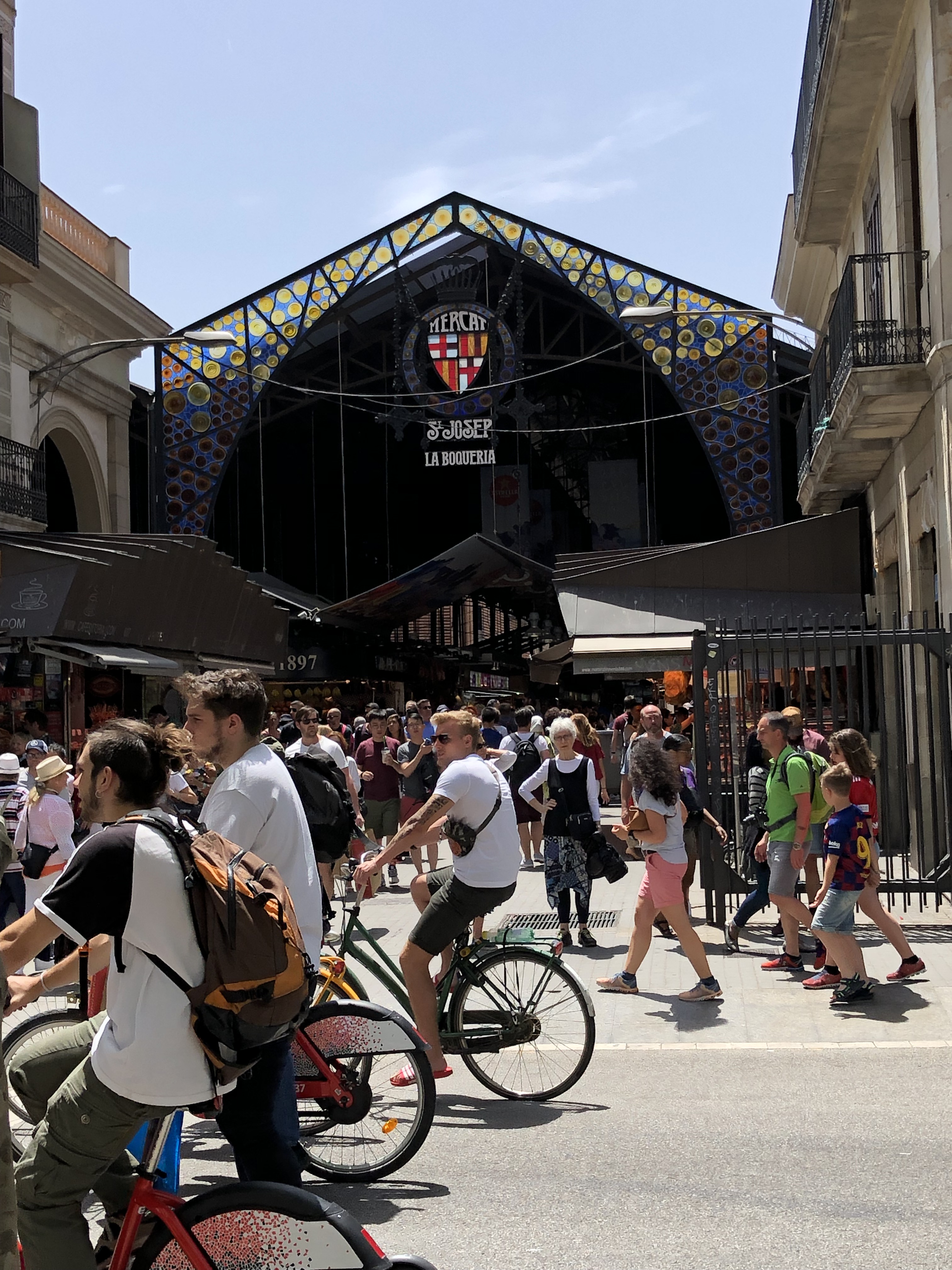
The afternoon was free for exploring. I traveled to the La Rambla, a street in the center of Barcelona. The street is known for shopping, restaurants, culture, and pick pockets. Yes pick pockets! Any time you visit a heavily congested area with tourists there will be people working to empty pockets and bags. Always important to keep track of your belongs and be aware of people around you to not become a victim.
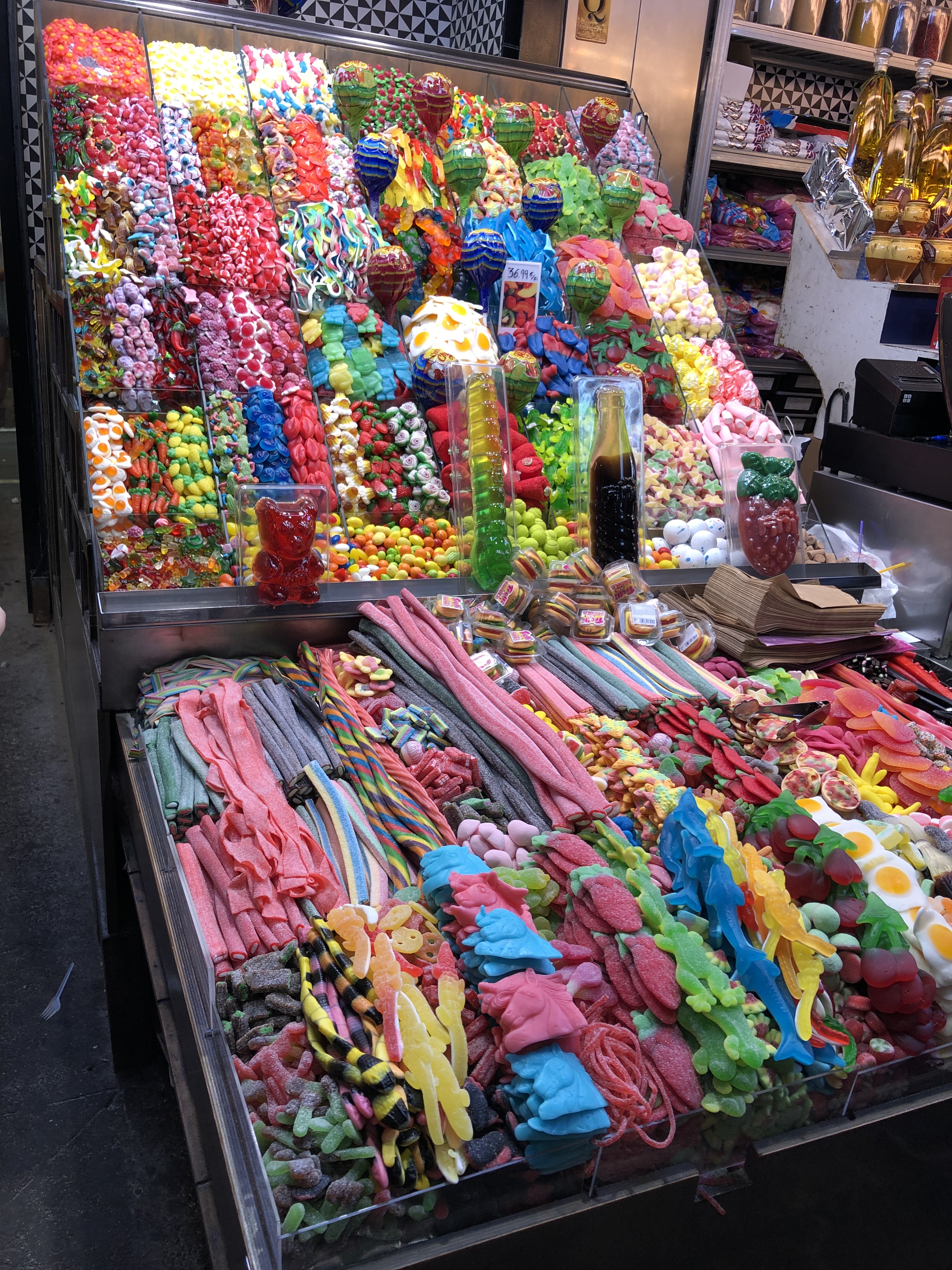
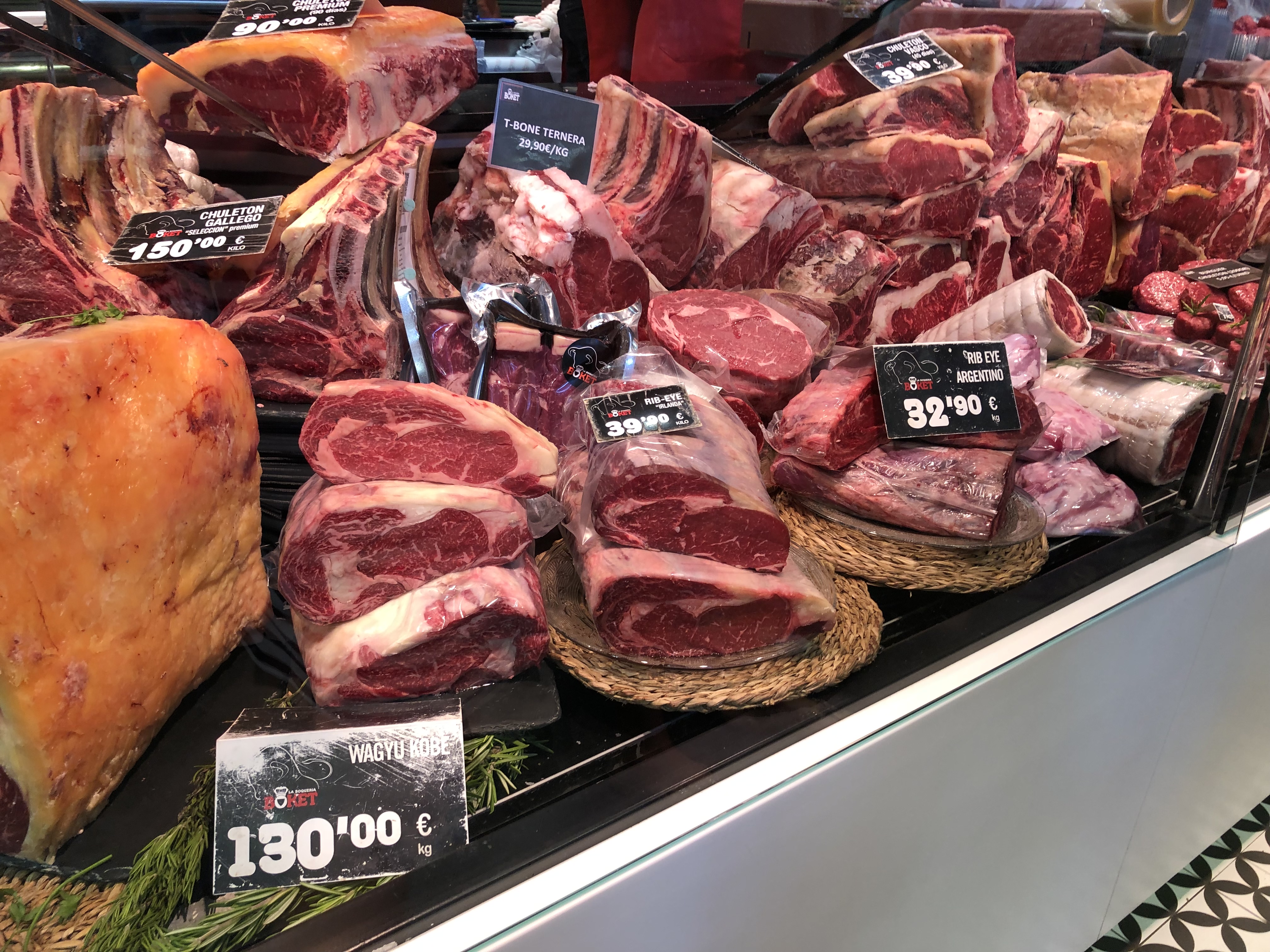
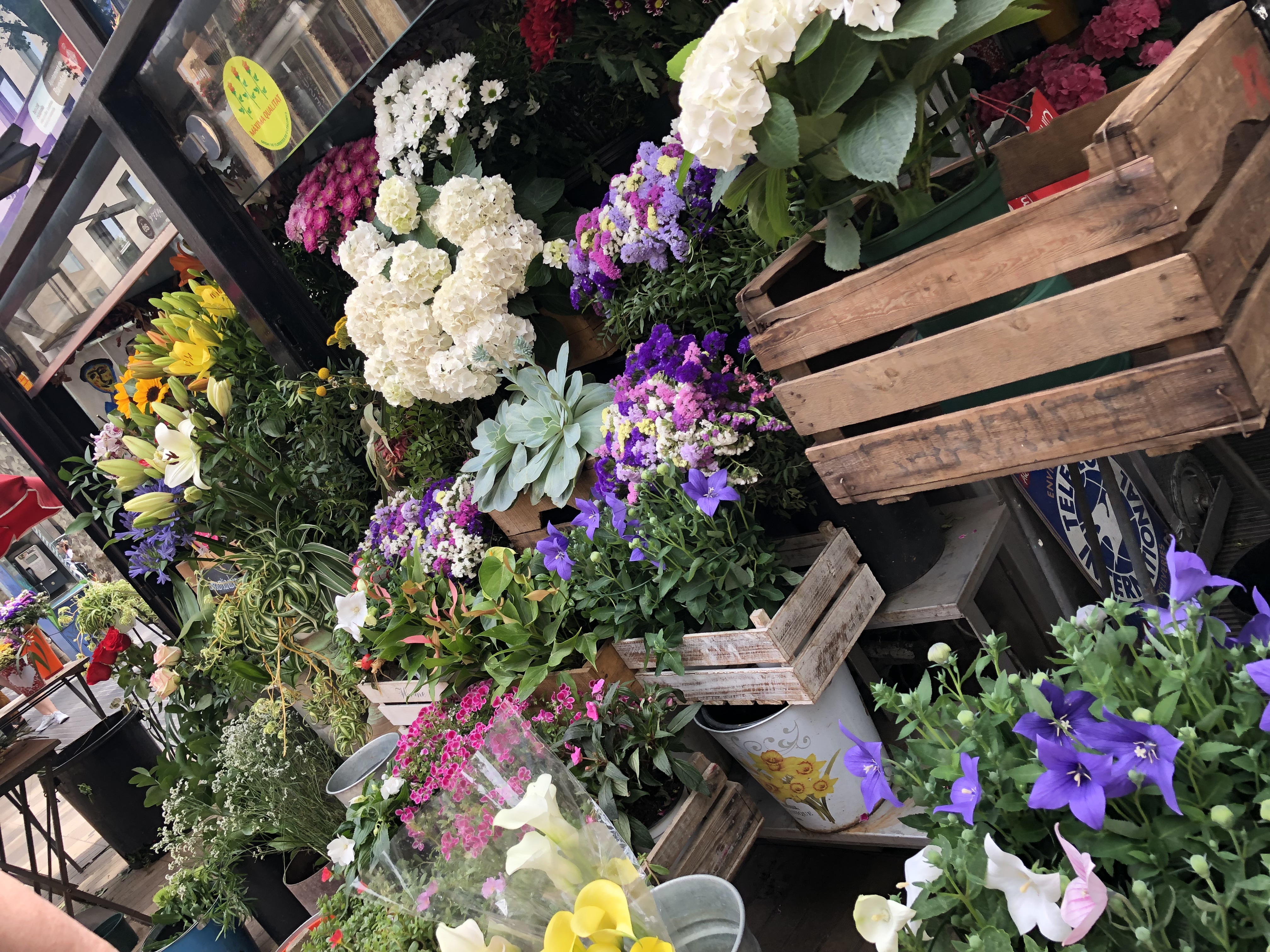
We did a lot of walking and looking. One area we visited was the La Boqueria market. This is a very old market many local citizens rely on to purchase fresh food items. The sites and sounds were amazing. We didn’t make any purchases, just enjoyed the cultural experience. Check out some of the foods that can be purchased, as well as the prices.



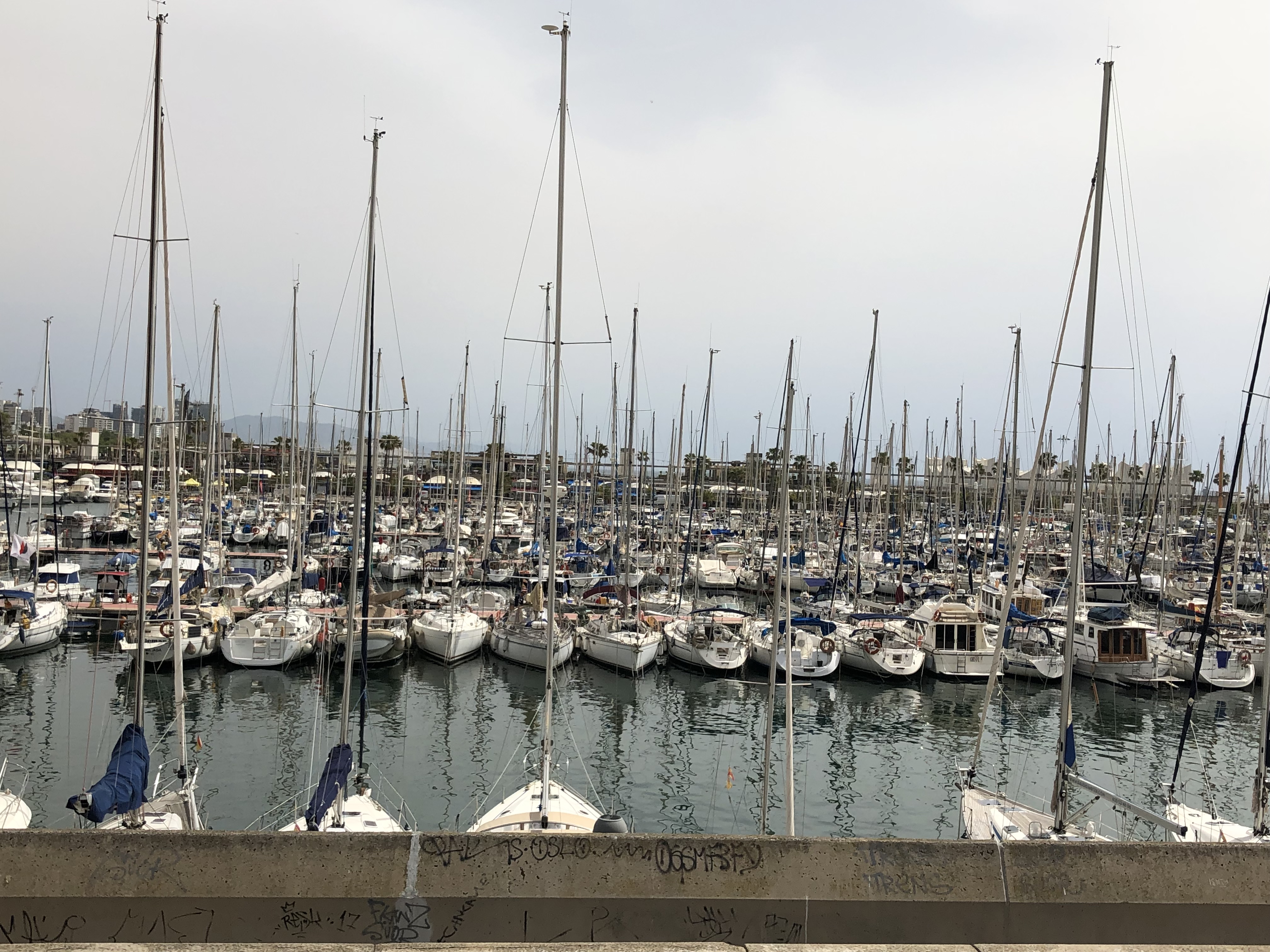
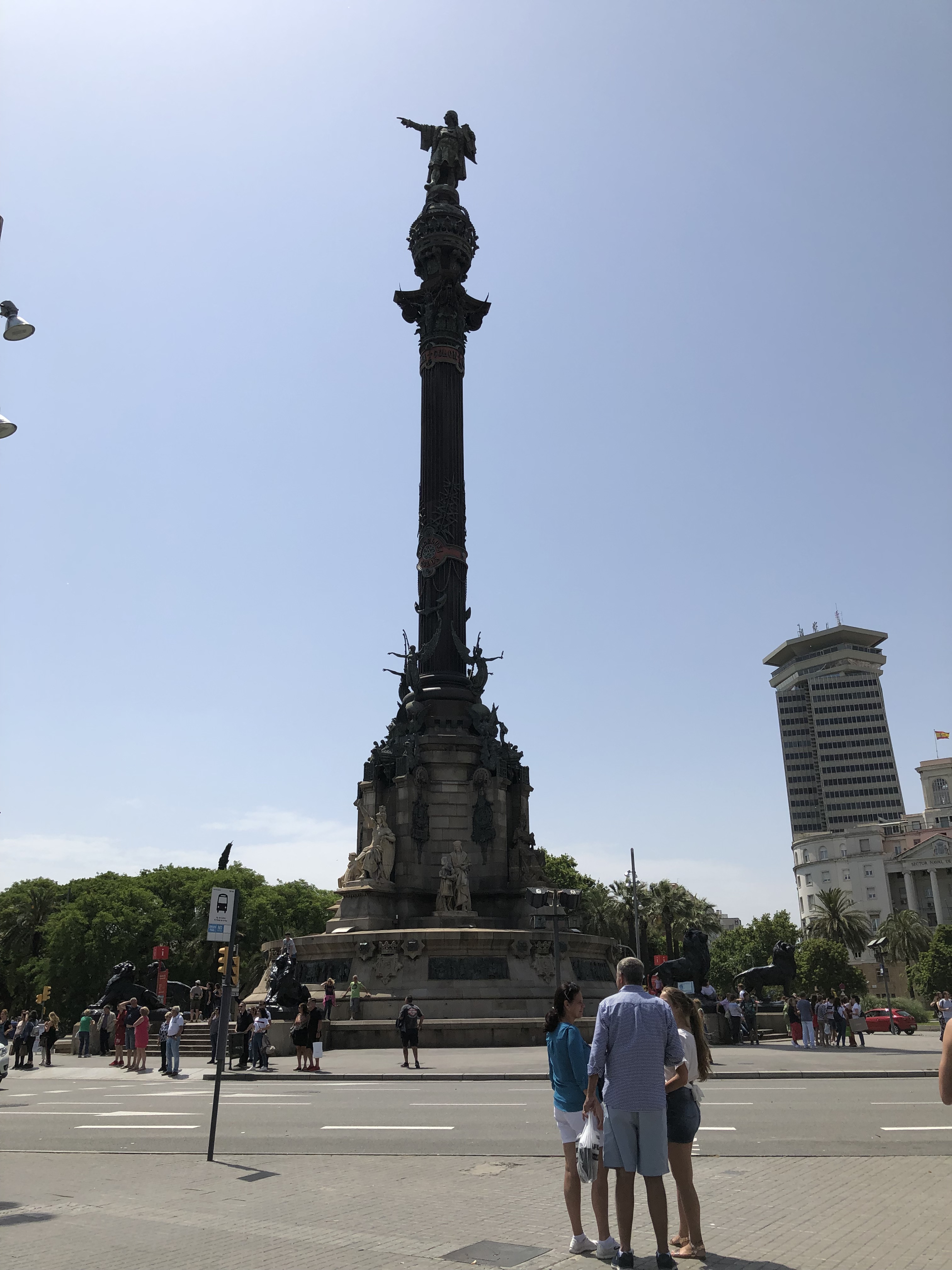
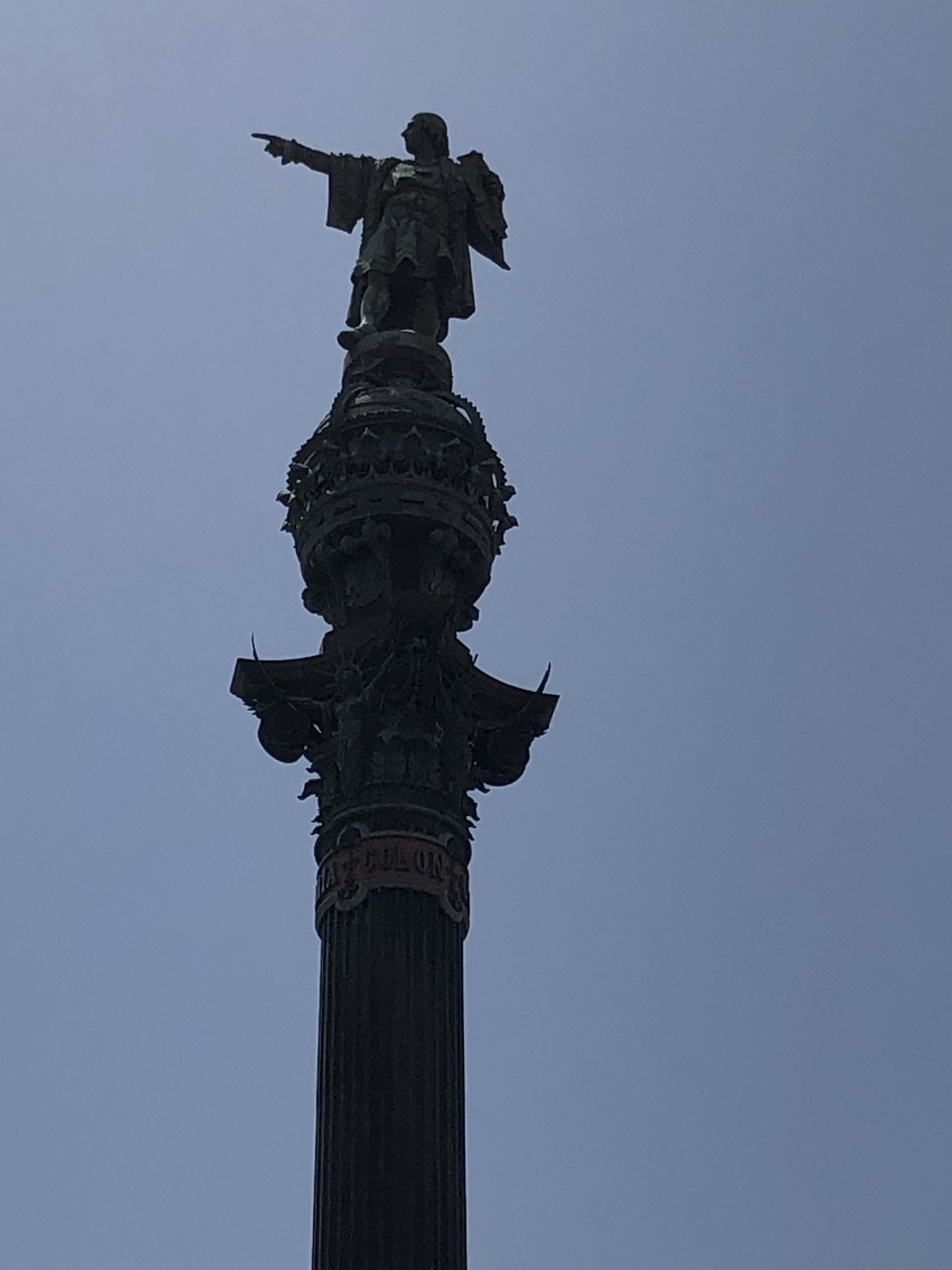
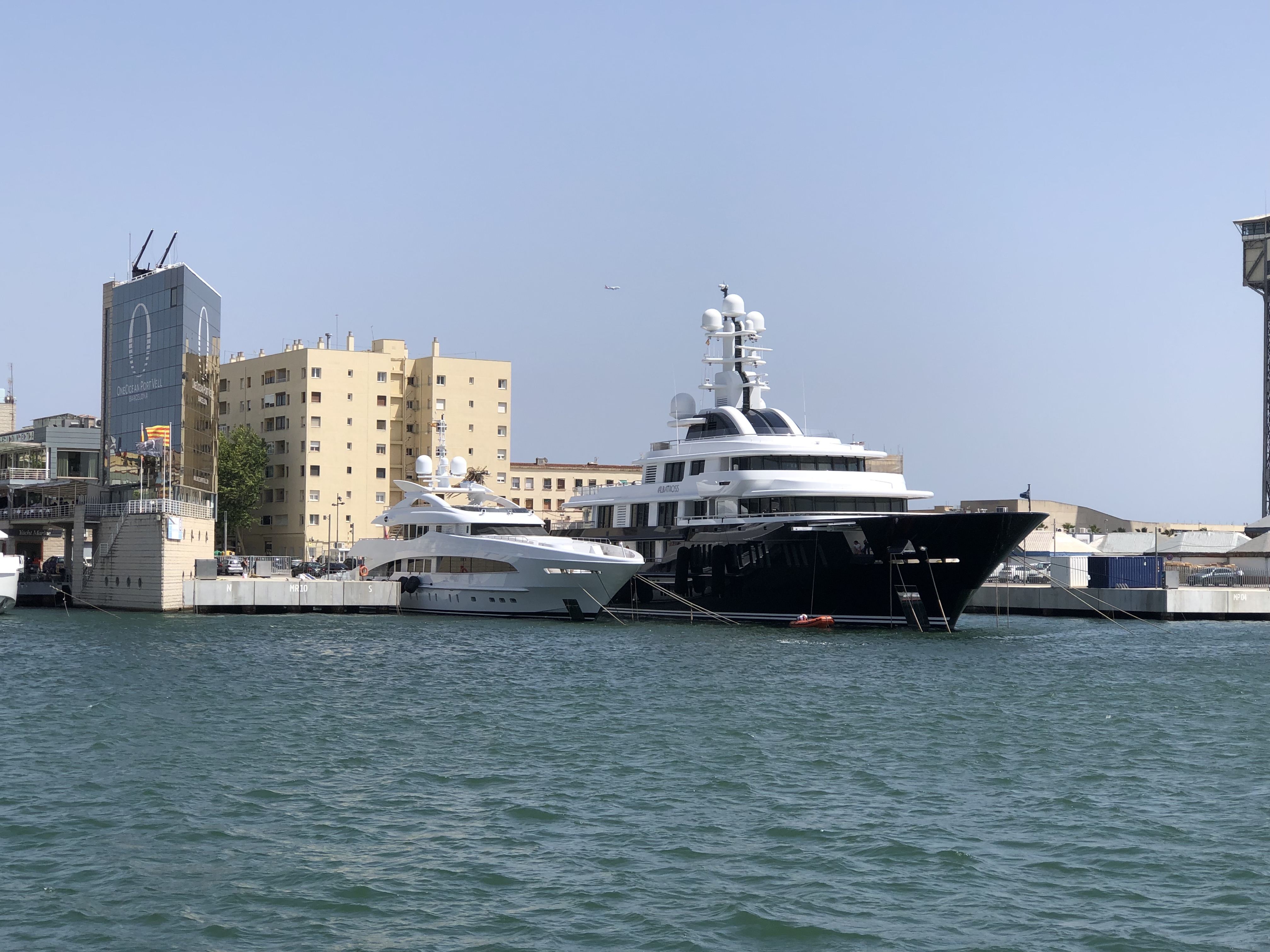
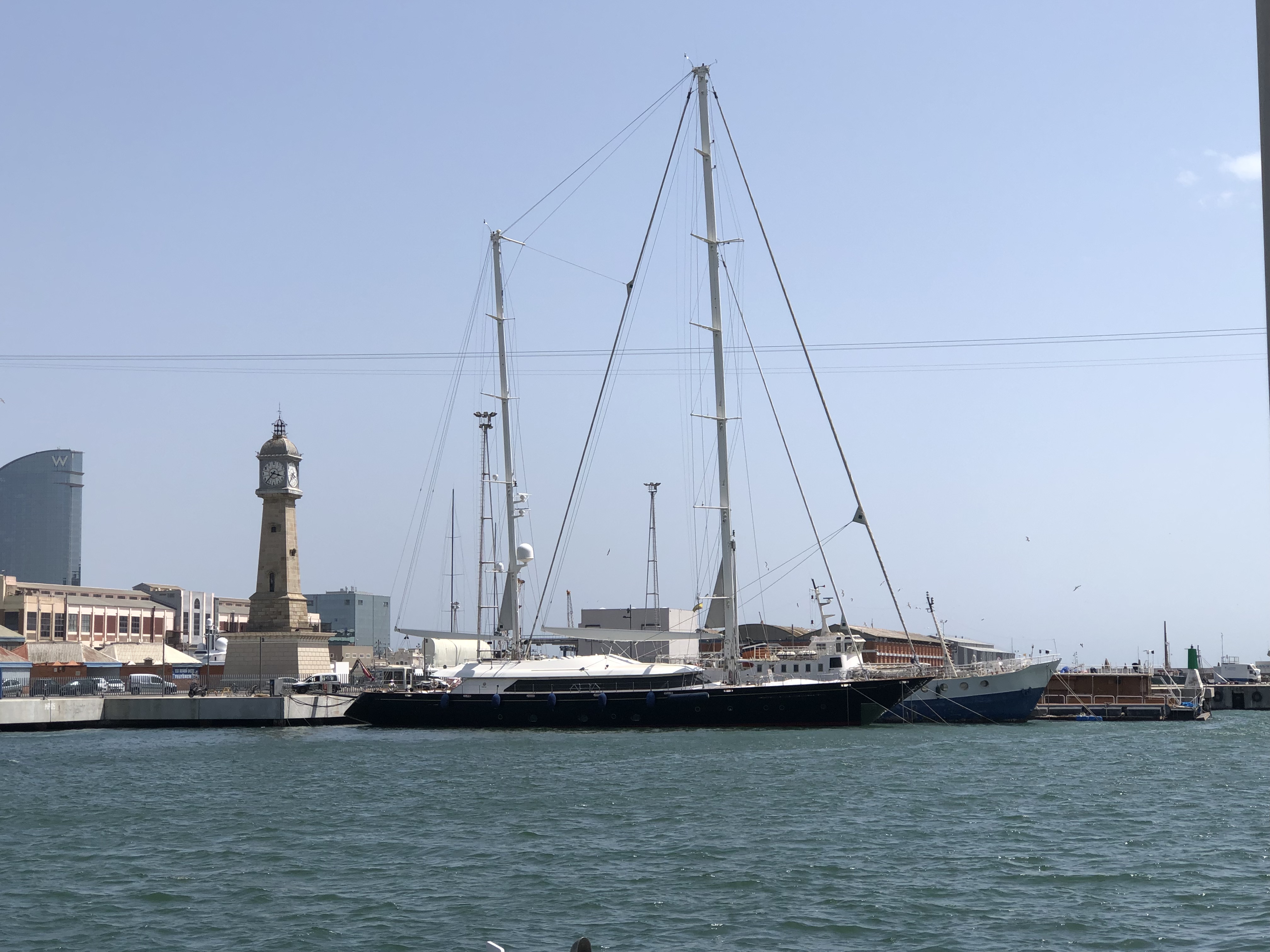
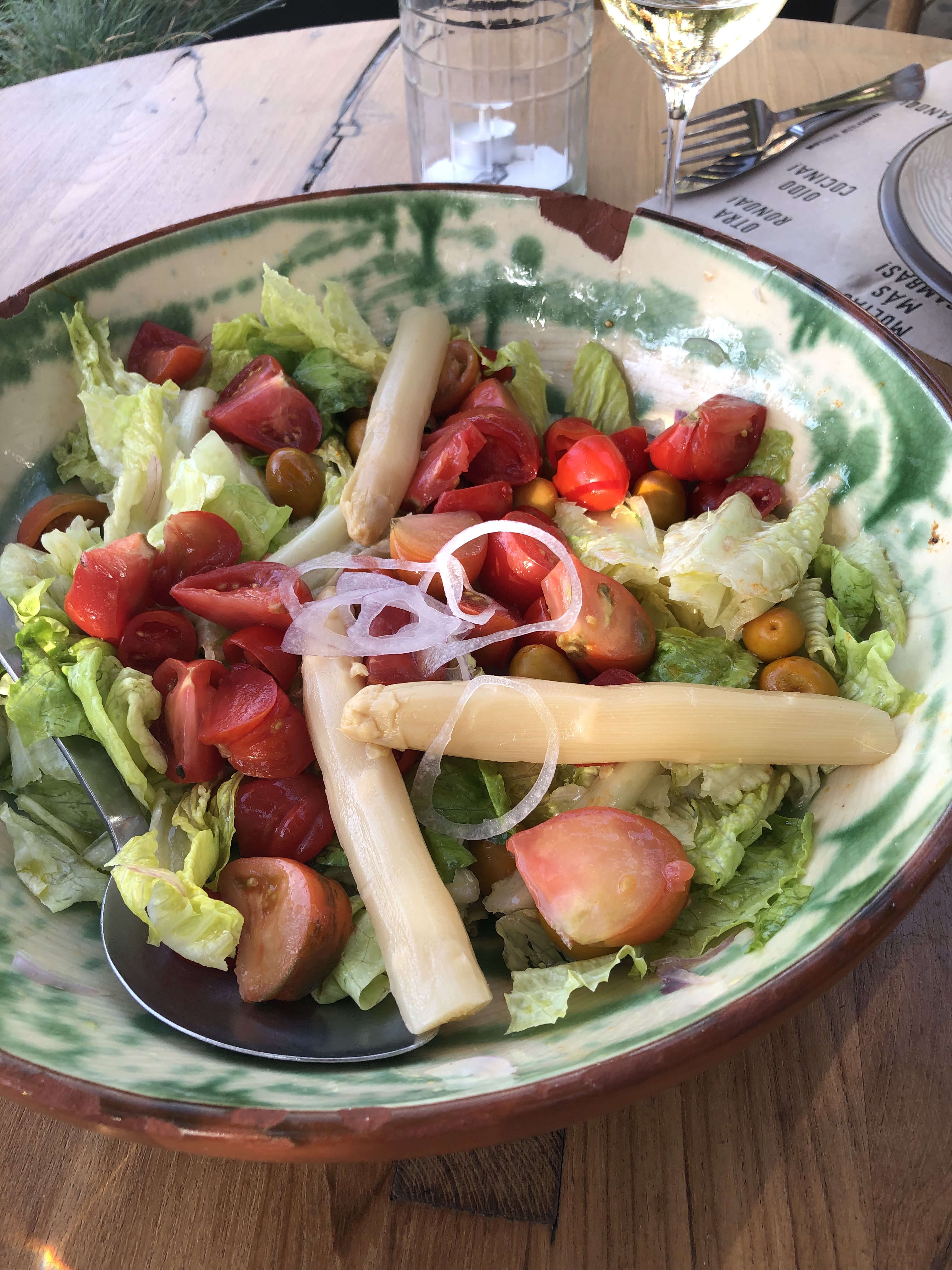
Our walked continued to the end of La Rambla to see the statue of Christopher Columbus. The monument was built in 1888 for the World Exposition. Columbus is not pointing toward the “Americas” but actually in the opposite direction. We continued to the coast of the Balearic Sea to see sale boats and yachts and then the beach we saw earlier in the day. We ended our exploring with sitting on the beach and then dinner in a restaurant near the Hotel W Barcelona.


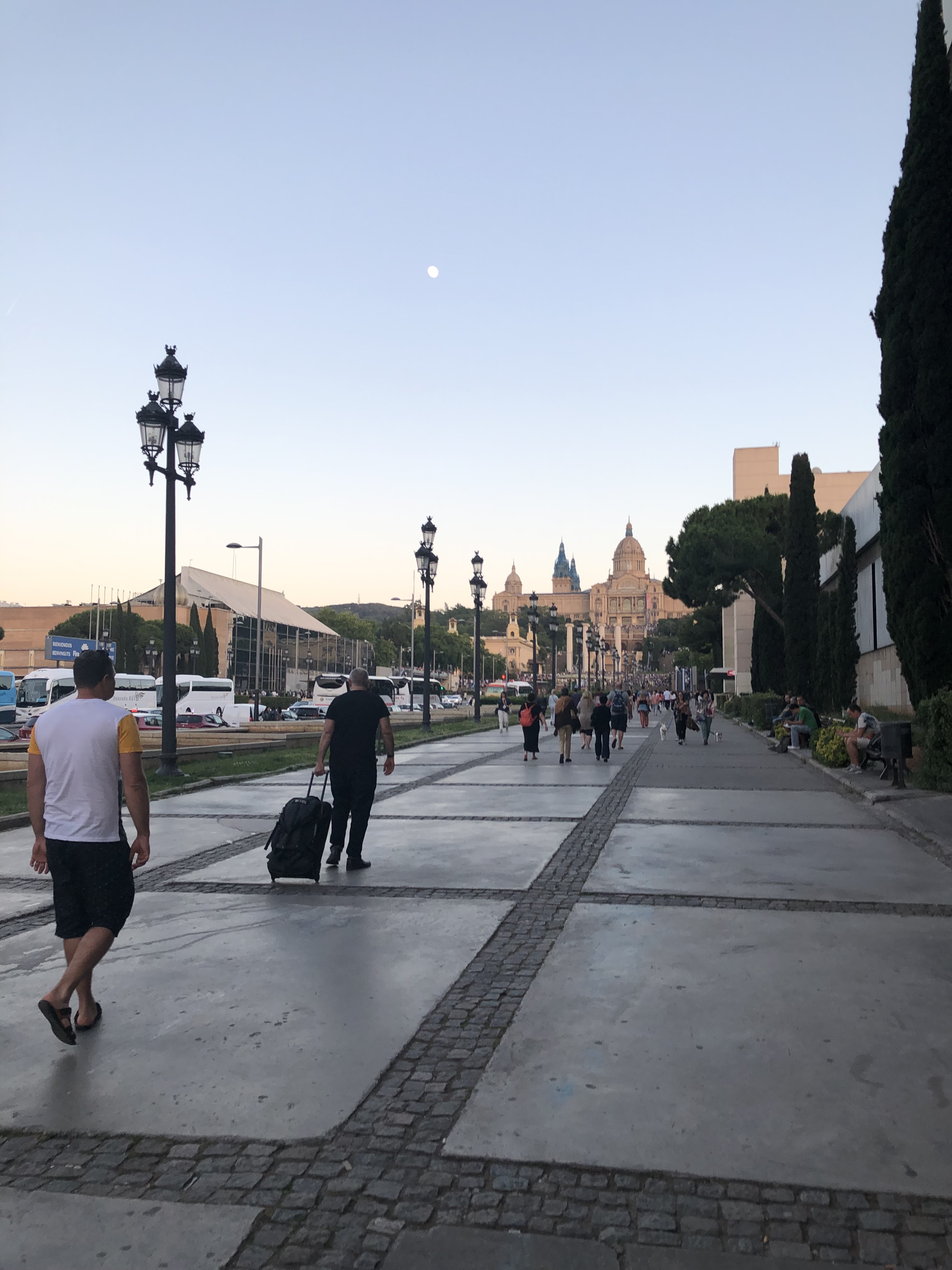
We ended our day with water dancing to music at the Font Magica, magic fountain, located at the base of the National Museum of Catalan Art. The fountains were designed in 1929 for the Universal Exhibition and restored in 1992 for the Olympic Games.


Day 4: Free time in Barcelona and visit Montserrat
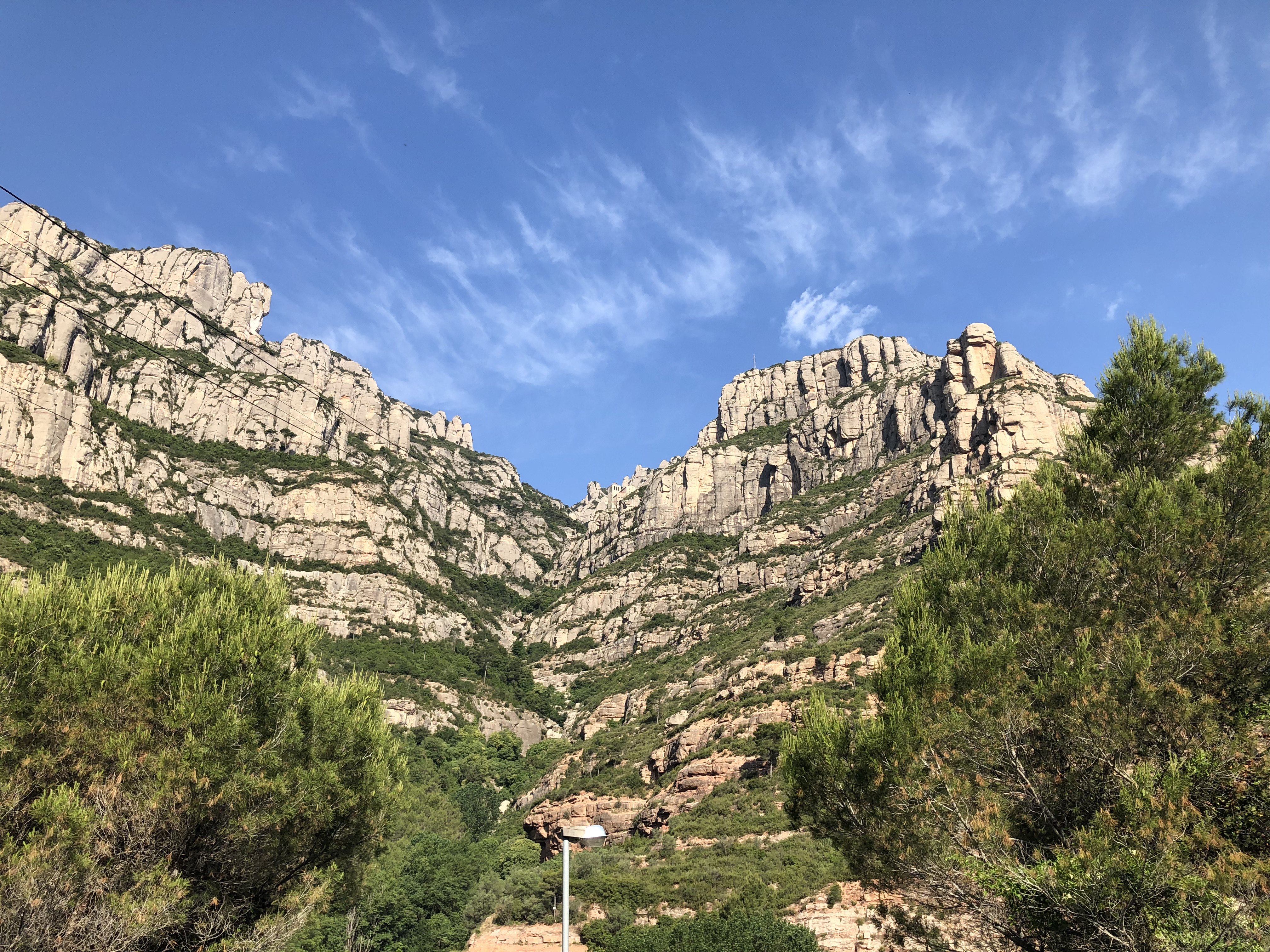
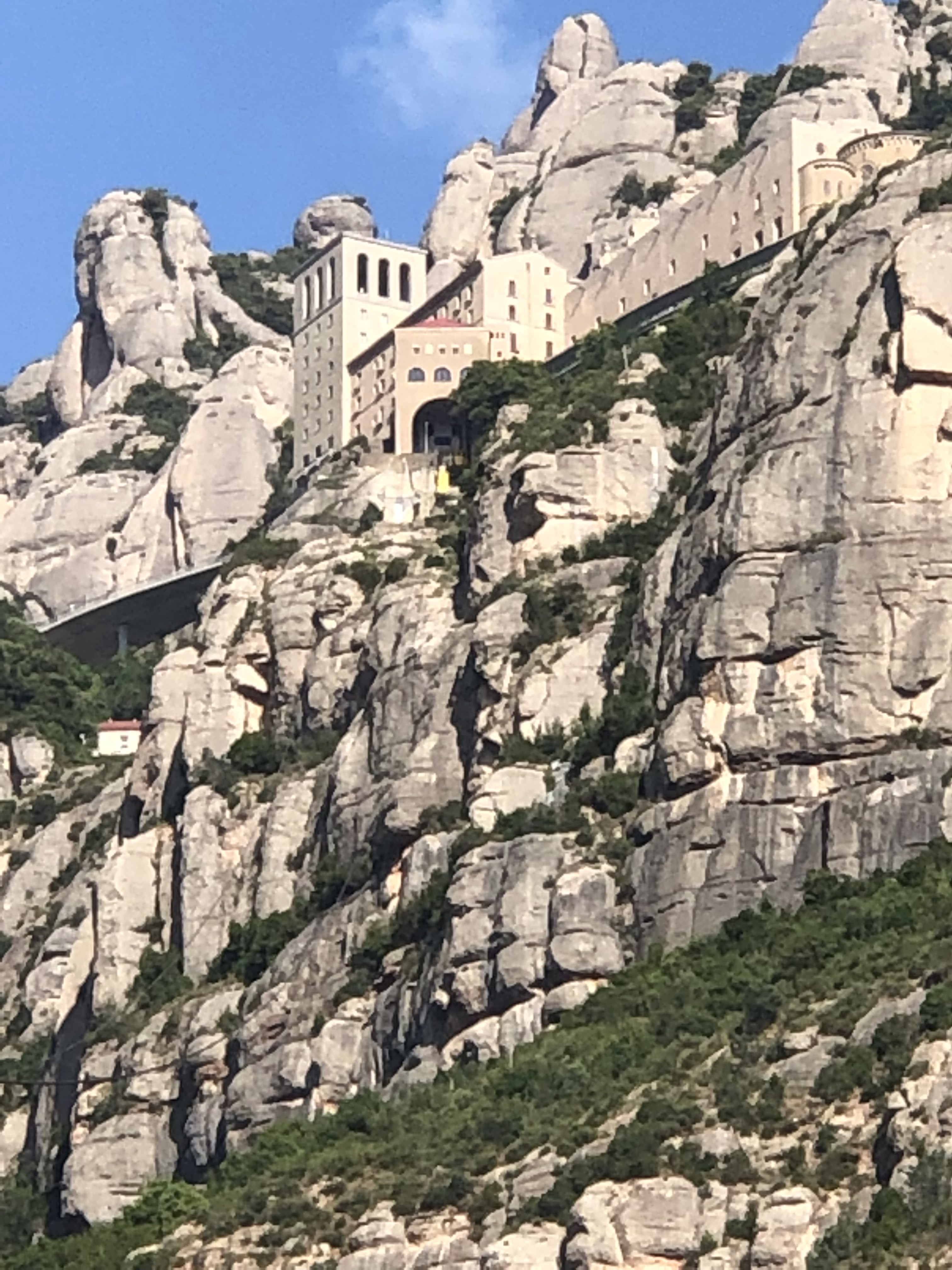
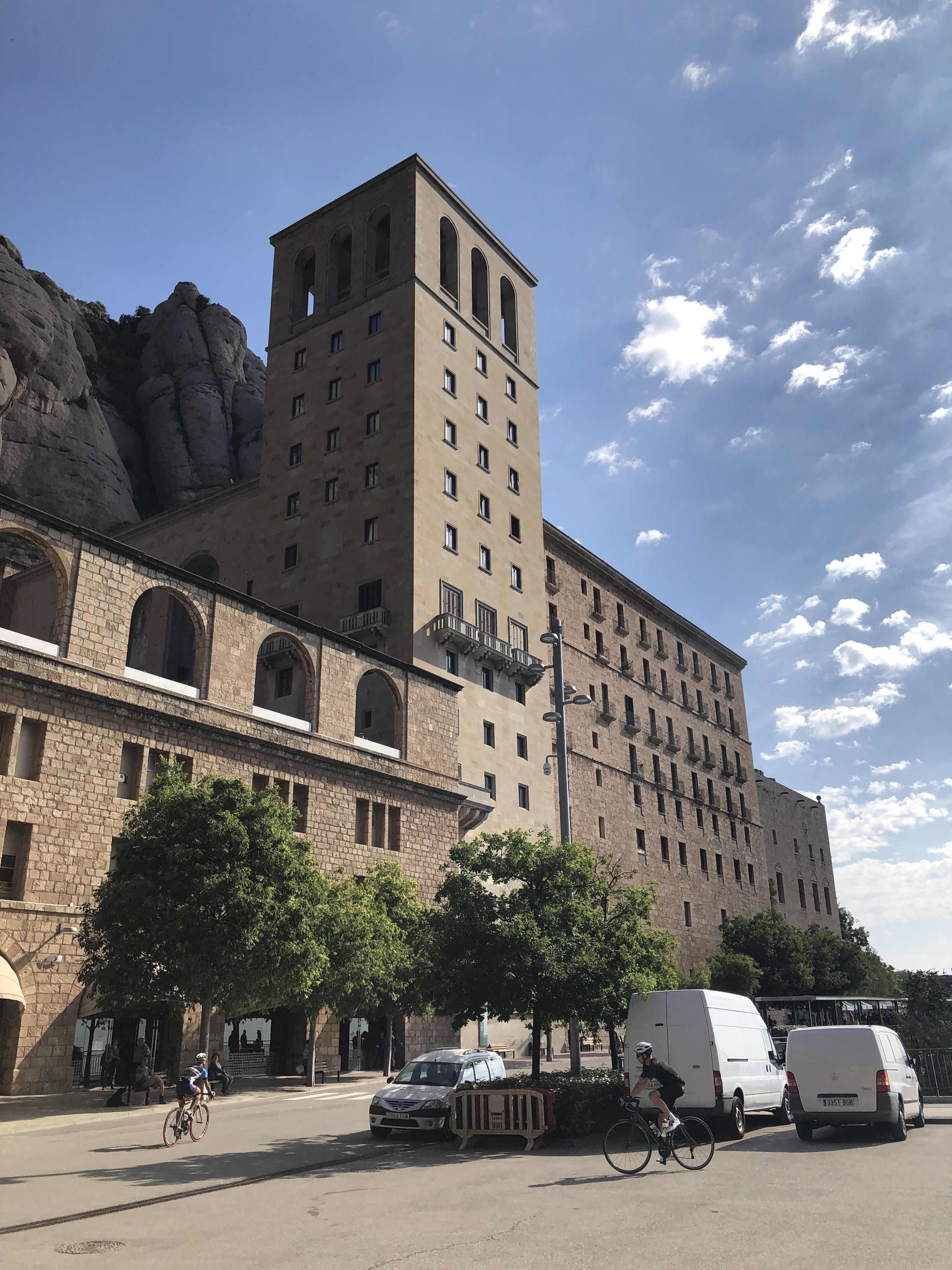
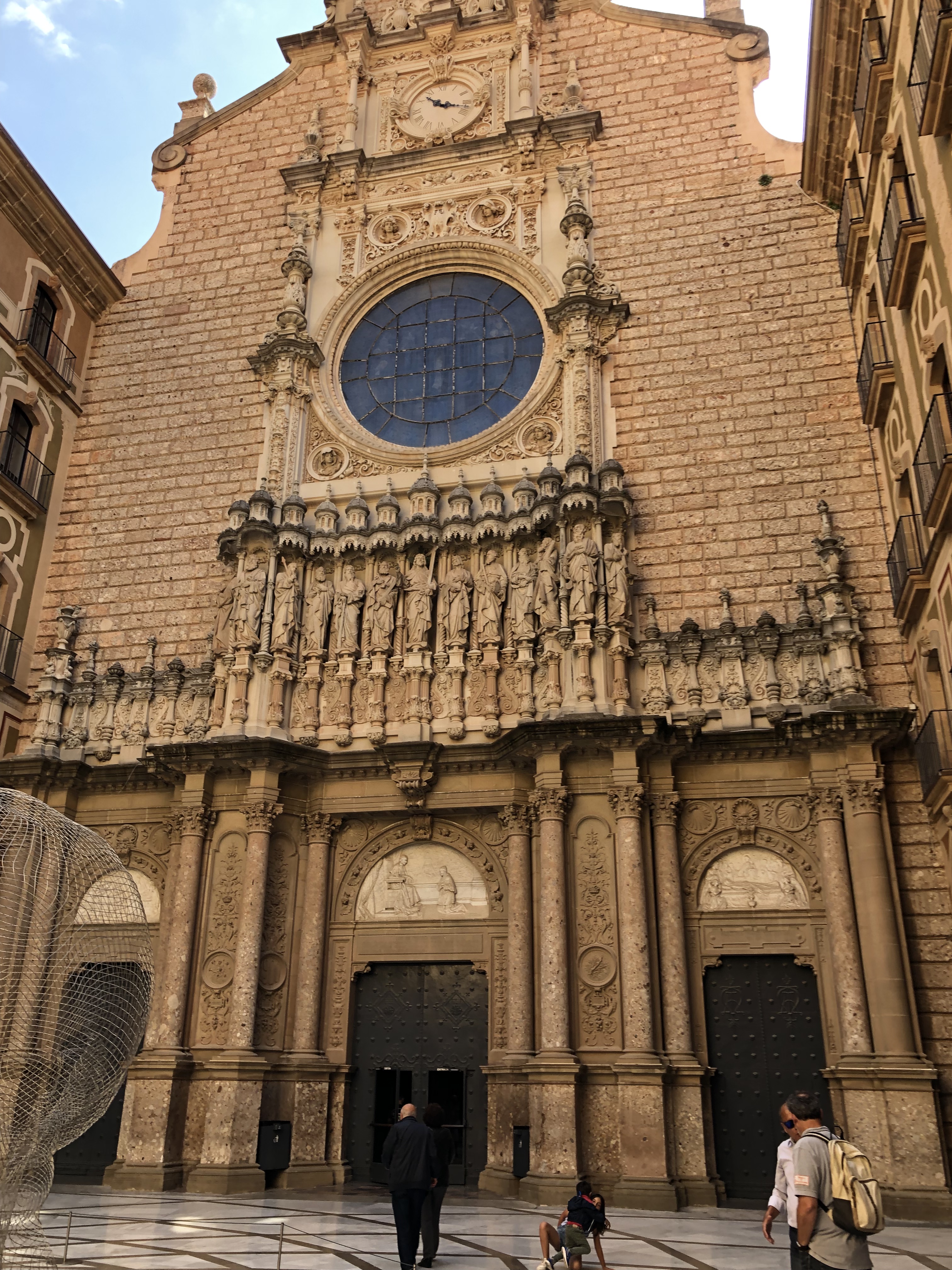
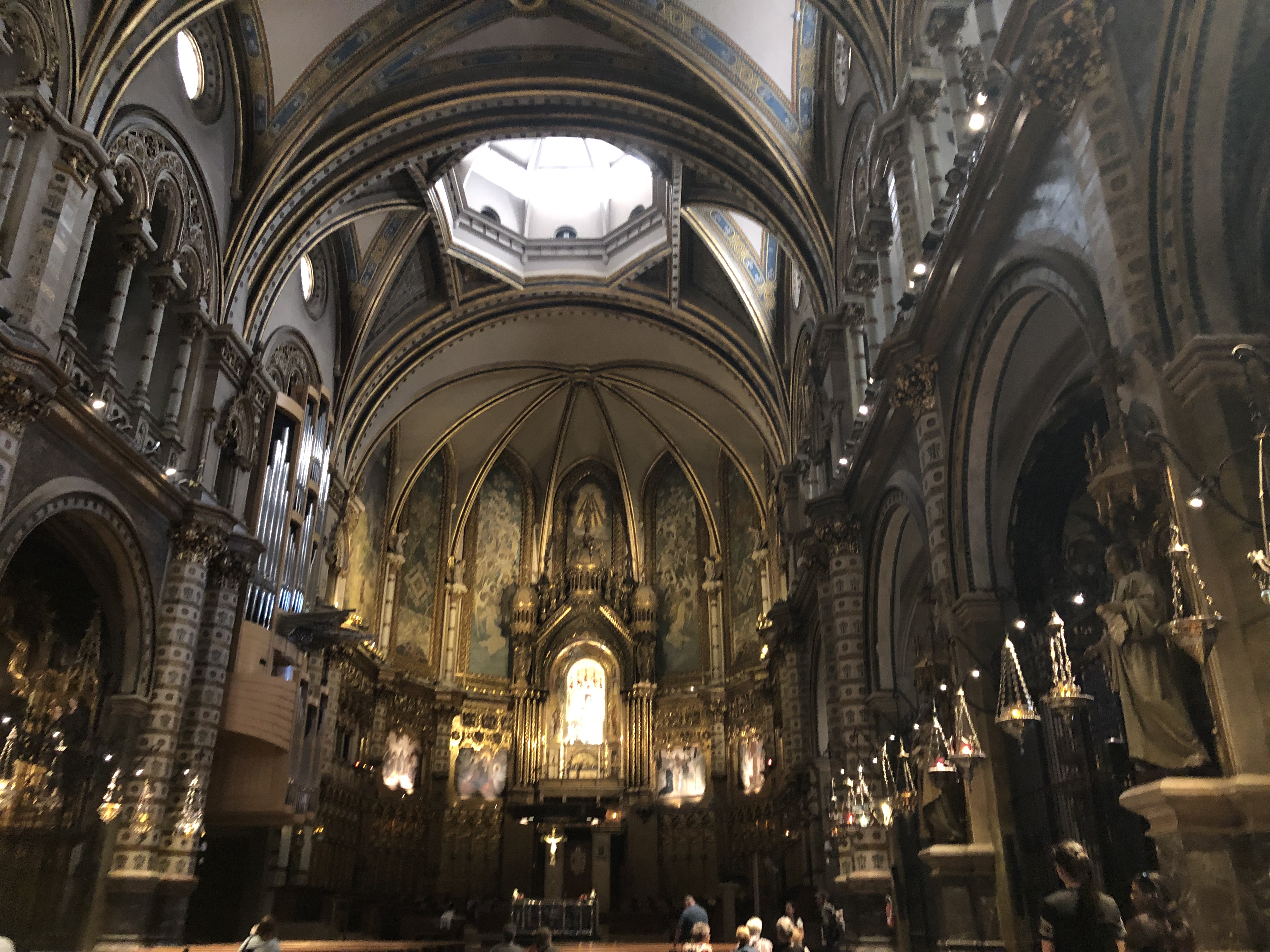
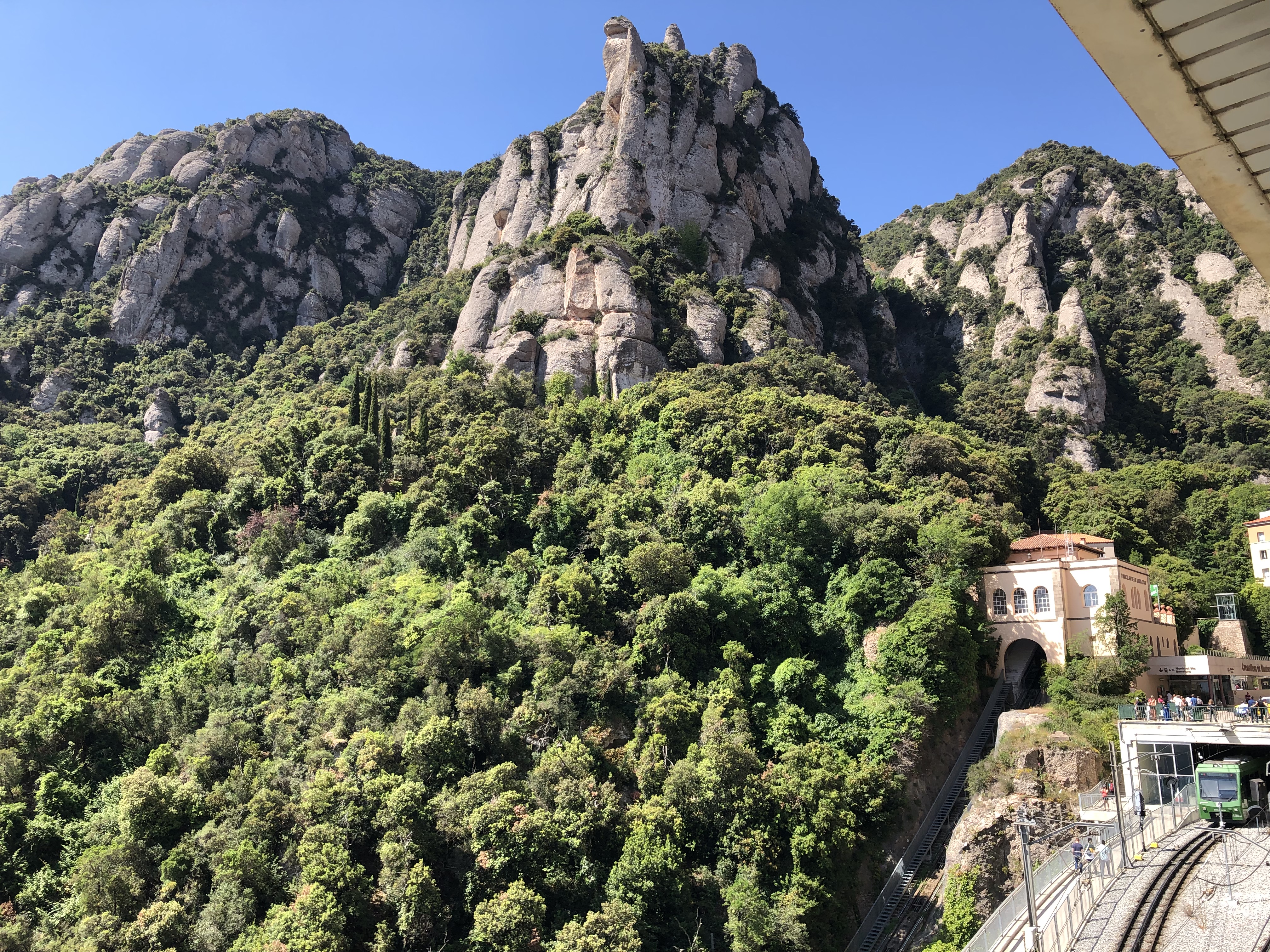
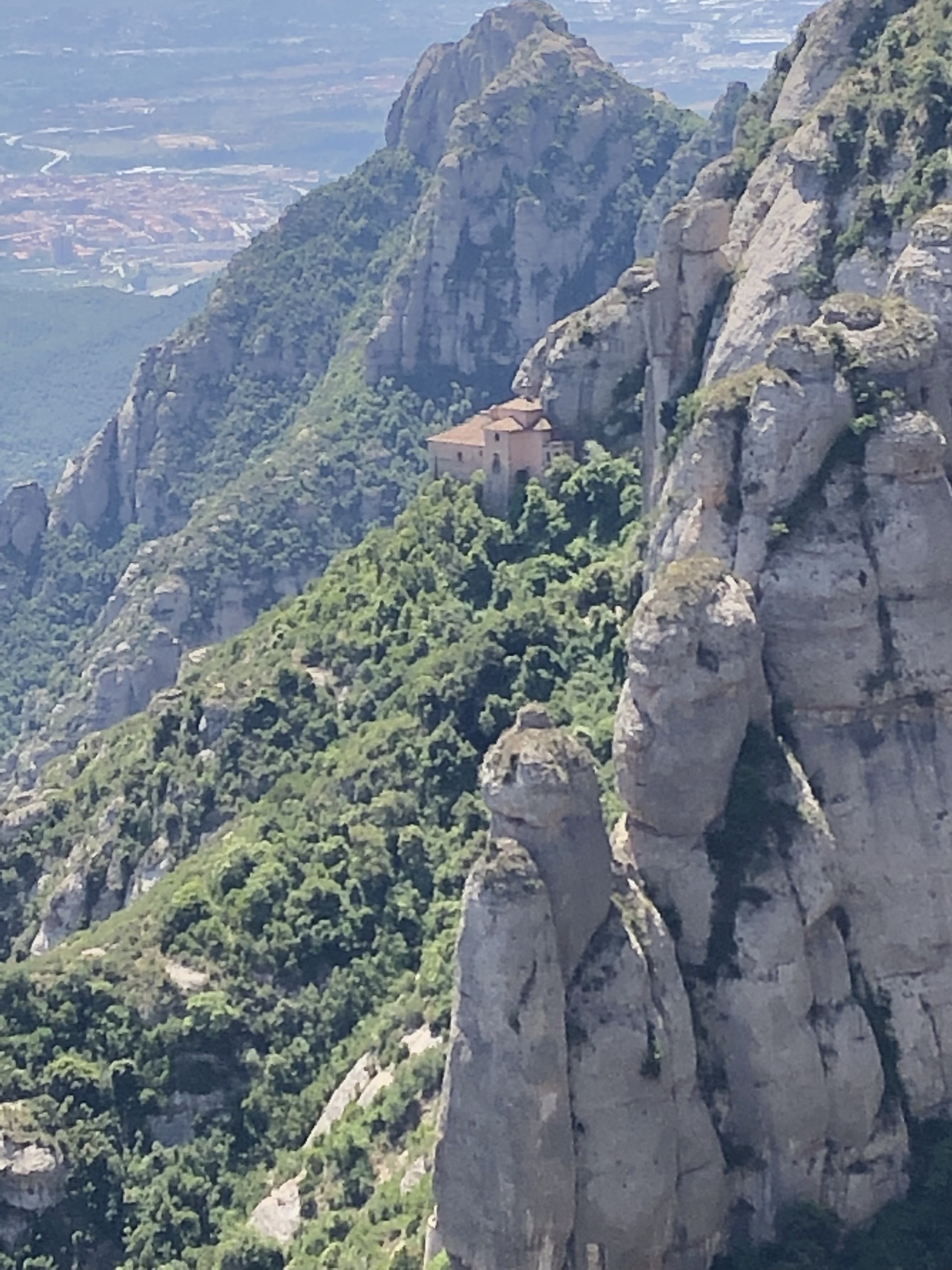
Today I embarked on a tour of the Monastery of Montserrat. First I traveled by bus for about an hour to the base of the Monserrat Mountains. Then a cable car was taken to the Santa maria de Montserrat Monastery. The Gothic architecture of the monastery was built in 1025 CE, attracting pilgrims who came to witness the miracles of the La Moreneta, the Virgin of Montserrat, a black virgin Mary statue above the alter. The mountains contain many hermitages, a place for religious seclusion built by hermit monks. It 1409 the monastery became an abby and the Monserrat School of Music.
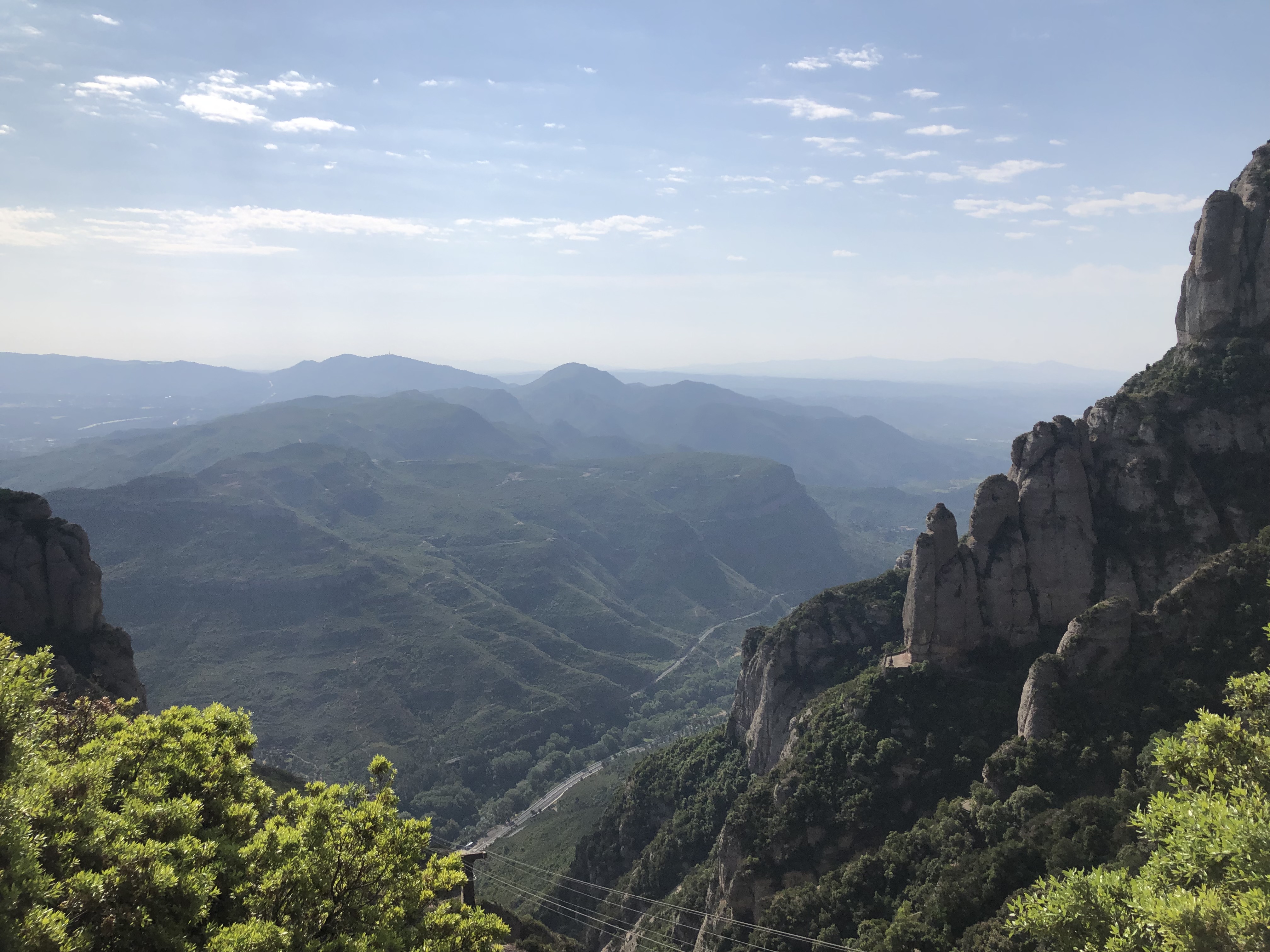
There was also the opportunity to purchase cheese, honey, bee pollen, and jams from local producers. We could spend time wandering the abby, hiking the trails to the hermitages, and relaxing with an amazing view of the Liobregat River Valley.





After the Monserrat tour we headed back down the mountain by charter bus and back to Barcelona. The afternoon was spent exploring Barcelona. Our adventure started at La Rambla, the center of Barcelona. Visited the La Boqueria Market, again, for lunch and some wondering. We found Juan, an owner of a market stand. He became famous through the Rick Steve’s Europe Barcelona documentary on PBS television. It was fun that he automatically posed for a picture when he saw people standing at the counter with a camera.
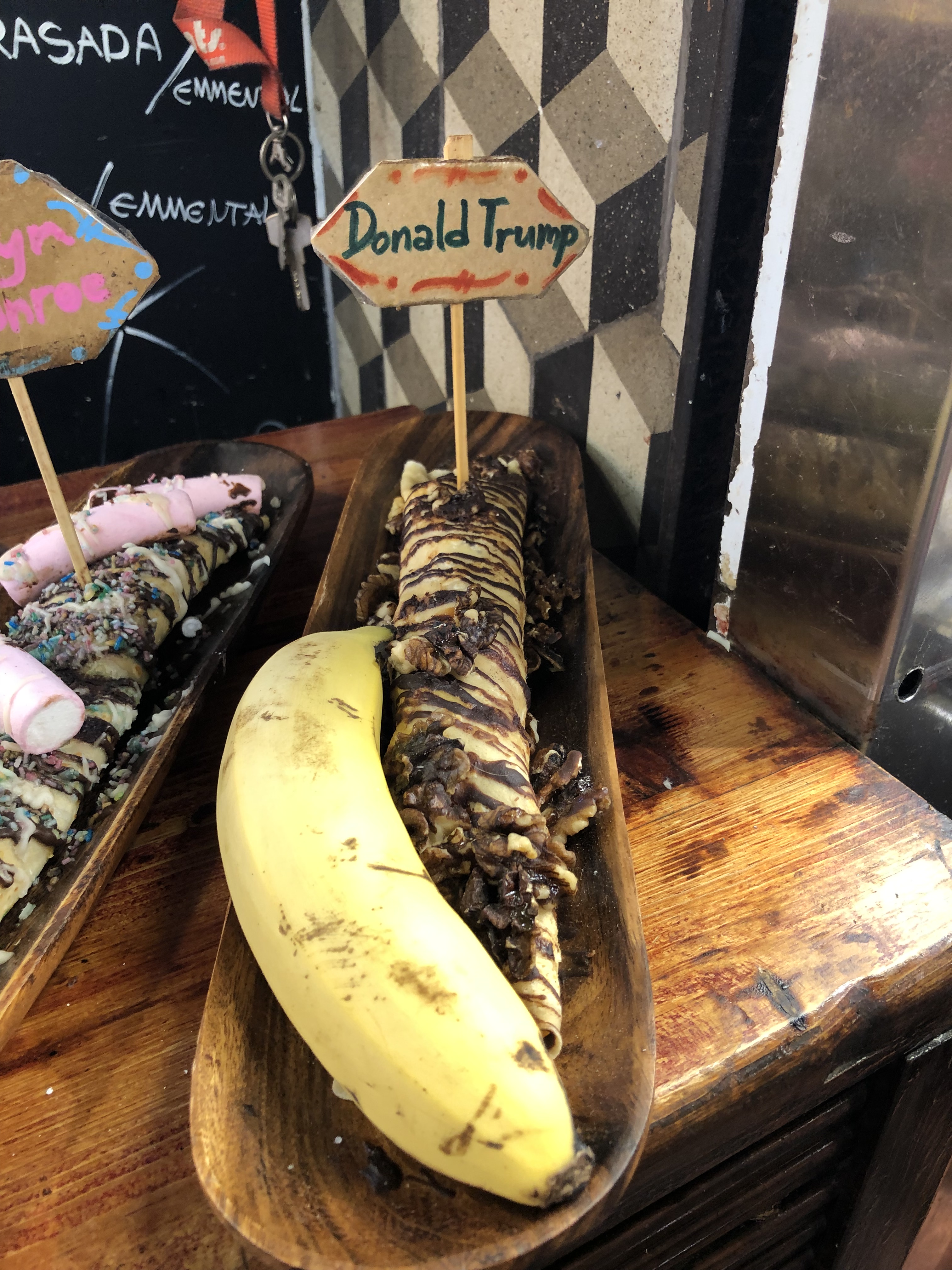
Crepes 
Crepes 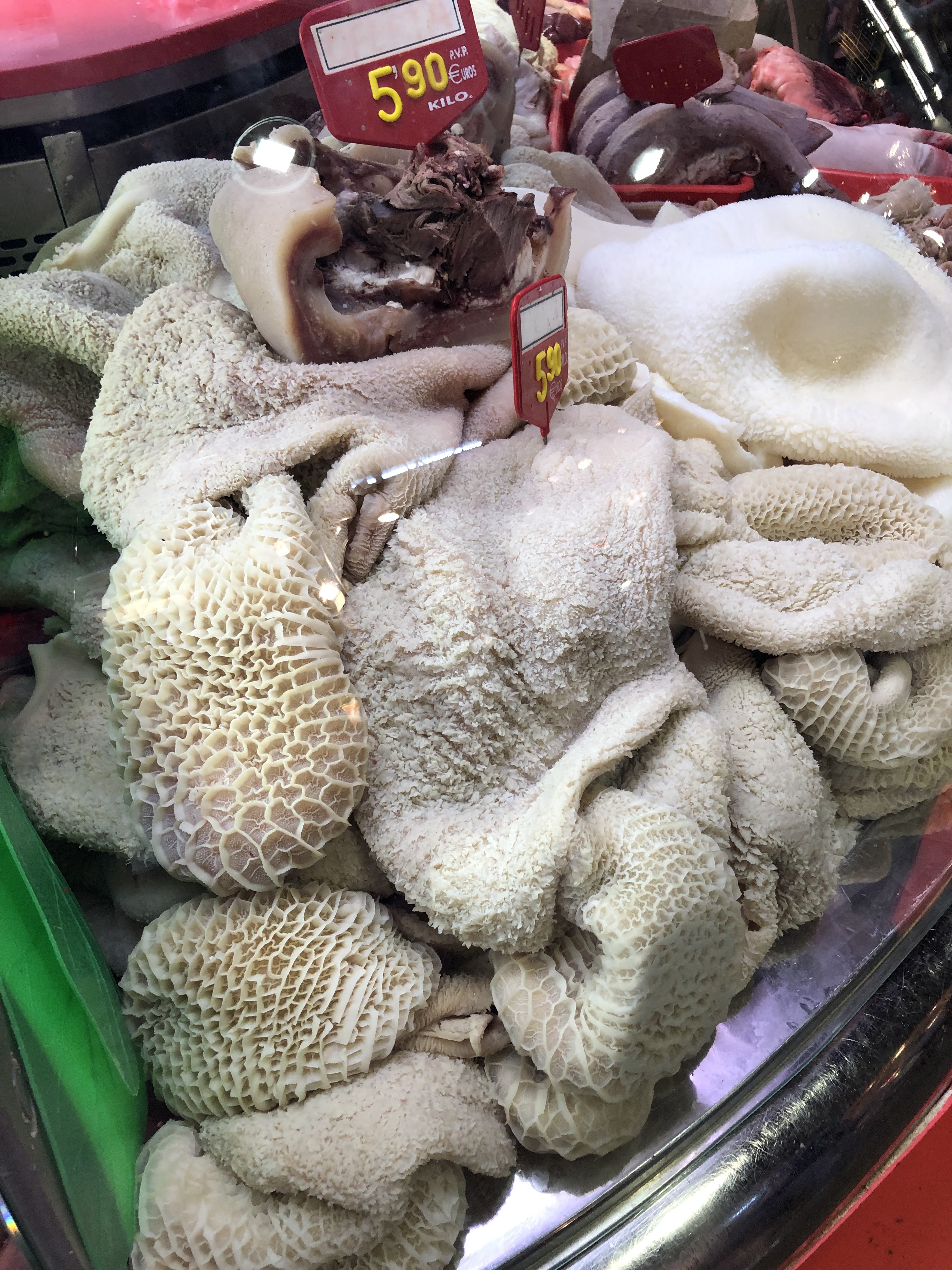
Tripe (stomach) 
Cow tongue top middle 
Octopus 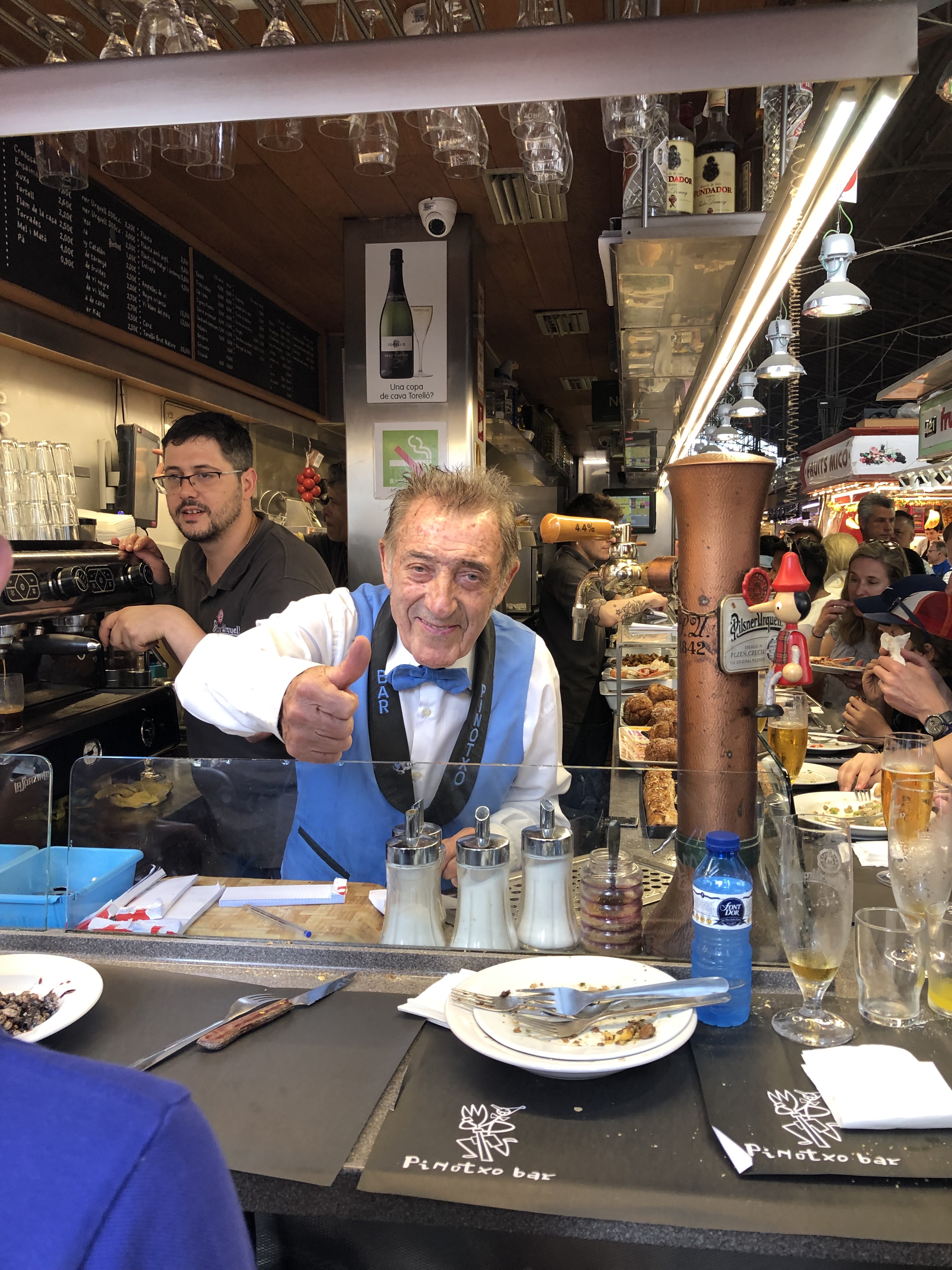
Juan, famous vender at market
After lunch at the market, we went searching for a store that sold fabric. Fabric? Why would we go to Barcelona to find fabric? It is fun to buy souvenirs that are not the typical things you would find and will be used on a daily basis once you get home. We found a fabric store and many other interesting sites along the way.
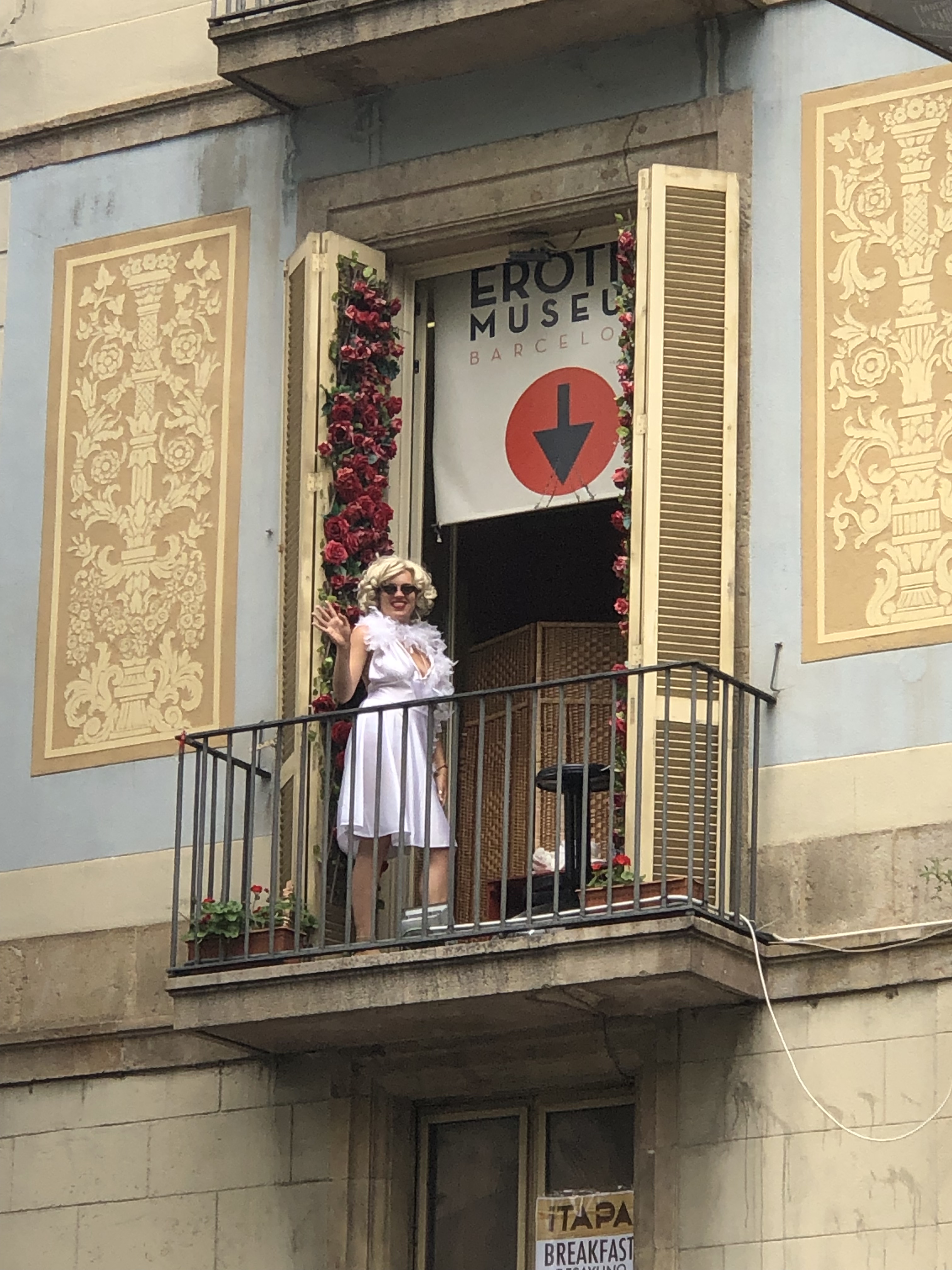
Surprise celebrity spotting 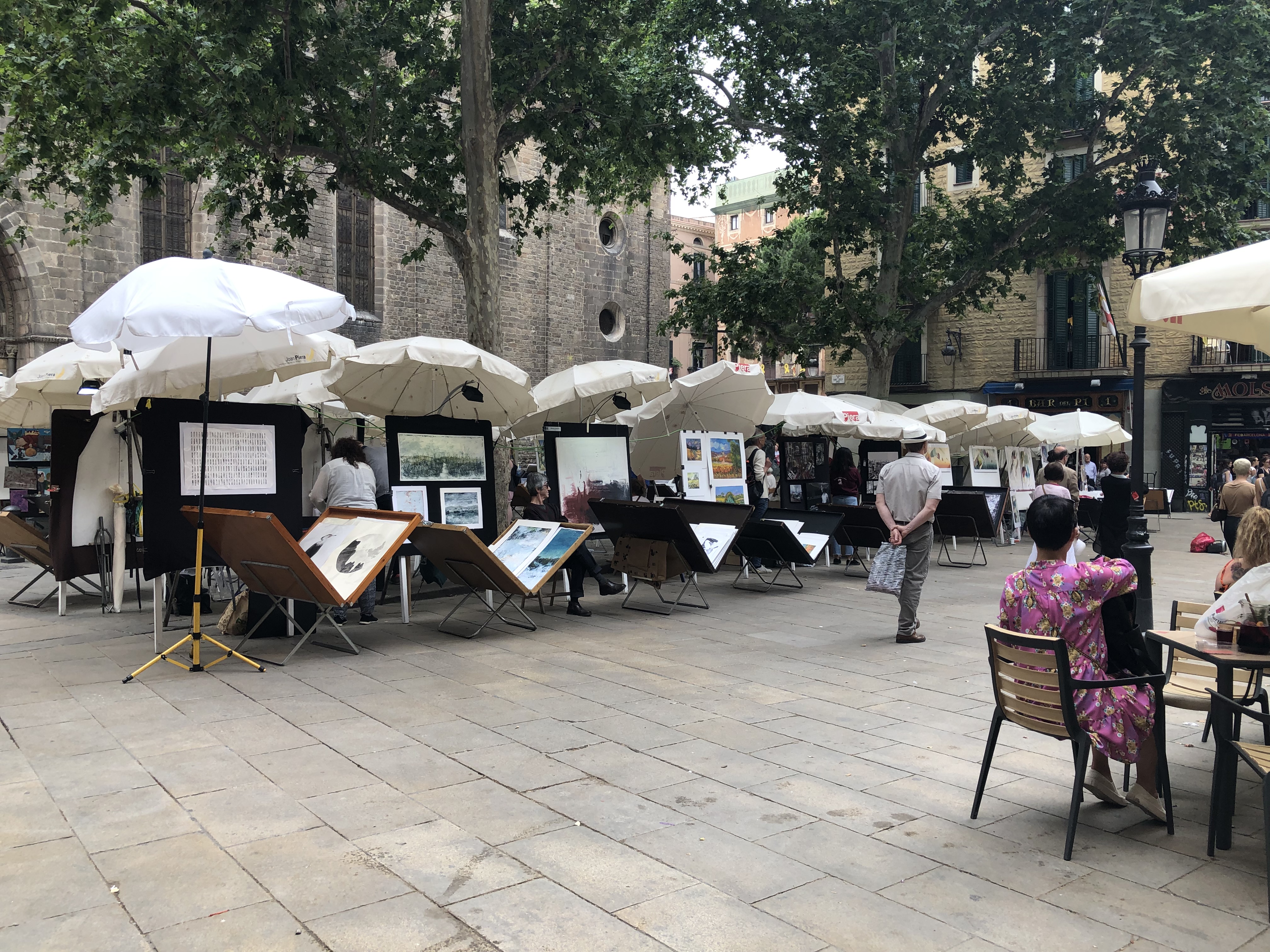
Art show 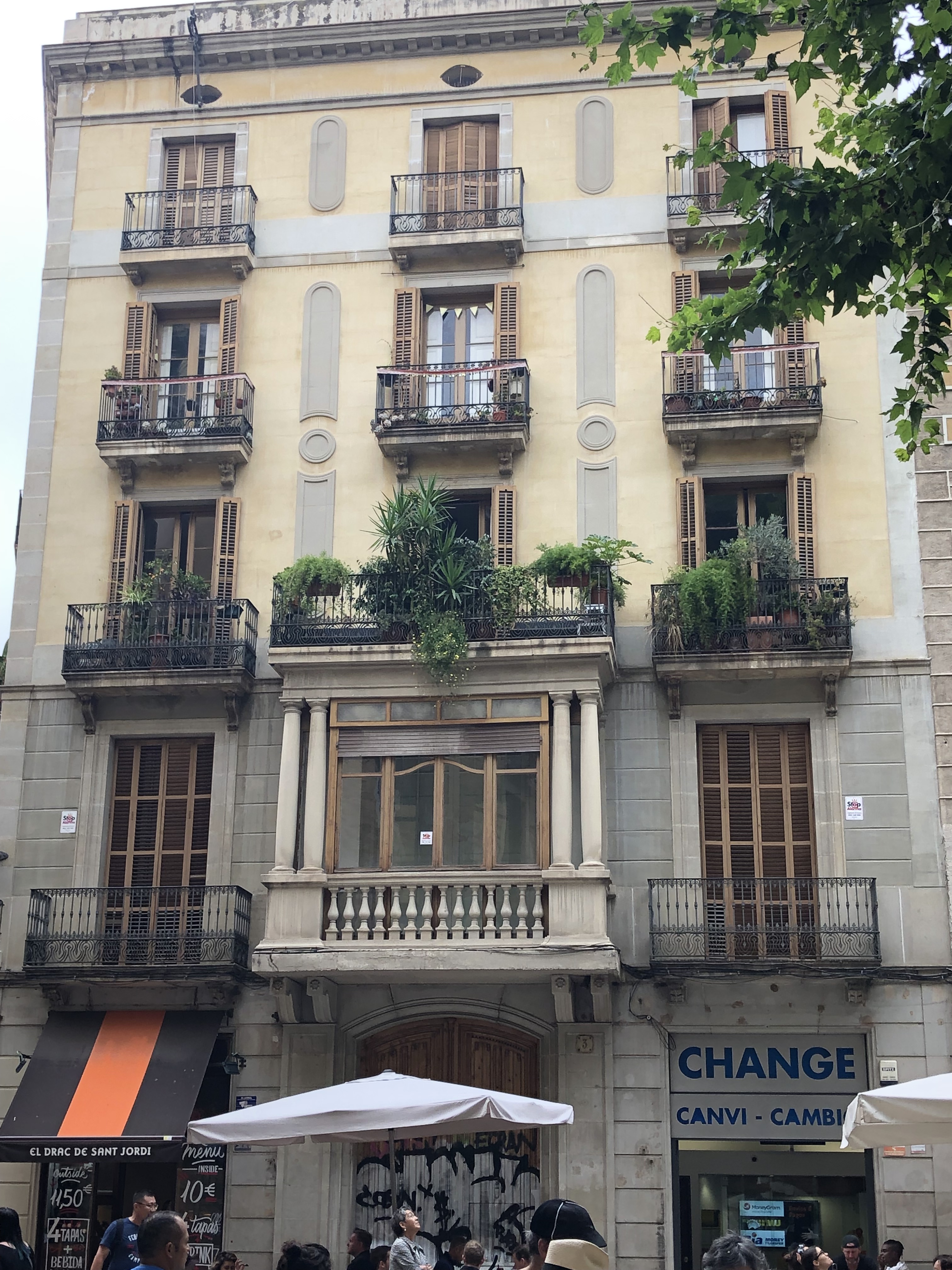
Just a pretty view 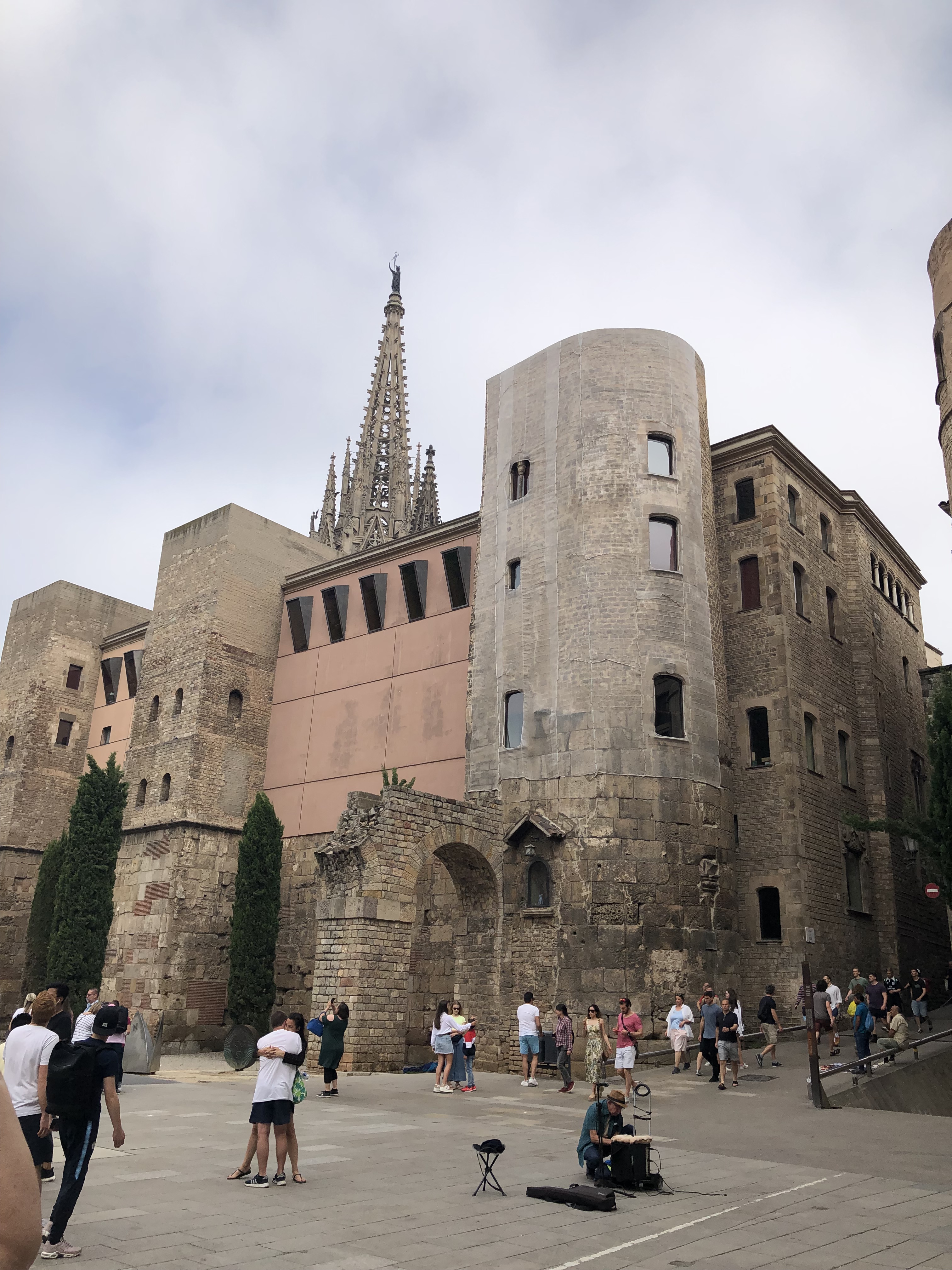
Roman gate to the city of Barcelona 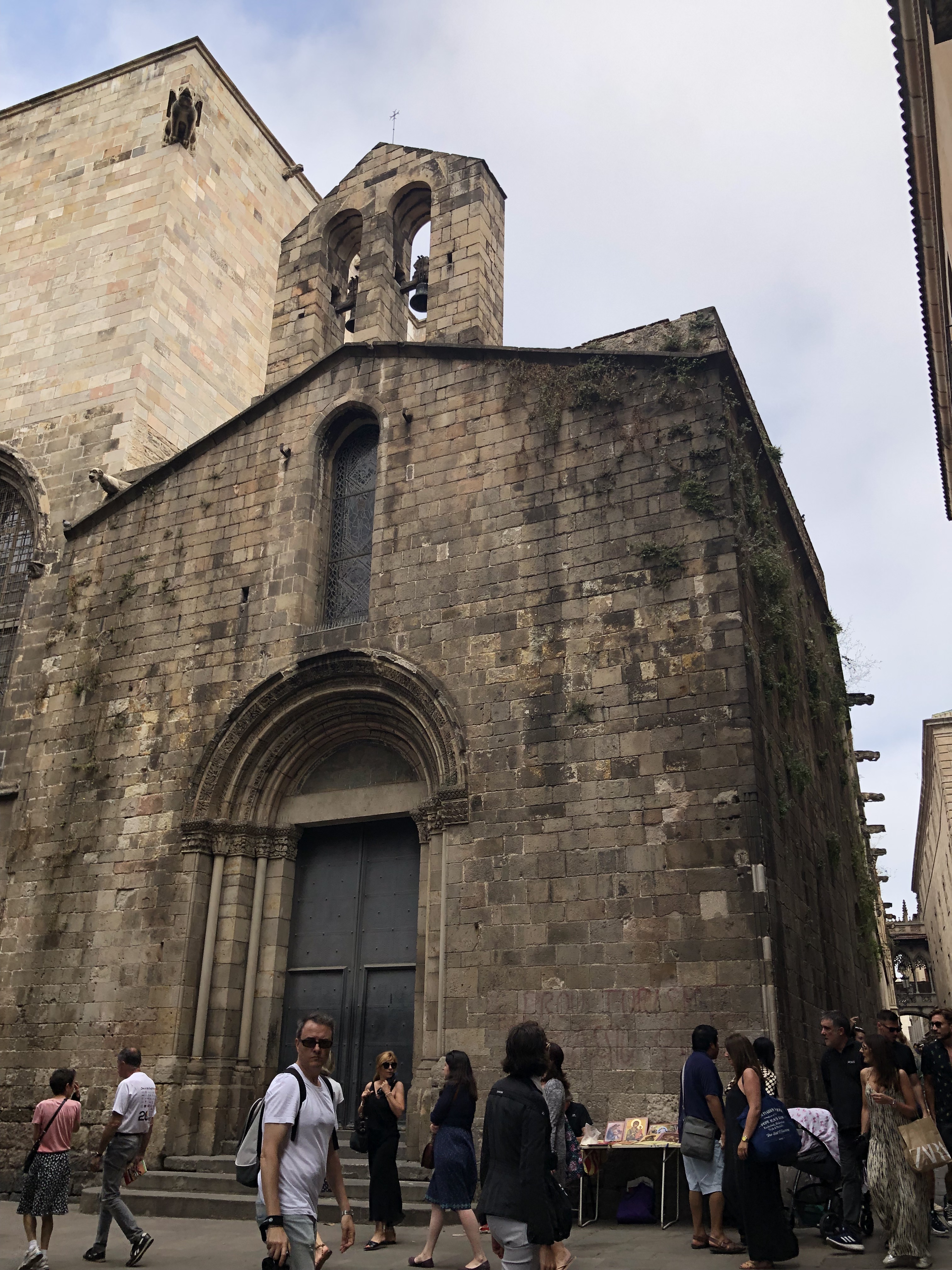
Back of the Cathedral of Barcelona 
The front of the Cathedral 
Not sure the purpose of the gathering, but many street performers and a big crowd 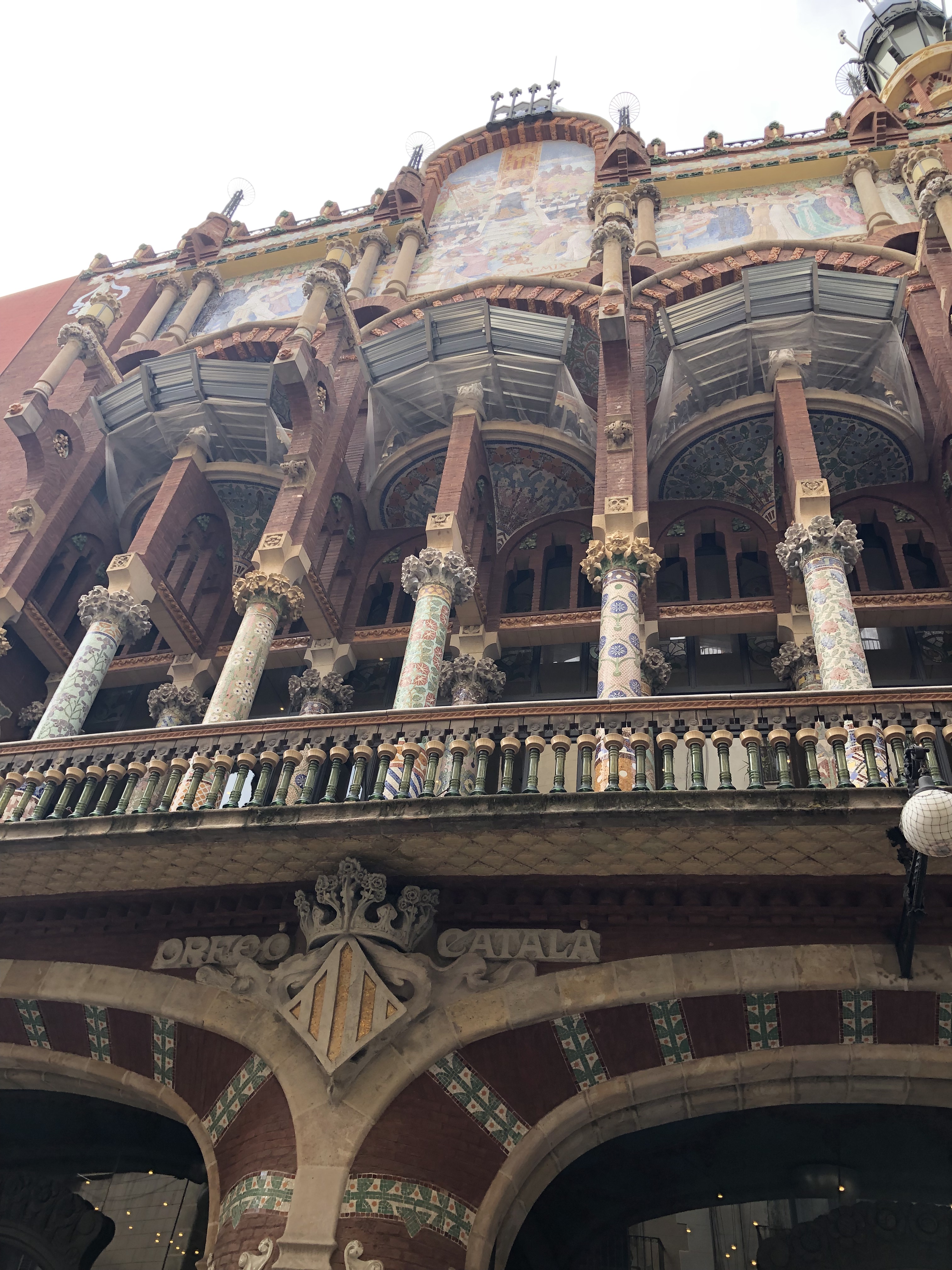
Palau de la Musica 
Another view, our tour director couldn’t believe we came across this building 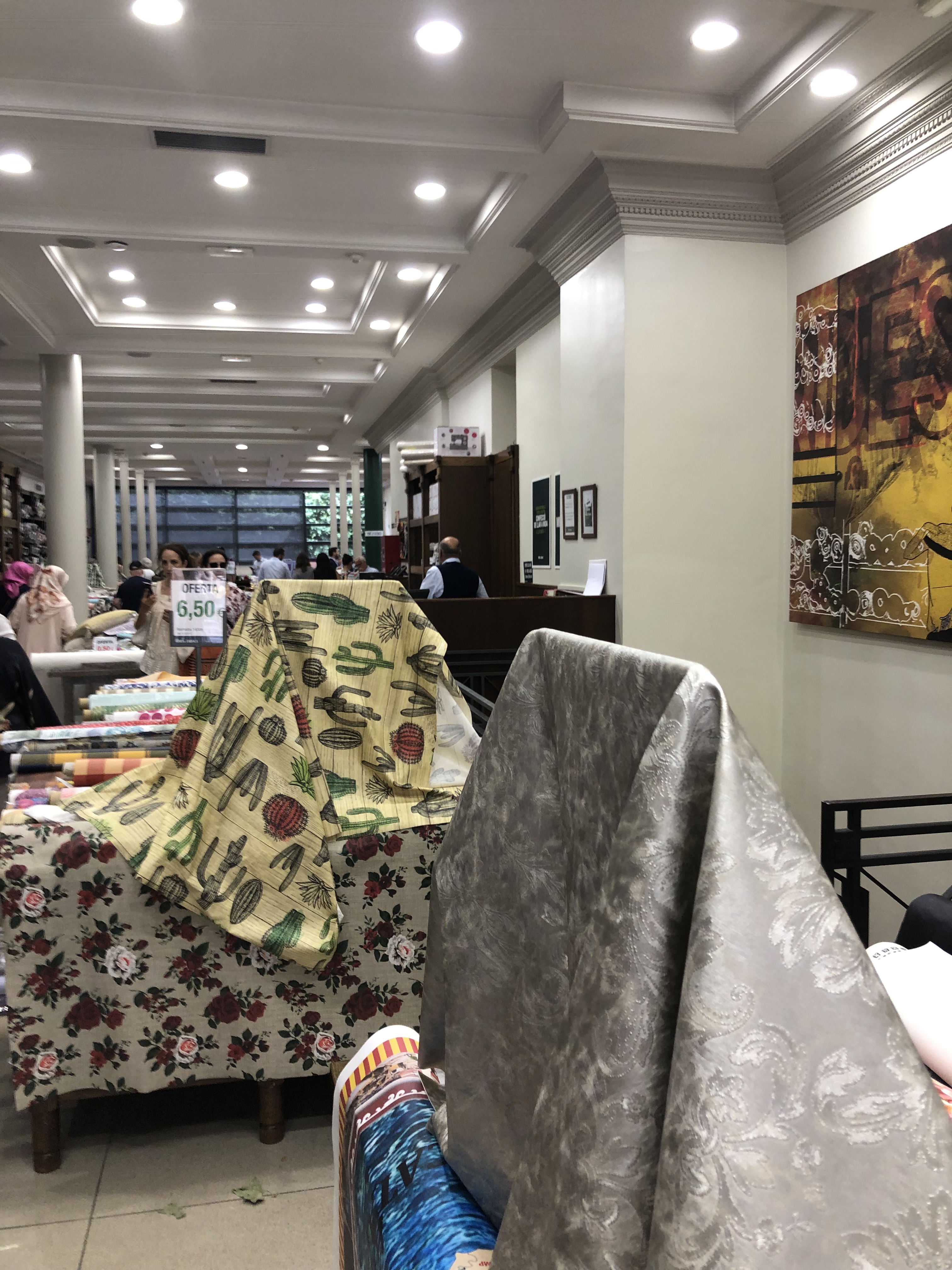
Fabric store!
Day 5: Travel to Montpellier, France via Carcassonne
Today we left the beautiful city of Barcelona, Spain for our first stop in France, Montpellier. After passing through the Pyrenees Mountains, a natural border between Spain and France, our travels through the French countryside took use past fields of grapes and wind farms.


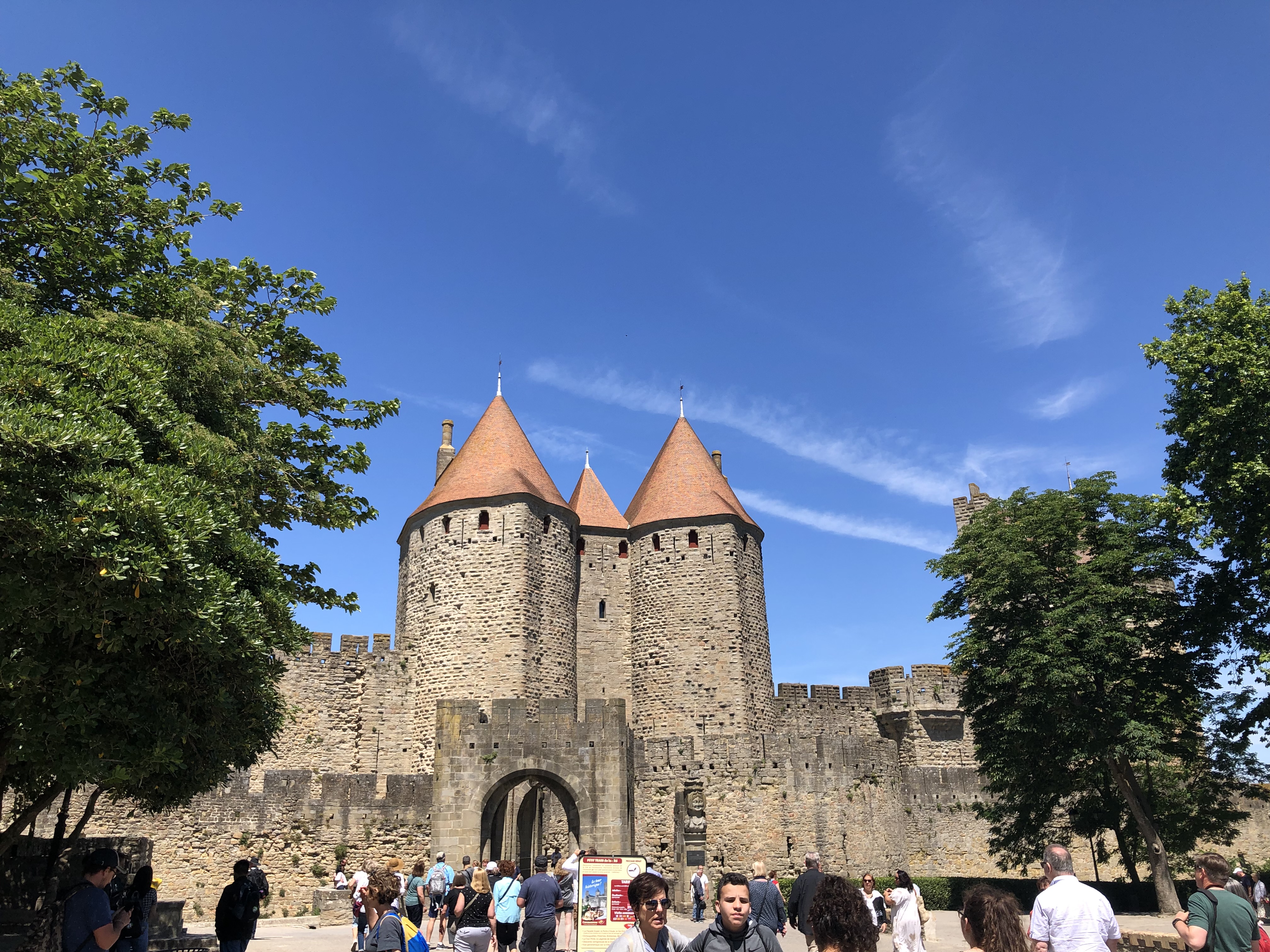
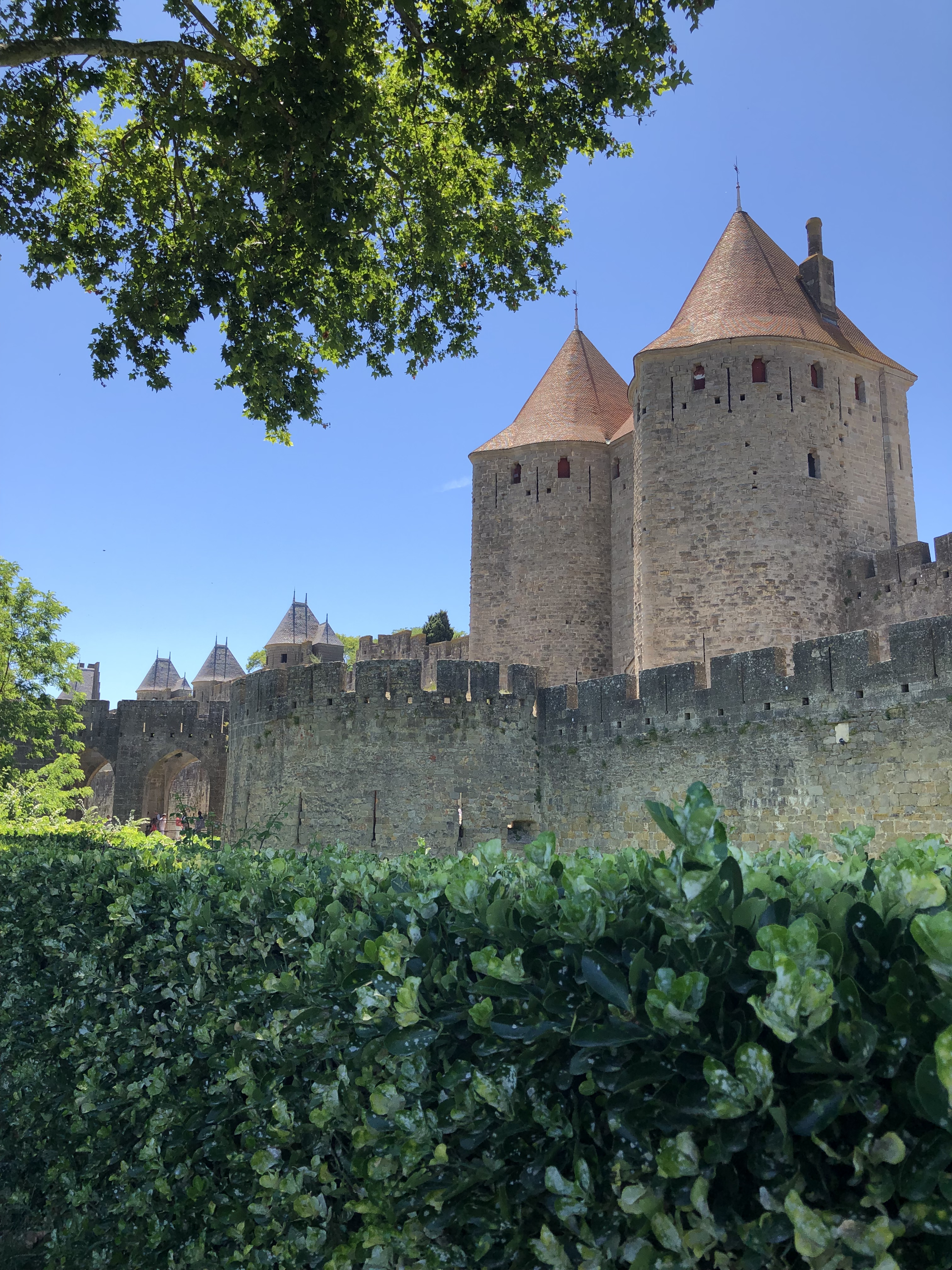
During our travel to Montpellier we stopped at the fortified city of Carcassonne to tour the medieval settlement, a UNESCO World Heritage site. People lived in the Carcassonne area since the Neolithic period. The Romans and the Visigoths both occupied Carcassonne, then eventually coming under the rule of the kingdom of France. The Cite de Carcassonne is a citadel built in the later half of the 19th century. The medieval fortress had an impact on the Albigensian Crusades and the 100 Years War. In 1853 restoration began to save the Cite de Carcassonne from begin demolished. This was the location used for the filming of “Robinhood, The Prince of Thieves”.


Basilique des Saints Nazaire et Celse 


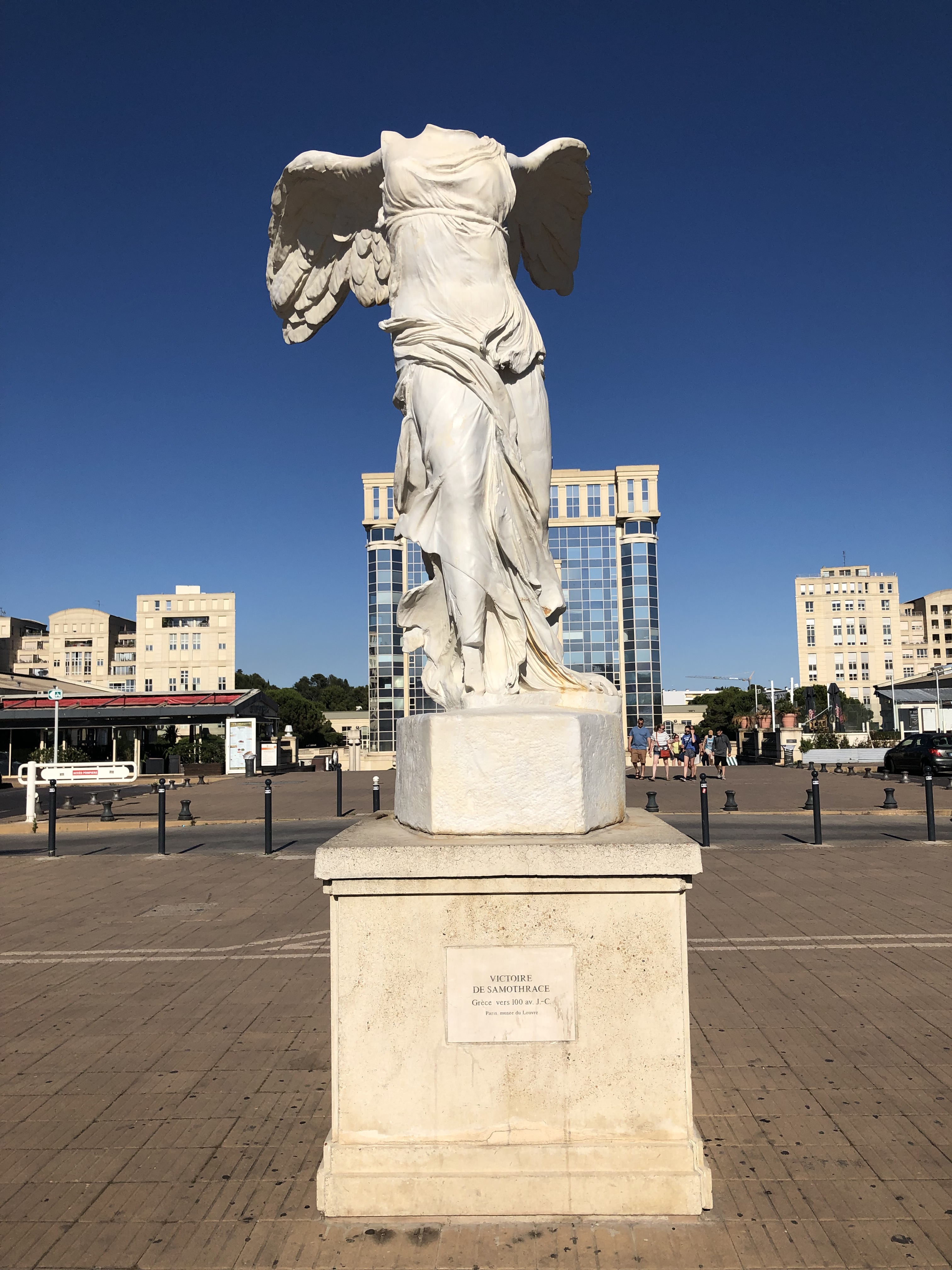
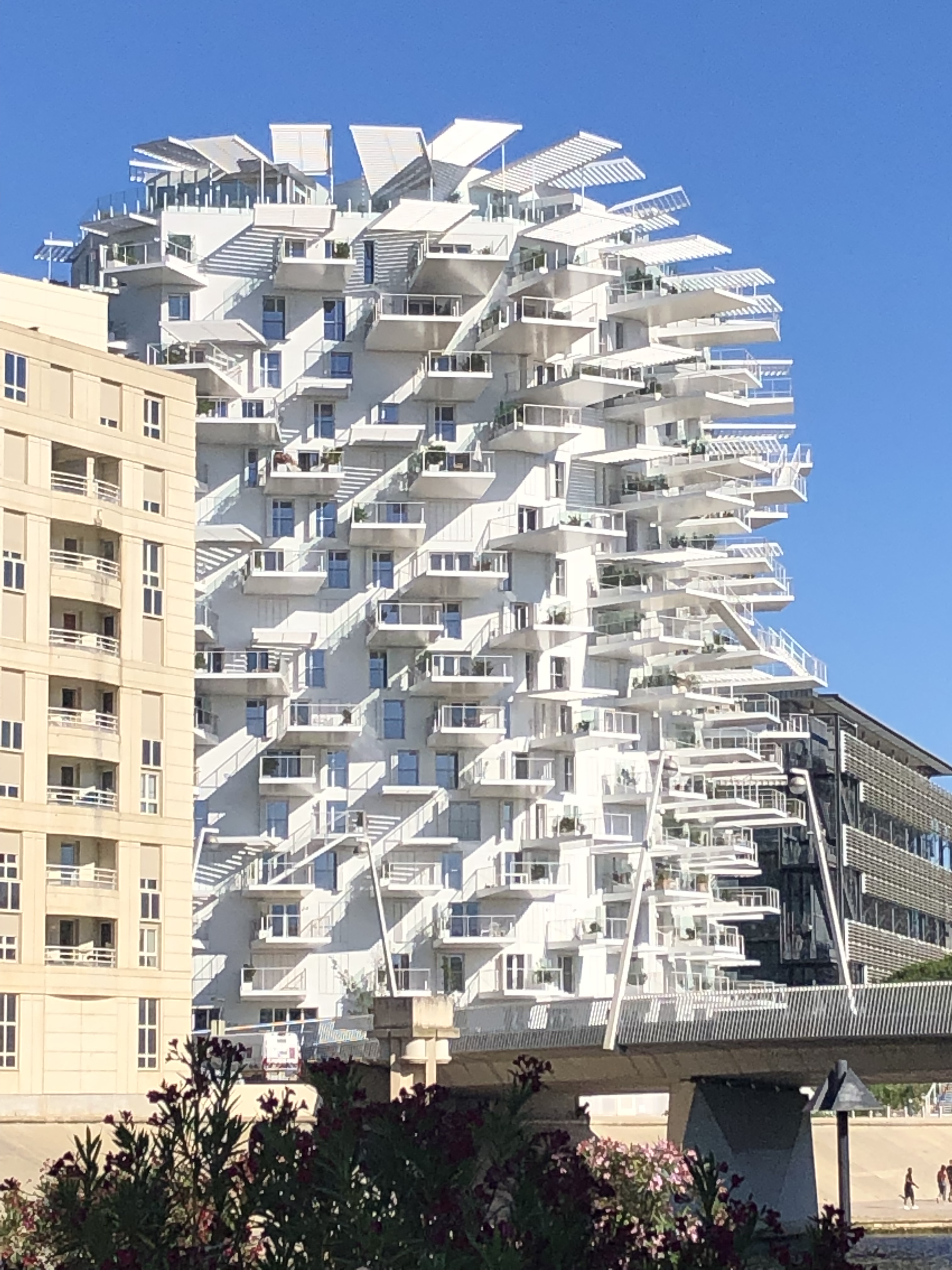
Our short stay in Montpellier, France, included dinner, a little exploring, and sleep before we were off to the French Riviera.
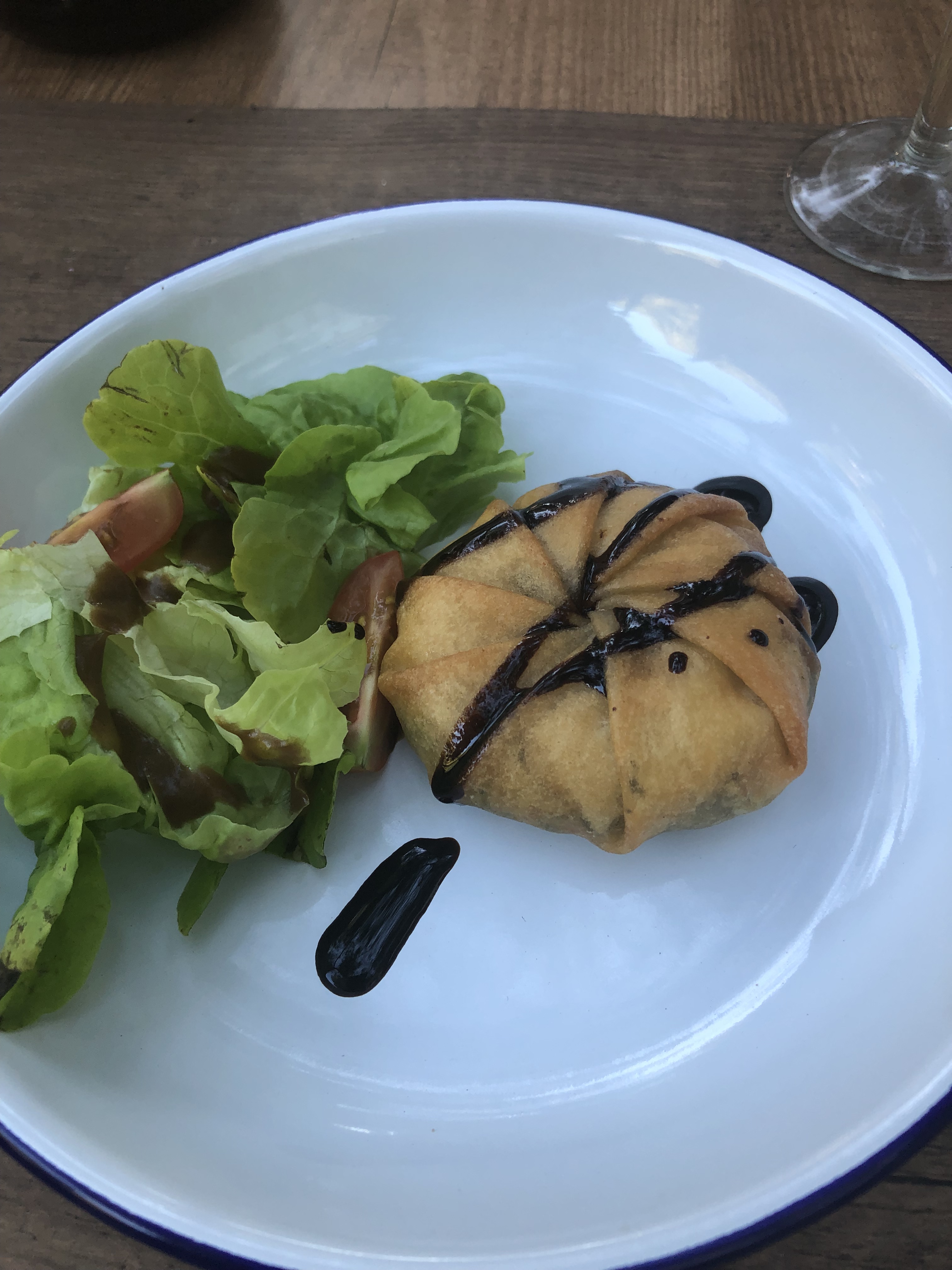
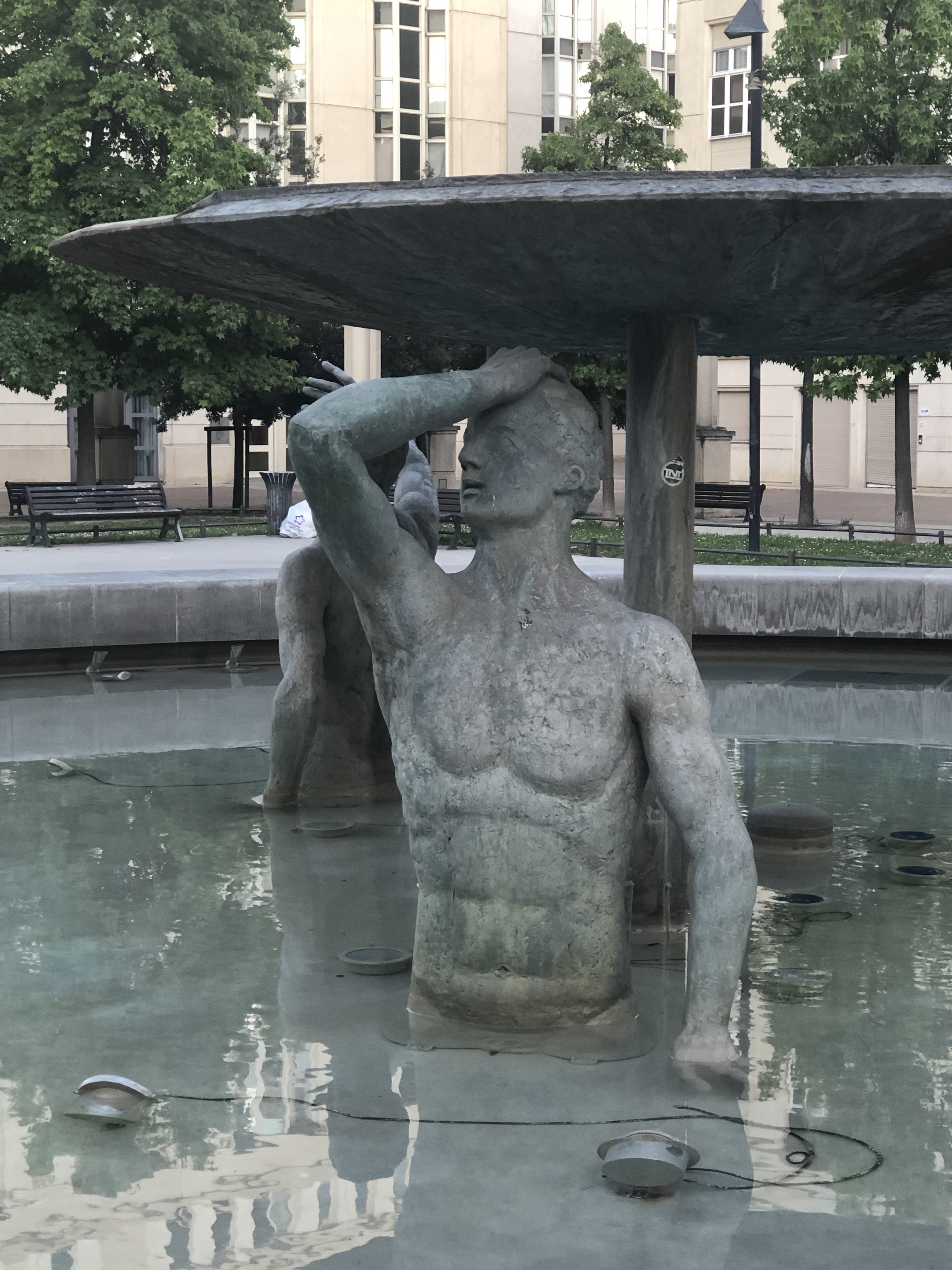
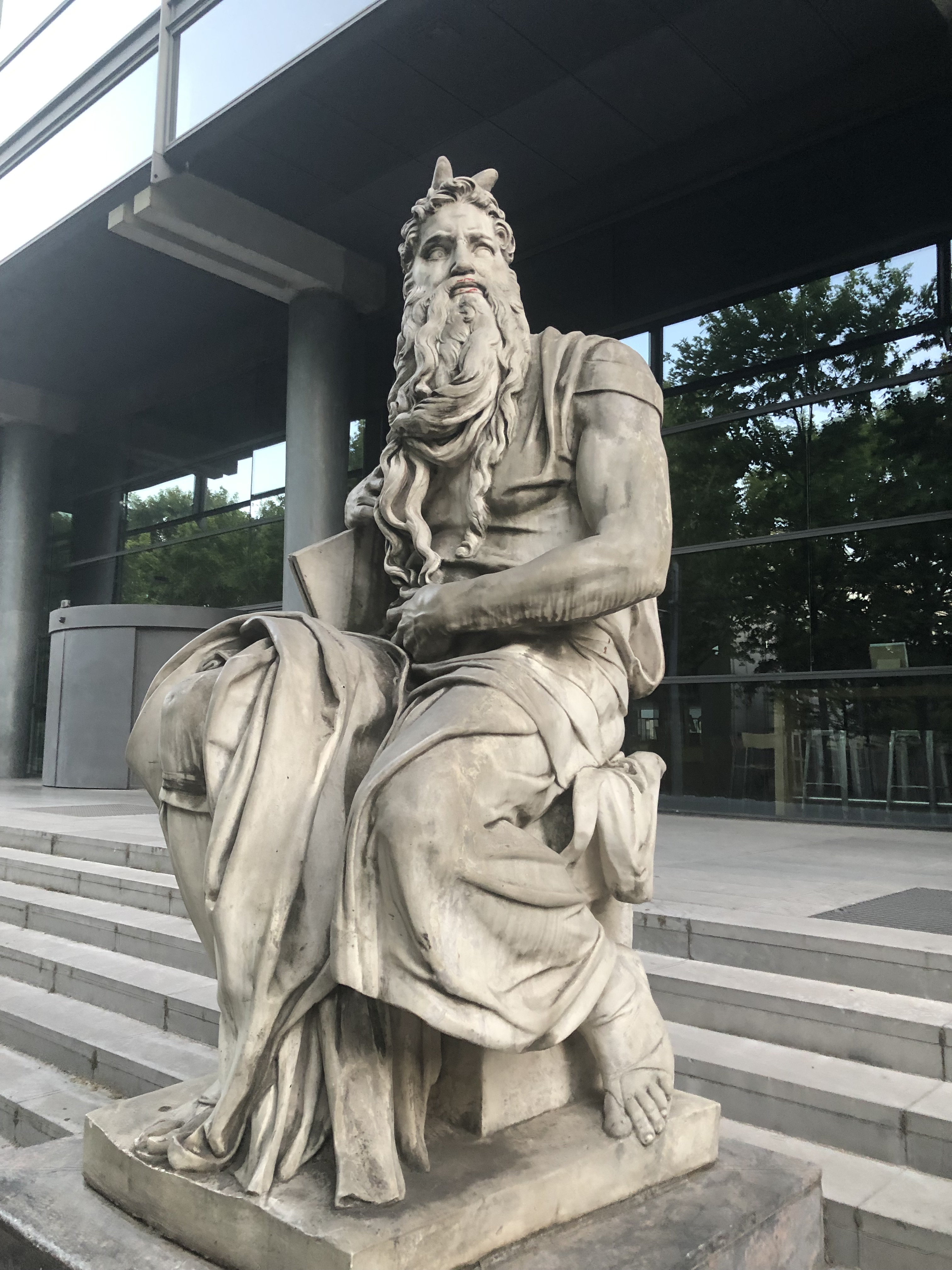

Day 6: Travel to the French Riviera via Nimes
Today our travels will take us to the French Riviera, also known as Cote d’Azure, along the Mediterranean cost of southeastern France. The first stop is in the city of Nimes, with a history as far back as the Roman empire. Exploring the city took us to the Arena of Nimes, built shortly after the Coliseum in Rome, also where the movie Gladiator was filmed and now used for a bull fighting arena, and Maison Carree, one of the best preserved Roman temples in the former Roman empire.
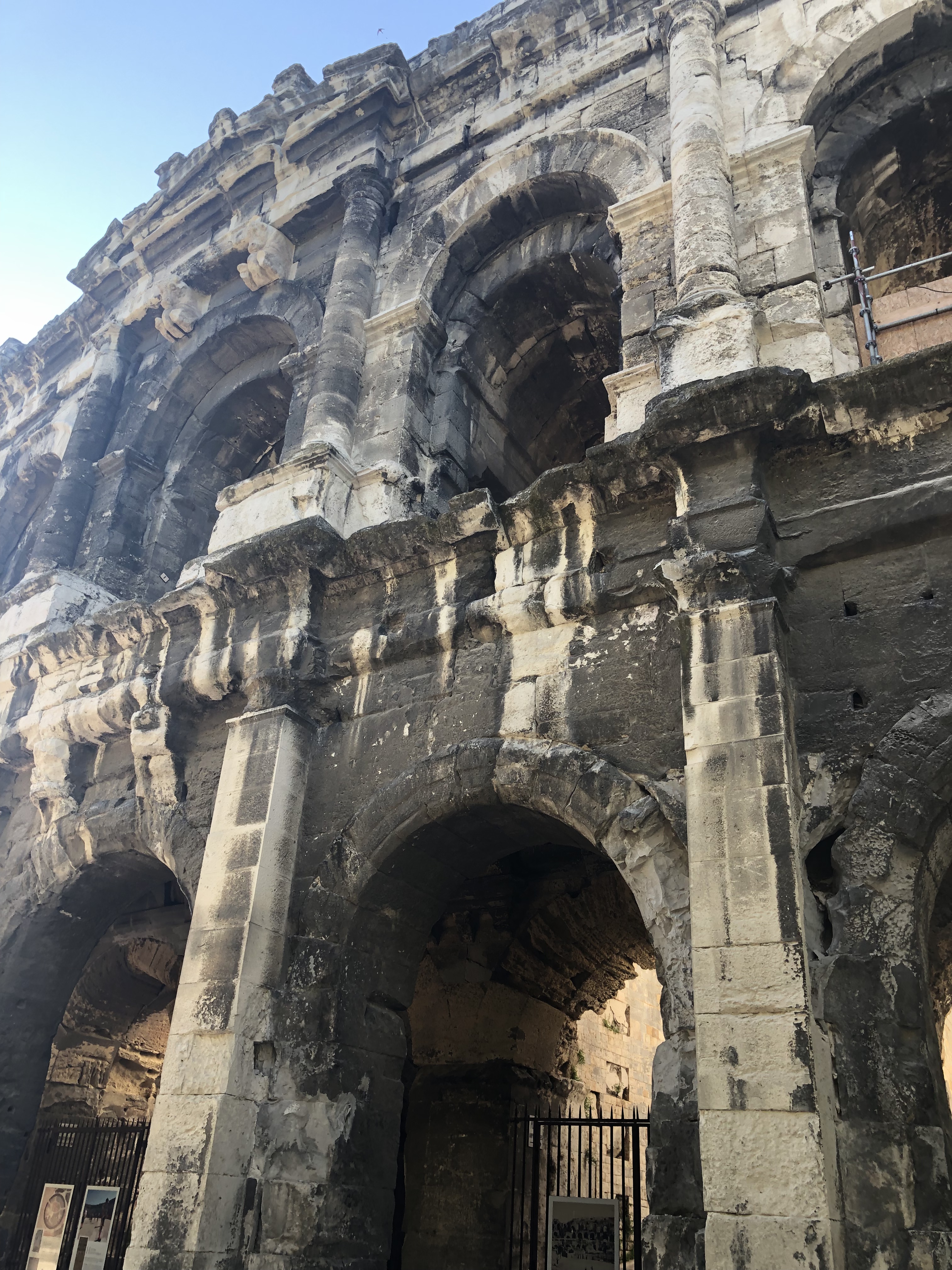

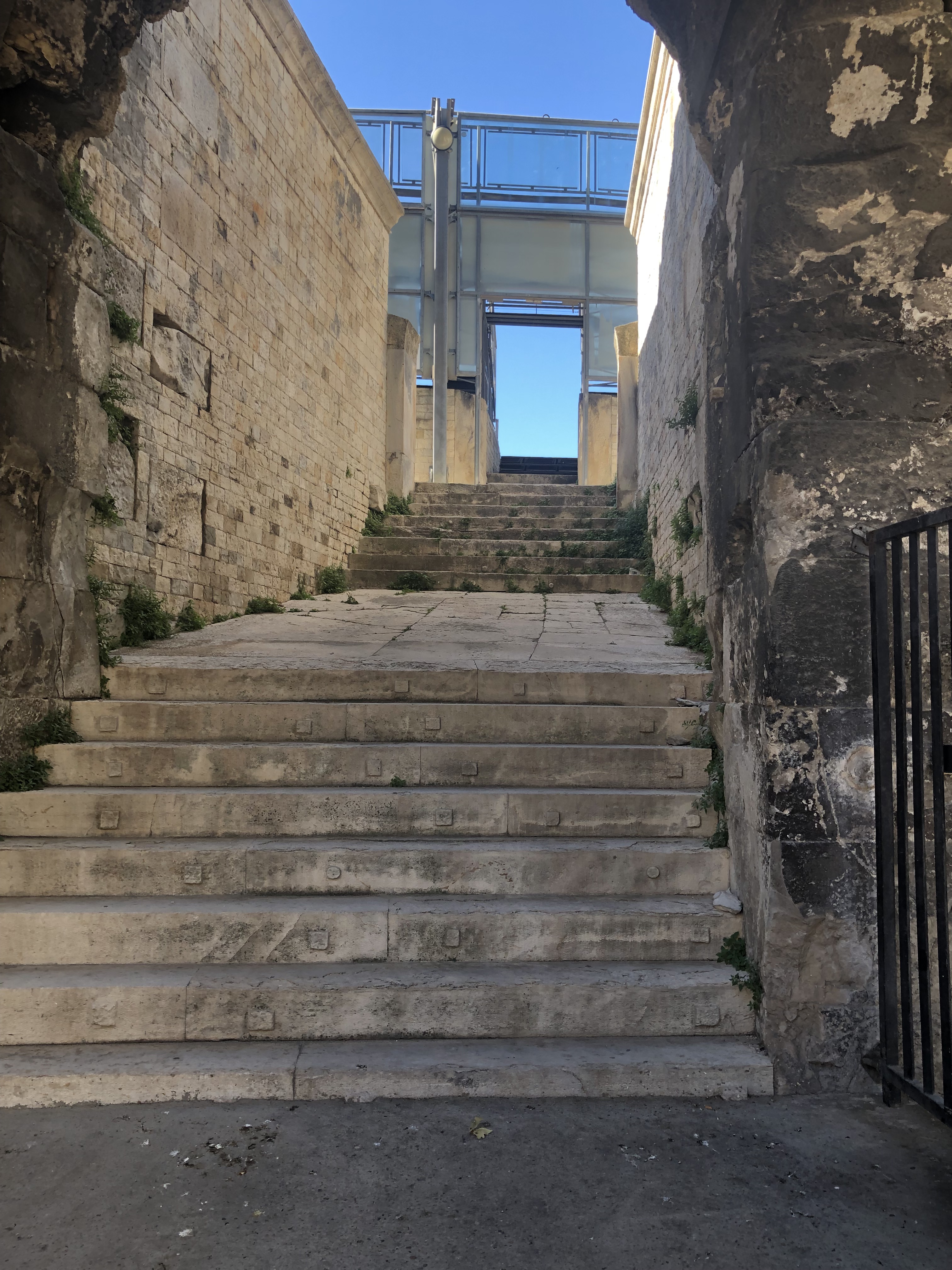
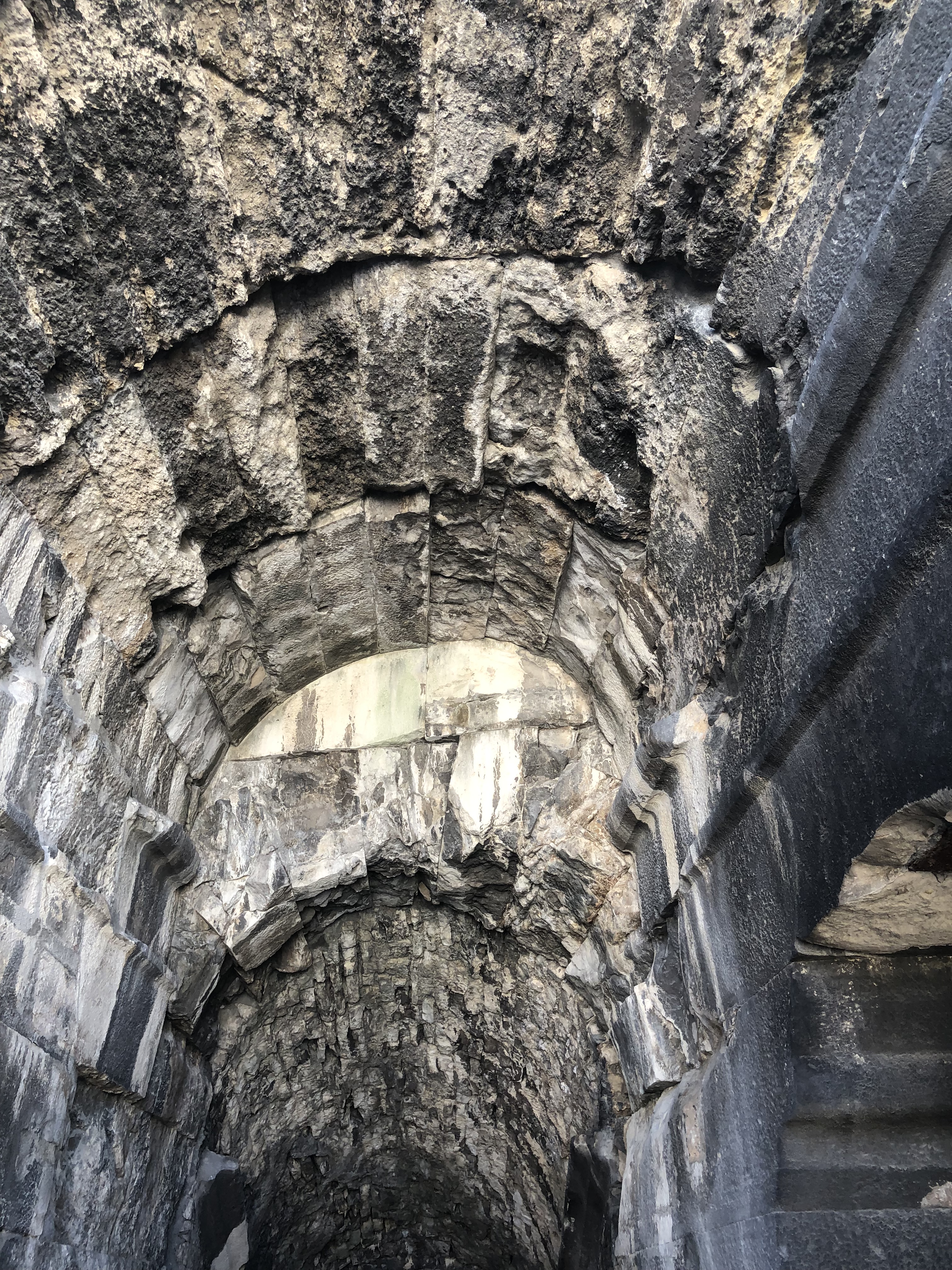
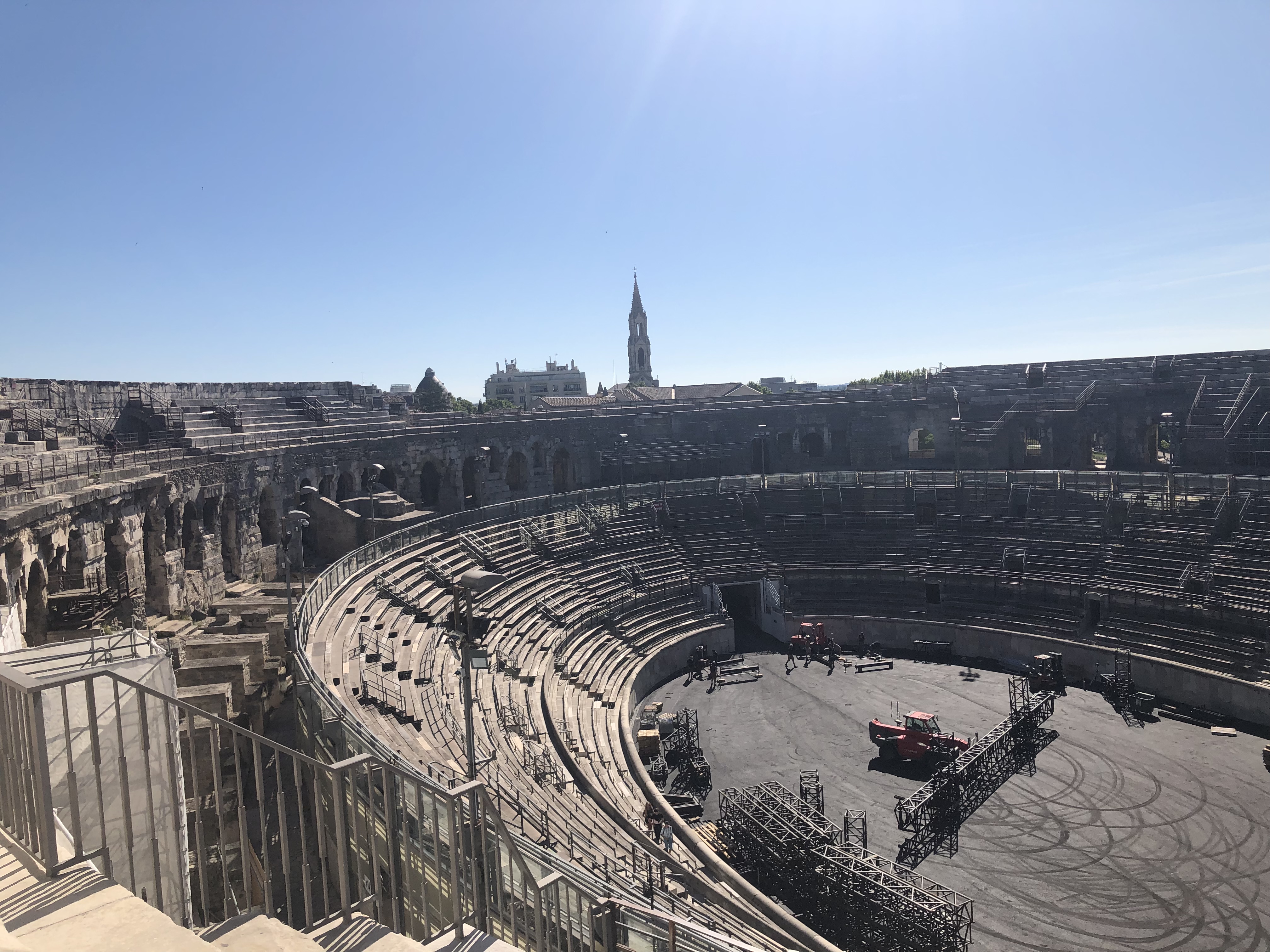
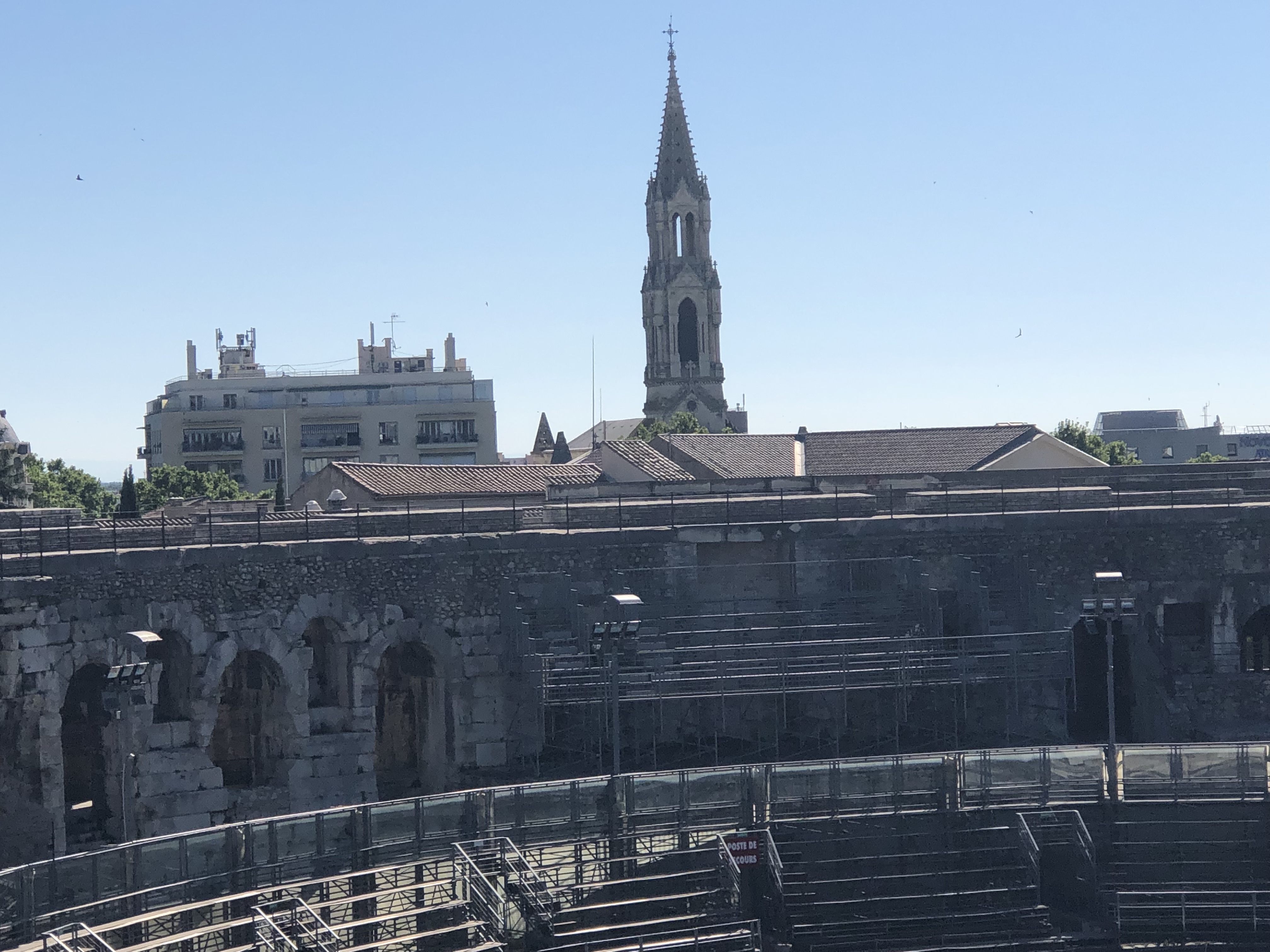
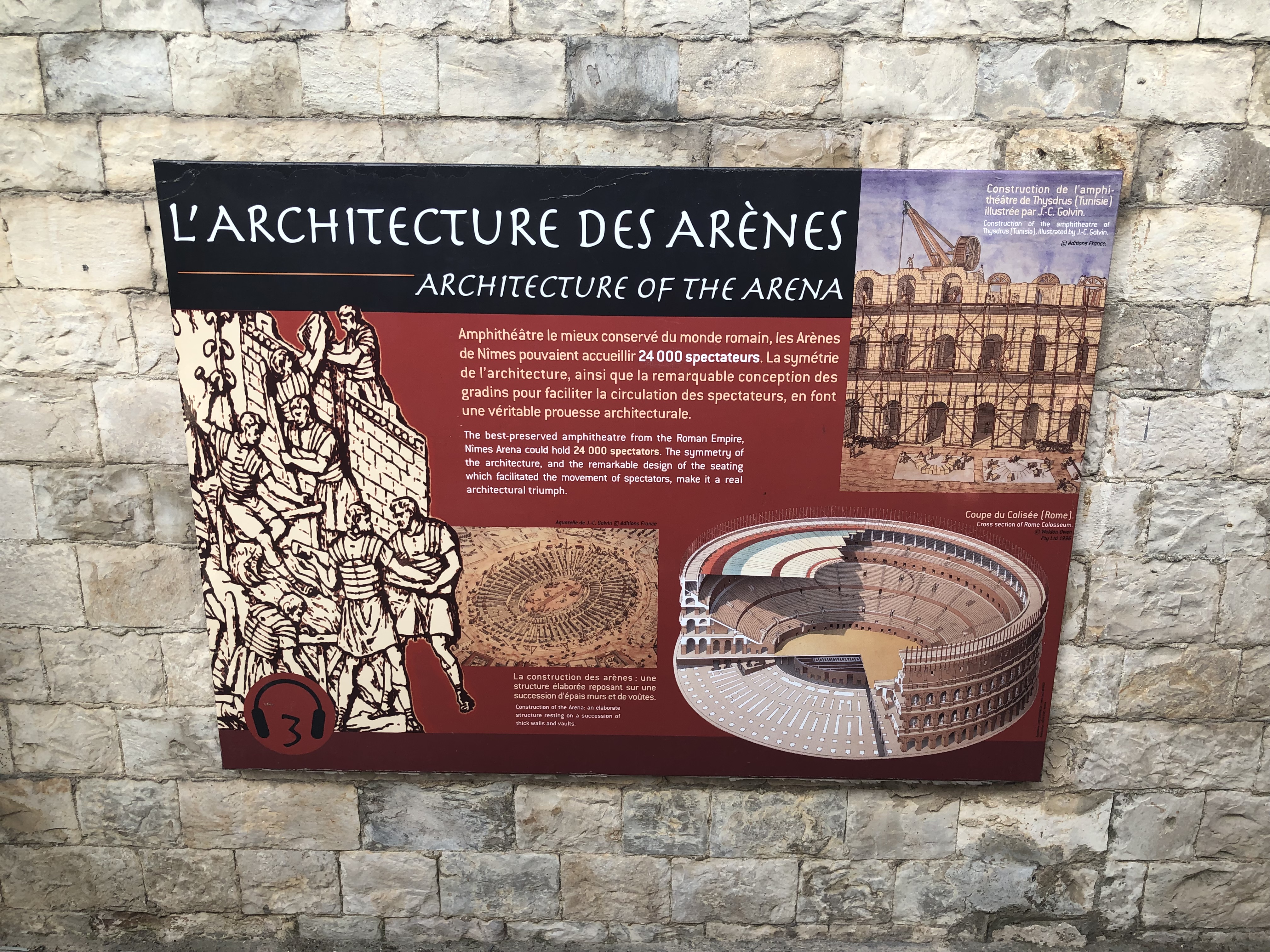
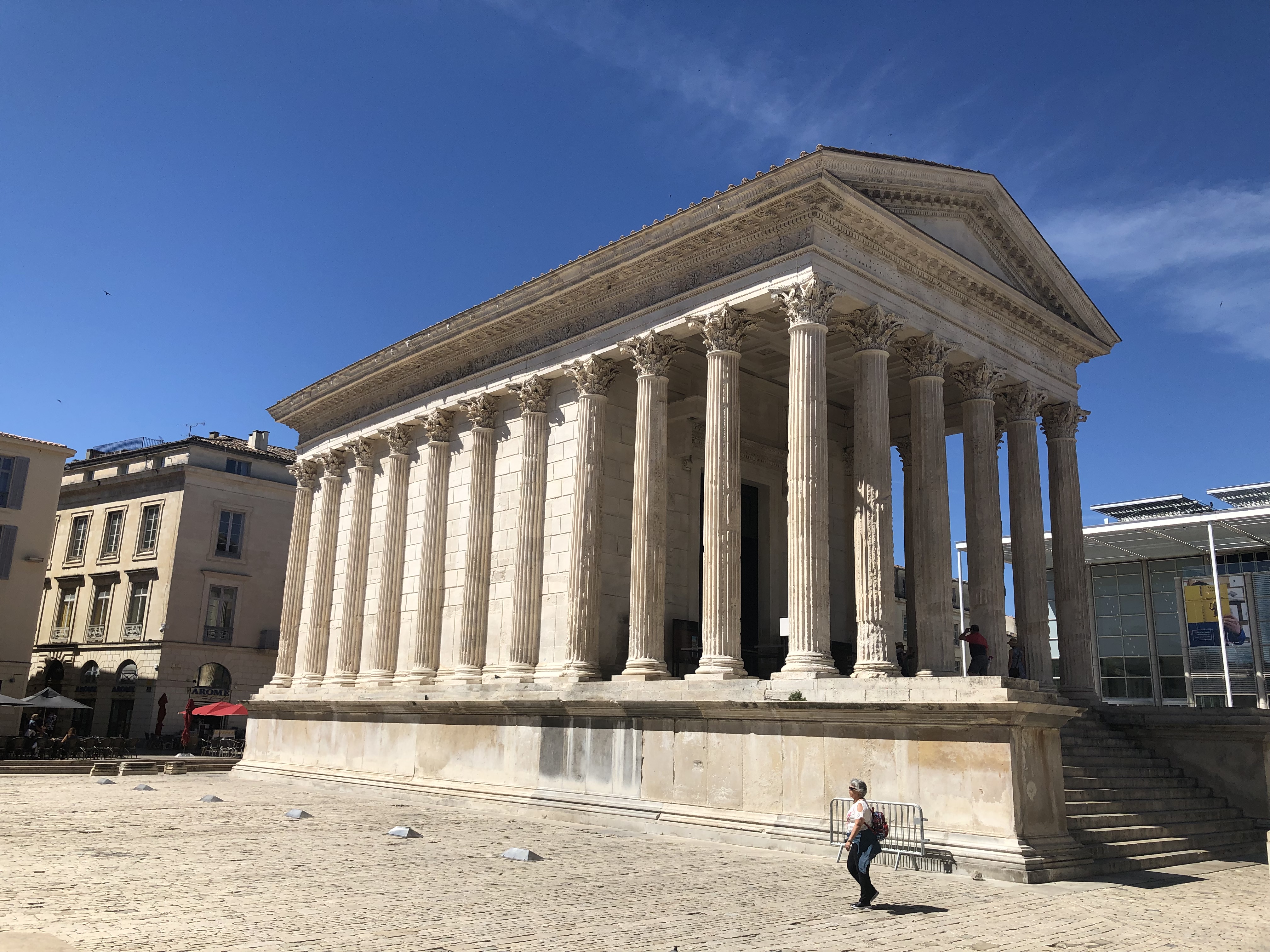
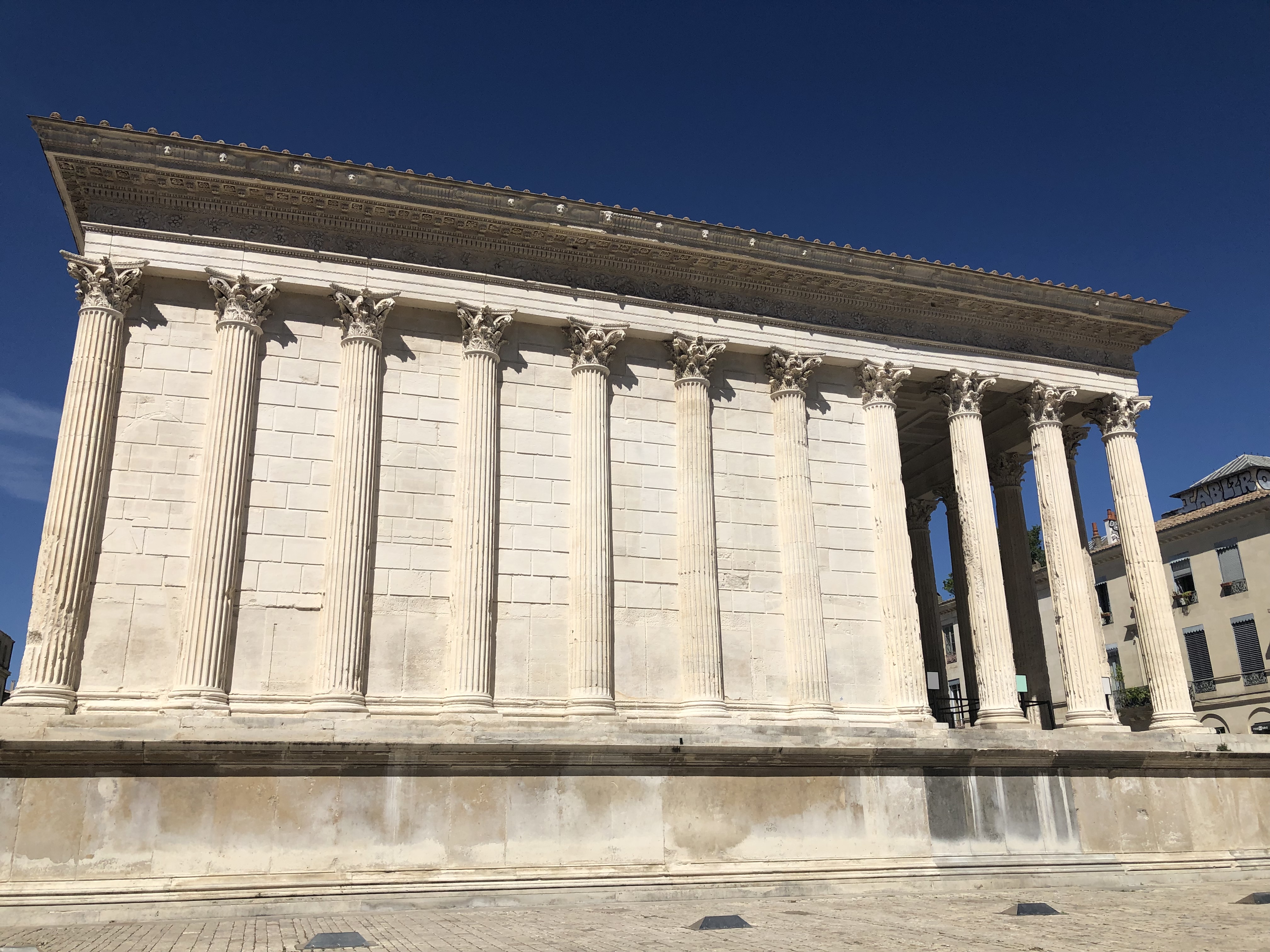
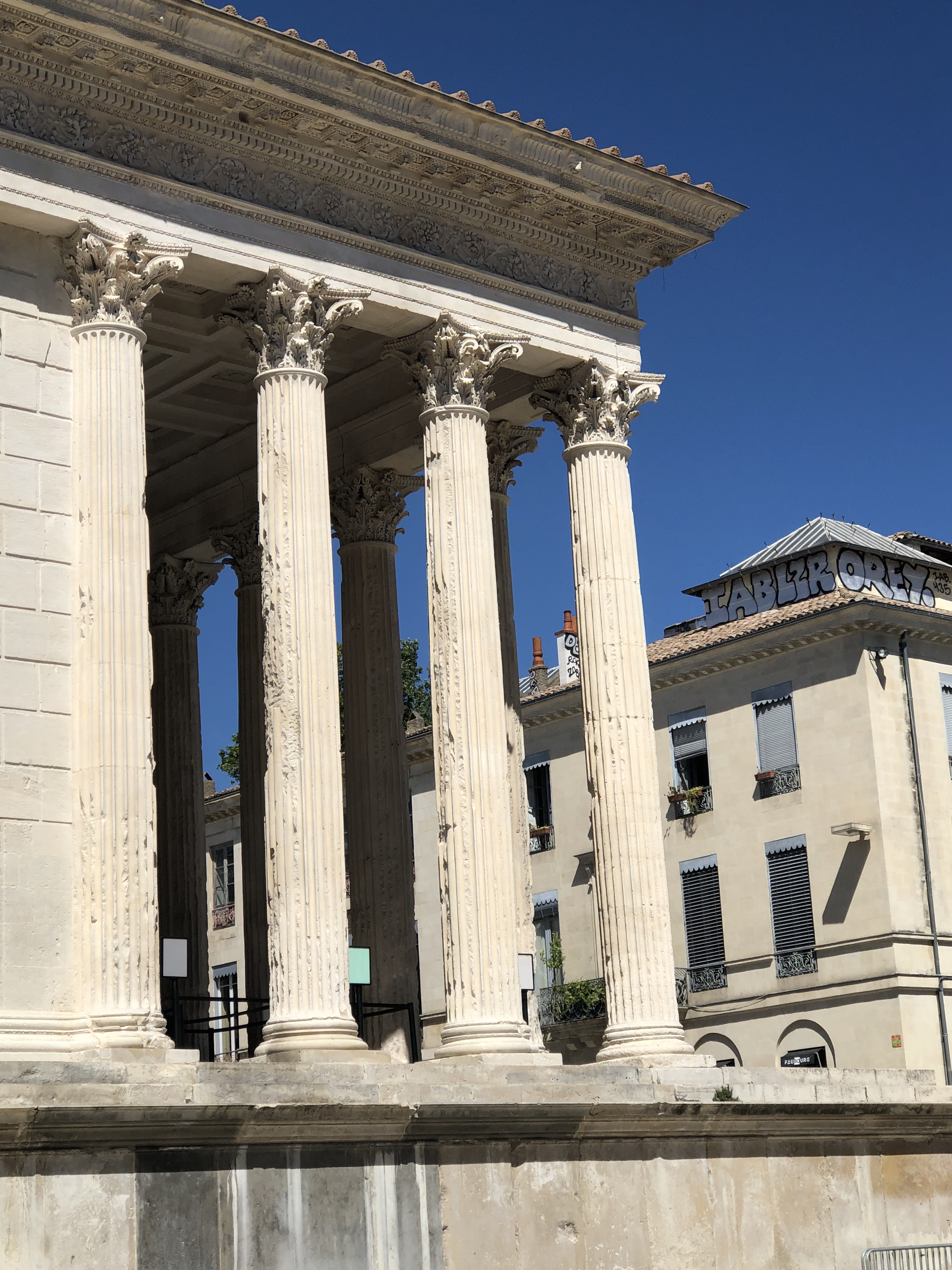

Exploring the city of Nimes.
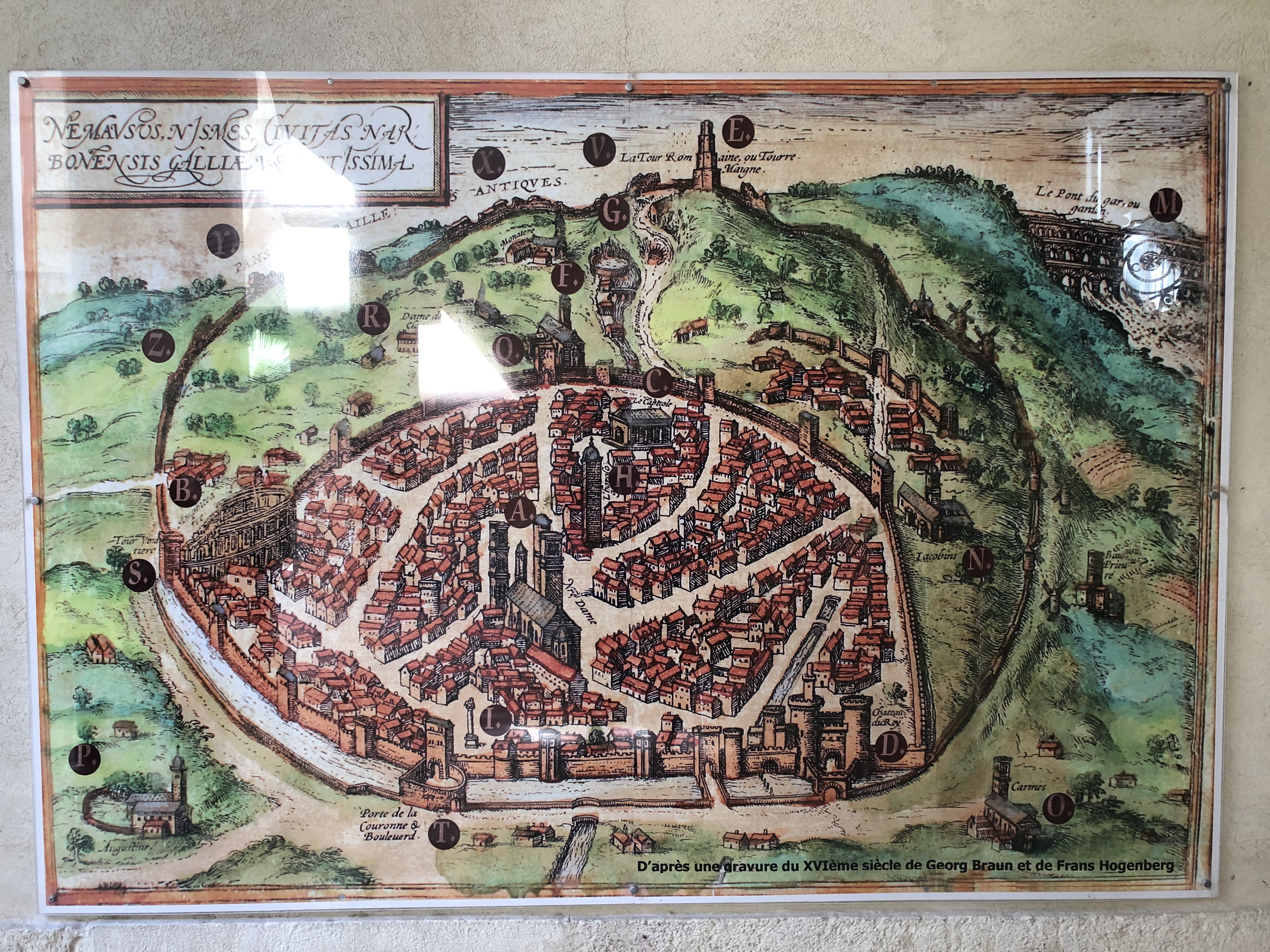

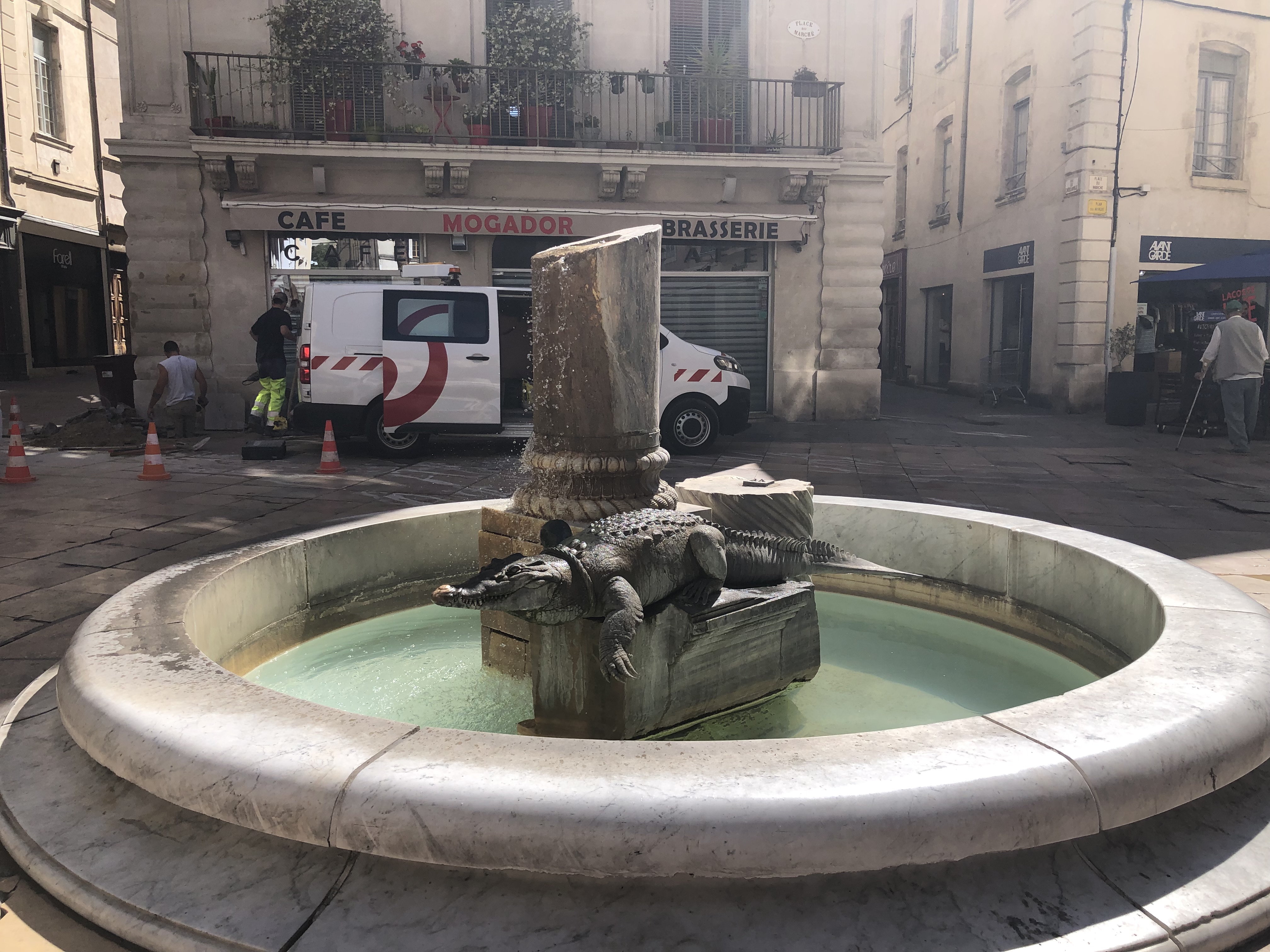
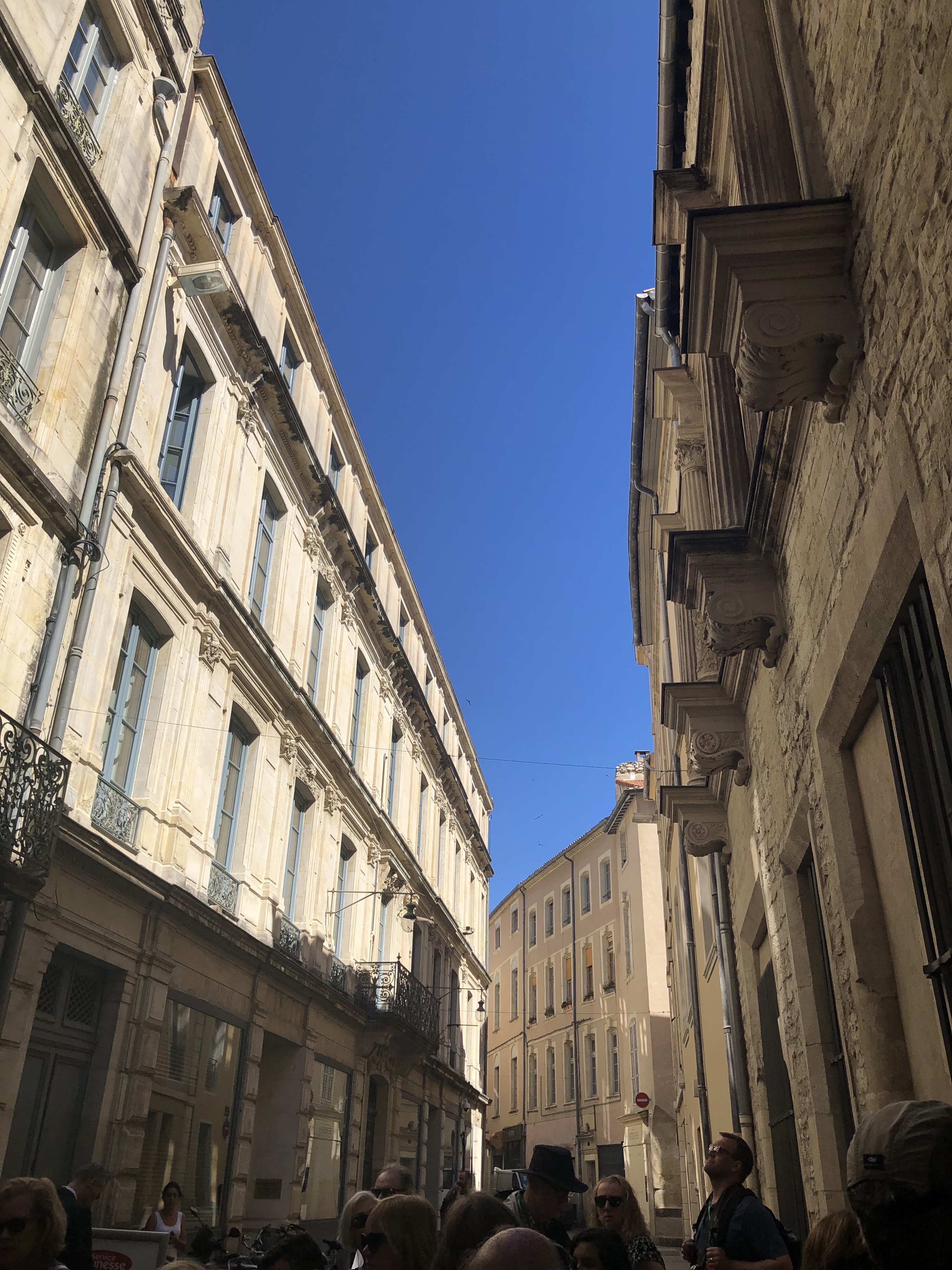
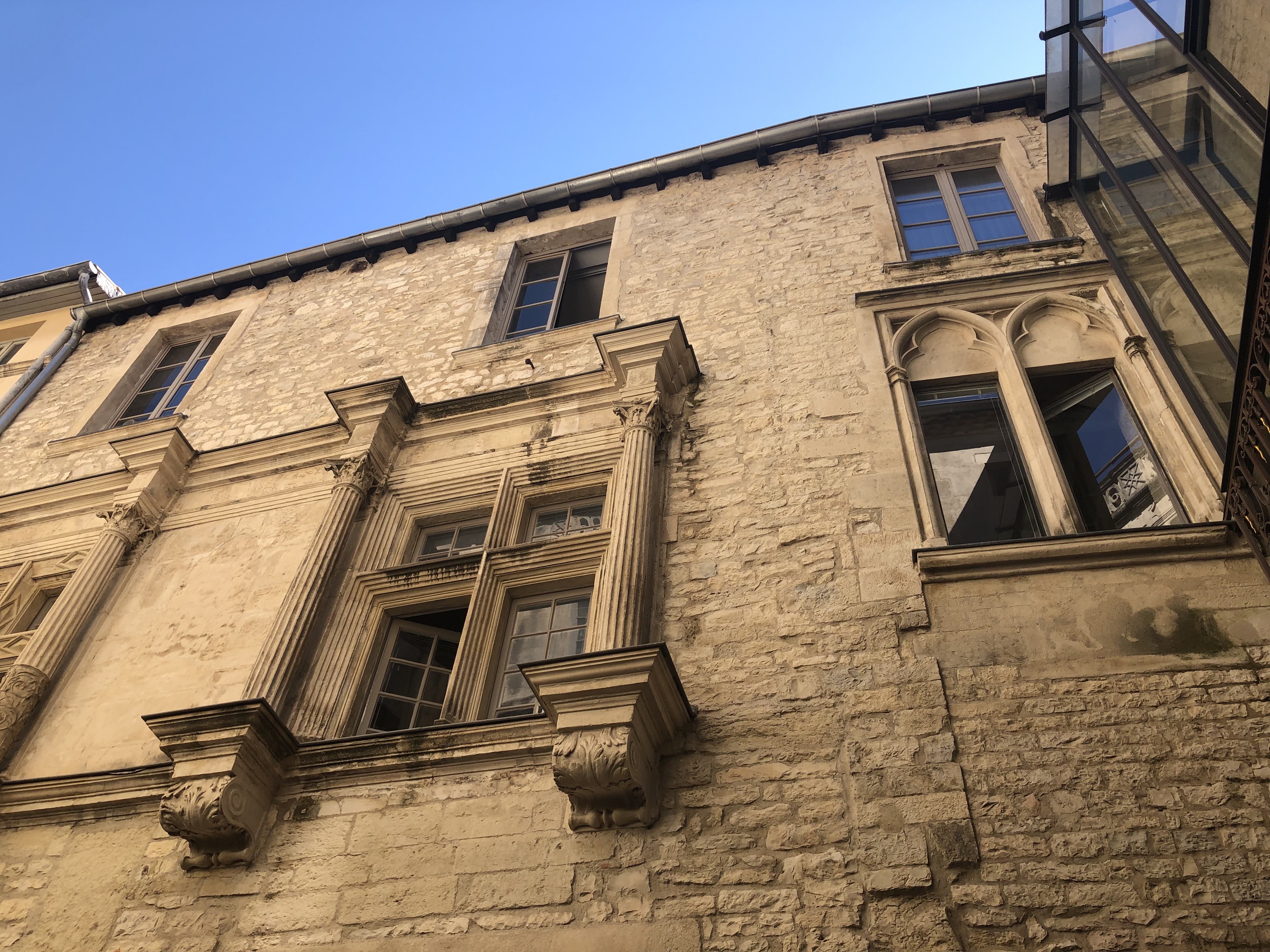
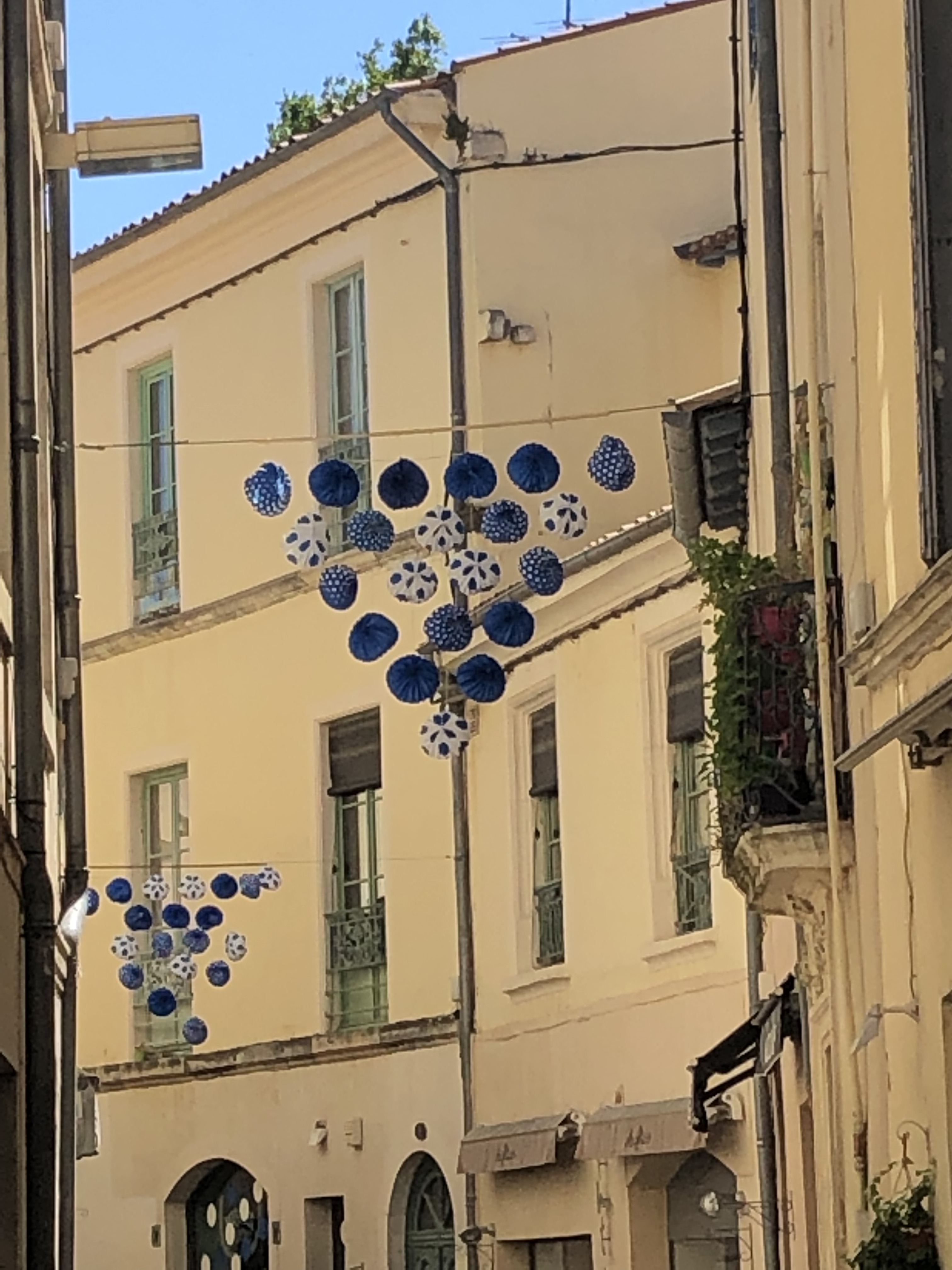

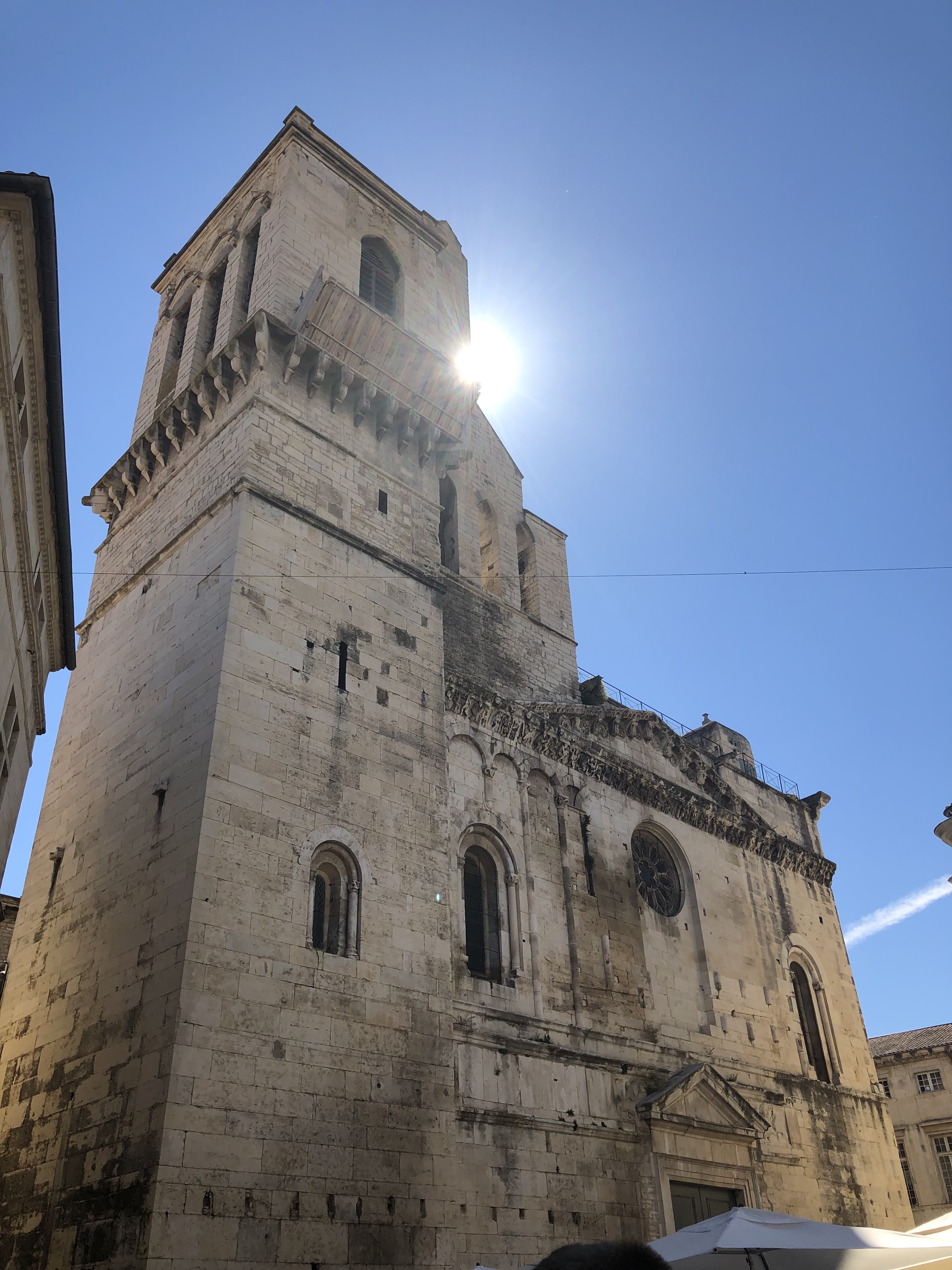

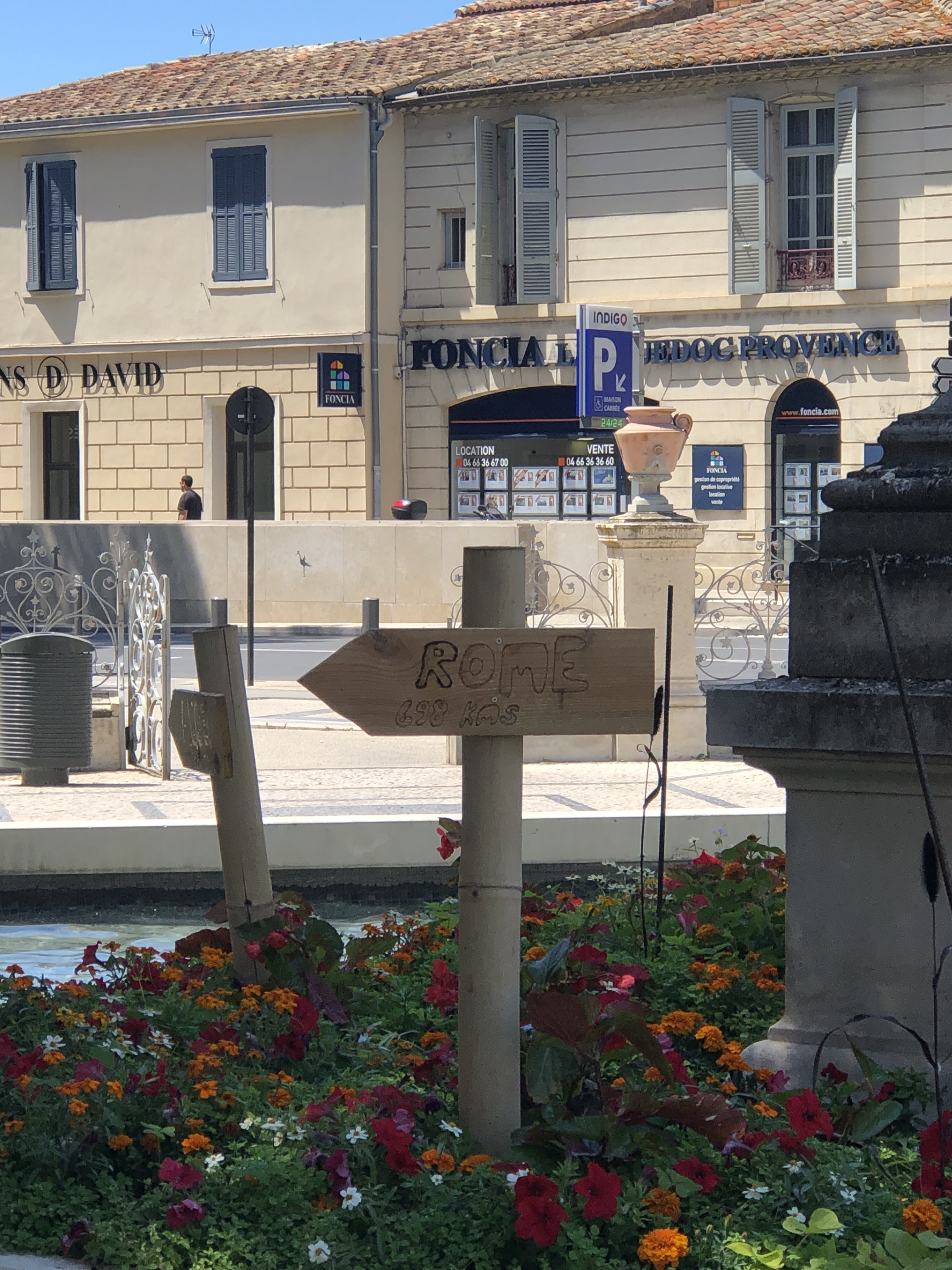

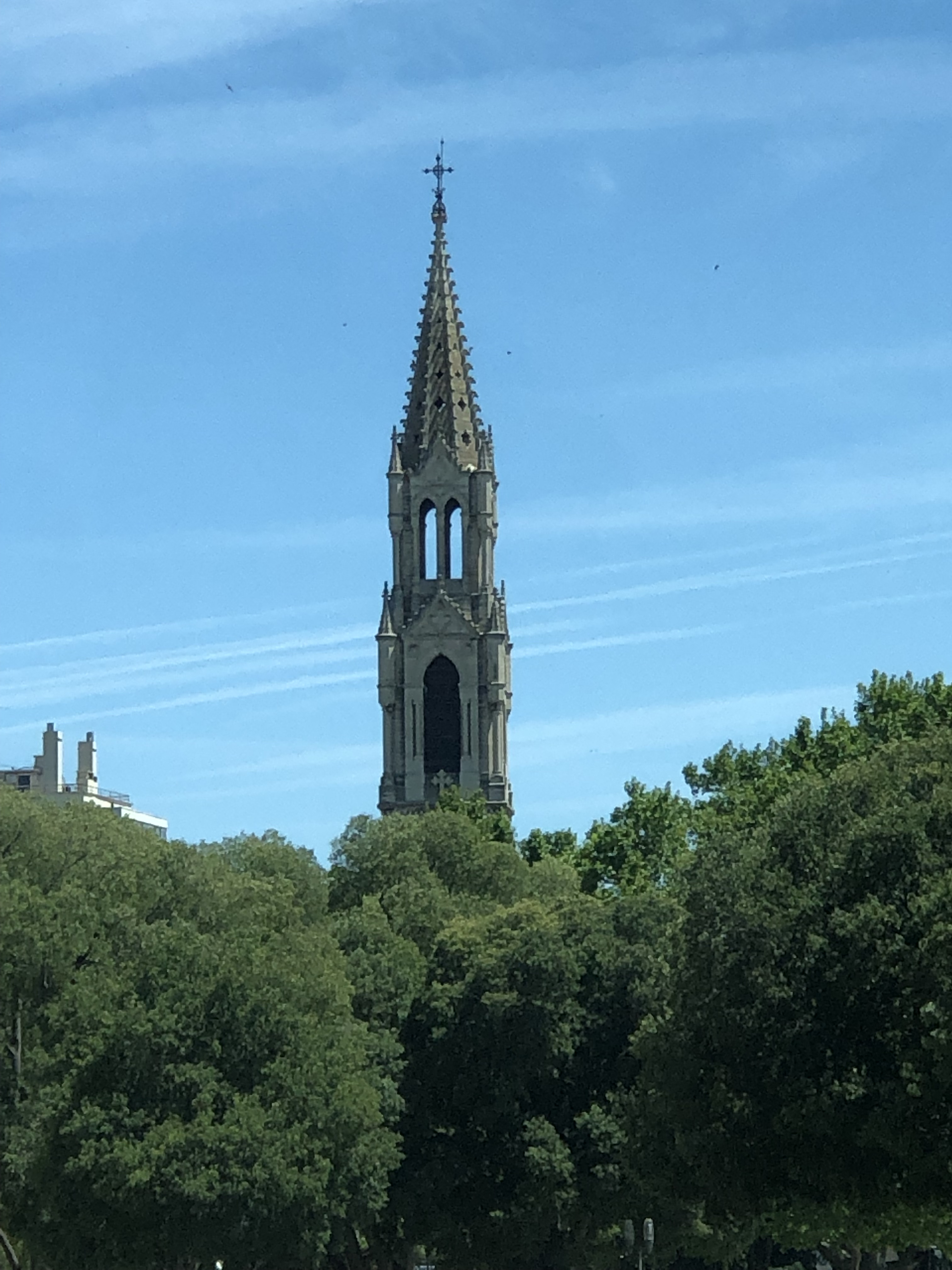
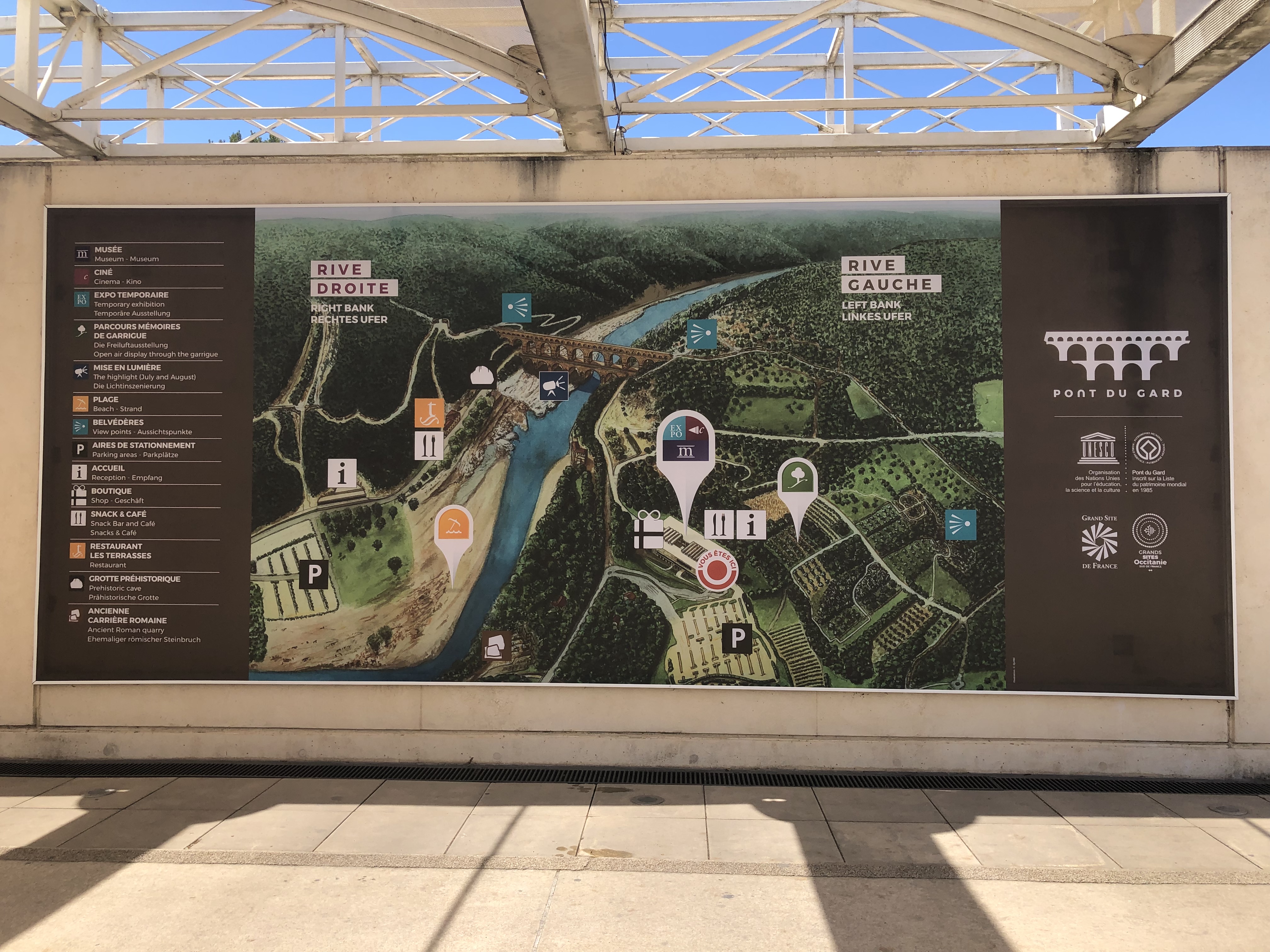
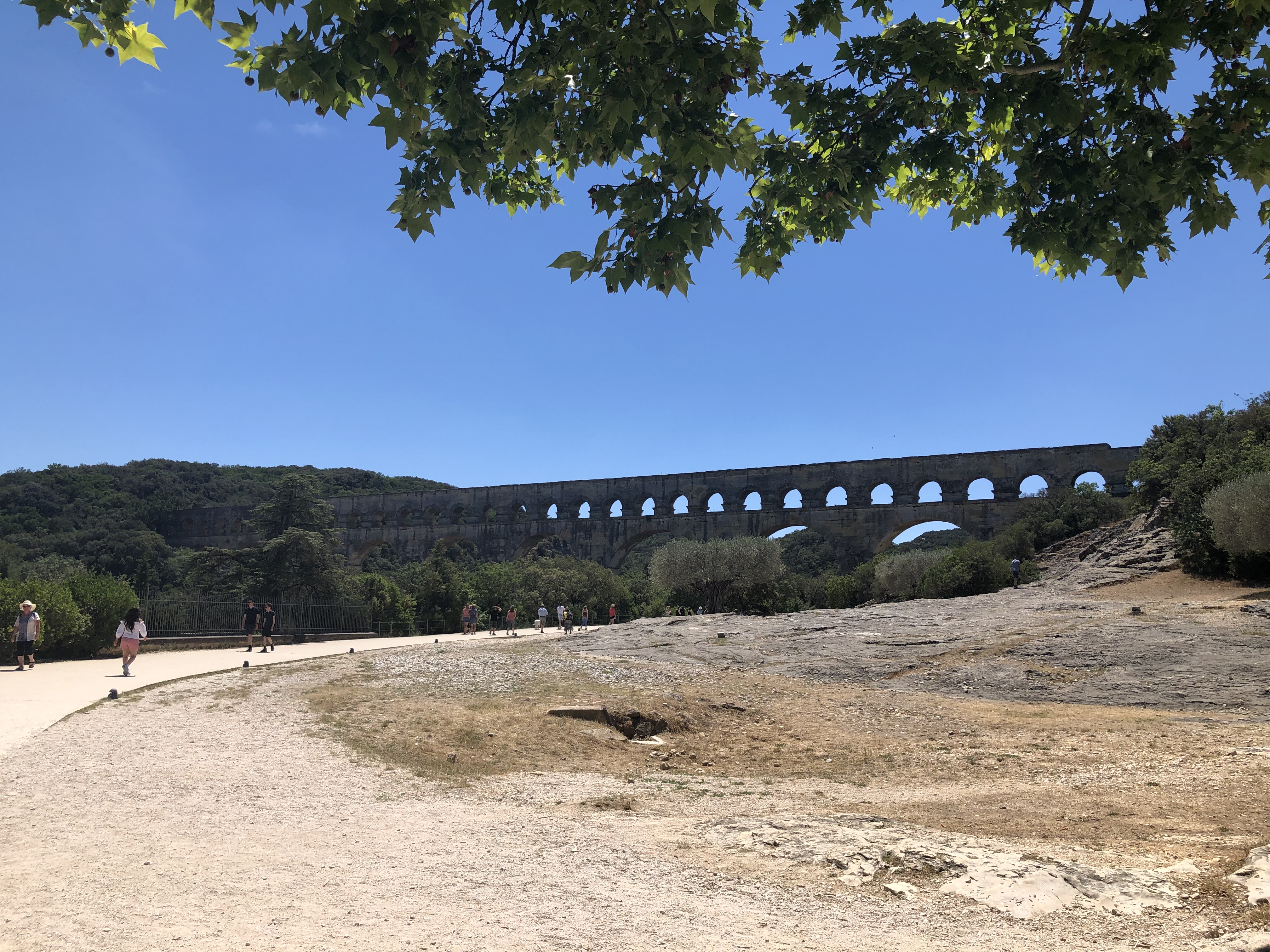
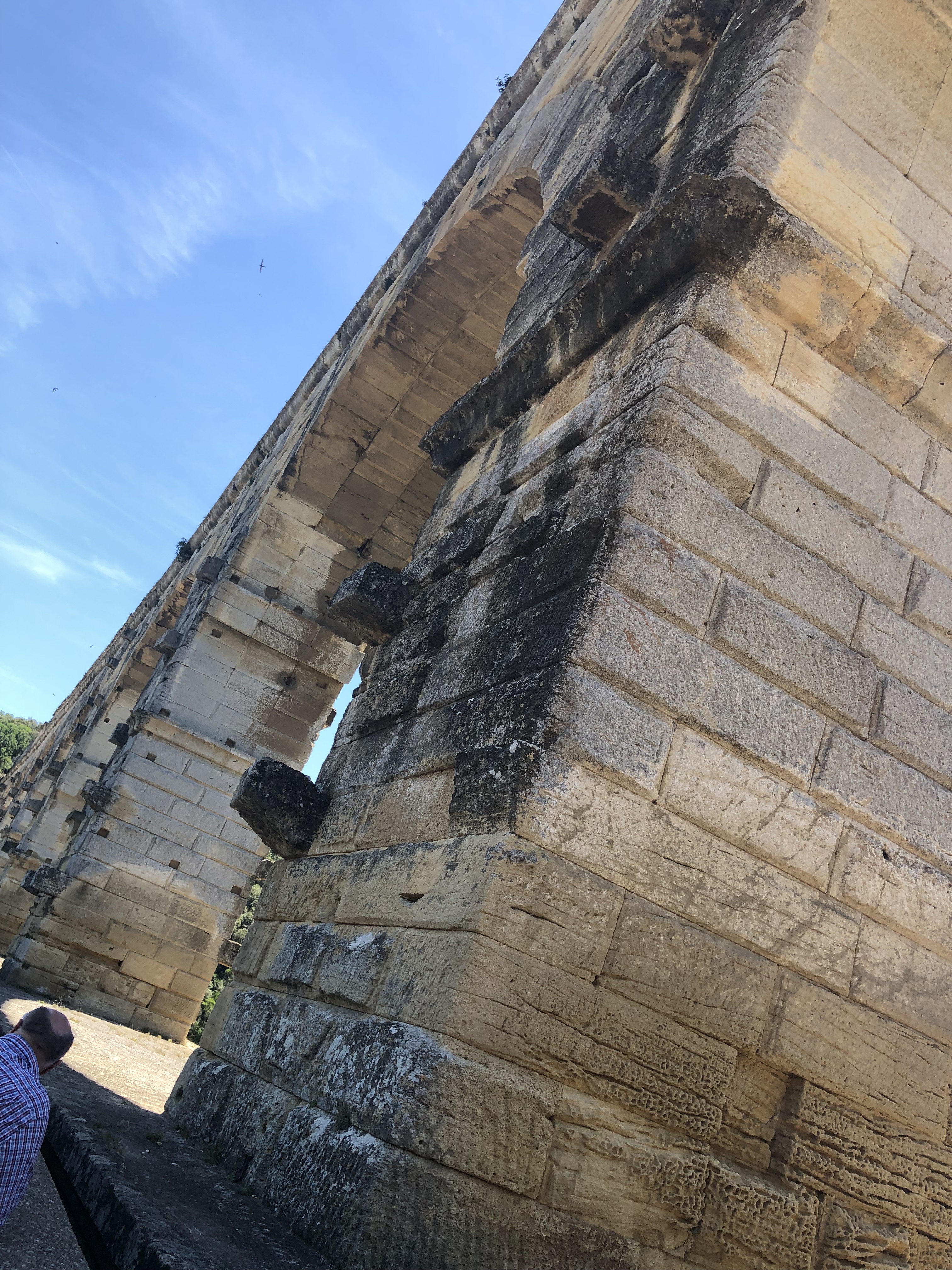
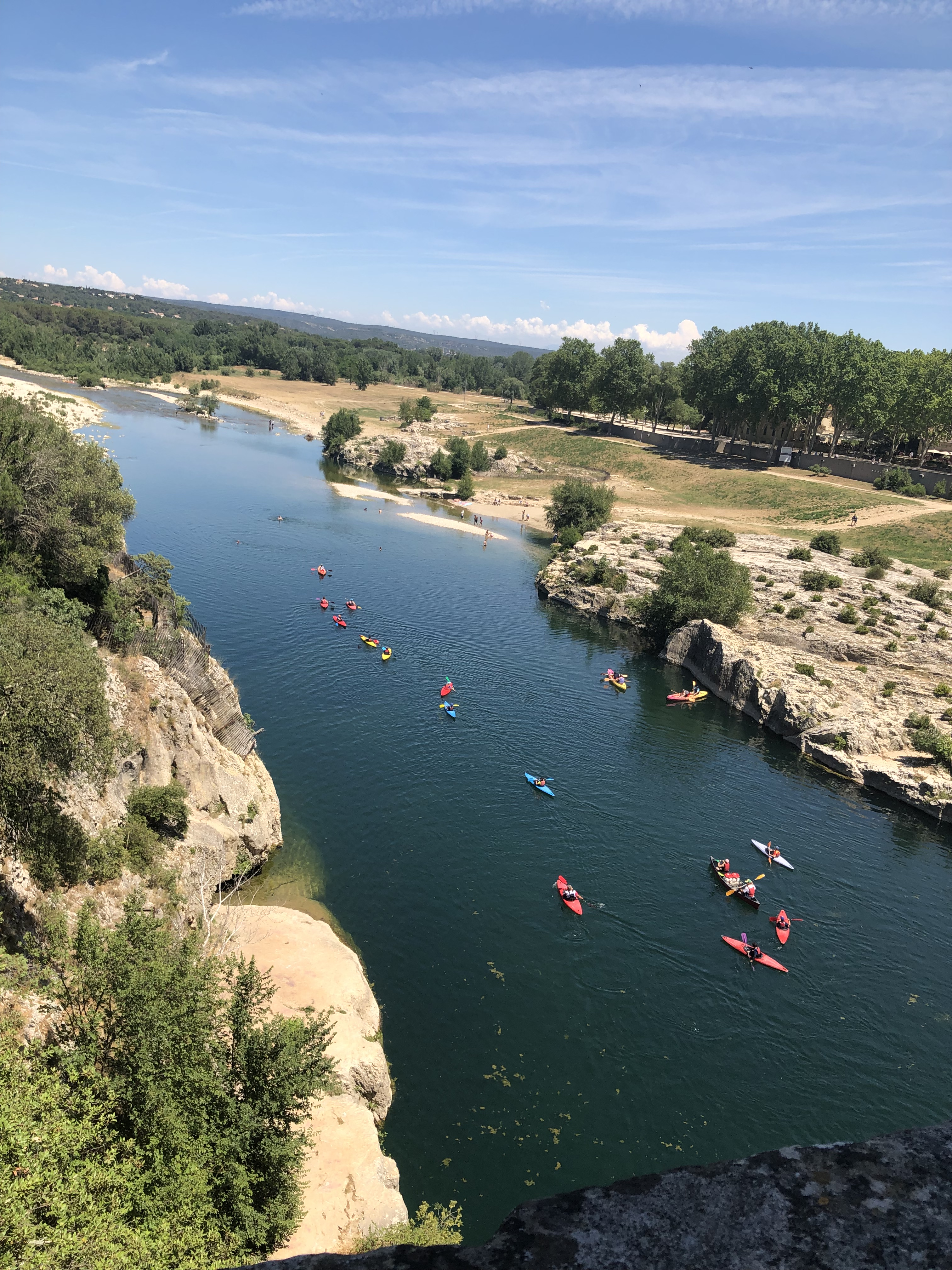
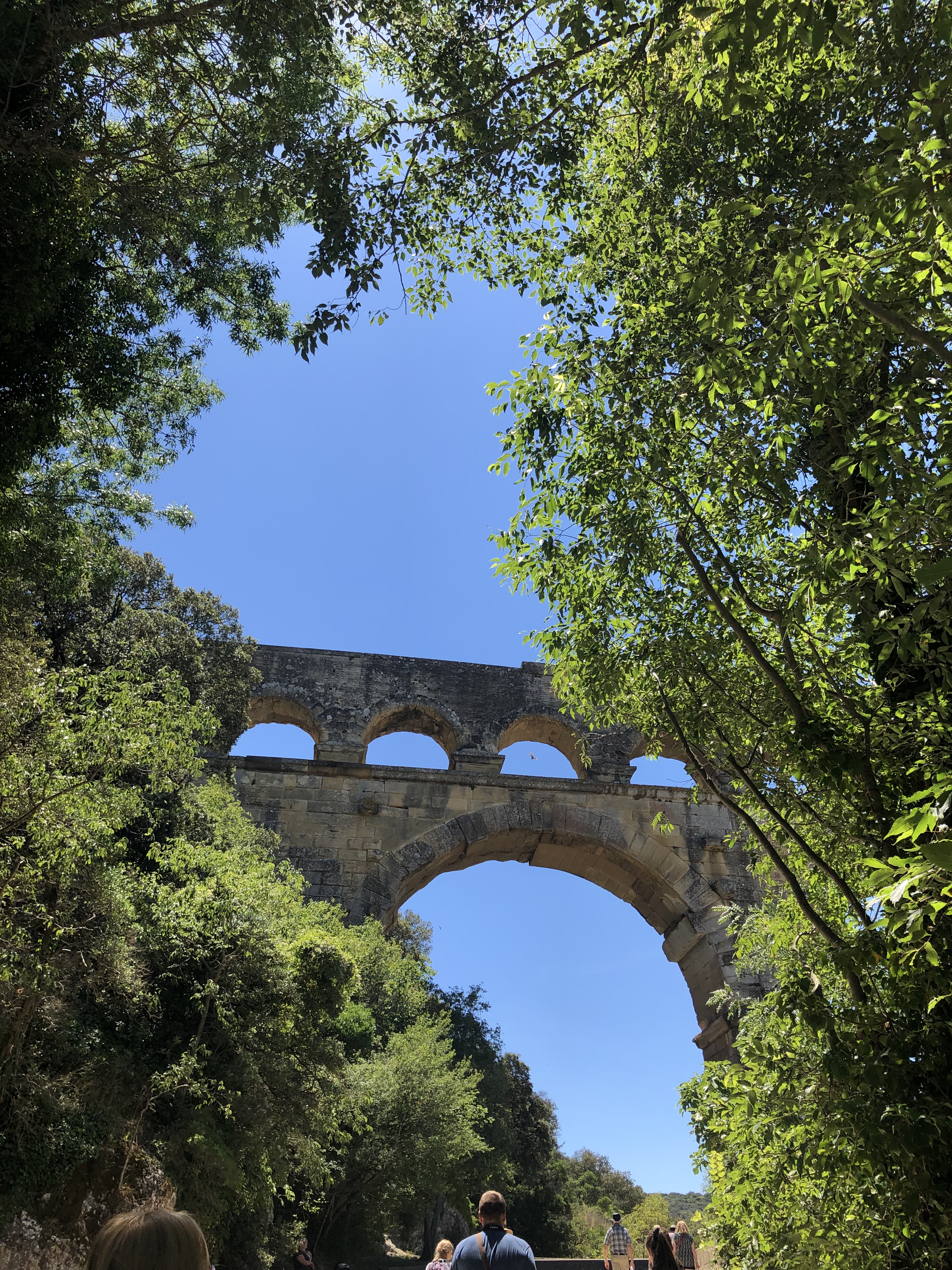
Our next stop was to see the Roman aqueduct Pont du Gard, UNESCO World Heritage Site. Built across the Gard River, it was designed to supply water to the city of Nimes. The Romans built aqueducts all over Europe. The engineering makes this aqueduct one of the masterpieces of Roman construction. The three levels are 50 meters high. We were able to walk across the lower lever to reach the river below.

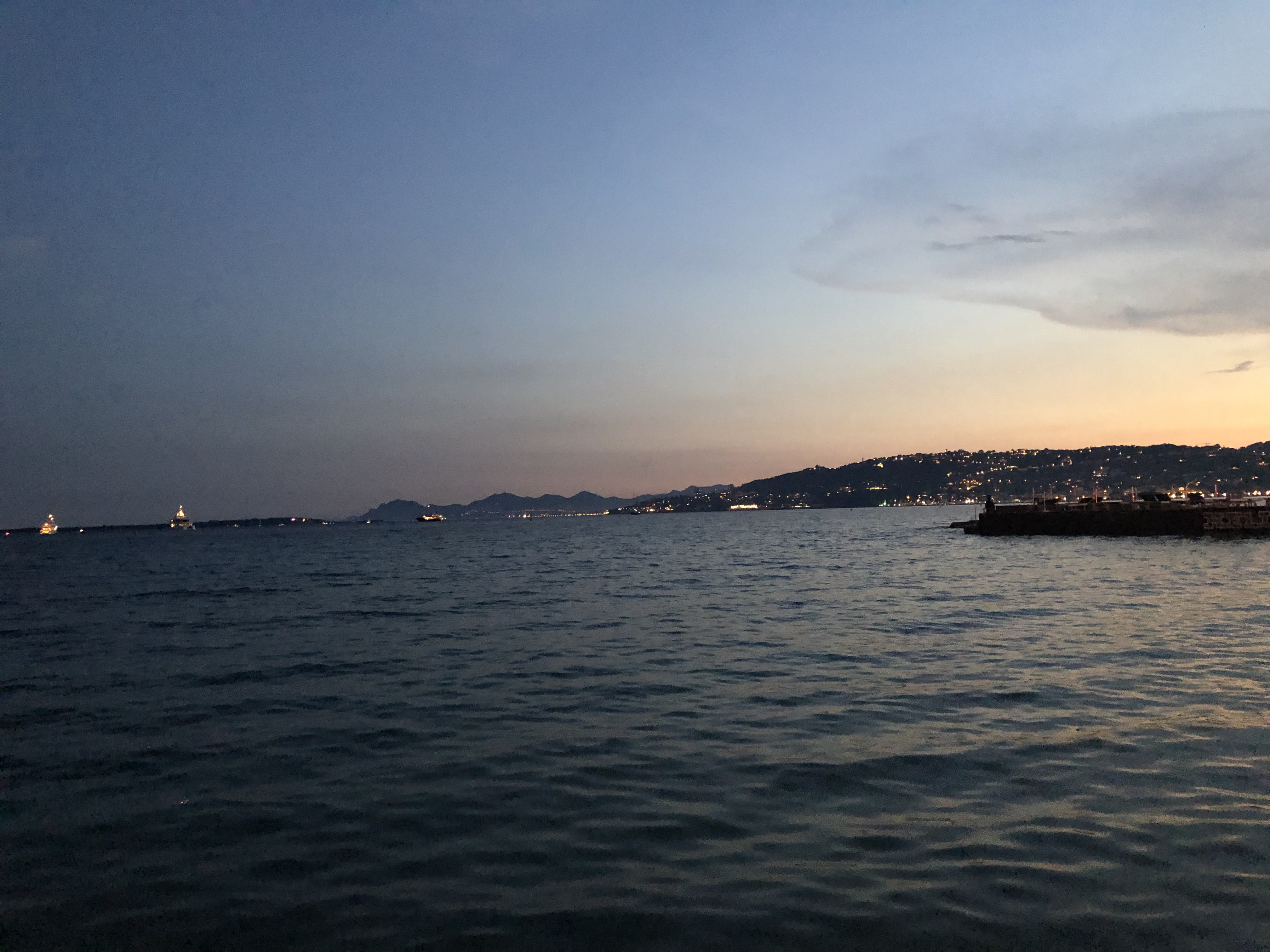
We will be spending the next couple of nights in Juan Les Pins, Antibes, Cote d’Azure (French Riviera), France, on the Mediterranean Sea.



Day 7: Guided tour of Cape Ferrat & Nice
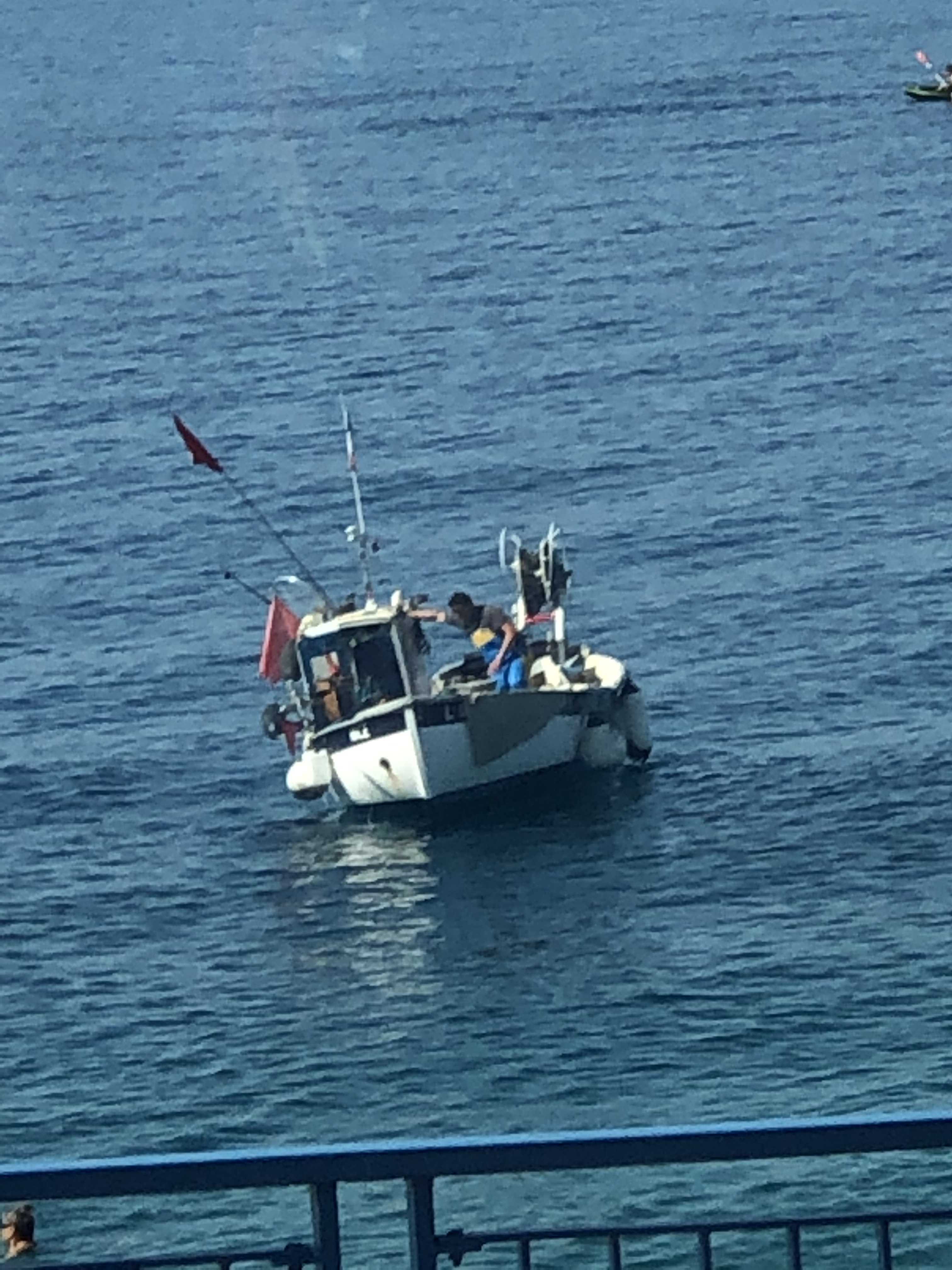
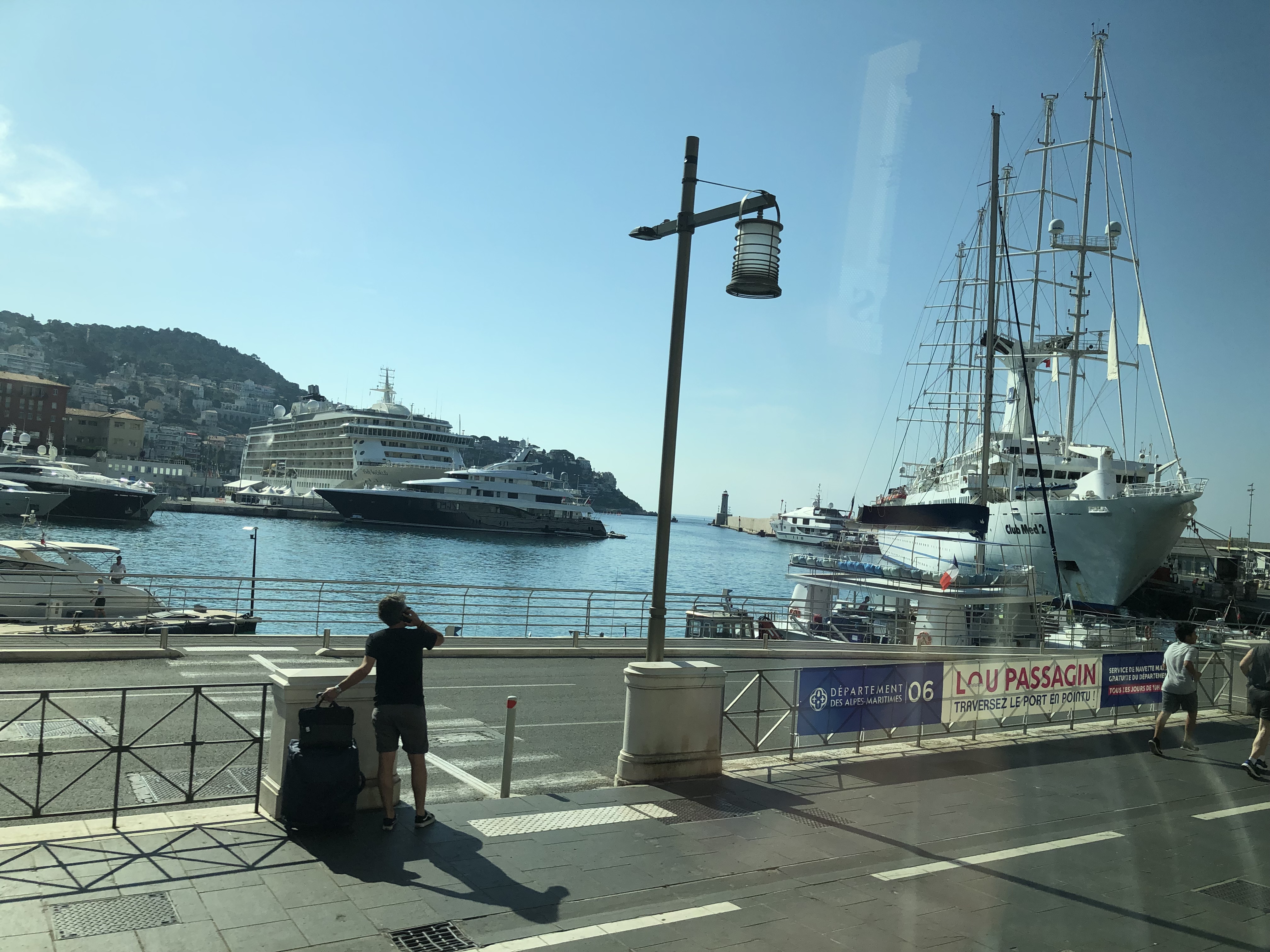
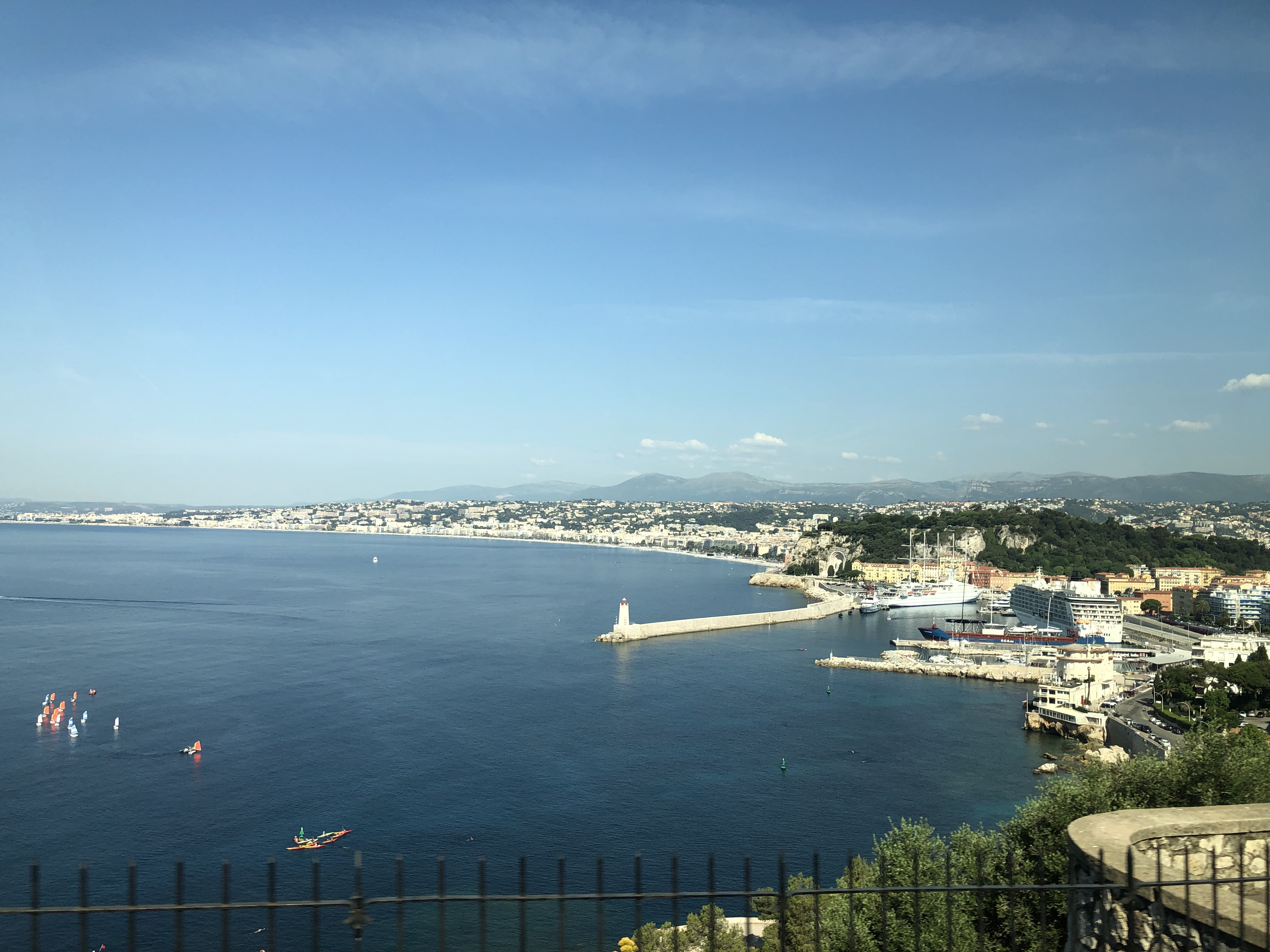
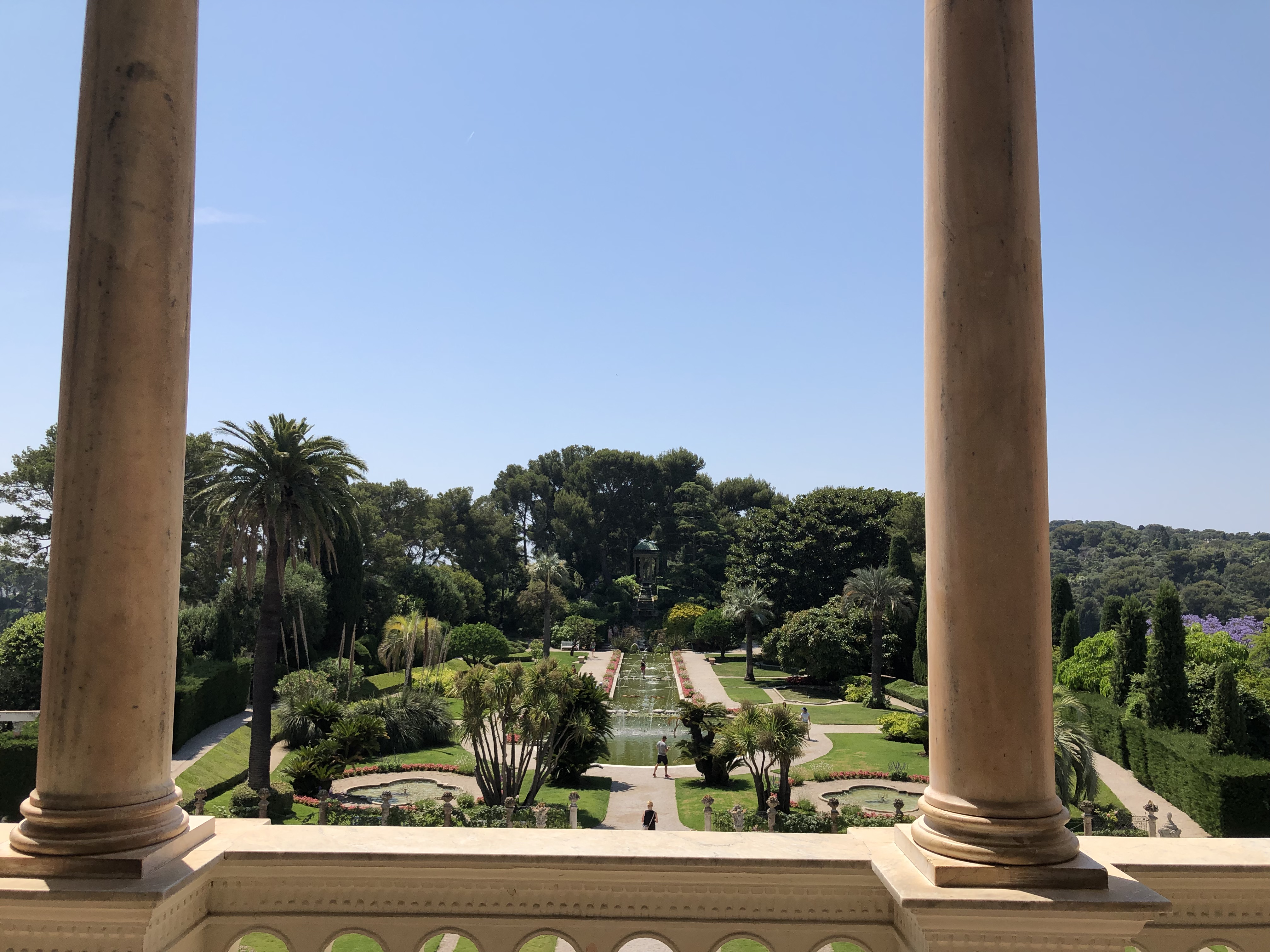
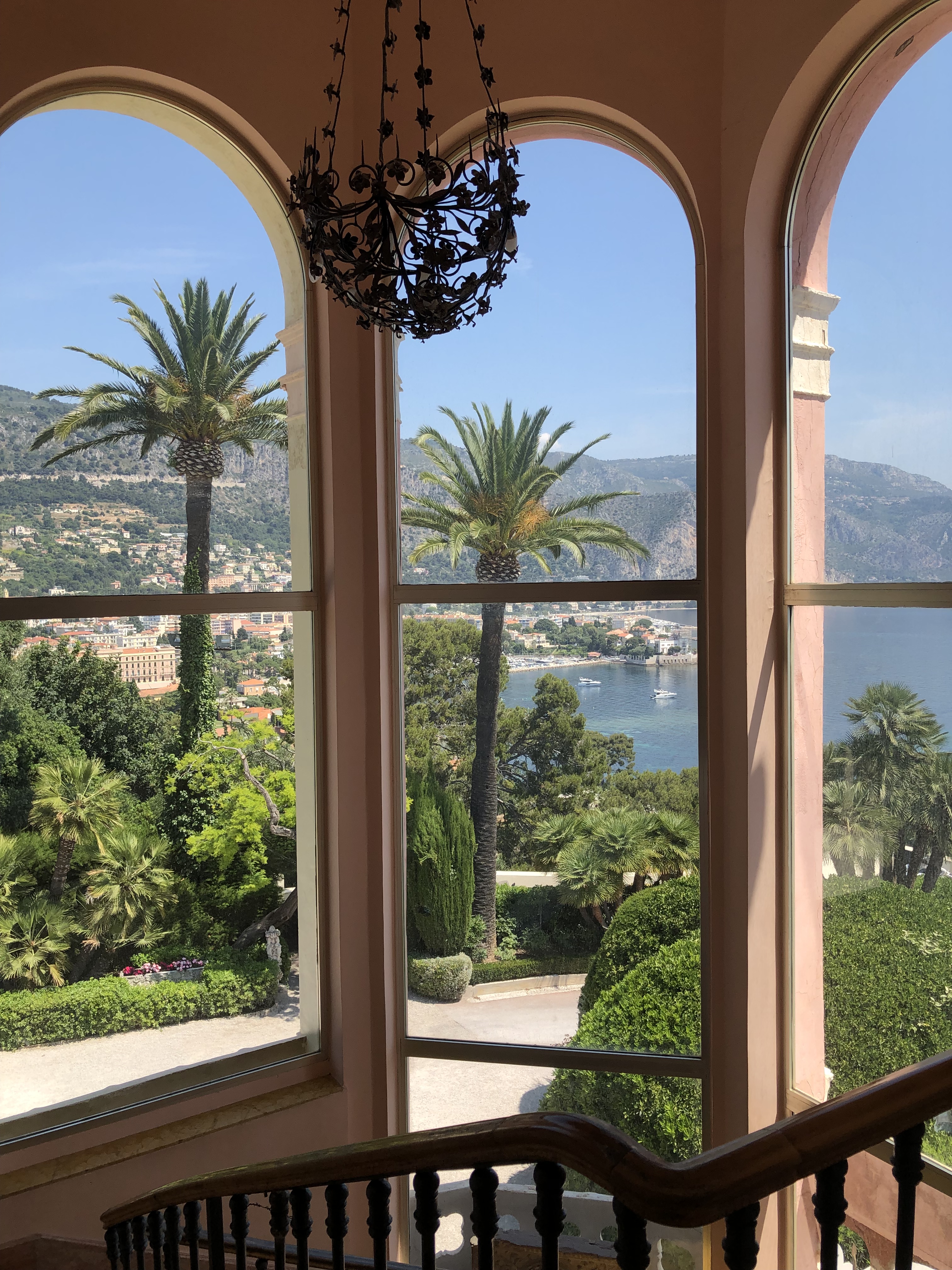
Today we will be exploring the French Riviera. We head out on our charter bus with a drive through the city of Nice and a lot of traffic. Our first stop is on the cliffs of Cape Ferrat to tour Villa Ephrussi de Rosthschild and its gardens.
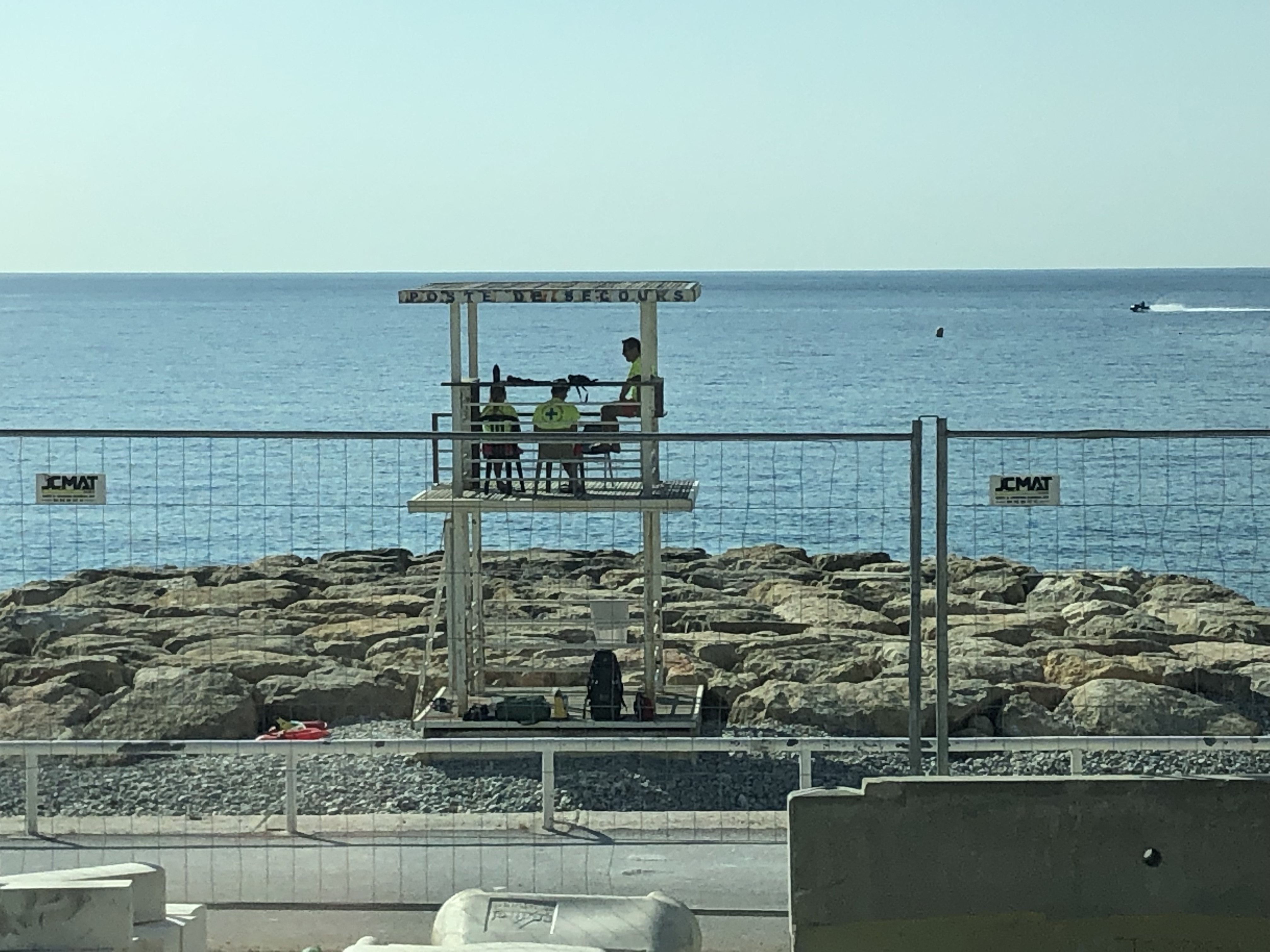
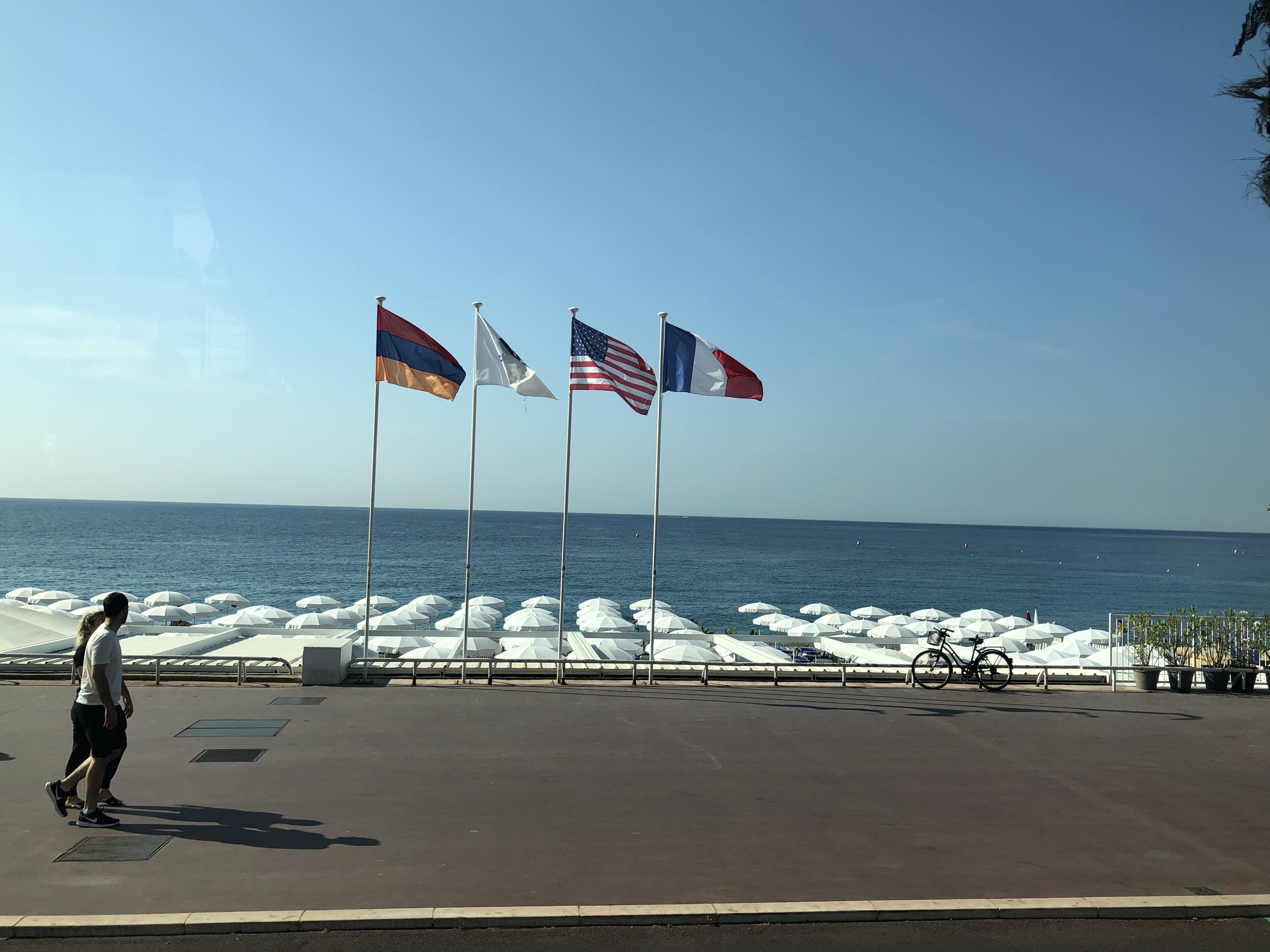
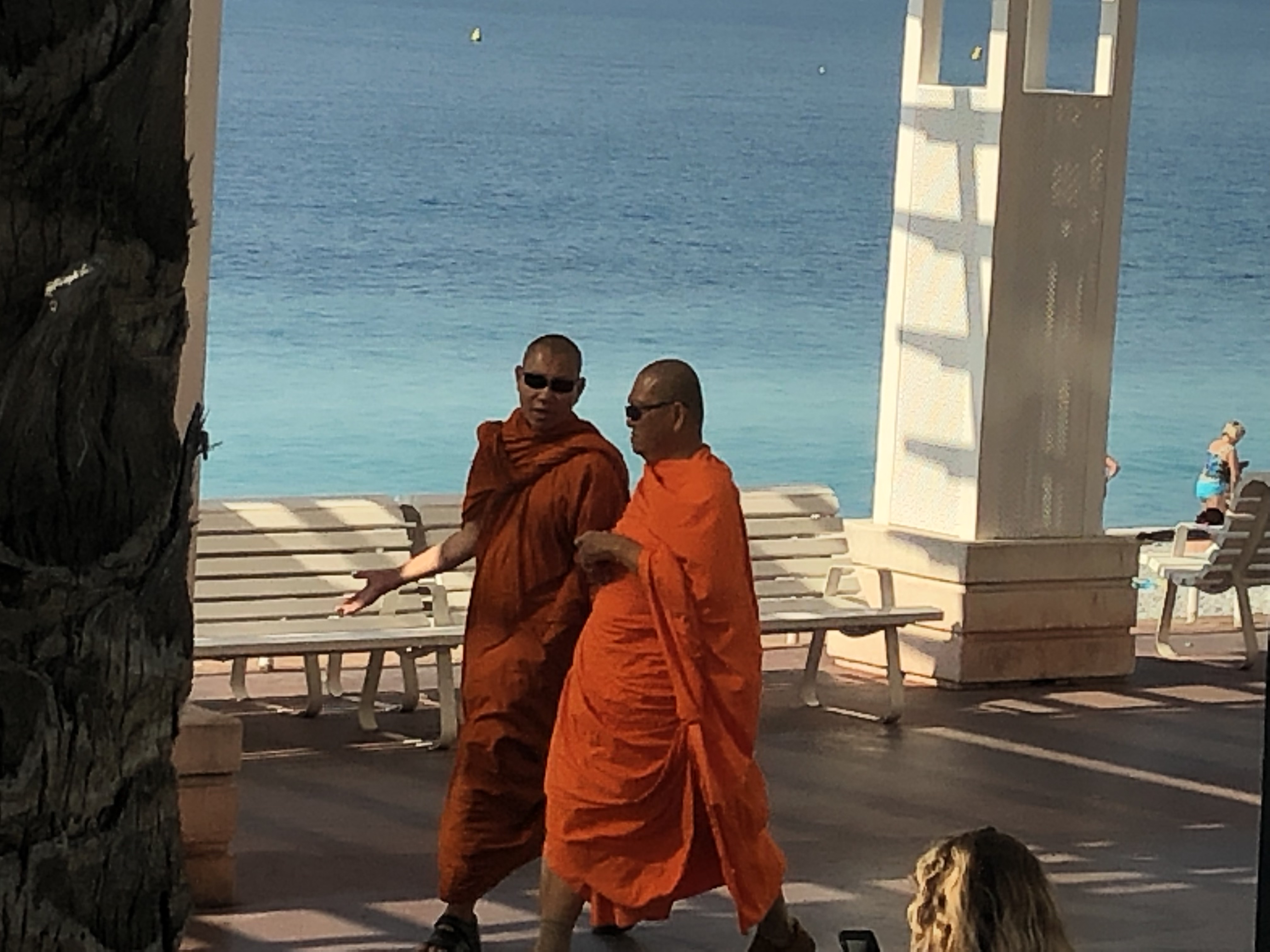
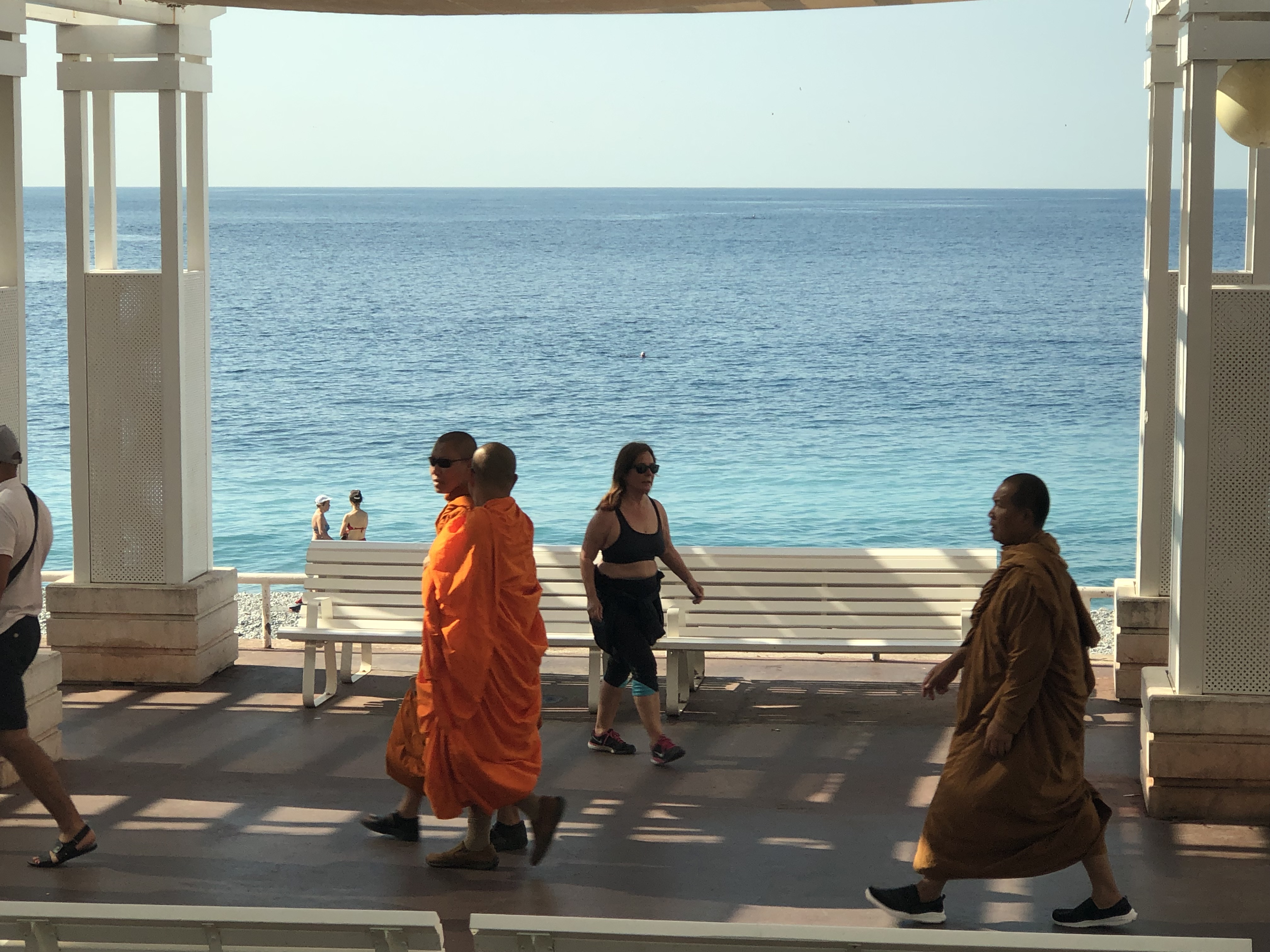
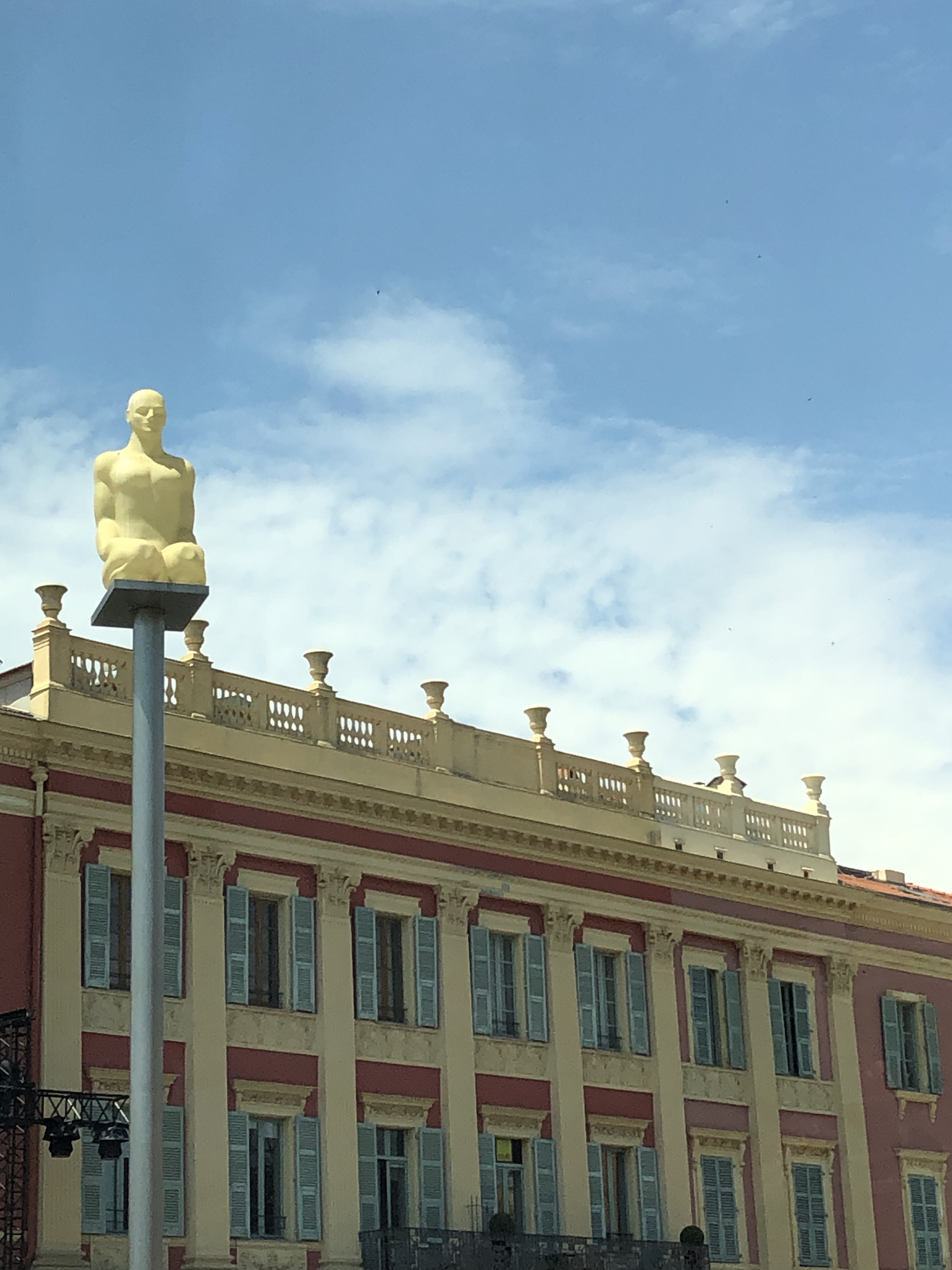
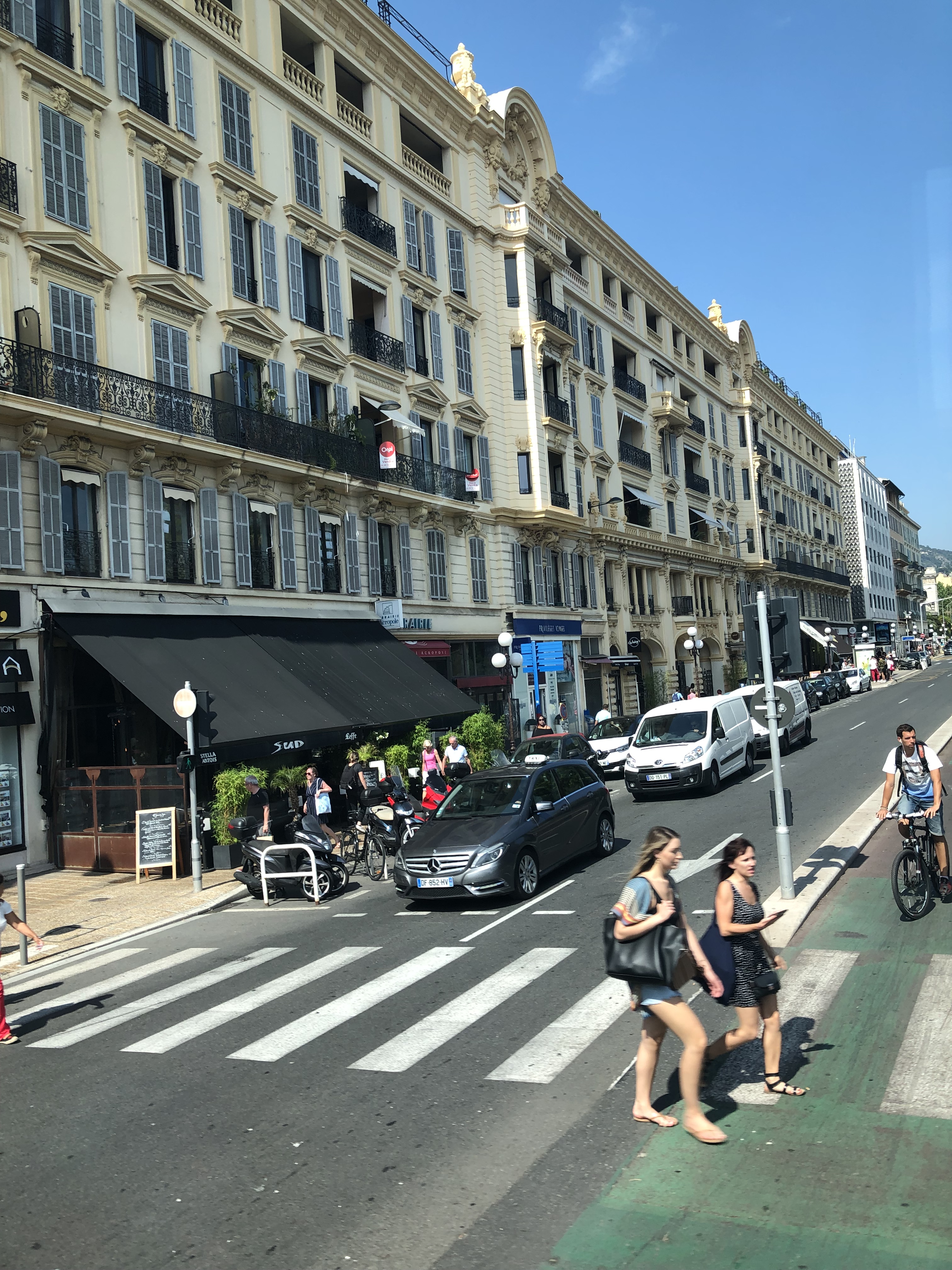
The drive through Nice took us into the old town area along the coast of the Mediterranean Sea.
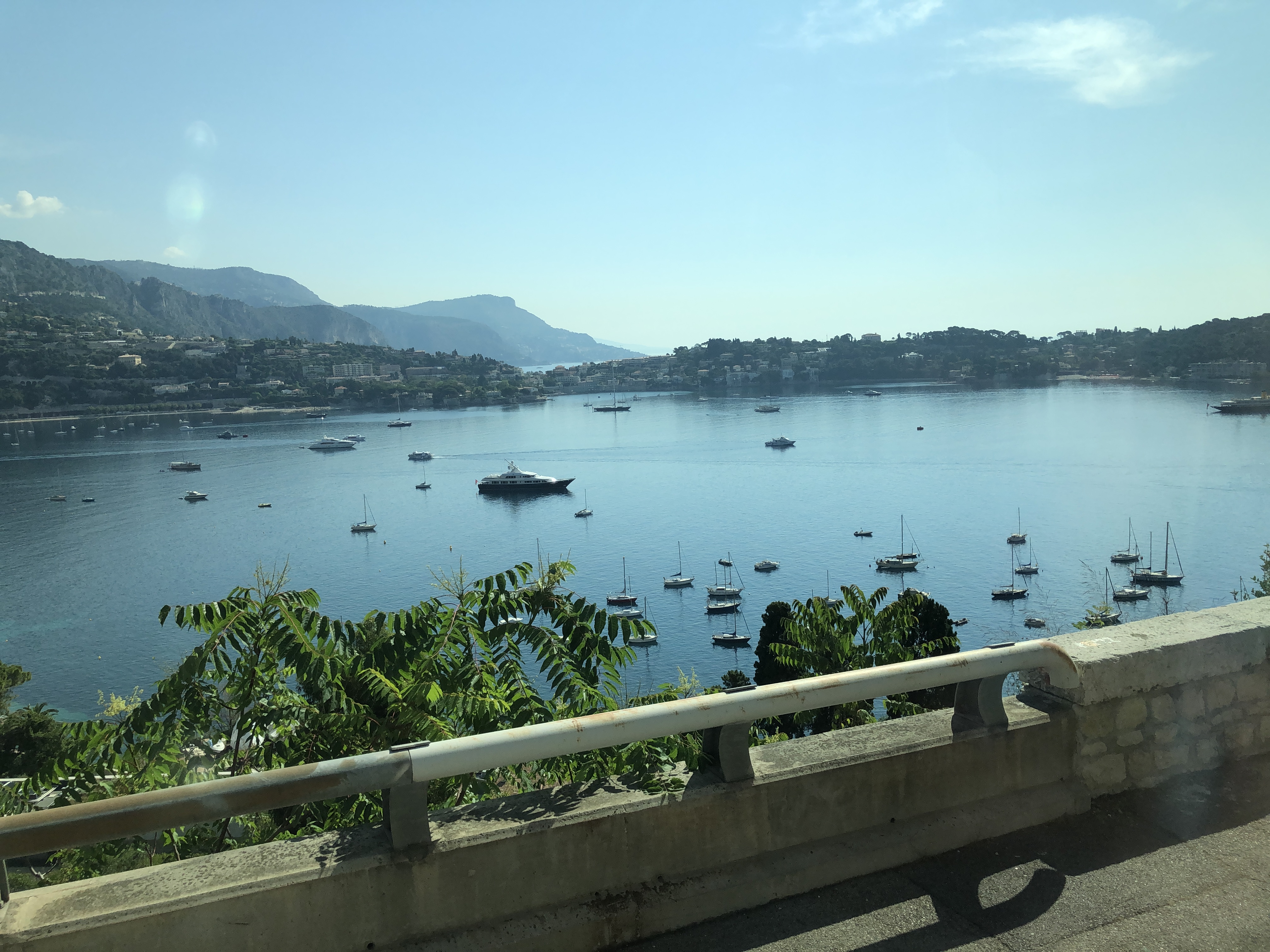

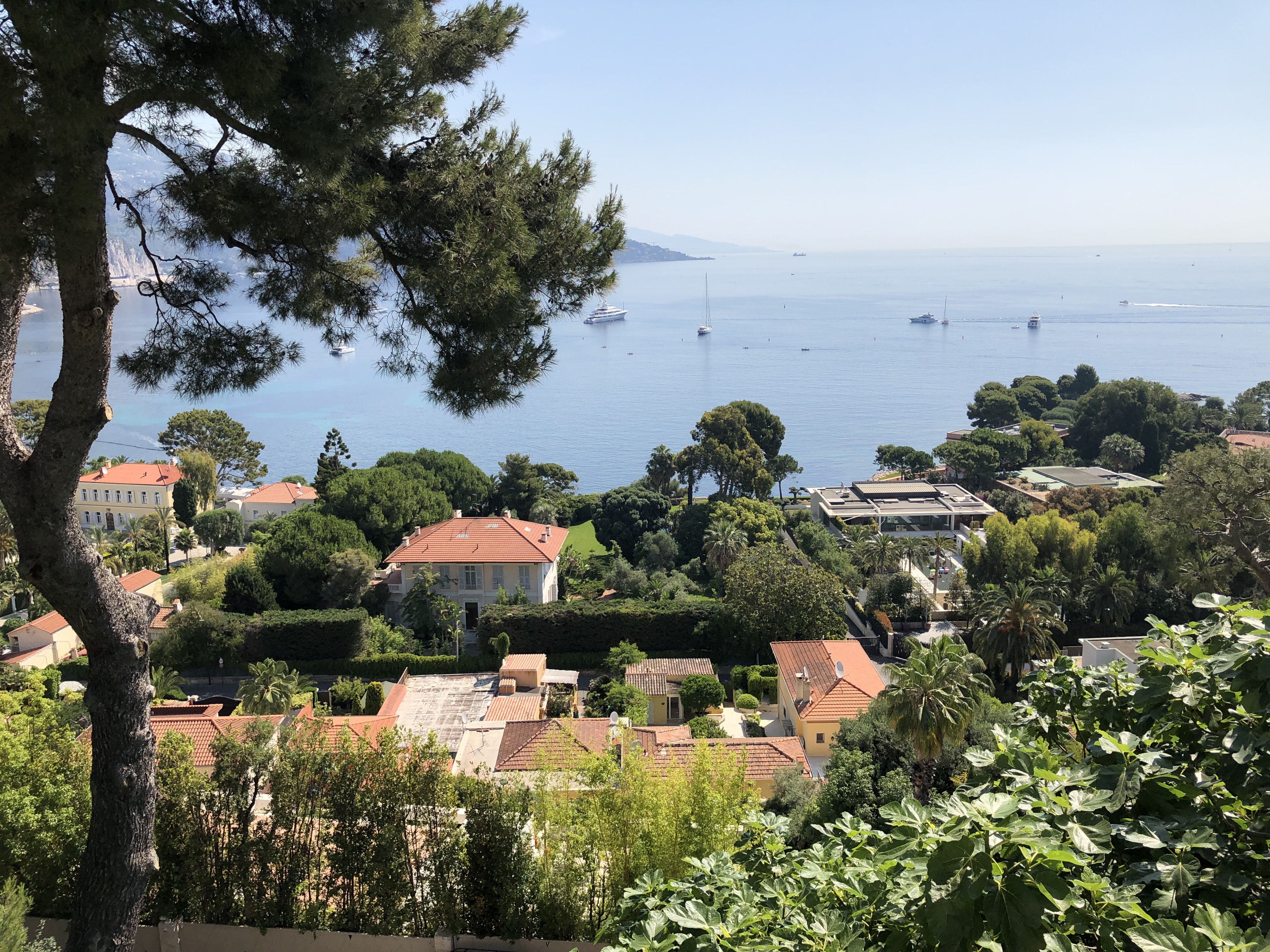
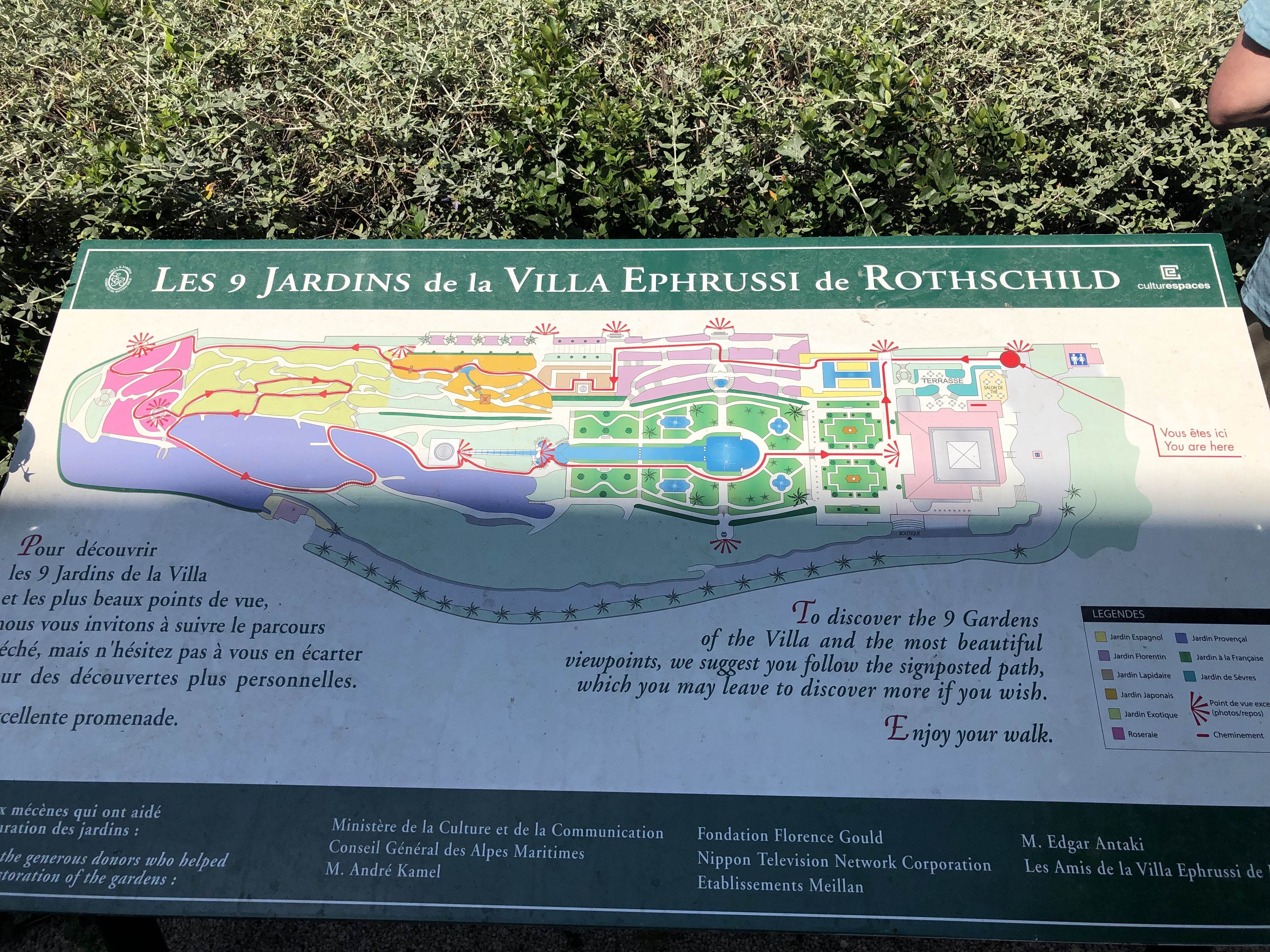
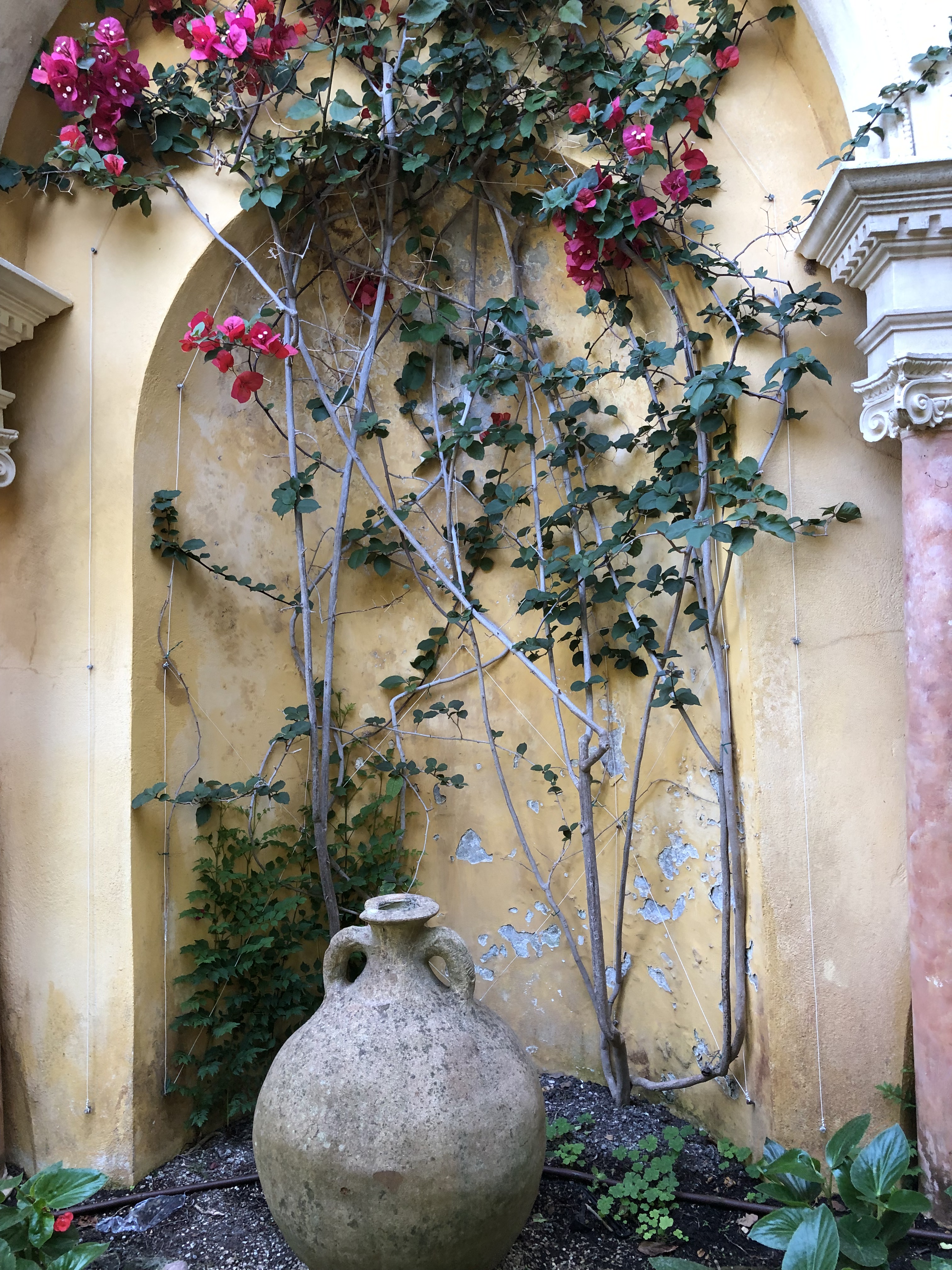
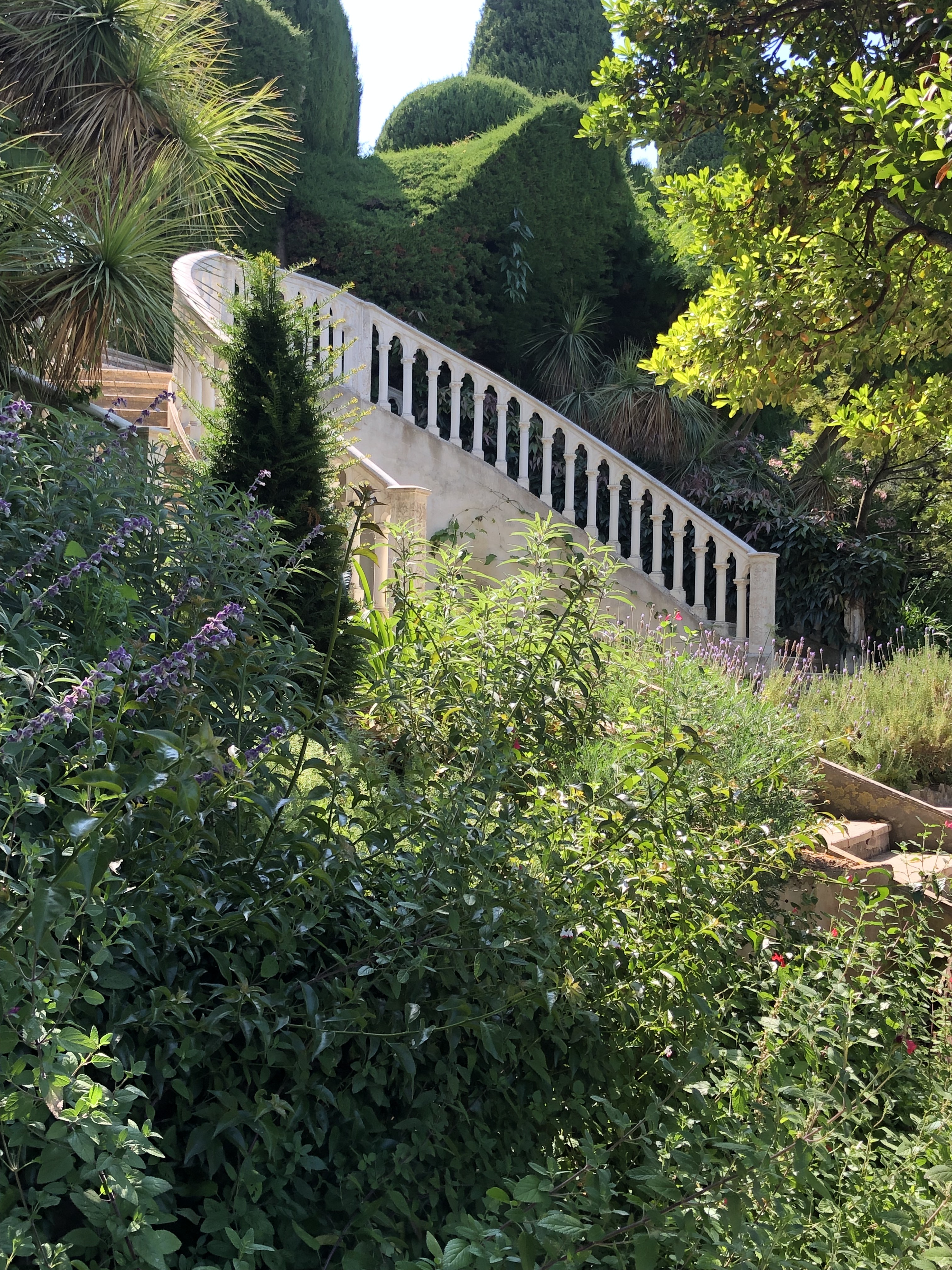
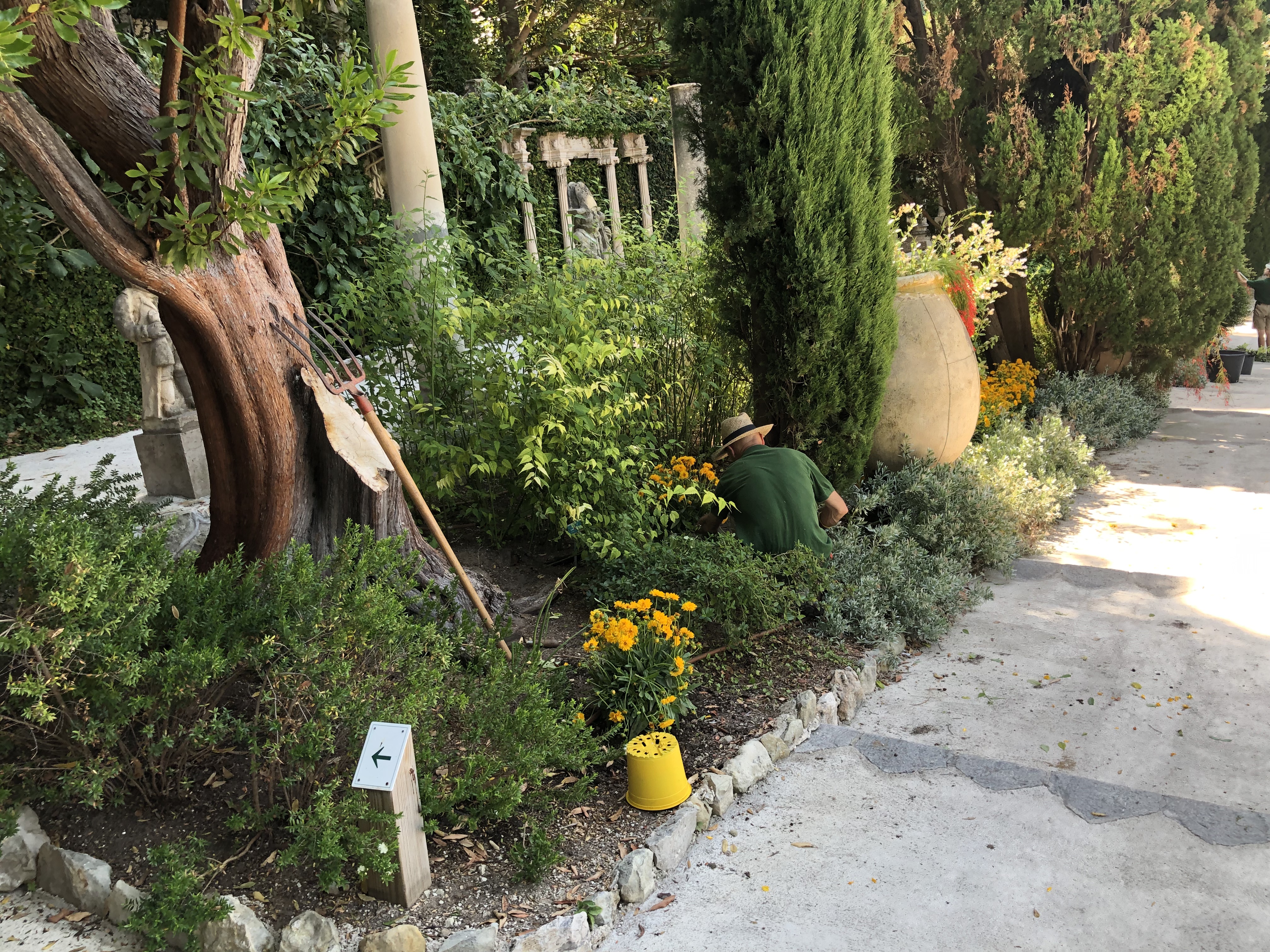
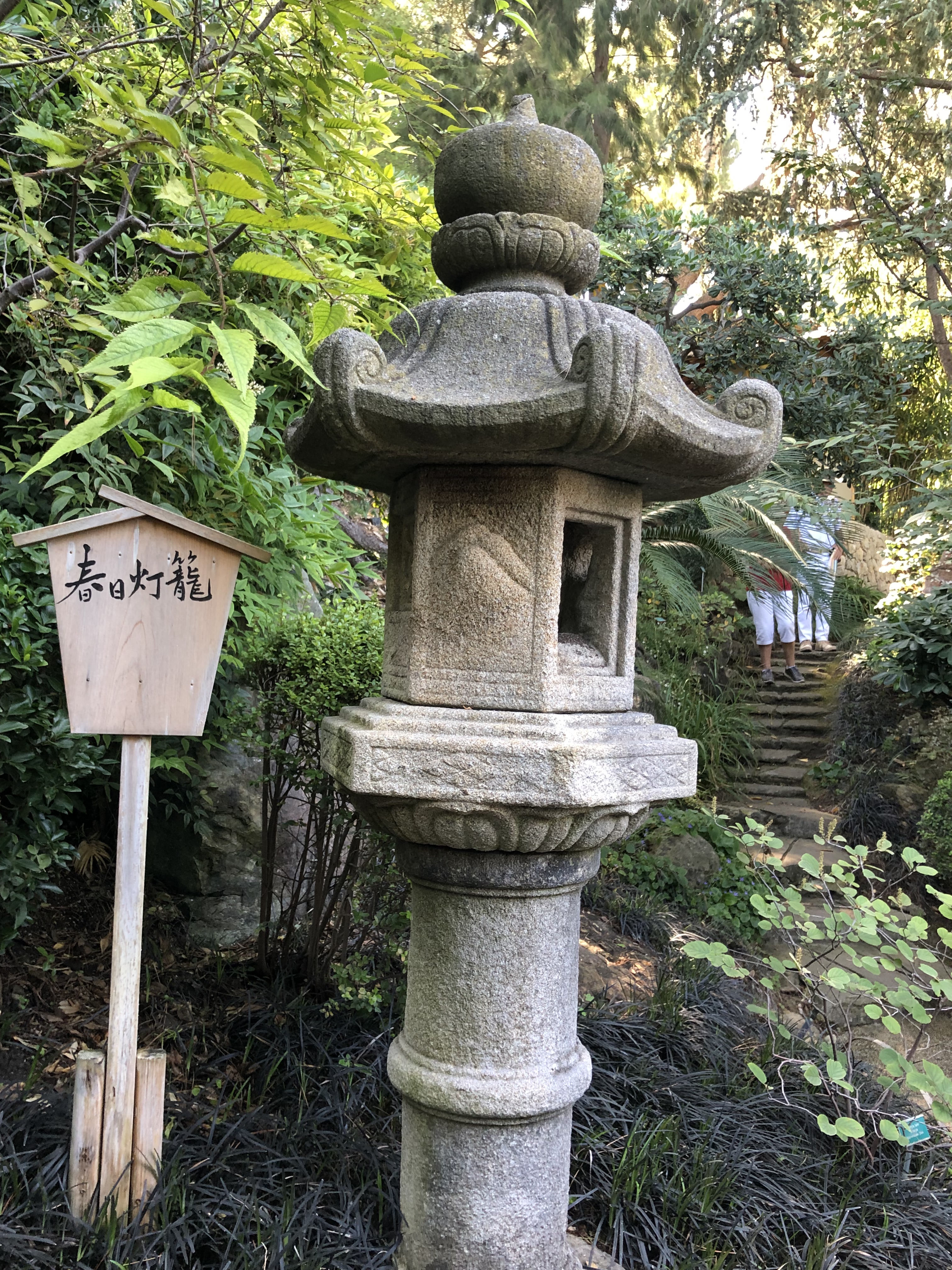
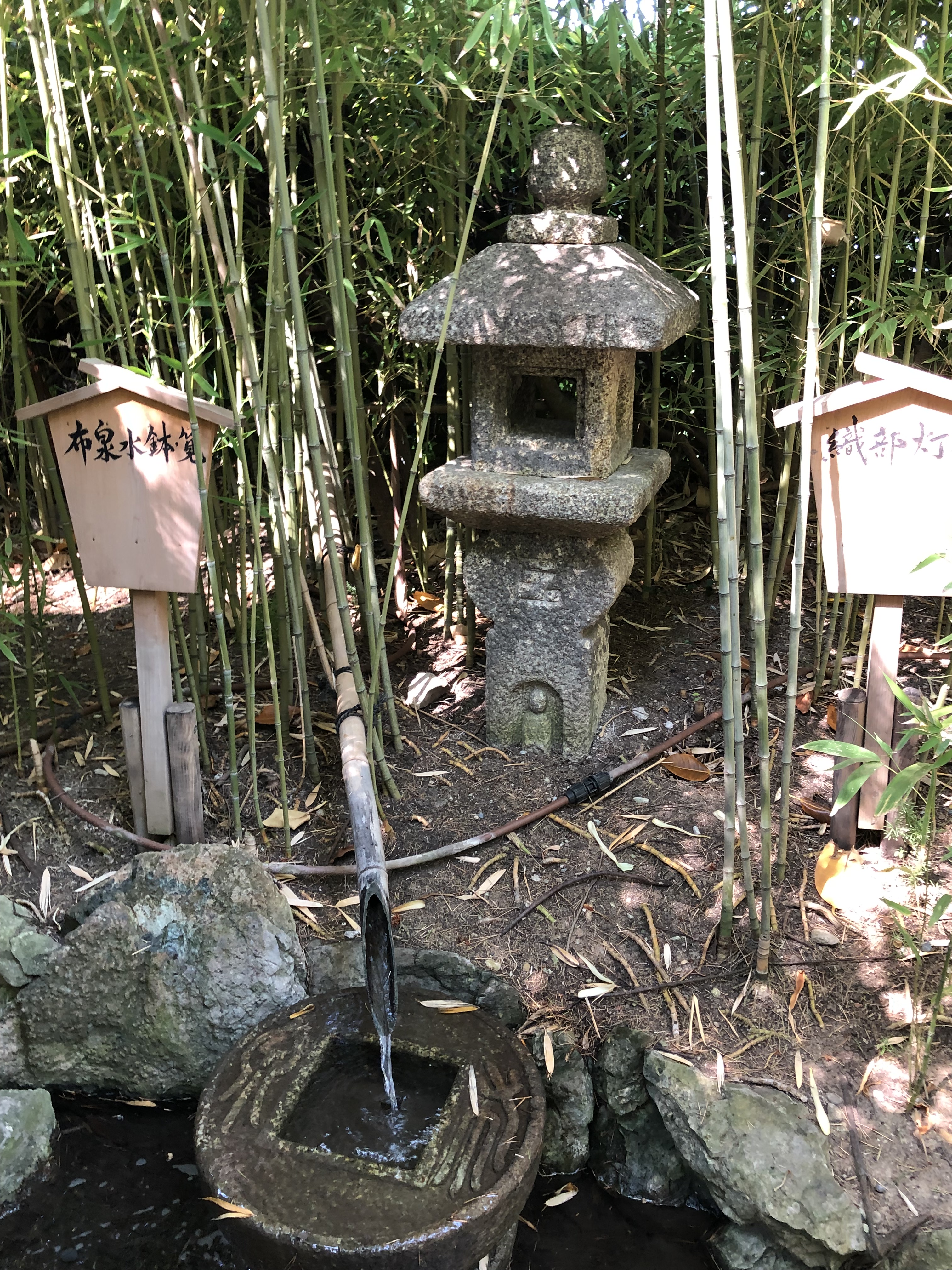
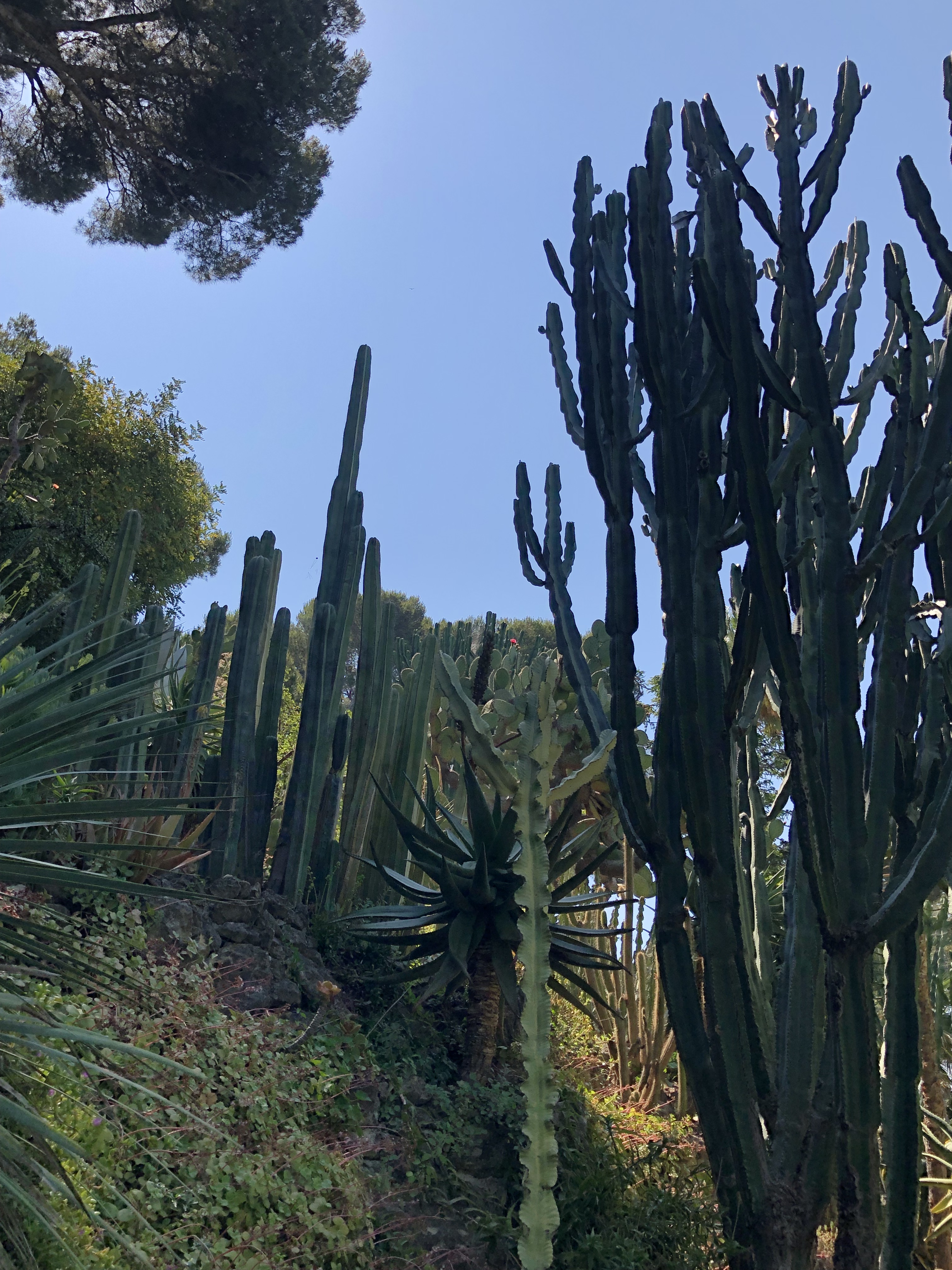
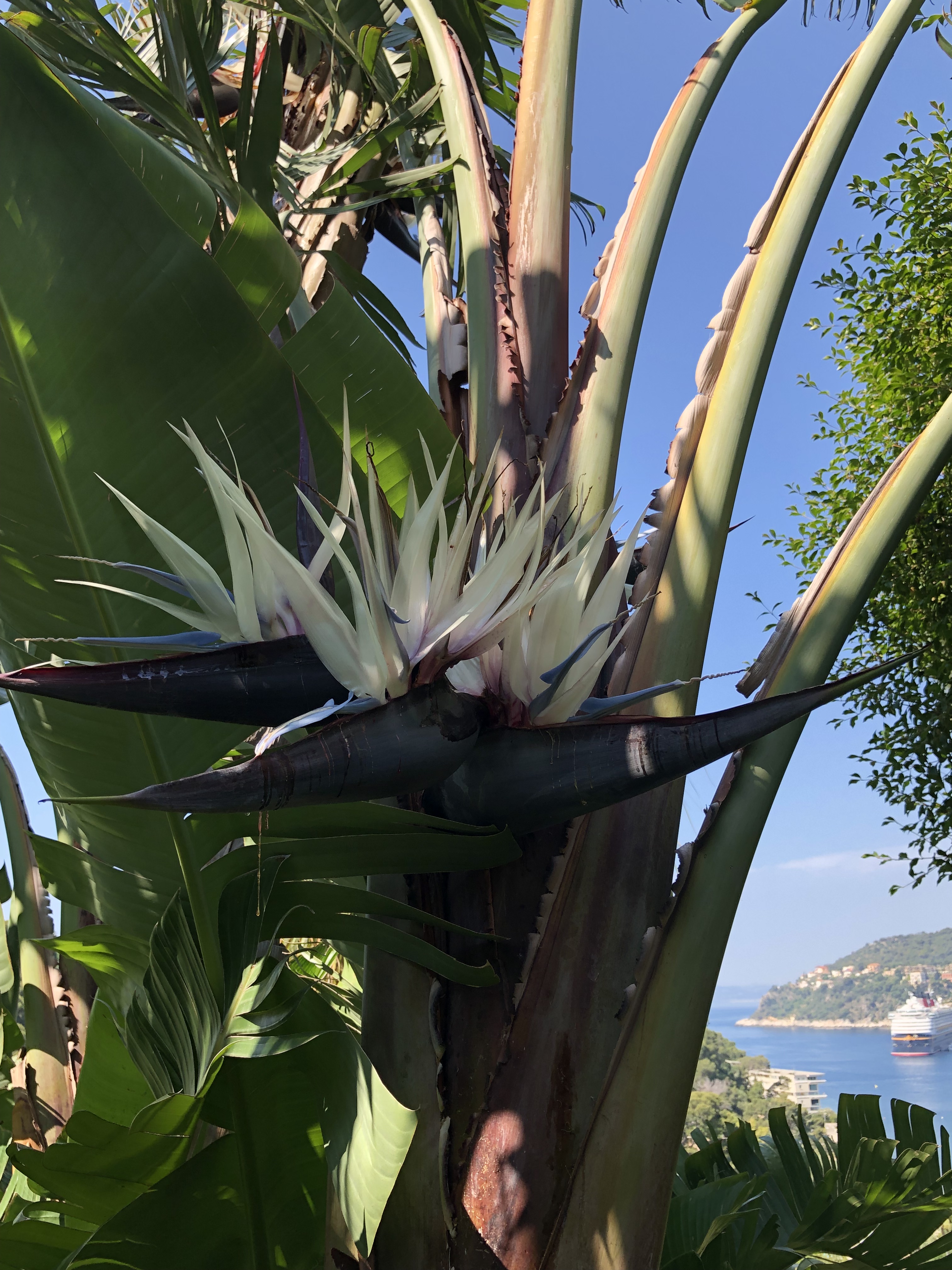
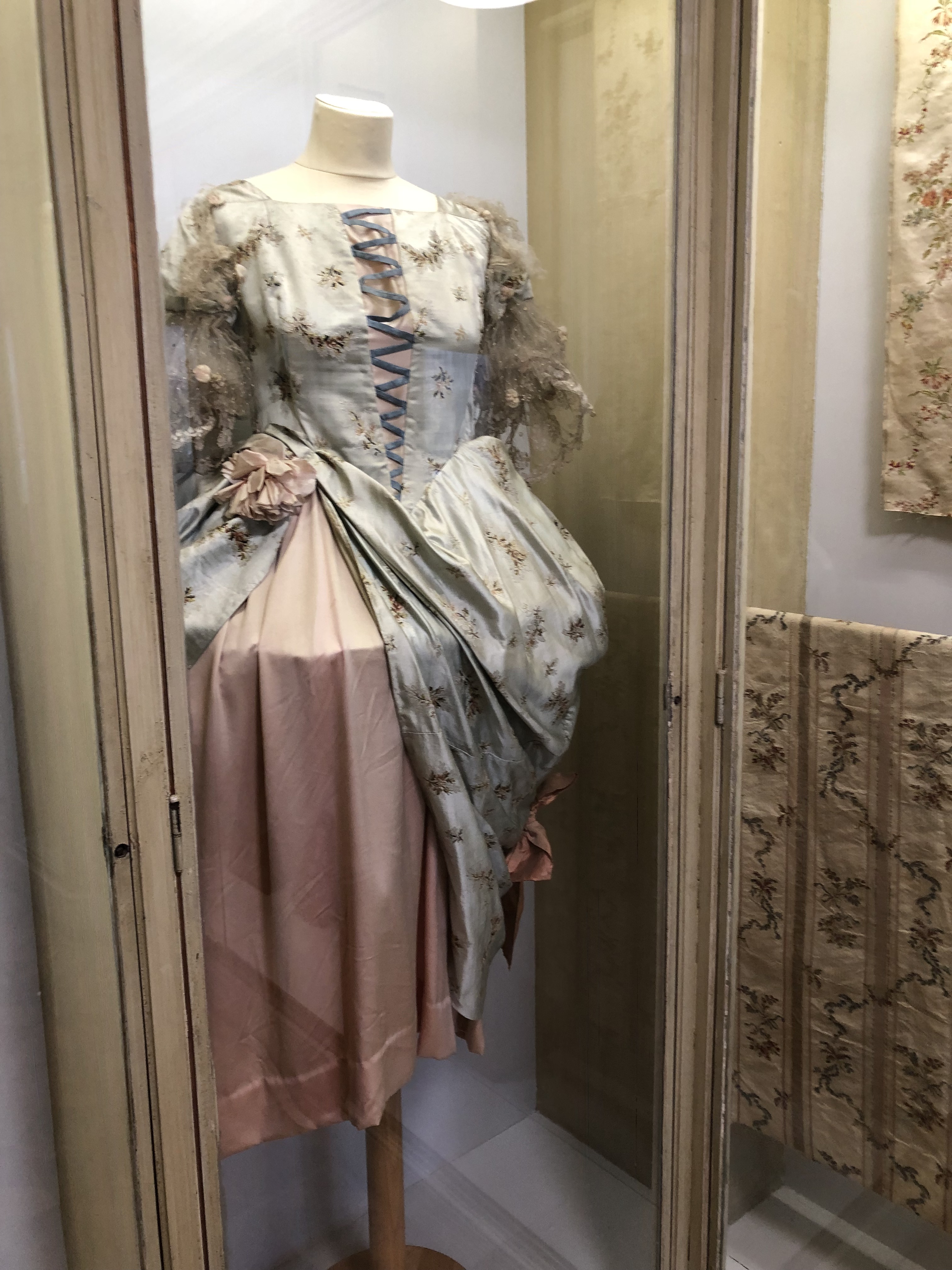
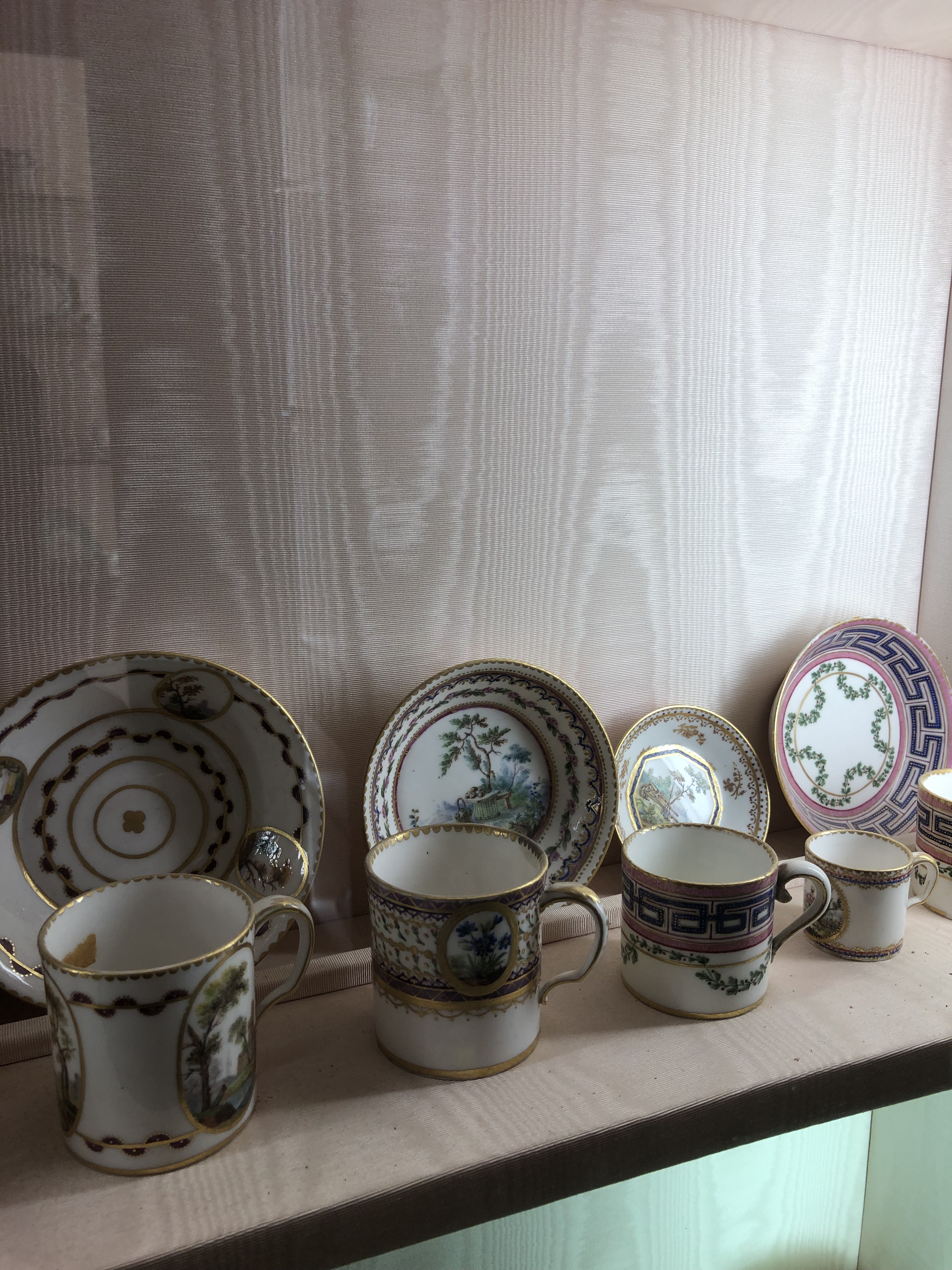
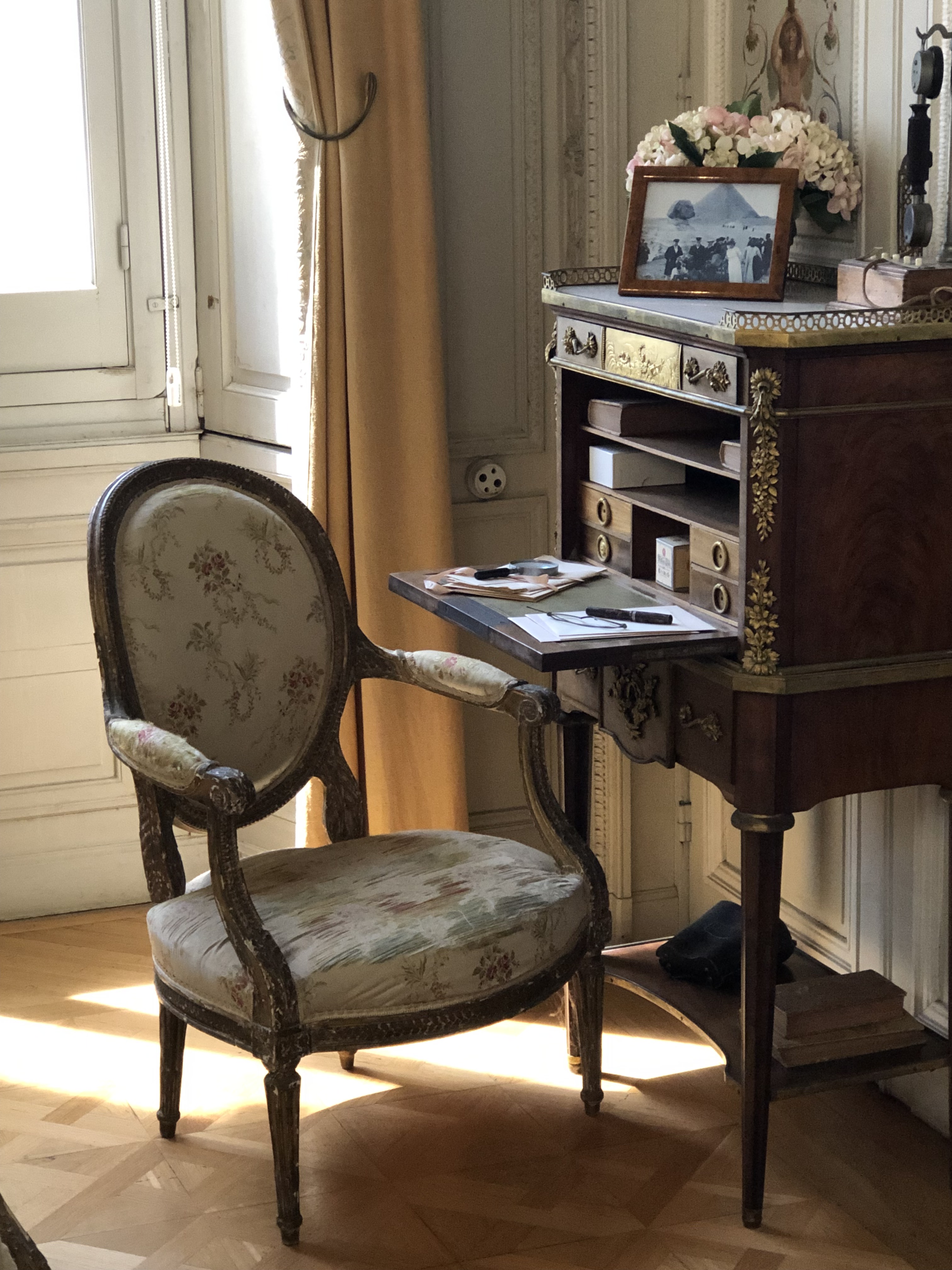
Our first thing on the itinerary today was touring Ephrussi de Rothschild Villa and gardens. The villa, located at Saint-Jean-Cap-Ferrat, was built for Baroness Beatrice de Rothschild. The Rothschild family was one of the richest families in Europe during the 1800s. It is believed that Beatrice inherited 700 million Euros from the Rothschild estate. She was married Baron Meurice de Ephrussi, from Odessa, Russia (now Ukraine) who made his fortune as a banker and exporter of wheat. Beatrice quickly became unhappy in her marriage and used travel, and later building the villa, as an escape. Ephrussi de Rothschild Villa was built between 1905 and 1912. It was filled with antique furniture, paintings by “old master” artists, rare porcelain, and tapestry rugs. There are nine gardens, each following a different theme. Must of her design style and furnishings came from her extensive traveling, including trips to Asian countries. Beatrice died in 1934 and left the property and extensive art collection to the Academie des Beaux Arts.







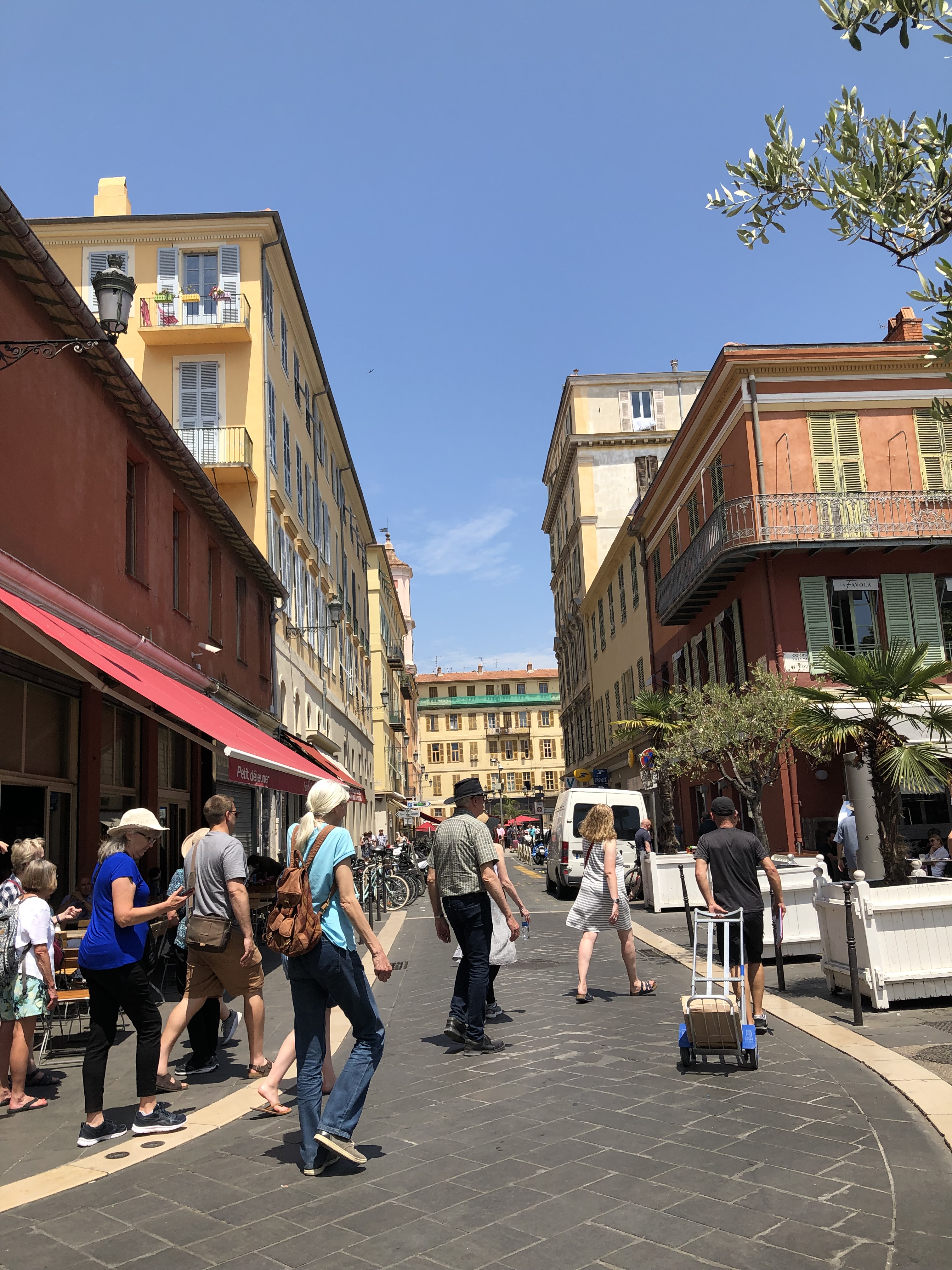
Exploring Nice’s “Old Town”
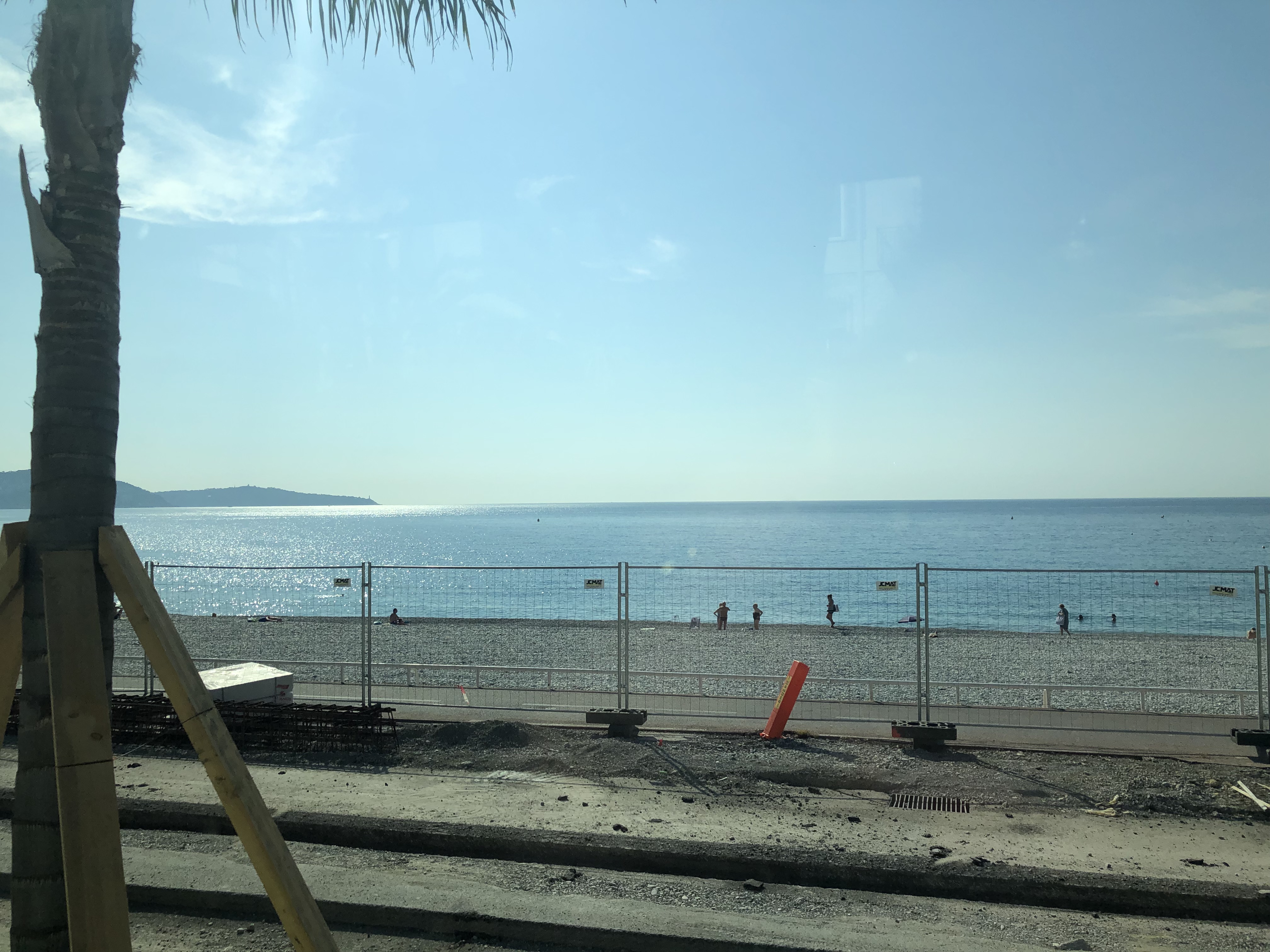
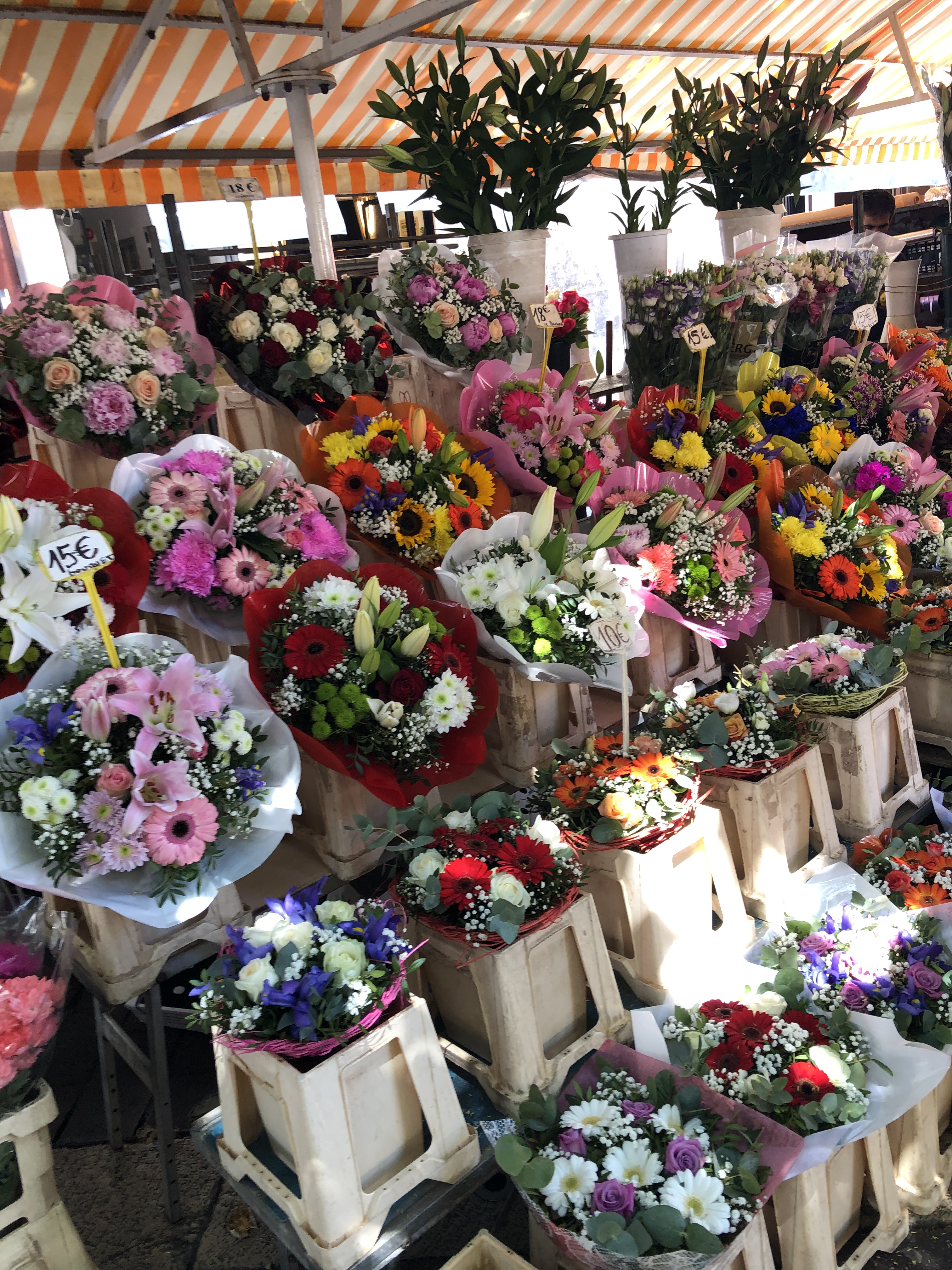
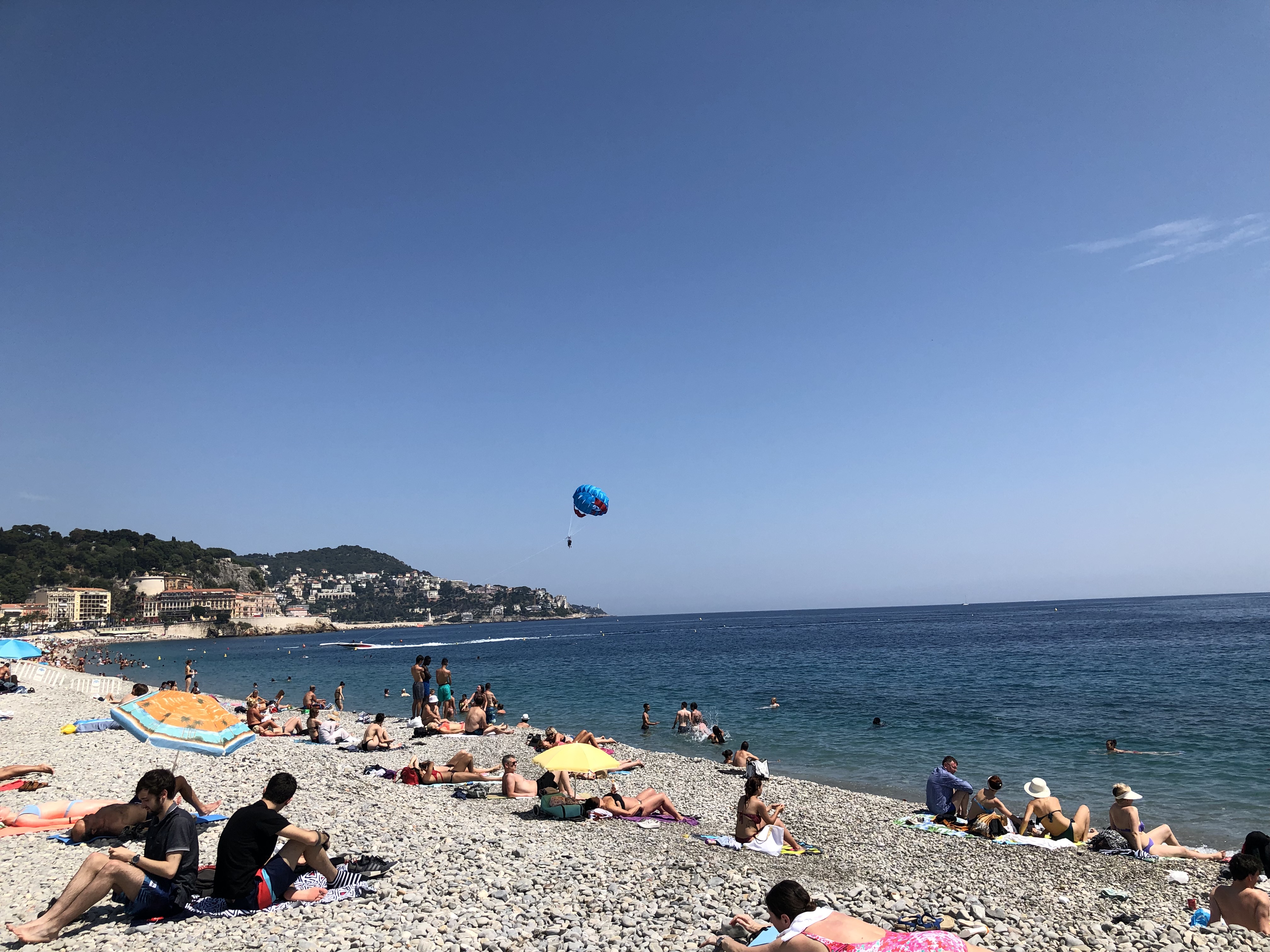
Our afternoon was spent in Old Town Nice, eating a leisurely lunch, exploring the city, shopping, and a walk along the beach. The beach was different from what we are familiar with. Instead of sand it was small round rocks. We didn’t sit on the beach so I don’t know how comfortable it would be sitting on hot stones.




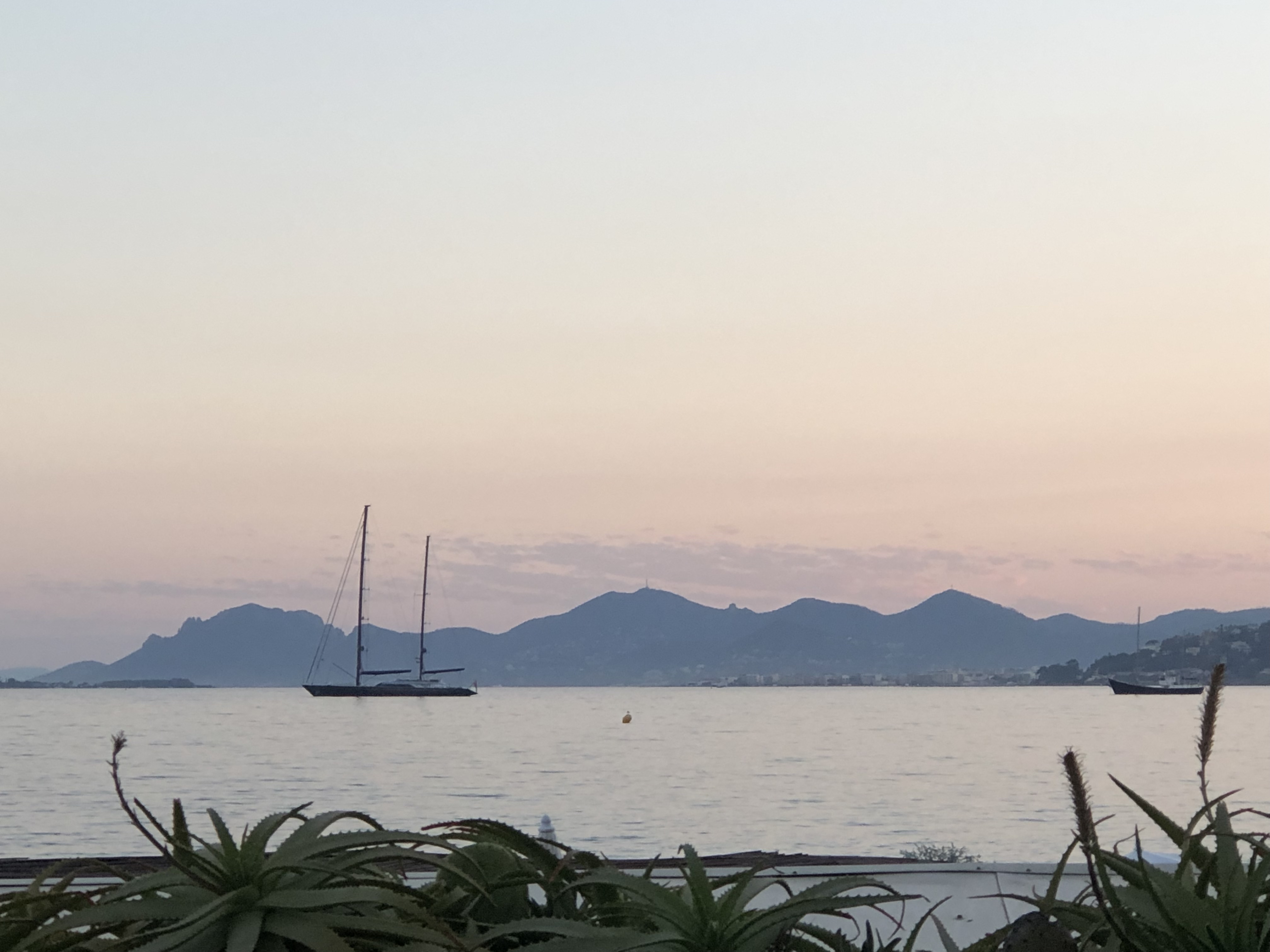
Our day closed with a return trip to Juan Les Pins and dinner on the beach.


Day 8: Travel to the Italian Riviera via Monaco
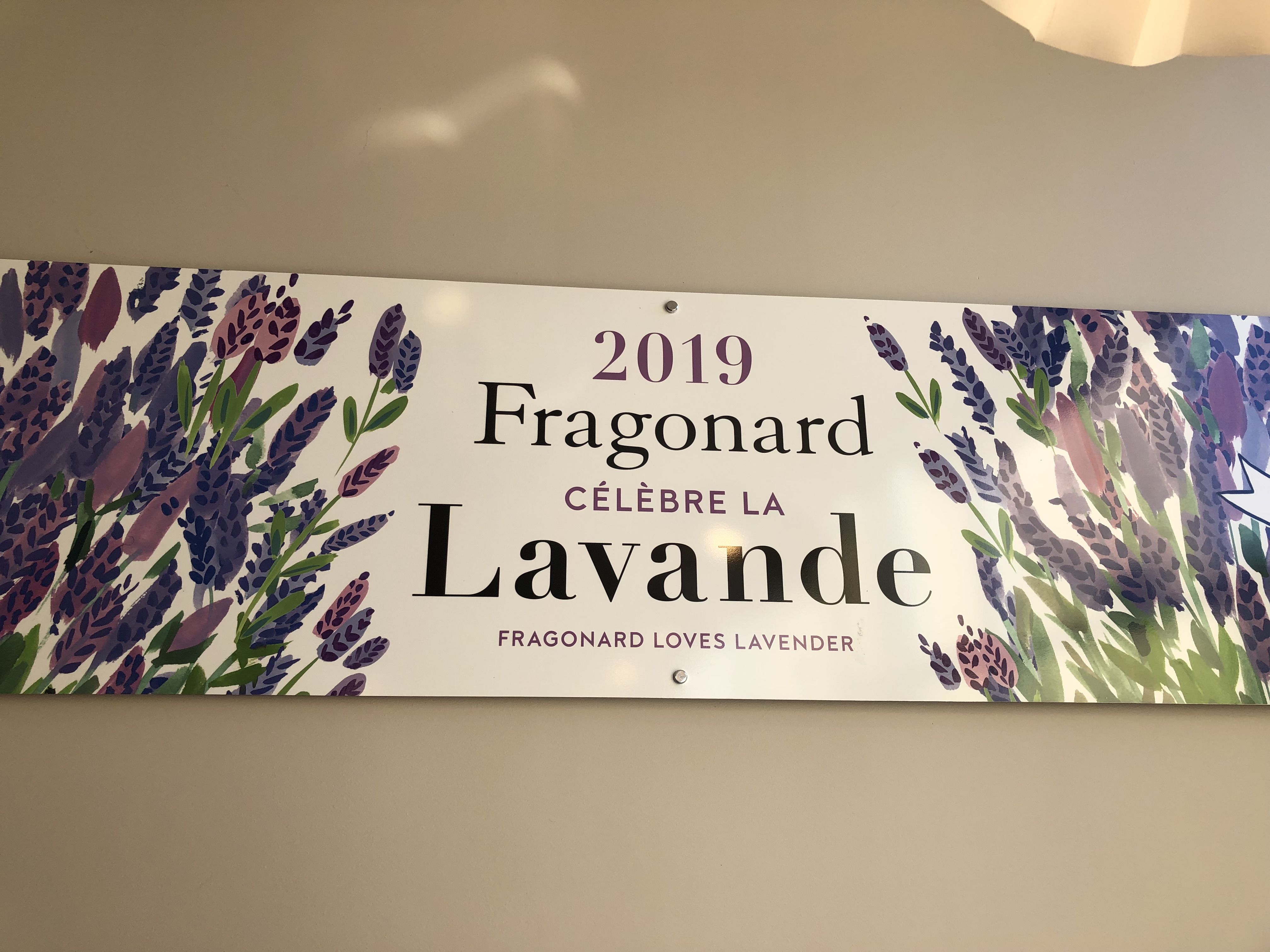
Today we leave the French Riviera to travel to the Italian Riviera with a short stop in the principality of Monaco for lunch. En route to Monaco, we made a stop at the Fragonard in Grasse, France. Fragonard is a “perfumery house” or perfume factory that has been operating since 1926. Each year they select one flower to be the “flower of the year”. This year the flower is lavender, one of my favorite flowers and essential oils. So of course I purchased many lavender products to bring home. Learning about the process of make perfume was very interesting. Now it makes sense why good quality perfumes are expensive.
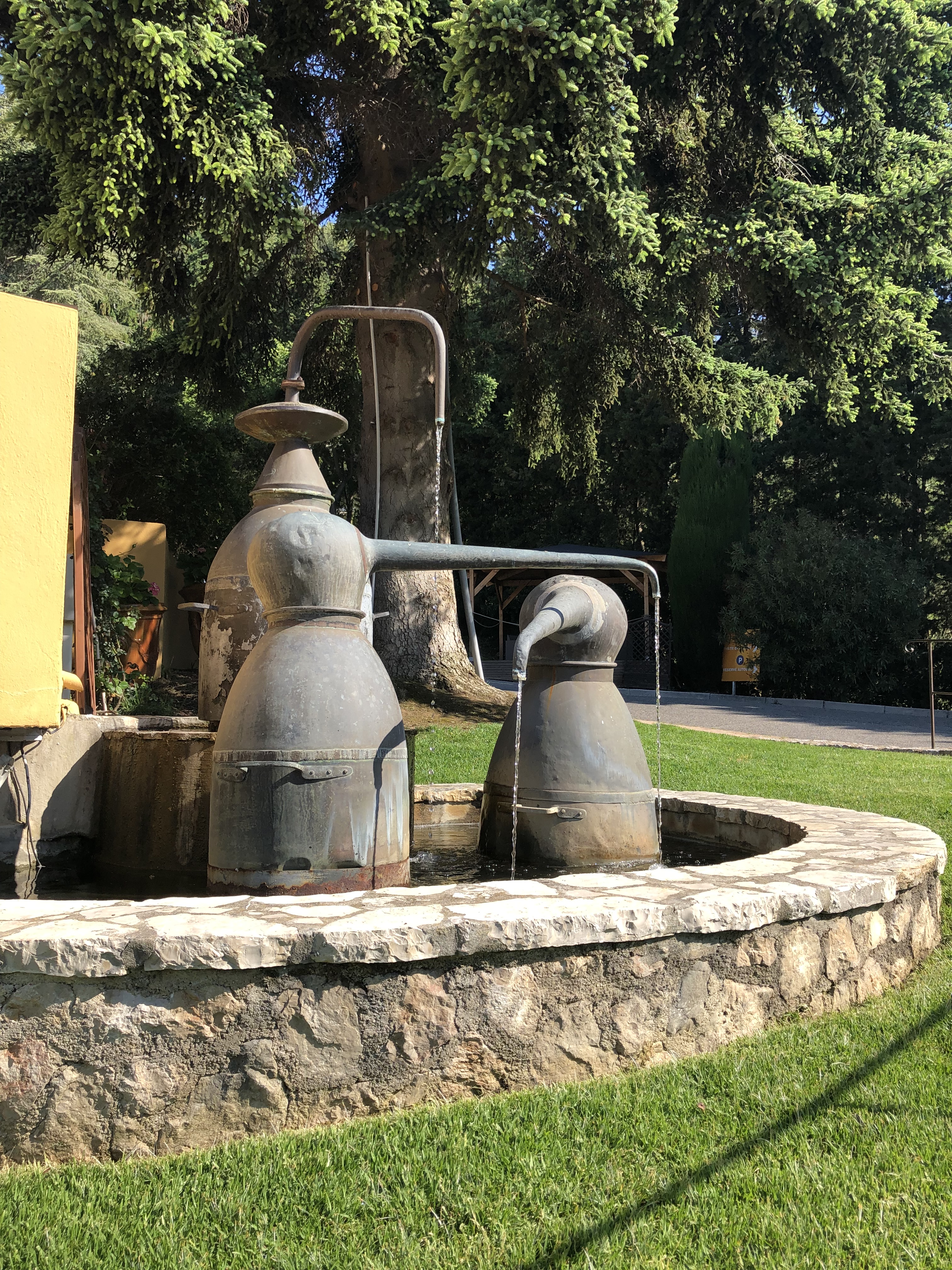
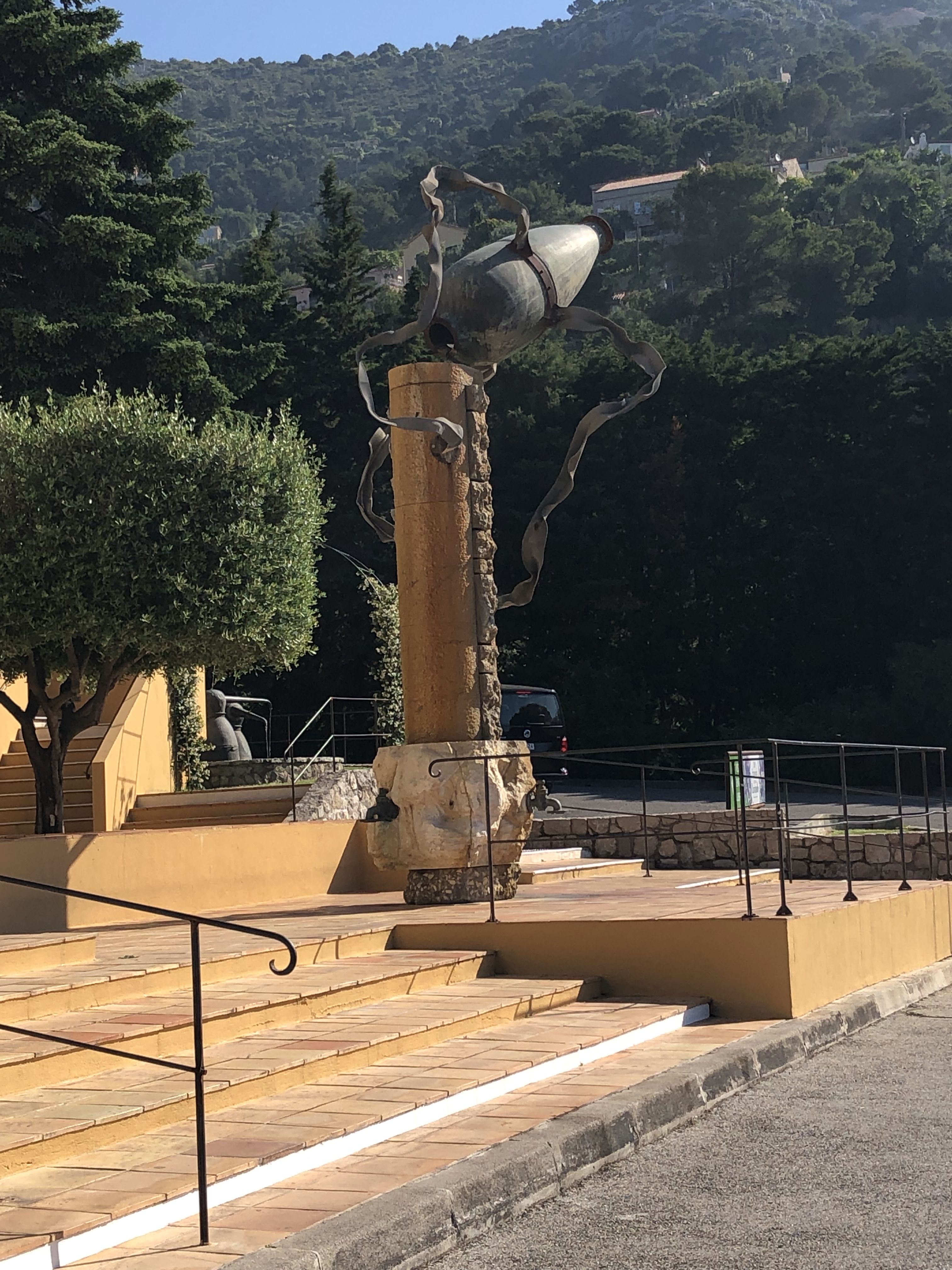
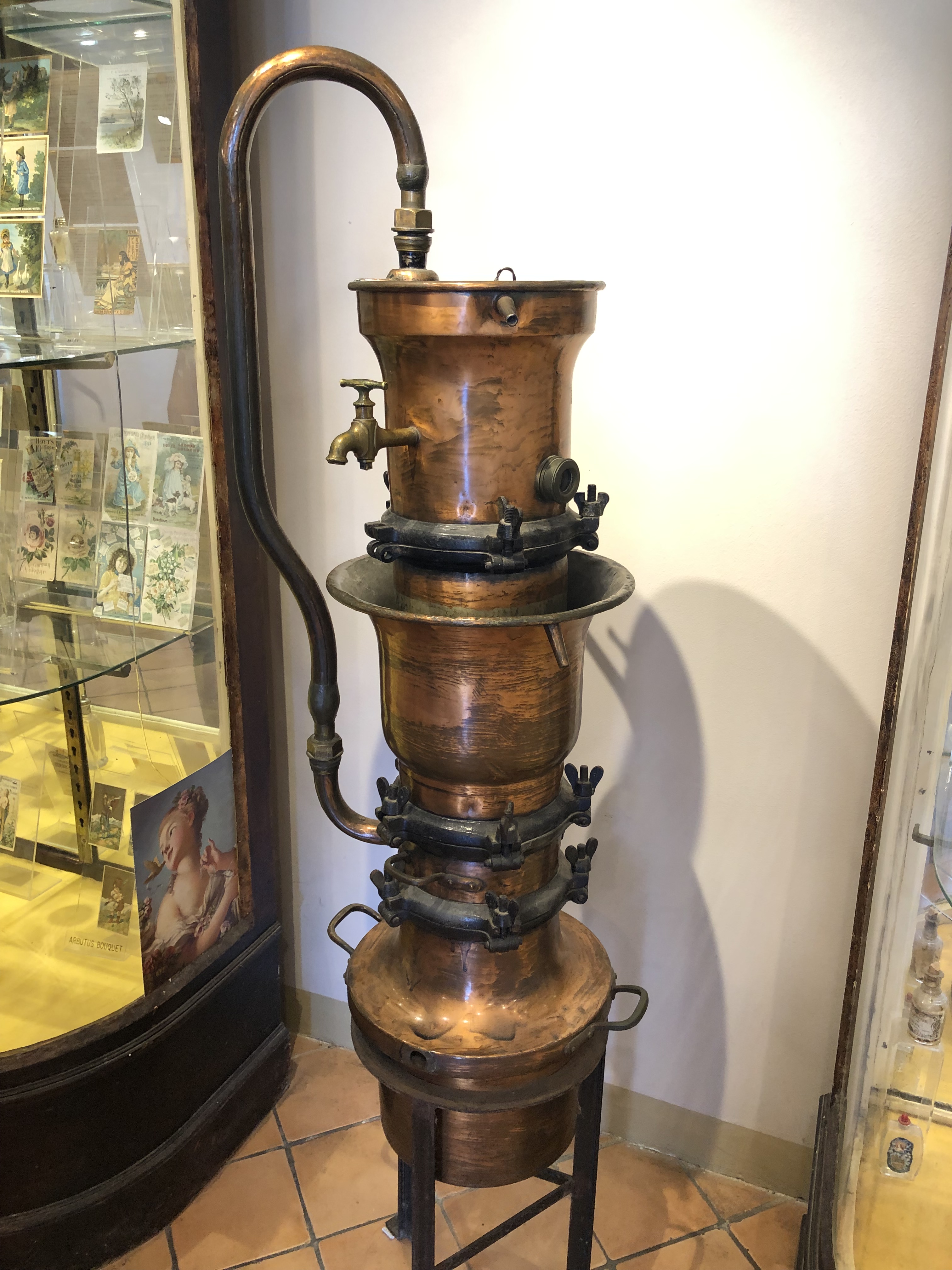
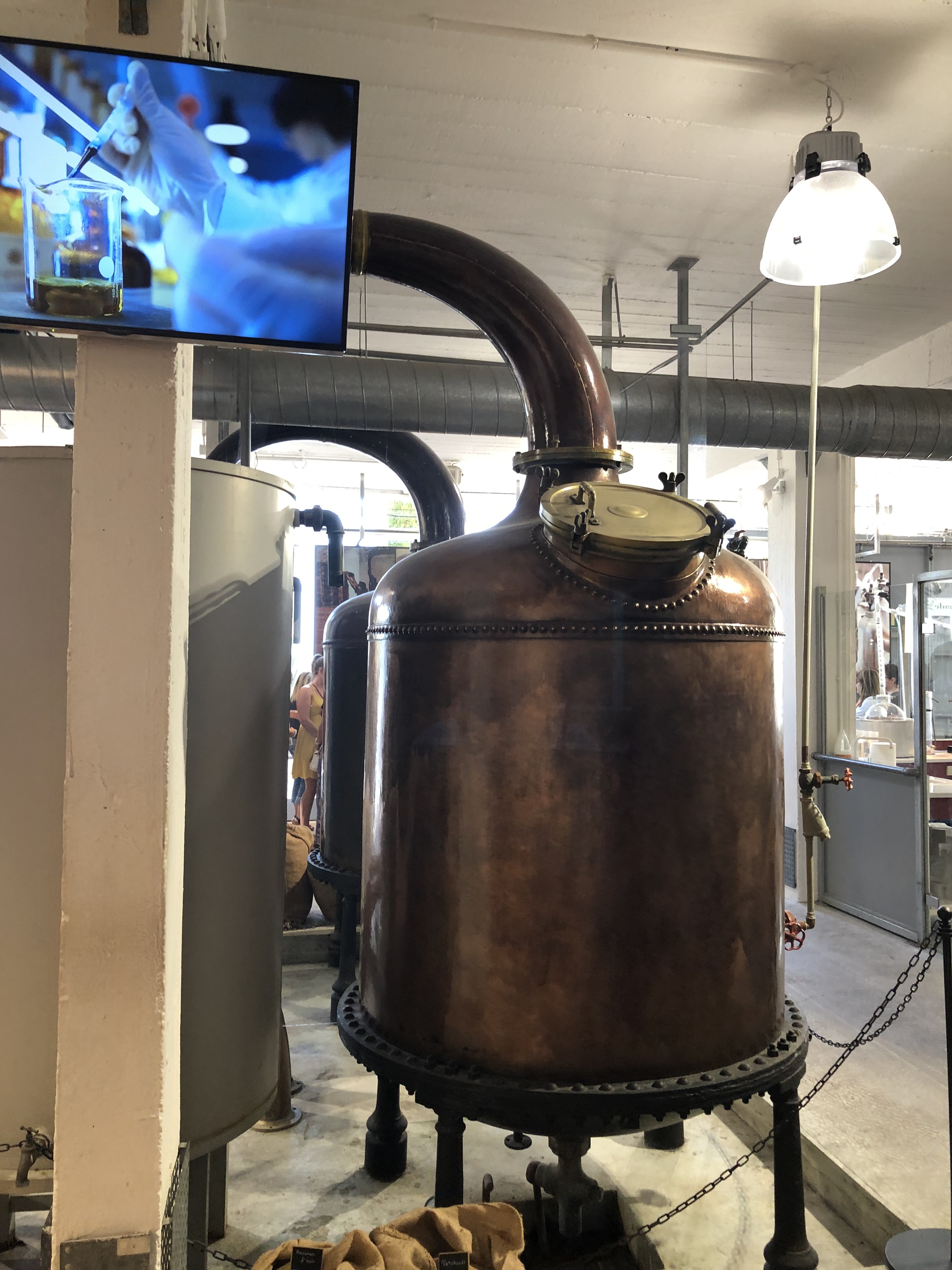

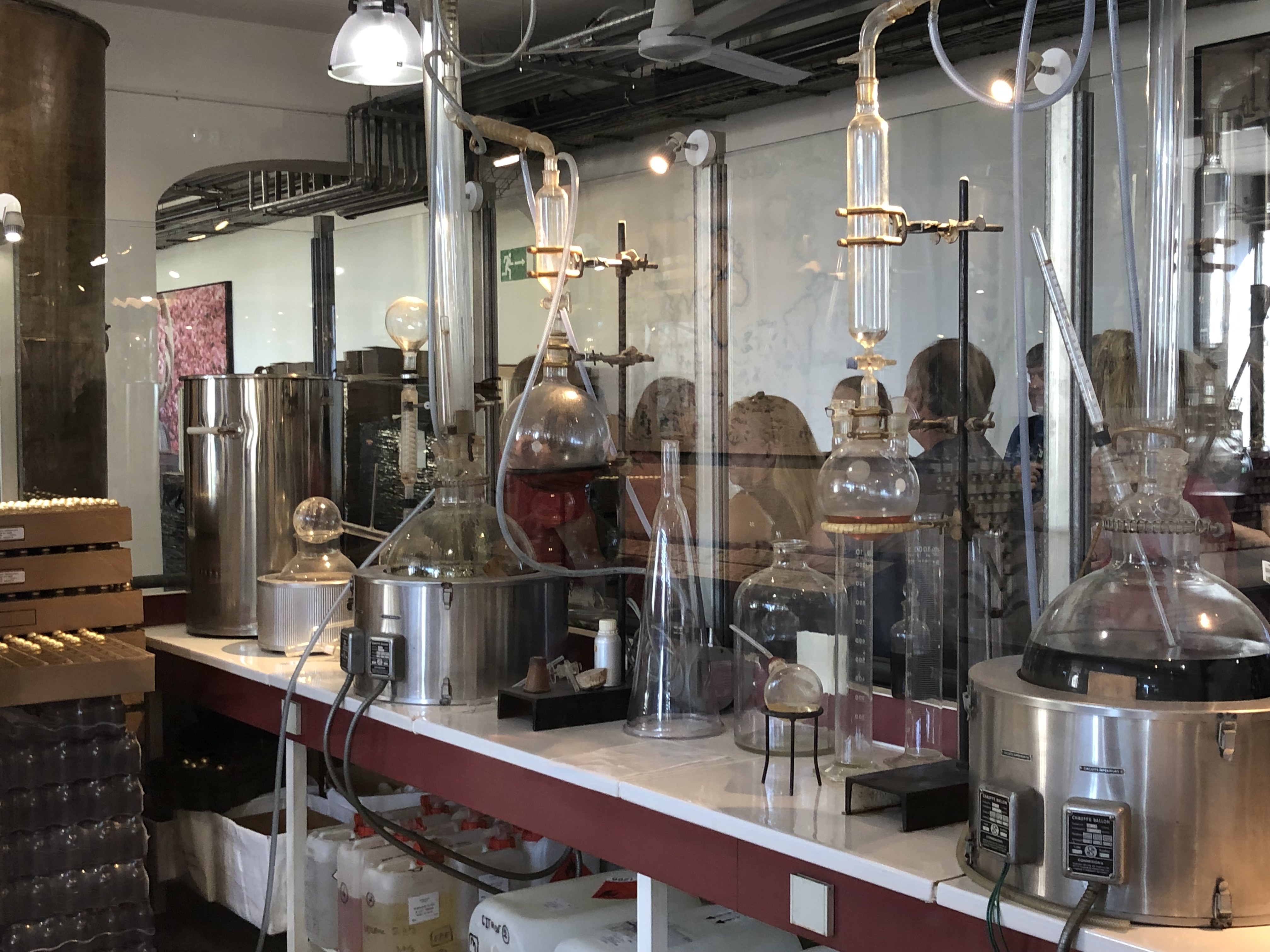
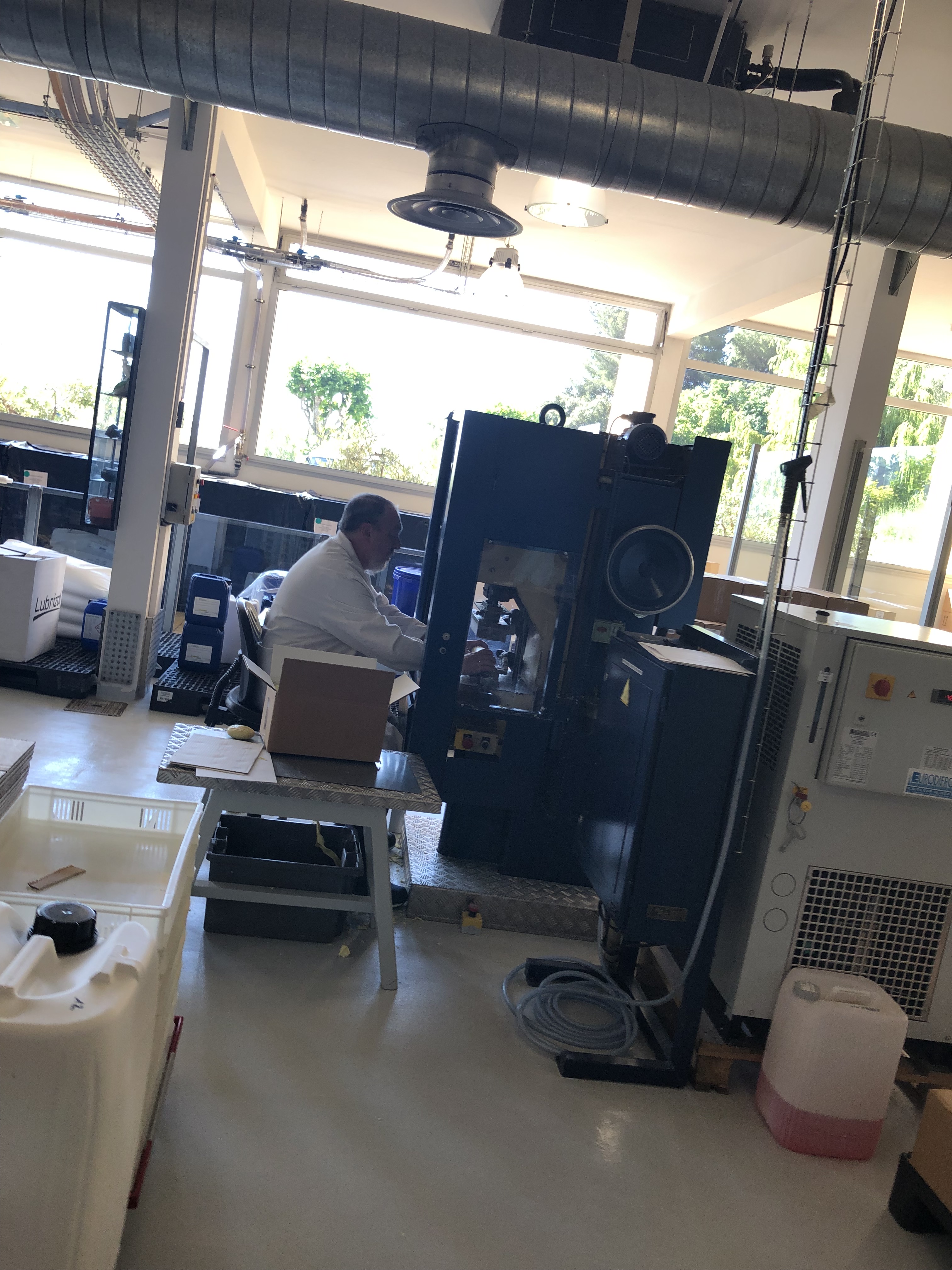
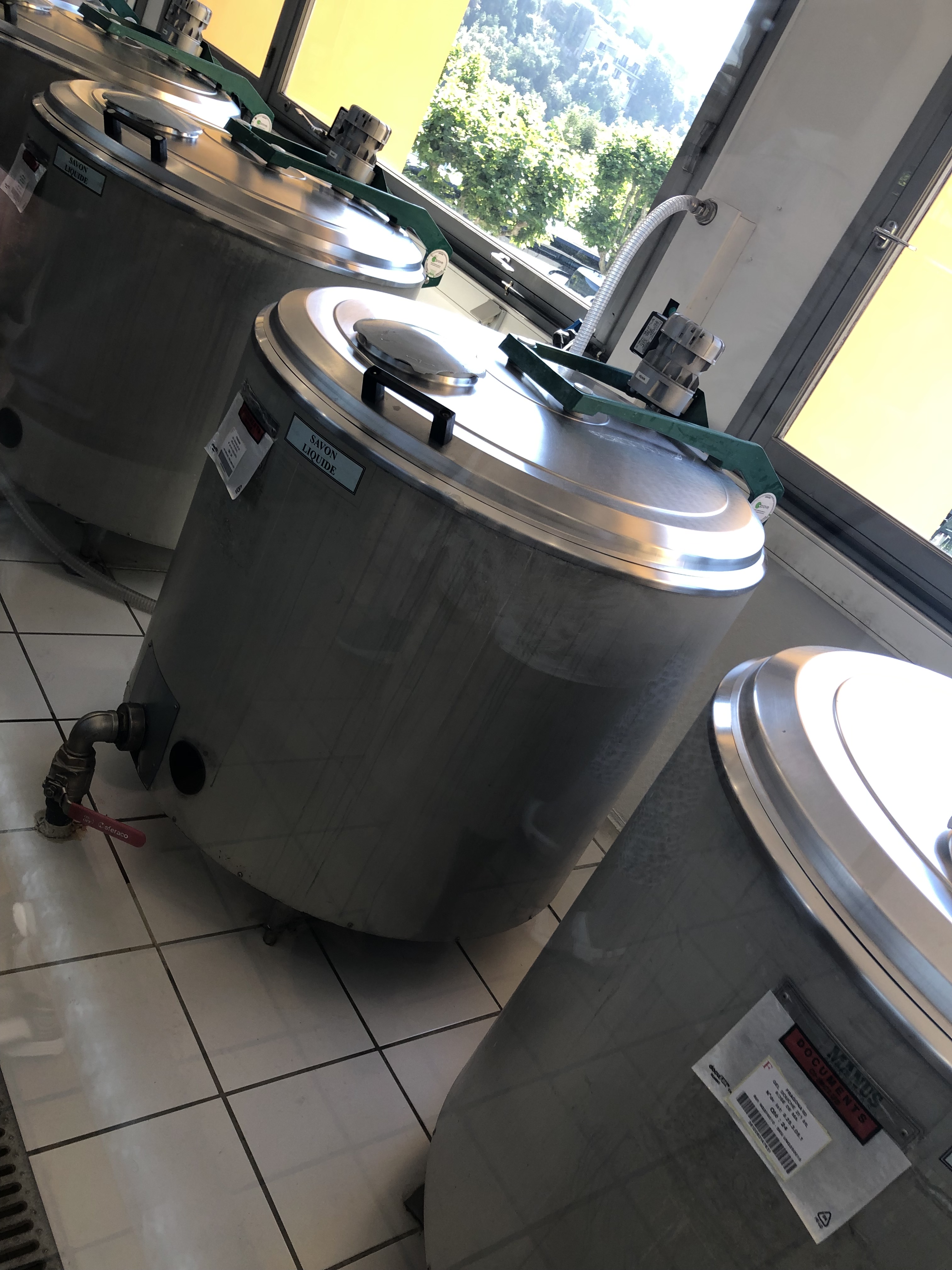
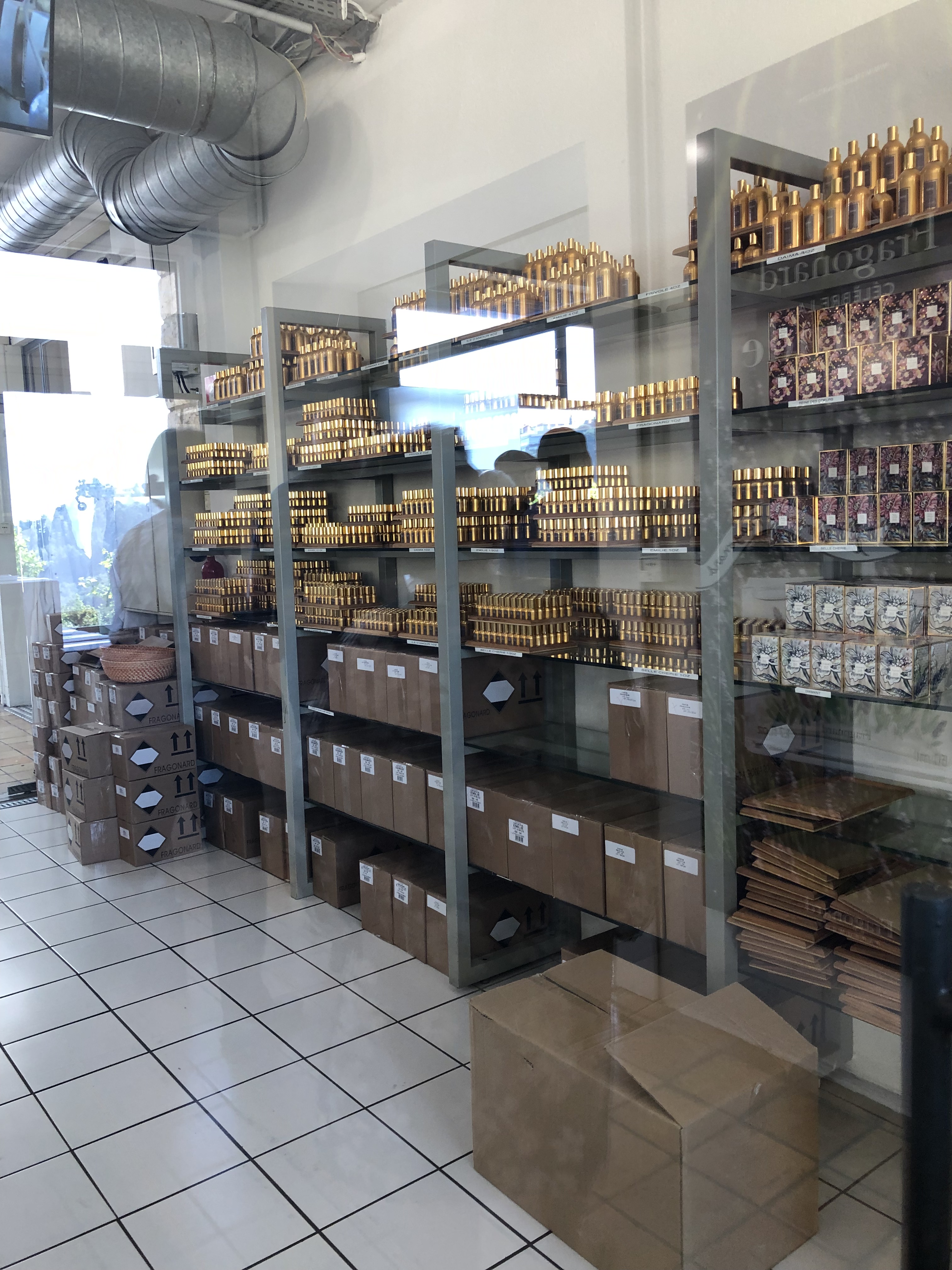
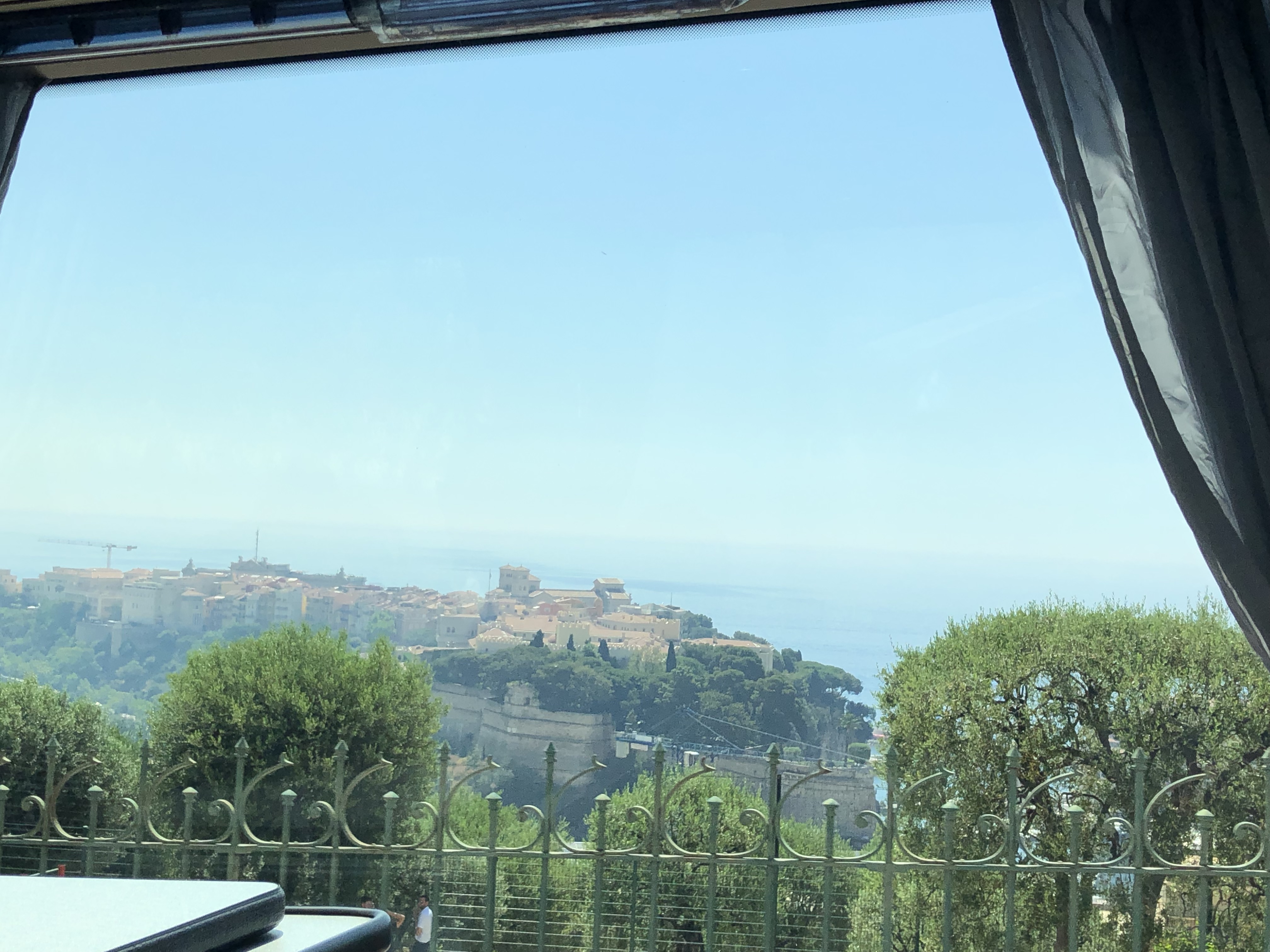
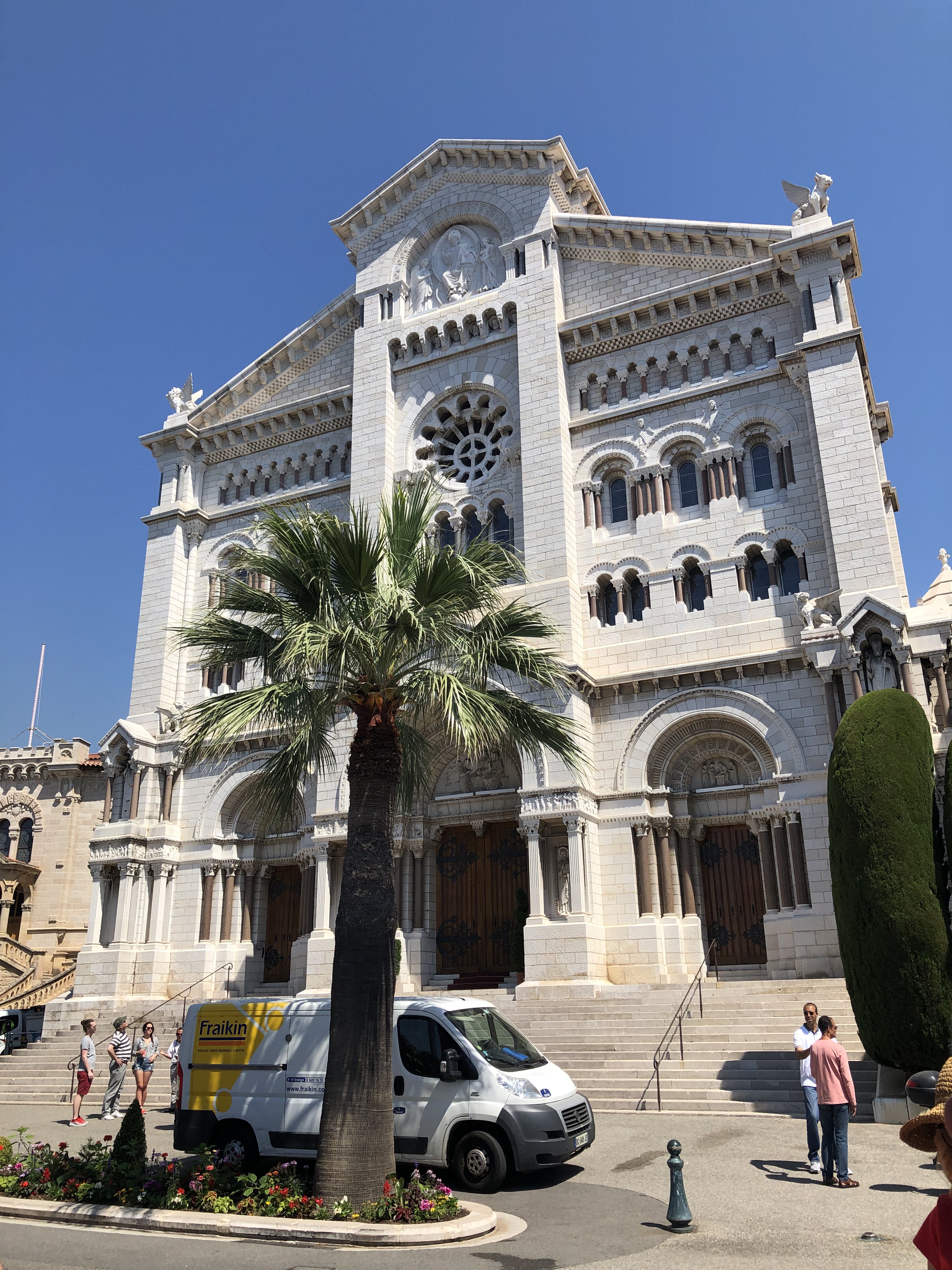
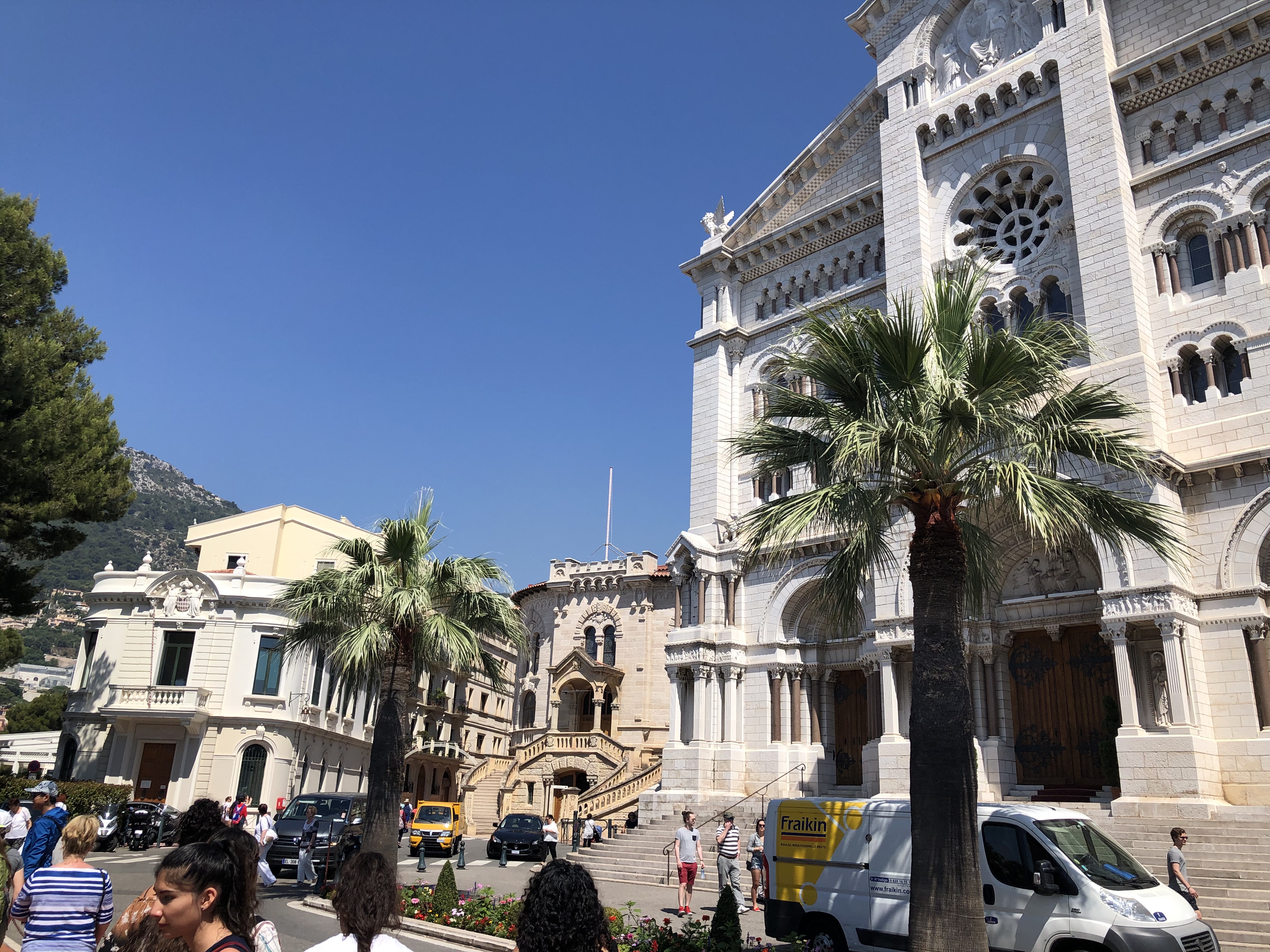
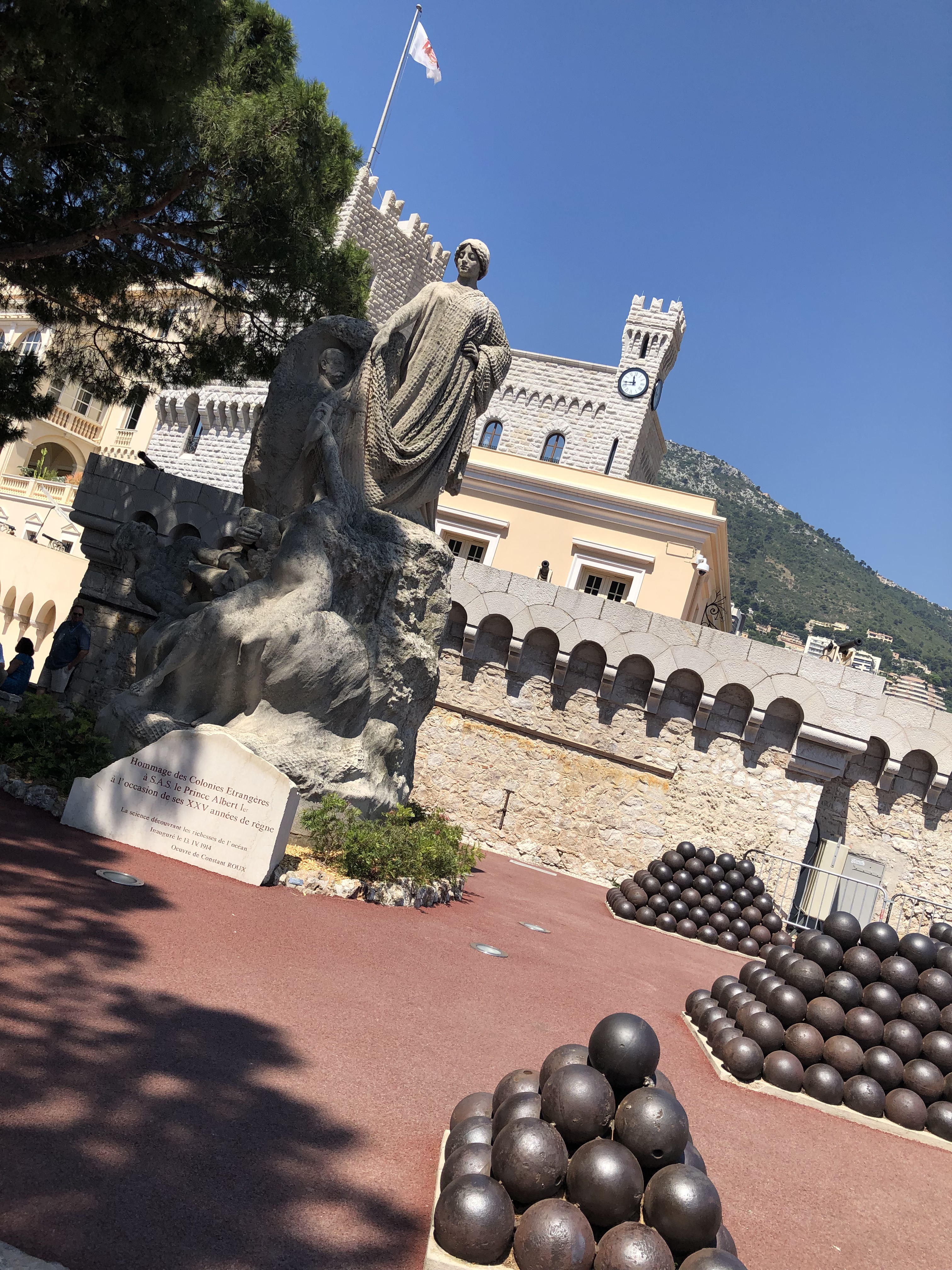
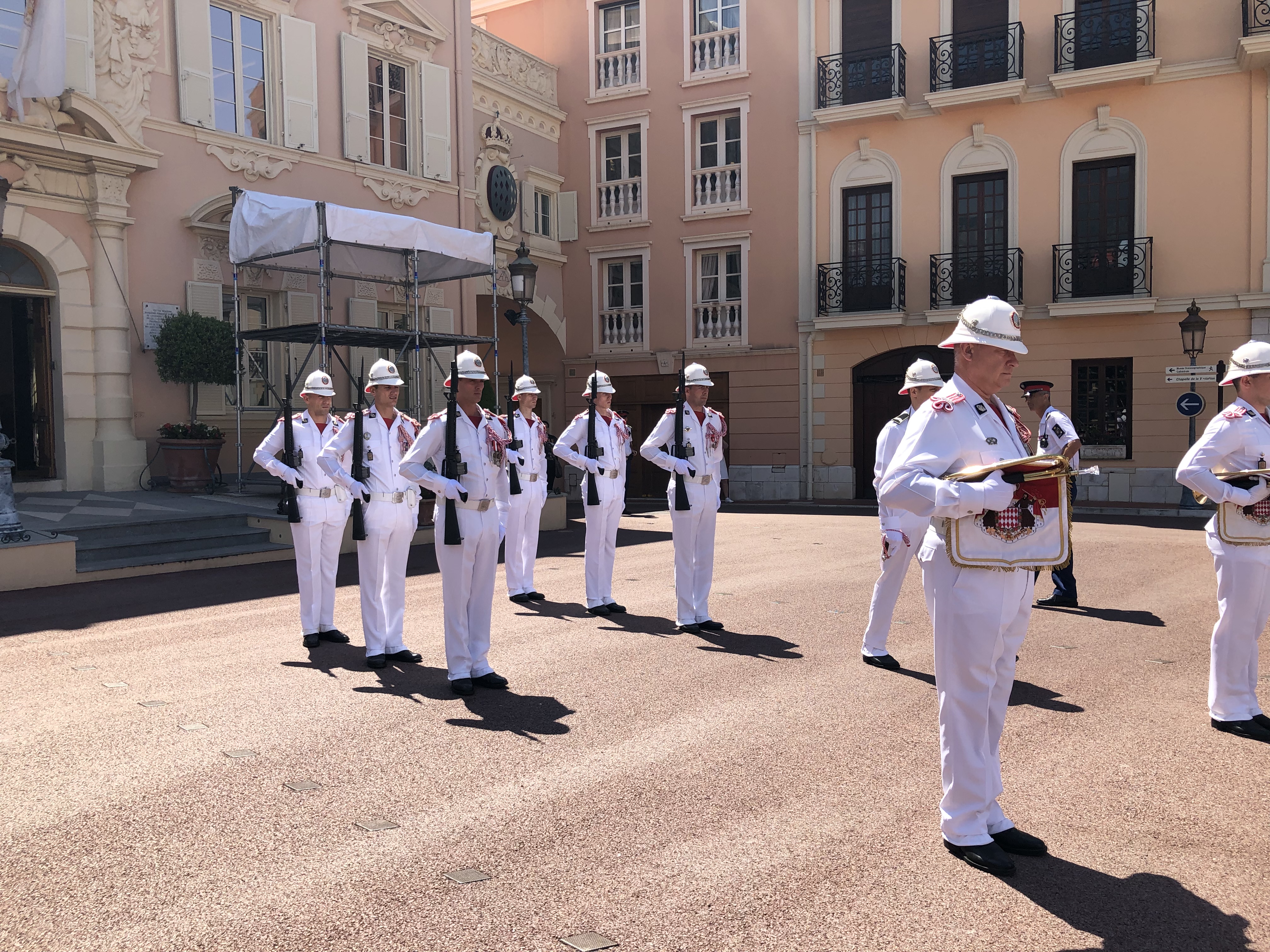
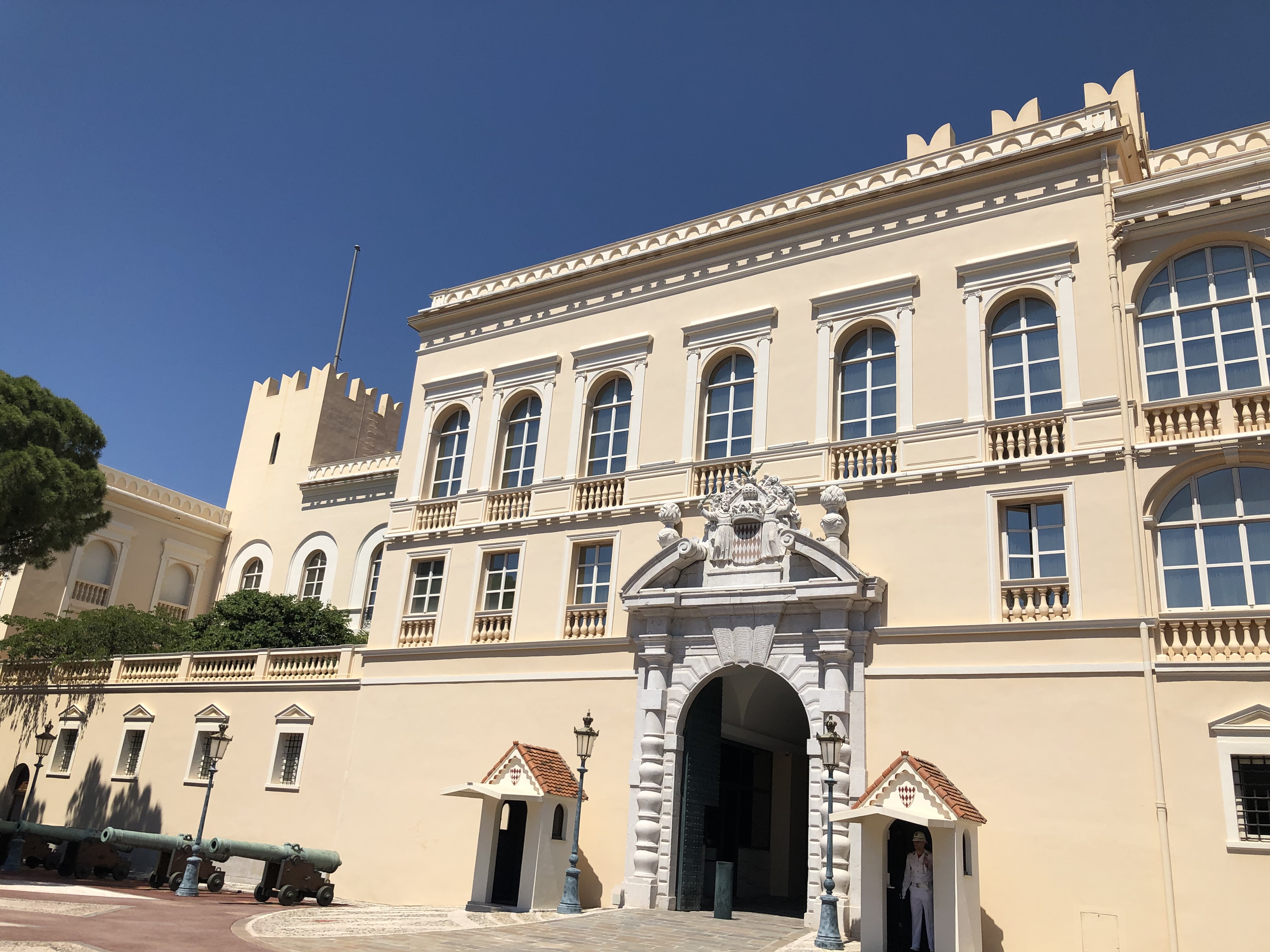
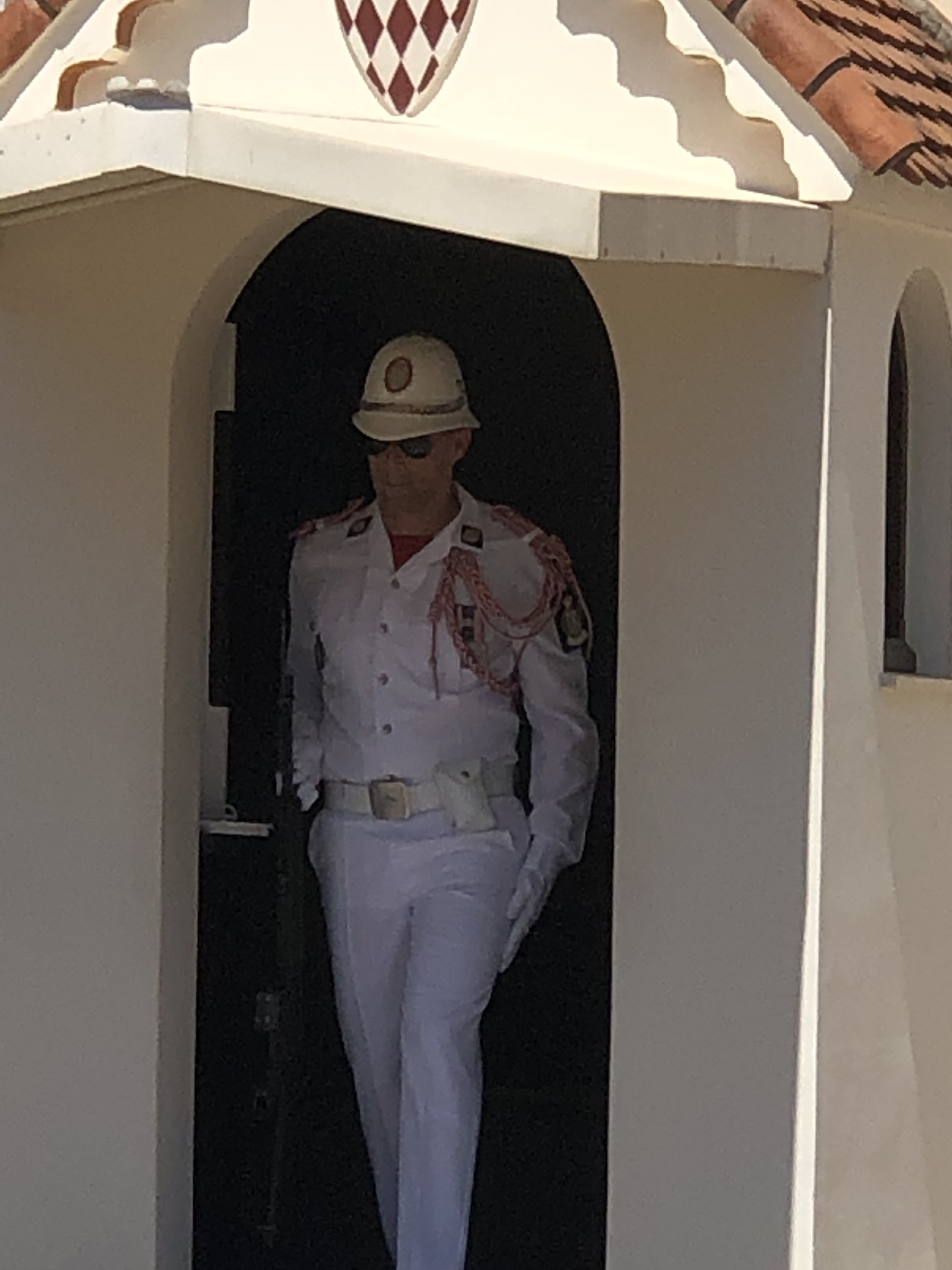
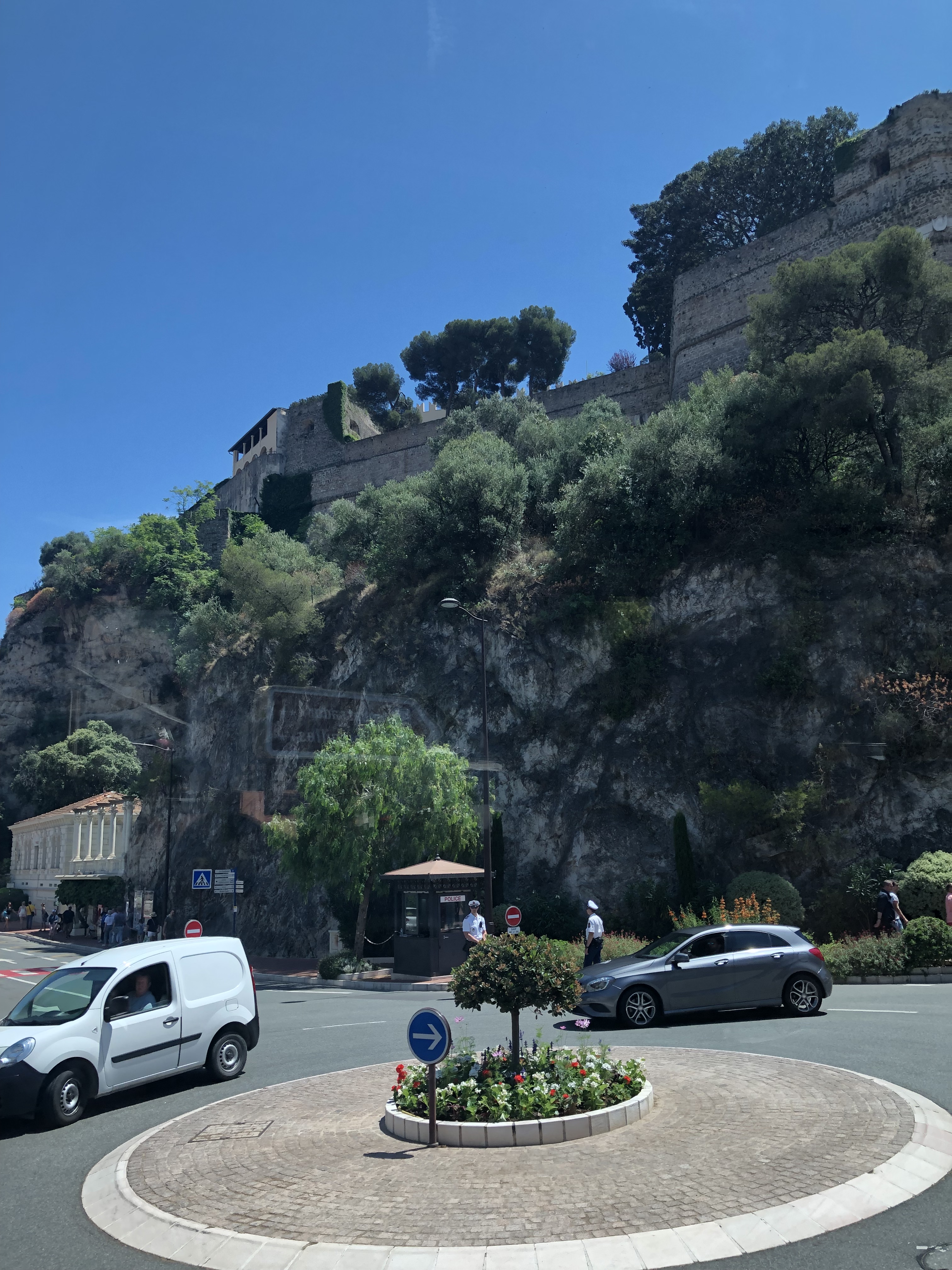
Our next stop was in Principality of Monaco. After a quick tour of the city/state by bus, we stopped at Le Rocher, or the Rock of Monaco, to see the cathedral, palace, changing of the guard and explore “Old Town” known as Monaco-Ville.
Monaco is 0.780 square miles and the second smallest country in the world after Vatican City. The population is 38,400 people, the most densely populated sovereign state in the world. As a Constitutional Monarch, the head of state is Prince Albert II, from the House of Grimaldi which has been in power, with a few interruptions, since 1297. Monaco is known for its casinos, the first being the famous Monte Carlo. It is also known for banking centers, tourism and the Formula One street race the Monaco Grand Prix.
The marriage of United States actress, Grace Kelly, to Prince Rainier III in 1956 brought much U.S. interest in the tiny state. The Princess of Monaco died in an auto accident in 1982 and is buried at the Cathedral of Our Lady Immaculate.
The Prince’s Palace, first built as a fortress in the late 12th century. Today the Principality of Monaco relies on France for defense, as it has no navy or air force. They do maintain a small military force for protection of the Prince and civil defense.
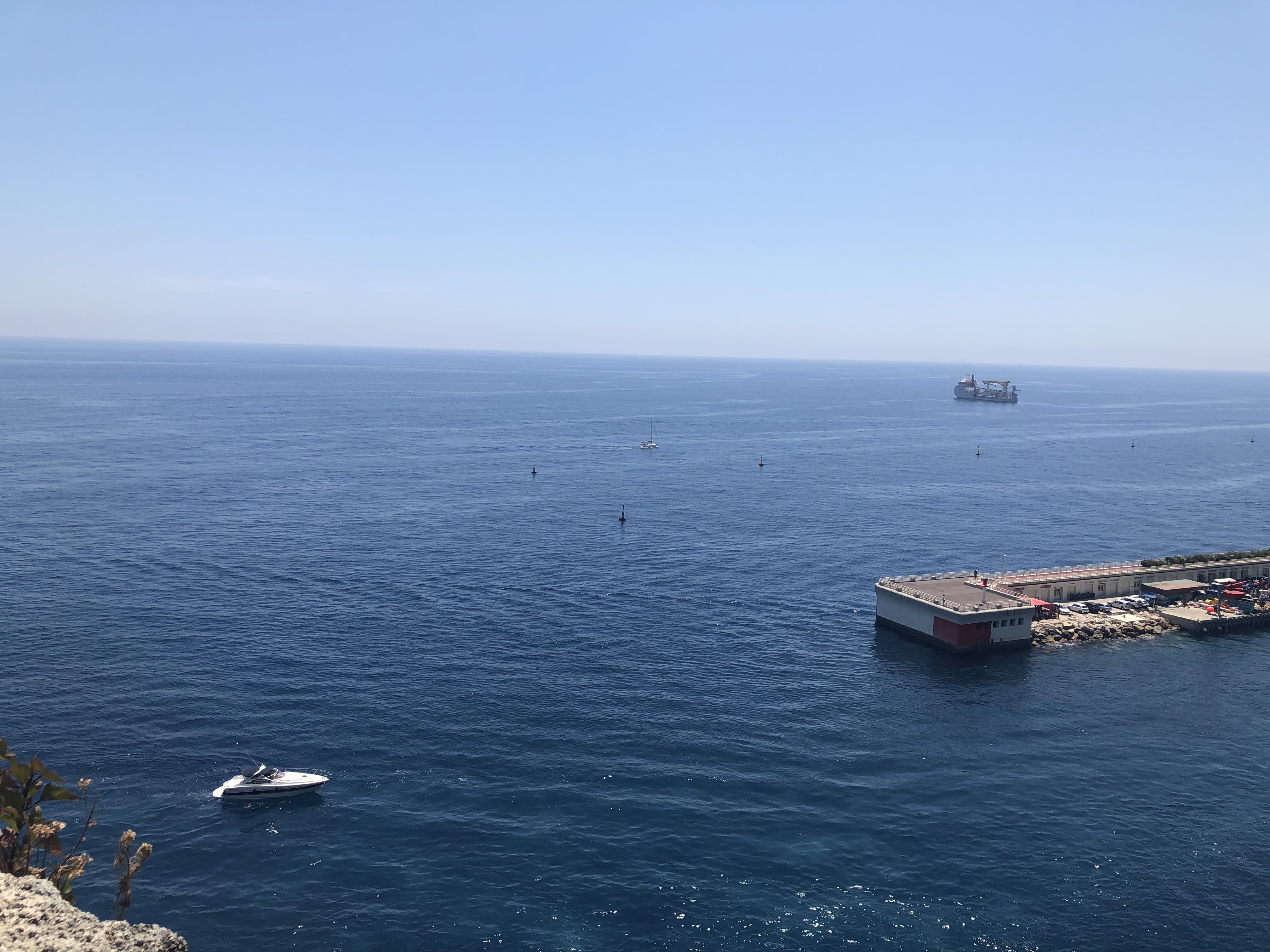
Casinos and tourism being a very important part of the countries economy. While we were driving along the Mediterranean cost we say many large yachts and cruise ships. A very interesting yacht in the harbor, that had a military look to it, was owned by a very rich man from Russia.






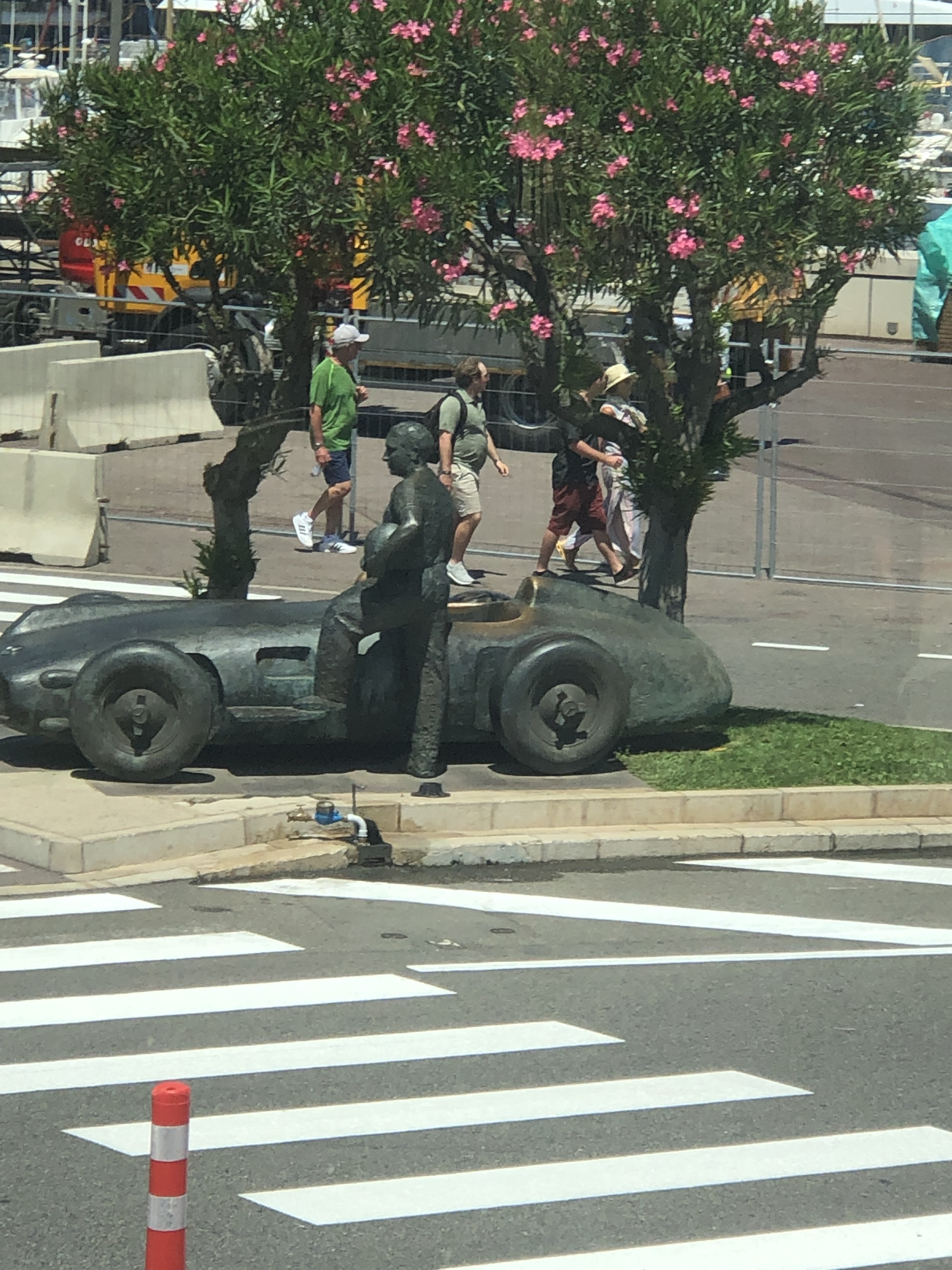

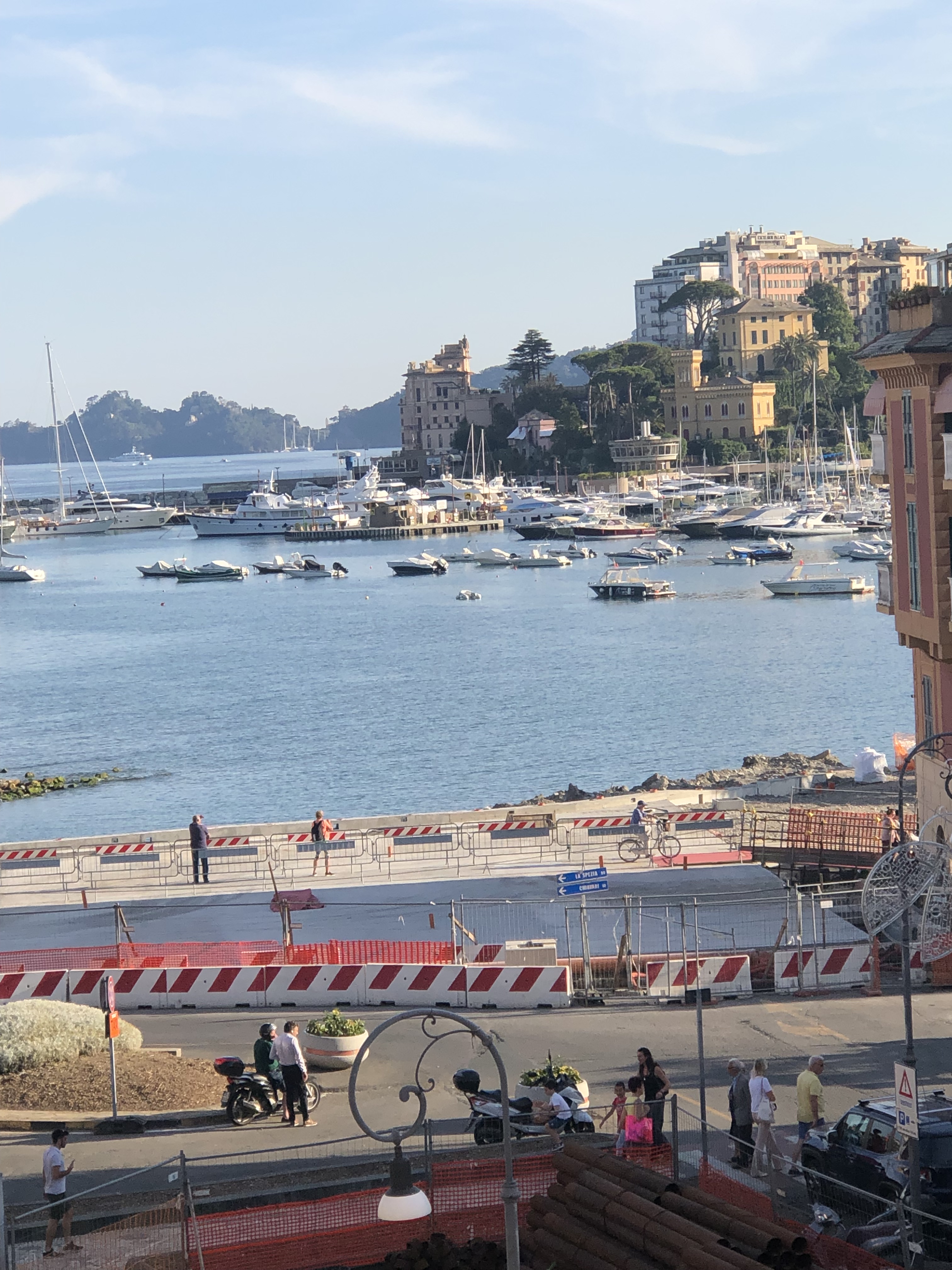
Our hotel for the next two nights is in Rapallo, Italy, in the Italian Riviera.

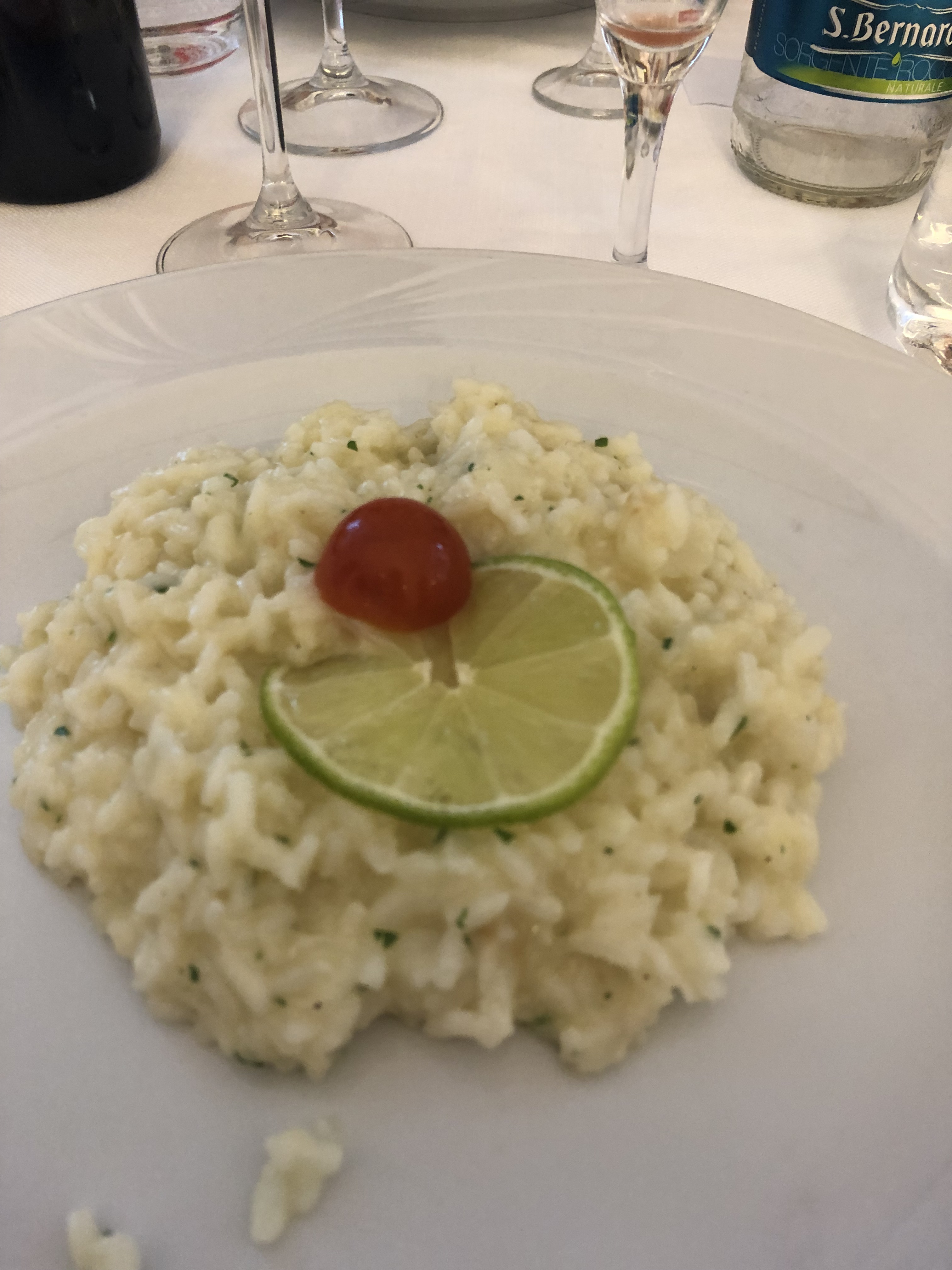
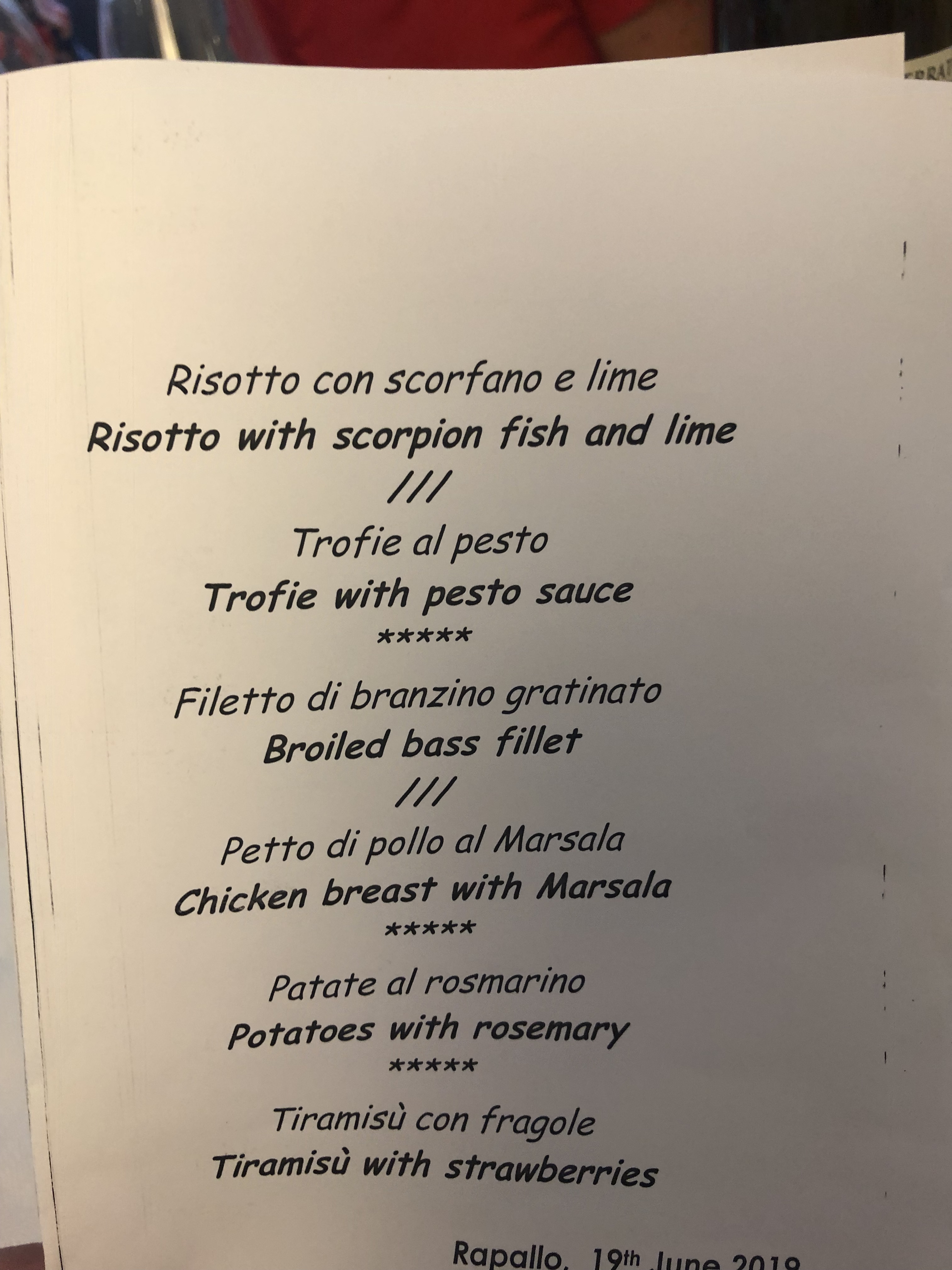
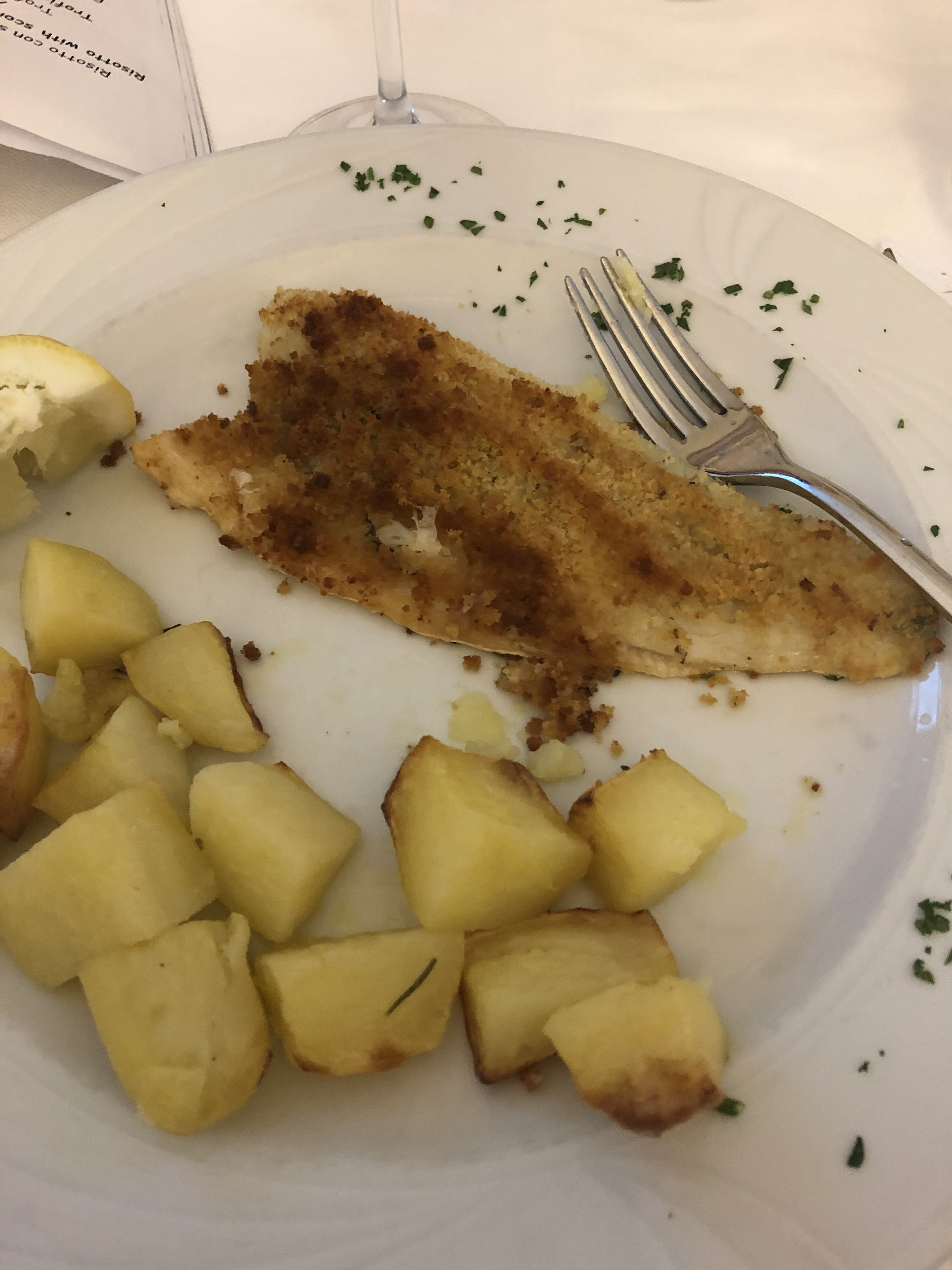


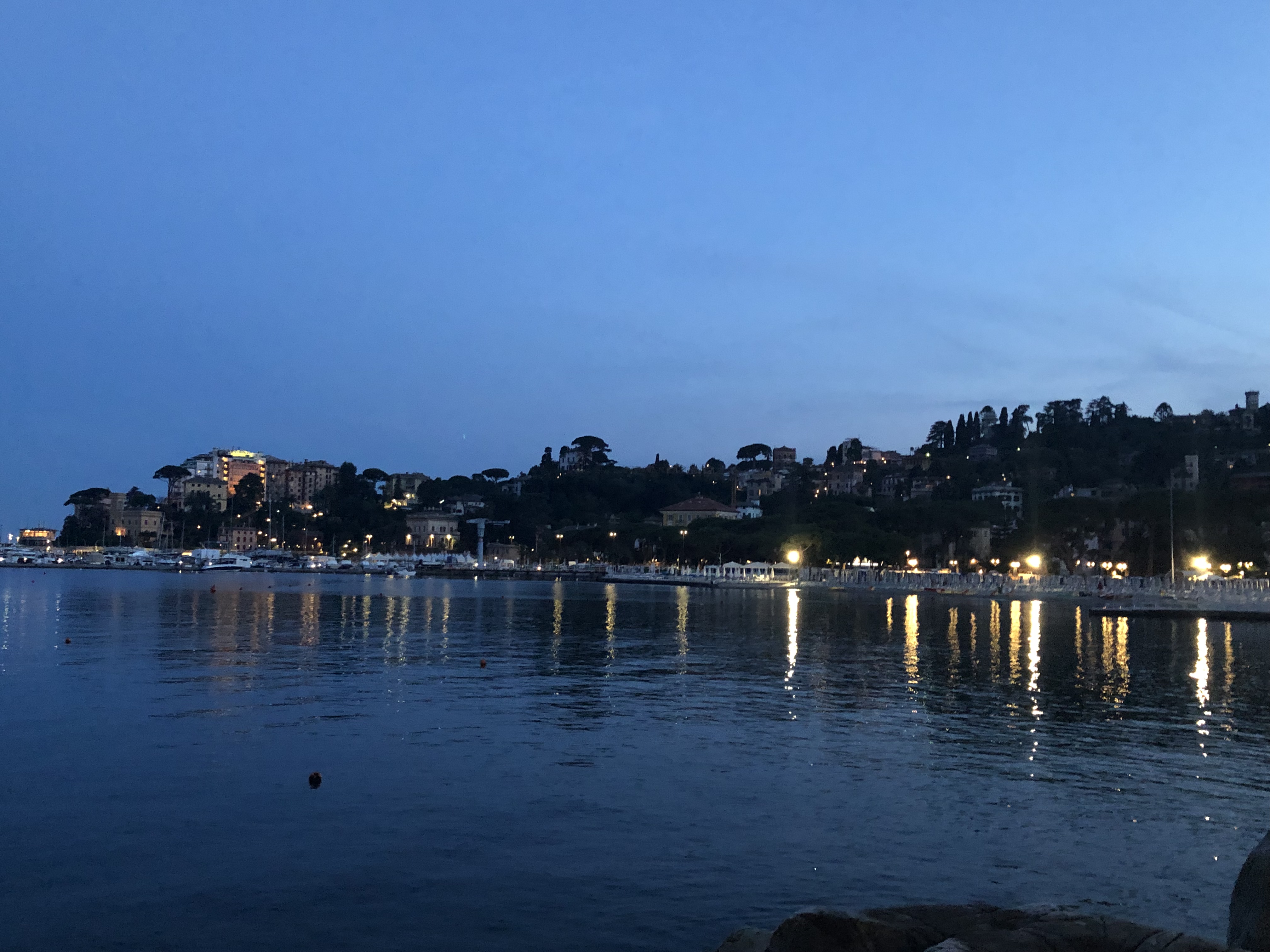
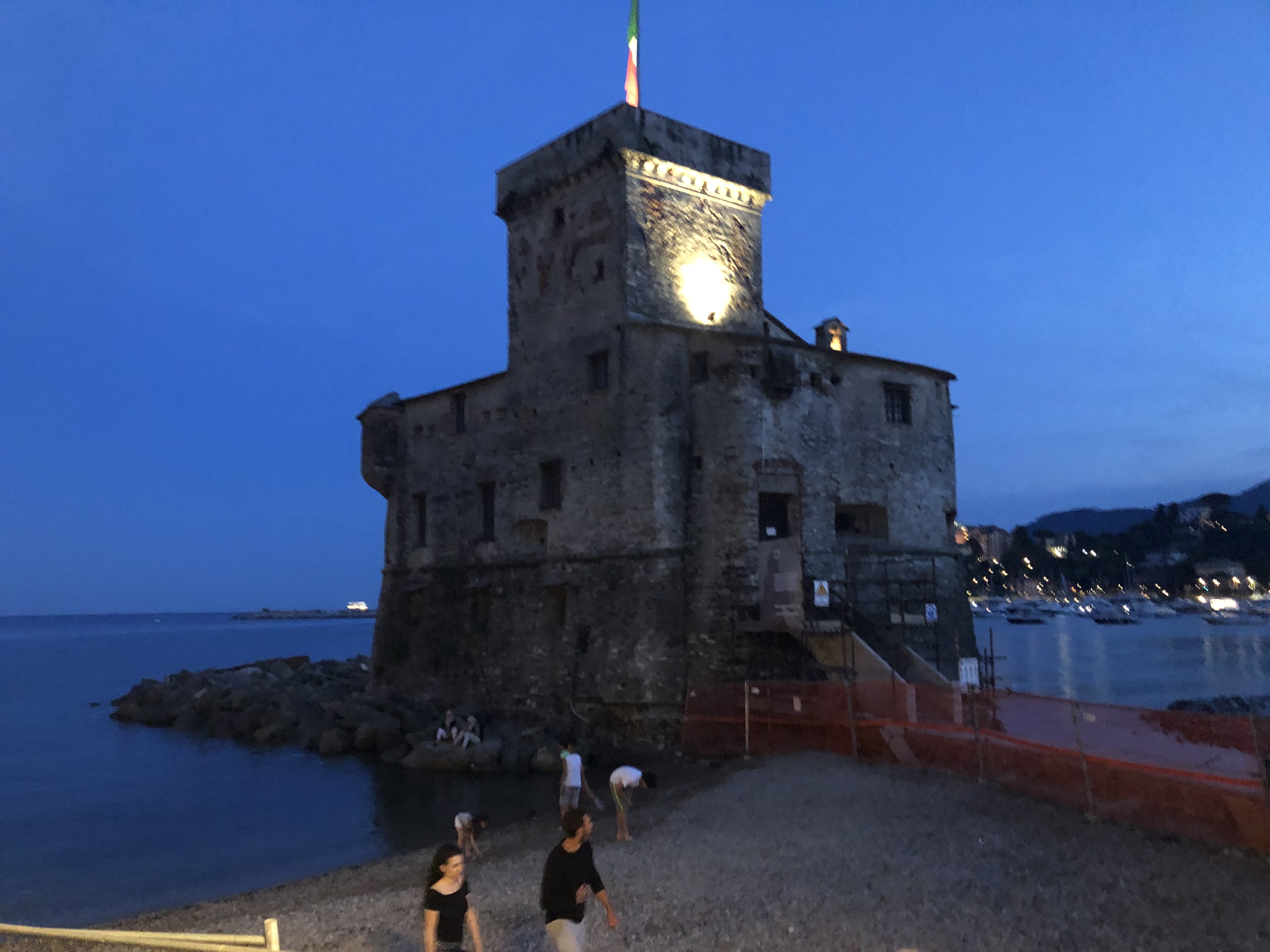
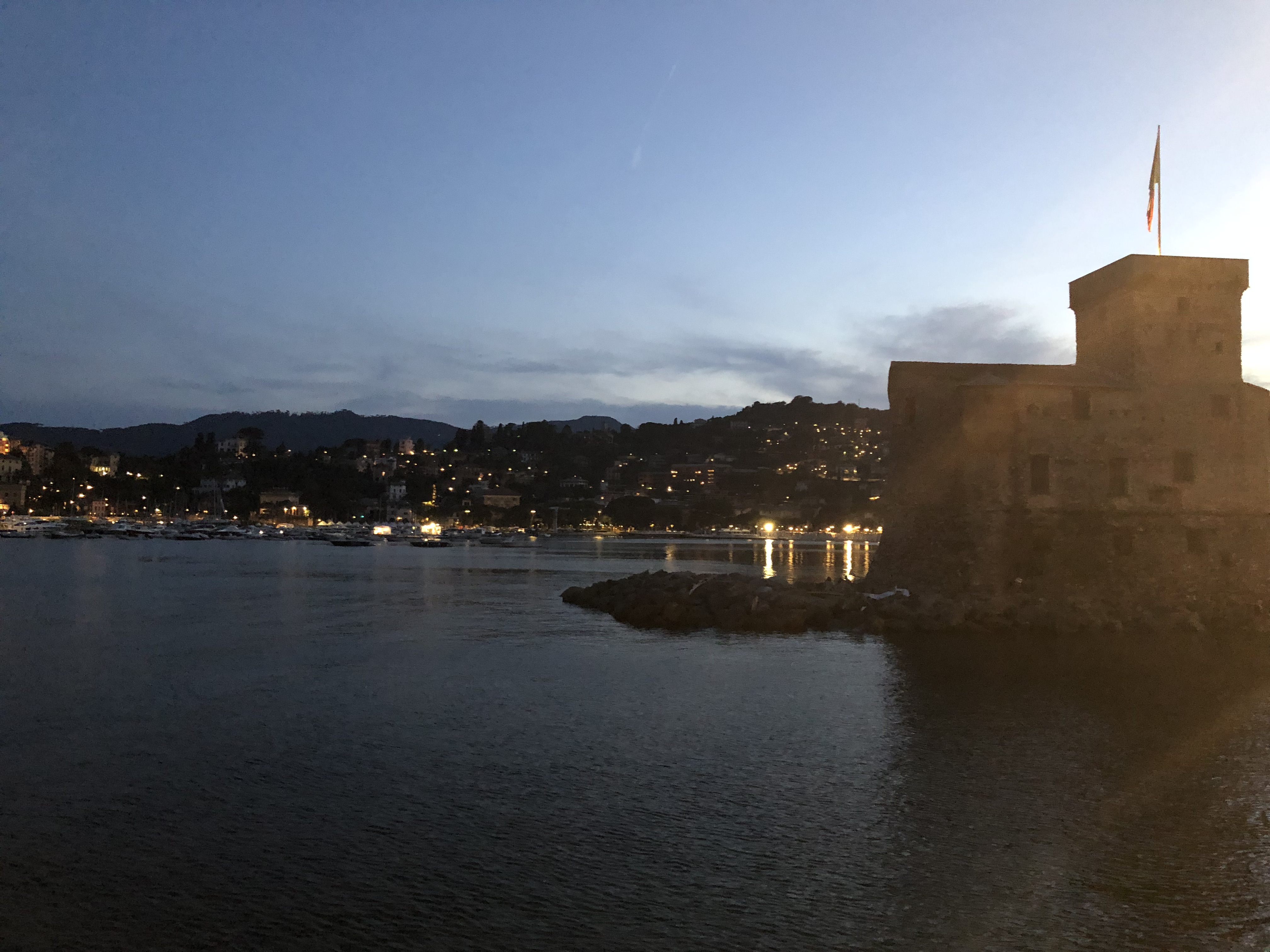
Day 9: Tour of Cinque Terre
Today our itinerary takes us to Cinque Terre, a cluster of five villages on the seaside cliff in the Liguria of northwest Italy. The five villages, Monterosso al Mare, Vernazza, Corniglia, Manarola, and Riomaggiore, are only accessable by Trenitalia, the Italian train system, walking paths, or a ferry.
Rick Steve’s has an amazing video about Cinque Terre. Enjoy!
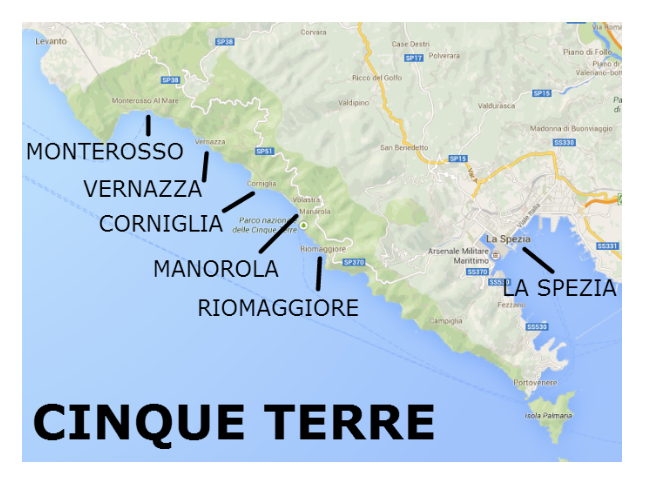
We started our journey by bus from our hotel in Rapallo to La Spezia. From here we took a city bus to Porto le Porto Venere where we boarded a ferry. The ferry stopped at each of the villages to pick up travelers.
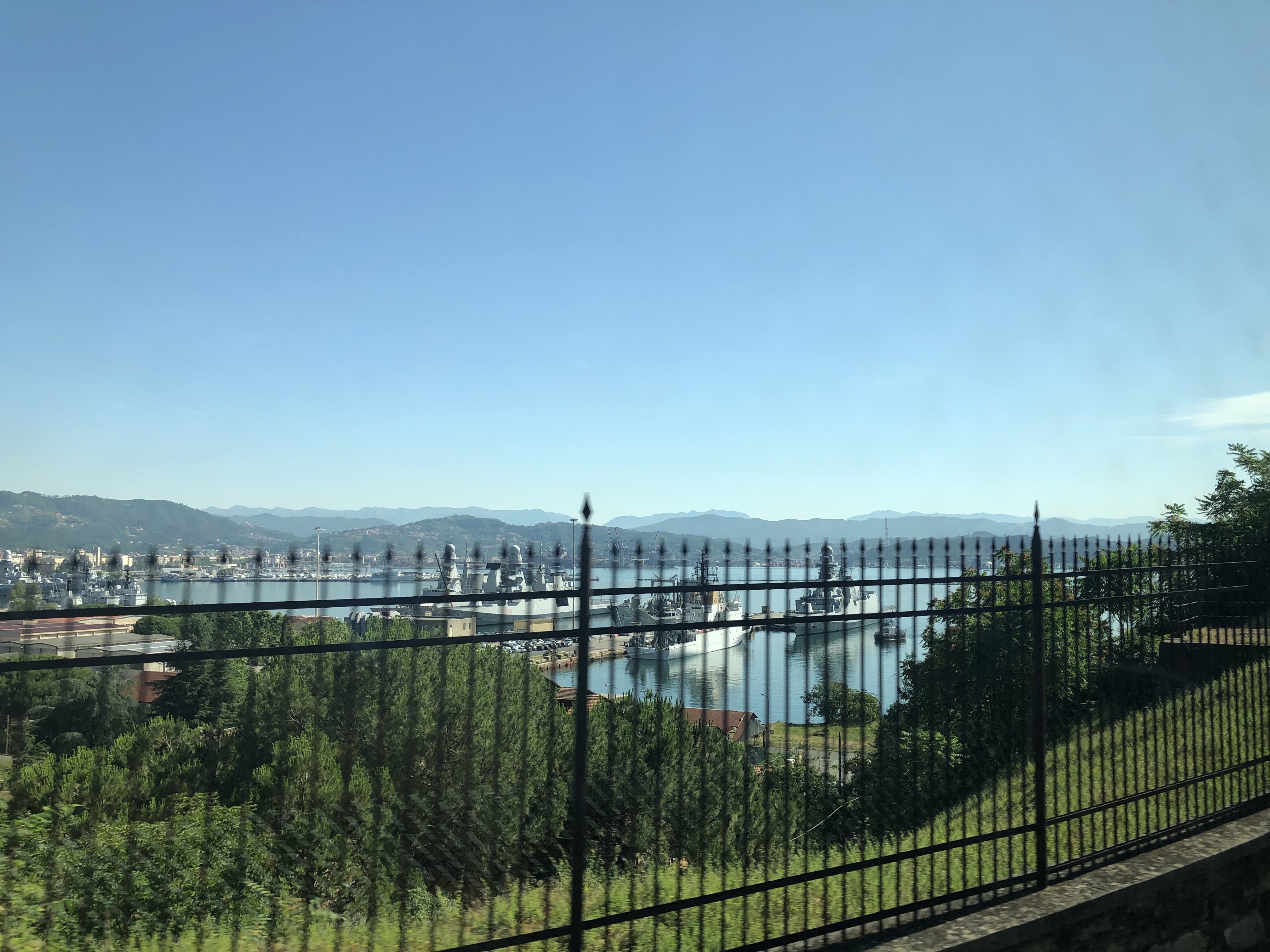

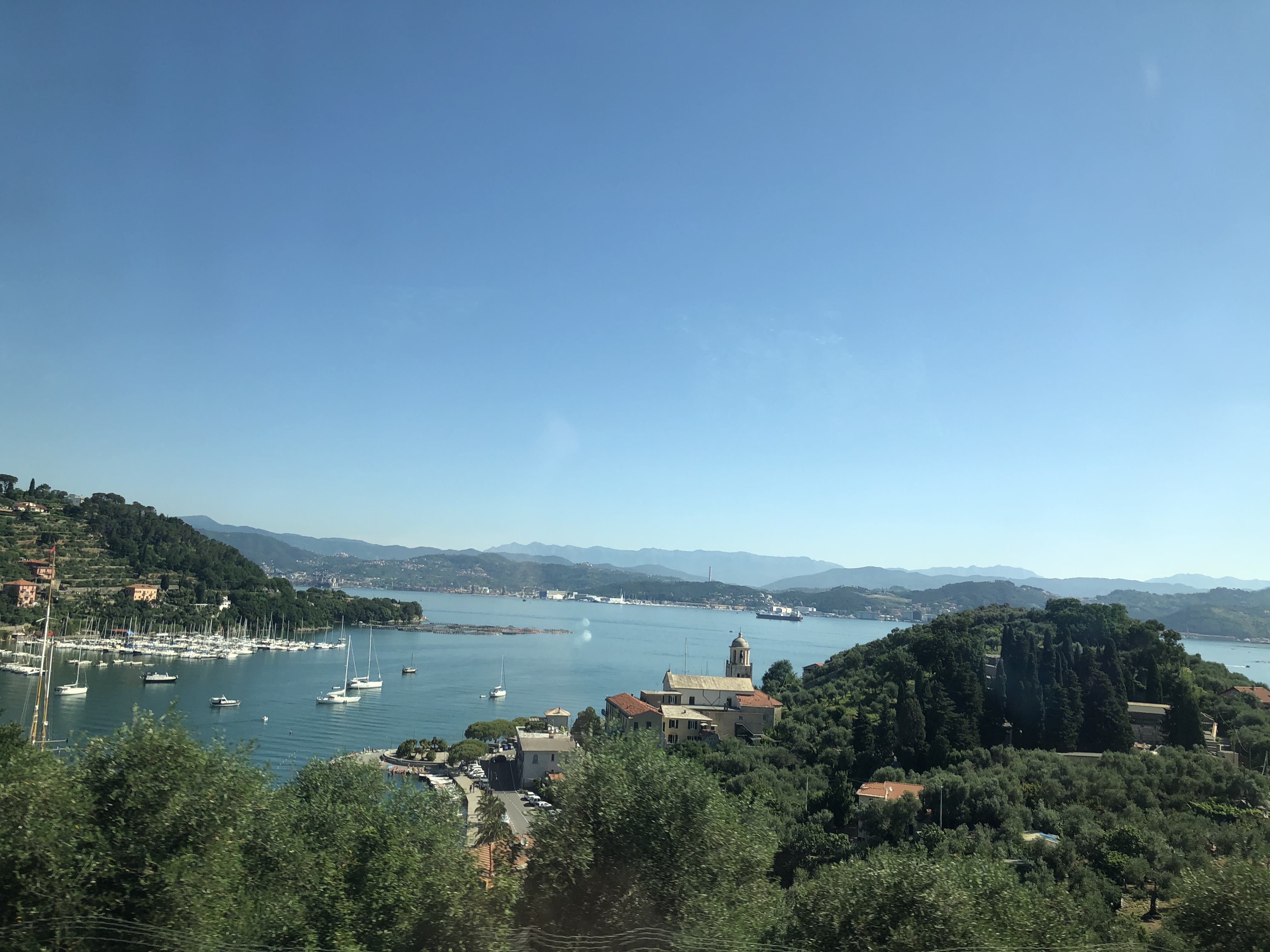


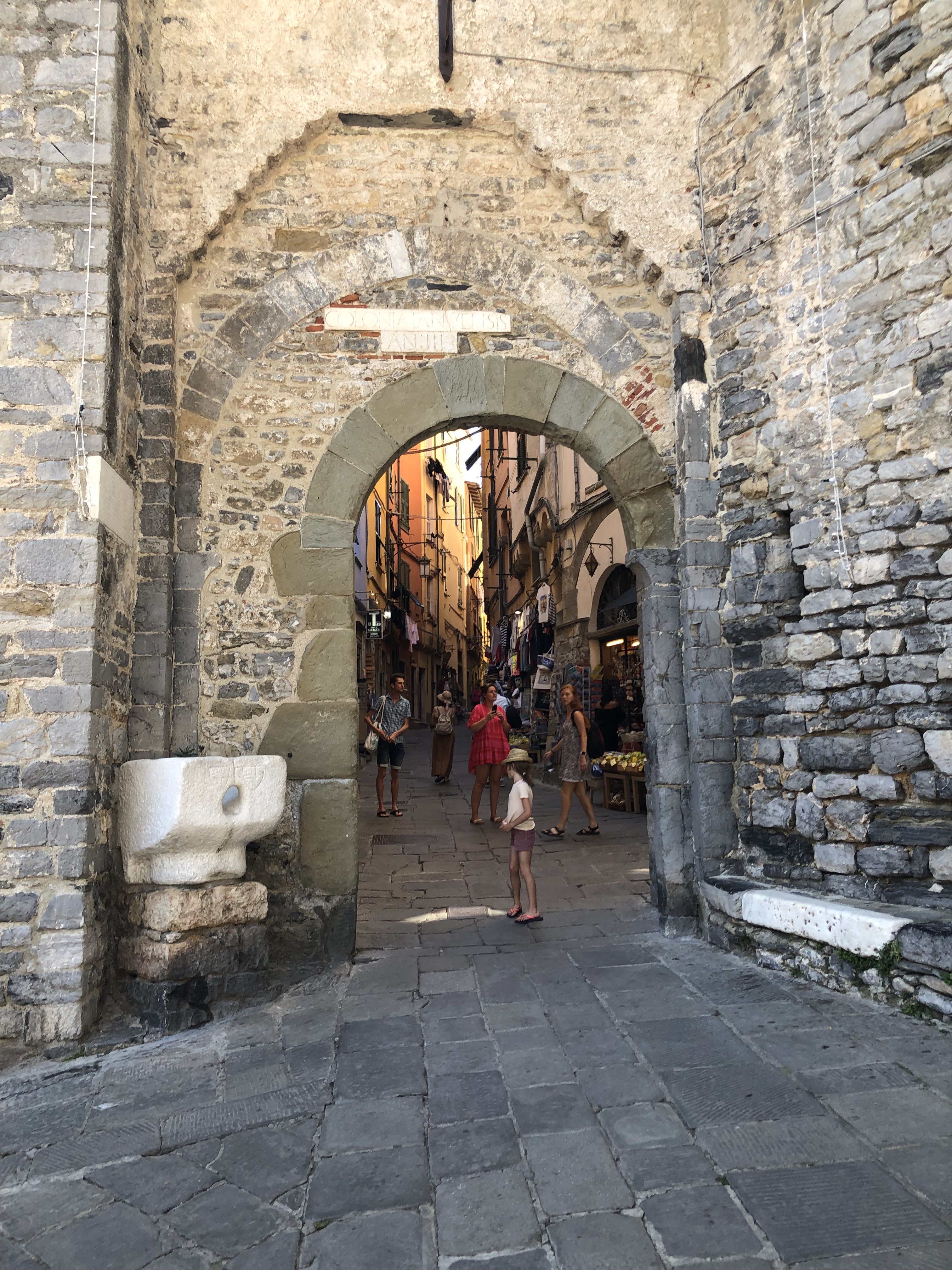


Traveling by ferry.


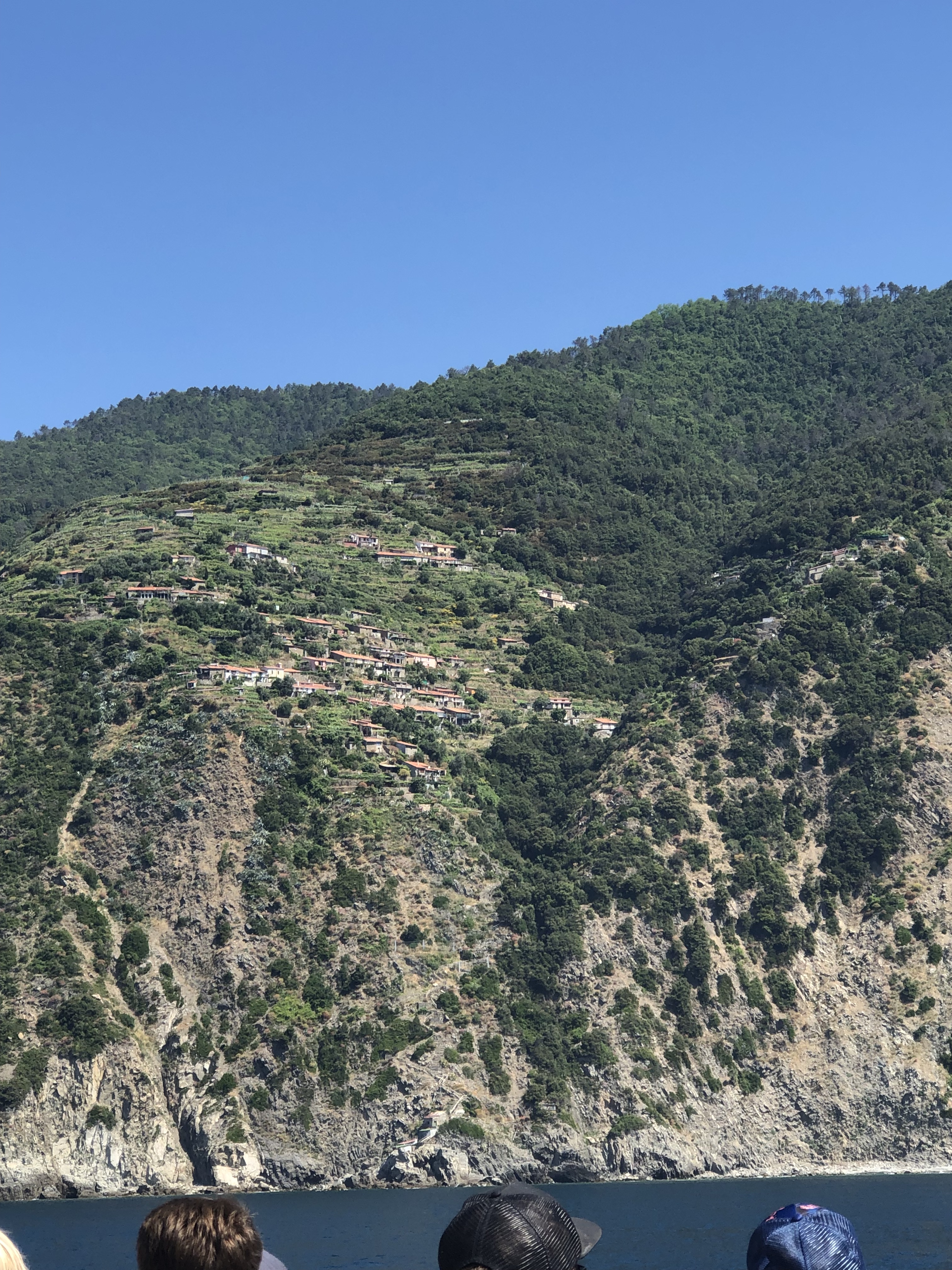

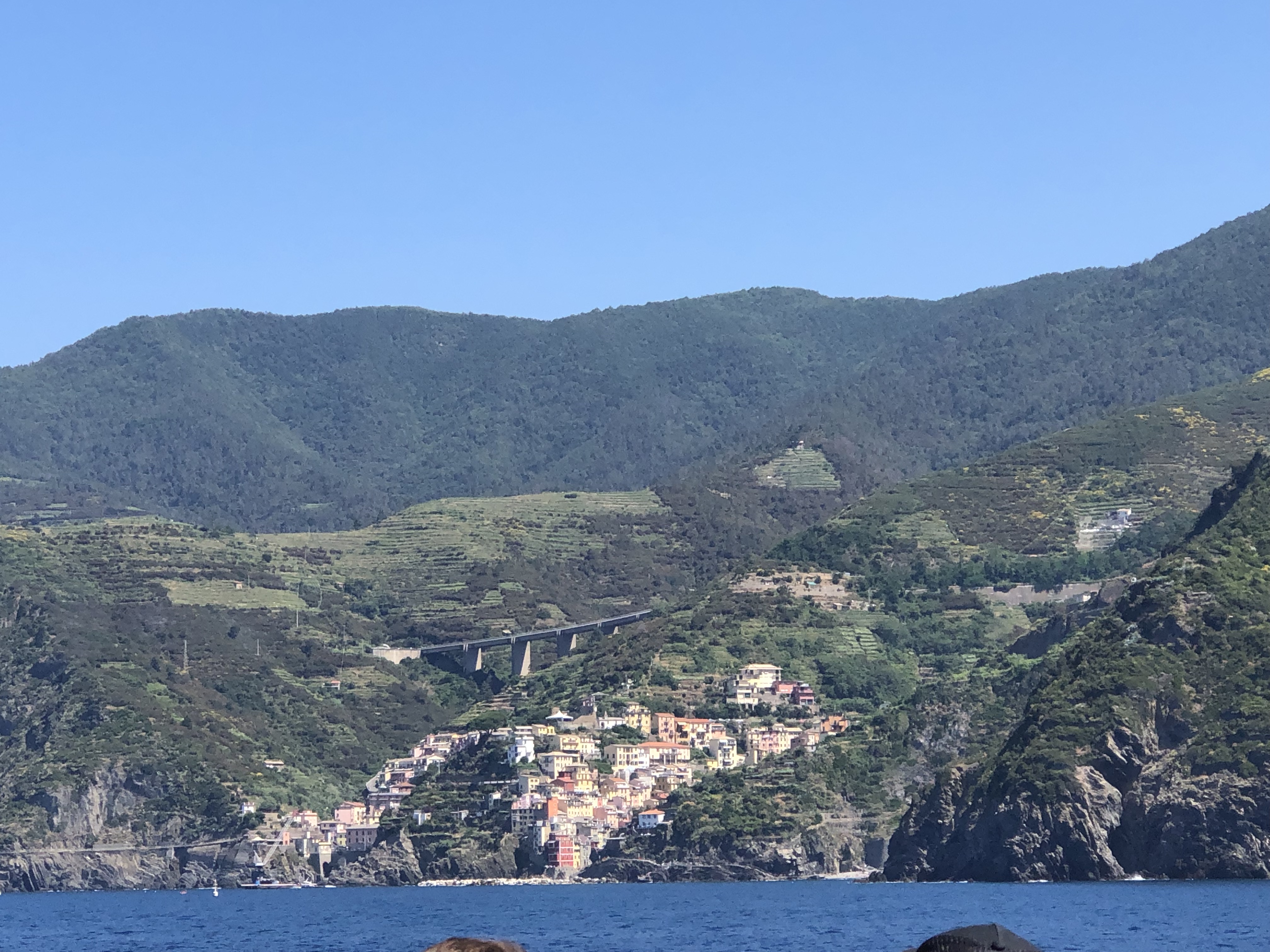
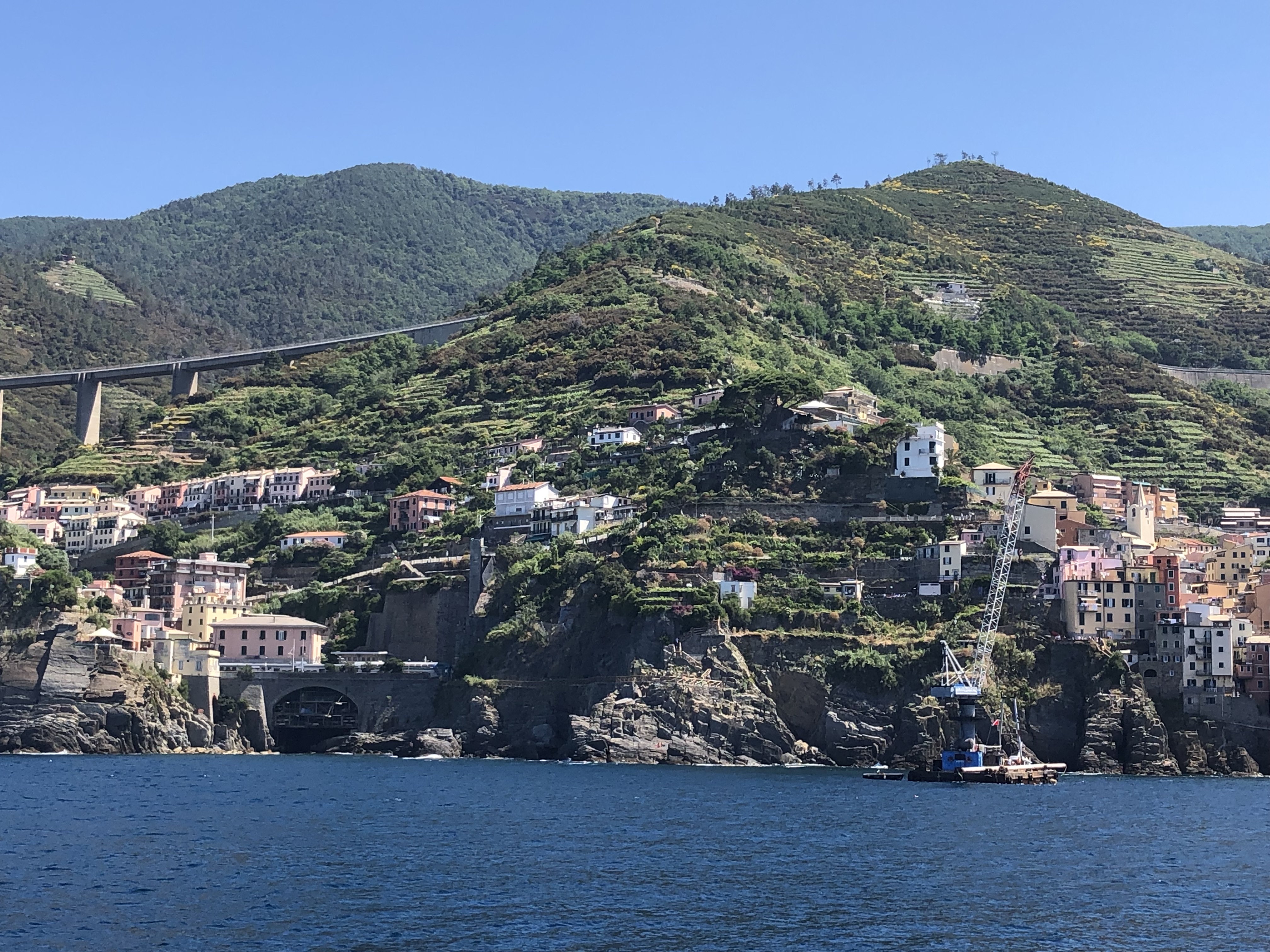

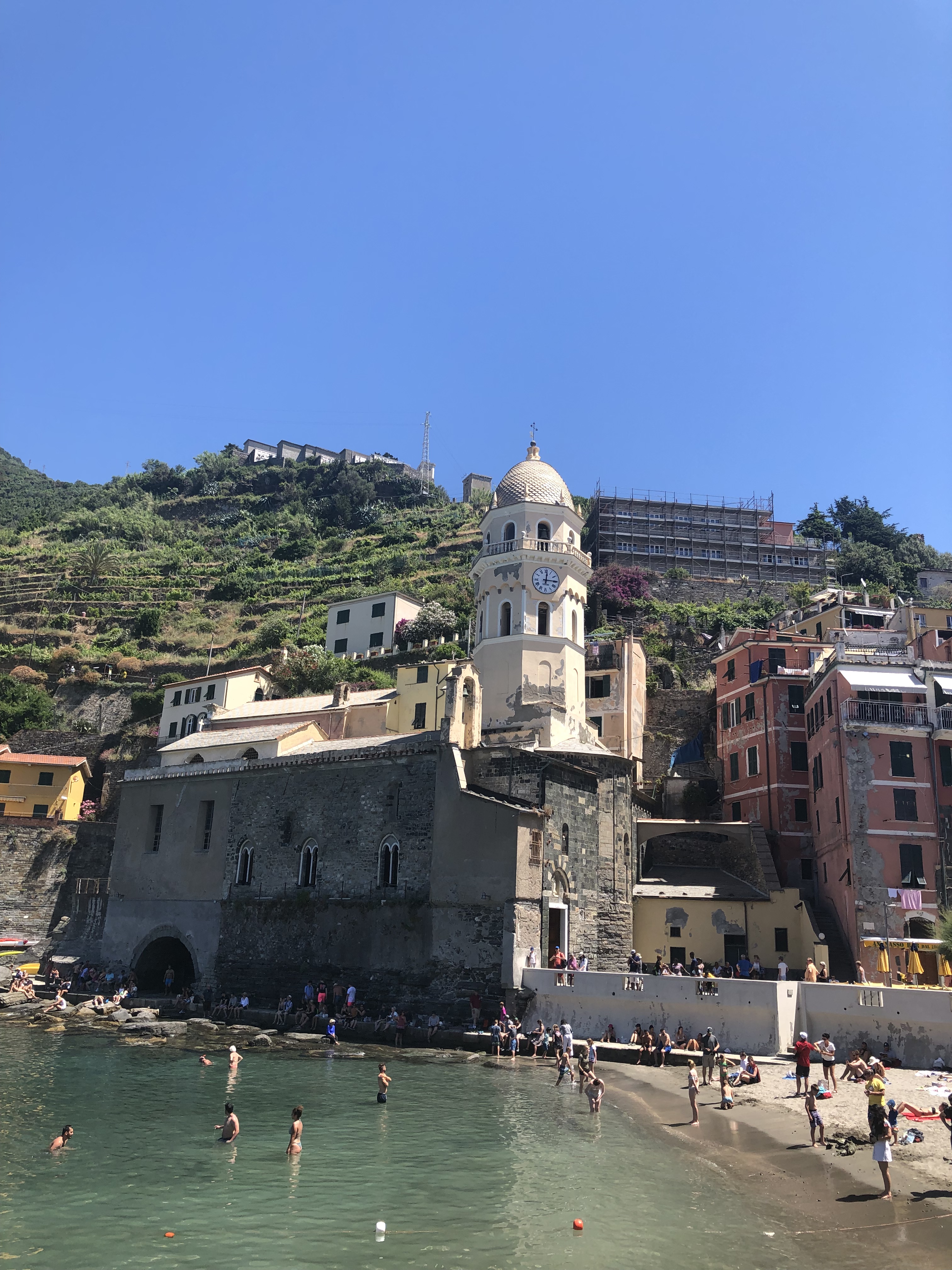
Our first settlement to explore was Vernazza. We quietly meandered through Santa Marcherita de Antiochia Church built in 1318 in Ligurian gothic style. We wondered the small streets and then sat by the sea near the main town square called Piazza Guglielmo Marconi.

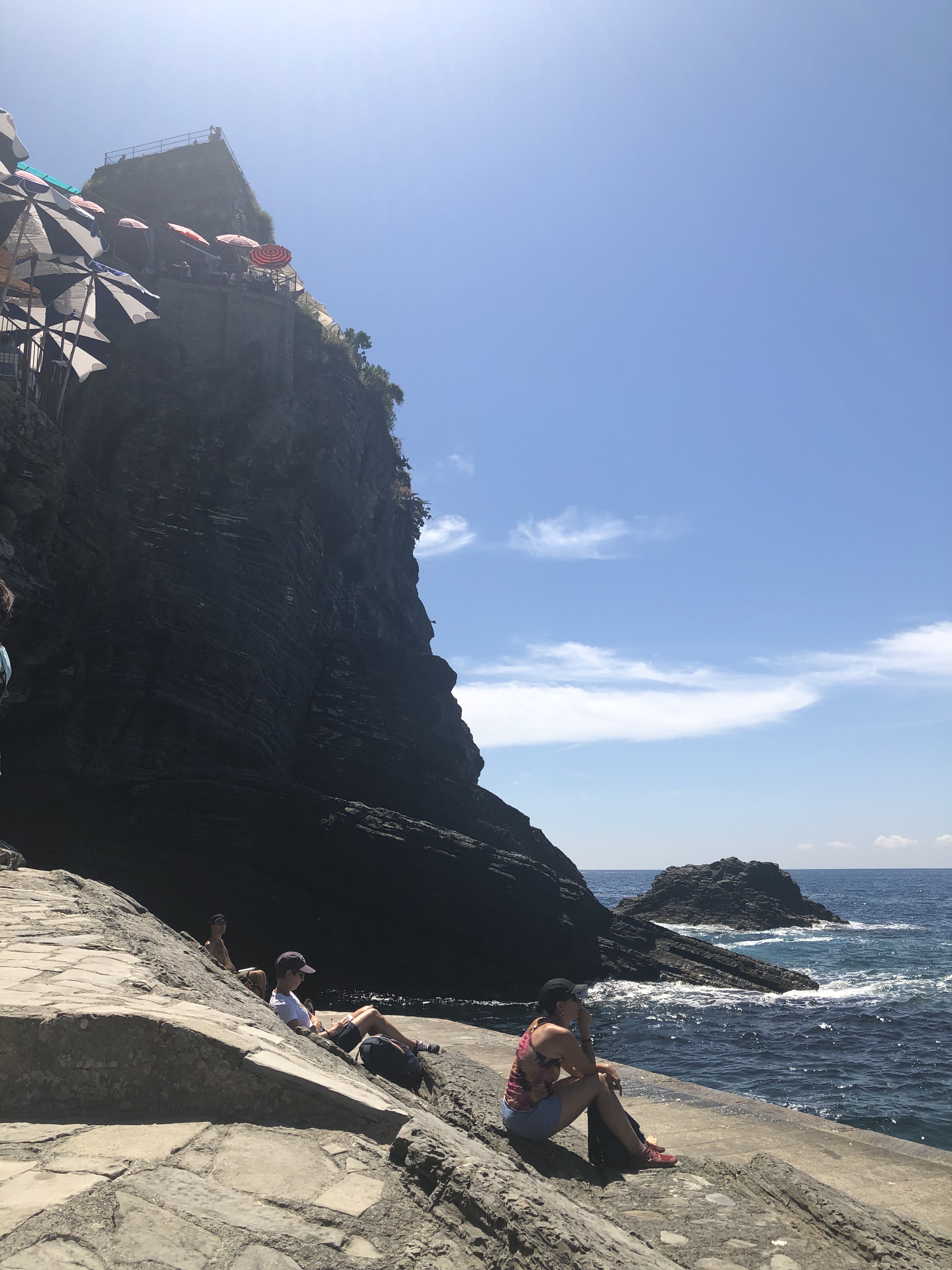

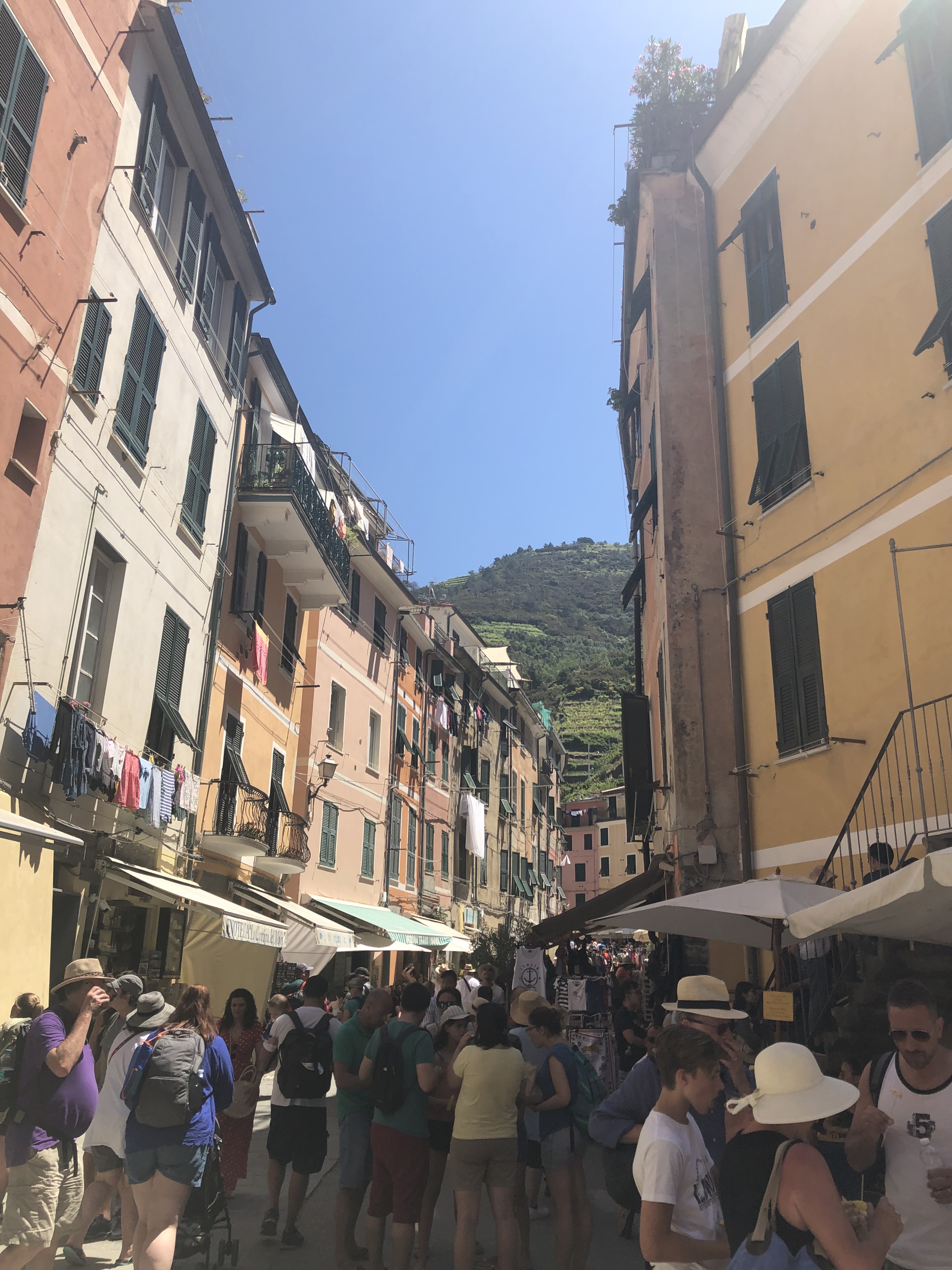


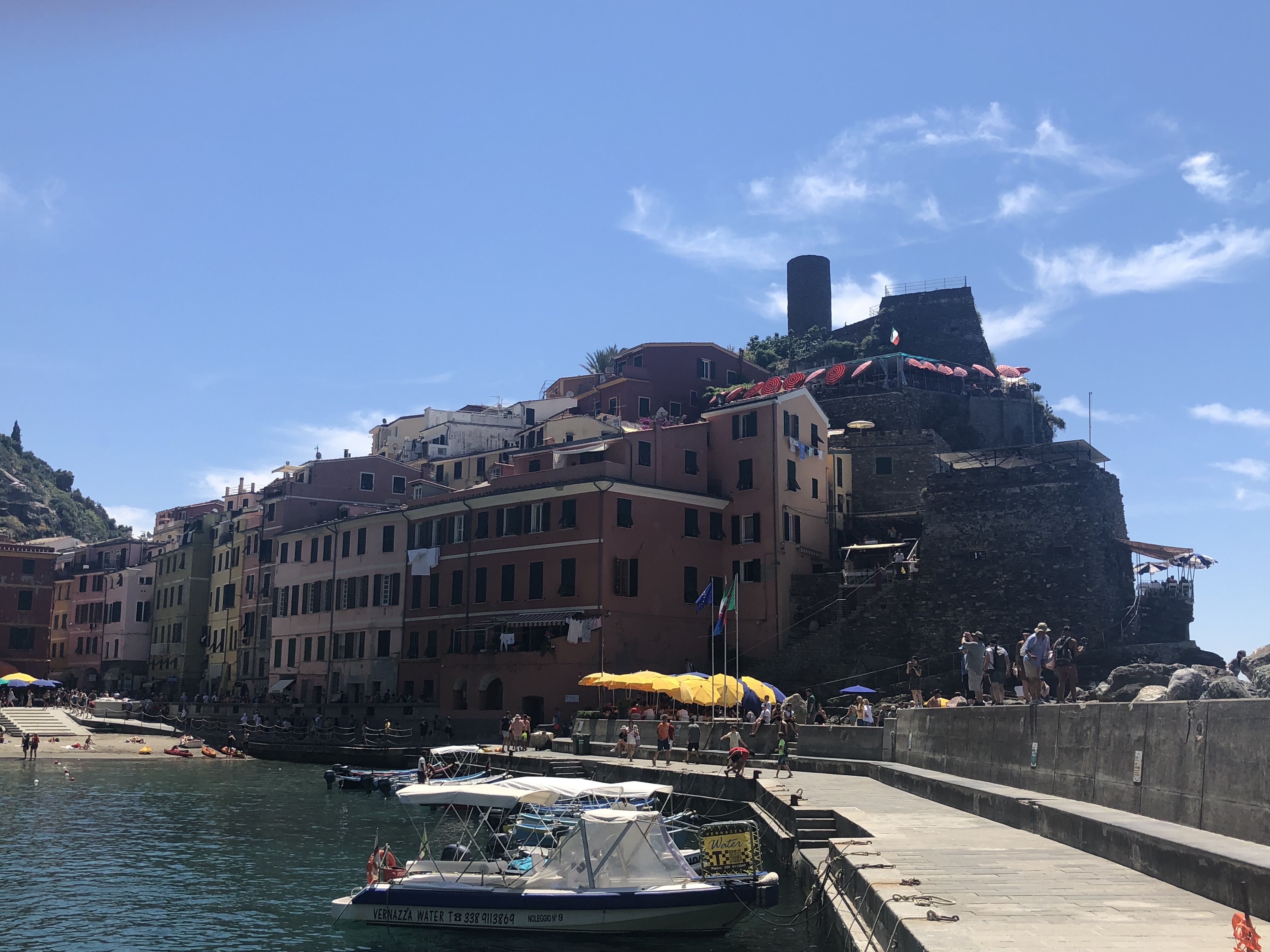
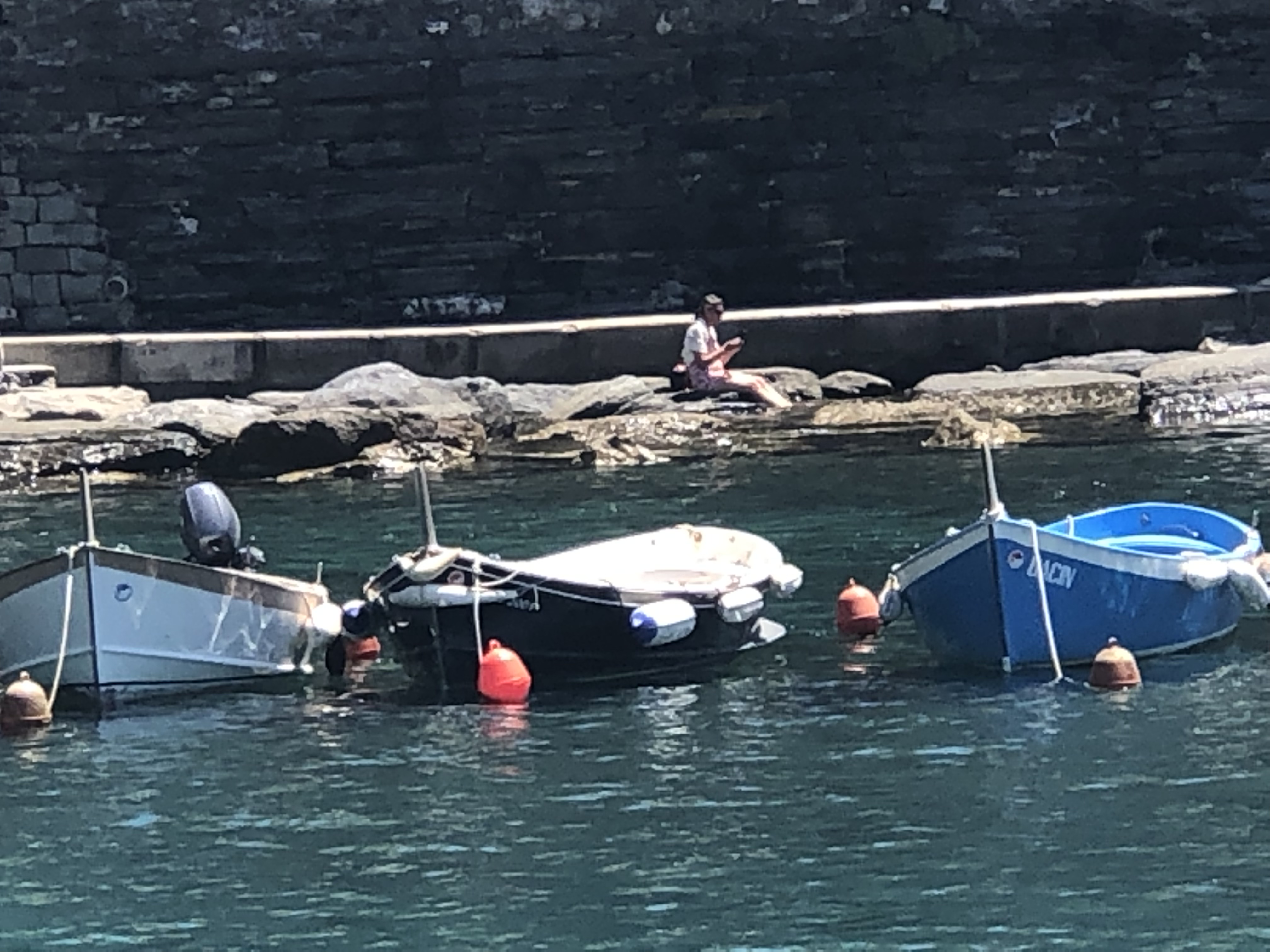
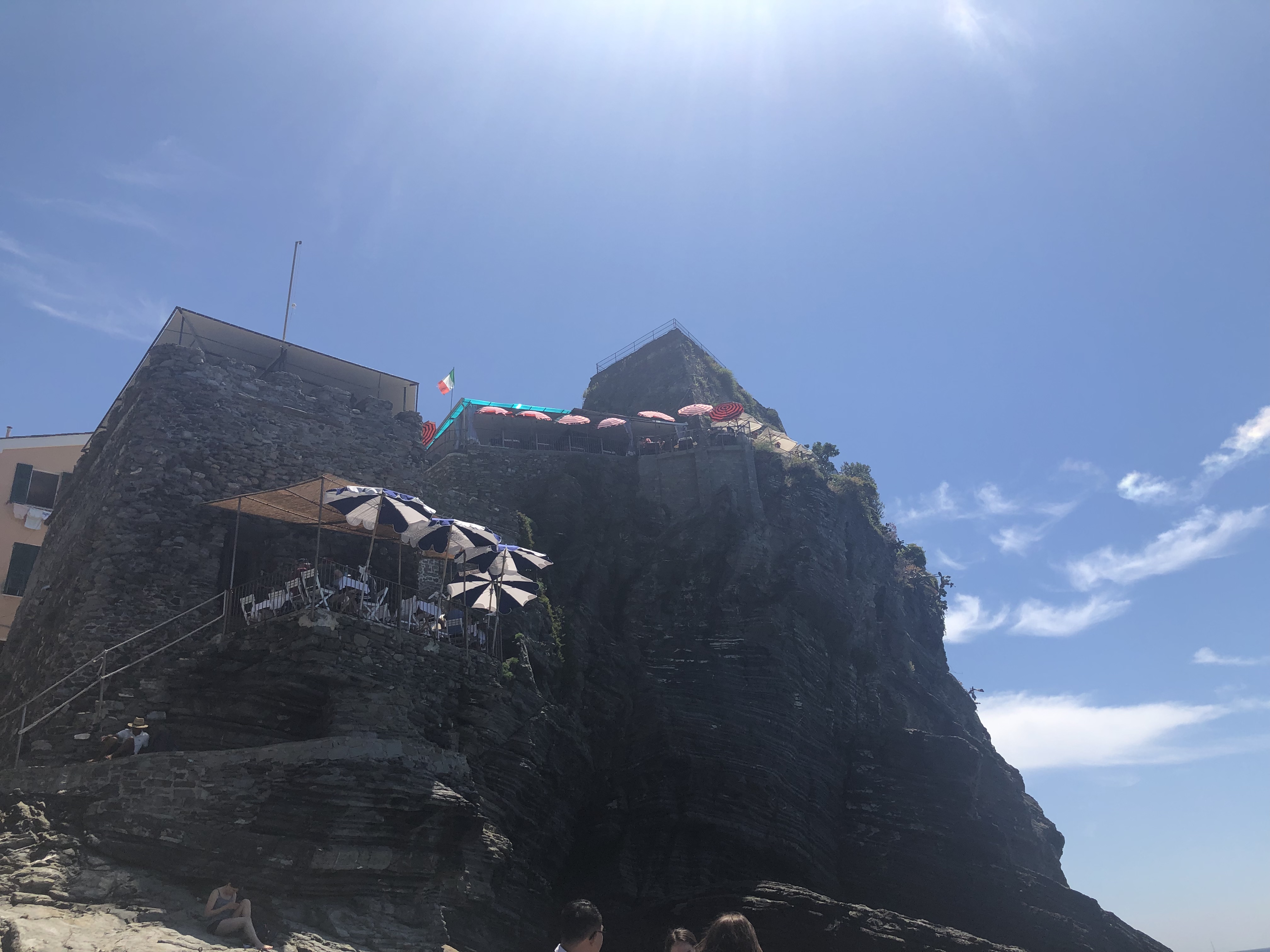
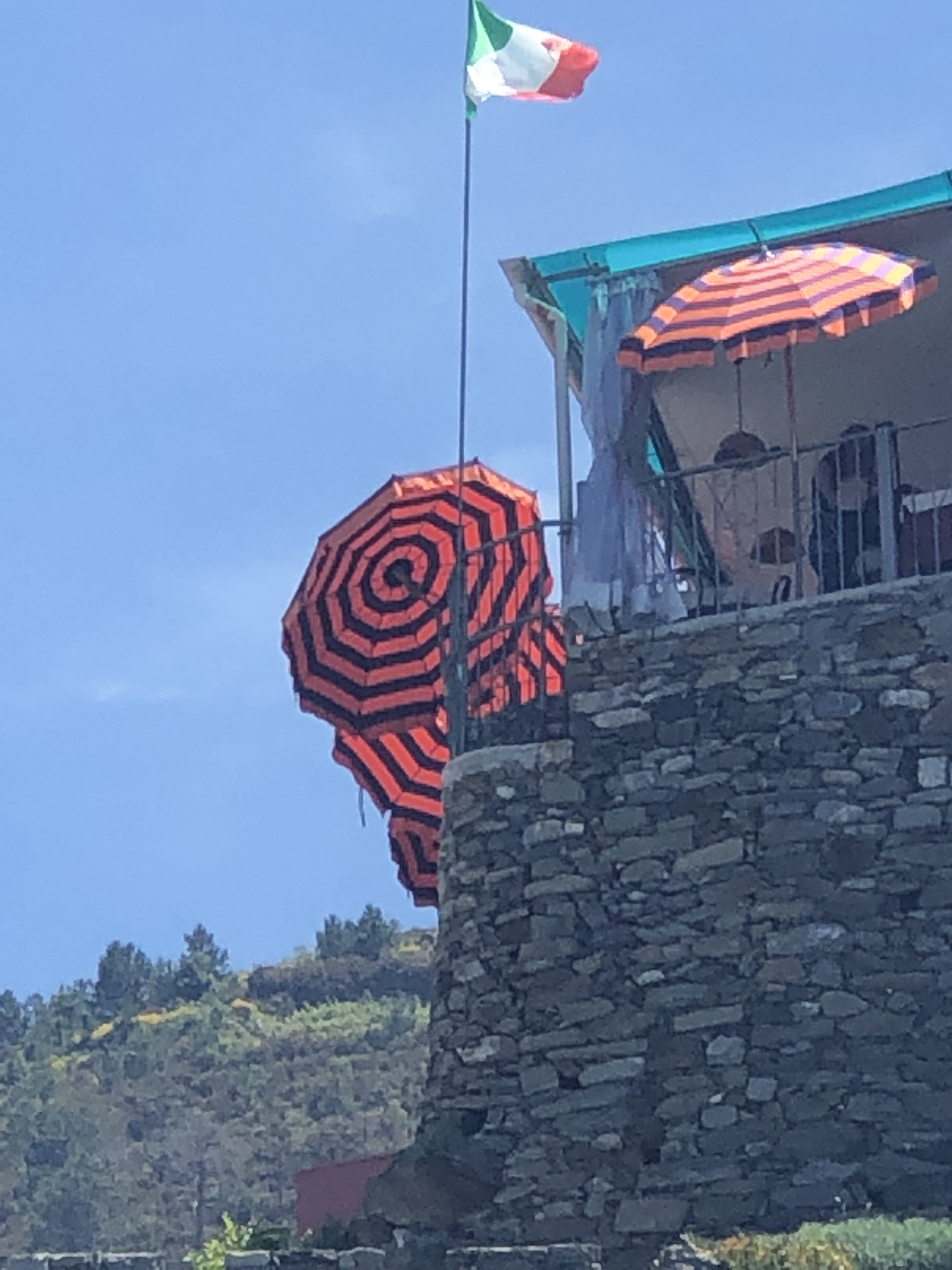

We boarded the ferry for our next stop Monterosso al Mare where we ate lunch in an outside cafe near the coast and some shopping in shops along the old town square. The beaches in Monterosso were beautiful and the food was amazing.
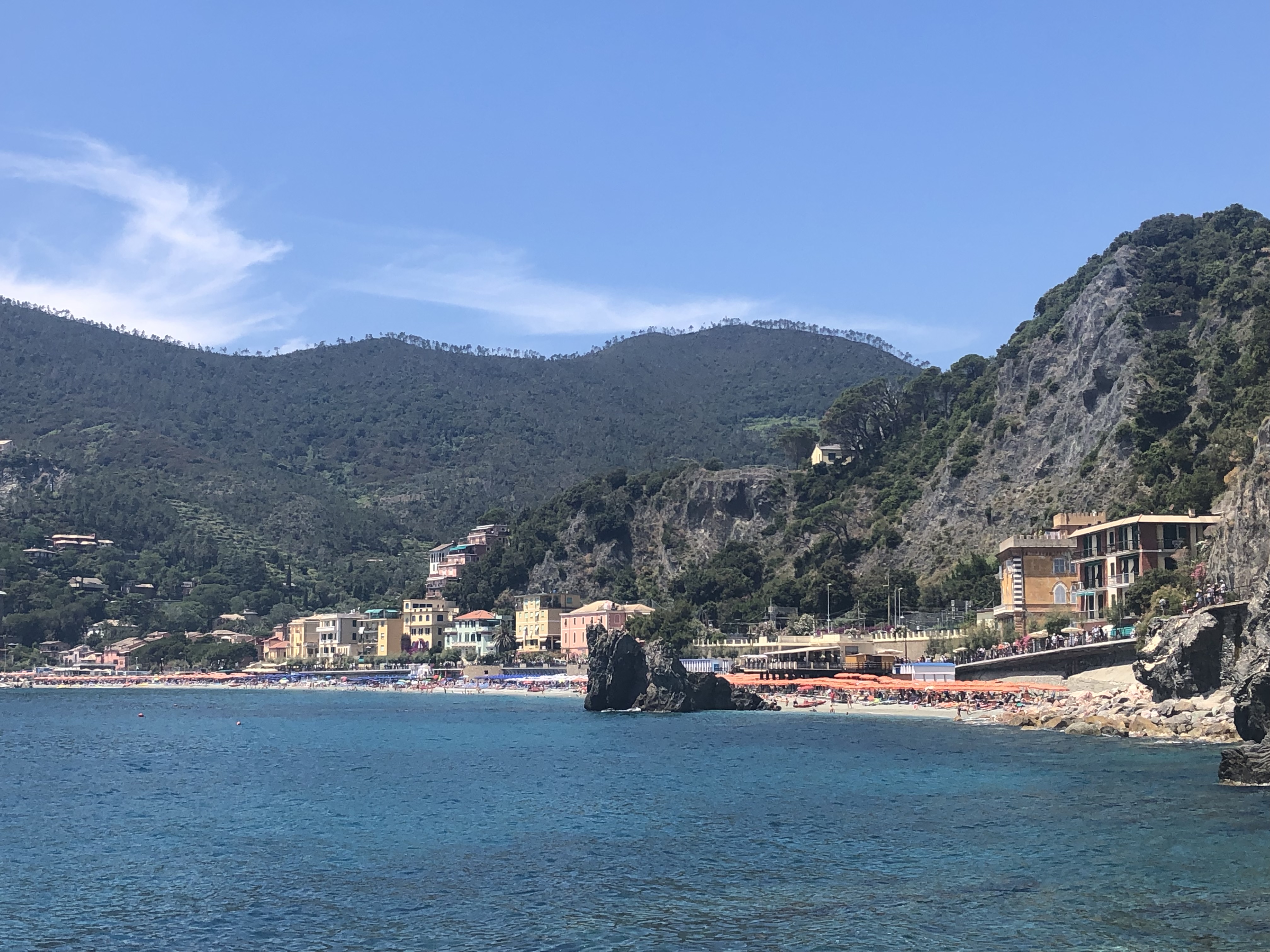

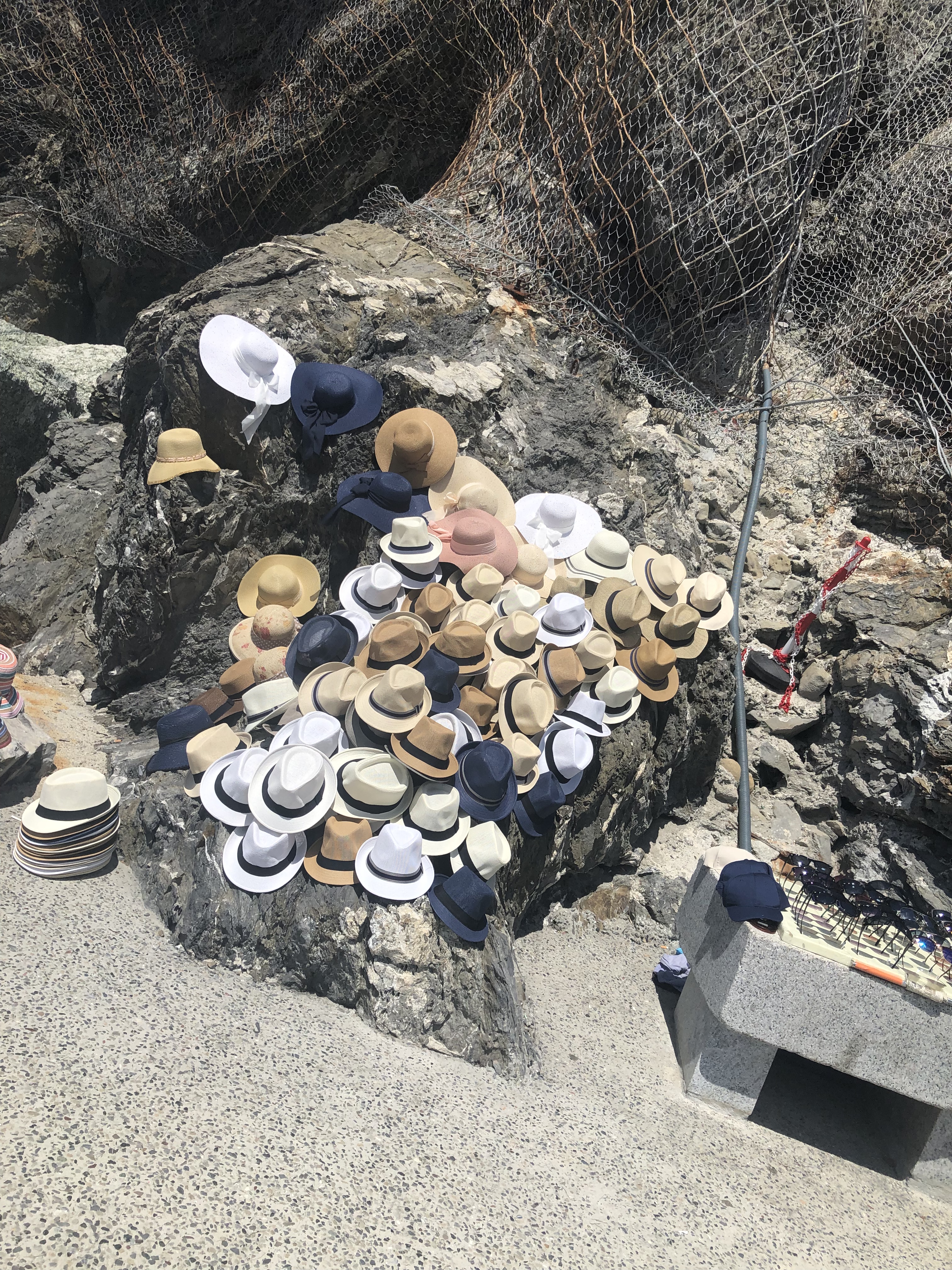
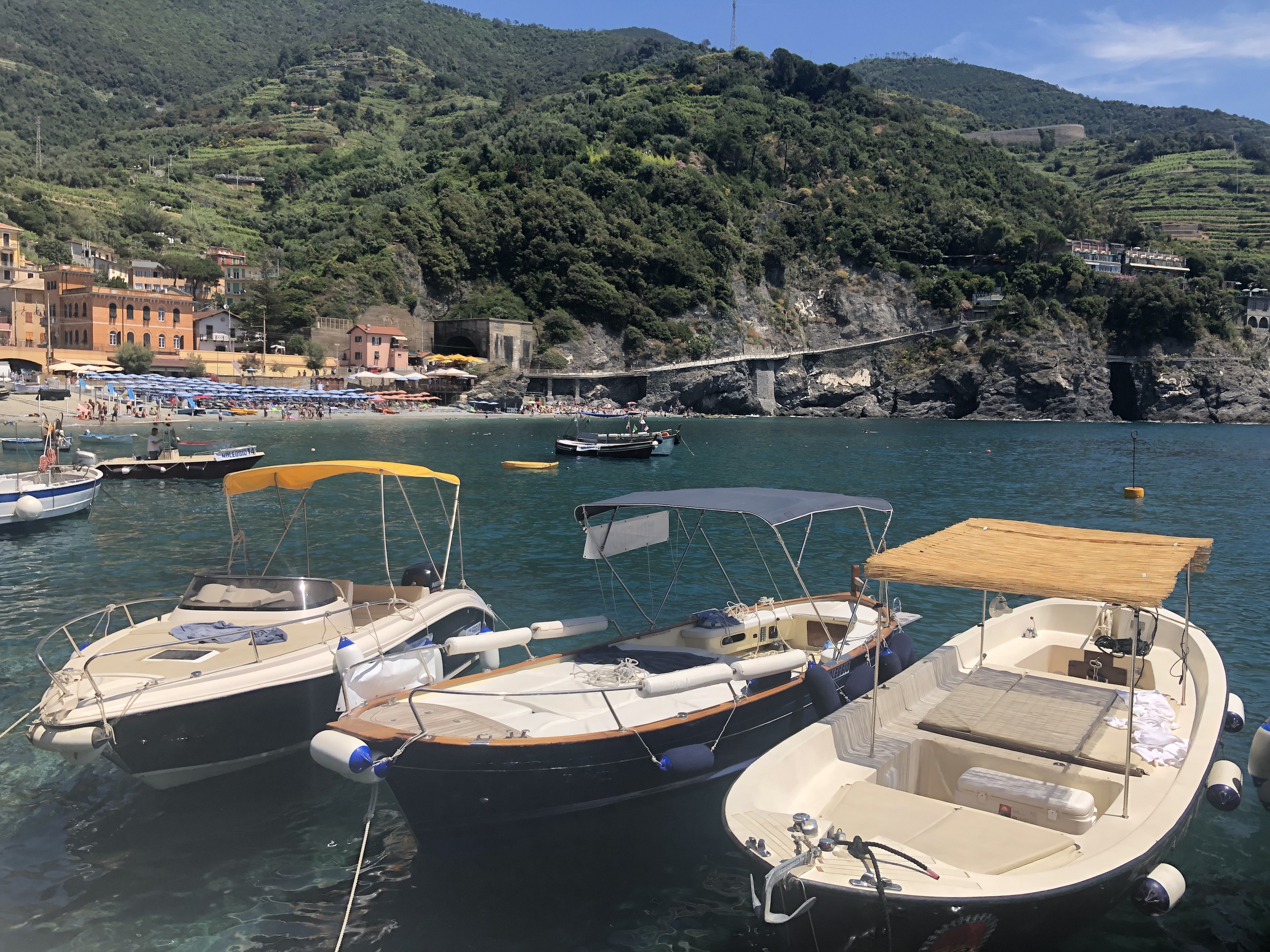

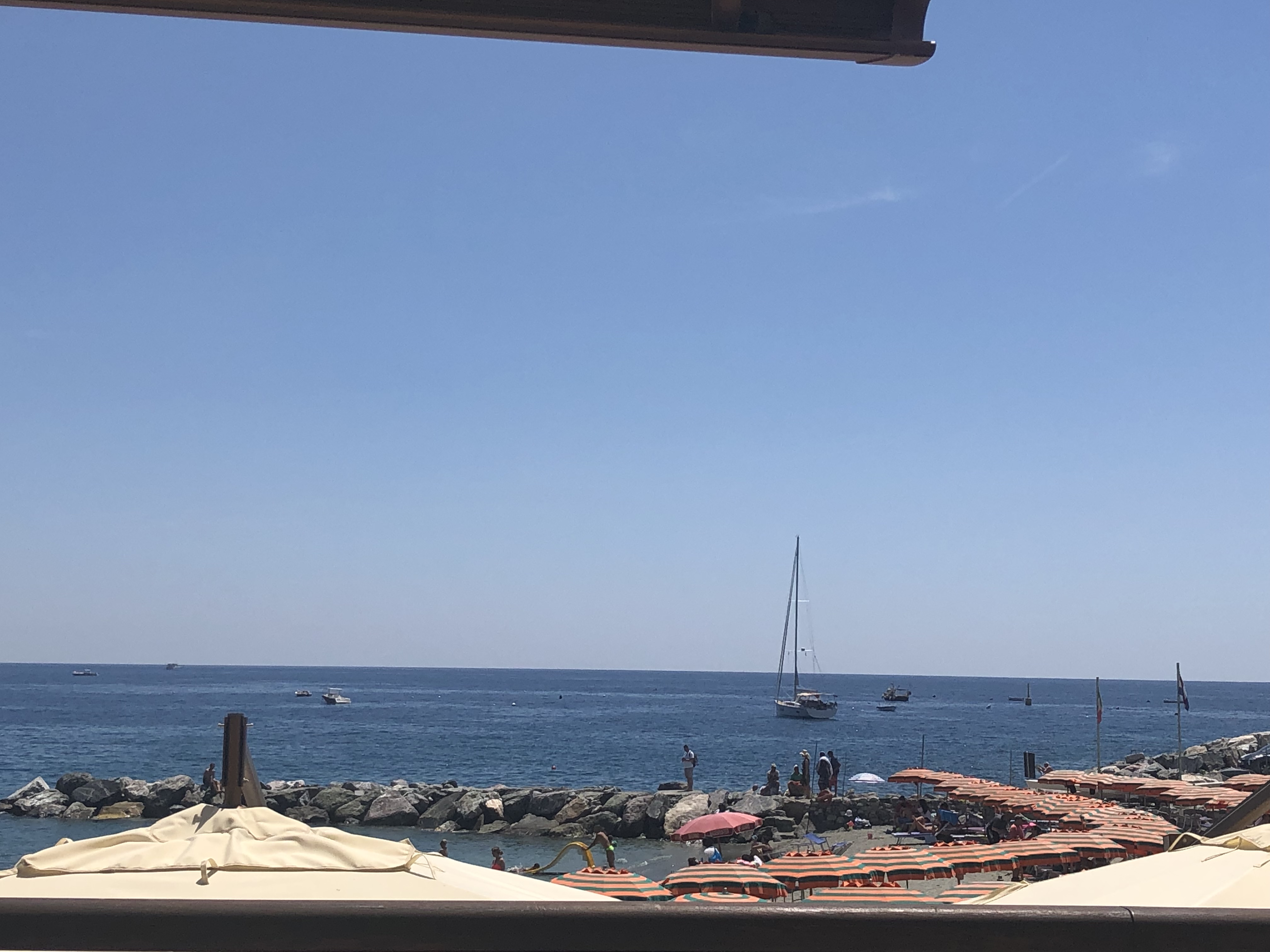

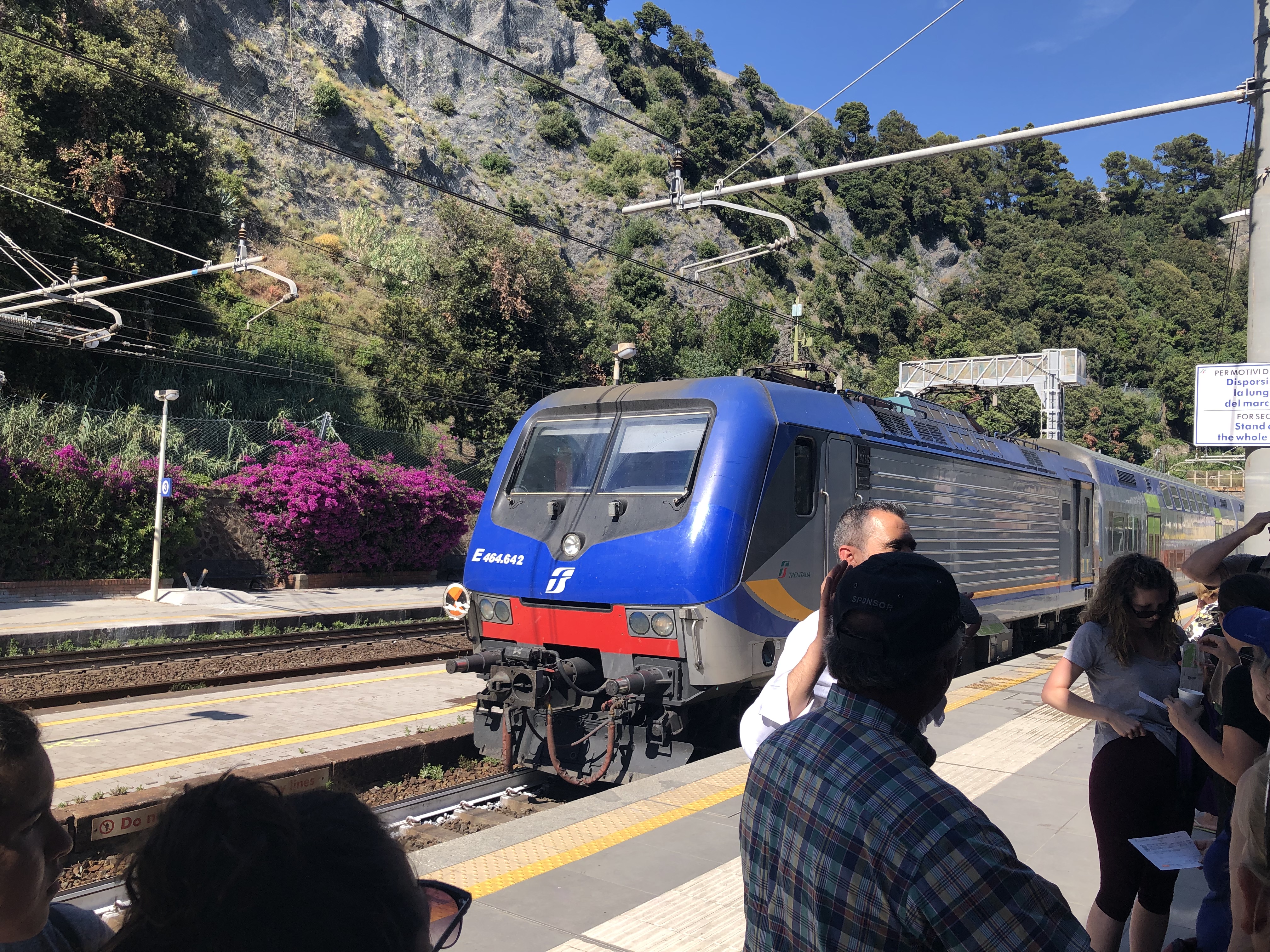
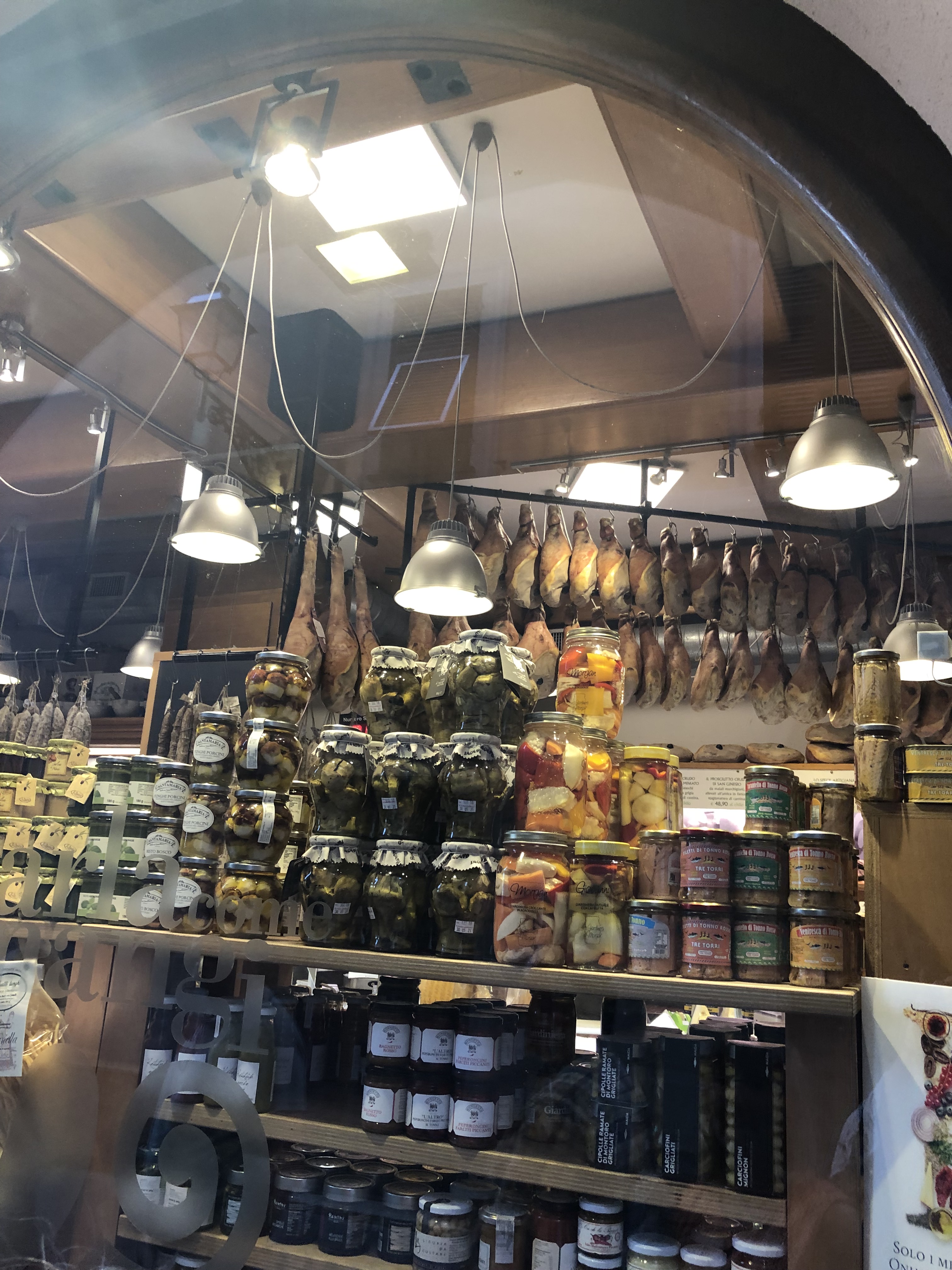
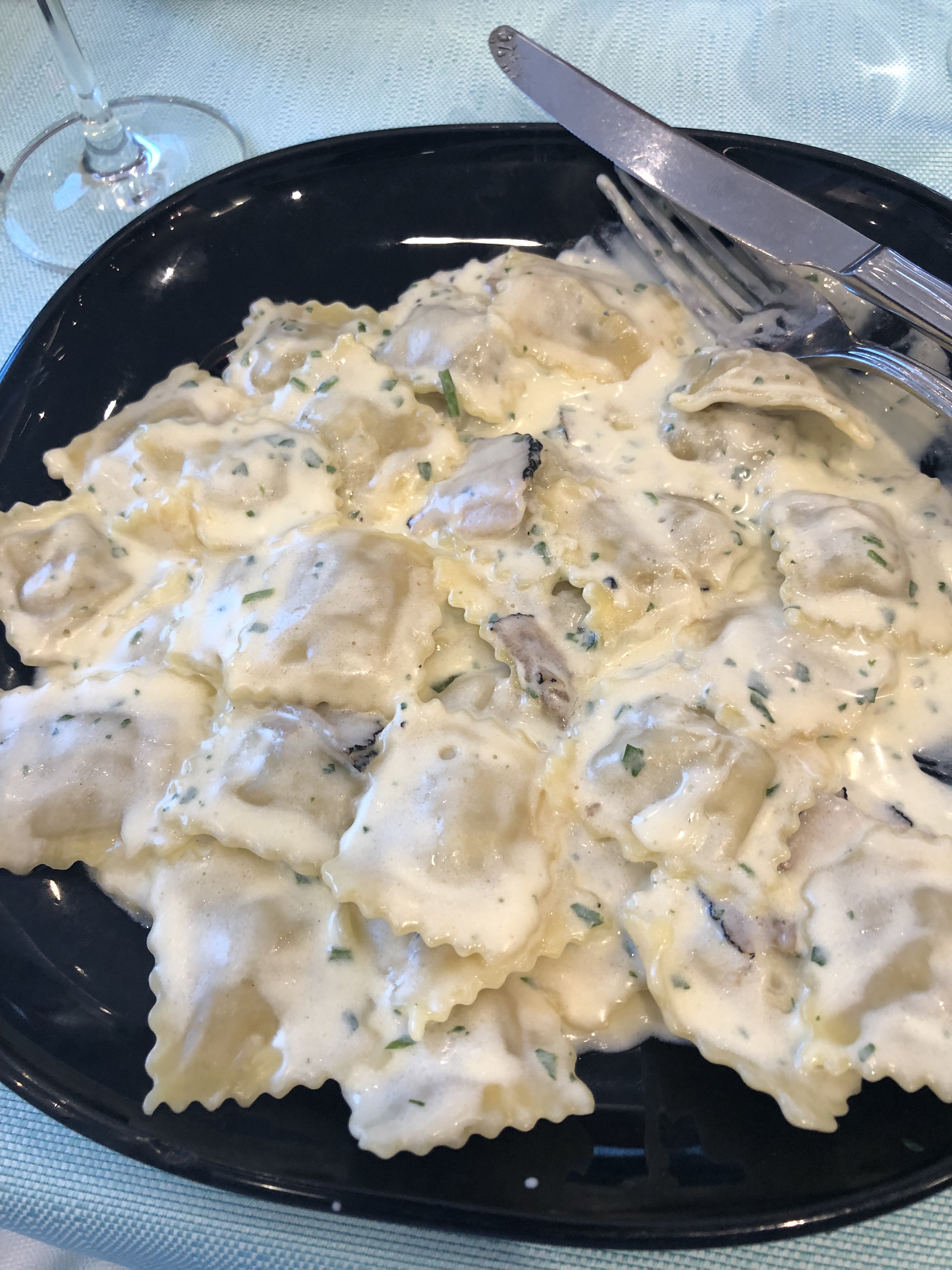
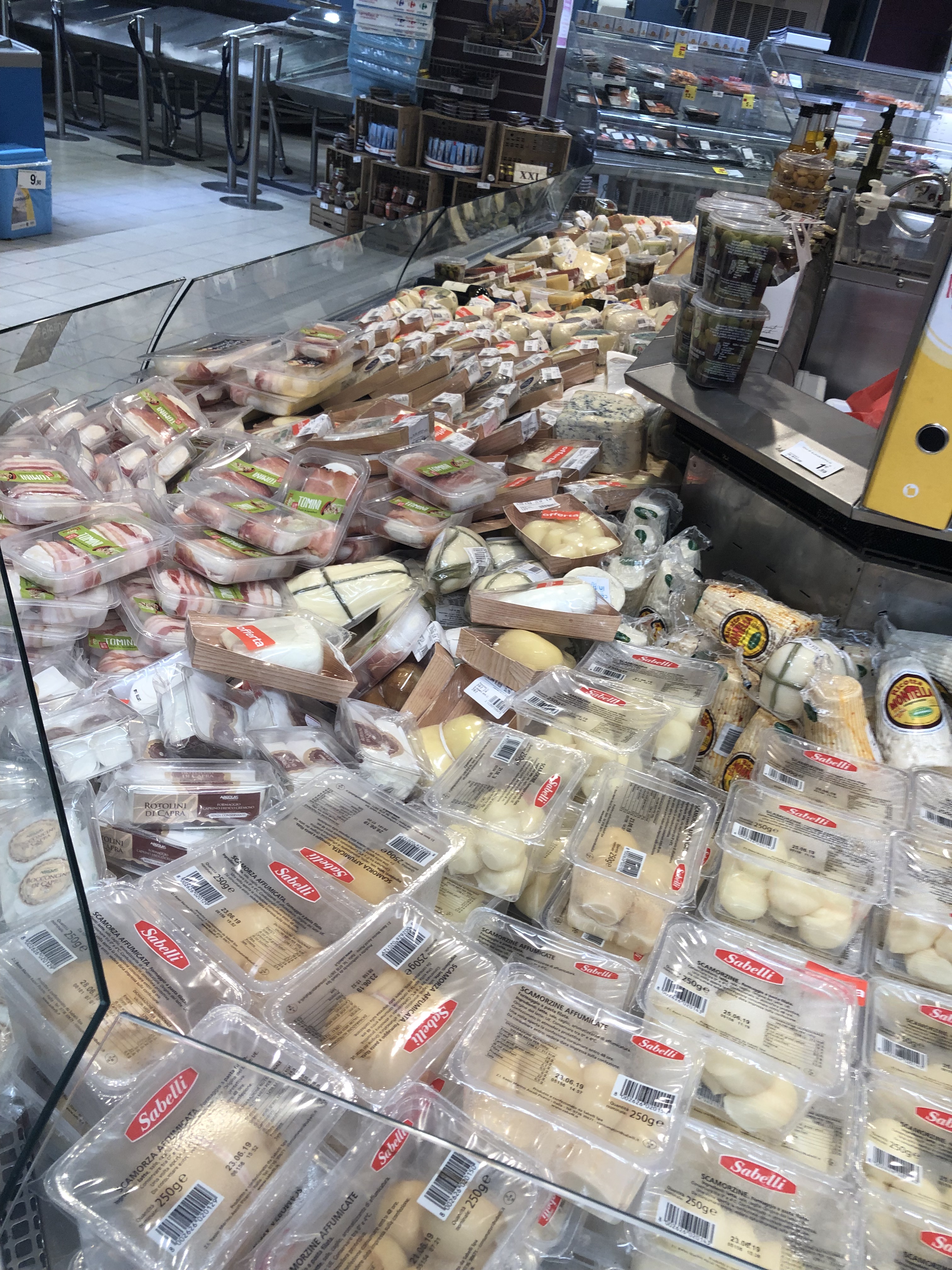
Our travel back to our hotel was by a scenic train ride through the Cinque Terre, Liguria region as we travel from Monterosso al Mare to Rapello, Santa Margherita Ligure. Dinner was at a pasta restaurant in Rapello. After dinner we explored a local market (grocery store) to buy a few foods items for our long trip to Florence tomorrow.





Day 10 Guided tour of Florence
We sadly left seaside Rapello for the last city of our journey, Florence.


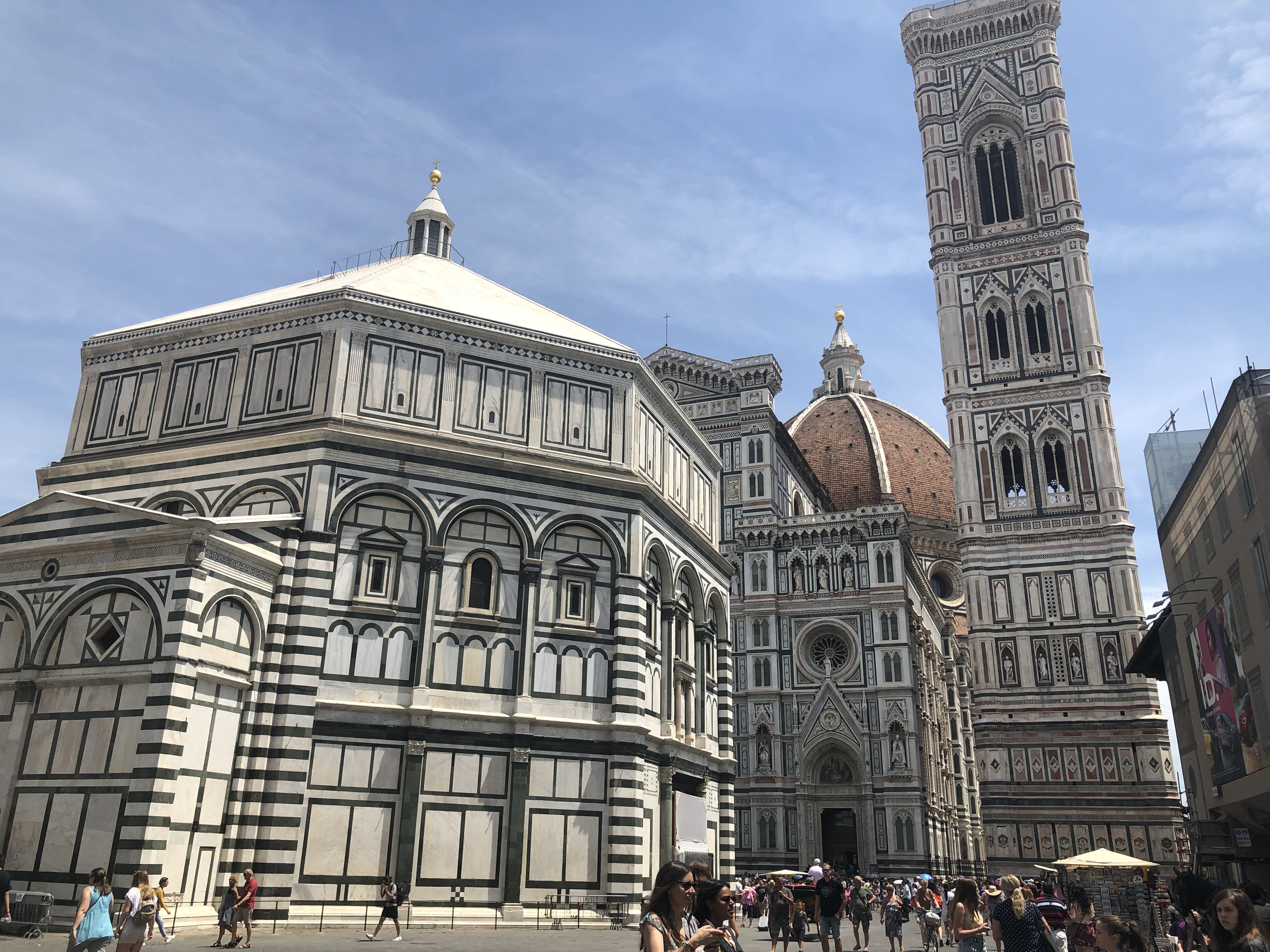
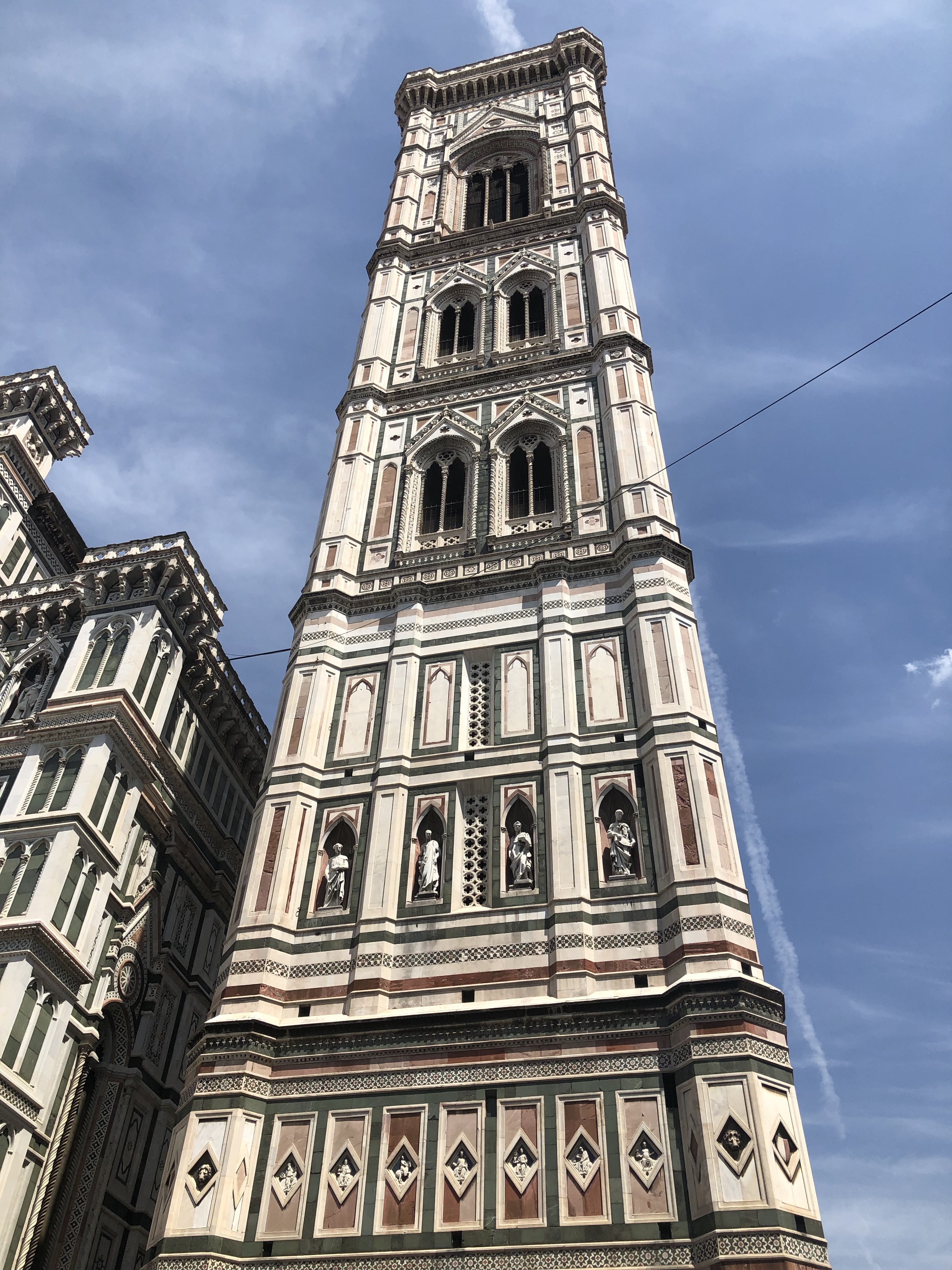
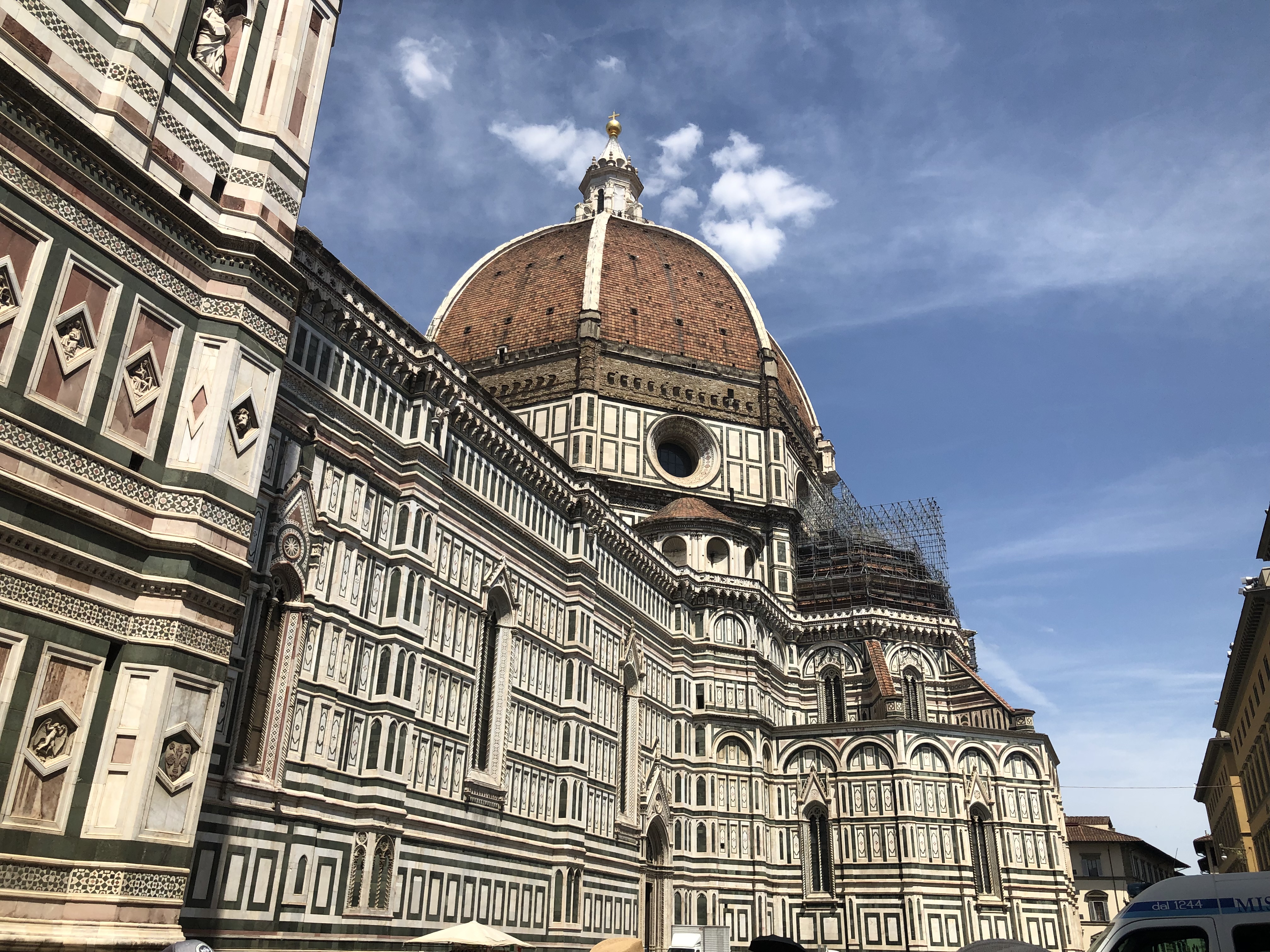
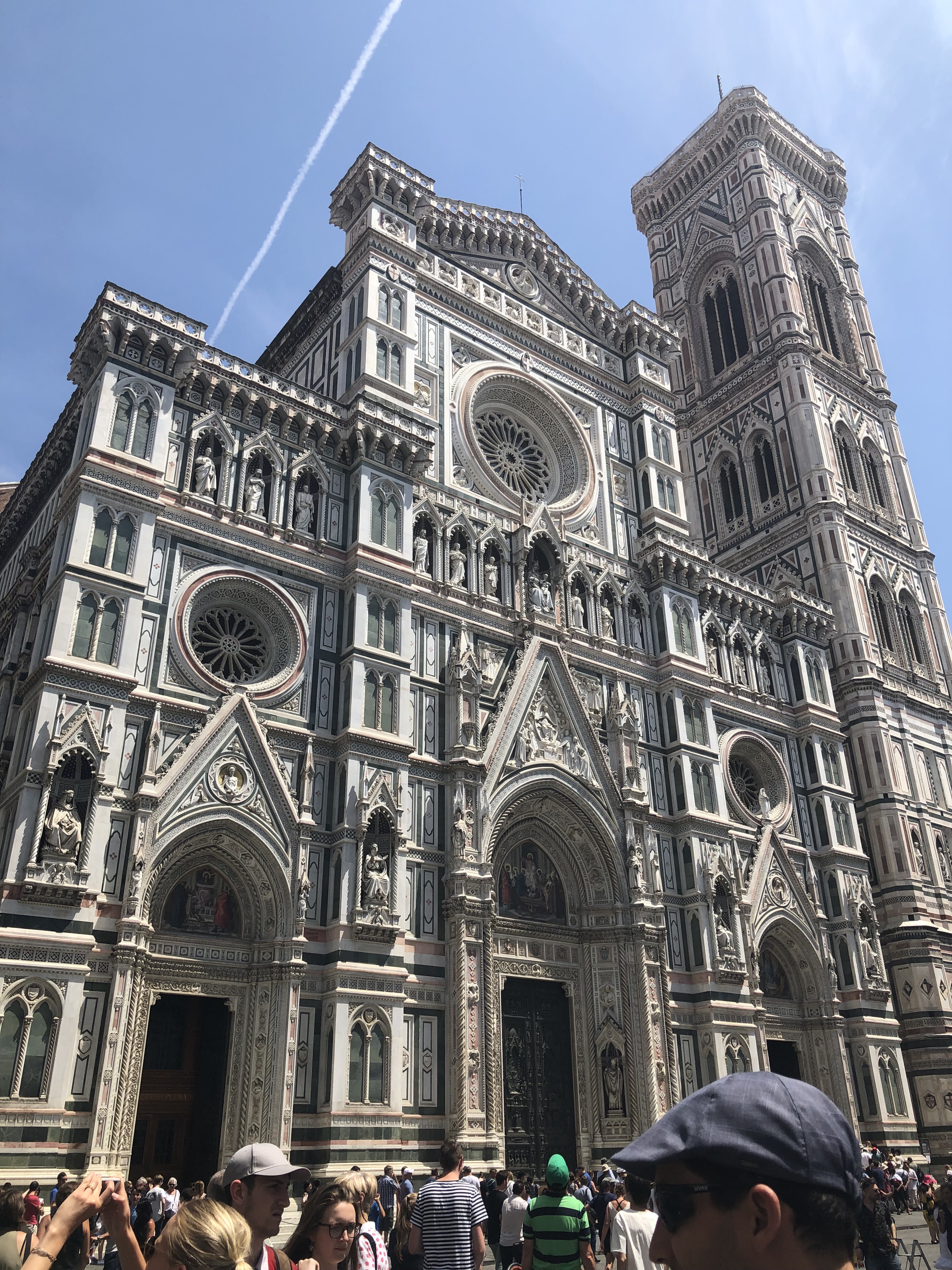
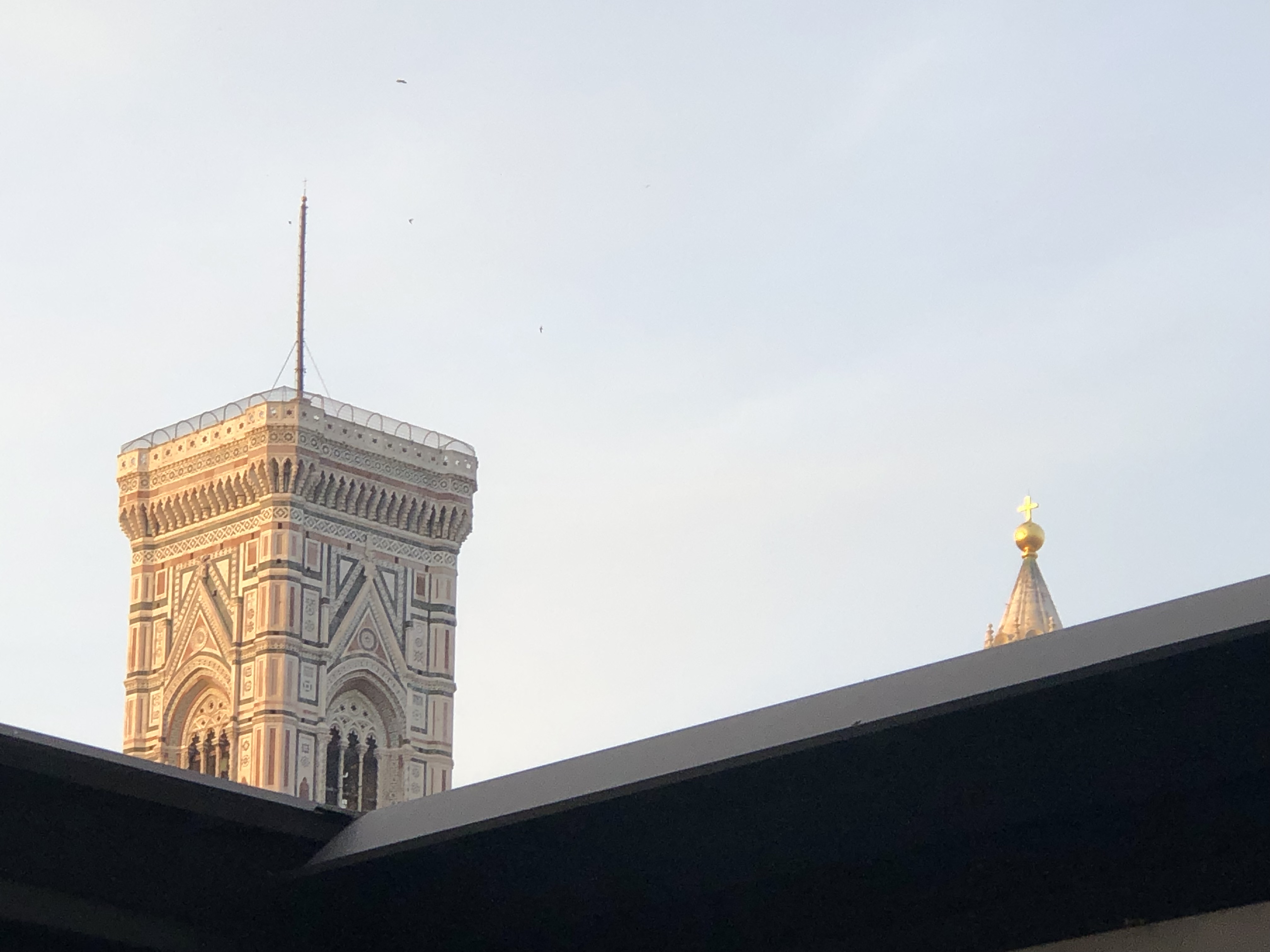
A walking tour of Florence was on the itinerary for our afternoon. It was extremely crowded and very humid. Our first stop on our tour was to see Duomo, the legendary Florence Cathedral and formally known as Cattedrale di Santa Maria del Fiore. The Gothic style cathedral was started in 1296 and completed in 1436 with the dome. The exterior is made of polychrome marble panels in green and pink bordered by white. It is in the historic center of of Piazza del Duomo. The interior of the cathedral contains many fresco paintings and statues from famous artists from the Renaissance period.



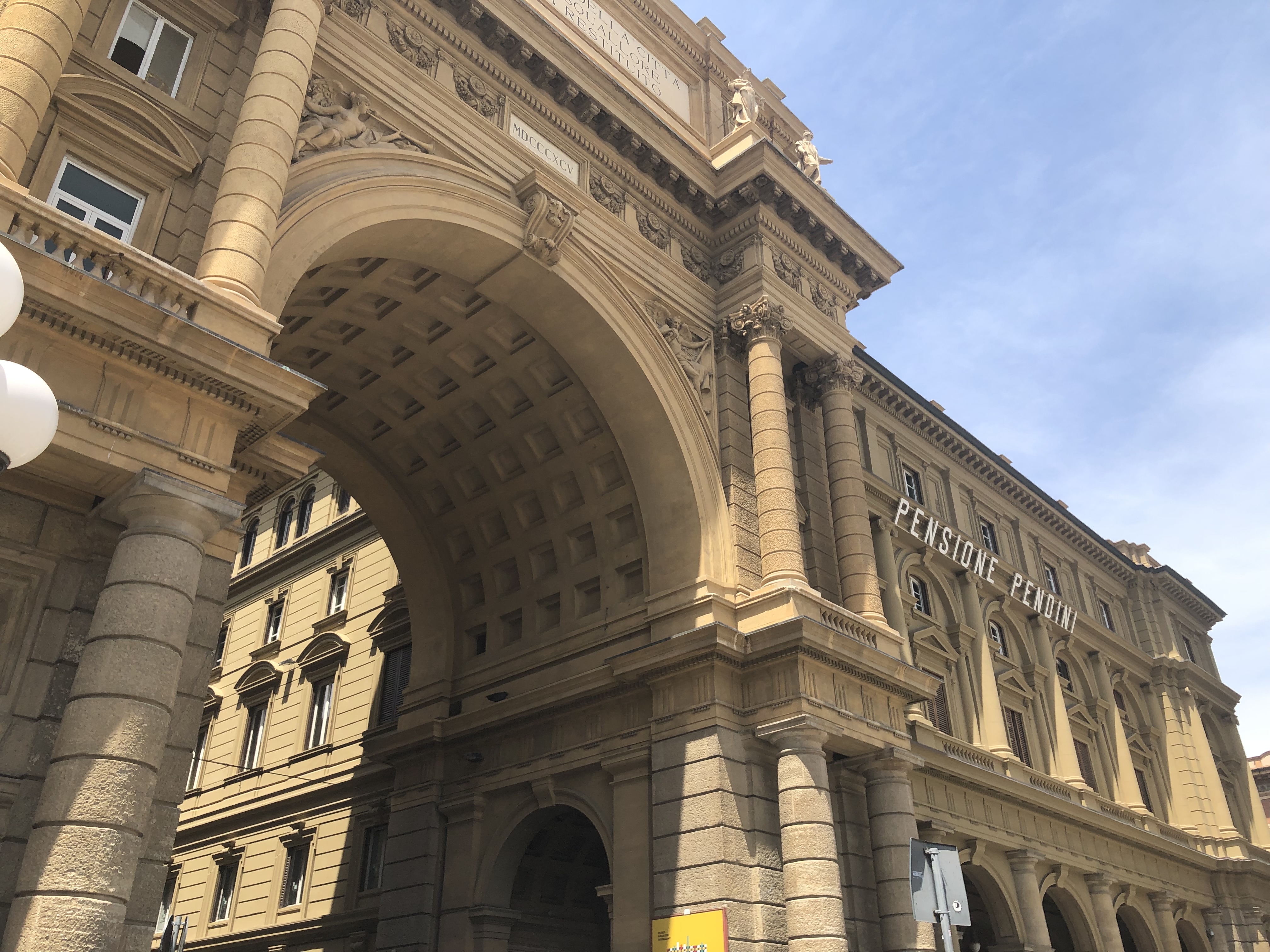
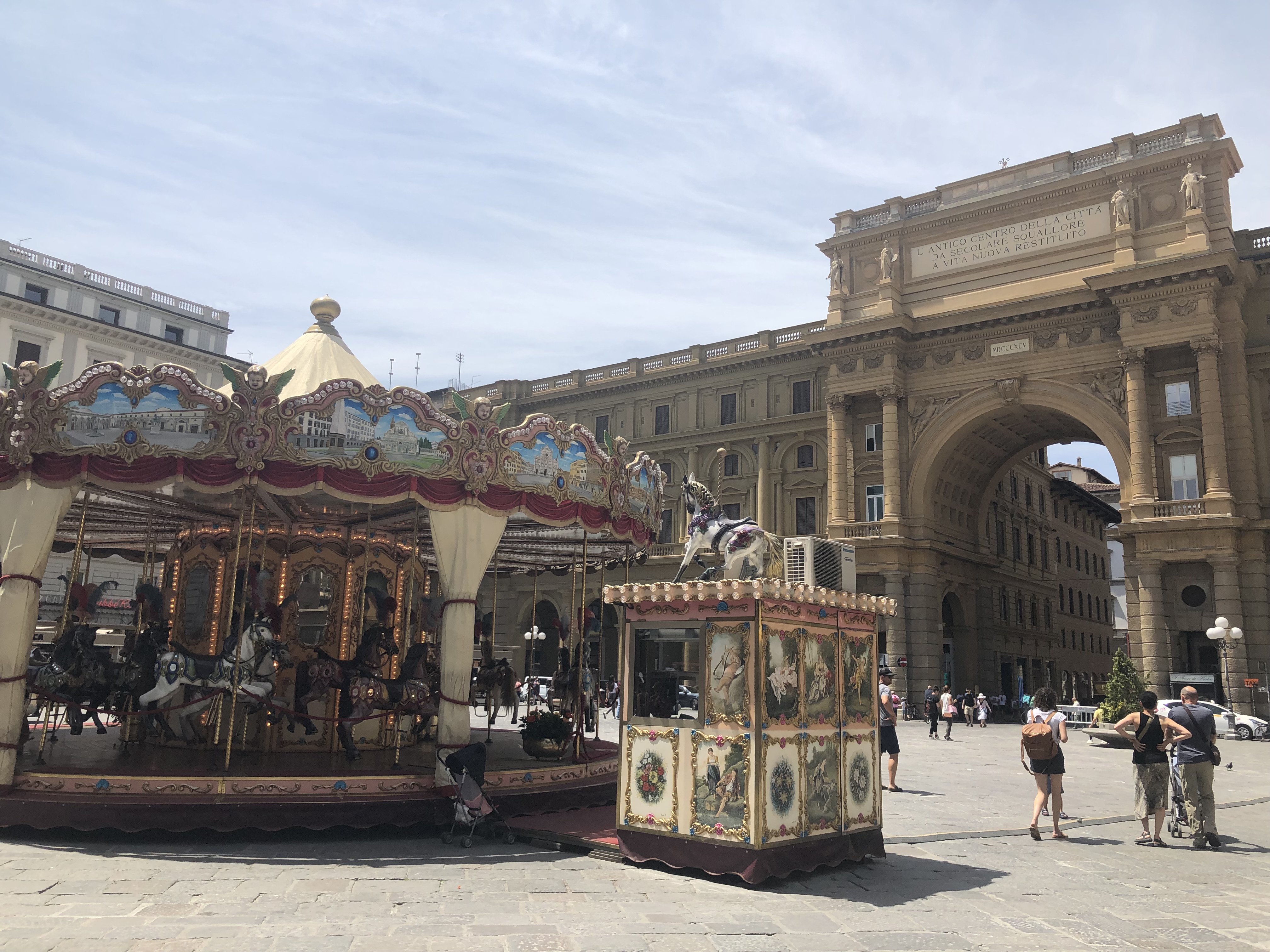
Walk past Piazza della Repubblica originally the site of the Roman forum or public square.
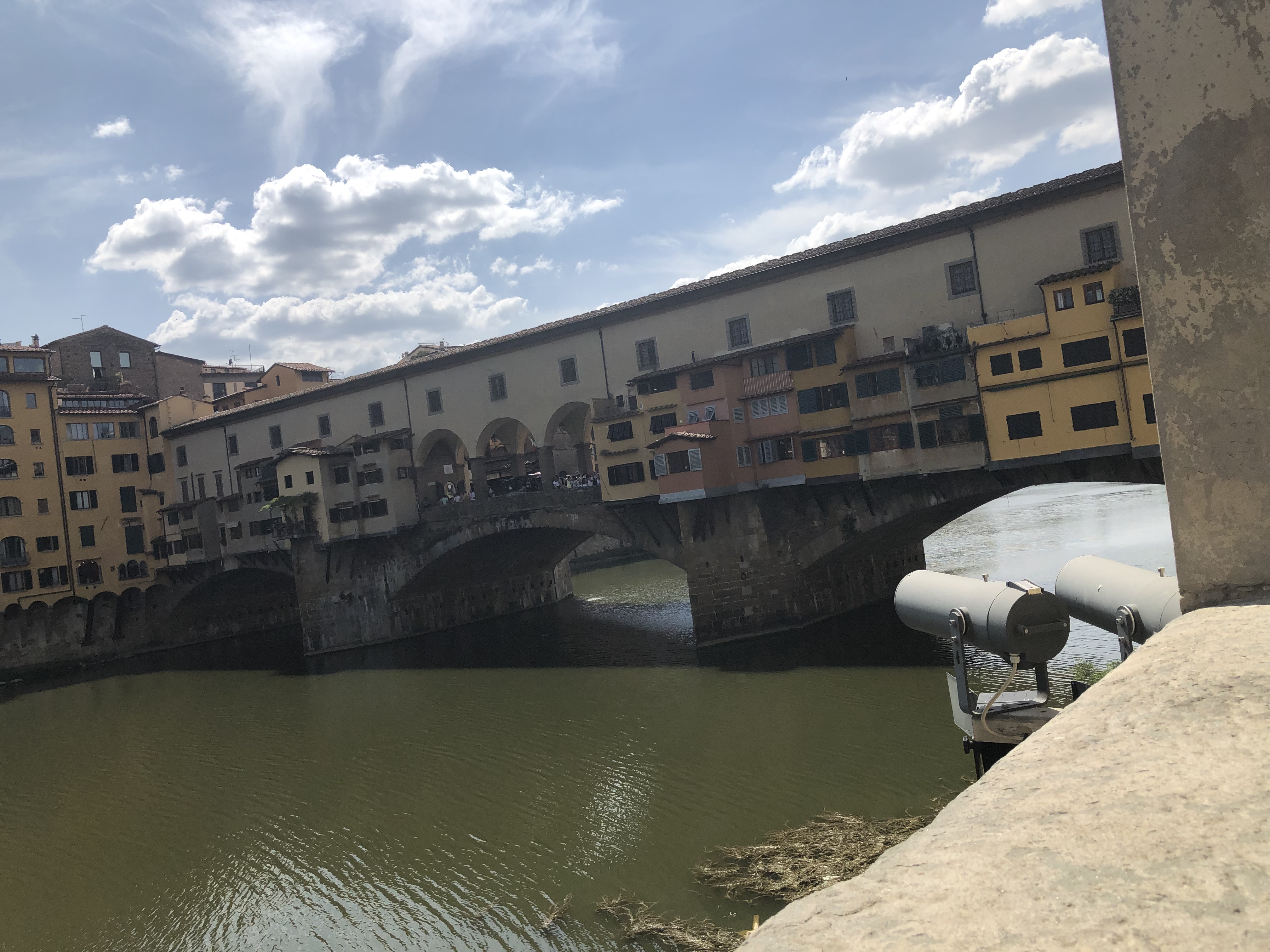
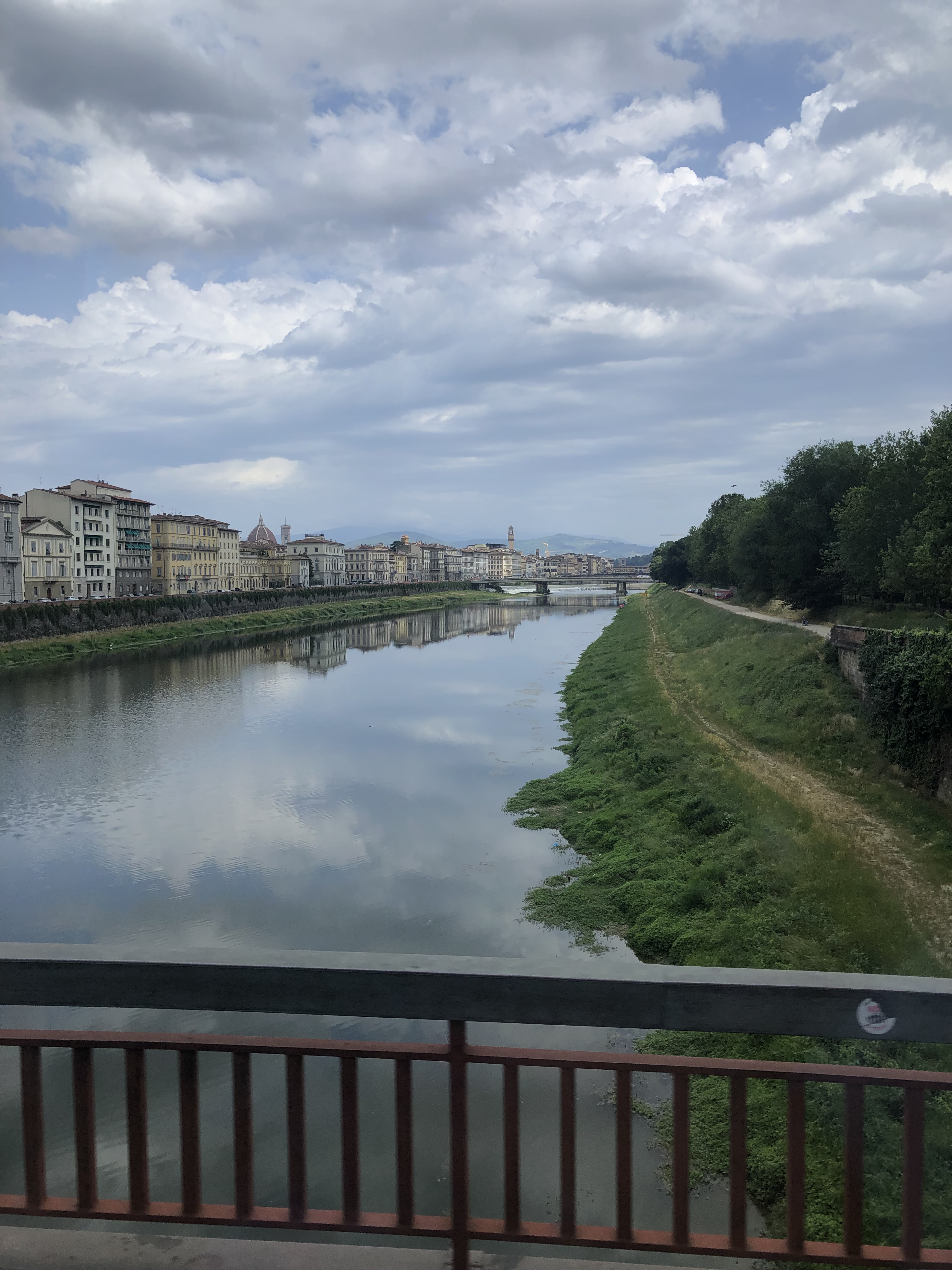
Walk along the Arno River to the medieval stone bridge, Ponte Vecchio.
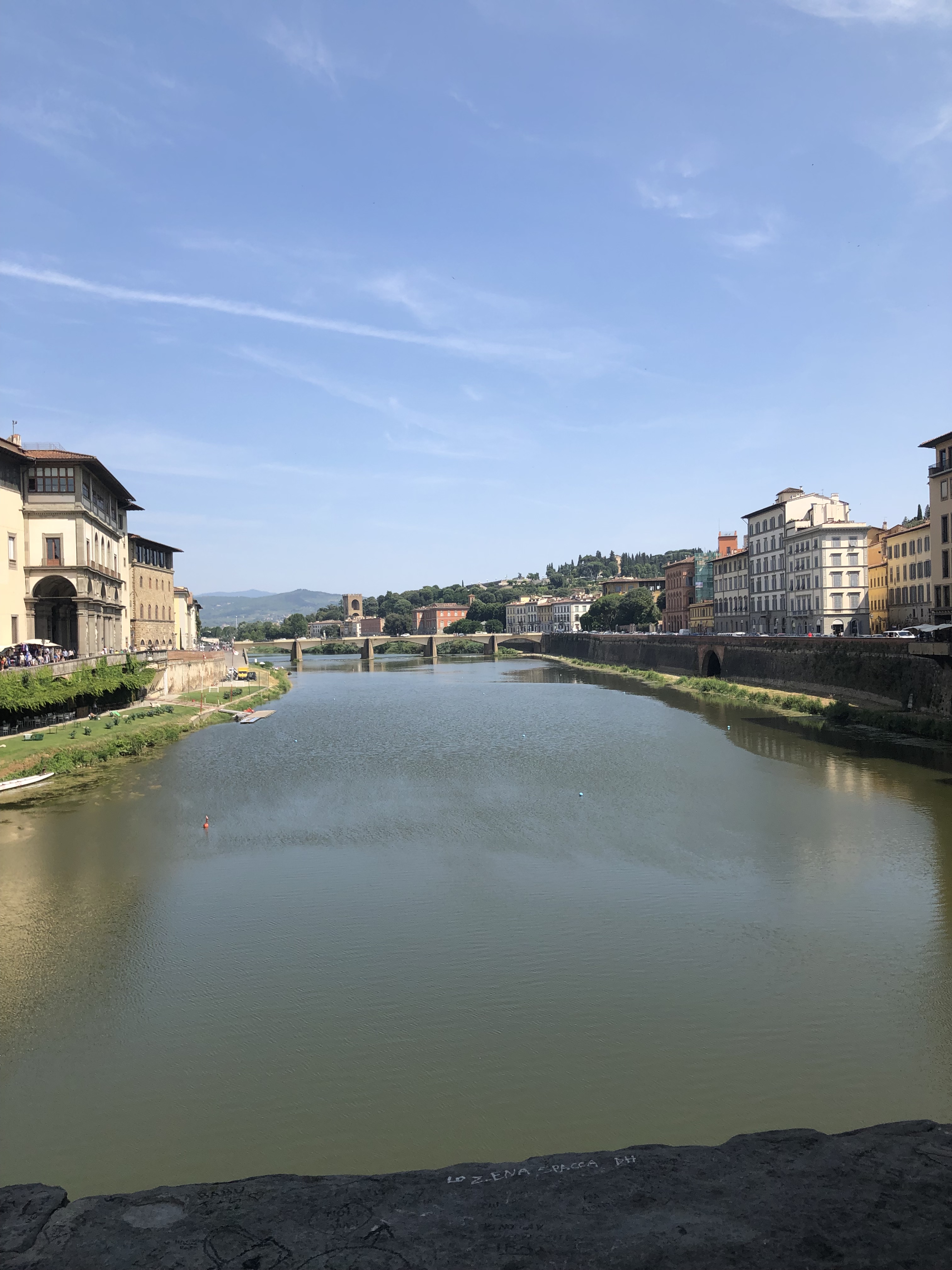
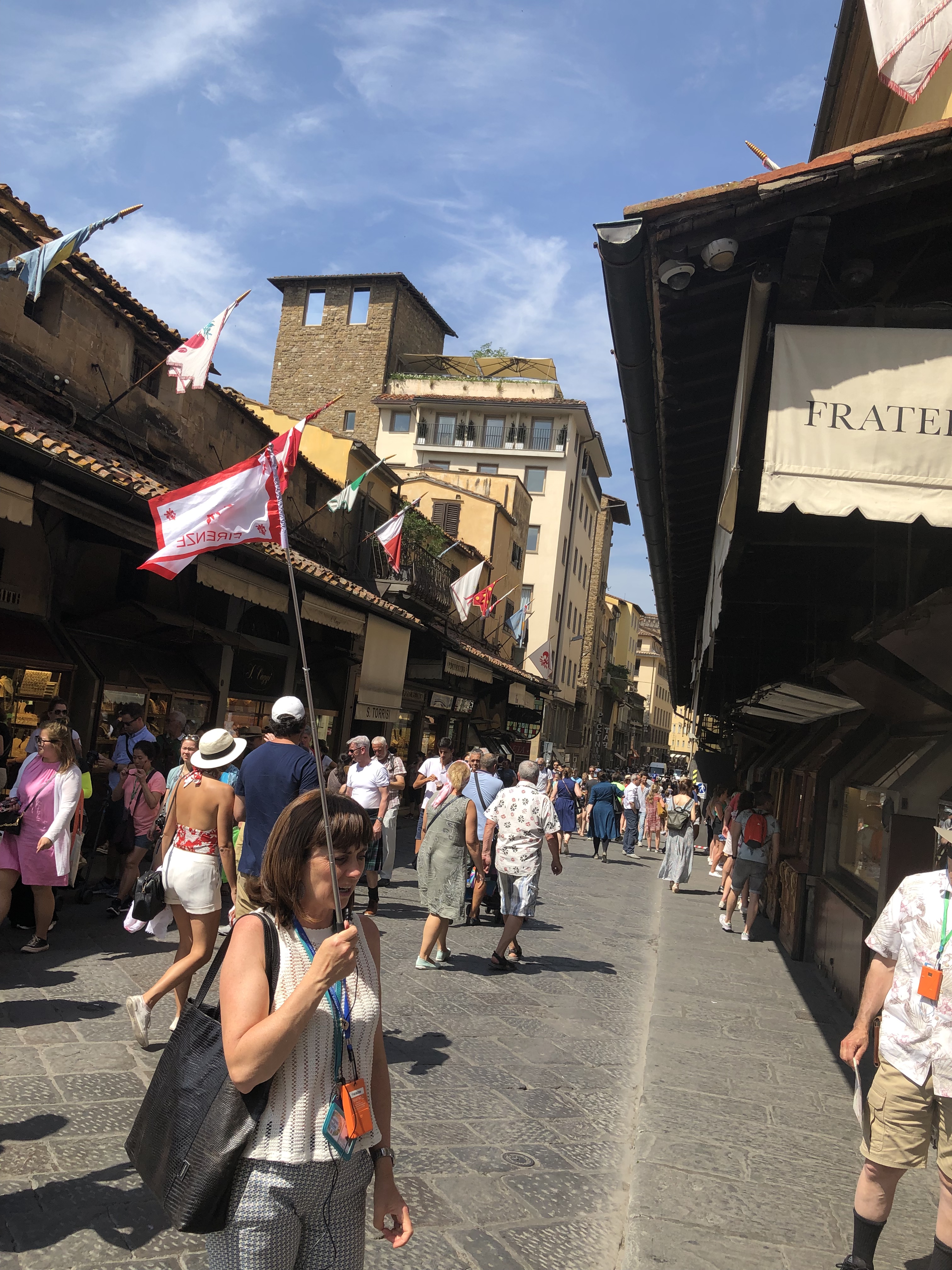
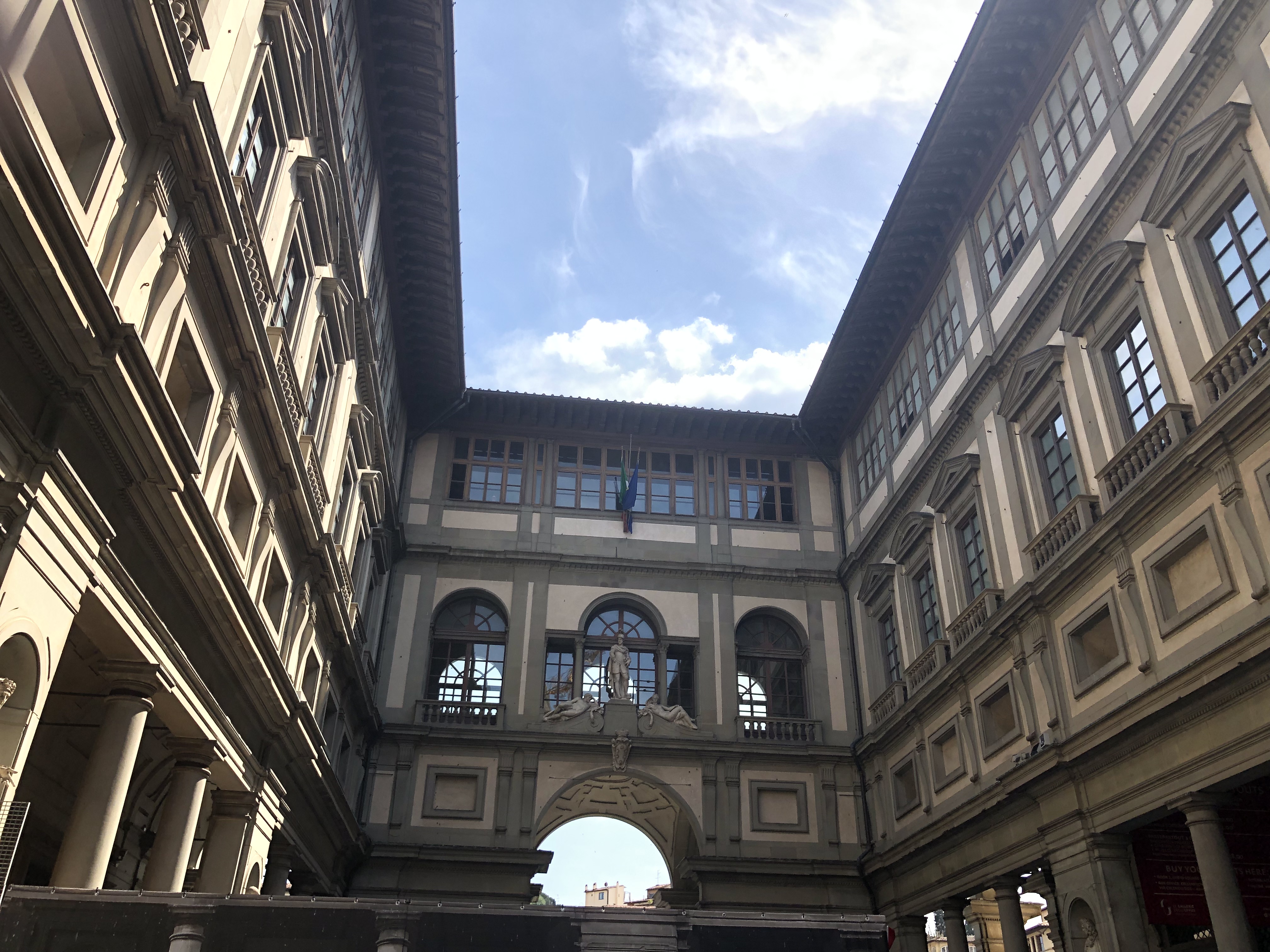
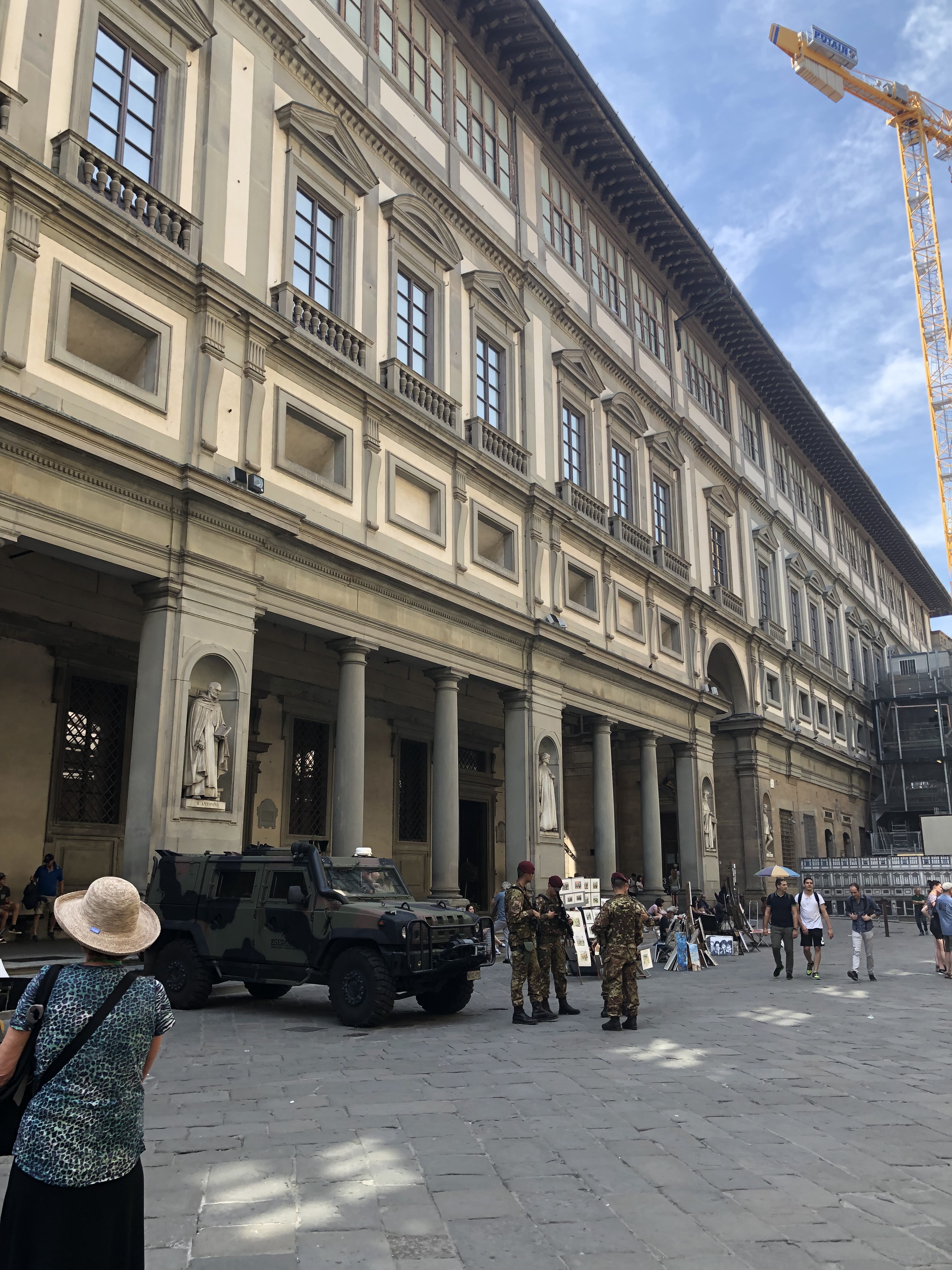
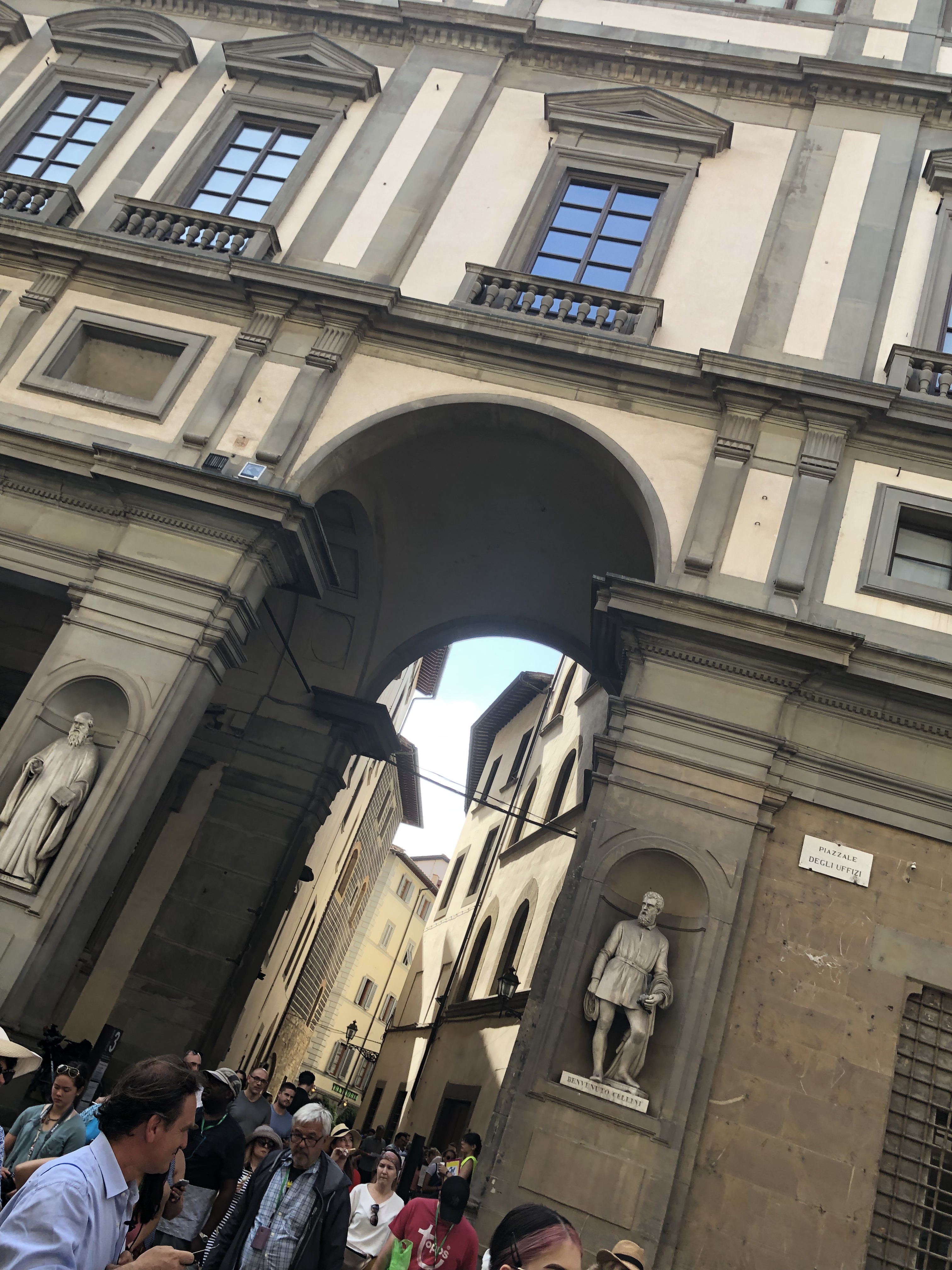
Walk through the courtyard of the Uffizi Gallery. An important Italian art museum adjacent to the Piazza della Signoria. The gallery contains many pieces of art, paintings, tapestries and statues, from the Italian Renaissance.
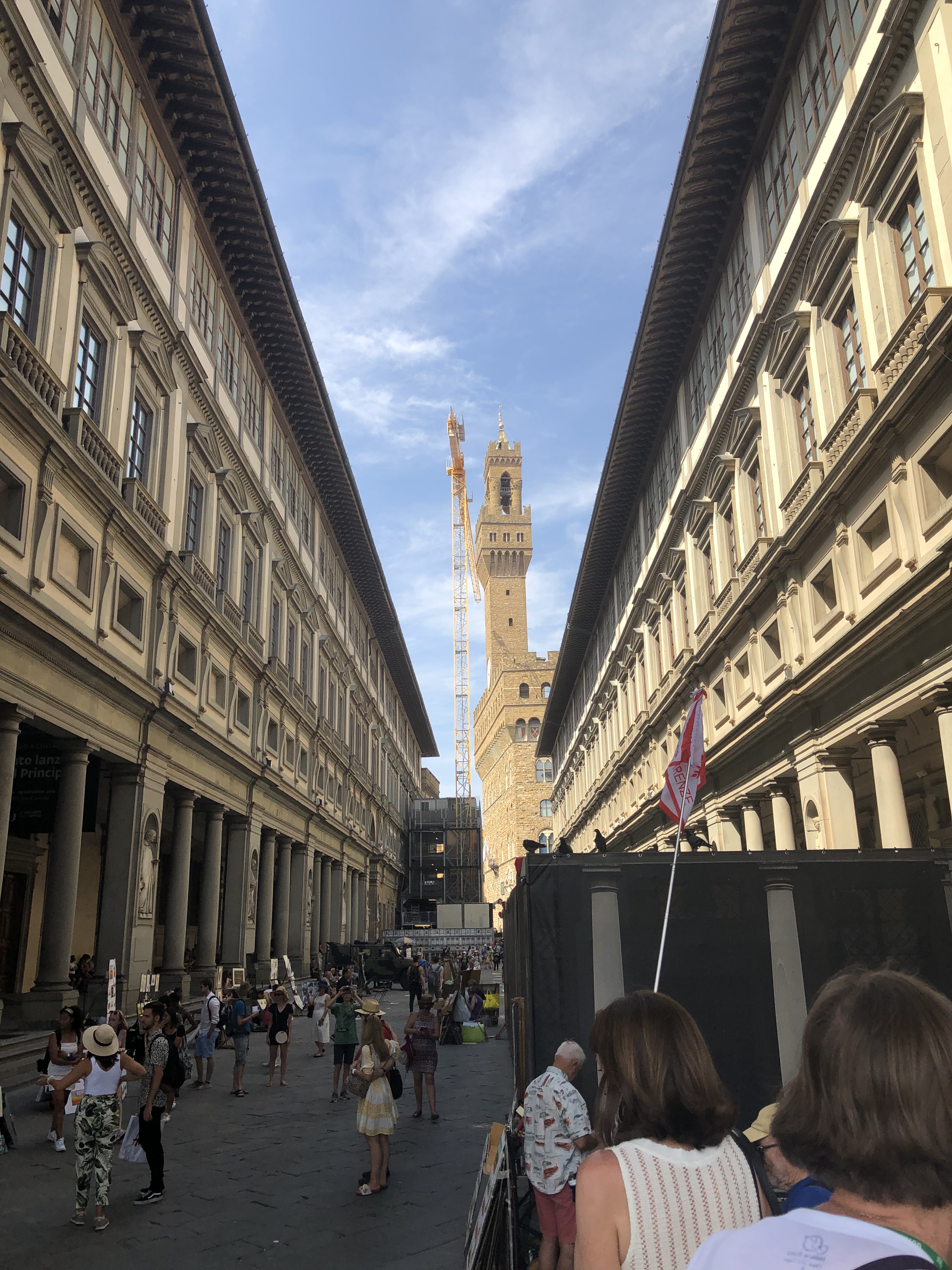


The Piazza della Signoria, once the center of Florentine life, is still the center of politics of Florence. It is the location of the town hall of Florence, Palazzo Vecchio, with a replica of the Michelangelo statue of David. A open air sculpture gallary with wide arches, called Loggia dei Lanzi also known as Loggia della Signoria, faces the Piazza. The sculptures are antique and Renaissance art. It is also the location of the Medici lions. One of the lions is from Roman times, around 2nd century CE the other is 16th century. The Fountain of Neptune can also be found in the Piazza della Signoria. As well as the Equestrian Monument of Cosima I built in 1594 in the Classical Roman style of statues showing a ruler’s power and his horses. Cosimo, son of Ferdinando I, commissioned the statue. Cosimo also commissioned the Neptune fountain. The two statues celebrate the ambitions of Cosimo.
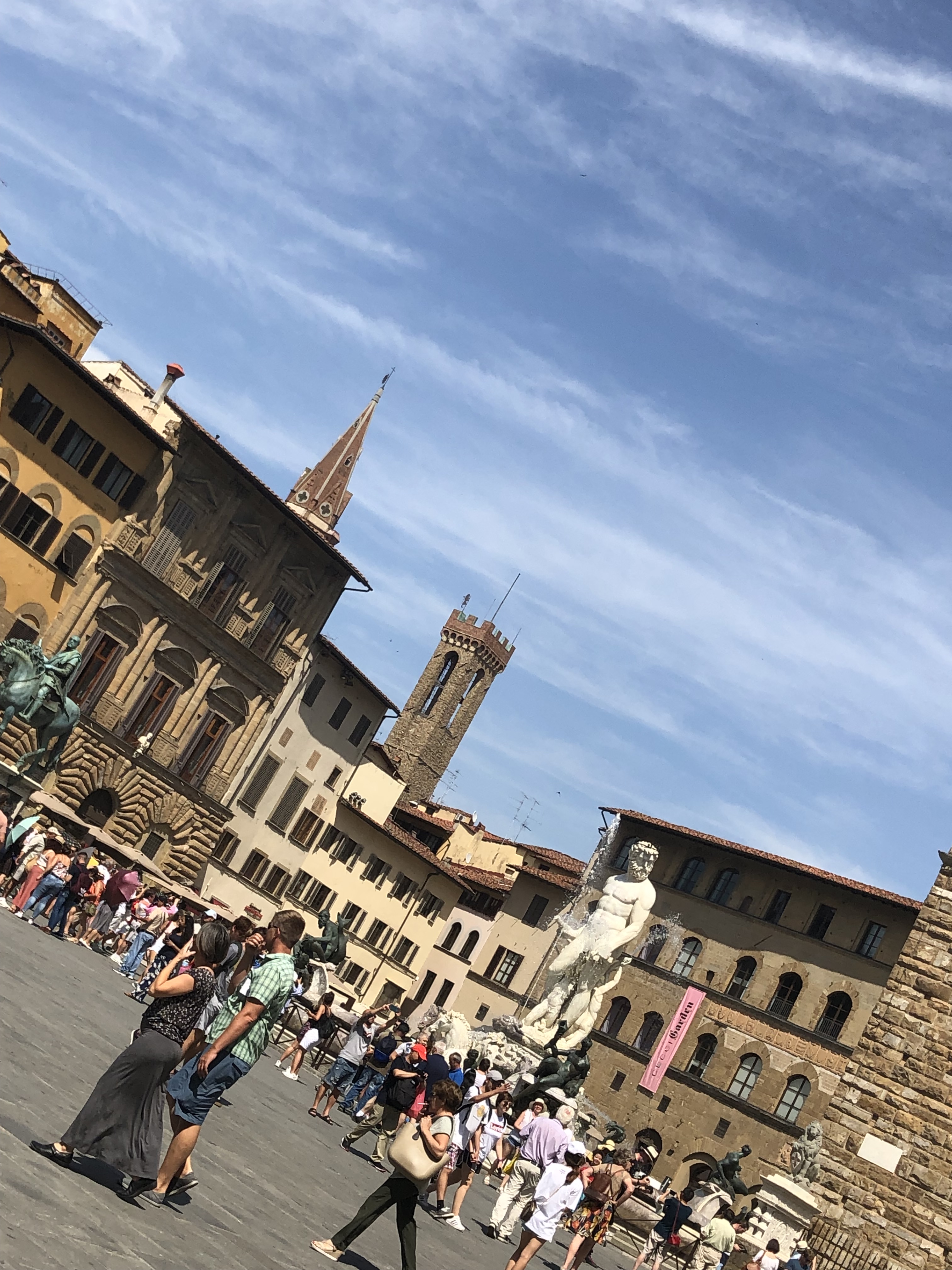
Piazza della Signoria 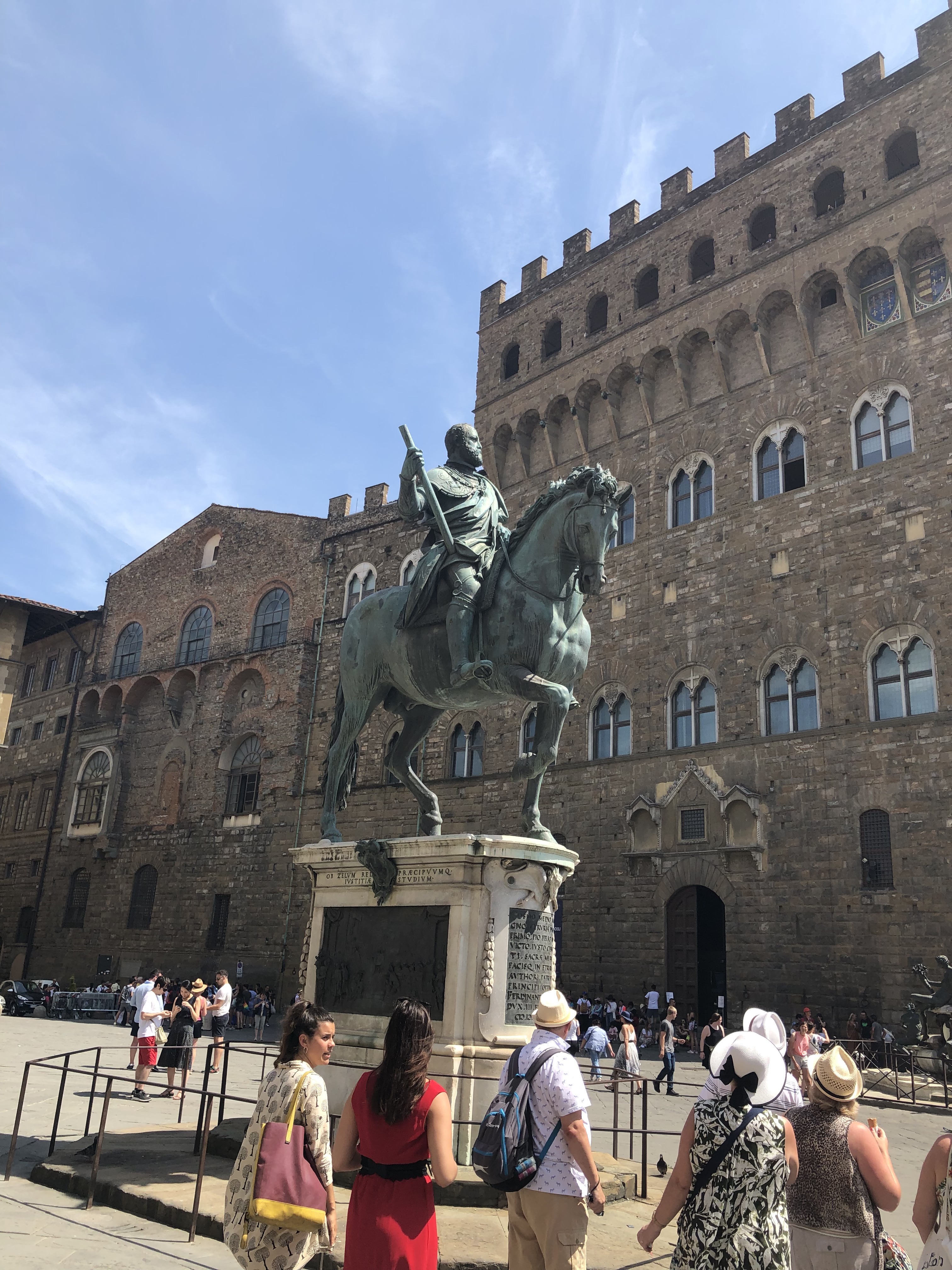
Equestrian Monument of Cosima I 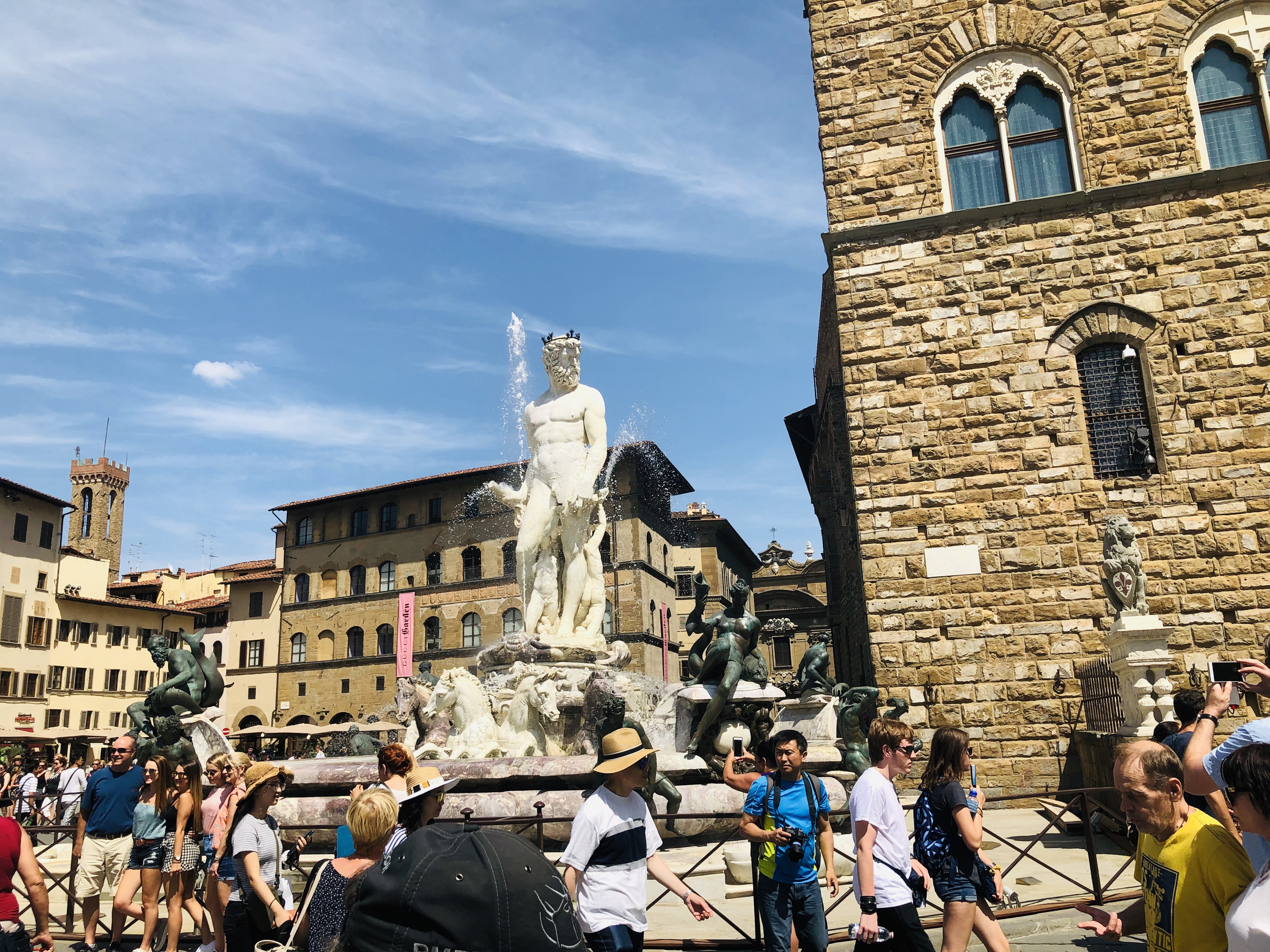
Neptune fountain 
Palazzo Vecchio 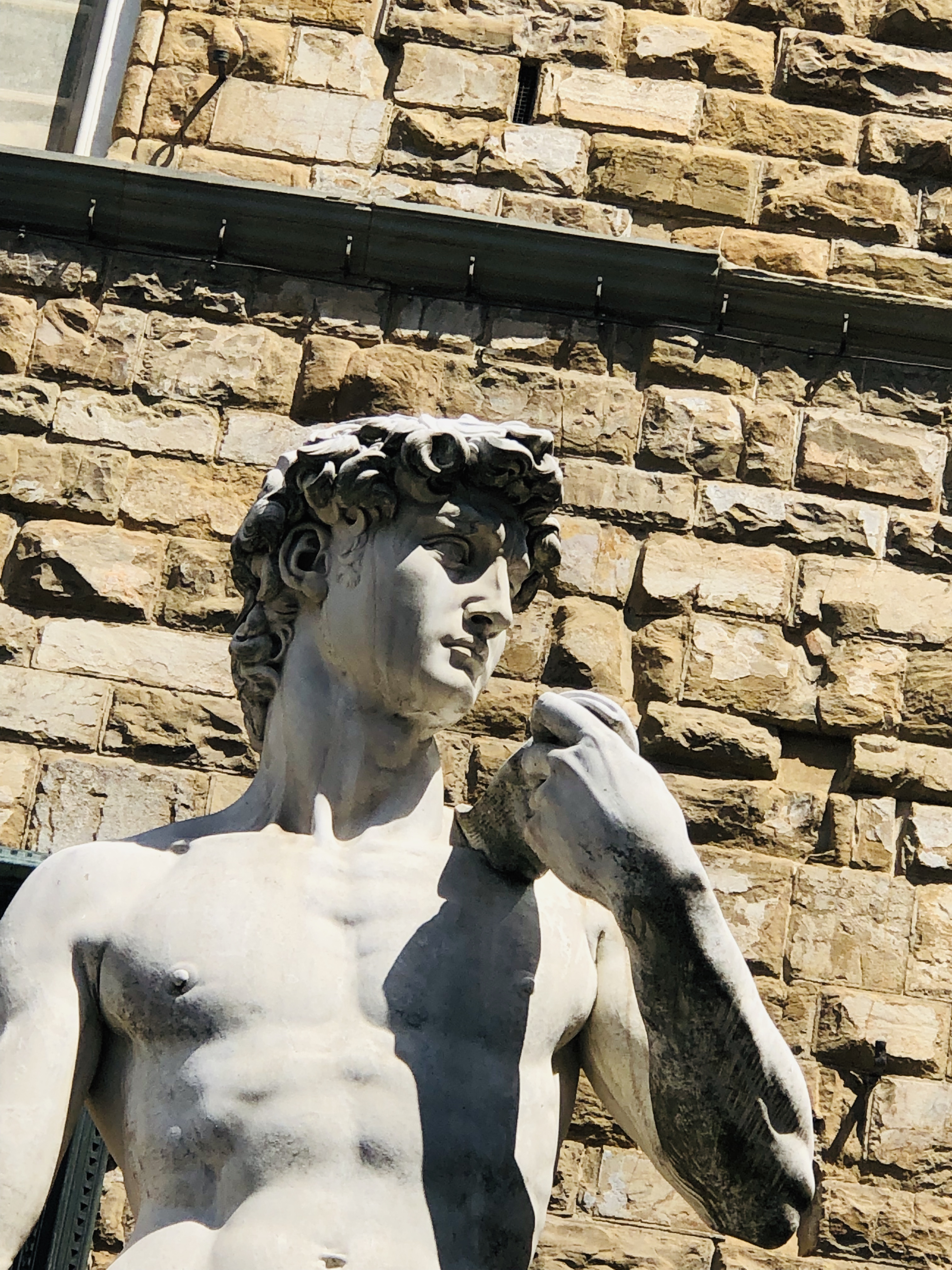
Dave 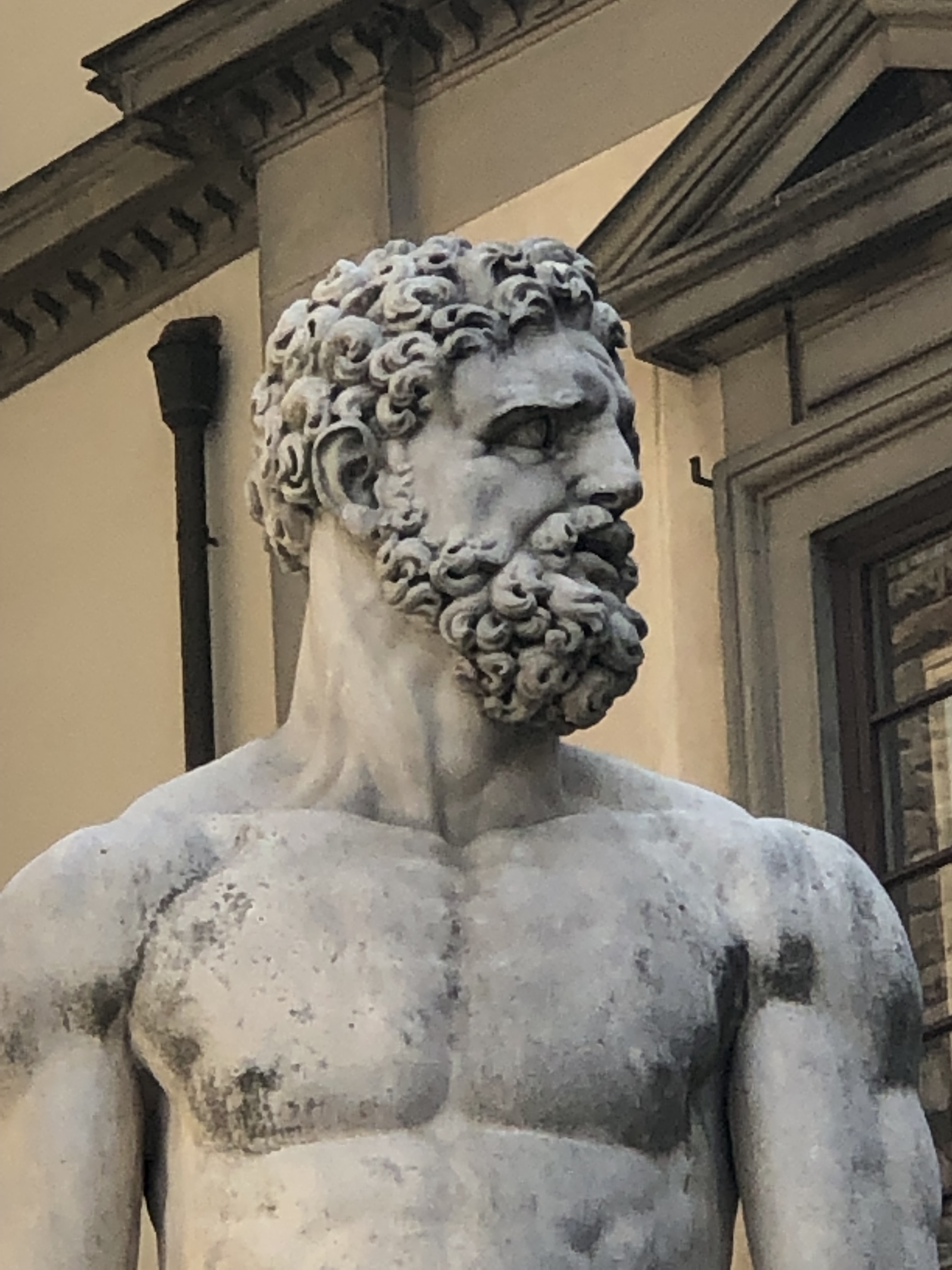
Hercules 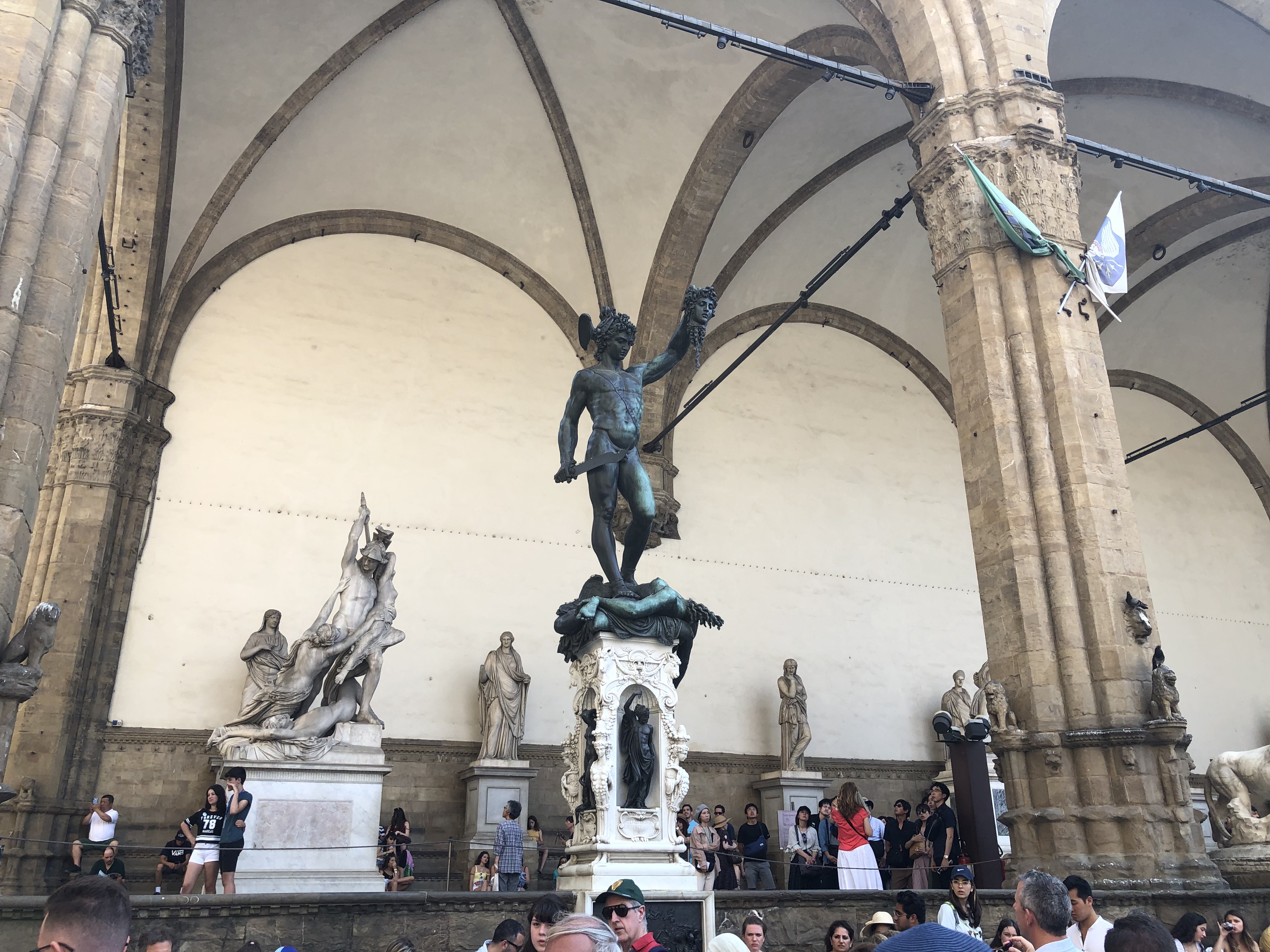
Perseus with the head of Medusa 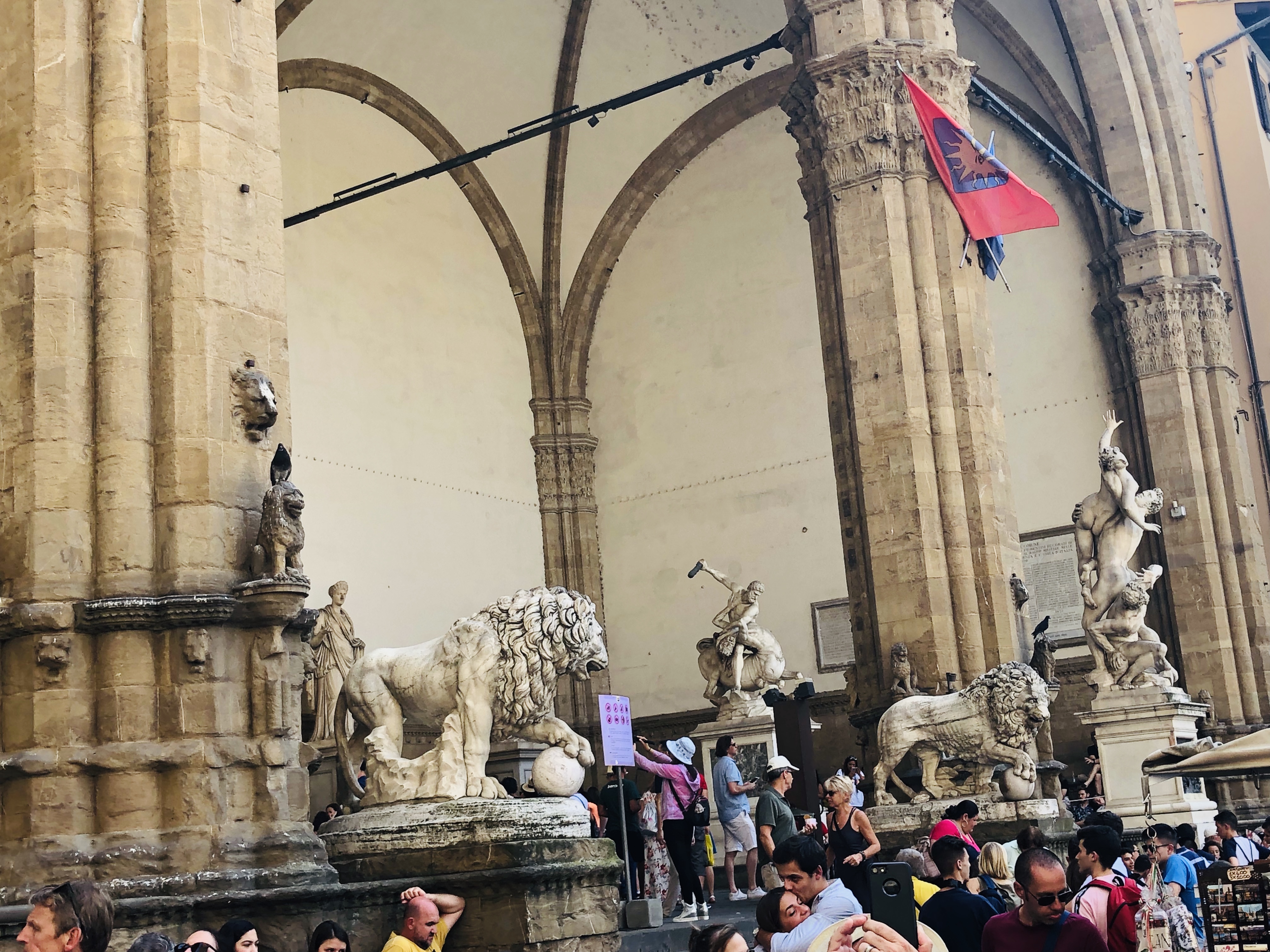
Medici lions 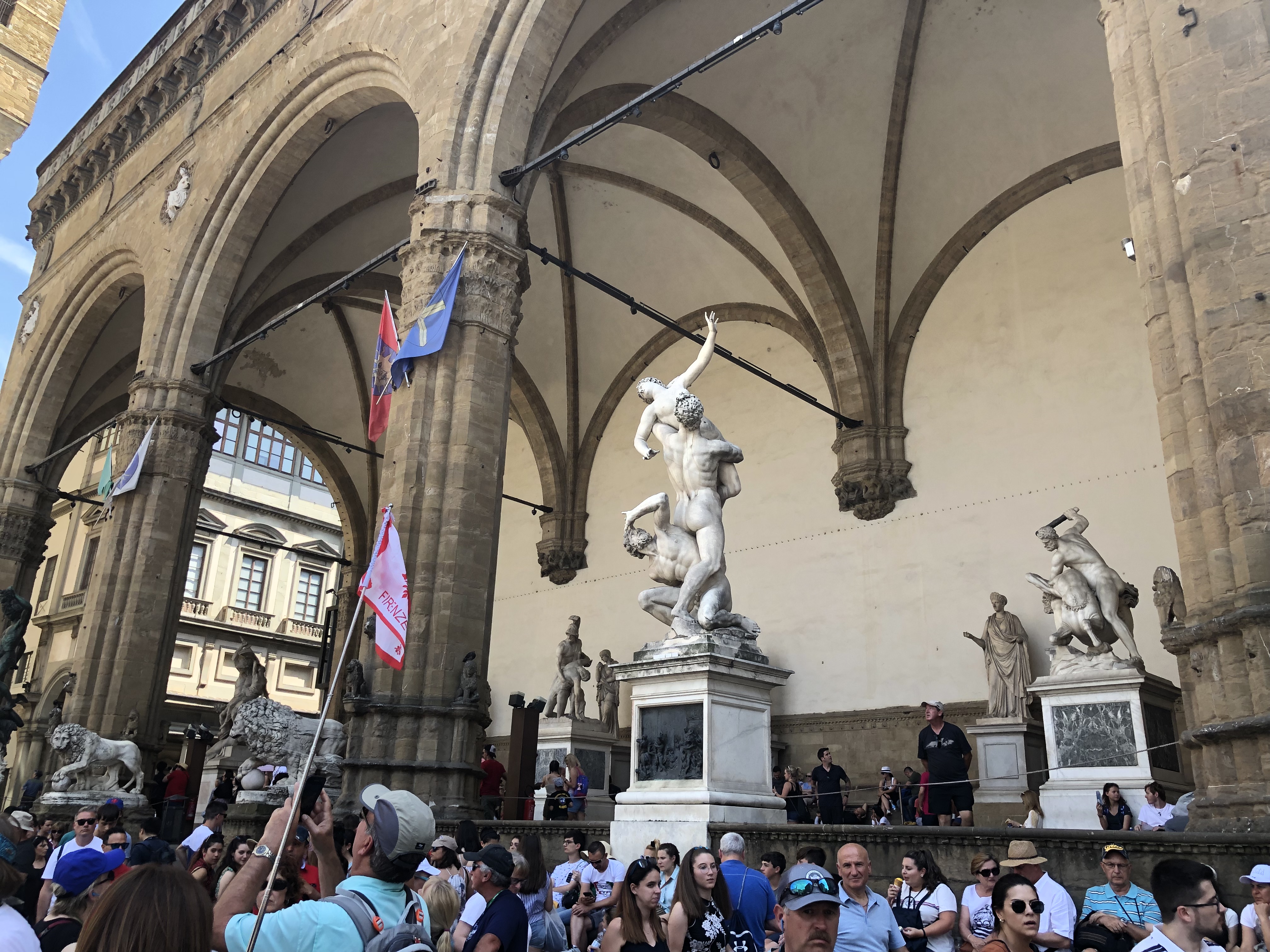
The Rape of the Sabine Women
When we were leaving Piazza della Signoria, we came upon a parade. This parade was to celebrate the upcoming football game between two rival teams. The football game was more like American football, not soccer.
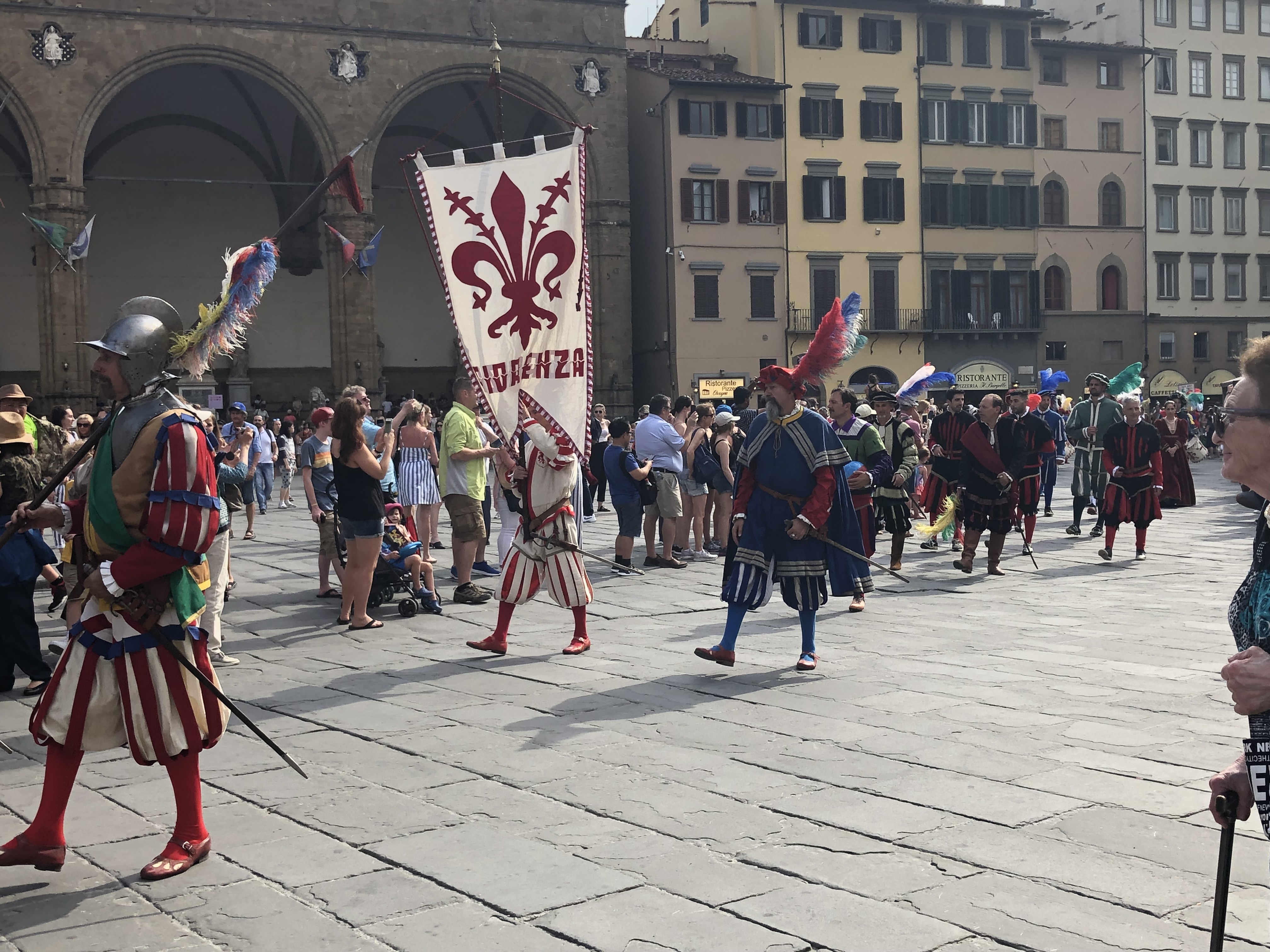


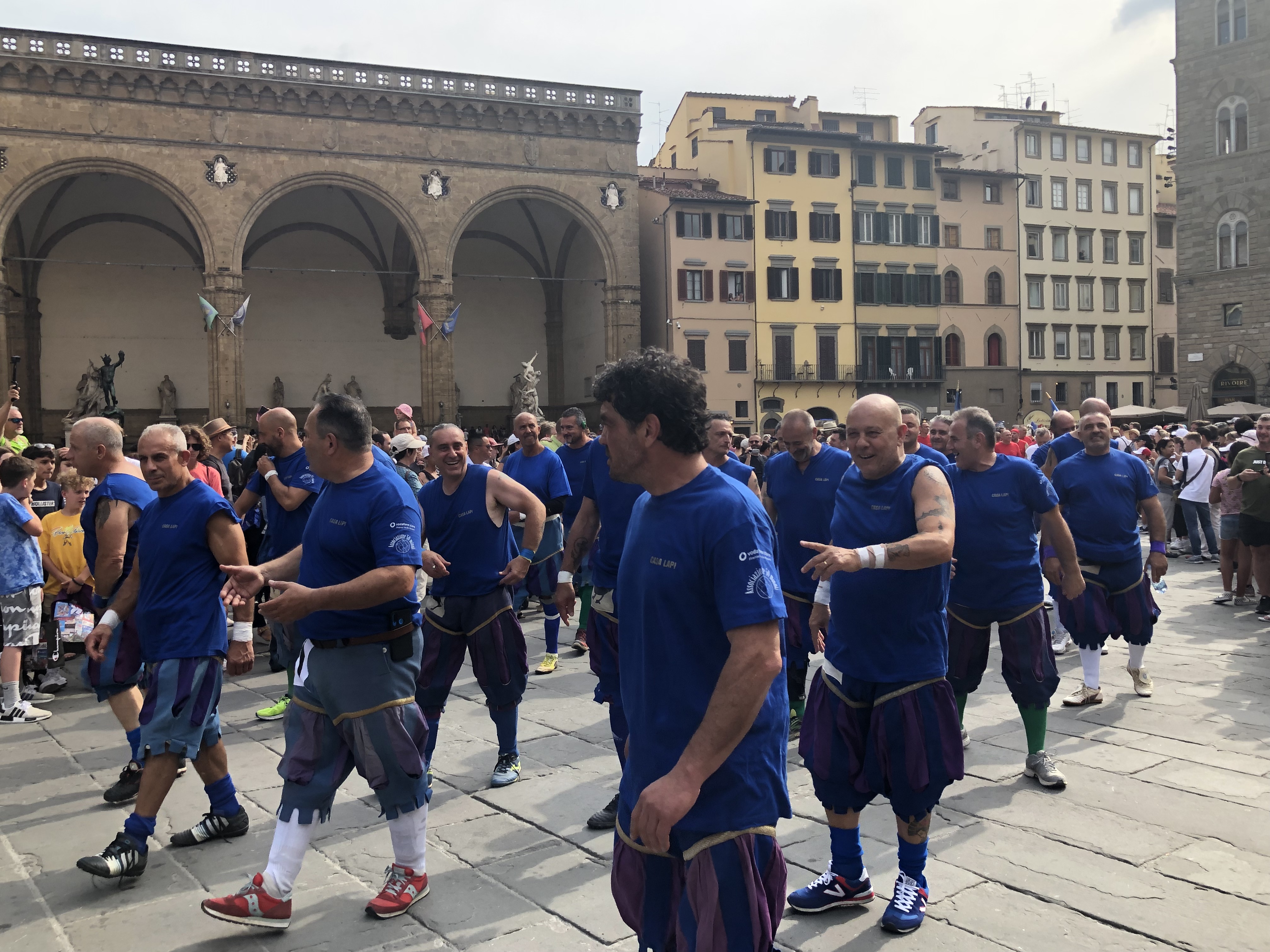


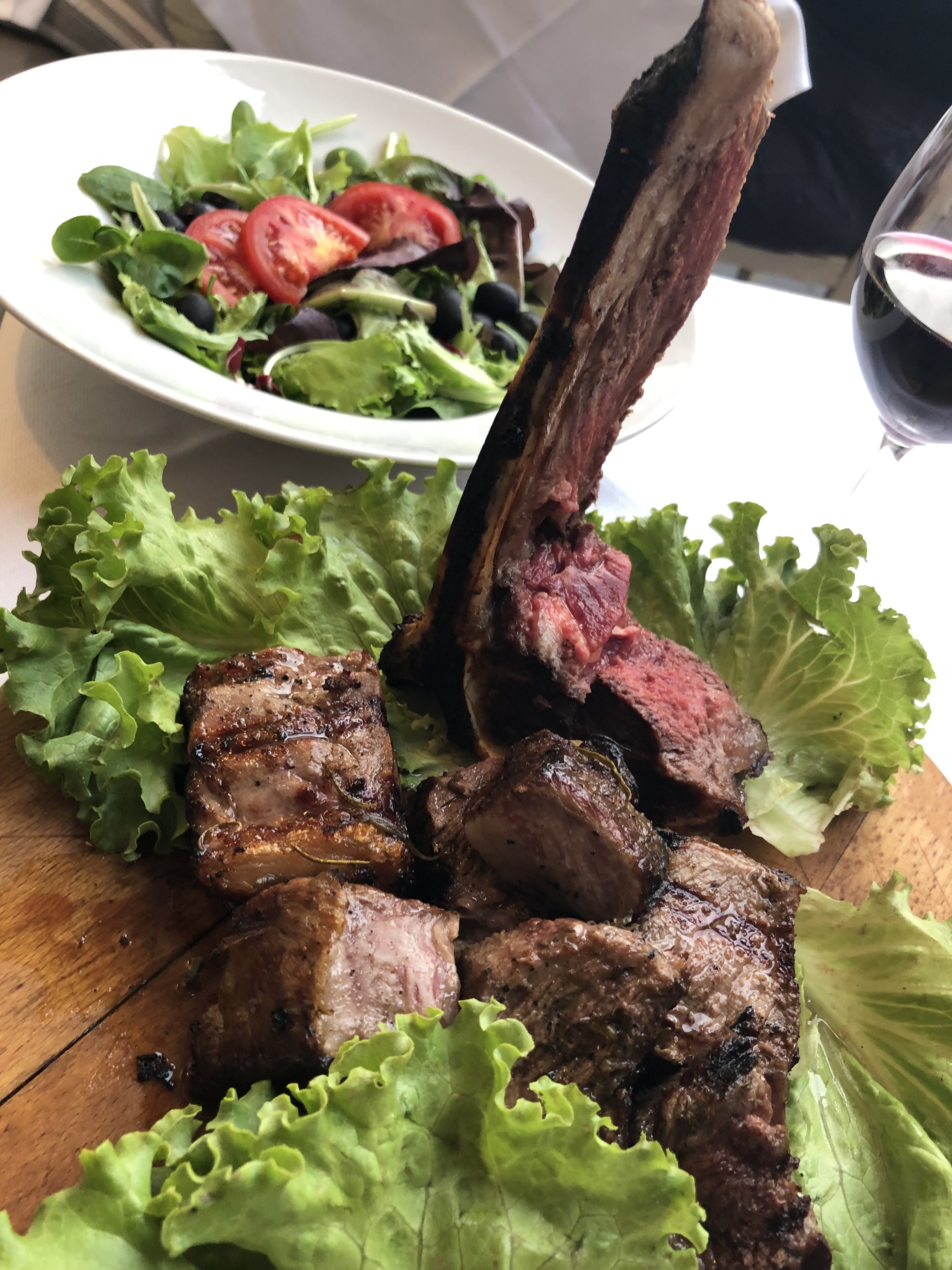
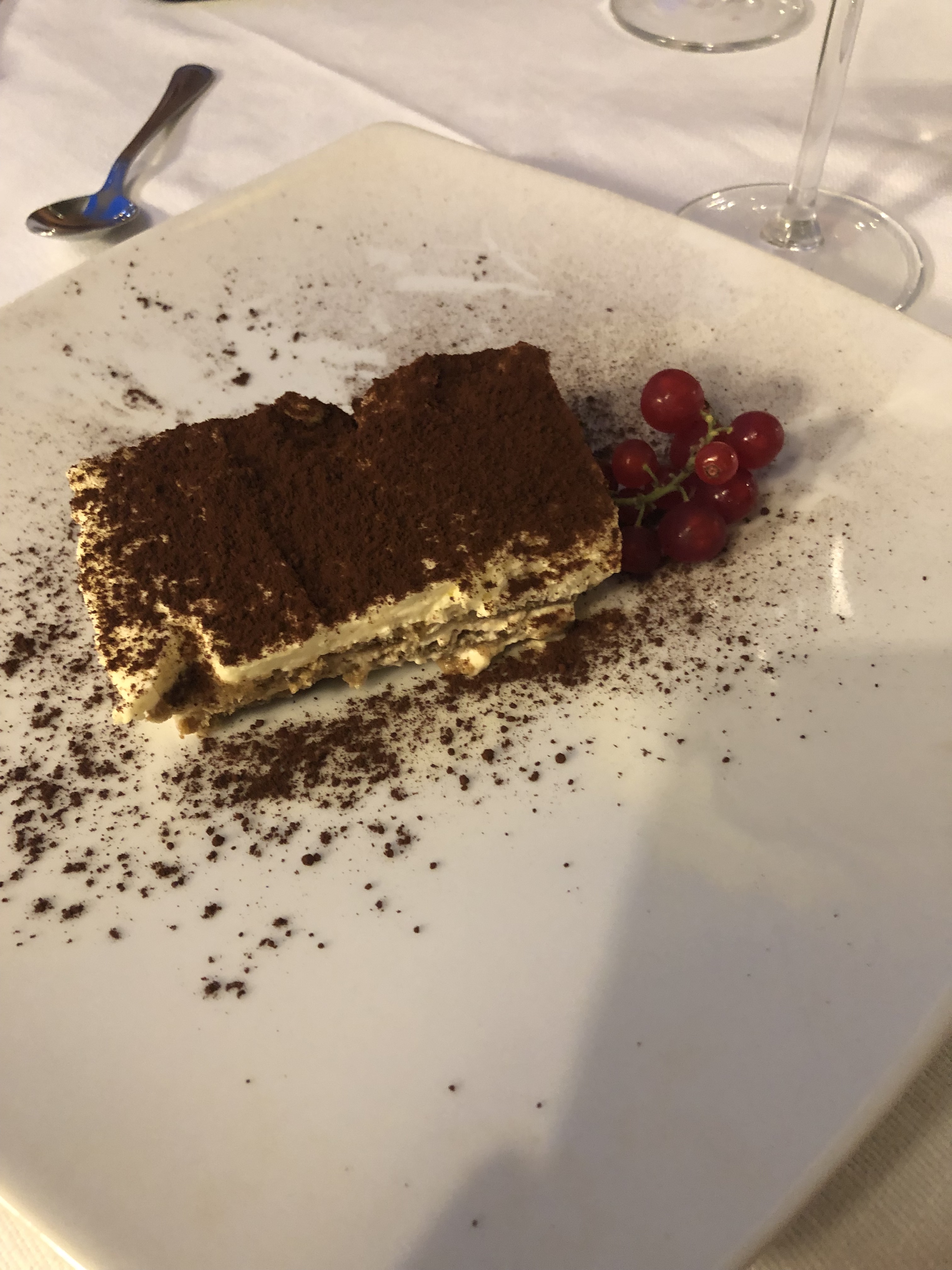
What do you have for dinner when you are in Florence? Steak Florentine and tiramisu, of course! One of the best steaks I have ever eaten. After checking into our hotel, it was back to Piazza del Duomo, with a view of the Duomo, for dinner.
Day 11: Free day
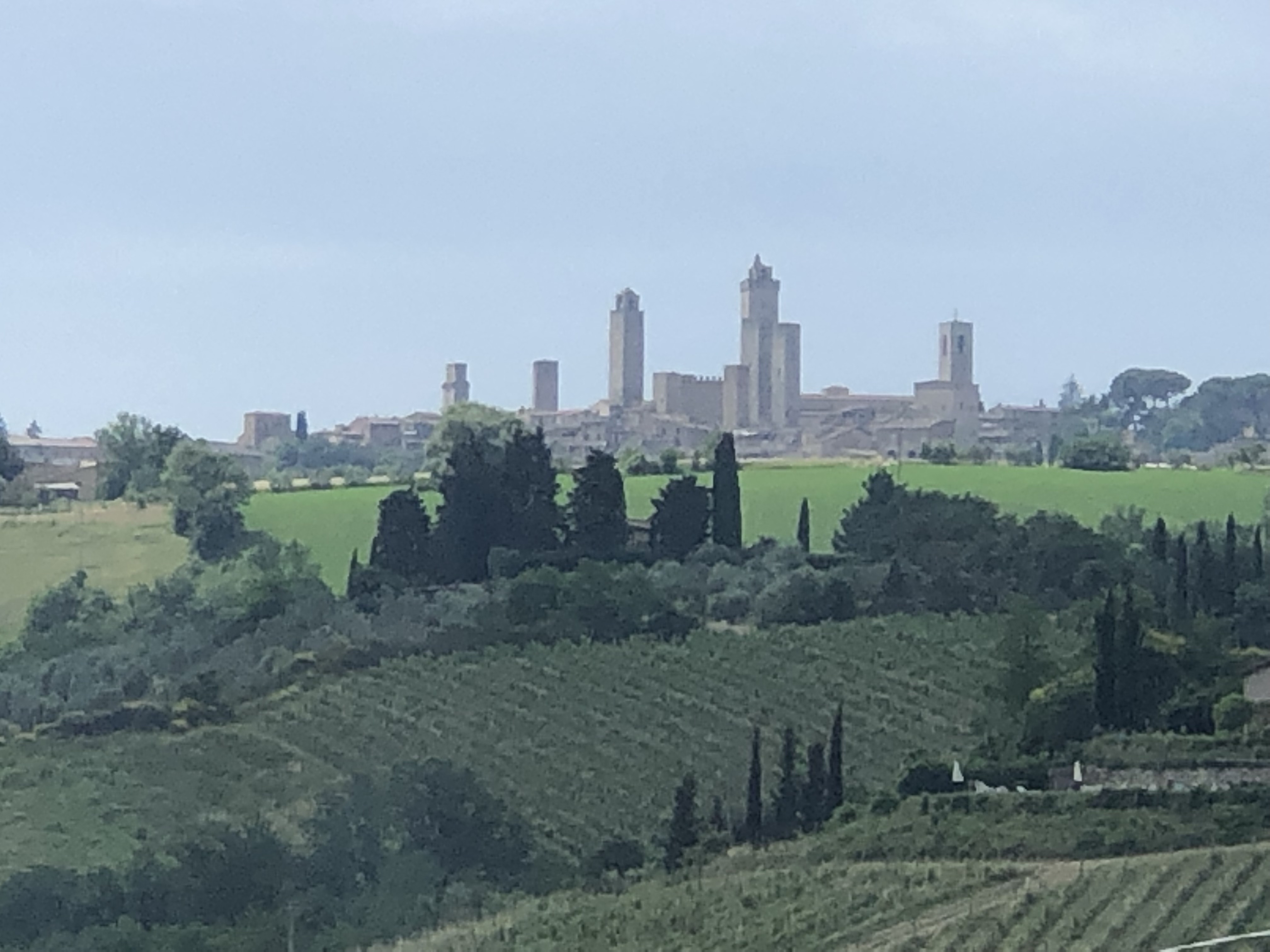
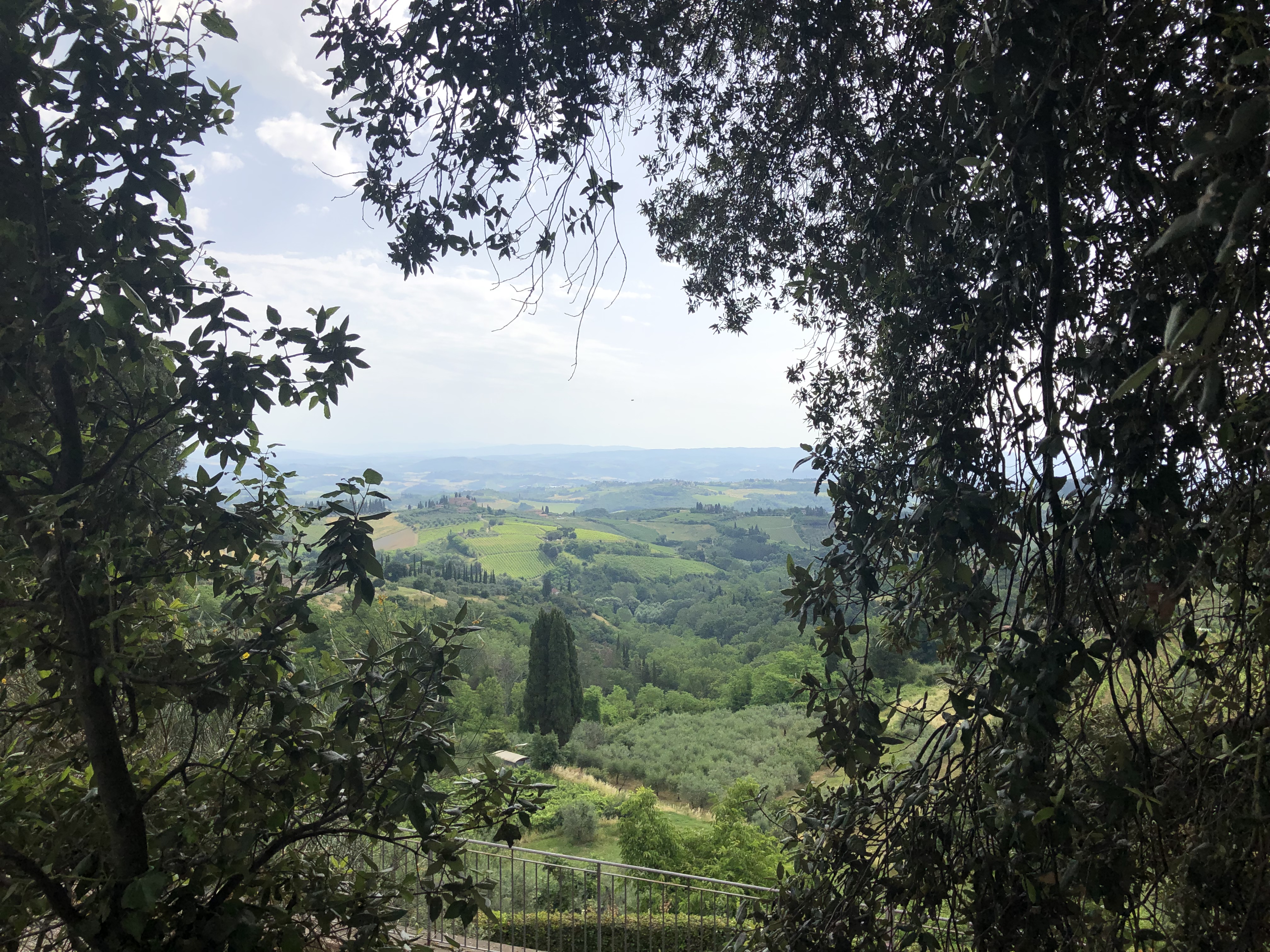
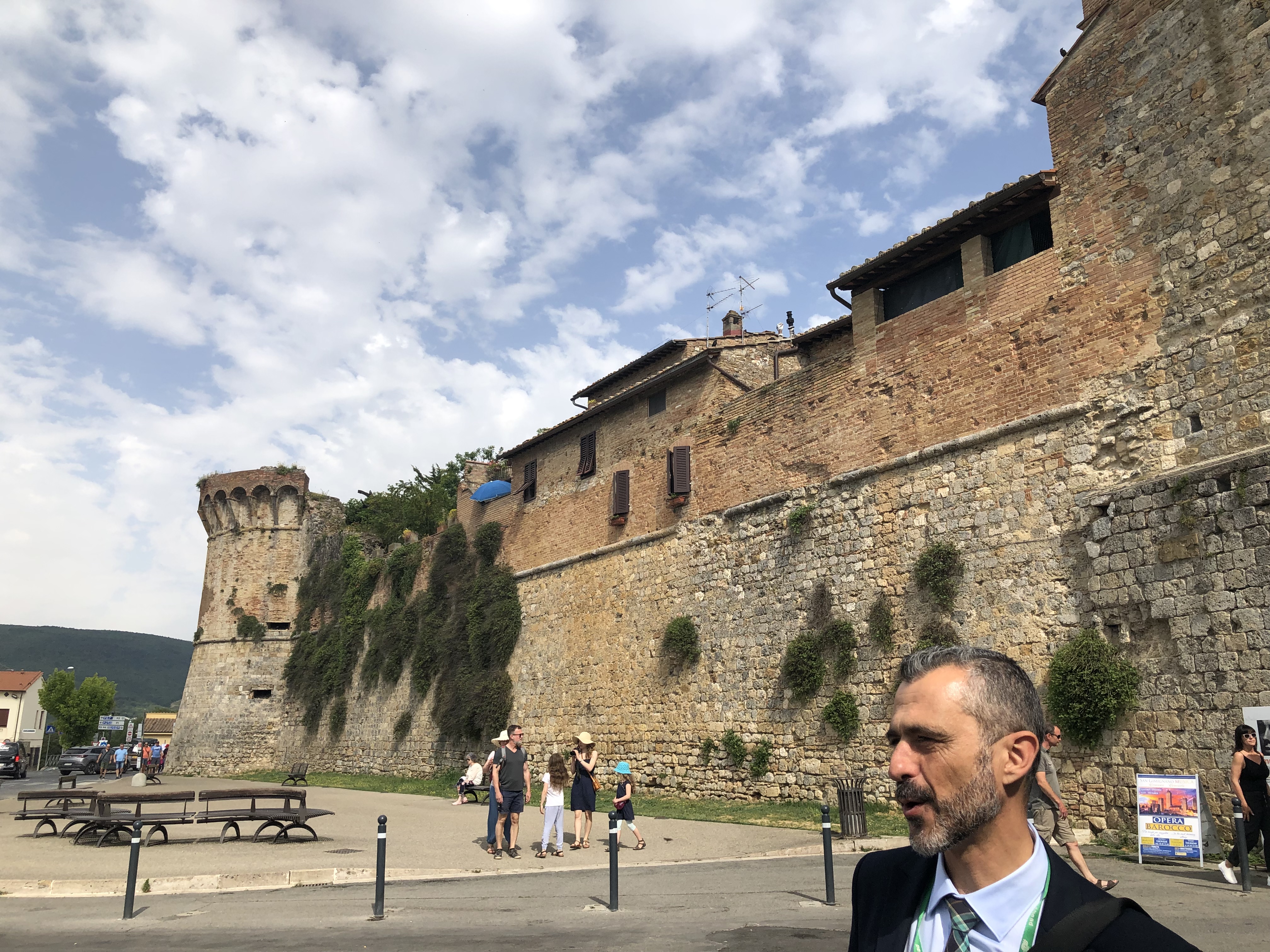
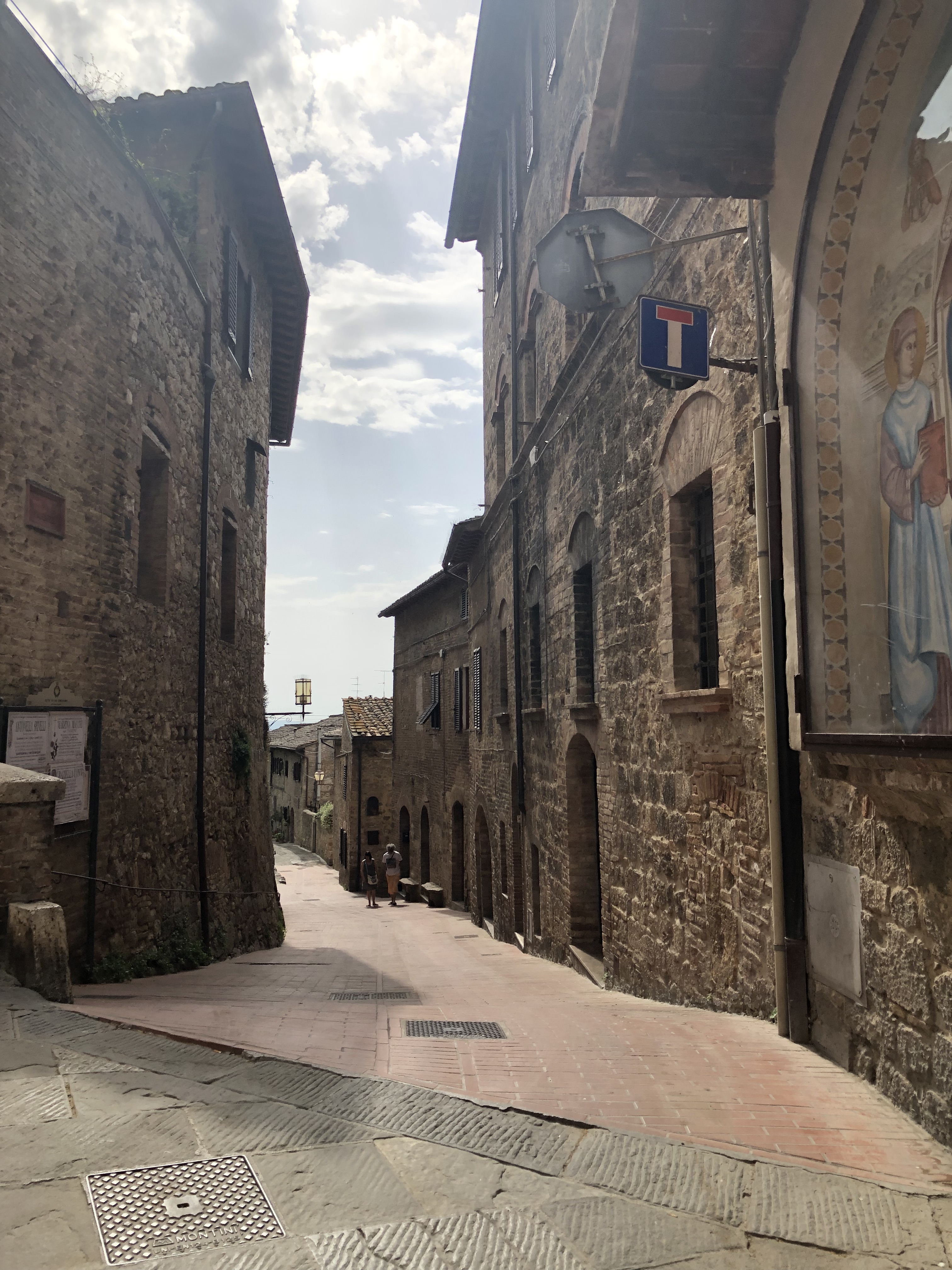
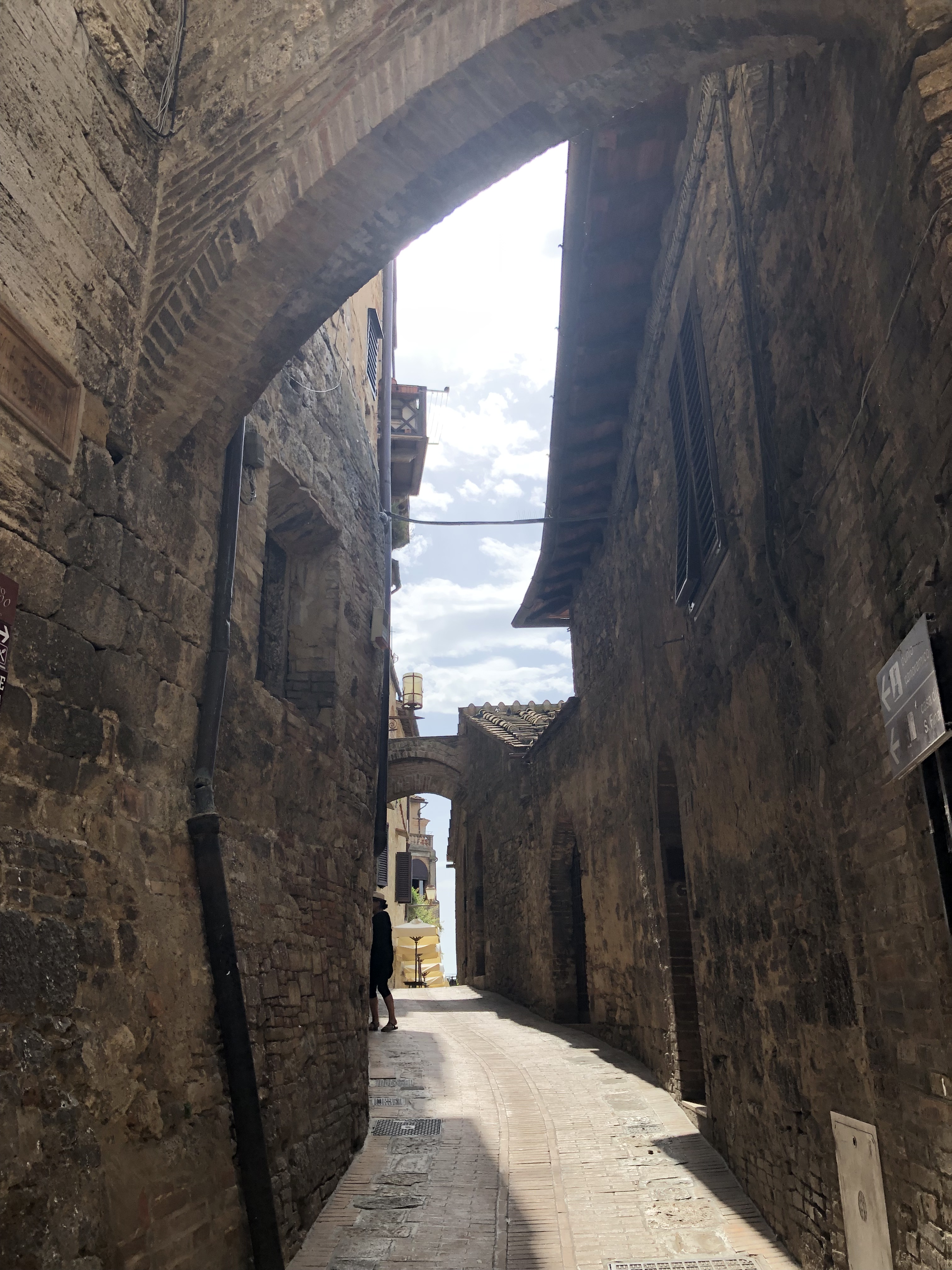
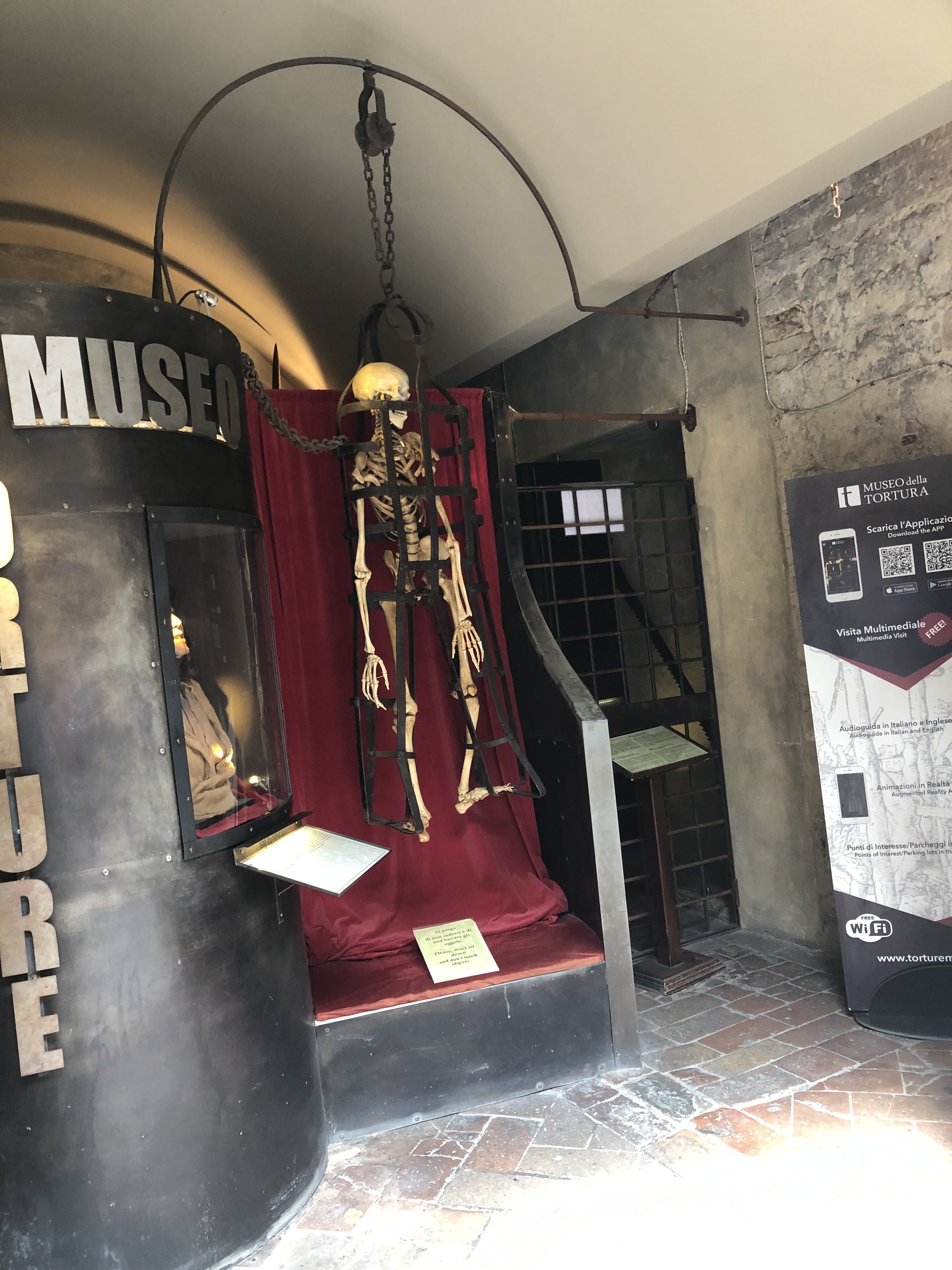
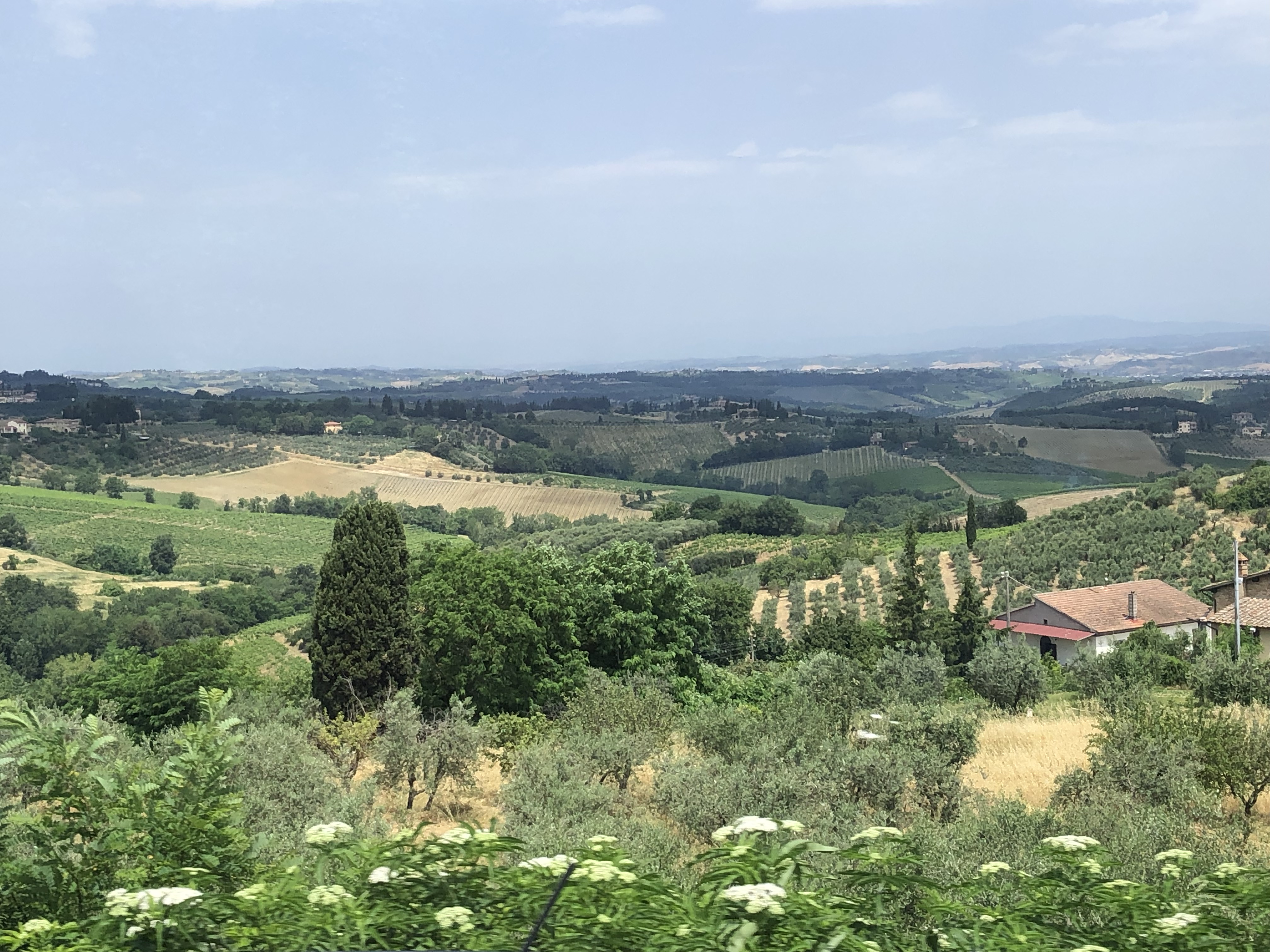
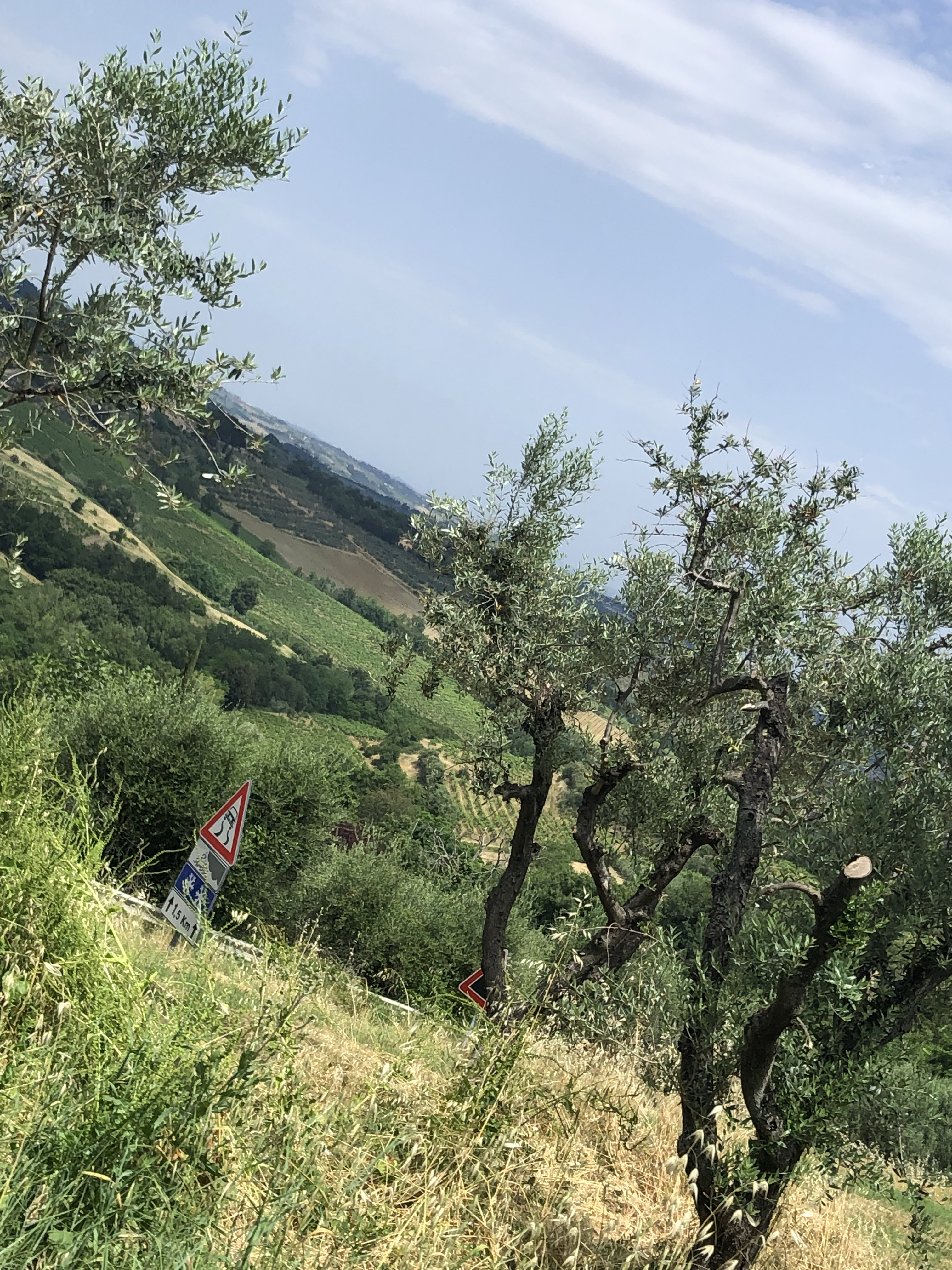
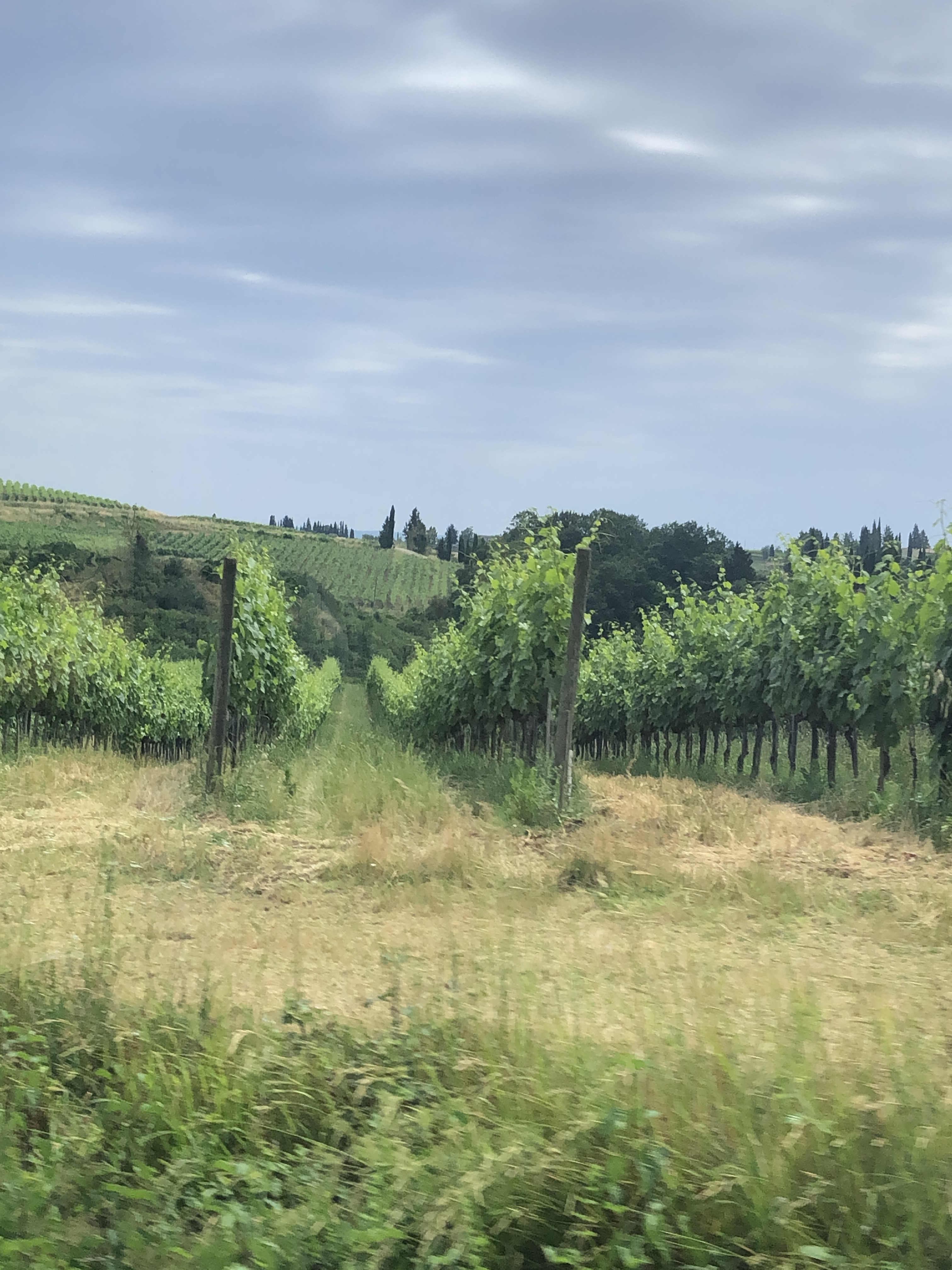
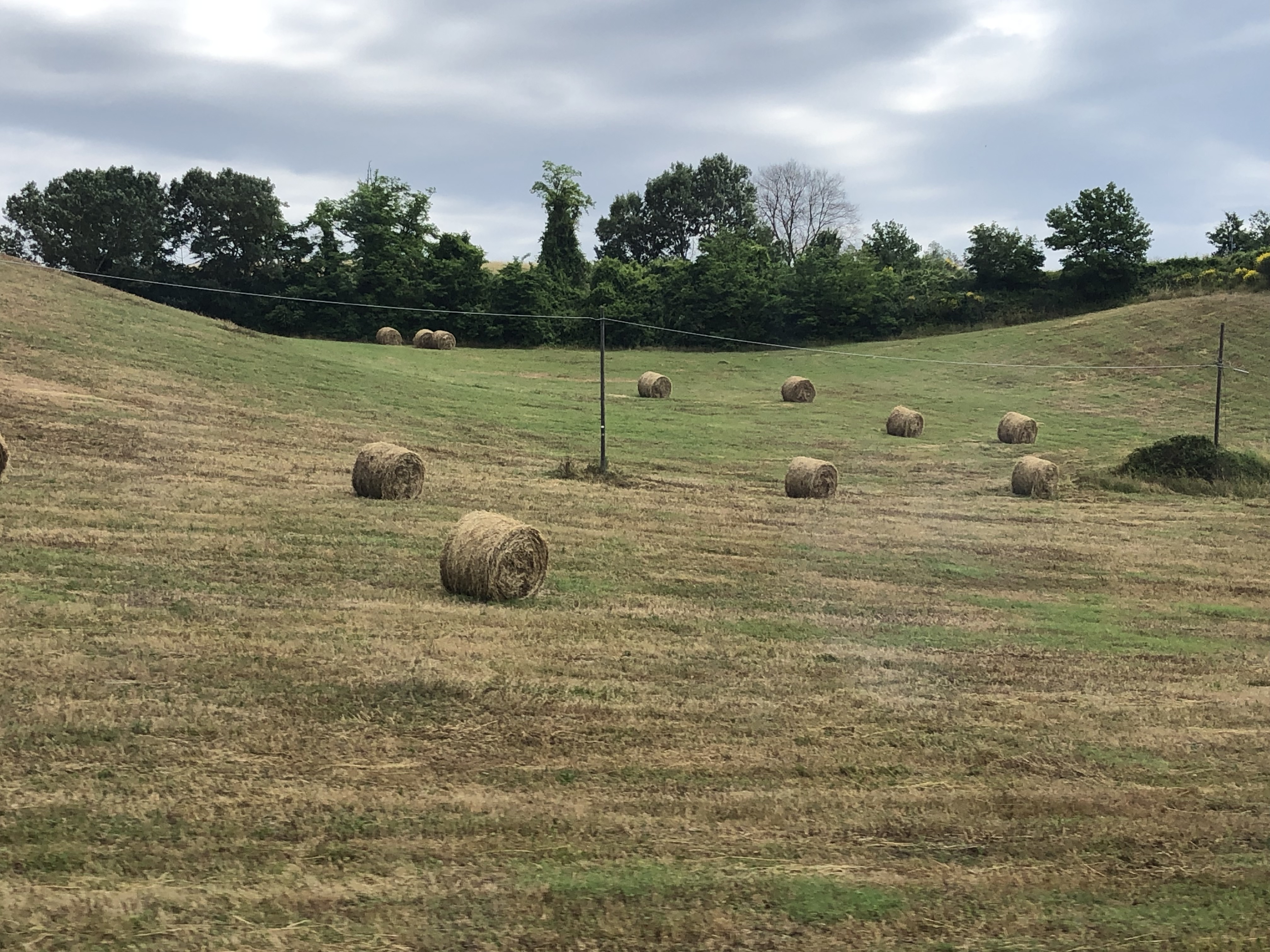
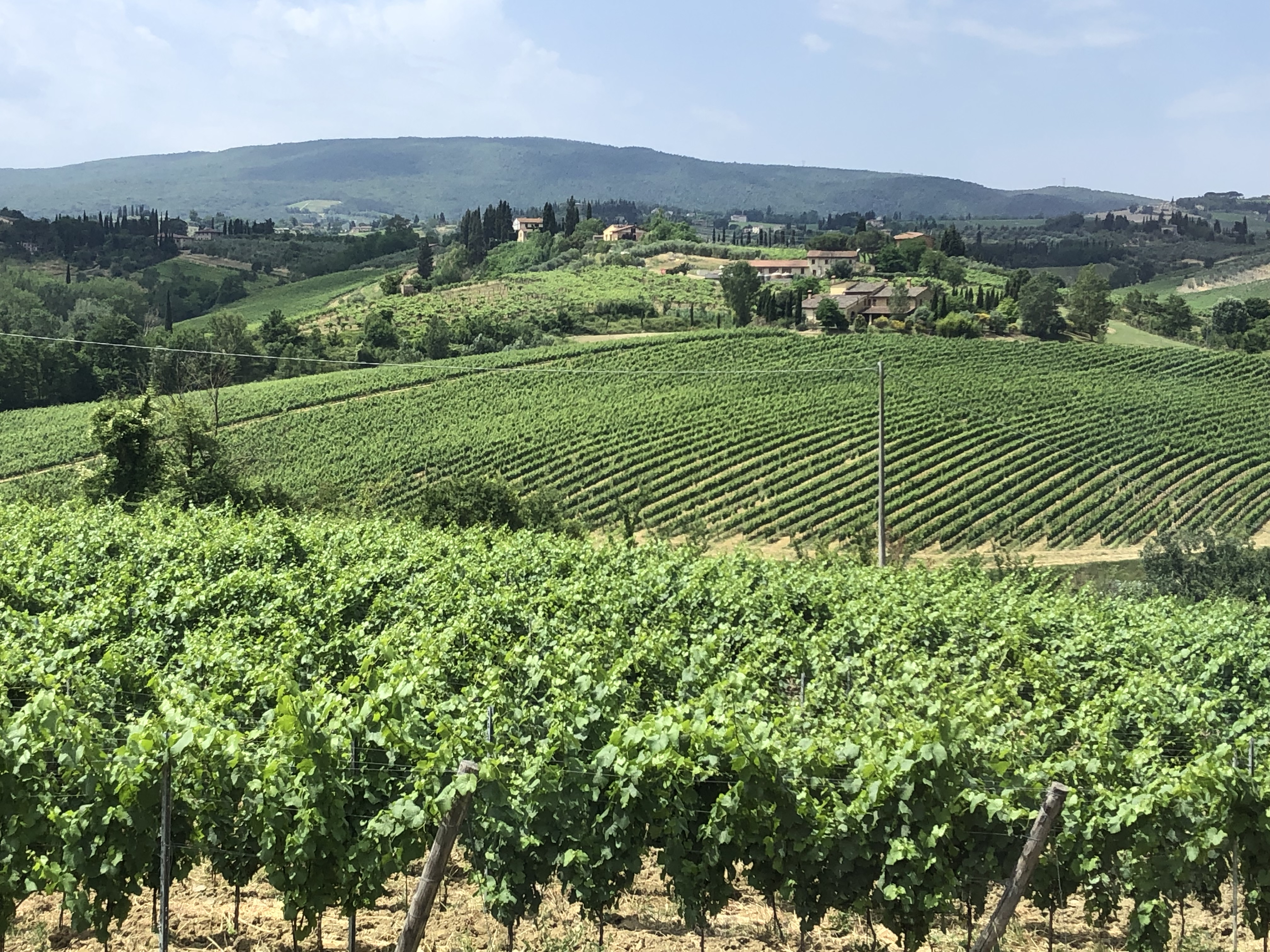
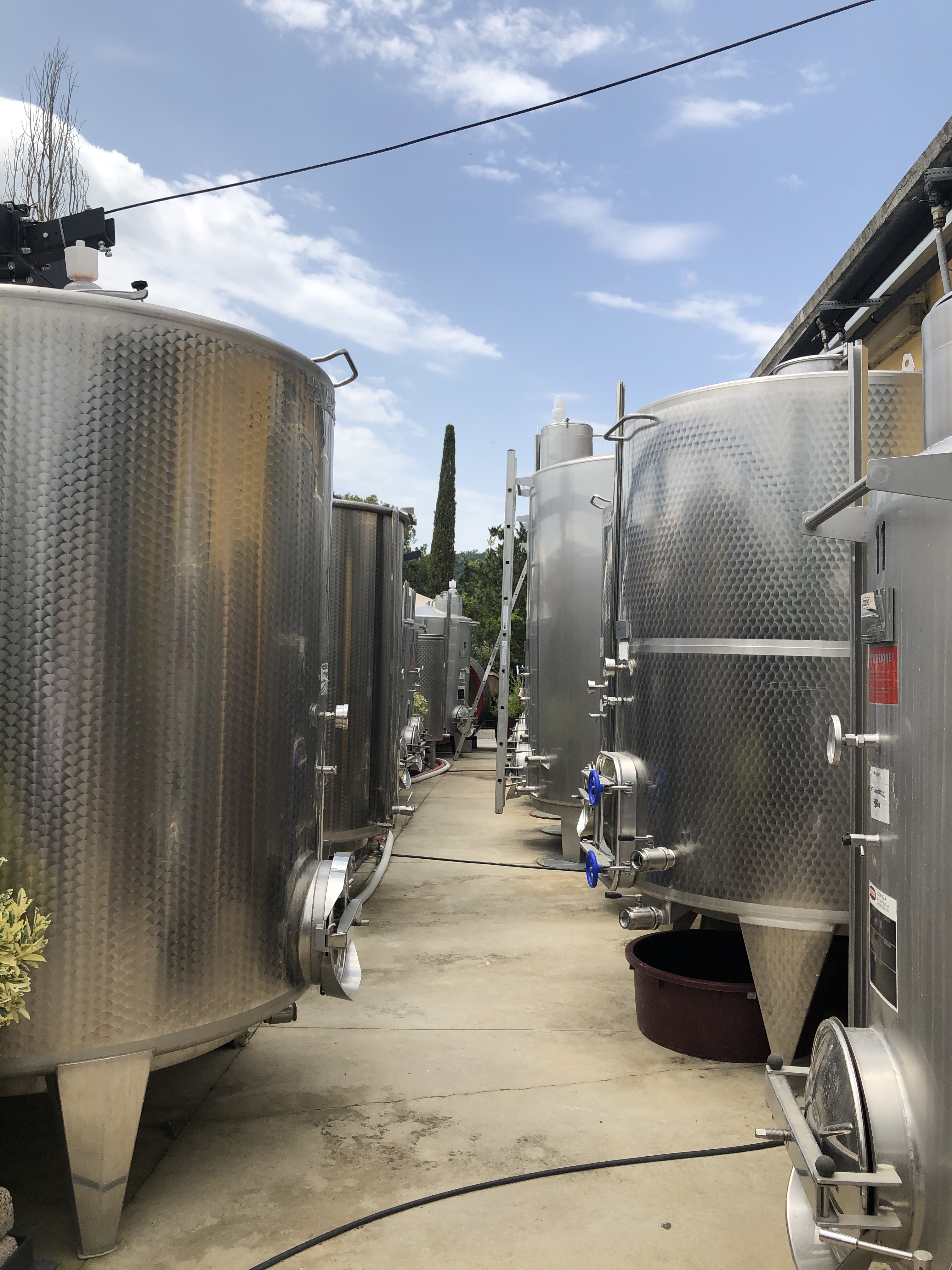
Our last day in Italy was a bus tour of Tuscany region, a visit to medieval San Gimignano, and lunch of olive oil, balsamic vinegar and wine tasting at a the Tenuta Torciano Winery family vineyard.
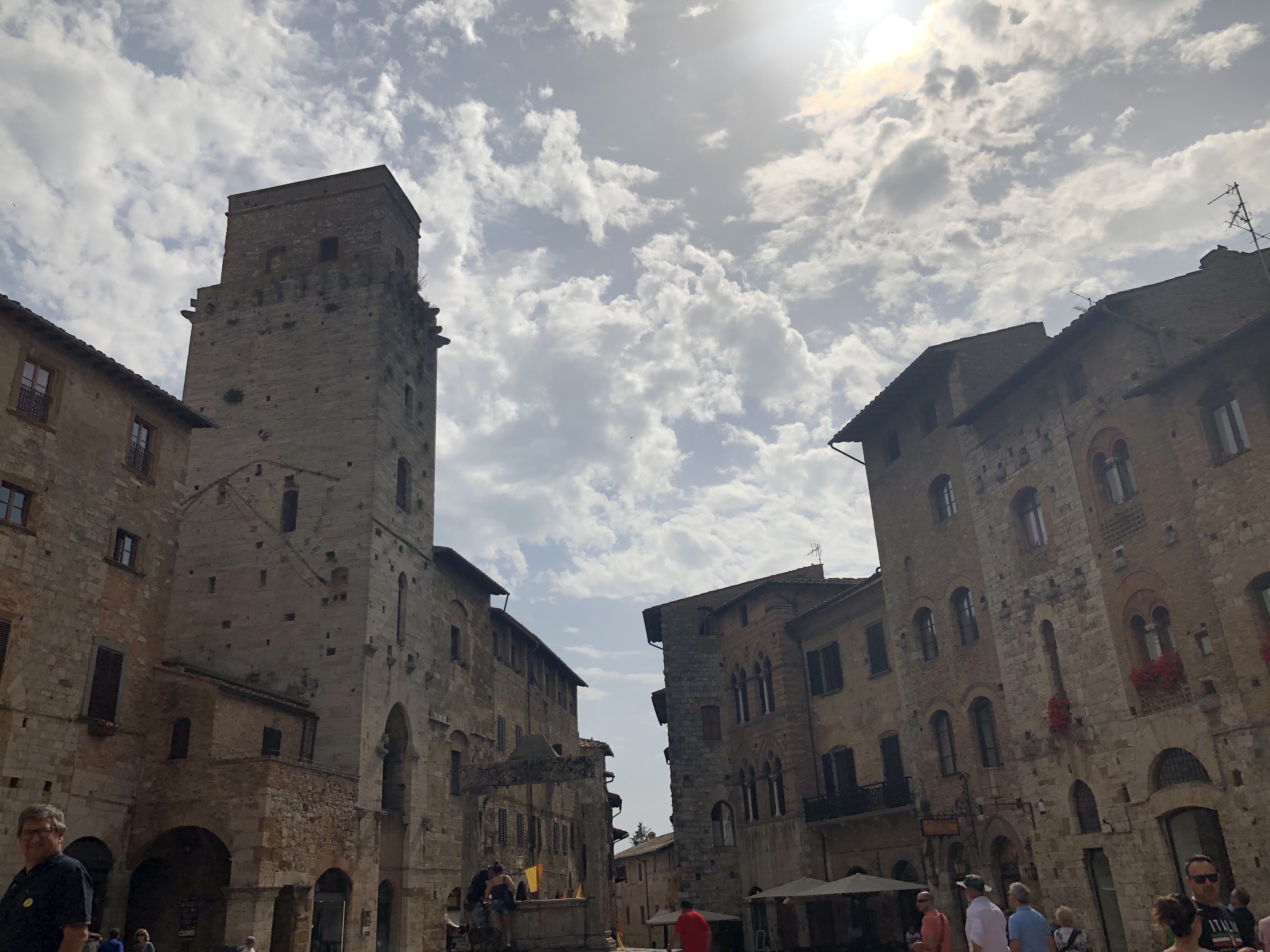
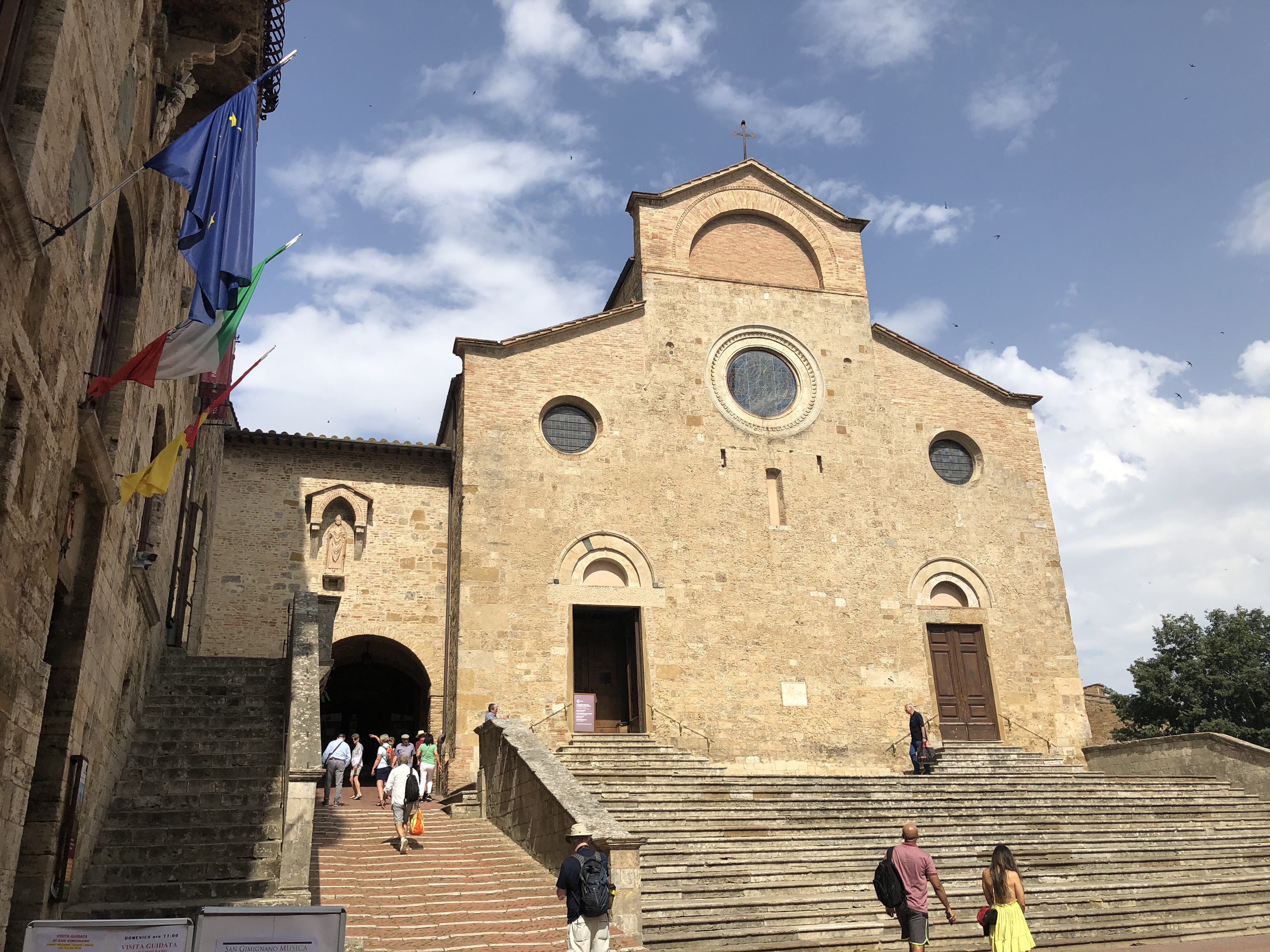
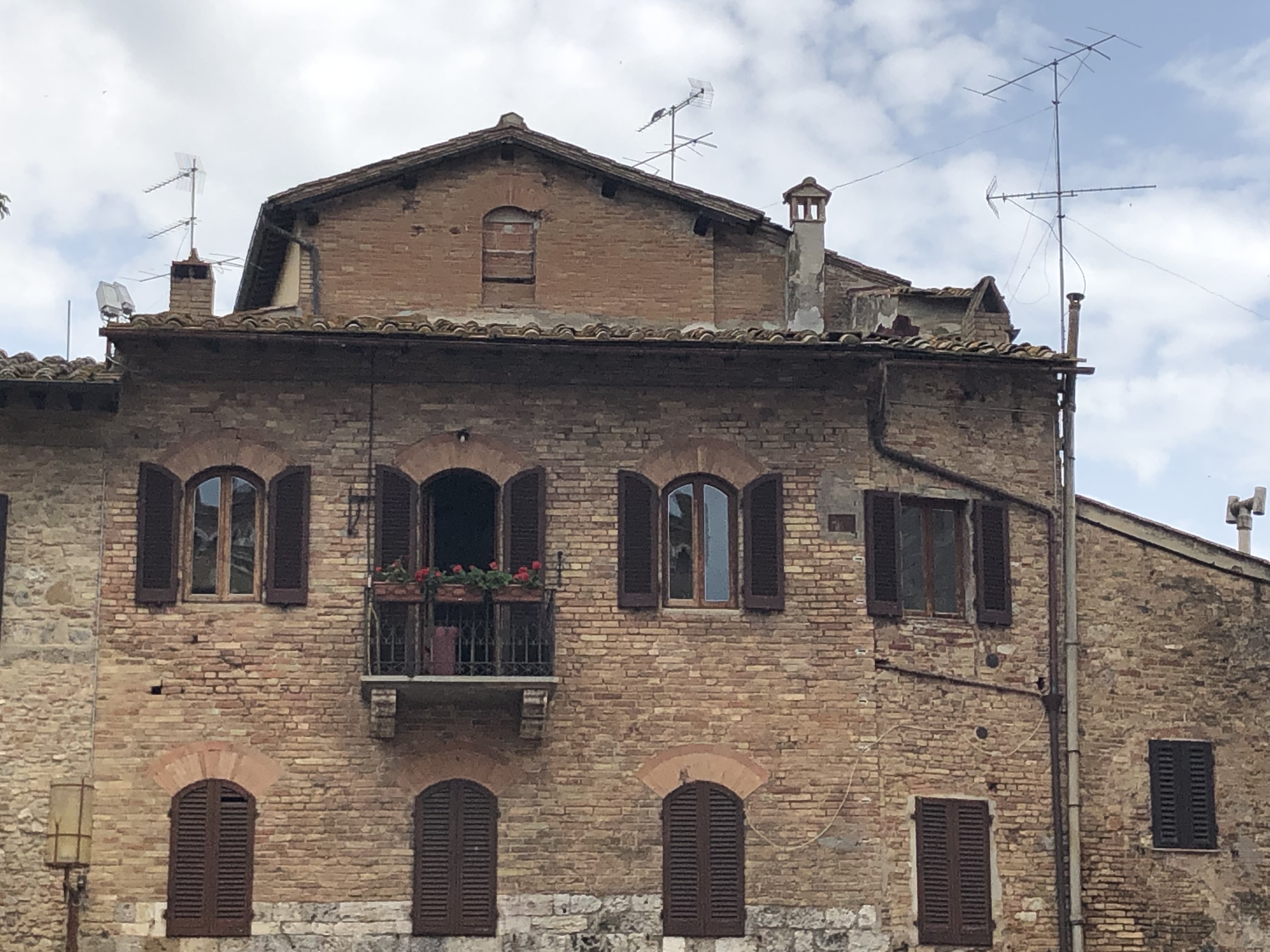
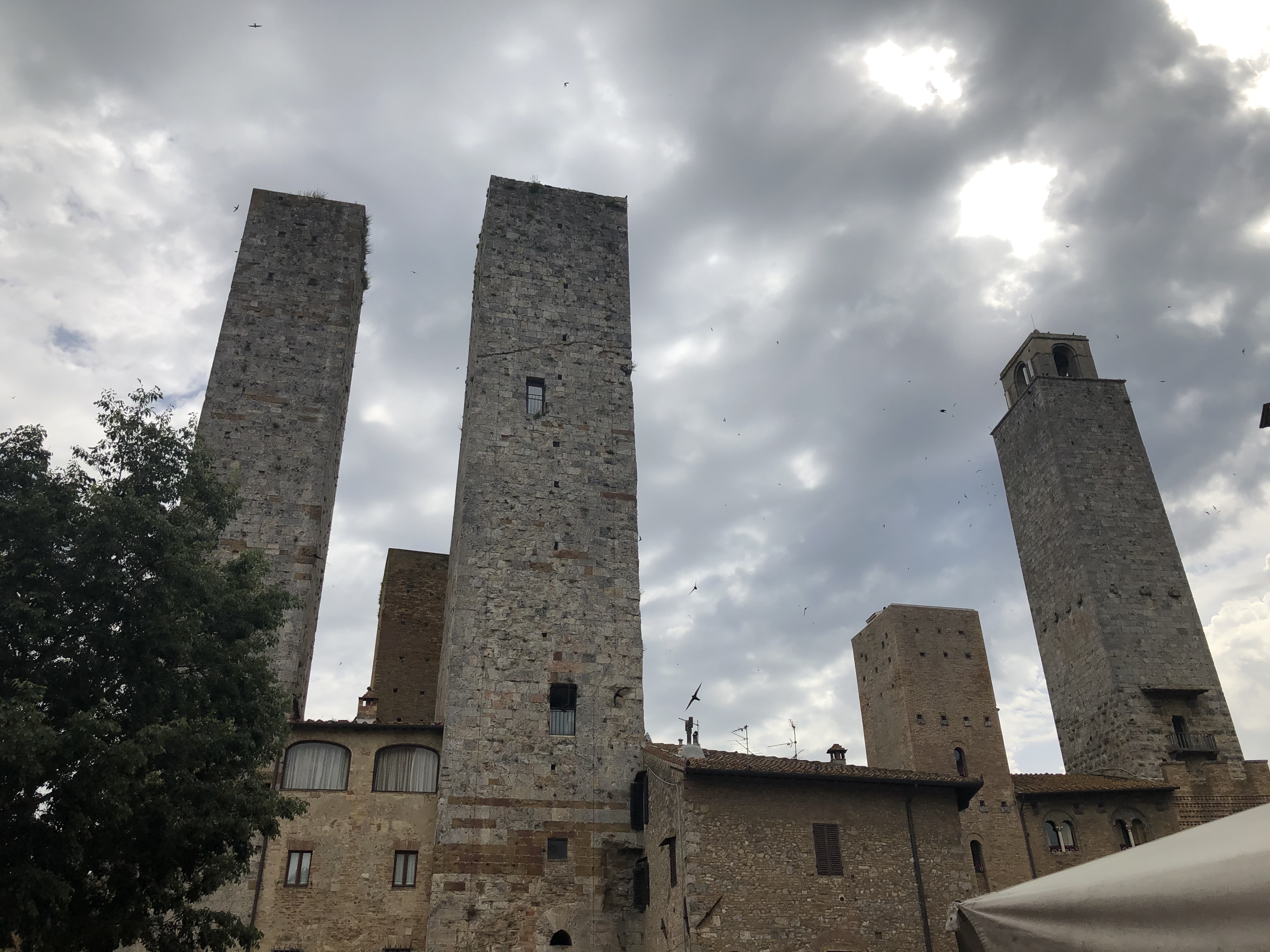
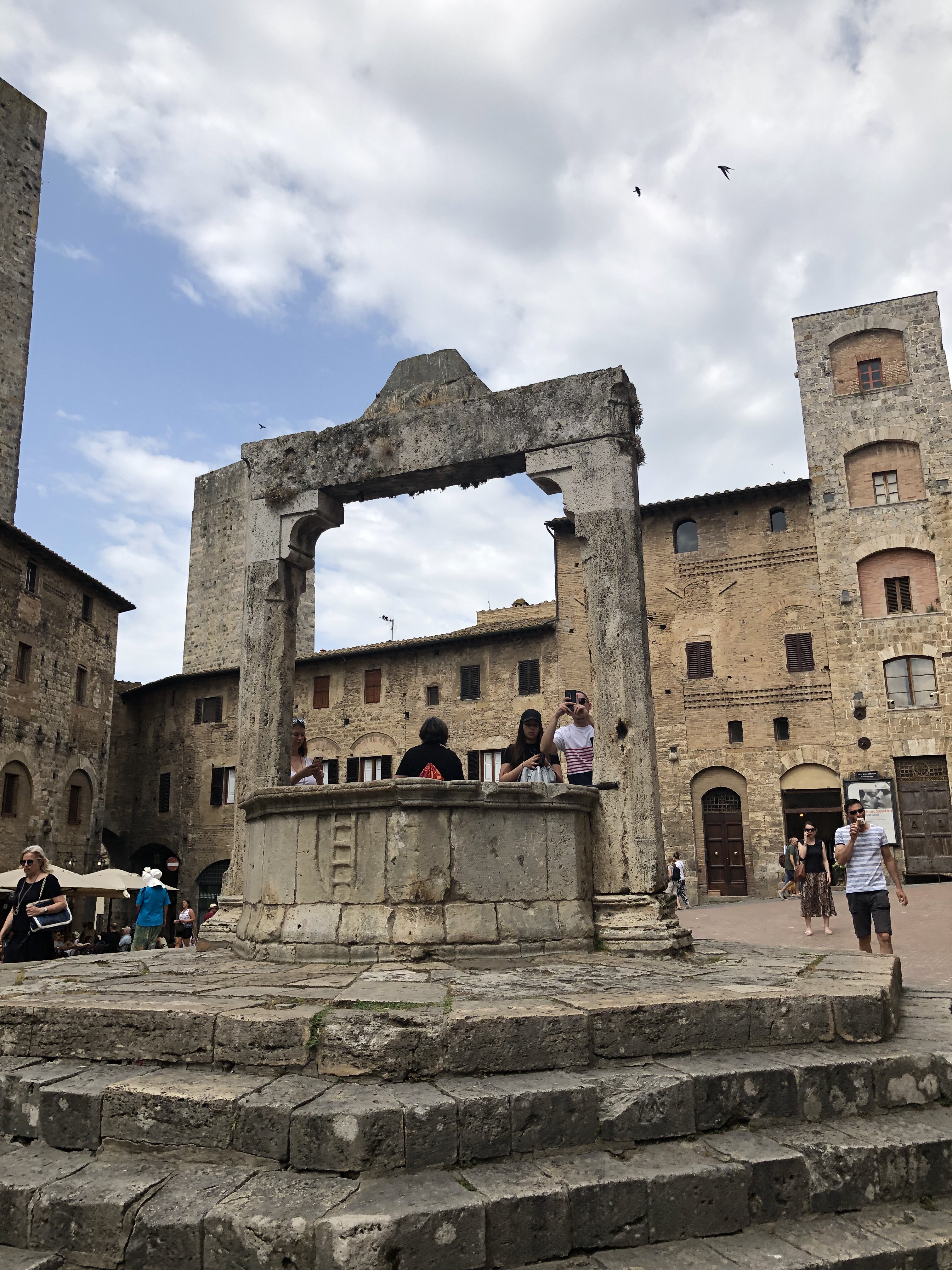
San Gimignano is a medieval walled town on a hill in the province of Siena, Tuscany. The town has buildings of both Romanesque and Gothic architectures. By the end of the medieval period there were 72 tower houses, today 14 towers remain. The towers were built because of a conflict between the Guelphs and the Ghibellines to show their power families wanted to show their power and strength. The Chapel of Santa Fina contain many fresco paintings by Ghirlandaio of the Renaissance period. The city was struck by the Black Death (the plague) in 1348 and half the towns people died. The town then submitted to being ruled by Florence.





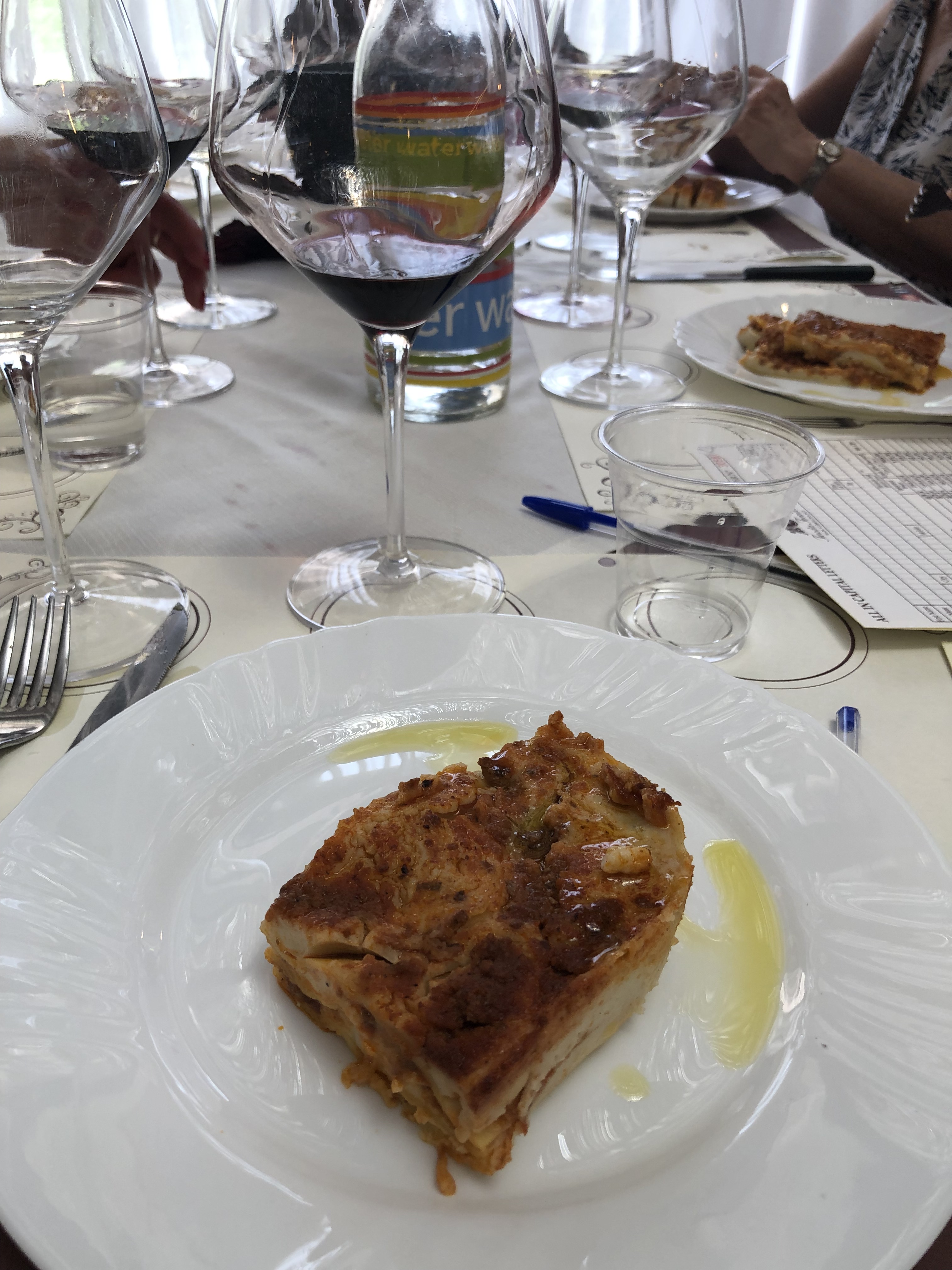
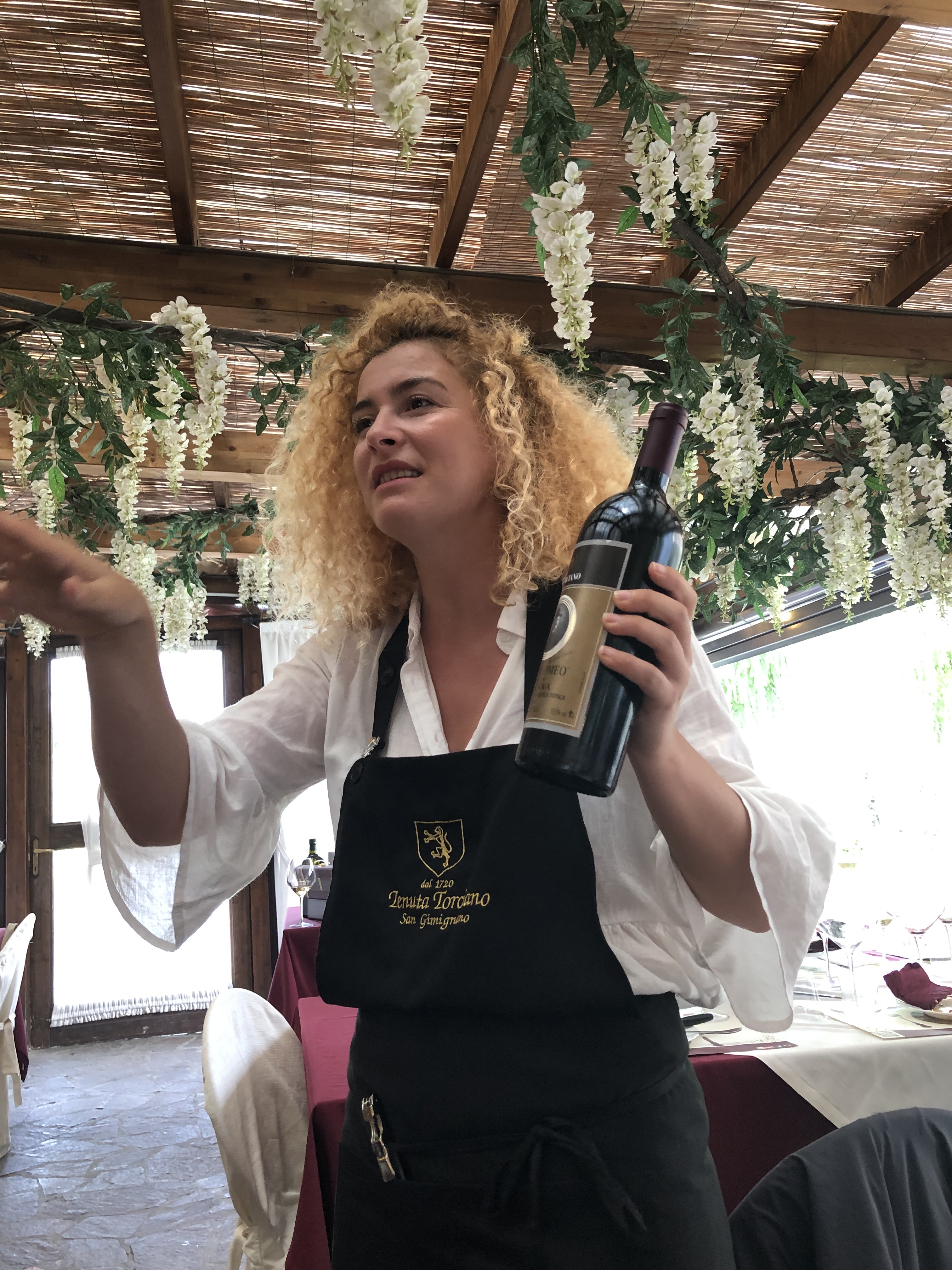
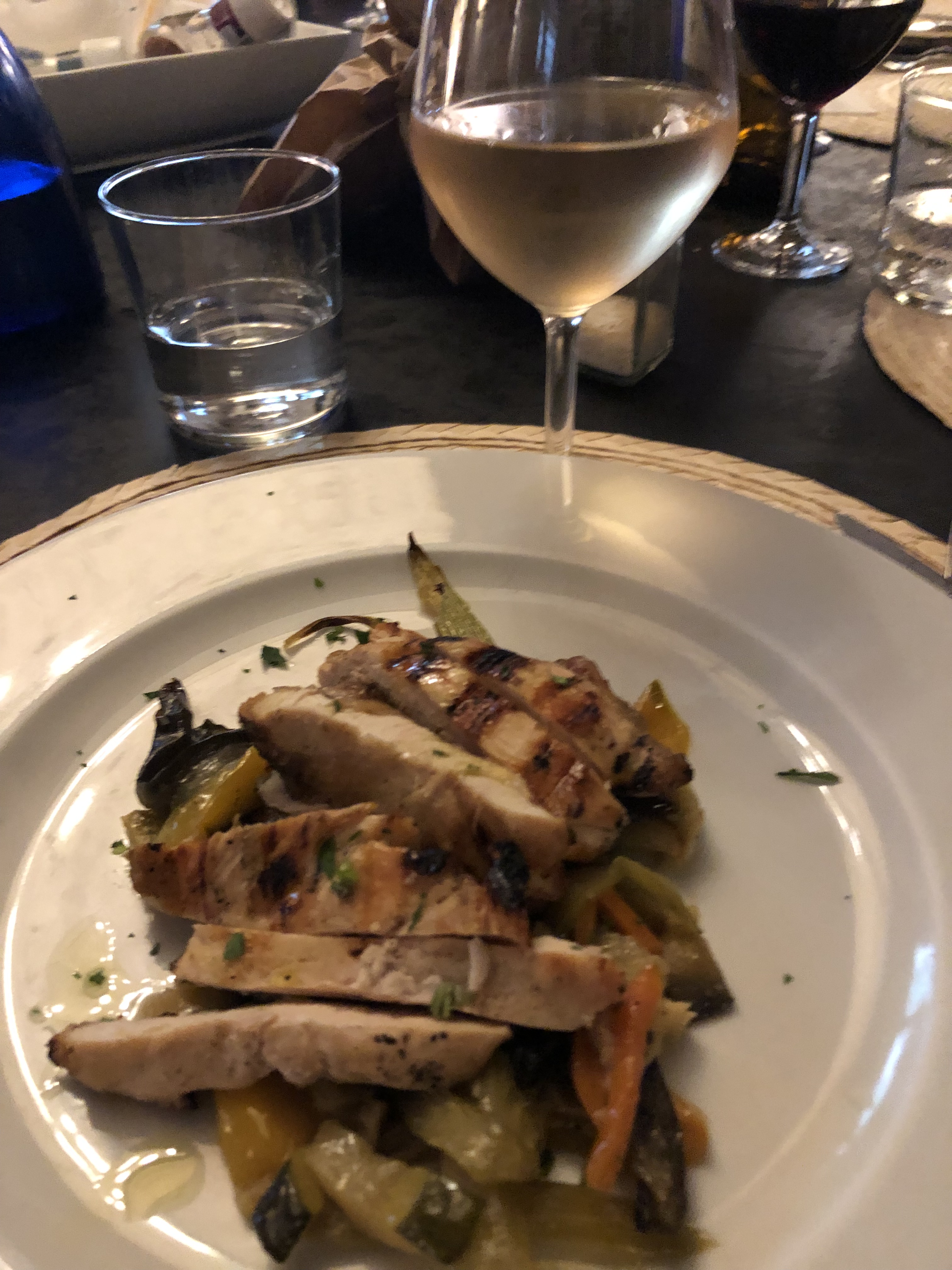
Our travels ended with learning how to taste wine correctly, a yummy lunch, olive oil and balsamic vinegar tasting at Tenuta Torciano Winery. Then back to Florence for a farewell dinner with out travel group.





Day 12: Flight home
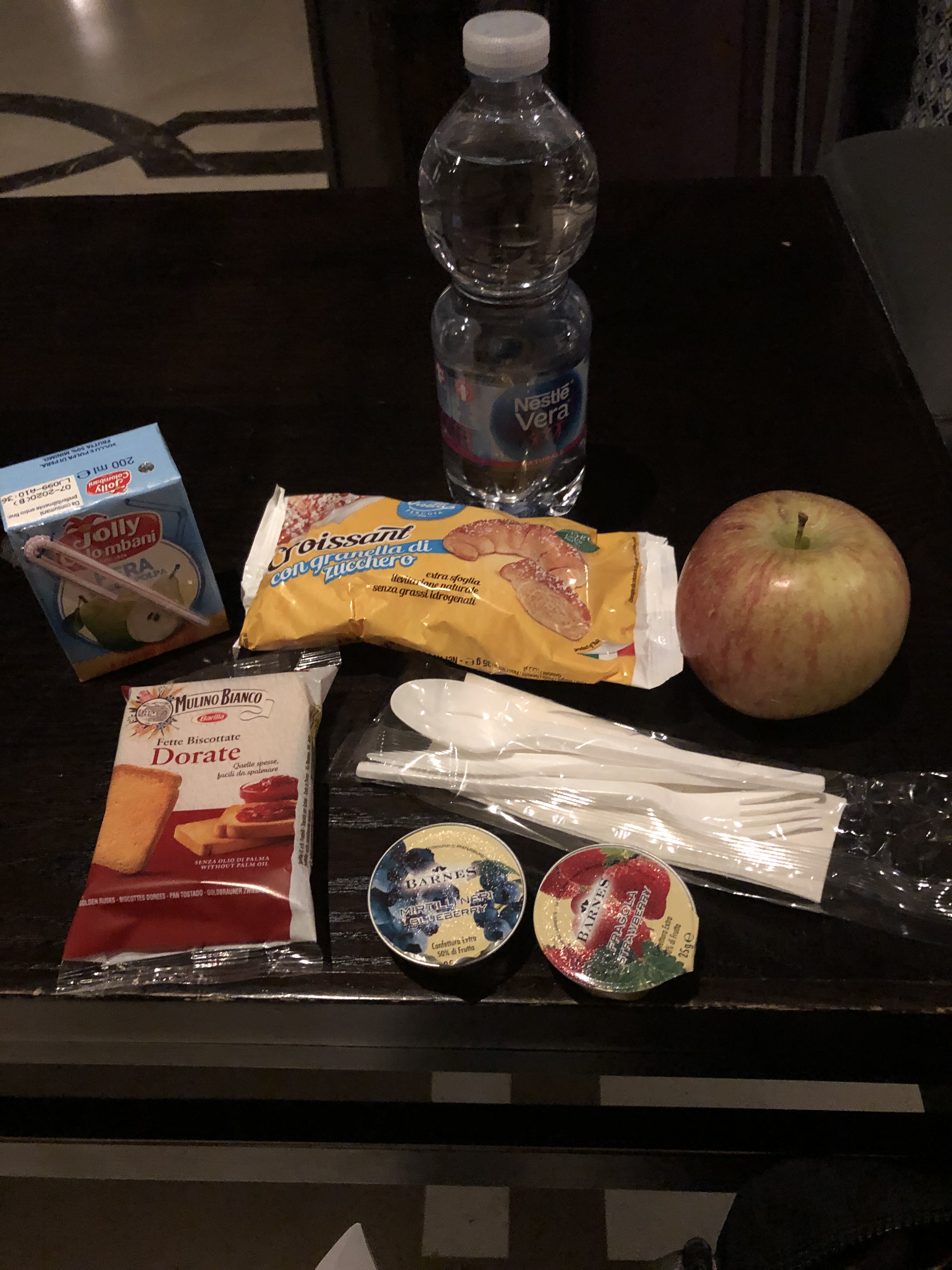
Any early morning flight means completely pack the night before, a box breakfast, not more lovely breakfasts of cheese, sliced meats and pastries, then a cab ride to the airport.
Spain, France and Italy! A wonderful experience. So many adventures from seeing Roman architecture, Renaissance art, tasting new foods, lovely beaches, and beautiful countryside. But most of all spending time with friends and making new friends.
Would you like to travel but don’t know how to beginning planning a journey? Contact me. I am always planning my next adventure and would love for you to join me!
 Roaming the World with Mrs. Kelly